

Best Time to Visit Kamikochi: Mid-May to June or October
Mid-May to early June brings fresh greenery and fewer crowds; mid-October peaks for foliage. Seasonal weather, crowd timing, opening dates and booking advice.
On this page
The best time to visit Kamikochi is mid-May to early June for fresh greenery and manageable crowds, or mid-October for peak autumn foliage — both shoulder windows reward visitors with clear mountain views and cooler temperatures. Last updated June 2026. Kamikochi is an alpine valley in Matsumoto City, Nagano Prefecture, sitting at roughly 1,500 m (4,900 ft) elevation within Chubu Sangaku National Park. The valley is open to the public from around mid-April to mid-November each year, and private vehicles are banned entirely — access is by bus or taxi only.
Because of the high elevation, temperatures run 10–15°C (18–27°F) cooler than Tokyo on any given day, so planning around season matters more here than at most Japanese destinations. The 18 km valley follows the crystal-clear Azusa River past iconic landmarks: Taisho Pond, Kappabashi Bridge, Dakesawa Marsh, and Myojin Pond. Each season transforms the landscape — spring snow lingers on peaks through May, summer brings vivid greenery, and October ignites the hillsides with red and gold maples. Understanding which month matches your priorities — crowds, weather, budget, or scenery — is the single most useful thing you can know before booking.
Kamikochi Season Comparison
Kamikochi's open window runs from approximately April 17 to November 15 each year, based on typical seasonal road conditions. Outside that window, all buses, hotels, and visitor facilities are fully suspended — there is simply nothing to access. Within the open season, conditions shift dramatically month by month, so the table below maps the key variables visitors care about.
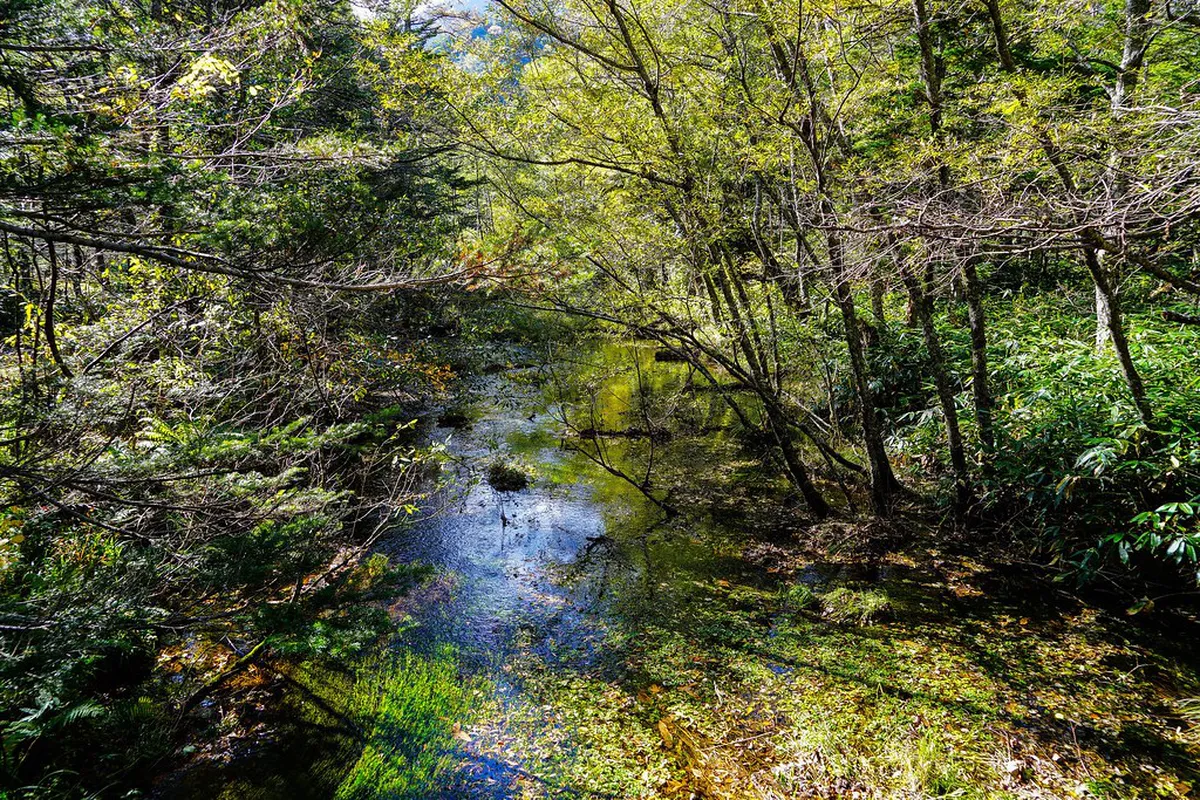
Spring (late April to May) delivers some of the most photogenic scenes in Japan, with snow still capping Mount Hotaka (3,190 m) above a valley carpeted in new green. Daytime temperatures climb to around 14–17°C / 57–63°F in May, dropping sharply at night. Golden Week (late April to early May) is extremely busy — weekday visits in mid-May offer nearly identical scenery with a fraction of the crowds. June marks the start of Japan's rainy season (tsuyu), bringing frequent mist and rain that can obscure mountain views for days at a time.
Summer (July–August) is the warmest period, with daytime highs of 20–25°C / 68–77°F, making it the most comfortable season for casual walkers and families. July continues to see rainy days in its first half, though the second half typically clears. August draws the largest domestic crowds; arriving before 9 a.m. noticeably reduces congestion around Kappabashi Bridge. Autumn (late September to November) is the most visually dramatic period — foliage typically peaks between mid-October and early November, drawing visitors from across Japan.
October weekends are the busiest days of the entire season, so a midweek visit is strongly recommended for this month. Temperatures in October drop to around 5–15°C / 41–59°F, and nights can be near freezing as November approaches. Early November, just before the mid-month closure, sees most visitors gone but the last autumn colours still clinging to the lower valley — a genuinely underrated window for those with flexible dates.
| Season / Months | Temp (Day) | Crowds | Prices | Key Conditions | Best For |
|---|---|---|---|---|---|
| Late April (opening) | 0–10°C / 32–50°F | Moderate | Mid-range | Snow possible, few leaves yet | Photographers, early-season hikers |
| May (mid-May sweet spot) | 14–17°C / 57–63°F | Moderate–High (Golden Week peak) | Mid-range | Fresh green, snow on peaks | Scenery, hiking, shoulder-season value |
| June (rainy season starts) | 15–18°C / 59–64°F | Low–Moderate | Lower | Frequent mist and rain (tsuyu) | Budget travelers, misty photography |
| July–August | 20–25°C / 68–77°F | High (August peak) | Higher | Warm, mostly sunny by late July | Families, casual walkers, escaping heat |
| September | 12–20°C / 54–68°F | Moderate | Mid-range | Colors beginning on mountain tops | Early foliage, uncrowded hiking |
| Mid-October (foliage peak) | 5–15°C / 41–59°F | Very High (weekends) | Highest | Peak red and gold foliage | Autumn foliage seekers, photographers |
| Early November (pre-close) | 3–10°C / 37–50°F | Low | Lower | Late foliage, cold, closing soon | Quiet walkers, last-chance visitors |
Which Season Is Right for You?
Matching your travel style to the right Kamikochi window prevents a frustrating visit — the valley is extraordinarily beautiful in every open month, but each period rewards different priorities. The checklist below distils the most common traveler types into a simple pick-X-if framework. For most first-time visitors, mid-May to early June or late September to mid-October will deliver the most satisfying combination of scenery, weather, and manageable crowds.
Hikers planning the full Kamikochi Hiking Trails Travel Guide — from Taisho Pond to Myojin Pond and back, a 9 km circuit taking 3–4 hours — will find late May ideal for stable trail conditions without summer humidity. Those targeting Mount Hotaka (3,190 m) or Mount Yari (3,180 m) summit trails should note these are multi-day expeditions requiring overnight stays in mountain huts. August is the most reliable month for full-day mountain hut access, with trails entirely clear of snow.
Budget-conscious travelers benefit most from June or early November, when accommodation inside the valley drops and day-trip buses from Matsumoto are less crowded. Families traveling with young children generally prefer July and August for warmth and the widest selection of open restaurants and cafes near Kappa Bridge. Wildlife watchers have the best chance of spotting Japanese macaques along the Myojin Pond trail in any month, but bear sightings — though unlikely — are most reported in autumn.
- Pick mid-May to early June if you want
- Fresh green scenery, snow-capped peaks, and fewer crowds than Golden Week or autumn.
- Pick July–August if you want
- The warmest weather, fully open facilities, and easy hiking for all fitness levels.
- Pick mid-October if you want
- Peak autumn foliage with fiery maples and larches reflecting in the Azusa River.
- Pick June if you want a budget visit
- Lower accommodation rates and thinner crowds, despite the risk of rainy overcast days.
- Pick early November if you want solitude
- Almost no other visitors, late-season colour, but dress for near-freezing mornings and book early.
What's Closed in Low Season
Kamikochi closes entirely from around mid-November to mid-April — this is not a quiet season, it is a complete shutdown. All public buses from Sawando and Hirayu Onsen stop running, and the tunnel road into the valley is sealed for the winter. Attempting to enter on foot during the closed period is possible but highly risky: trails are unlit, unmarked, and subject to deep snow and avalanche risk above 1,500 m.
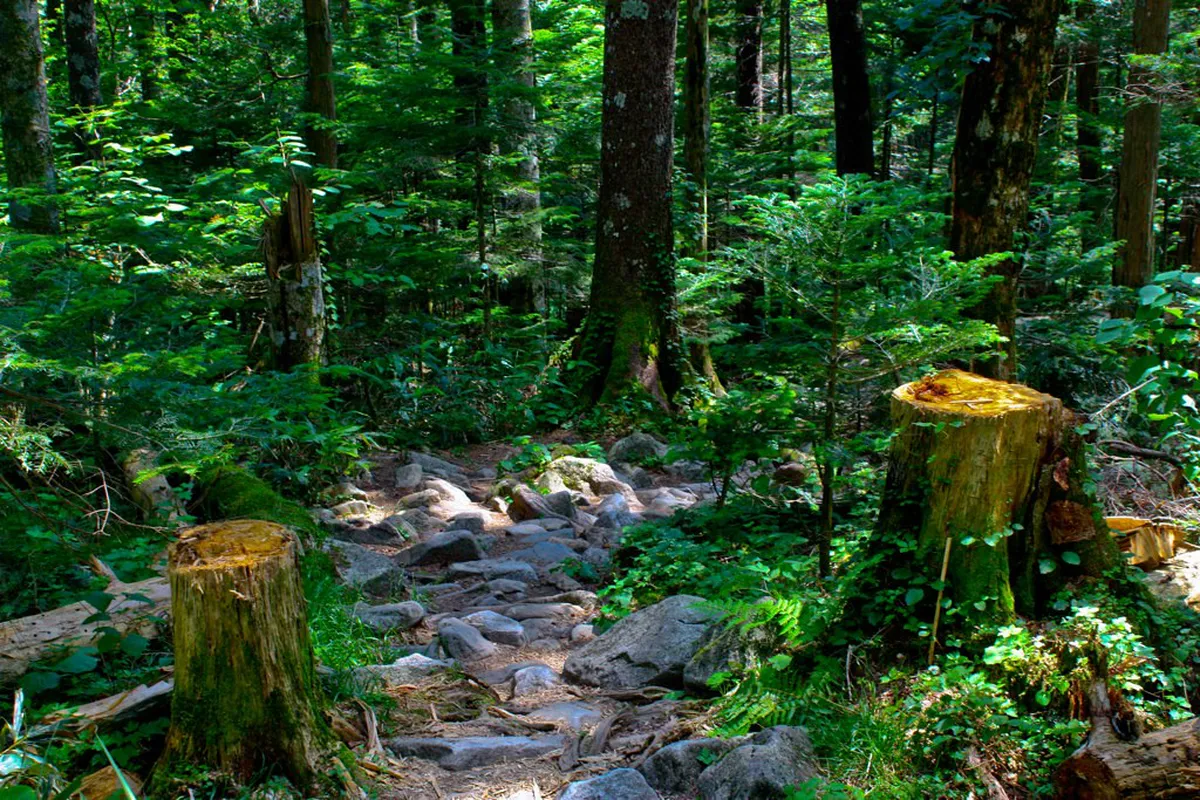
Inside the valley, every hotel and mountain lodge closes for winter, including the Gosenjaku Hotel and the Taishoike Hotel near the pond. Restaurants and cafes around Kappabashi Bridge — the main hub for food and rest stops — are all shuttered until the spring opening. The visitor centre and all shuttle services within the valley also cease operation. Rangers do not patrol during winter, meaning any accident is the sole responsibility of the person who entered.
Even within the open season, some facilities operate on narrower windows. Mountain huts on the approaches to Mount Hotaka and Mount Yari typically open from late June and close in mid-October — confirm current dates before planning an overnight climb. The Kamikochi Camping Ground is usually open from late April through early November, but its exact dates vary year by year.
How to Get to Kamikochi by Season
Private vehicles — including rental cars — are banned from Kamikochi year-round, not just in peak periods. Drivers must park at one of two designated terminals: Sawando Bus Terminal (approaching from Matsumoto) or Hirayu Onsen (approaching from Takayama), then board a shuttle bus. The bus ride from Sawando into the valley takes about 30 minutes; the total journey from Matsumoto Station via the Alpico Line to Shin-Shimashima and then bus takes around 2 hours. From Takayama Station, an express bus runs to Hirayu Onsen (about 50 minutes) where a second short bus completes the trip — total journey roughly 1.5–2 hours.
During Golden Week (late April to early May) and the October foliage peak, buses fill quickly and queues at Sawando can reach 1–2 hours on weekends. Booking the first bus of the morning — typically departing Sawando around 6 a.m. during peak weeks — lets visitors reach Kappabashi Bridge before the main crowds arrive. Direct express buses from Tokyo (Shinjuku Bus Terminal) to Kamikochi run during summer and autumn; the journey takes roughly 4.5 hours and should be reserved well in advance.
For visitors combining Kamikochi with Matsumoto, the full Kamikochi attractions guide covers day-trip logistics and what to do once inside the valley. Takayama-based travelers find the western approach convenient; Hirayu Onsen also has its own hot-spring lodges for those who want to overnight outside the valley.
What to Pack for Kamikochi
At 1,500 m elevation, Kamikochi is noticeably cooler than the lowlands in every open month — packing layers is non-negotiable even in summer. The NAVITIME Travel guide notes average temperatures of around 22°C / 72°F at peak summer, with mornings and evenings regularly dropping below 10°C / 50°F. April and October visitors should plan for near-freezing overnight temperatures and occasional snowfall. A weatherproof outer layer doubles as wind protection along exposed riverside sections of the Azusa River trail.
Footwear matters more than most visitors expect: the standard 9 km Taisho Pond–Kappa Bridge–Myojin Pond circuit is entirely level and well-maintained, but trails north toward Tokusawa become uneven. Sturdy walking shoes or light hiking boots are sufficient for valley-floor routes; proper mountain boots are required for any ascent toward the Hotaka or Yari ridgelines. There are no trash bins inside Kamikochi — visitors must carry out all waste, so a small drawstring bag is worth adding to your pack.
Bear bells are sold at shops near the Kamikochi Bus Terminal and Kappabashi and are worth purchasing for any walk north of Myojin Pond. Drones are prohibited throughout the valley, so plan photography with a camera rather than aerial equipment. For the June–July rainy season, a compact umbrella is less useful than a waterproof jacket — the narrow forest trails make umbrella use impractical.
- Spring (late April–May) packing essentials
- Warm mid-layer fleece, waterproof jacket, and gloves for cold mornings and possible late snow.
- Rainy season (June–early July) packing essentials
- Waterproof jacket and quick-dry trousers; leave the umbrella at the hotel for forest trails.
- Summer (mid-July–August) packing essentials
- Light short-sleeve base, packable fleece for evenings, sunscreen, and insect repellent.
- Autumn (September–November) packing essentials
- Warm layers for cold mornings, waterproof shell, and trail shoes with ankle support.
Where to Stay in Kamikochi
Accommodation options inside the valley are deliberately limited to protect the ecosystem — there are fewer than ten lodging properties, and most book out months in advance during peak season. The full guide to where to stay in Kamikochi covers every property and the practical trade-offs between them. Staying inside the valley is the only way to experience dawn light on the mountains, evening wildlife, and the valley after day-trippers leave — but it comes at a premium.
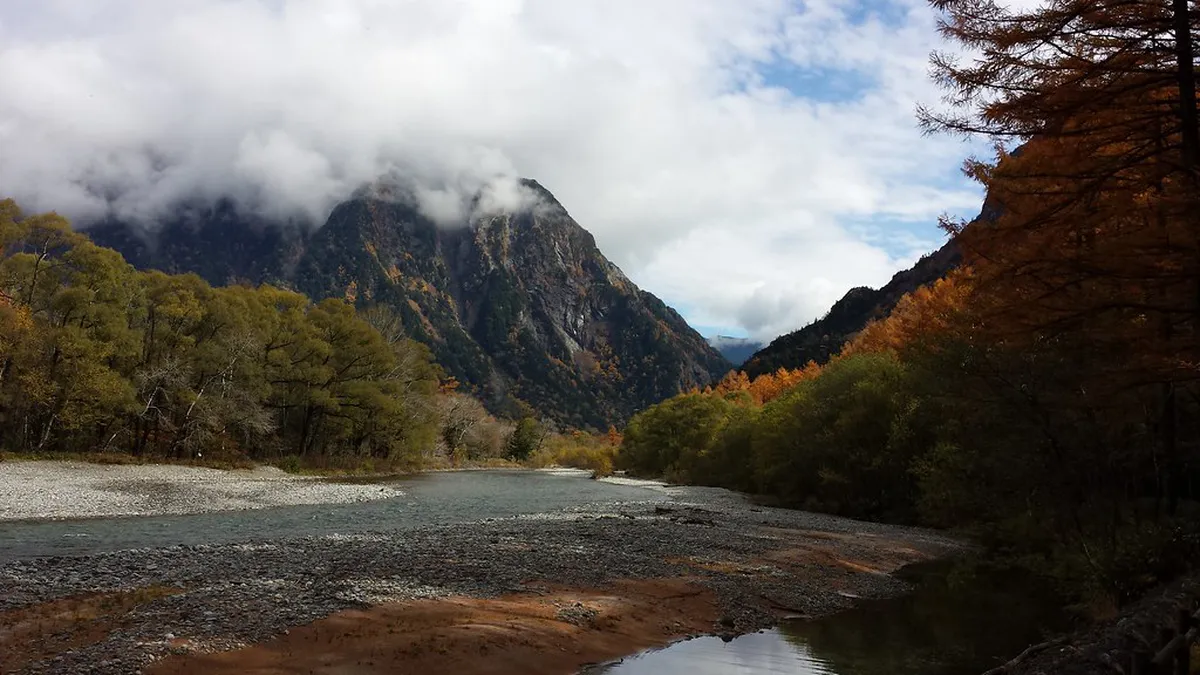
The Gosenjaku Hotel Kamikochi sits within a short walk of Kappabashi Bridge and is one of the most centrally located properties in the valley. It offers Western and Japanese-style rooms with mountain views and is a reliable mid-to-upper-range choice for couples and solo travelers. For a more atmospheric option deeper into the valley, the Yamano Hidaya Azumi Kamikochi Myojinike sits near Myojin Pond — roughly 1.5 hours on foot from Kappabashi — and rewards guests with near-total quiet after sunset.
Budget travelers and day-trippers most commonly base themselves in Matsumoto City, where dozens of hotels are available across all price bands. Matsumoto Station is roughly 2 hours from the valley by public transit, making it viable for an early morning departure. Hirayu Onsen, at the western gateway, offers traditional hot-spring inns (ryokan) with easier same-day access from Takayama. Whichever base you choose, book accommodation before purchasing bus tickets during the October foliage peak — bus reservations alone do not guarantee a place to sleep.
Frequently Asked Questions
Is 4 hours in Kamikochi enough?
Four hours covers the easy Taisho Pond to Kappabashi walk (1–1.5 hours) plus time at the bridge and a meal stop. You won't reach Myojin Pond (1–1.5 hours each way from Kappabashi), which most visitors consider one of the valley's best spots. A full day of 6–8 hours covers the standard Kamikochi circuit comfortably.
How many days do you need in Kamikochi?
One full day is sufficient for the main 9 km valley-floor route from Taisho Pond through Kappabashi to Myojin Pond and back. Two days let you cover the Tokusawa Area and experience the valley at dawn, before day-trippers arrive. Hikers targeting Mount Hotaka or Mount Yari need at least two nights due to the 16–20 hour summit round-trips.
Do you really need to stay overnight at Kamikochi?
Staying overnight is not required for the standard day visit, but it genuinely transforms the experience. The valley at dawn — before buses arrive around 8 a.m. — is dramatically quieter, with wildlife more visible and mountain reflections on still water. During October foliage peak, an overnight stay also avoids extreme weekend bus queues at Sawando.
Is Kamikochi open in November?
Kamikochi typically closes around November 15 each year, so early November visits are possible. The valley is quieter than October, foliage lingers on lower slopes, and temperatures drop to 3–10°C / 37–50°F. Check the official annual closure date before booking, as it shifts slightly each year depending on weather conditions.
Can you drive into Kamikochi?
No — private vehicles, including rental cars, are banned year-round. Drivers must park at Sawando (from Matsumoto) or Hirayu Onsen (from Takayama) and take a shuttle bus into the valley. The bus ride from Sawando takes about 30 minutes. Taxis are also permitted, making them a useful option for early morning arrivals before public buses run.
Kamikochi rewards careful timing more than almost any other destination in Japan, precisely because its open season is so compressed. For most travelers, mid-May to early June delivers the clearest skies, the most vivid spring scenery, and the shortest bus queues — a strong default if your dates are flexible. If autumn foliage is the priority, target a weekday in the second or third week of October, book accommodation months in advance, and take the first bus from Sawando.
Whatever month you choose, respect the no-vehicle rule, carry out your waste, and give yourself at least a full day to walk beyond Kappabashi toward Myojin Pond. The valley beyond the bridge — where the day-trippers thin out — is where Kamikochi genuinely earns its reputation as one of Japan's most rewarding alpine landscapes. For a full breakdown of trails and walking times, the Kamikochi hiking trails guide is the best next step before you go.
Free guide: Japan's Hidden Gems
12 under-the-radar places beyond Tokyo & Kyoto — with the best season to visit each and a local tip you won't find in the guidebooks.
You might also like


Continue reading
More guides you'll find useful


