

Where To Stay In Kamikochi Travel Guide
Plan where to stay in Kamikochi: compare in-valley lodges, Hirayu Onsen bases, and city options with booking tips and seasonal closure dates.
On this page
Deciding where to stay in Kamikochi is one of the most important planning choices for a visit to this Japanese Alps valley. The valley itself holds roughly 20 lodging options — alpine hotels, rustic mountain lodges, and one campground — but they fill up fast and charge premium prices. Nearby onsen towns like Hirayu and the wider Okuhida area offer a genuine alternative, with hot-spring baths, lower rates, and easy bus connections back into the valley. This guide walks through every base option so you can match your budget, travel style, and booking timeline to the right choice.
Staying Inside the Kamikochi Valley
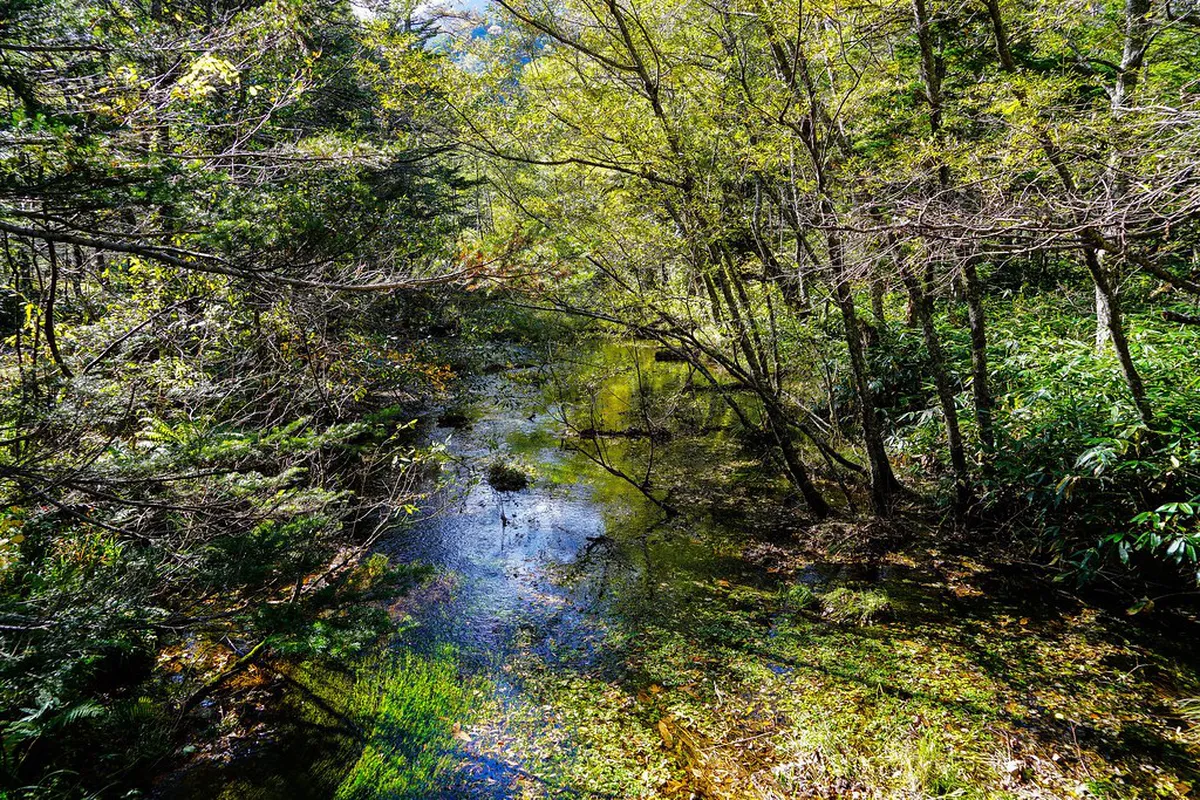
The valley floor runs along the Azusa River and that is where almost all of Kamikochi's accommodation sits. Around Kappabashi bridge you will find the highest concentration of properties, including Hotel Shirakabaso, The Parklodge Kamikochi, and Gosenjaku Lodge. Further along the river, the Kamikochi Imperial Hotel is the flagship address — a historic Western-style property that has welcomed guests since 1933. All of these sit within easy walking distance of the valley's main trailheads and viewpoints.
A long-established option worth knowing is the Kamikochi Onsen Hotel, which dates back to 1886 and combines a natural hot-spring source with a gallery of artworks in its hallways. Rates start from around ¥17,530 per person per night and include two meals — a reasonable baseline for in-valley pricing. The hotel operates from around April 25 to November 15, and a day-use footbath outside the building is free for passersby. Most other in-valley lodgings fall in a similar or higher price range, making budget options essentially non-existent inside the valley.
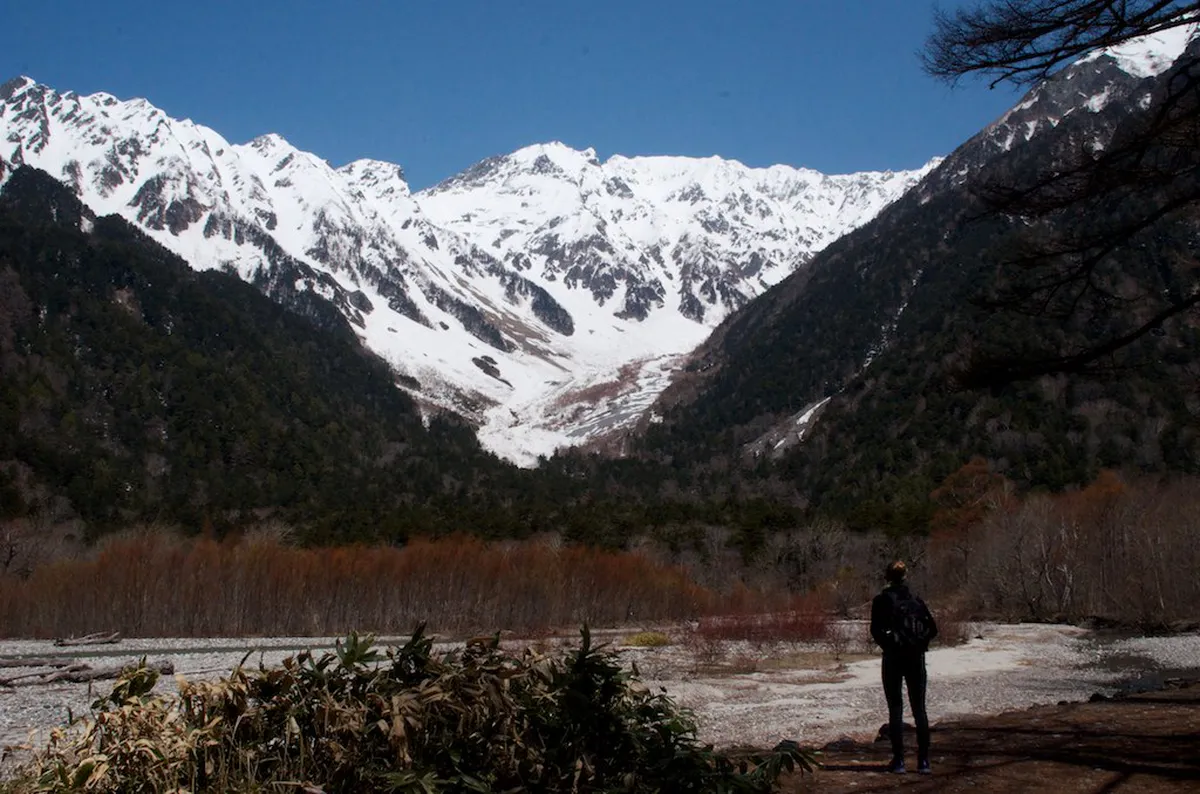
The central trade-off for staying inside the valley is cost versus experience. Waking up to mist over the Azusa River, catching first light on Mount Hotaka, and reaching the trailhead before day-trip crowds arrive are advantages you cannot replicate from an outside base. However, those experiences come at a price, and in-valley dining options are limited mainly to hotel restaurants with fixed meal times. For travelers who want full control of their morning and evening hours in the mountains, the in-valley premium is often worthwhile.
- Kamikochi Imperial Hotel
- A historic Western hotel opened in 1933, considered the valley's flagship property.
- Well suited to travelers who want a landmark stay with heritage character and riverside views.
- Sits in the central valley along the Azusa River, a short walk from Kappabashi.
- Kamikochi Onsen Hotel
- A long-established ryokan with a natural hot-spring source and art gallery hallways.
- Rates begin at around ¥17,530 per person per night including two meals.
- Open approximately April 25 to November 15 each year.
- Hotel Shirakabaso
- A comfortable mid-range mountain hotel located near Kappabashi bridge.
- Popular with hikers who want quick trailhead access without full luxury pricing.
- Clustered near The Parklodge and Gosenjaku in the central visitor area.
- The Parklodge Kamikochi
- An accessible lodge option within the Kappabashi cluster, slightly more affordable in-valley.
- Fills quickly for August school holidays and October autumn foliage season.
- A practical choice for travelers who prioritise valley location over high-end amenities.
Hirayu Onsen and Okuhida: Hot Spring Bases
Hirayu Onsen sits about 20 minutes from Kamikochi by public bus from the Kamikochi Bus Terminal, making it the most practical outside base for day visitors. Most hotels and guesthouses here include their own in-house onsen baths, and restaurants open for dinner — something the valley itself largely cannot offer. Rates run noticeably cheaper than inside Kamikochi, though popular weekends and public holidays in the April-to-November window still sell out quickly. The town stays accessible all year, so it is a usable base even for off-season trips around the region.
Hirayu is technically one of five towns forming the broader Okuhida Onsen area, which also includes Shin-Hirayu Onsen, Shin-Hotaka Onsen, Fukuji Onsen, and Tochio Onsen. Collectively this area is considered one of central Japan's best hot-spring clusters, with options ranging from basic guesthouses to high-end ryokan. Shin-Hotaka Onsen is particularly popular in autumn and offers access to the Shinhotaka Ropeway, a worthwhile side trip from your base. If you book accommodation in the wider Okuhida area, confirm whether your property offers bus terminal pickup, as some properties are not walkable from the stop.
For most travelers visiting Kamikochi on a moderate budget, Hirayu Onsen strikes the best balance of access and value. You trade the in-valley dawn experience for a proper hot-spring soak at the end of a long hiking day and a bed that costs considerably less. The bus connection means you can enter the valley early each morning and return in the evening on a flexible schedule. Check the Kamikochi.org accommodation page for the current bus timetable alongside lodging listings.
Sawando, Matsumoto, and Takayama
Sawando Bus Terminal lies around 25 minutes from Kamikochi and serves as the interchange point for travelers approaching from the Matsumoto side. From Sawando, a connecting bus reaches Norikura Kogen in roughly another 25 minutes, opening up a second hiking destination that rises above 3,000 metres. Most accommodation near Sawando consists of small family-run lodges and guesthouses that offer a warm welcome and reasonable rates. The area suits hikers who want to combine Kamikochi and Norikura Kogen into a two-day itinerary without backtracking to a city.
Matsumoto is the major city gateway on the eastern side of the valley, roughly two hours away by public transport. Accommodation clusters around Matsumoto Station and extends toward the famous castle, with mostly mid-range business hotels, a handful of guesthouses, and a few higher-end options. The city works well as a base for travelers who want to pair Kamikochi with Matsumoto Castle and the local arts and craft scene. Reaching Kamikochi from here involves a bus from Matsumoto Bus Terminal, so factor in an early start to get the most out of full valley days.
To the west, Takayama sits 50 to 90 minutes from Kamikochi by Nohi Bus, depending on the service. Takayama's historic old town and food scene make it one of central Japan's most-visited destinations, with accommodation ranging from large Western-style hotels near the station to traditional guesthouses in the old town district. Travelers combining a Kamikochi visit with the Hida Folk Village or Shirakawa-go will find Takayama a natural hub for the whole region. Book Takayama accommodation early too — the town fills at the same peak windows as Kamikochi itself.
The In-Valley vs Outside Decision
The choice between staying inside Kamikochi and basing yourself outside comes down to three factors: budget, itinerary length, and what you want from your mornings. In-valley accommodation makes the most sense for travelers spending two or more nights, those celebrating a special occasion, and anyone who plans to hike early before day-trip crowds arrive around 10am. The premium pricing and advance booking requirement are real constraints, but the payoff — silence at dusk, stargazing with no light pollution, first light on the Hotaka peaks — is difficult to replicate from a bus-connected base. If your Kamikochi visit is a single long day, basing yourself in Hirayu or Matsumoto is sensible and saves significant money.
A practical consideration many travelers overlook is dining. Inside the valley, eating options are tied almost entirely to hotel restaurants, and meal times are typically set by the property. Hirayu Onsen has several independent restaurants open for dinner, giving you more flexibility after a day on the trails. For families or groups with varied dietary needs, an outside base is usually the more comfortable arrangement.
One more factor worth weighing is the booking lead time, which differs sharply by base type. In-valley properties at peak periods — particularly the August school holidays and the mid-October autumn foliage window — routinely sell out three to six months ahead. Hirayu and Matsumoto options are easier to secure on shorter notice, though popular weekends still book out. Plan your accommodation tier first and build the rest of your Kamikochi travel timing around it.
- Stay in the valley if you want to...
- Hike before day-trip crowds arrive each morning at around 10am.
- Celebrate a milestone trip with the full in-valley alpine lodge experience.
- Book three to six months ahead for August school holidays or October foliage.
- Eat at your hotel rather than returning to an outside town each evening.
- Stay outside the valley if you want to...
- Keep your accommodation budget moderate on a broader Japan itinerary.
- Soak in a hot-spring bath at the end of a long hiking day.
- Combine Kamikochi with Takayama, Matsumoto, or Norikura Kogen in one trip.
- Book within four to eight weeks of travel rather than months in advance.
Booking Tips and Seasonal Closures
Kamikochi valley opens to the public each year in late April — typically around April 25 — and closes in mid-November, usually around November 15. These dates shift slightly year to year depending on snow conditions, so verify the exact schedule on the Japan-Guide.com Kamikochi forum or with your accommodation before finalising plans. All in-valley hotels, lodges, and the campground close for the winter and are completely inaccessible until the following spring. Outside bases in Hirayu, Matsumoto, and Takayama operate all year and are unaffected by the valley closure.
The two windows that put the most pressure on in-valley bookings are the August school holiday period and the mid-to-late October autumn foliage peak. During these windows, even properties with 50 or more rooms report selling out months in advance. Dates outside these peaks — late May to early July or early September — tend to offer better availability and lower rates both inside and outside the valley. Golden Week in late April and early May is another crowded period that catches first-time visitors off guard.
For checking real-time availability across multiple property types, Booking.com's Kamikochi listings gives a useful combined view of in-valley and nearby options in one search. Many in-valley hotels also accept direct bookings through their own websites, sometimes with a slight rate advantage over third-party platforms. Wherever you book, read the cancellation policy carefully — in-valley properties often apply stricter terms during peak season. Set a reminder to check availability as soon as your travel dates are confirmed, even if those dates are still months away.
Frequently Asked Questions
Is it worth staying overnight in Kamikochi?
Staying overnight in Kamikochi is worthwhile if you want early access to trails before day-trip crowds arrive and the chance to experience the valley at dusk and dawn. The in-valley premium is real — expect to pay from around ¥17,500 per person per night with meals — but the quiet mornings and mountain views justify the cost for many travelers. See Kamikochi Hiking Trails Travel Guide to plan your early-morning route.
How far in advance should I book Kamikochi accommodation?
Book in-valley accommodation three to six months ahead for the August school holidays and mid-October foliage peak, when properties routinely sell out entirely. Outside bases in Hirayu Onsen and Matsumoto are easier to secure, but popular weekends still fill quickly. Checking current availability on a platform like Tripadvisor or directly with the property soon after confirming your dates is the safest approach.
What is the best area to stay near Kamikochi?
Hirayu Onsen, about 20 minutes from Kamikochi by bus, offers the best combination of proximity, value, and comfort for most travelers. You get in-house hot-spring baths, dinner restaurant options, and easy morning bus access into the valley. Travelers on multi-city itineraries often prefer Matsumoto to the east or Takayama to the west as their main base.
Can you stay in Kamikochi in winter?
No — the valley closes entirely each winter, typically from mid-November until late April, and all in-valley accommodation shuts down for the season. Heavy snowfall makes roads and trails inaccessible. If you want to visit the Japan Alps in winter, nearby areas like Hirayu Onsen and Norikura Kogen remain open and offer winter onsen experiences.
Is there budget accommodation in Kamikochi?
Budget options inside the valley are very limited — even the most modest in-valley lodging typically starts from around ¥15,000 per person per night. The campground is the only genuinely low-cost option, but it requires your own equipment and is weather-dependent. Travelers on tighter budgets are better served by staying in Hirayu Onsen or Matsumoto, which offer guesthouses at significantly lower rates.
Kamikochi rewards careful accommodation planning more than almost any other destination in Japan. Whether you choose the in-valley experience for those unforgettable mountain mornings or opt for the value and onsen comforts of Hirayu, the key is to book early and know exactly what each base offers. Use the seasonal window — roughly late April to mid-November — as your planning anchor and build your booking timeline from there.
For the full picture of what to do once you are in the valley, our guide to Kappa Bridge and the Kamikochi riverside walk covers the essential stops near your accommodation. Wherever you stay, arriving with a confirmed booking and a realistic sense of the transport logistics will make the difference between a stressful and a memorable trip. Start your search early, compare the in-valley and outside options against your budget, and secure your dates as soon as your travel window is confirmed.
Free guide: Japan's Hidden Gems
12 under-the-radar places beyond Tokyo & Kyoto — with the best season to visit each and a local tip you won't find in the guidebooks.
You might also like


Continue reading
More guides you'll find useful


