10 Best Day Trips from Takayama and Travel Tips (2026)
Discover the 10 best day trips from Takayama including Shirakawa-go and Kamikochi. Get bus tips, costs, and expert advice for your 2026 Japan trip.
On this page
Takayama is one of the best bases in the Japanese Alps. The Nohi Bus Terminal sits directly outside JR Takayama Station, and from it you can reach UNESCO heritage villages, alpine valleys, and hot spring towns without renting a car. Most trips take under 90 minutes each way, making them genuinely manageable as single-day outings.
This guide covers the ten most rewarding excursions reachable from Takayama in 2026, with specific transport times, costs, and seasonal notes for each. Before finalizing your schedule, review our essential travel tips for advice on navigating the city itself. The section on logistics at the bottom explains bus passes and when to book in advance.
One important note upfront: two of the most popular destinations — Kamikochi and Mount Norikura — are completely closed from mid-November through April due to snow. If you are visiting in winter, plan accordingly. Shirakawa-go is actually at its most beautiful under snow, so winter travelers are not left short of options.
Shirakawa-go: The Iconic UNESCO Village
Shirakawa-go is the most visited day trip from Takayama and deserves its reputation. The village is famous for its gassho-zukuri farmhouses — structures with steeply pitched thatched roofs designed to shed the region's heavy snowfall. Some of these buildings are over 250 years old, and many remain active residences. The Japan travel guide features detailed information about UNESCO World Heritage sites like this one. Walk the Ogimachi hamlet from end to end in about 45 minutes, then climb to the Shiroyama Viewpoint for the classic panoramic shot of the valley.
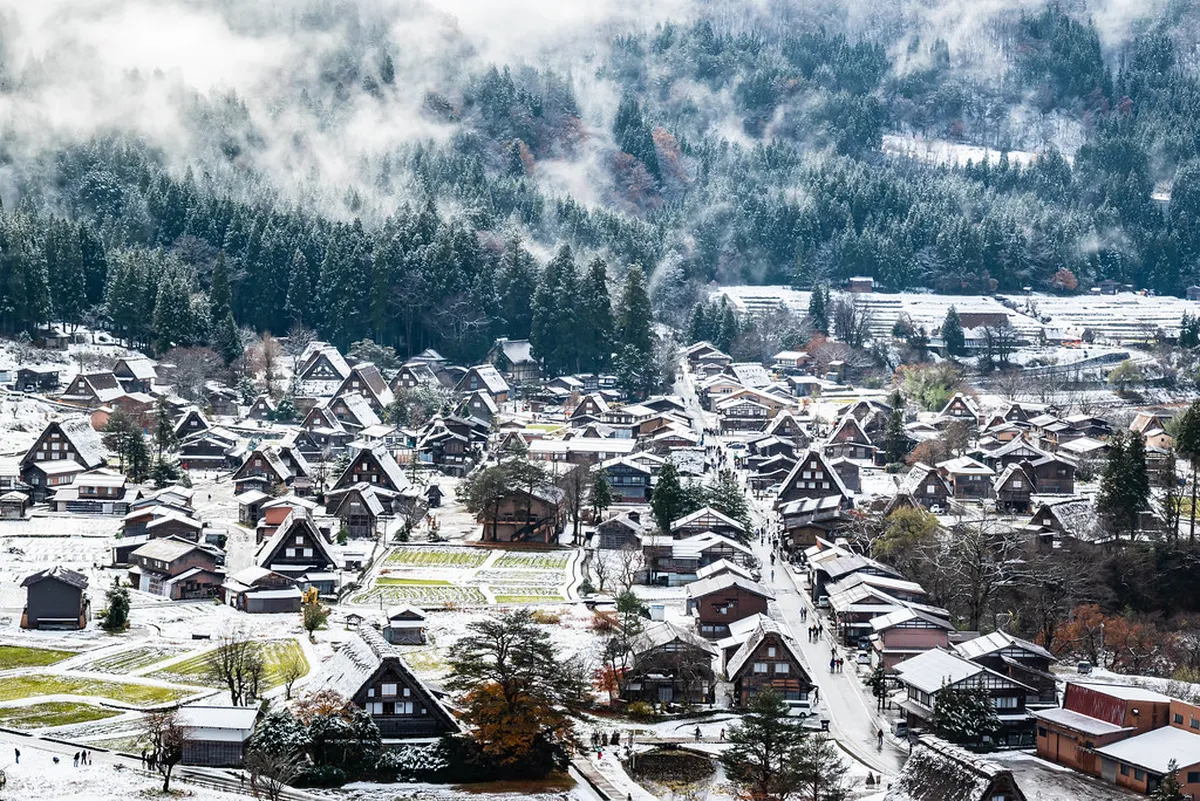
In winter, the village runs illumination events on select weekend evenings in January and February. These are extraordinarily photogenic but extremely crowded. Arrive on the first bus of the day if you want the viewpoint without a queue. In summer, the green rice paddies surrounding Shirakawa-go's gassho farmhouses create an equally beautiful but calmer atmosphere.
Getting there: The Nohi Bus departs from Takayama Bus Terminal and reaches Shirakawa-go in roughly 50 minutes. A round-trip ticket costs around ¥4,400 in 2026. Seats on this route require advance reservation — book online or at the terminal ticket window up to one month ahead. The last return bus typically departs at 17:00, so check the current schedule before you go.
Gokayama: The UNESCO Neighbor Most Visitors Skip
Gokayama shares the same UNESCO World Heritage listing as Shirakawa-go and features the same gassho-zukuri farmhouses — but receives a fraction of the visitors. The two best-preserved hamlets are Ainokura and Suganuma. Ainokura is the larger of the two, with around 20 traditional buildings, a washi paper museum where you can try making paper yourself, and several farmhouses open as guesthouses and restaurants.
The absence of tour buses is the defining difference. On a weekday in 2026, you can walk the lanes of Ainokura almost entirely alone. Some farmhouses here remain private residences, which makes the village feel lived-in rather than staged. This is the experience that Shirakawa-go once offered before overtourism set in.
Getting there: Gokayama is on the same Nohi Bus route as Shirakawa-go. The bus continues past Shirakawa-go to stops including Suganuma and Ainokura. From Takayama the journey to Ainokura takes about 75 minutes. A combined Shirakawa-go and Gokayama ticket is available. If you want to visit both villages in one day, start at Gokayama in the morning when the light is better for photography, then ride back to Shirakawa-go in the afternoon.
Hida Furukawa: A Quiet Cultural Alternative
Hida Furukawa is the easiest trip on this list and one of the most underrated. The town sits just 15 minutes north of Takayama by JR train, costing only ¥240. White-walled storehouses line the Seto Canal, where large carp swim in clear water. It is the kind of town that feels genuinely Japanese rather than curated for tourists, because most visitors heading to Shirakawa-go sail straight past it.
Fans of the anime film Your Name (Kimi no Na wa) will recognize several locations here. The Hida Furukawa station building appears in the film, as does the interior of the town library, Hida Furukawa Library, located a few minutes' walk north of the canal. The Kettle Festival, known as Furukawa Matsuri, takes place each April 19–20 and involves a dramatic drum competition that is one of the most authentic local festivals in the region.
Getting there: Take the JR Takayama Line northbound from Takayama Station to Hida-Furukawa. The journey is 15 minutes and trains run roughly every hour. The town is compact and entirely walkable. Allow half a day to cover the canal, the three main sake breweries, and the local museums without rushing.
Kamikochi: Japan's Premier Alpine Valley
A day trip to Kamikochi inside the Chubu Sangaku National Park at an elevation of around 1,500 meters offers exceptional alpine scenery. Private cars are banned from the valley, which keeps it exceptionally quiet. The main trail runs along the Azusa River between Kappa Bridge and Myojin Pond — a flat, easy 6-kilometer walk through forest and meadows with the Hotaka mountain range looming above. The reflection of the peaks in the still river water is one of the most photographed scenes in Japan. The Japan National Tourism Organization provides official information on national parks and protected areas like Kamikochi.
The valley is open from mid-April to mid-November. Early May brings snow remnants alongside fresh mountain flowers. Late October sees the best autumn foliage, with larches turning gold before the park closes for winter. Midsummer (late July to August) is the most crowded period. Arrive on the first bus if you want the walk before tour groups fill the trail.
Getting there: Take a Nohi Bus from Takayama Terminal to Hirayu Onsen (about 55 minutes, ¥1,570 one way), then transfer to the shuttle bus into Kamikochi (about 30 minutes, ¥1,160 one way). Round-trip total is approximately ¥5,130 if you purchase separate legs. The Nohi Bus Alps Wide Pass covers unlimited use of buses to Kamikochi and Shinhotaka for two or three days and is worth buying if you plan multiple alpine trips. Visit our detailed planning guide for trail details and what to pack.
Mount Norikura: High-Altitude Nature and Hiking
Mount Norikura hosts the highest road in Japan, climbing to around 2,700 meters via the Norikura Skyline. Buses travel directly to the Tatamidaira plateau near the summit, so you can reach serious alpine terrain without technical hiking gear. From the plateau, a 45-minute walk on a marked trail reaches the caldera rim at 2,756 meters. On clear days you can see all the way to Mount Fuji.
The Norikura Skyline is closed from early November through late May due to snow. The road typically opens in late May, and late June through September is the best window for wildflowers and reliable visibility. August mornings often see low cloud building by midday, so aim for the earliest bus. Bring a jacket regardless of the season — the temperature at the summit is typically 10 to 15 degrees Celsius cooler than Takayama.
Getting there: Take a Nohi Bus from Takayama Terminal bound for Norikura Skyline. The bus runs only when the road is open, from late May through October. Journey time is about 75 minutes and the round-trip fare is approximately ¥5,000. Services are limited to two or three runs per day, so plan your return carefully before you depart.
Gujo Hachiman: Waterways, Crafts, and Castle Views
Gujo Hachiman is a working town rather than a preserved-for-tourists one, which makes it refreshing. Crystal-clear rivers and canals run through the center, and the water is clean enough that locals still use it. The town sits within an Important Preservation District for Historic Buildings, with traditional merchant houses lining the main streets. The hilltop castle, rebuilt in its current form in 1933, offers views over the valley that are worth the 15-minute uphill walk.

Gujo Hachiman is famous in Japan for two things. First, its summer festival — the Gujo Odori — runs for 33 nights each year from mid-July to early September, with the most intense all-night dancing sessions taking place in mid-August. Second, the town is the production center for Japan's food replica industry: about 60 to 70 percent of the plastic food models you see displayed in restaurant windows nationwide are made here. Several workshops let you make your own wax or plastic food sample to take home.
Getting there: Direct buses from Takayama Terminal to Gujo Hachiman take around 80 minutes and cost roughly ¥2,000 one way. Service frequency is limited, so check the Nohi Bus timetable before booking. The town is best explored on foot once you arrive.
Gero Onsen: One of Japan's Famous Hot Spring Towns
Gero Onsen has been ranked among Japan's three greatest hot spring towns since the Edo period, alongside Arima Onsen and Kusatsu Onsen. The spring water is a sodium bicarbonate type, known for leaving skin smooth — it is sometimes called "beauty water" in Japanese marketing, and it is genuinely mild and pleasant. The town sits along the Hida River, with ryokan lining the riverbank and footbath stations scattered through the streets for free public use.
As a day trip, you can access multiple baths without booking a ryokan overnight. The Yumeguri Tegata wooden pass costs around ¥1,300 and gives you entry to three participating baths. The public Suimeikan Rotenburo is a popular choice for its outdoor river-view pool. If you visit in the evening, the lit lanterns along the riverbank make for a calm end to a busy day of touring.
Getting there: The JR Wide View Hida limited express runs from Takayama to Gero in about 45 minutes. Reserved-seat fares cost approximately ¥2,040 one way and this service is covered by the Japan Rail Pass. Non-reserved seats are available but limited. Trains run roughly every two hours, giving you flexibility on your return time.
Matsumoto Castle: The Historic Black Crow Fortress
Matsumoto Castle is one of Japan's twelve remaining original castles — the keep has stood since the late 16th century without reconstruction. Its black-lacquered exterior explains the nickname "Crow Castle." The structure is six stories tall on the outside but has seven floors inside due to a hidden defensive level, and the steep interior staircases are famously challenging to climb in socks. Spring cherry blossoms surrounding the castle moat make April the most photogenic time to visit.
The town of Matsumoto beyond the castle is worth exploring. Nawate-dori (Frog Street), a 200-meter stretch between the castle moat and the Metoba River, is lined with small shops and has its own quirky character. The Matsumoto City Museum of Art and the old bank buildings in the commercial district add substance to a half-day city walk after the castle visit.
Getting there: Highway buses run from Takayama Bus Terminal to Matsumoto in around 2.5 hours, costing approximately ¥3,500 one way. Alternatively, a slow scenic train route via Nagoya exists but takes considerably longer and is not recommended for a day trip. Matsumoto Castle is a 15-minute walk from Matsumoto Station. Castle grounds open at 08:30, last entry is 16:30, and admission costs ¥700.
| Destination | Travel Time from Takayama | Transport | Best For |
|---|---|---|---|
| Shirakawa-go | 50 mins | Nohi Bus | UNESCO villages, thatched farmhouses |
| Gokayama | 75 mins | Nohi Bus | Uncrowded gassho-zukuri hamlets |
| Hida Furukawa | 15 mins | JR Train | Cultural sites, anime film locations |
| Kamikochi | 90 mins (via Hirayu) | Nohi Bus + Shuttle | Alpine valley, hiking, mountain photography |
| Mount Norikura | 75 mins | Nohi Bus | High-altitude views, Mount Fuji sightlines |
| Gujo Hachiman | 80 mins | Nohi Bus | Waterways, crafts, summer Odori festival |
| Gero Onsen | 45 mins | JR Limited Express | Hot spring bathing, relaxation |
| Matsumoto | 150 mins | Highway Bus | Historic castle, full-day urban exploration |
Other Things to Do in Takayama: Sanmachi Suji and Takayama Jinya
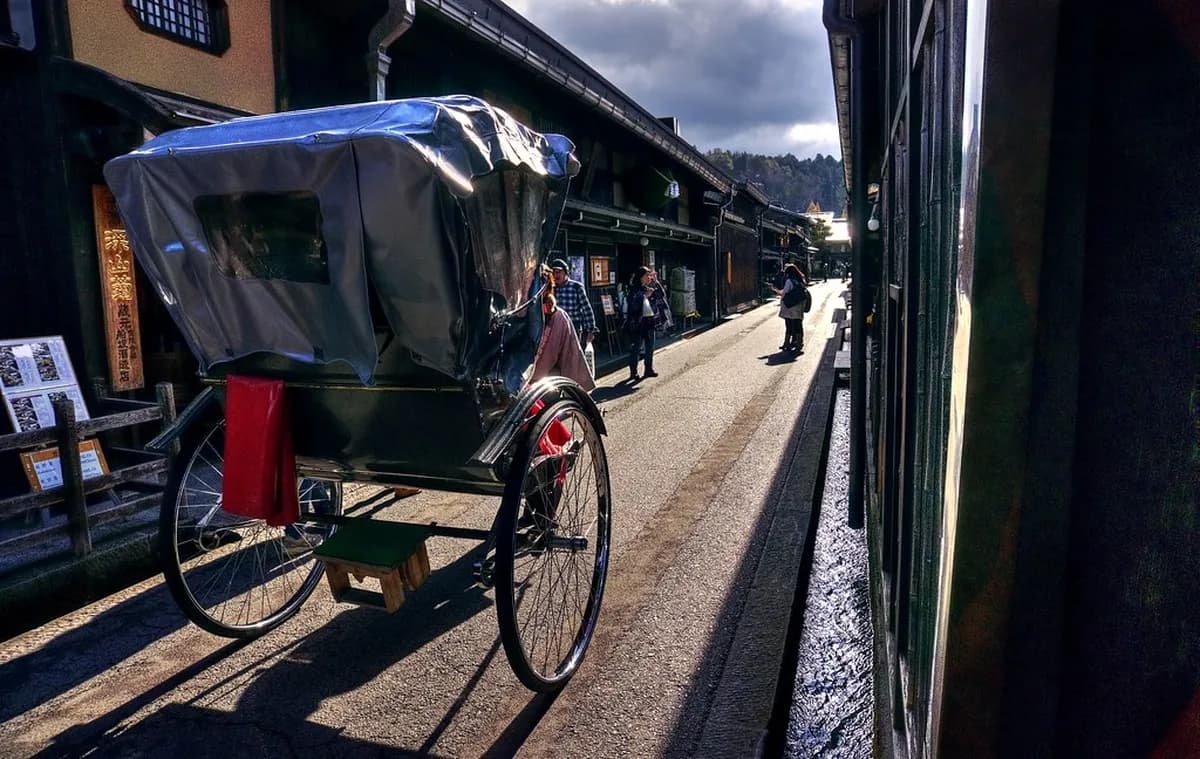
Not every day needs a bus trip out of the city. Takayama's own historic center — the Sanmachi Suji district — is among the best-preserved Edo-period merchant streets in Japan. The three parallel lanes are lined with dark brown wooden townhouses now operating as sake breweries, craft shops, restaurants, and museums. The Funasaka Sake Brewery is a consistent favorite, offering a free tasting of their signature varieties. The cedar ball (sugidama) hanging above the entrance is the traditional signal that new sake is ready.
Takayama Jinya, a short walk south of Sanmachi, is the last surviving regional government office of the Edo-period Tokugawa shogunate in Japan. The current building dates to 1816 and is remarkably intact — tatami rooms, interrogation chambers, rice storehouses, and a garden are all accessible. Entry costs ¥440. The morning market held on the grounds in front of the Jinya each day from 07:00 to 12:00 is a good reason to start here early. For a deeper look at the city's food scene, our where to eat and what to try covers Hida beef restaurants and ramen shops in the old town.
The Hida Folk Village (Hida-no-Sato), a 10-minute bus ride west of the station, is worth half a day if Shirakawa-go is too far. It is an open-air museum of more than 30 relocated gassho-style buildings from the surrounding region, set on a hillside with mountain views. It is open year-round and is particularly beautiful under snow in winter.
Where to Stay in Takayama: Best Neighborhoods and Hotels
The area immediately around Takayama Station is the most practical choice for day trippers. The Nohi Bus Terminal is a two-minute walk from the station exit, which means early-morning departures to Shirakawa-go or Kamikochi add no stress to your schedule. Modern business hotels and apartment-style accommodation are concentrated here, offering good value and reliable amenities. The Residence Hotel Takayama Station is a reliable option in this area with comfortable rooms and excellent transport access.
The Sanmachi Historic District offers a very different experience. Traditional ryokan tucked into the side streets of the old merchant quarter let you wake up in a tatami room, eat a multi-course kaiseki breakfast, and step directly onto the historic lanes before the day-trippers arrive. Prices are higher than the station area, but the access to the old town's evening atmosphere — when tour groups have left and the streets are quiet — justifies the cost for many travelers.
Families or travelers staying more than three nights sometimes prefer the residential neighborhoods across the Miyagawa River. These areas sit within walking distance of the morning market and the Sanmachi lanes, while offering quieter streets and slightly lower accommodation prices. You can find a full breakdown of options and price ranges in our guide on accommodation options for every budget.
Logistics: How to Get Around the Hida Region
The Nohi Bus Terminal is the single most important piece of infrastructure for Takayama day trips. It sits directly to the left as you exit JR Takayama Station. Staff at the ticket window speak basic English and can help with route planning. Pick up printed timetables on your first evening in the city — schedules change seasonally and some routes operate only a few times per day.

Bus reservation rules vary by route. The Shirakawa-go service requires a reserved seat booked in advance; walk-up tickets are often sold out on weekends and during autumn foliage season. The Kamikochi service does not require a reservation but fills quickly in peak periods. The Gero Onsen trip uses the JR train, not the bus, and is a different booking process entirely.
On regional passes: the JR Takayama-Hokuriku Area Pass (5 days, around ¥19,000) covers JR train travel between Nagoya, Takayama, Kanazawa, and beyond. It is a strong value if your itinerary includes Gero Onsen, Kanazawa, and travel to or from Nagoya within the pass window. The Nohi Bus Alps Wide Pass (2 days, around ¥6,000; 3 days, around ¥7,000) covers buses to Kamikochi, Shinhotaka, and Norikura. Calculate your individual fares before purchasing — if you are only doing one alpine trip, individual tickets may cost less. Individual Nohi Bus tickets are available at the terminal or via the Nohi Bus website in advance.
A practical tip for managing the region: Shirakawa-go and Gokayama work well together in one day (morning at Gokayama, afternoon at Shirakawa-go on the return leg). Kamikochi and Shinhotaka are on different bus routes and are difficult to combine in a single day without very early starts. Matsumoto is best treated as a dedicated full-day trip given the 2.5-hour bus each way.
Frequently Asked Questions
Is Shirakawa-go worth a day trip from Takayama?
Yes, it is the most popular day trip for a reason. The unique architecture and mountain setting are stunning in every season. The bus ride is under an hour, making it very convenient for a half-day or full-day visit.
How do I get from Takayama to Kamikochi?
You must take a Nohi Bus from the Takayama Terminal to Hirayu Onsen. From there, you transfer to a shuttle bus that enters the national park. The total journey takes about 90 minutes and costs roughly ¥5,130 round trip.
Can you do a day trip to Kanazawa from Takayama?
It is possible via a two-hour highway bus ride. However, Kanazawa has enough attractions to fill two full days. I recommend staying overnight if your schedule allows, rather than rushing back to Takayama in the evening.
Takayama is one of the best bases in Japan for exploring the rugged beauty of the Alps. By using the Nohi Bus system, you can reach world-class heritage sites and pristine nature within hours. Remember to book your Shirakawa-go bus seats in advance and check seasonal closures for Kamikochi and Norikura before you finalize your schedule.
Whether you choose the quiet canals of Hida Furukawa, the uncrowded farmhouses of Gokayama, or the heights of Shinhotaka, the Hida region rewards the effort. Safe travels as you head out from Takayama into the heart of rural Japan.
Free: The Takayama Essentials guide
Top things to do, where to stay, a perfect day plan, getting around, and the best time to go — a Takayama mini-guide you can take offline.
You might also like


Continue reading
More guides you'll find useful