10 Best Day Trips From Matsumoto (2026 Travel Guide)
Plan your day trips from Matsumoto with our 2026 guide. Discover the best mountain hikes, historic post towns, and shrines with expert travel tips.
On this page
After exploring the Japanese Alps for several seasons, I have found that Matsumoto serves as the ultimate base for regional discovery. The city balances historic charm with a robust transport network that connects you to hidden mountain valleys and ancient post towns. According to local tourism data, this area remains a less crowded area of Japan compared to the busy corridors of Kyoto.
This guide was last refreshed in January 2026 to reflect the most current transport schedules and entry fees for regional sights. I have personally navigated these routes to ensure the timing and costs listed here help you maximize your limited vacation hours. Whether you seek the serenity of a glacial lake or the history of a samurai stronghold, these excursions offer a diverse look at Nagano Prefecture.
Is Matsumoto Worth Visiting as a Base?
Choosing a central hub is critical for any mountain itinerary, and this city excels due to its compact size and friendly atmosphere. The iconic Matsumoto Castle provides a stunning backdrop that most visitors find far more intimate than modern reconstructions. Local shops and craft breweries line the streets of the Nakamachi district, offering a vibrant evening scene after a day of exploring.
Strategic travelers prefer this location because it sits at the intersection of the JR Shinano and Oito lines. These rail connections make reaching the northern peaks or the southern historic valleys remarkably straightforward for those without a rental car. The city also boasts a high concentration of excellent soba restaurants, which are perfect for a quick and authentic meal between trips.
Staying here allows you to avoid the higher accommodation prices often found in more tourist-heavy hubs like Nagano City. You can easily find a range of lodging from boutique hotels to traditional ryokans that fit various budget levels. Our editors recommend booking a spot near the main station to minimize your morning transit time to the bus terminals.
Matsumoto Old Town Walk: Castle, Nawate and Nakamachi
Most day trips leave from Matsumoto Station in the morning, so the old town fits best before a late departure or after you return. The sights below sit within about 15 minutes' walk of each other.
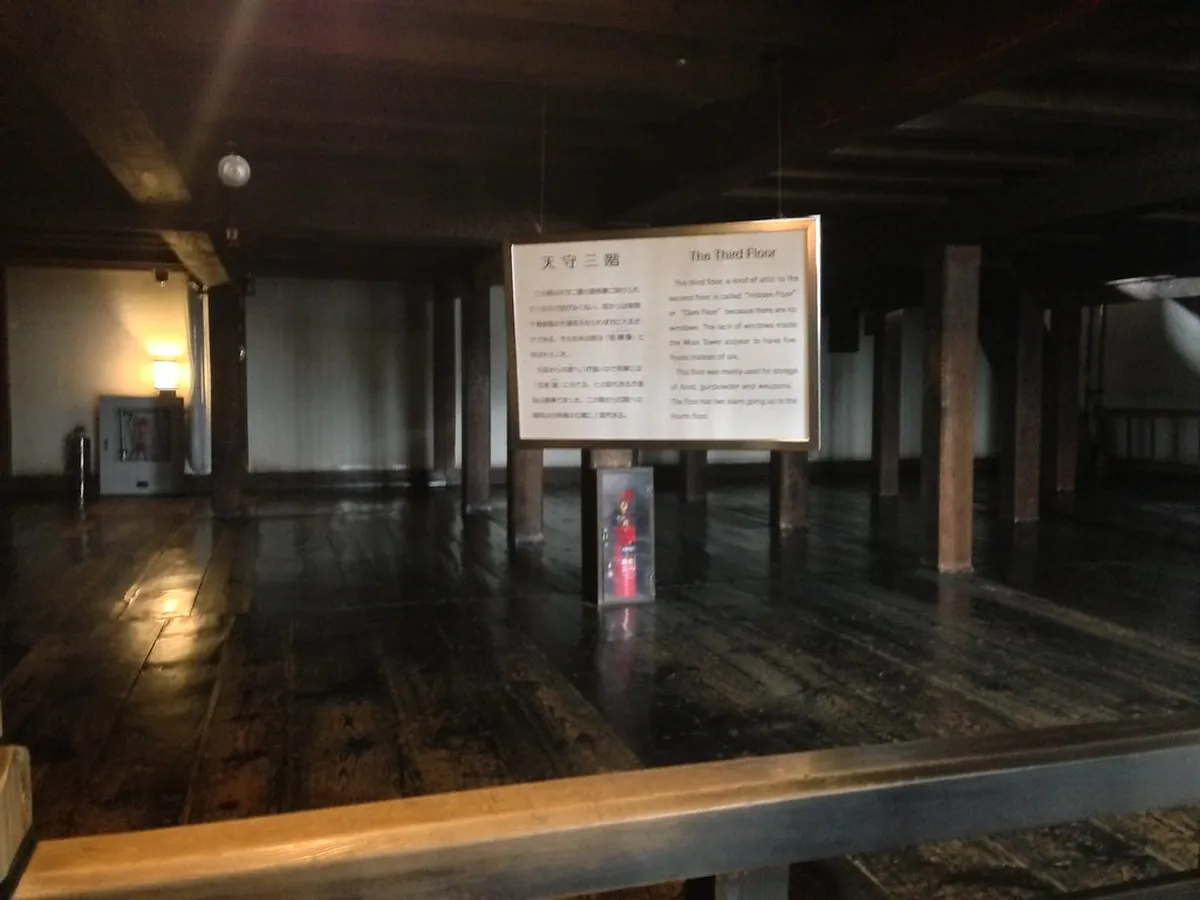
- Matsumoto Castle: One of Japan's oldest surviving original keeps, with a black exterior. It usually opens at 8:30 am, and queues are shortest right at opening. Allow 60 to 90 minutes, and check the current ticket price on the castle's official page.
- Nawate Street: A short pedestrian lane along the Metoba River. It is known for its frog (kaeru) theme, with frog statues, souvenir shops and small snack stalls. The frog is a local good-luck symbol.
- Yohashira Shrine: A small shrine near Nawate Street. It is quiet and takes about 15 minutes.
- Nakamachi district: Traditional white-and-black storehouse buildings now hold craft shops, cafes and galleries. Many shops close by 5:00 or 6:00 pm, so arrive in the afternoon.
- Japan Ukiyo-e Museum: This museum holds a large private woodblock print collection. It is outside the central core, so plan a bus or taxi ride and check opening days first.
If rain is forecast, the rainy day things to do in Matsumoto guide covers indoor alternatives. If you have a full day in town instead of a day trip, follow the one day in Matsumoto itinerary.
10 Best Day Trips From Matsumoto (2026)
The following list represents the most rewarding excursions that you can reasonably complete within a single day from the city center. I have categorized these by their primary appeal, ranging from high-altitude nature to well-preserved Edo-period architecture. Each entry includes essential logistics to help you plan your departure times and budget your daily spending effectively.
Please note that mountain weather can be unpredictable, so checking local forecasts the night before is always a smart move. Many of these locations require specific transport passes or timed entry tickets, especially during the peak autumn foliage season. Most attractions are open daily from 9:00 am to 5:00 pm, though mountain parks often close entirely during the winter months.
- Kamikochi Alpine Valley
- This glacial valley is the crown jewel of the Chubu Sangaku National Park and offers spectacular views of the Hotaka Range.
- A day trip to Kamikochi typically costs 5,000 yen for a round-trip bus ticket and takes about 90 minutes.
- The park is open from mid-April to mid-November, and I suggest taking the earliest 5:30 am bus to see the morning mist on Taisho Pond.
- Narai-juku Post Town
- Step back in time at this incredibly well-preserved post town located along the ancient Nakasendo trail in the Kiso Valley.
- A visit to Narai-juku requires a 45-minute train ride on the JR Chuo Line costing roughly 1,100 yen return.
- Most shops and tea houses operate from 10:00 am to 4:00 pm, and the town is best enjoyed with a camera and a slow walking pace.
- Daio Wasabi Farm
- Located in nearby Azumino, this is one of Japan's largest farms and features beautiful water wheels and pristine stream-fed fields.
- You can reach the farm via a 15-minute train to Hotaka Station followed by a short bus ride, with a total cost under 1,500 yen.
- The farm is open daily from 9:00 am to 5:15 pm with free admission, and you must try the unique wasabi-flavored soft-serve ice cream.
- Zenko-ji Temple in Nagano
- This 7th-century temple is one of the most important pilgrimage sites in Japan and houses the first Buddhist statue ever brought to the country.
- The Limited Express Shinano train reaches Nagano City in 50 minutes for about 2,300 yen, or the local train takes 80 minutes for less.
- The main hall is open from dawn until sunset, and I recommend exploring the pitch-black underground passage for a unique spiritual experience.
- Jigokudani Monkey Park
- Famous for its wild macaques that soak in natural hot springs, this park offers a rare chance to see wildlife in a beautiful forest setting.
- Getting here involves a train to Nagano followed by an express bus, costing about 6,000 yen total for the round trip and park entry.
- The monkeys are present year-round, but the best photos are taken during the snowy winter months when they congregate in the warm water.
- Takayama Old Town
- Crossing the mountains to Gifu Prefecture reveals a city famous for its morning markets and beautifully preserved wooden merchant houses.
- Direct buses depart from Matsumoto and take about 2.5 hours, costing approximately 6,000 yen for a round-trip ticket.
- Most attractions are open from 9:00 am to 5:00 pm, and you should plan to arrive early to browse the Miyagawa Morning Market.
- Lake Suwa and Shrines
- This massive lake is surrounded by the four grand shrines of Suwa Taisha, which are among the oldest shrines in all of Japan.
- A quick 30-minute train ride on the JR Chuo Line brings you to Kami-Suwa Station for less than 600 yen each way.
- The shrines are open daily and free to enter, but I suggest visiting the lakeside geyser center at sunset for the best views.
- Hakuba Valley Mountain Resorts
- In the summer, Hakuba offers world-class hiking and gondola rides to high-altitude botanical gardens with views of the northern peaks.
- The JR Oito Line connects to Hakuba in about 60 to 90 minutes, with train tickets costing roughly 1,170 yen each way.
- Gondolas typically operate from 8:30 am to 4:00 pm, and the Happo-one Ridge hike is the most popular route for stunning mountain photography.
- Kiso-Fukushima Historic District
- This quiet mountain town served as a major checkpoint on the Nakasendo and features a reconstructed barrier gate and samurai residences.
- Travel by the JR Shinano Limited Express takes only 40 minutes and costs about 2,200 yen, or local trains take one hour for less.
- The Yamamura Daikansho museum is open 8:30 am to 5:00 pm, and the town offers a much more peaceful experience than the busier Narai-juku.
- Hotaka Shrine and Azumino
- This shrine is dedicated to the guardian of the Japanese Alps and features intricate wood carvings and a peaceful cedar grove.
- It is a simple day trip from Matsumoto by taking the Oito Line to Hotaka Station for a 330 yen fare.
- The shrine grounds are open 24 hours, but the treasure hall is open from 9:00 am to 4:30 pm for a small 500 yen entry fee.
Exploring Matsumoto with Kids: Best Local Spots
Traveling to 10 Best Things to Do in Matsumoto with Kids is surprisingly easy because the city is flat and very walkable. The Matsumoto City Museum of Art is a favorite for families due to the vibrant and large-scale sculptures by Yayoi Kusama. Children often enjoy the interactive displays and the chance to see the famous polka-dot patterns that decorate the exterior of the building.
Alps Park is another essential stop if your little ones need to burn off some energy after a long train ride. This massive park features a long roller slide, a small zoo, and incredible views of the surrounding mountain ranges. Entry to the park is free, though some specific rides and the bobsled track require a small fee of a few hundred yen.
For a more educational experience, the Kaichi School Museum offers a look at one of the oldest elementary schools in Japan. The architecture is a unique blend of Japanese and Western styles, and kids can see what classrooms looked like over a century ago. Most family-friendly spots are open from 9:00 am to 5:00 pm, but be aware that many museums close on Mondays.
Matsumoto or Nagano: Choosing Your Alpine Hub
Many travelers struggle to decide between these two cities when planning their stay in the Japanese Alps. Nagano City is larger and serves as a major Shinkansen stop, making it slightly more convenient for those coming directly from Kanazawa. However, Matsumoto offers a more historic and intimate atmosphere that many find more charming for a multi-day stay.
If your primary goal is to visit the snow monkeys or Zenko-ji, Nagano is the more logical choice for your hotel. For those who want to prioritize Kamikochi or the Kiso Valley, staying in Matsumoto will save you hours of transit time. According to Go-Nagano.net, both cities provide excellent access to the outdoors, but their vibes are distinctly different.
I recommend checking your Matsumoto Itinerary for First-Timers to see which direction you will be traveling most frequently. Matsumoto generally feels more like a mountain town, while Nagano feels like a regional capital with larger shopping malls. Ultimately, both cities are only 50 minutes apart by train, so you can easily visit one from the other regardless of your choice.
How to Get to Matsumoto from Tokyo
The most efficient way to reach the city from the capital is via the JR Azusa Limited Express train. This train departs from Shinjuku Station and takes approximately 2.5 to 3 hours to reach the heart of the Alps. A one-way ticket costs about 6,620 yen, and the journey is fully covered for those using a Japan Rail Pass.
Budget-conscious travelers should consider the highway bus, which also departs from the Shinjuku Expressway Bus Terminal. The bus takes about 3 hours and 15 minutes, but the price is significantly lower at roughly 3,800 to 4,500 yen per person. You can find more detailed logistics in our guide on How to Get to Matsumoto from Tokyo: 9 Essential Travel Tips.
I personally prefer the train for the extra legroom and the scenic views of Mount Fuji on clear days. Make sure to book your seats in advance during holiday periods like Golden Week or the Obon festival in August. The last train back to Tokyo usually leaves around 8:00 pm, so plan your return trip carefully if you are not staying overnight.
What to Skip: Overrated Regional Attractions
While Shirakawa-go is a UNESCO World Heritage site, I strongly advise against trying to visit it as a day trip from this city. The journey requires over three hours of bus travel each way, leaving you very little time to actually explore the village. It is much better to visit Shirakawa-go while staying in Takayama or Kanazawa where the transit times are halved.
I also suggest being realistic about the 'Snow Monkey' park if you are visiting in the height of summer. Without the snow, the park loses much of its visual magic, and the monkeys are often less inclined to soak in the hot water. If you only have one day for nature, prioritize Kamikochi instead, as the scenery there is breathtaking regardless of the temperature.
Managing your expectations for the Nakasendo trail is also important for a one-day excursion. Hiking the entire trail is impossible in a day; stick to the short walk between Magome and Tsumago for the best experience. Focusing on one or two high-quality stops will always result in a better trip than rushing through five different locations.
Where to Eat Shinshu Food and Craft Beer After a Day Trip
Day trips from Matsumoto often end with a late return, so it helps to know what to order near the station and in the old town. Dinner is usually served until about 9:00 or 10:00 pm, but many small places stop taking orders earlier, so confirm hours before you commit.
- Shinshu soba: Nagano is famous for buckwheat noodles, usually served cold on a bamboo tray (zaru soba). A set meal commonly costs about 1,000 to 1,800 yen.
- Basashi: Thinly sliced raw horse meat is a regional specialty at izakaya. Order it as a small side dish rather than a main meal.
- Oyaki: These are stuffed dumplings with fillings such as pickled greens, pumpkin or red bean. They suit a quick snack on the way to a bus or train, and usually cost a few hundred yen each.
- Craft beer: Several taprooms and bars around Nakamachi and the station pour Nagano-brewed beer. A pint typically runs from 800 to 1,200 yen.
A practical routine is to eat a light soba lunch near your day-trip destination and keep the izakaya meal for Matsumoto. After an early Kamikochi bus, a sit-down dinner in town is easier to manage than a rushed meal on the road.
Frequently Asked Questions
Is Matsumoto worth visiting?
Yes, Matsumoto is absolutely worth visiting for its authentic 16th-century castle and its role as a gateway to the Japanese Alps. It offers a perfect blend of samurai history, modern art, and easy access to stunning mountain hikes.
How many days do you need in Matsumoto?
Most travelers should plan for two to three days in the city. This allows one full day for the castle and local museums, plus one or two days for excursions to Kamikochi or the Kiso Valley.
Why is Matsumoto famous?
Matsumoto is primarily famous for its 'Black Crow' castle, which is one of only five castles designated as National Treasures. It is also known as the birthplace of world-renowned artist Yayoi Kusama and for its high-quality soba noodles.
Whether you are chasing mountain views or walking through history, these day trips from Matsumoto offer something for every traveler. The city's central location makes it an unbeatable hub for those who want to see the best of Nagano without moving hotels every night. I recommend picking two or three items from this list to create a balanced and memorable visit to the heart of Japan.
Remember to pack layers for the mountain weather and always carry some cash for the smaller shops in the post towns. Safe travels as you explore the stunning landscapes and deep traditions of the Japanese Alps.
Use our Matsumoto attractions hub to plan the rest of your trip.
For related planning, see our how many days to spend in Matsumoto and whether two days is enough guides.
Free: The Matsumoto Essentials guide
Top things to do, where to stay, a perfect day plan, getting around, and the best time to go — a Matsumoto mini-guide you can take offline.
You might also like


Continue reading
More guides you'll find useful