10 Best Day Trips From Kagoshima: The Ultimate Guide (2026)
Discover the best day trips from Kagoshima, including Sakurajima, Ibusuki sand baths, and Chiran samurai districts. Includes transport tips and local food guides.
On this page
Kagoshima sits at the southern tip of Kyushu with a compact city center and an extraordinary range of excursions within 30 to 120 minutes of the main station. An active volcano is visible from the waterfront. A UNESCO-listed island sits two hours south by high-speed ferry. A perfectly preserved samurai district survives 80 minutes inland on a rural bus. Few Japanese cities pack this much variety into a single day's reach.
This guide was last refreshed in June 2026 and covers the five anchor day trips every visitor should know — Sakurajima, Ibusuki, Chiran, Kirishima, and Yakushima — plus the key logistics that trip up first-timers. Our editors have vetted the best things to do in Kagoshima to help you prioritize when you have limited days.
The short version: choose Sakurajima for dramatic adventure, Ibusuki for total relaxation, Chiran for samurai history and a sobering peace museum, Kirishima for highland onsen, and Yakushima for old-growth forest. Combining two in one day is possible for Chiran and Ibusuki if you start before 08:00.
Day Trip Decision Matrix: Cost, Time, and Vibe at a Glance
Before diving into each destination, here is a practical comparison of the five main day trips from Kagoshima. Travel times are measured from Kagoshima-Chuo Station or the Sakurajima Ferry Terminal. Costs are per adult in 2026 and exclude meals.
| Destination | Transport Time | Cost per Adult | Best For |
|---|---|---|---|
| Sakurajima | 15 min ferry | ¥200 | Volcano adventure, lava trails, footbaths |
| Ibusuki | 50–90 min train | ¥1,010–2,370 | Sand baths, coastal scenery, relaxation |
| Chiran | 80 min bus | ¥620 bus + ¥530–1,030 attractions | Samurai history, peace museum |
| Kirishima | 90 min (train + bus) | ¥1,470 | Shrine visits, highland onsen |
| Yakushima | 2h ferry or 35 min flight | ¥6,600 ferry or ¥5,000+ flight | UNESCO forest, ancient cedars, long hike |
- Sakurajima — Ferry 15 min, ¥200 one-way. Free lava trails and footbaths. Vibe: adventure and geology. Best half-day add-on to any itinerary.
- Ibusuki — Train 50–90 min (¥1,010 local / ¥2,370 limited express). Sand bath entry ¥1,100. Vibe: slow relaxation and coastal scenery. Full morning needed.
- Chiran — Bus 80 min from Kagoshima-Chuo (¥620). Samurai houses ¥530. Peace Museum ¥500. Vibe: reflective history. Best full day for history lovers.
- Kirishima — JR Nippo Line to Kirishima-Jingu Station, then bus 20 min (total ~90 min, ¥1,470). Shrine free. Onsen day-use from ¥800. Vibe: forest onsen and highland calm.
- Yakushima — High-speed ferry 2 h (¥6,600 one-way) or flight ~35 min (from ¥5,000). Entry to Shiratani Unsuikyo Ravine ¥500. Vibe: ancient cedar forest, UNESCO wilderness. Requires a very early start or an overnight.
Chiran and Ibusuki can be combined on a single day if you take the 07:30 bus to Chiran, finish by 13:00, return to Kagoshima-Chuo, and catch a 14:xx Ibusuki train for a late-afternoon sand bath. It is tight but achievable.
Sakurajima: Active Volcano and Lava Trails
The ferry from Kagoshima Port Ferry Terminal to Sakurajima runs 24 hours a day and costs just ¥200 per adult. The crossing takes 15 minutes and delivers you to one of the most accessible active volcanoes on earth. A cloud of white smoke almost always hangs above the 1,117-metre summit, and on eruption days you can watch pyroclastic plumes from the observation decks.
The Nagisa Lava Trail follows the 1914 lava flow along the shoreline and takes about 30 minutes on foot. The adjacent Nagisa Ashiyu footbath is free, sits at the water's edge, and offers unobstructed views of the caldera — arrive around 17:00 for the best light. The Yunohira Observatory higher up gives a closer view of the summit craters and is reached by bus from the ferry pier.
For the complete walking and cycling logistics, the Sakurajima day-trip itinerary covers every route with times and transport options. If you want to understand how locals live alongside the ash, the ash survival guide explains the eruption alert system and what to carry. The Sakurajima attraction page has current ticket prices and opening hours.
Sakurajima is the single best half-day day trip from Kagoshima: ¥200 ferry (15 min), free lava trail and footbath, no advance booking needed. Pair it with the aquarium or Sengan-en Garden for a complete morning before exploring other destinations.
Ibusuki: Volcanic Sand Baths and the Tamatebako Train
Ibusuki is a small coastal town 50 kilometres south of Kagoshima where geothermal heat warms the black sand beach to around 50–55°C at a depth of 10 centimetres. The Saraku sand bath facility buries you up to the neck in this naturally heated sand, producing a deeply relaxing treatment that raises your core temperature faster than a conventional onsen. You wear a yukara provided on-site and pay ¥1,100 for a 10-minute session. Arrive before 10:30 to avoid a queue.
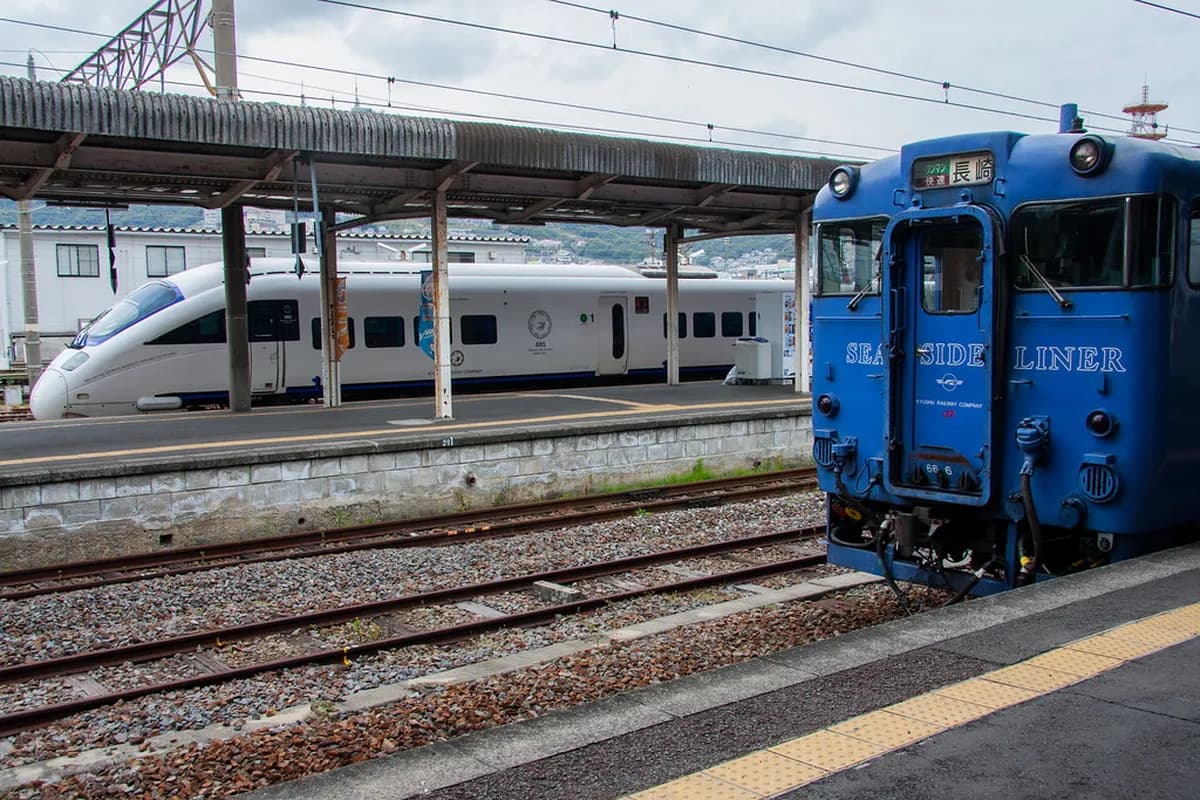
The Ibusuki no Tamatebako limited express is the most enjoyable way to travel. The design-forward train runs from Kagoshima-Chuo twice daily in each direction and takes about 50 minutes. Take a sea-facing seat on the left side heading south — you sit only metres from the coastline and the view of Kinko Bay is the highlight of the ride. The train fills quickly on weekends; book via JR Kyushu's website or at the station ticket window at least one day ahead.
For the full logistics including the local bus from the station to Saraku, the Ibusuki day trip guide covers everything step by step. The Ibusuki sand bath attraction page has the current facility map and latest prices. After the bath, walk five minutes along the beach to the open-air Hana no Maki sand bath for a cheaper ¥550 alternative with fewer facilities.
Chiran: Samurai District and the Kamikaze Peace Museum
Chiran is two towns in one. The Bukeyashiki samurai district on the north side of the main road preserves seven 18th-century warrior homes set behind clipped hedge gardens and stone walls. A ¥530 combined ticket admits you to all seven gardens. The overall effect is quieter and more intimate than the larger samurai districts in Aizu or Kanazawa — most visitors spend 60 to 90 minutes walking the 700-metre lane. The Chiran Samurai District page has current opening hours and the garden-by-garden map.
Fifteen minutes on foot from the samurai lane sits the Chiran Peace Museum for Kamikaze Pilots. More than 1,000 young pilots departed from the wartime airfield here between 1944 and 1945. The museum displays their personal letters, photographs, and aircraft with no political narration — just the objects themselves. Adult admission is ¥500 and the museum opens daily from 09:00 to 17:00. Allocate at least 90 minutes; many visitors stay longer than expected. Check the official museum website for current exhibitions and audio guide availability.
To reach Chiran, take the Ibusuki-Makurazaki Line toward Ibusuki, alight at Iriki Station, and transfer to the Chiran-bound community bus — or take the direct Kagoshima Kotsu bus from Yamagataya bus stop in Kagoshima-Chuo area, which takes about 80 minutes and costs ¥620 each way. Most day-trippers take the bus and return the same afternoon. Combining Chiran in the morning with Ibusuki in the afternoon (as described above) makes for one of the most varied full days possible from the city.
Kirishima: Volcanic Highland Shrine and Onsen
Kirishima sits at around 500 metres above sea level in the mountains north of Kagoshima, straddling the border with Miyazaki Prefecture. The highlight is Kirishima-Jingu Shrine, a vermillion complex set in dense cedar forest and dedicated to Ninigi-no-Mikoto, the divine ancestor of the imperial family according to Japanese mythology. The grounds are free to enter and feel genuinely sacred — arrive on a weekday morning to have the main hall largely to yourself.
From JR Kagoshima-Chuo, take the JR Nippo Line toward Miyazaki and alight at Kirishima-Jingu Station (about 60 minutes, ¥1,000). A Iwasaki Bus from the station reaches the shrine in 20 minutes (¥310). After the shrine, walk or take a taxi five minutes to the Kirishima Onsen village. Many ryokan and public bathhouses offer day-use soaks from ¥800. The water is milky-white with a sulphurous scent, completely different in character from the clear waters of the city-centre bathhouses. The Kirishima Jingu attraction page has the current bus timetable from the station.
Serious hikers can continue from the shrine area to the Ebino Eco-Museum Center and tackle the Kirishima volcanic trail loop (about 4 hours, Pon Pon Yama and Karakunidake at 1,700 m). This requires an early start and a return bus/taxi to the station by 16:00 to make the evening trains back to Kagoshima. Check the Kirishima National Park website for trail conditions before going — the caldera rim trails occasionally close after eruptive events.
Yakushima: UNESCO Forest — Day Trip or Overnight?
Yakushima is technically doable as a long day trip from Kagoshima, but you should understand the tradeoffs before buying a same-day return ticket. The Toppy high-speed ferry departs Kagoshima New Port at 08:30, arrives at Miyanoura Port by 10:30, and the last return ferry leaves Yakushima at 16:00 — giving you roughly five and a half hours on the island. That is enough time to enter Shiratani Unsuikyo Ravine (the ancient cedar valley that inspired the setting of Princess Mononoke) and walk the lower trail to the 2,000-year-old Yayoisugi cedar before returning. Entry to the ravine is ¥500. For full details on planning both the day trip and the overnight version, the Yakushima from Kagoshima guide covers every route option. The Yakushima World Heritage Conservation Center provides official trekking conditions and seasonal closures.
Yakushima ferry tickets, especially the Toppy (Cosmo Line) and Rocket (Iwasaki), sell out 2–3 months in advance during Golden Week (late April–early May), mid-August, and September long weekends. If visiting then, book online the moment you confirm your Kagoshima dates — walk-on berths disappear fast.
What the SERP misses: JAL and Peach also fly from Kagoshima Airport to Yakushima Airport in about 35 minutes from ¥5,000 one-way, which is a better option during peak season when the ferry is full. The flight schedule is tighter (2–3 flights per day), but a last-minute seat is far easier to find than a walk-on ferry berth.
For an overnight stay, the village of Anbo on the east coast has the most practical cluster of guesthouses and is a short bus ride from the trail access points. Most hikers targeting the full Jomon Sugi cedar trail (10 hours return) stay overnight rather than attempting the day-trip version. The island receives more than 4,000 mm of rain per year, so waterproof gear is non-negotiable regardless of the season.
Parks and Gardens: Sengan-en, Flower Park, and Amami no Sato
Sengan-en Garden in the Iso district is one of the finest examples of shakkei (borrowed scenery) in Japan. The 17th-century landscape garden was designed to frame Sakurajima as its backdrop, and the effect is startling — a meticulously raked foreground with a live erupting volcano on the horizon. Adult admission is ¥1,000 and the grounds are open daily from 09:00 to 17:30. The adjacent Shoko Shuseikan Museum, included in the same ticket, documents the Shimadzu clan's role in Japan's early industrialisation with original machinery and Satsuma Kiriko glassware.
Flower Park Kagoshima at the southern end of the Satsuma Peninsula is best visited in spring (March to April) or autumn (October to November). The park spreads across a clifftop facing Kaimondake, the symmetrical volcanic cone locals call "Satsuma Fuji." Adult entry is ¥630. The 1.5-hour combined bus and train journey from Kagoshima-Chuo makes this a half-day minimum. Photographers should arrive in the morning when the peak catches the best light and the crowds are thinner.
Amami no Sato Cultural Village in the Nanyodai area offers a quieter alternative for cultural immersion. The ¥800 entry includes access to exhibitions on Oshima Tsumugi silk, the intricate mud-dyed textile that takes months to produce and is considered one of the world's great hand-woven fabrics. Workshops where you dye a small fabric sample in natural mud are available on weekdays (reservation required). The surrounding garden is styled after the subtropical Amami Islands and provides a calm walking circuit well away from the tourist crowds.
Family-Friendly and Budget Options
Kagoshima City Aquarium Io-world is the easiest full-morning destination for families. The building sits adjacent to the Sakurajima Ferry Terminal, making it convenient to combine with a volcano visit. The Kuroshio Tank holds whale sharks, manta rays, and large pelagic fish in a single 14-metre-deep display. Adult admission is ¥1,500, children ¥750. The outdoor dolphin waterway along the boardwalk is free to watch. Arrive by 09:30 to see the morning dolphin movement before the tank tour begins.
Sakurajima itself is one of the best budget options in the prefecture. The ferry costs ¥200 each way. The Nagisa Ashiyu footbath, the Lava Trail, and the Arimura Lava Observatory are all free. The Sakurajima Visitor Center near the ferry pier has free exhibits on the volcano's eruption history and is an excellent first stop with children. Rent a bicycle near the ferry pier for about ¥1,500 per day to cover the island's 35-km coastal perimeter at your own pace.
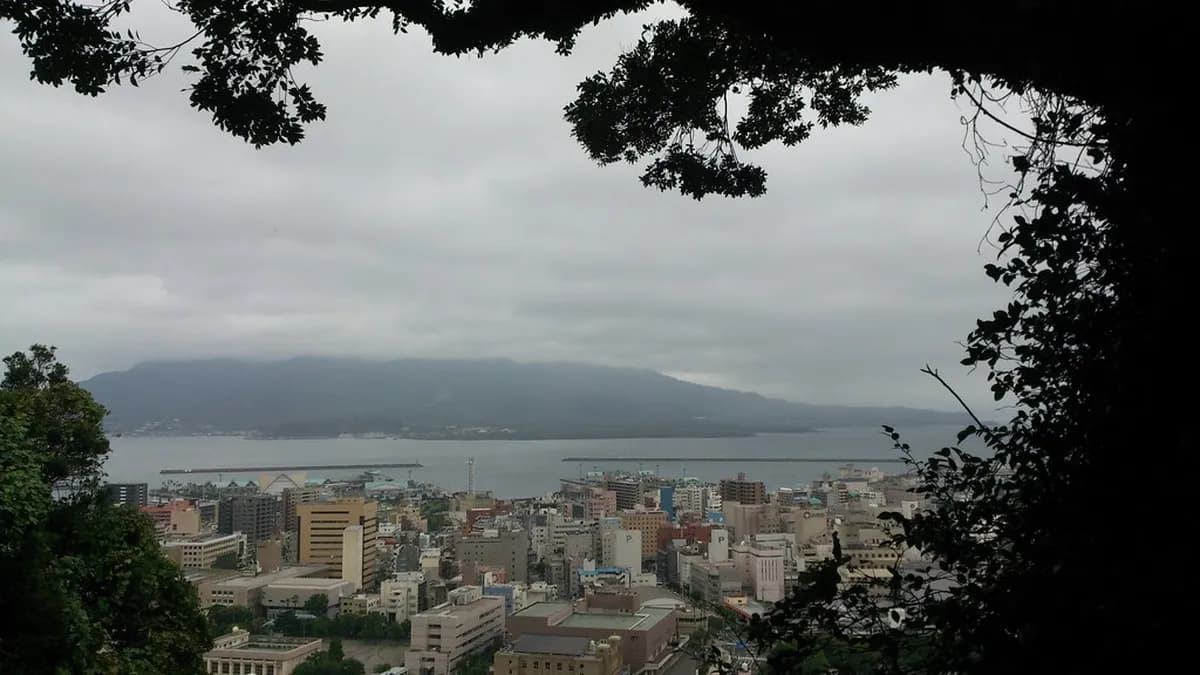
For a free half-day that requires no transport, Shiroyama Park and the Shiroyama Observatory above the city offer panoramic views of Sakurajima, Kinko Bay, and the Satsuma Peninsula. The lookout is free and reached by a 20-minute uphill walk from Tenmonkan or by tram to Shiroyama stop. Early morning or late evening visits avoid the tour bus crowds. The Kagoshima itinerary guide covers how to sequence these free sights with the paid day trips.
How to Plan a Smooth Day Trip: Passes, Timing, and Tips
The Welcome Cute Pass covers trams, city buses, and the Sakurajima ferry within the city zone. A one-day pass costs ¥1,200 and can be purchased at the tourist information counter in Kagoshima-Chuo Station. It pays for itself if you combine the aquarium, Sengan-en, and Sakurajima ferry in a single day. It does not cover the JR trains to Ibusuki, Kirishima, or the Yakushima ferry — those require separate JR or Cosmo Line tickets.
For Ibusuki and Kirishima, consider buying a JR Kyushu Rail Pass (Southern Kyushu area, 3 days from ¥3,000). This covers unlimited JR trains within the southern zone and makes Ibusuki, Kirishima, and even Miyazaki viable without per-journey calculation. Purchase at any major JR station with a passport; overseas-purchased passes may offer a small discount.
Regarding timing: volcanic ash from Sakurajima occasionally closes outdoor sites and delays ferries. Check the Kagoshima City eruption alert level each morning — Level 2 means the summit zone is restricted but the ferry, lava trails, and footbaths remain open. Level 3 triggers a 2-km exclusion zone. The Ibusuki day trip guide and the ash survival guide both have current alert-level links. Always carry a small towel — public footbaths are scattered across the region and you will regret not having one.
Getting to Kagoshima: Regional Transport Overview
The Kyushu Shinkansen connects Hakata (Fukuoka) to Kagoshima-Chuo in 80 minutes, making a day-trip from Fukuoka itself possible. Travelers from Tokyo or Osaka generally fly — direct flights to Kagoshima Airport take about 1h40 from Tokyo Haneda and 1h from Osaka Itami. The airport limousine bus reaches Kagoshima-Chuo Station in about 50 minutes for ¥1,300.
Within the city, trams run two lines covering the main sights from the station to Tenmonkan and down to the aquarium. Fares are a flat ¥230 per ride. IC cards (Suica, Sugoca) are accepted. For cruise visitors, Marine Port Kagoshima handles most large vessels and is about 20 minutes south of the city center by taxi or shuttle. Some ships dock at the North or South Pier near the aquarium. Check your docking location before booking any transport, as the Official Kagoshima Ferry Schedule is only relevant if you depart from the Port Ferry Terminal. For the complete inbound transport breakdown, the Kagoshima culture guide has city orientation and neighbourhood context.
Parking in the city center is expensive and limited. JR trains, trams, and buses cover every destination in this guide without a car. Use IC cards for seamless payment across trams, some buses, and JR commuter services. Renting a car is worth considering only if you plan to drive the entire Satsuma Peninsula or access Kirishima's backcountry trailheads independently.
Frequently Asked Questions
Where do cruise ships dock in Kagoshima?
Most large cruise ships dock at Marine Port Kagoshima, located about 20 minutes south of the city center. Smaller vessels may use the North or South Pier near the aquarium. Shuttle buses frequently connect the ports to Kagoshima-Chuo Station and Tenmonkan.
Is a day trip to Sakurajima worth it?
Yes, Sakurajima is one of the most accessible active volcanoes in the world and a must-visit. The ferry ride takes only 15 minutes and offers stunning views of the bay. You can enjoy footbaths, lava trails, and volcanic observatories in just a few hours.
How do I get from Kagoshima to Ibusuki for the sand baths?
The easiest way is to take the JR Ibusuki-Makurazaki Line from Kagoshima-Chuo Station. The journey takes about 50 to 90 minutes depending on the train type. I recommend the Ibusuki no Tamatebako limited express for a more scenic and comfortable experience.
Kagoshima is a destination that rewards those who venture beyond the main train station. From the smoking peaks of Sakurajima to the quiet samurai gardens of Chiran, the variety of day trips is unmatched in southern Japan. Plan Yakushima early — it is the one destination where last-minute ferry tickets can derail an otherwise well-organized itinerary.
Check local weather and volcanic activity reports before finalizing daily plans. No matter which direction you choose, the warmth of the local people and the steam of the onsen will make your trip memorable. Pack waterproof gear if Yakushima is on the list, and walking shoes for everything else.
Free: The Kagoshima Essentials guide
Top things to do, where to stay, a perfect day plan, getting around, and the best time to go — a Kagoshima mini-guide you can take offline.
You might also like

Continue reading
More guides you'll find useful