12 Best Things to Do in Kagoshima with Kids (2026)
Discover the best of Kagoshima with kids, from dinosaur parks and active volcanoes to the Io World Aquarium. Includes practical itineraries and family travel tips.
On this page
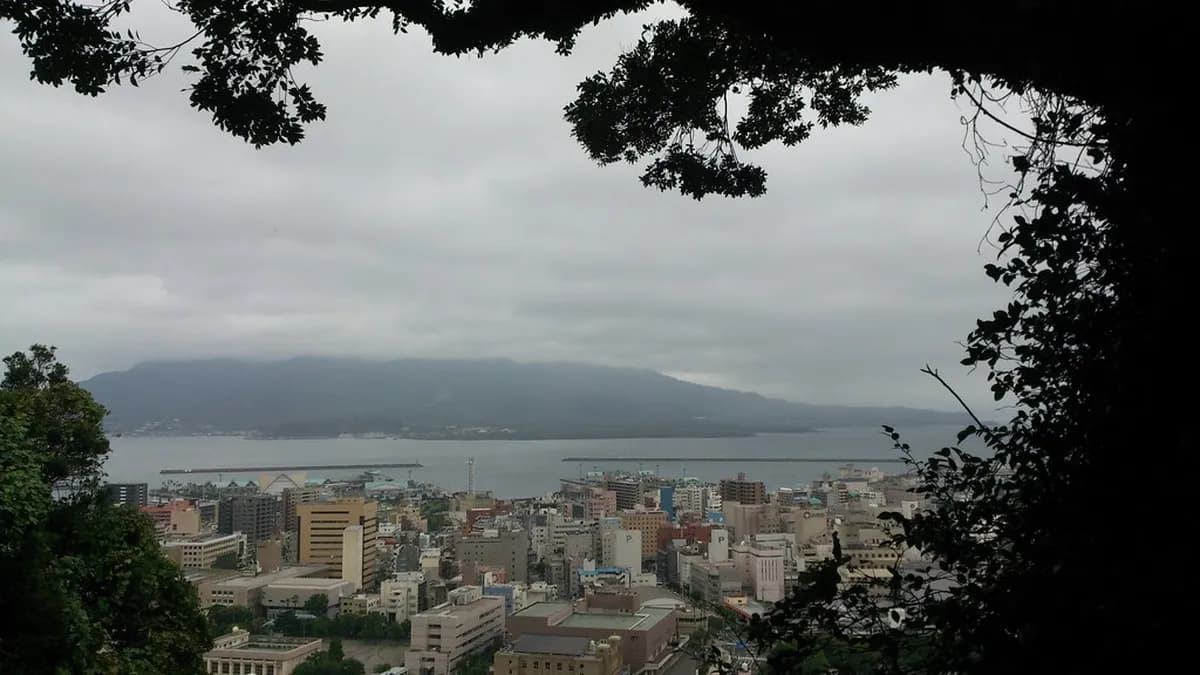
Kagoshima is southern Japan's best-kept family secret. The city pairs an active volcano visible from every rooftop with a compact, stroller-friendly center packed with aquariums, wildlife parks, and samurai history. Unlike Tokyo or Osaka, the pace here is relaxed, distances are short, and children engage with the landscape in a way that very few Japanese cities can match.
This guide structures the prefecture as four family zones: the city itself, Sakurajima volcano island, Ibusuki to the south, and the Kirishima mountains. Pick two or three zones for a three- to four-day trip. The activities below have been updated for 2026 with current prices, opening hours, and transport details. All monetary amounts are given in Japanese yen and approximate USD at ¥150/USD.
Whether you arrive via the Kyushu Shinkansen or fly into Kagoshima Airport, the city is navigable without a car for the core sights. Browse our full 22 Best Kagoshima Attractions in 2026 guide for the complete picture, then use this page to filter for what genuinely works with kids in tow.
Kagoshima City Aquarium (Io World) — Best All-Ages Start
Io World sits right beside the Sakurajima ferry terminal, which makes pairing the two into a single half-day almost effortless. The main draw is the Kuroshio Tank, one of the few facilities outside Okinawa to house whale sharks — Kagoshima's open ocean current supplies a constant flow of appropriate prey, and the tank is large enough that you can watch the sharks cruise in silence for several minutes at a stretch. The official Io World website has the latest opening hours and seasonal exhibits. Children under 15 enter for ¥600 (about $4); adults pay ¥1,500 (about $10). Opening hours are 09:30–18:00 daily, last entry 17:00. Visit our dedicated Kagoshima Aquarium guide for the full exhibit breakdown.
The dolphin show takes place outdoors in a canal beside the building — arrive 15 minutes early to secure good standing positions. A touch pool near the entrance holds rays and small reef fish; staff supervise hands-on interaction for children aged three and over. The aquarium's vertical layout means moving between floors keeps young kids physically engaged rather than trailing through one long horizontal corridor.
On weekends and Japanese school holidays (Golden Week late April to early May, Obon mid-August) the aquarium gets crowded by midday. Arriving at opening (09:30) gives you the whale shark tank nearly to yourself. Walk-up tickets are always available except during the busiest holiday weekends.
Sakurajima: A Full Family Day on an Active Volcano
Sakurajima is the headline. The 15-minute ferry from Kagoshima City's Sakurajima Ferry Terminal puts families on a real, continuously monitored, still-erupting volcano — and the island's infrastructure is built so you experience it safely. The ferry runs every 15–20 minutes around the clock; fare (¥200 adults, ¥100 children) is collected on the Sakurajima side, so keep coins ready when you disembark. Strollers fold flat and fit easily on the boat deck. Read the full logistics in our Sakurajima ferry guide before you go.
The single most useful tip for families: catch the first or second morning ferry (departures at approximately 07:00 and 07:24 from the city terminal). Volcanic ash is lofted by the heat thermals that build through the afternoon — morning crossings give you the clearest sky, the coolest temperatures, and the best photography light on the lava fields. If the first-thing timing does not fit your itinerary, the alternative is simply to check the live webcam at the ferry terminal entrance before you board and skip the crossing on days with sustained westerly wind pushing ash back toward the island's visitor areas.
First or second morning ferry (07:00–07:24) offers the lowest volcanic ash tip and coolest temperatures for exploring Sakurajima's lava fields with children.
Key stops on the island include Yunohira Observation Deck (the highest publicly accessible point, stroller-accessible from the car park), the Arimura Lava Observatory (walking trails through old lava fields — manageable for children aged four and over, but bring water in summer), and the Sakurajima Natural Dinosaur Park, where giant concrete dinosaur sculptures and long slides make an unusual free playground against a volcanic backdrop. For toddlers or families who want something low-effort after the main sights, the Yogan Nagisa foot bath is a 100-metre open-air pool of free thermal water right on the coast — children who cannot do the lava walks can splash here while parents decompress. Most families complete the core circuit in three to four hours and return to the city by early afternoon.
Yogan Nagisa foot bath offers free open-air thermal water perfect for toddlers to splash in while older siblings explore the lava fields — no admission fee, family-friendly.
Hirakawa Zoological Park — Koalas, Tigers, and a Free Footbath
Hirakawa Zoo in the city's southern suburbs is one of the only zoos in Japan where you can see koalas alongside white tigers. The Hirakawa Zoo website details current animal exhibits and seasonal events. The naturalistic enclosures give children a genuine sense of being close to large animals rather than watching them through dense glass. Entry is ¥500 for adults, ¥100 for primary-school children, and free under school age. The zoo opens at 09:00 and closes at 17:00 (last entry 16:30); closed on Tuesdays except during school holiday periods.
A volcanic hot-spring footbath inside the park grounds offers views across the bay toward Sakurajima — it is a good midday break when the zoo crowds thin out. The bus from Kagoshima-Chuo Station (route 16 or 22) takes approximately 40 minutes and drops you near the main entrance. Budget half a day here for children aged three to eight; older children may want the full day if combined with the adjacent Yoshino Park.
Ibusuki Sand Baths — What to Know Before You Go with Children
Ibusuki sits 50 minutes south of the city on the JR Ibusuki-Makurazaki Line (trains run roughly hourly from Kagoshima-Chuo Station; child fare ¥490). The town is built around sunamushi — volcanic sand baths where attendants bury you up to the neck in naturally heated black sand. Children aged six and over can usually join the bath alongside a parent; younger children are generally turned away on safety grounds because the heat (around 50°C at the surface) is too intense for small bodies to regulate. Confirm the minimum age at the specific facility when you book, as it varies slightly between operators.
The main operator is Sunamushi Kaikan "Saraku," which takes walk-in visitors but rents yukata (included in the ¥1,500 entry) on a first-come basis. Peak hours run from 10:00 to 13:00; arrive before 11:30 to guarantee a locker and a yukata in your size. The sand bath session itself takes around 15 minutes; the full experience with changing and showering runs about an hour. Our dedicated page for Ibusuki sand baths covers every practical detail including the preparation steps and what to wear.
While older kids do the sand bath, younger siblings can play on the flat Ibusuki beach next door — the promenade is an easy pushchair walk. If you have a rental car, combining the sand bath with Lake Ikeda (Satsuma-Fuji caldera lake, 20 minutes drive) and Kaimondake volcano views turns the trip into a full scenic day rather than a single-attraction excursion.
Sengan-en Garden and Shoko Shuseikan Museum
This UNESCO World Heritage Site on the bay north of the city belonged to the Shimazu clan — the feudal lords who ran southern Japan for 700 years. The main draw for families is the juxtaposition of a manicured Edo-period garden with Sakurajima framed perfectly across the water. Children explore the traditional machiya townhouses, watch blacksmithing and glassblowing demonstrations in the Shoko Shuseikan industrial museum next door, and try "Jambo-mochi" — small rice cakes grilled over charcoal and served with two sauces (one sweet, one savory) for about ¥350 a skewer.
Adult entry to garden plus museum is ¥1,500 (about $10); children (6–15) pay ¥750; under-sixes enter free. Opening hours are 09:00–17:00 daily. The site is served directly by the City View Bus (Sengan-en stop) and takes most families 1.5 to 2 hours. It pairs naturally with the Aquarium into a full city day if you start at the aquarium by 09:30 and arrive here by 13:00.
Kagoshima Family Food: What to Order and Where
Kagoshima's signature food for families is kurobuta — black pork from the Berkshire breed raised in the prefecture. Shabu-shabu (thin slices cooked in hot broth at the table) is the approachable version for children because they control their own cooking pace. Expect to pay ¥2,500–¥4,000 per head at a mid-range kurobuta restaurant; most places near Tenmonkan display picture menus that make ordering manageable without Japanese.
The Tenmonkan Mujaki basement shop is the birthplace of shirokuma ("White Bear") shaved ice — condensed milk, fresh fruit, red beans, and mochi over finely shaved ice. A full-size bowl (¥980–¥1,200) is large enough to split between two young children. The basement entrance typically has a shorter queue than the street-level floor; going at 14:30 rather than at midday also cuts the wait to under 10 minutes most days.
For a relaxed dinner with multiple options, the Kagoshima Furusato Yataimura food stall area near Chuo Station organizes small izakaya-style restaurants under one roof. Unlike the outdoor version reviewed in older guides, the indoor facility is well-ventilated and does not permit smoking at tables. Most mains run ¥800–¥1,500. Arrive at 17:30 to secure a table before the evening office crowd fills the space.
Getting Around Kagoshima with Kids — Trams, Buses, and the CUTE Pass
Kagoshima is one of Japan's most navigable mid-size cities for families. Check the Kagoshima City official site for the latest transport schedules and family attractions. The city tram network (two lines, flat ¥170 adult fare per ride, half-price for children) covers Kagoshima-Chuo Station, Tenmonkan, and the waterfront. Trams are stroller-accessible on most cars — fold the stroller and hold it beside you rather than blocking the centre aisle during peak hours. The City View Bus loops the major tourist sites (Sengan-en, Shiroyama, and the Aquarium) every 30 minutes for a flat ¥190 per ride.
The CUTE pass (¥1,200/day for adults, ¥600/day for children) covers unlimited rides on city trams, the City View Bus, and the Sakurajima ferry. For any day that includes the ferry, the pass pays for itself within two rides. Buy it at the ferry terminal, Kagoshima-Chuo Station tourist desk, or most central hotels. Strollers are permitted free on the Sakurajima ferry and fold-up scooters are allowed on trams during off-peak hours (before 07:30 and after 20:00).
For Ibusuki and Kirishima, the JR Kagoshima-Chuo Station is the hub. Ibusuki is a direct 50-minute ride with no transfers. Kirishima requires a transfer at Hayato and a bus from Kirishima-Jingu Station — allow 90 minutes each way and plan a full day if you include Ebino Plateau. A rental car from Kagoshima-Chuo (book 2–3 weeks ahead during cherry blossom season in late March and autumn foliage in November) makes both day trips significantly more flexible with young children. See our 8 Best Neighborhoods and Tips for Staying in Kagoshima guide for hotel zones that keep transport distances manageable.
3-Day Family Itinerary for Kagoshima
Day one works best as a city and aquarium day. Open at the Aquarium (09:30), then walk to the adjacent Sakurajima Ferry Terminal and take a round-trip crossing (the island leg plus a stop at the Dinosaur Park and the Yogan Nagisa foot bath runs about 3 hours). Return for dinner in Tenmonkan — shirokuma shaved ice is the natural end to the first day for children.
Day two is Sakurajima in depth. Take an early ferry (07:00–07:30) for the best ash-free conditions and spend the morning driving or cycling the island circuit: Yunohira Observation Deck, Arimura Lava Observatory, and the Visitor Center for the eruption simulation exhibit. Return by early afternoon and use the rest of the day for Sengan-en Garden and a kurobuta dinner.
Day three points south to Ibusuki for children aged six and over, or to Hirakawa Zoo for younger families. The JR train to Ibusuki runs at :08 past the hour from Platform 1 at Kagoshima-Chuo; you can do the sand bath, the Ibusuki beach promenade, and a return by 16:00 without rushing. Families with a rental car can extend the day with a Lake Ikeda detour. Our 22 Best Kagoshima Attractions in 2026 guide covers additional day-trip options if you have four or more days.
Ash Days and Rainy-Day Backup Plans
Sakurajima erupts over 100 times a year. Most eruptions produce minor ash falls that the city handles as routine — residents carry compact umbrellas that double as ash shields, and convenience stores stock disposable masks year-round. For visitors, the practical precautions are: pack sunglasses for children (fine ash irritates eyes before it irritates the throat), carry a bag or cover for the stroller, and check the Kagoshima City live ash-fall map (available in English at the City View Bus information counters and at the ferry terminal) before committing to outdoor Sakurajima walks.
On a genuine ash day or heavy rain day, the best family fallback is Io World Aquarium (fully indoor, 2–3 hours), followed by Reimeikan History Museum at the former Kagoshima Castle grounds — the children's armour dress-up corner and the reconstructed samurai household are reliably engaging for ages five and over. Entry to Reimeikan is ¥400 for adults, ¥200 for high schoolers, free for younger children. A second rainy-day option is the Prefectural Museum of Culture (Uminatopia) near the waterfront, which has a free children's science section with volcano and ocean exhibits.
The Tenmonkan covered arcade is the city's largest indoor shopping and food strip — four parallel covered streets linking the main bus stops. When plans fall through, this is an easy two-hour filler that every child finds engaging: toy shops, stationery stores, takoyaki counters, and multiple branches of shaved-ice and dessert cafes. No entry fee, open from morning until around 21:00.
Explore things to do in other cities
Frequently Asked Questions
Is Kagoshima safe for kids regarding the volcano?
Kagoshima is very safe as the volcano is constantly monitored by experts. Residents go about their daily lives, and the only common issue is light volcanic ash. Carry an umbrella and sunglasses if an ash fall occurs during your visit.
What is the best way to get around Kagoshima with a stroller?
The city trams and many buses are stroller-friendly, though they can be crowded. The CUTE pass covers most transport options. For longer distances or hills, taxis are a convenient and affordable alternative for families.
Are there many English signs in Kagoshima?
Yes, most major tourist attractions and transport hubs have clear English signage. The staff at the Aquarium and Sengan-en are used to international visitors. Using a translation app is still helpful for smaller local restaurants.
Kagoshima rewards families who treat the prefecture as a set of zones rather than a single city. An active volcano you can ferry to in 15 minutes, a world-class aquarium beside the pier, volcanic sand baths 50 minutes south, and mountain hiking an hour north — the variety keeps a mixed-age group engaged across four days without repeating the same category of activity twice. The pace is slower than the Kyoto–Tokyo circuit, which means children who would feel dragged around the Golden Route often thrive here.
Start with the aquarium and a Sakurajima round-trip on day one, use day two to explore the island properly, and let day three hinge on the ages in your group — Ibusuki if your youngest is six or over, the zoo otherwise. The memories made between the lava fields and the shaved-ice shop in Tenmonkan tend to stick with children far longer than another temple visit. Southern Japan is worth the detour.
Free: The Kagoshima Essentials guide
Top things to do, where to stay, a perfect day plan, getting around, and the best time to go — a Kagoshima mini-guide you can take offline.
You might also like


Continue reading
More guides you'll find useful