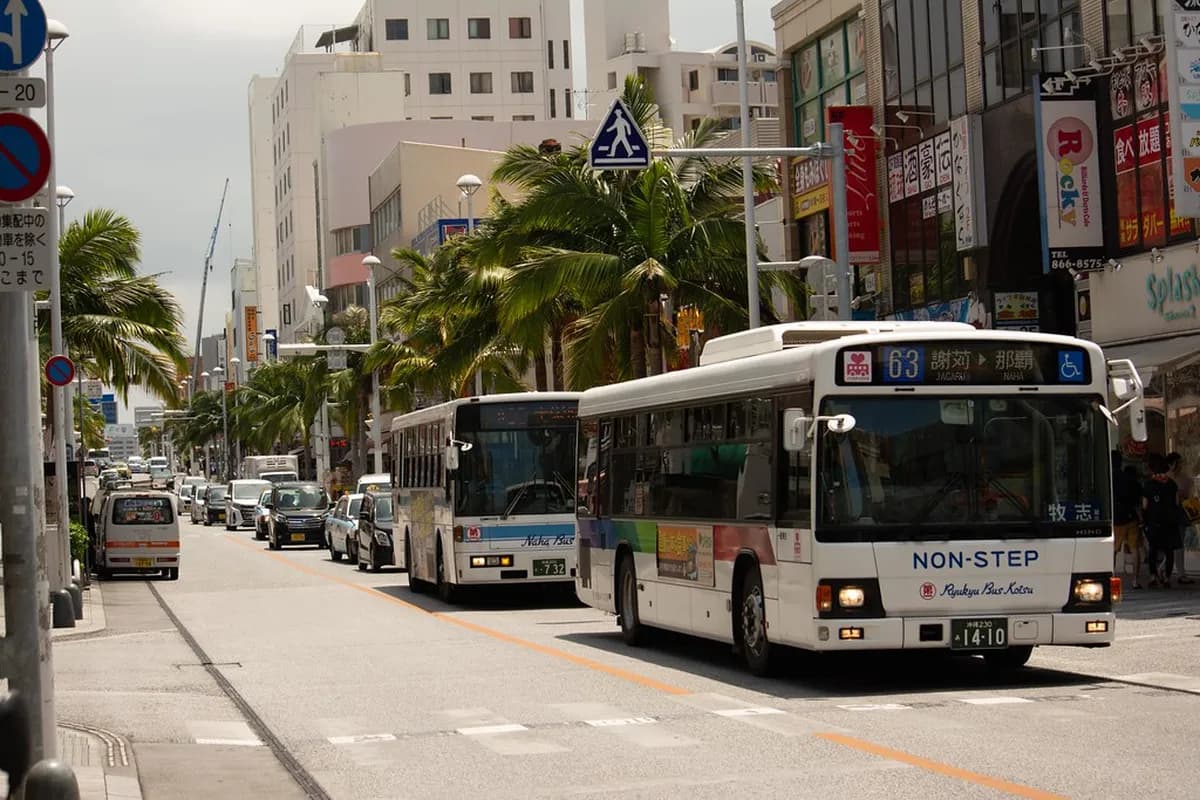
Kokusai Dori serves as the vibrant lifeline of Naha city. This bustling thoroughfare blends shopping, casual dining, and traditional Okinawan culture in one walkable corridor. This kokusai street (kokusai-dori) visitor guide focuses on what first-time visitors need in 2026: where to enter, how long to spend, what to skip, and when the street is easiest to enjoy.
The street spans roughly 1.6 kilometers through the heart of the city. It is the perfect starting point for any Naha exploration, especially if you are staying near the Yui Rail line or arriving after a flight. The best visit usually combines the main avenue with the arcades and market streets just behind it.
What Is Kokusai Dori?
Locals often refer to this famous stretch as the Miracle Mile. This name highlights the rapid recovery the area made after World War II. It transformed from a wasteland into a thriving commercial hub almost overnight. Today, it stands as a symbol of Okinawan resilience and hospitality.
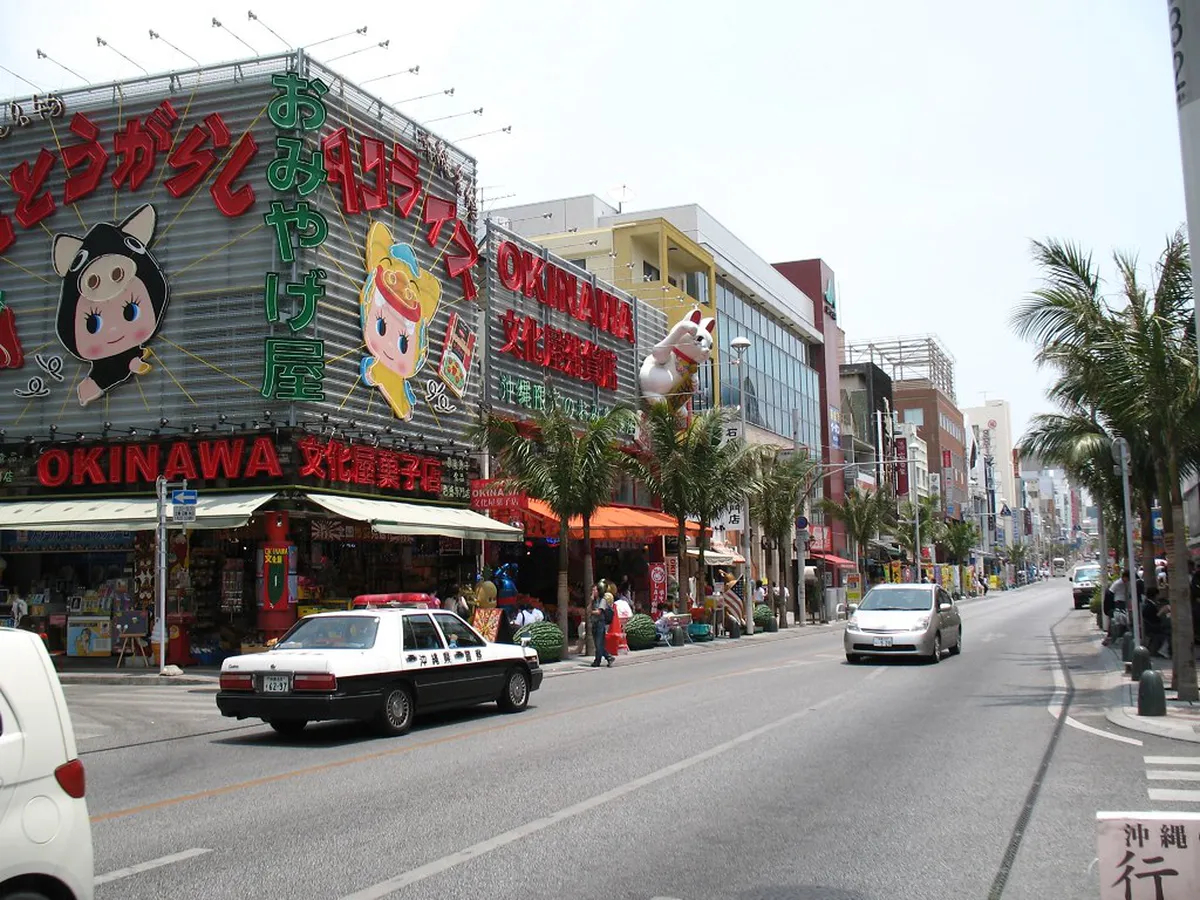
The name Kokusai Dori translates literally to International Street. It earned this title from the former Ernie Pyle International Theater located here. You can learn more about the area's history at Japan.travel for deeper context. The street remains the most popular destination for tourists in the prefecture.
Overview: Naha’s Main Street
Walking the full length of the street takes about twenty minutes without stops. However, most travelers spend several hours exploring side alleys, food shops, and covered arcades. The street connects the Prefectural Office area to Makishi, with Kencho-mae, Miebashi, and Makishi stations all useful depending on where you want to start.
The atmosphere changes significantly between the morning and evening hours. Daytime visitors enjoy storefronts, tax-free shopping, and cafe hopping. Nighttime brings izakayas, steak restaurants, live music venues, and bars tucked off the main road. Consult the Oki-Islandguide.com for updated event schedules.
Getting There & Practical Tips
The simplest approach is to ride Yui Rail to Kencho-mae if you want to begin near the southern end, or Makishi if you want to start close to the market and Tsuboya side streets. Miebashi is also useful for travelers coming from hotels near the river or Tomari Port. Taxis are easy to find, but traffic can slow down around dinner time and during the Sunday pedestrian zone.
Accessibility is generally good along the main avenue because the route is mostly flat and paved. The practical challenge is crowd flow: shop entrances, curb cuts, and narrow arcade lanes can become tight for strollers, wheelchairs, and large suitcases. If mobility matters, visit before the evening rush, use the wider main sidewalks, and treat Heiwa-dori or market lanes as optional detours rather than required stops.
- Best entry point for first-timers: Kencho-mae to Makishi, then loop into the market streets.
- Best entry point for food: Makishi, then move toward the public market and side arcades.
- Best entry point for a quick visit: Miebashi or Kencho-mae, depending on your hotel location.
- Common mistake: carrying airport luggage through the busiest blocks instead of using lockers or hotel storage.
Must-See Kokusai Attractions
Shopping is the primary draw for most people visiting this district. The massive Don Quijote store offers several floors of tax-free goods. You can find unique Okinawan snacks, cosmetics, character goods, awamori, and travel essentials at competitive prices. It stays open late, making it a convenient final stop after dinner.
Foodies should head straight toward the Makishi Public Market entrance. This covered market sits just off the main road and sells fresh seafood, pork, tropical fruit, condiments, and Okinawan pantry items. You can pick out fish on the first floor and have it cooked upstairs. The market provides an authentic look at local daily life and ingredients.
- Don Quijote Kokusai Dori
- Type: Discount Store
- Best for: Souvenirs, tax-free shopping, late-night errands
- Where: Central Street
- Cost: Varies
- Happy Naha
- Type: Shopping Mall
- Best for: Families, rainy-day breaks, easy browsing
- Where: Near Makishi
- Cost: Free Entry
- Market and arcade detours
- Type: Side streets and covered shopping lanes
- Best for: Local snacks, crafts, and better browsing than the busiest storefronts
- Where: Behind the main avenue near Makishi
- Cost: Free to browse
Side Streets & Markets
The strongest Kokusai Dori visit rarely stays on the main road the entire time. Heiwa-dori, Ichiba Hondori, and the lanes around Makishi Public Market give you more texture than the souvenir-heavy storefronts facing the avenue. These covered streets are especially useful on hot or rainy days.
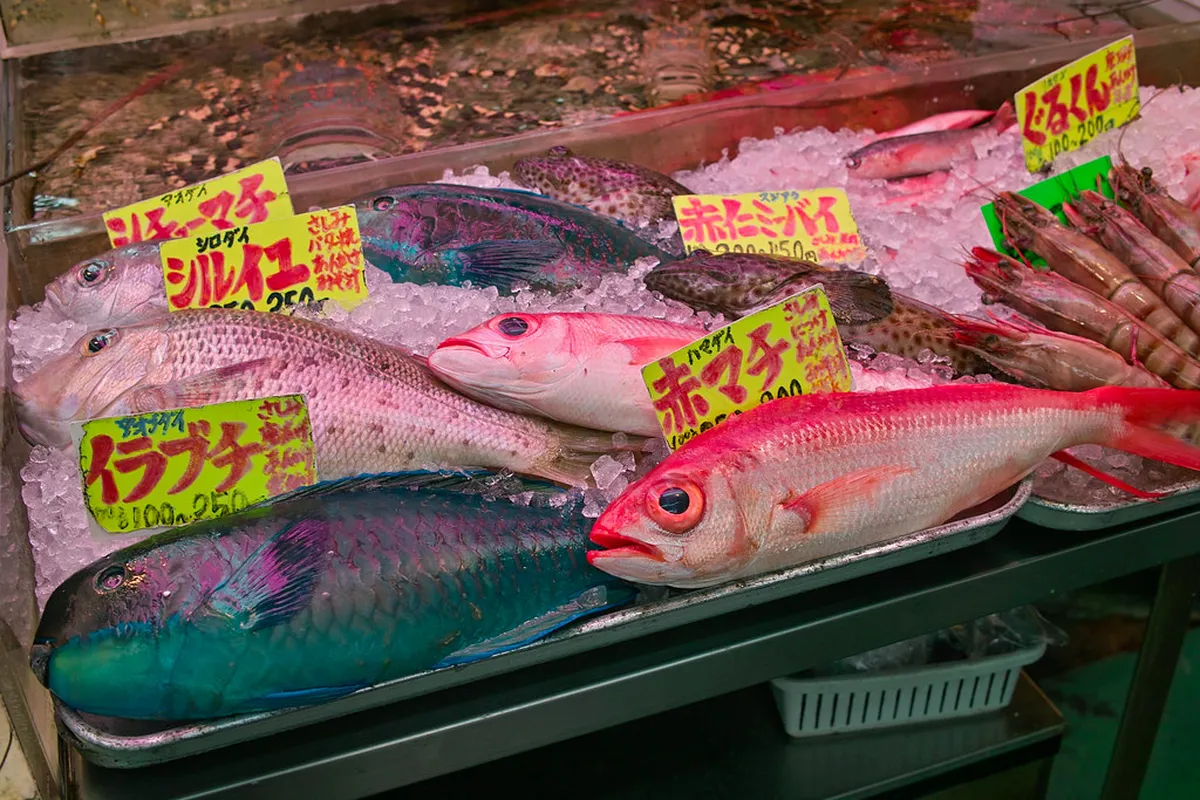
Use the side streets when you want local ingredients, pottery, textiles, small cafes, or casual eating counters. Stay on the main avenue when you are short on time, need clear navigation, or want large stores with tax-free systems.
First-Time and Short-Itinerary Picks
Is Kokusai Dori worth including on a short itinerary? Yes, if you want one efficient place for food, souvenirs, and a quick sense of central Naha. It is less essential if your priority is beaches or nature, but it works well as an evening stop after a daytime Naha attraction.
For a first-time visitor, the best route is Kencho-mae to Makishi with one market detour and one sit-down meal. With only one hour, walk a short central stretch, buy snacks, and avoid the deeper arcades. With three to four hours, add Makishi Public Market, Tsuboya Pottery District, and dinner.
- One-hour visit: Main avenue, quick souvenir stop, Blue Seal or snack break.
- Half-day visit: Main avenue, market lanes, pottery district, and dinner.
- Evening visit: Start near Makishi, eat first, then shop when the temperature is easier.
- Rainy-day visit: Favor the covered arcades and indoor shops over a full end-to-end walk.
Museums, Art, and Culture in Kokusai
Culture enthusiasts will appreciate the proximity to the Tsuboya Pottery District. This quiet neighborhood is only a five-minute walk from the main street. You can see traditional kilns and purchase handmade ceramics from local masters. The stone-paved streets offer a peaceful escape from the main crowds, especially when Kokusai Dori feels too commercial.
Many shops and restaurants along the main road also host Ryukyuan dance or sanshin performances. You can find detailed cultural insights on Visitokinawajapan.com before your trip. A live performance is not required to enjoy the area, but it can turn a routine dinner into a more memorable Naha night.
Stroll a car-free Kokusai Street on Sundays
Every Sunday from 12:00 PM to 6:00 PM, Kokusai Dori closes to all vehicle traffic and becomes a pedestrian-only zone — the best time for a relaxed walk with families and street performers.
Sundays offer a completely different experience for pedestrians on the Miracle Mile. The street closes to all vehicle traffic from 12:00 PM to 6:00 PM. This transformation allows families and tourists to walk freely in the road. It creates a festival-like environment that is perfect for photography.
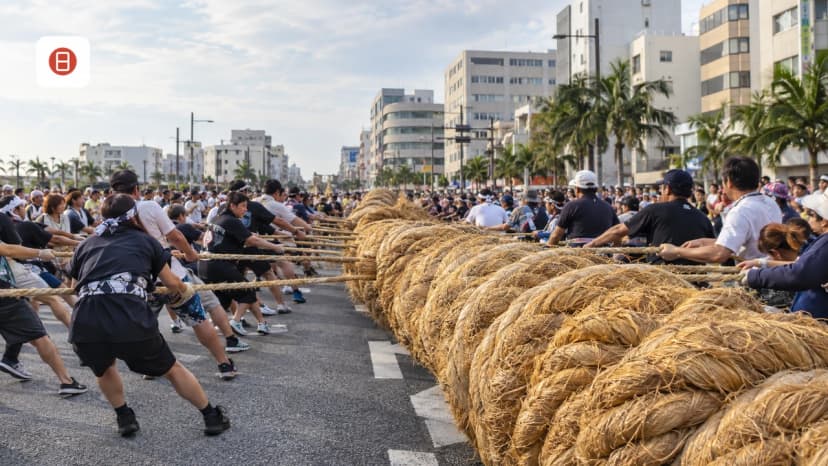
Street performers, including magicians and musicians, set up along the route. You might see traditional Eisa drummers performing energetic routines. Check local weather reports as heavy rain can cancel these outdoor events. Walking during this time is the most relaxed way to see the shops.
Dining & Food Scene
Okinawan cuisine is famous for its health benefits and bold flavors. You must try Okinawa Soba, which features thick wheat noodles in pork broth. Many restaurants on Kokusai Dori serve premium Agu pork dishes. Expect to pay between 1,500 and 3,000 yen for a high-quality set meal.
For dessert, look for the iconic Blue Seal ice cream signs. They offer local flavors like purple sweet potato and Okinawan salt cookies. The street also boasts several American-style steakhouses with vintage decor.
Many smaller stalls and counters on the side arcades only accept cash. ATMs are available near the Don Quijote store, but it is easier to carry yen before you start browsing.
The easiest dining mistake is choosing the first restaurant with a large English menu when you are already tired. Decide before the dinner rush: Okinawa soba for a fast meal, izakaya dishes for groups, steak for a classic Naha night out, or market seafood earlier in the day. Solo travelers should look for counters and casual noodle shops; families usually do better with larger restaurants near Makishi.
Parks, Gardens, and Outdoor Spots Near Kokusai
Kokusai Dori itself is urban, so plan nearby outdoor breaks rather than expecting a park-like street. A good morning route starts at Fukushuen Garden, continues toward Kencho-mae, and finishes with lunch near Makishi. If you want sea air after shopping, Naminoue Beach is the easiest coastal add-on in central Naha.
These outdoor stops are especially useful in summer, when the heat and humidity make a continuous afternoon walk uncomfortable. Build in shade, water, and a seated break instead of treating the Miracle Mile as a forced march.
How to Plan a Smooth Kokusai Attractions Day
Starting your day early helps you beat the largest tour groups. Most shops open around 10:00 AM, while restaurants stay open late. Consider visiting the nearby Fukushuen Garden for a morning walk before the shopping rush.
Wear comfortable walking shoes as you will cover a lot of ground. Many stores offer luggage storage or coin lockers for a small fee. Keep a digital map handy to navigate the winding side streets.
For a fuller Naha day, pair Kokusai Dori with Shuri Castle in the morning, then return to the city center for dinner and shopping. If you are visiting on Sunday, confirm your taxi drop-off point because the pedestrian zone changes normal vehicle access during the afternoon.
About Shen Chen (Mr. JOC)
Travelers researching Kokusai Dori may come across food-guide perspectives from Shen Chen, known as Mr. JOC. Treat these personal restaurant notes as useful inspiration rather than a fixed itinerary, because Kokusai Dori's food scene changes by season, reservation status, and opening day.
The most useful takeaway is how to read the area through ingredients: pork, sea grapes, tofu, awamori, brown sugar, tropical fruit, and Okinawan noodles all appear in nearby restaurants and markets. Build a shortlist, then stay flexible if the famous places are full.
Frequently Asked Questions
Is Kokusai Dori worth visiting?
Yes, Kokusai Dori is absolutely worth visiting for its unique shopping and dining. It serves as the cultural and commercial heart of Naha. You can find everything from traditional crafts to modern electronics in one convenient location. Most travelers find it essential for souvenir shopping.
How much time should you plan for Kokusai Dori?
Plan to spend at least 3 to 4 hours exploring the main street and its markets. If you enjoy shopping or sit-down dining, a half-day is more appropriate. Many visitors combine this with a trip to Shuri Castle for a full day itinerary.
What is the best time to visit Kokusai Street?
The best time is Sunday afternoon when the street becomes a pedestrian-only zone. Late afternoon is also ideal for catching the transition from day shopping to night dining. Evening visits offer a lively atmosphere with many bars and music venues opening up.
What should travelers avoid on Kokusai Dori?
Avoid visiting during the peak heat of mid-afternoon in summer without hydration. Some shops near the main entrance can be overpriced compared to those in the side alleys. Do not forget that many smaller stalls may only accept cash payments for snacks.
Kokusai Dori remains a must-see destination for anyone visiting Okinawa. It perfectly captures the energetic spirit of Naha while honoring its past. Whether you want to shop, eat, or just people-watch, this street delivers. Use this guide to make the most of your time on the Miracle Mile.
Remember to explore the side streets for the most authentic experiences. You might find your favorite meal in a tiny, hidden basement restaurant. After your shopping spree, relax at Naminoue Beach to cool off. Enjoy your journey through the most famous street in Okinawa.
For broader Naha planning, explore our Naha itinerary guide to structure your full trip.
For authoritative information, refer to the Kokusai Street (Kokusai-dori) official site and Kokusai Street (Kokusai-dori) on Wikipedia.