The Daiichi Makishi Public Market serves as the vibrant culinary heart of Naha for both locals and travelers. This historic marketplace offers a deep look into the unique food culture of the Okinawa islands. Using a comprehensive daiichi makishi public market visitor guide helps you navigate the bustling stalls, second-floor restaurants, and surrounding shopping arcades. Exploring this landmark is essential for anyone visiting Naha for the first time.
Visitors will find a massive array of fresh seafood and tropical produce across multiple floors. The market recently moved back to its renovated original location with modern facilities and improved accessibility, making it easier to visit with strollers or mobility needs than the older market environment. You can witness the daily life of Okinawan residents while sampling exotic snacks and rare delicacies. It provides a sensory experience that defines the spirit of southern Japanese hospitality.
Planning your visit requires understanding the market's layout and the specific dining systems available. From selecting live fish to enjoying a custom meal, the process is both rewarding and delicious. This guide covers everything you need to know for a successful market adventure in 2026. Prepare your appetite for a journey through the flavors of the Ryukyu Kingdom.
Must-See Daiichi Attractions
The first floor of the market is a dazzling display of Okinawa's marine biodiversity and agriculture. You will see bright blue parrotfish and giant spiny lobsters resting on beds of crushed ice. Many stalls also feature the famous Okinawan pork, which is a staple of the local diet. Walking through these aisles allows you to see the raw ingredients of island cuisine.
The dried goods section offers a variety of seaweeds and fermented items perfect for souvenirs. You can find high-quality kombu and dried bonito flakes that are essential for making traditional dashi. Locals often shop here for specialty items used in lunar calendar celebrations and family gatherings. It is a great place to learn about the preservation techniques used in island life.
Vibrant fruit stalls showcase seasonal treasures like dragon fruit, mangoes, and small shikuwasa citrus. The colors and scents of the produce section create a tropical atmosphere throughout the building. Many vendors are happy to offer small tastes of their seasonal offerings to curious visitors. Exploring these stalls is a highlight of any Kokusai Street itinerary.
- Fresh Seafood Zone
- Type: wet market
- Best for: photography
- Where: first floor
- Cost: free entry
- Okinawan Meat Stalls
- Type: butcher shops
- Best for: local pork
- Where: central aisles
- Cost: varies by cut
Museums, Art, and Culture in Daiichi
The area surrounding the market is rich with artistic history and traditional Okinawan crafts. Just a short walk away lies the Tsuboya Pottery District with its charming stone-paved streets. This neighborhood has been the center of Okinawan ceramic production for several centuries. You can visit small galleries and watch master potters work on traditional lime kilns.
The market itself is a living museum of the post-war recovery of the Naha city area. It began as a black market after the war and evolved into a regulated public space. Understanding this history adds a layer of appreciation for the resilience of the local community. The cultural significance of the market extends far beyond the food sold at the stalls.
For a deeper academic look at the region, visit the Okinawa Prefectural Museum nearby. The museum offers extensive exhibits on the natural history and folklore of the Ryukyu Islands. It provides context for the unique customs you will observe while wandering through the market. Combining a museum visit with a market tour creates a well-rounded cultural day.
Parks, Gardens, and Outdoor Spots in Daiichi
After exploring the indoor market, you may want to enjoy some fresh air in a garden. The Fukushuen Garden is a stunning Chinese-style garden located within walking distance. It symbolizes the long history of trade and cultural exchange between Okinawa and China. The peaceful ponds and pavilions offer a quiet escape from the busy city streets.
Travelers looking for a coastal view should head toward the Naminoue area of the city. You can find a beautiful shrine perched on a cliff overlooking the turquoise ocean water. The nearby beach is a popular spot for a quick dip or a relaxing walk. Outdoor spots like these balance the high-energy environment of the central market district.
Green spaces in Naha often feature unique tropical plants and traditional stone architecture. Many small parks tucked behind the main streets offer benches for resting after a long walk. These spots are ideal for enjoying a snack purchased earlier from the market vendors. They provide a glimpse into the slower pace of life in residential Naha neighborhoods.
Family-Friendly and Budget-Friendly Options in Daiichi
The market is an excellent destination for families traveling with curious children. Kids often enjoy seeing the unusual fish and colorful seafood displayed in the large tanks. Many stalls sell small, affordable snacks like sata andagi, which are Okinawan deep-fried donuts. These treats provide a quick energy boost for little explorers without breaking the budget.
Eating on the second floor can be very economical if you choose the right stalls. Many restaurants offer set lunch menus that include soup, rice, and a main dish. Sharing a few large plates of seafood is a great way for families to save money. The casual atmosphere means you do not have to worry about formal dining etiquette.
Budget-conscious travelers can find many free activities within the market and surrounding arcades. Window shopping and people-watching provide hours of entertainment at no cost to the visitor. You can also find discounted items near the end of the business day at some stalls. Smart planning allows you to experience the best of Naha on a modest daily budget.
How to Plan a Smooth Daiichi Attractions Day
Success at the market starts with arriving at the optimal time to avoid the crowds. The main stalls generally open at 8:00 AM and stay busy until the early evening. Weekday mornings are usually the easiest window for browsing, while lunch is better if your main goal is eating upstairs. Checking the Oki-Islandguide.com site helps you confirm current operating hours.
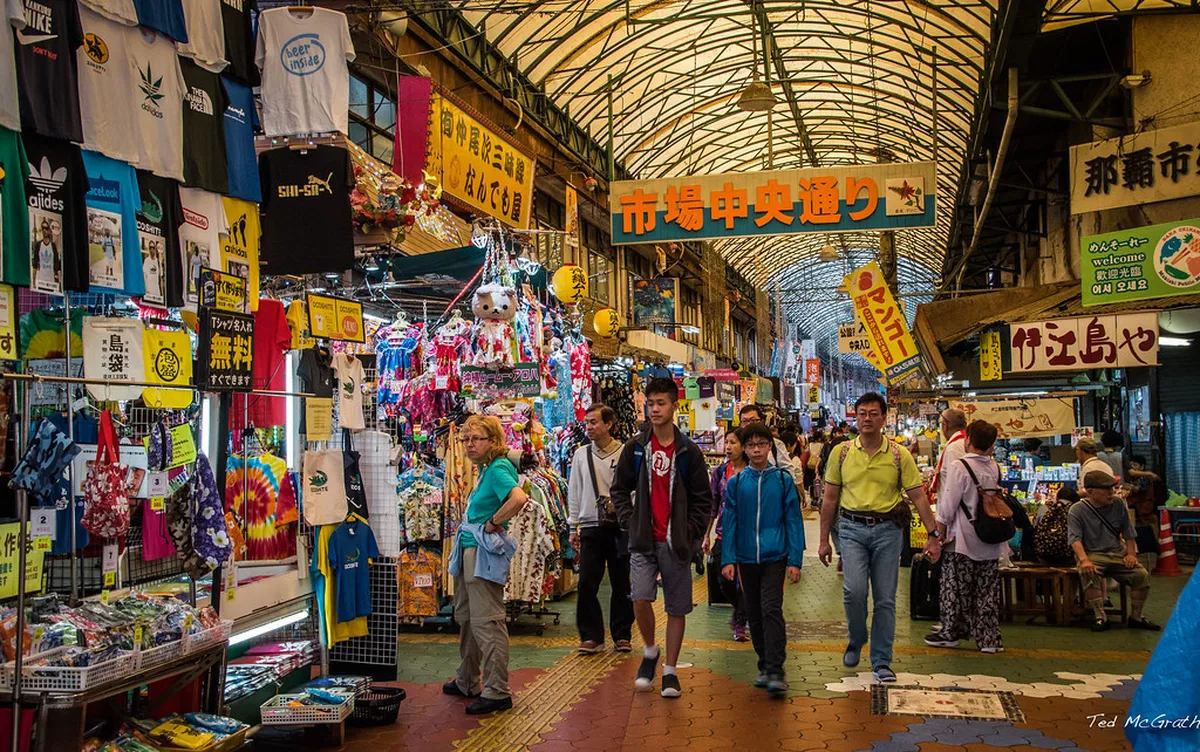
The market is easily accessible by the Yui Rail monorail system from anywhere in Naha. Makishi Station and Miebashi Station are both practical choices, with most visitors walking about nine to ten minutes through Kokusai Dori and the covered shopping arcades. This route keeps you dry on rainy days and provides plenty of shade during the summer. Travelers with luggage, wheelchairs, or strollers should leave extra time because the market building is more modern than the narrow arcades around it.
Remember that many vendors only accept cash for small purchases and food samples. While some larger stalls take credit cards, having yen on hand is very helpful. There are several convenience stores with ATMs located near the market entrances for quick withdrawals. Preparing your currency in advance ensures a smoother shopping and dining experience.
- Best low-stress plan: arrive on a weekday morning, browse the first floor, then eat before the main lunch rush.
- Best rainy-day plan: use the covered arcades from Kokusai Dori and combine the market with nearby shops instead of relying on taxis.
- Best short-itinerary plan: allow two to three hours for the market and save longer side trips for another day.
- Common mistakes to avoid: arriving without cash, blocking narrow aisles for photos, choosing seafood before confirming the cooking fee, and assuming every shop keeps identical hours.
Shopping and dining experience at Daiichi Makishi Public Market in Naha
The market generally opens at 8:00 AM daily, but the 4th Sunday of each month (except December) is a rest day. Confirm before a special visit — arriving on a closure day means the main stalls are shut.
The 'cook your catch' system is the most famous feature of the dining floor. You simply purchase fresh seafood on the first floor and take it to the second floor. For a small fee, restaurant chefs will prepare your items in several different styles. This shopping and dining experience is a must-do for any seafood lover.
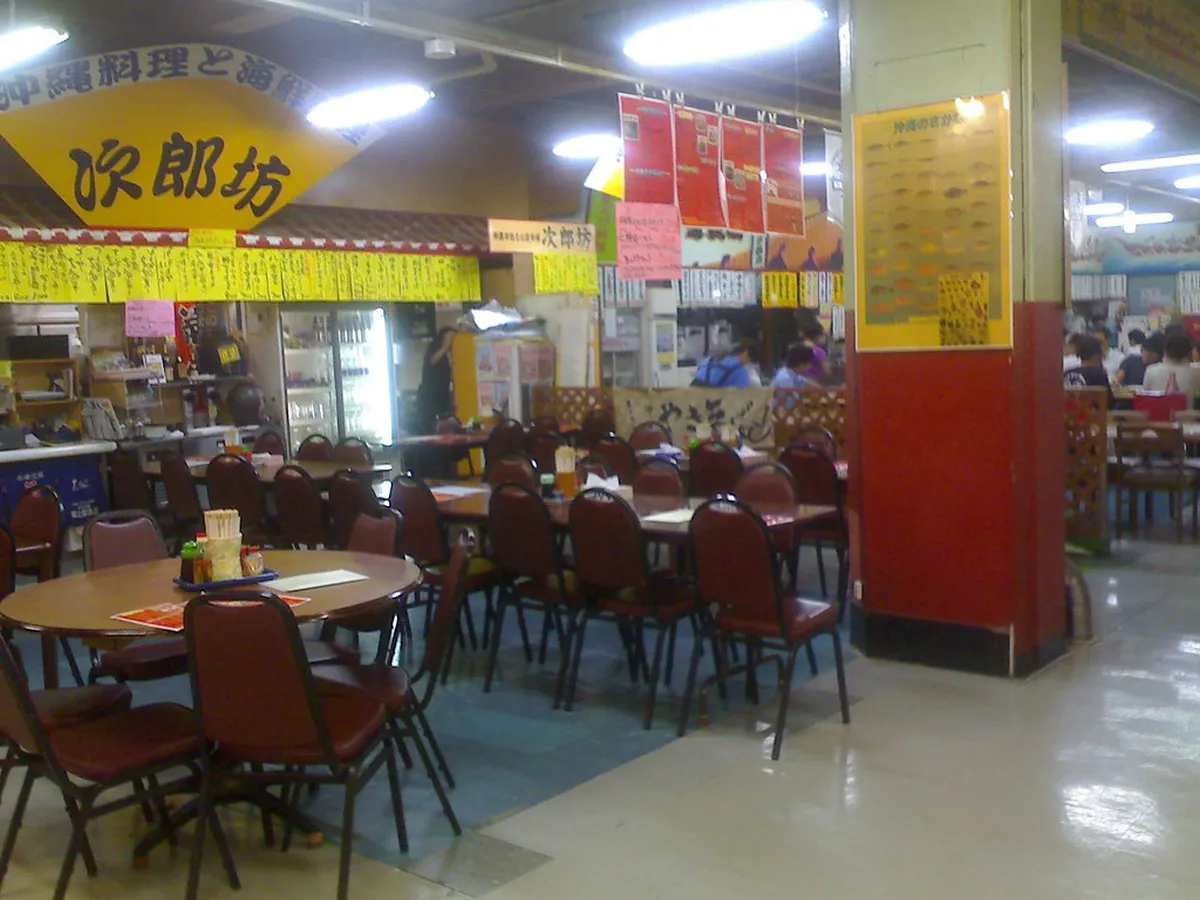
The second floor is home to various eateries serving a wide range of local favorites. You can try classic Okinawan dishes like bitter melon stir-fry or tender pork belly. The restaurants are noisy and lively, reflecting the traditional atmosphere of a public market. Before buying an expensive fish or shellfish, ask the vendor which upstairs restaurant will cook it, what preparation styles are available, and whether rice, soup, or side dishes are included.
Before buying an expensive fish or shellfish, ask the vendor which upstairs restaurant will cook it, what preparation styles are available, and whether rice and side dishes are included — the cooking fee varies by restaurant and preparation method.
Beyond seafood, the market offers a wide range of unique Okinawan condiments and spices. Look for koregussu, which is chili peppers soaked in local awamori liquor for a spicy kick. You can also find sea salt harvested from the clear waters surrounding the different islands. These items make excellent gifts for friends and family back home after your trip.
Activities to Enjoy Around Daiichi Makishi Public Market
The market is surrounded by a network of covered shopping streets known as shotengai. These arcades offer everything from high-end fashion to quirky local souvenir shops. You can spend several hours getting lost in the maze of narrow alleys and passages. It is a great way to discover hidden cafes and small bars that many tourists miss.
A short walk will take you to Naminoue Beach for a view of the sunset. The contrast between the busy market and the calm ocean is very refreshing for travelers. You can also find several historic shrines in this area that offer beautiful photo opportunities. Combining these activities creates a diverse and memorable day in the capital city.
Evening brings a different energy to the streets near the Makishi Public Market. Small izakayas and standing bars open their doors to the nighttime crowd of workers. You can find detailed guides on the en.Gogo-Tour.com website for evening plans. The area is safe and welcoming for solo travelers and groups alike.
Where to Stay Near Makishi Public Market
Choosing accommodation near the market puts you in the center of the action. There are many business hotels and boutique properties located along the main Kokusai Dori street. These hotels offer easy access to public transport and a huge variety of dining options. Staying here is ideal for those who want to maximize their time in the city.
The Matsuyama district offers a more local feel with many small guesthouses and apartments. This area is known for its nightlife and traditional Okinawan pubs called minyo bars. You can find more information about different neighborhoods on the Naha city guide page. Prices in this district are often lower than the hotels directly on the main tourist strip.
Luxury travelers can find high-end resorts just a short taxi ride from the market center. These properties often feature rooftop pools and views of the Naha port area. They provide a comfortable base for exploring the market during the day and relaxing at night. Booking in advance is recommended during the peak summer and spring break seasons.
More Local Markets
While Makishi is the most famous, other markets in Okinawa offer unique experiences. The Tomari Iyumachi Fish Market is located near the port and focuses heavily on tuna. You can watch professional fishmongers process giant fish with incredible speed and precision. It is a less touristy alternative that provides a very authentic look at the industry.
The Payao Fish Market in Okinawa City is another great spot for seafood enthusiasts. This market is run by the local fishing association and offers very competitive prices. It is famous for its seafood bowls topped with generous portions of fresh sashimi. Visiting these different markets helps you appreciate the regional variations in Okinawan food.
Roadside stations called Michi-no-Eki often host smaller local produce markets in the countryside. These spots are excellent for finding rare vegetables and locally made snacks and sweets. They serve as important hubs for farmers to sell their goods directly to the public. Exploring these markets is a highlight of any driving tour around the main island.
Frequently Asked Questions
What is Daiichi Makishi Public Market?
The Daiichi Makishi Public Market is the primary fresh food market in Naha. It serves as a central hub for Okinawan seafood, meat, and produce. Visitors can shop for raw ingredients or enjoy meals at the many second-floor restaurants. It is often called the kitchen of Okinawa.
Which visitor guide options fit first-time visitors?
First-time visitors should focus on the 'cook your catch' system and the nearby shopping arcades. Exploring the seafood floor before heading upstairs for lunch is the classic experience. You should also consider visiting Shuri Castle to complement your market tour with local history.
How much time should you plan for the market?
Plan to spend approximately two to three hours at the market. This allows enough time to browse the stalls on the first floor and enjoy a meal upstairs. If you plan to explore the surrounding shopping streets, you should set aside a full morning or afternoon.
Is the market worth including on a short itinerary?
Yes, the market is a top priority even for short trips to Naha. It offers a concentrated look at Okinawan culture and cuisine in a very accessible location. Since it is located right off Kokusai Dori, it is easy to fit into a busy schedule.
The Daiichi Makishi Public Market remains an essential stop for any traveler visiting the Okinawa islands. It combines history, culture, and world-class seafood into one convenient and exciting location. Using this guide ensures you make the most of your time in this legendary marketplace. The memories of the vibrant colors and delicious flavors will stay with you long after you leave.
Whether you are a food lover or a culture seeker, the market offers something for everyone. Take the time to talk to the vendors and try something new during your visit. The warmth of the Okinawan people is just as memorable as the food they sell. Enjoy your journey through the heart of Naha's most famous public market.
For more Naha planning, see our things to do in Naha, Naha itinerary, and Naha food guide.
For authoritative information, refer to the Daiichi Makishi Public Market official site and Daiichi Makishi Public Market official site.