Hirome Market Kochi Travel Guide
Plan your visit to Hirome Market Kochi: top food stalls, katsuo no tataki tips, opening hours, seating tricks, and nearby sights for a great trip.
On this page
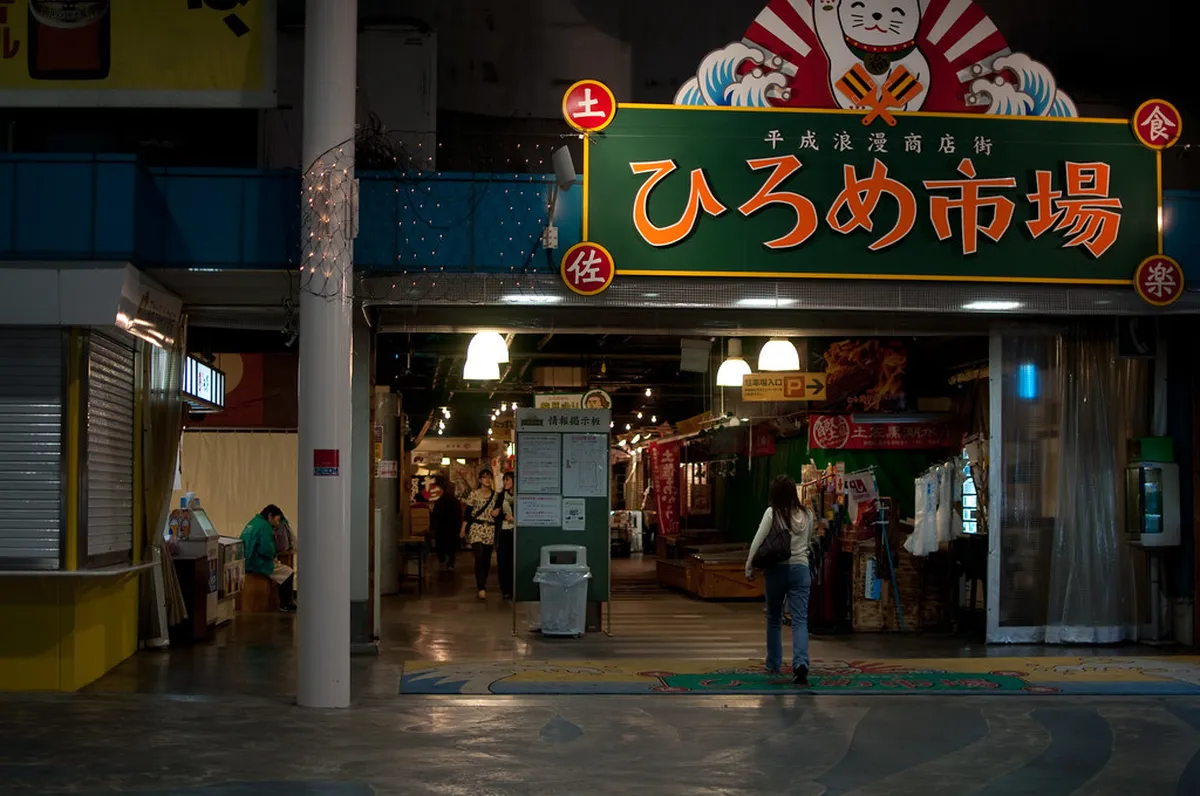
Hirome Market — known locally as Hirome Ichiba — is a covered food hall in the heart of Kochi City on Shikoku Island. Since opening in 1998, it has packed around 60 restaurants and shops under one bustling roof. Locals and visitors share communal wooden tables here to eat bonito tataki, sip Tosa sake, and watch the day pass.
The market sits at the western end of the Obiyacho Arcade shopping street, a short walk from historic Kochi Castle. Understanding how the market works — and which stalls deserve your time — makes the difference between a decent visit and a memorable one. This guide covers the key dishes, the best vendors, and the practical tips that first-timers need most.
What Is Hirome Market in Kochi?
Hirome Ichiba opened in 1998 on a site close to Kochi City's main commercial arcade. The hall quickly became a civic gathering place as much as a food destination. Around 60 stalls sell everything from straw-seared bonito and fresh Pacific fish to sweet potato chips and locally brewed sake.
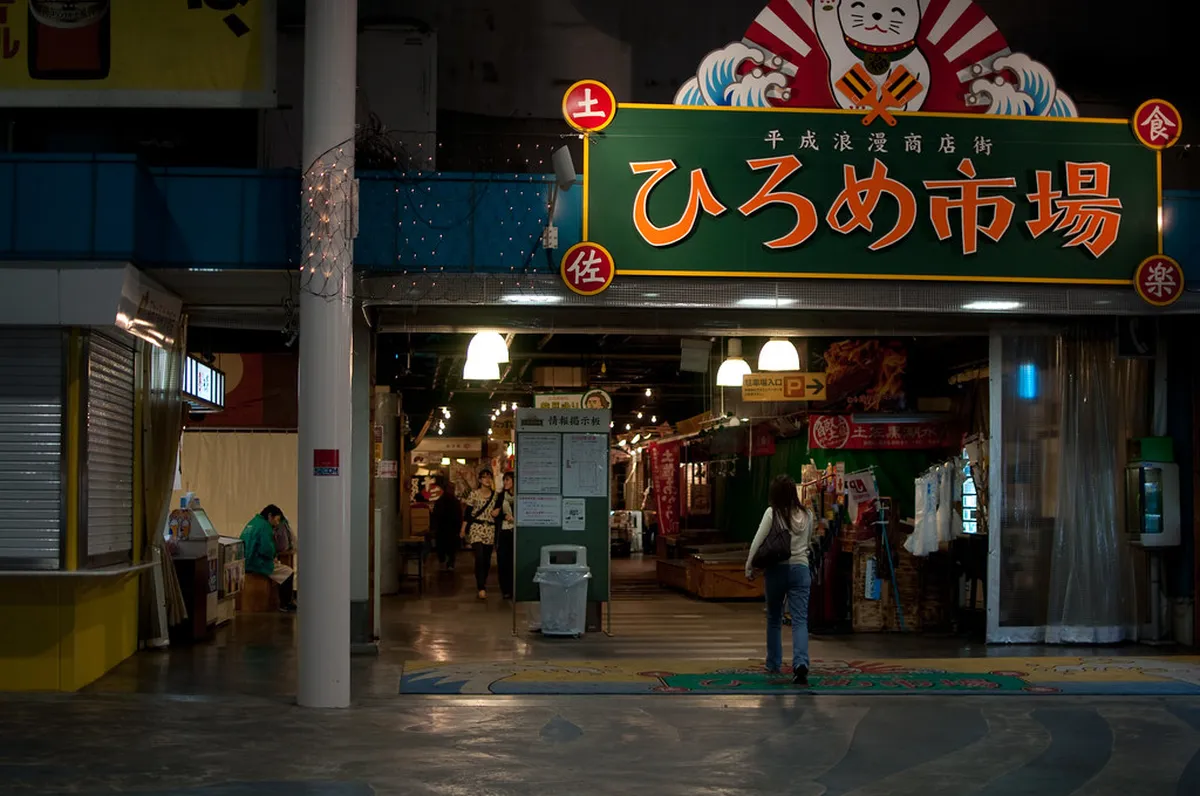
The layout follows a food-court model, with most seating shared across a central communal zone. Arriving visitors scan for an open table first, then visit whichever stalls appeal to them. Bringing food purchased outside the market is not permitted, but the range inside more than compensates.
Atmosphere is the market's real draw: neon signs, the smell of charred straw, and laughter from neighboring tables. Striking up conversation with local regulars is easy and encouraged, especially over a round of Tosa sake. Our Kochi Food Guide: Best of Tosa, Japan pairs well with a visit here if you plan to eat broadly across the city.
Must-Try Dishes at Hirome Ichiba
Katsuo no tataki is the dish that defines lively Hirome Market and the wider Kochi food scene. Thick slices of bonito are seared over a blazing rice-straw fire, then seasoned with coarse salt or ponzu sauce. The best seasons for bonito are early summer and autumn, when fish quality peaks.
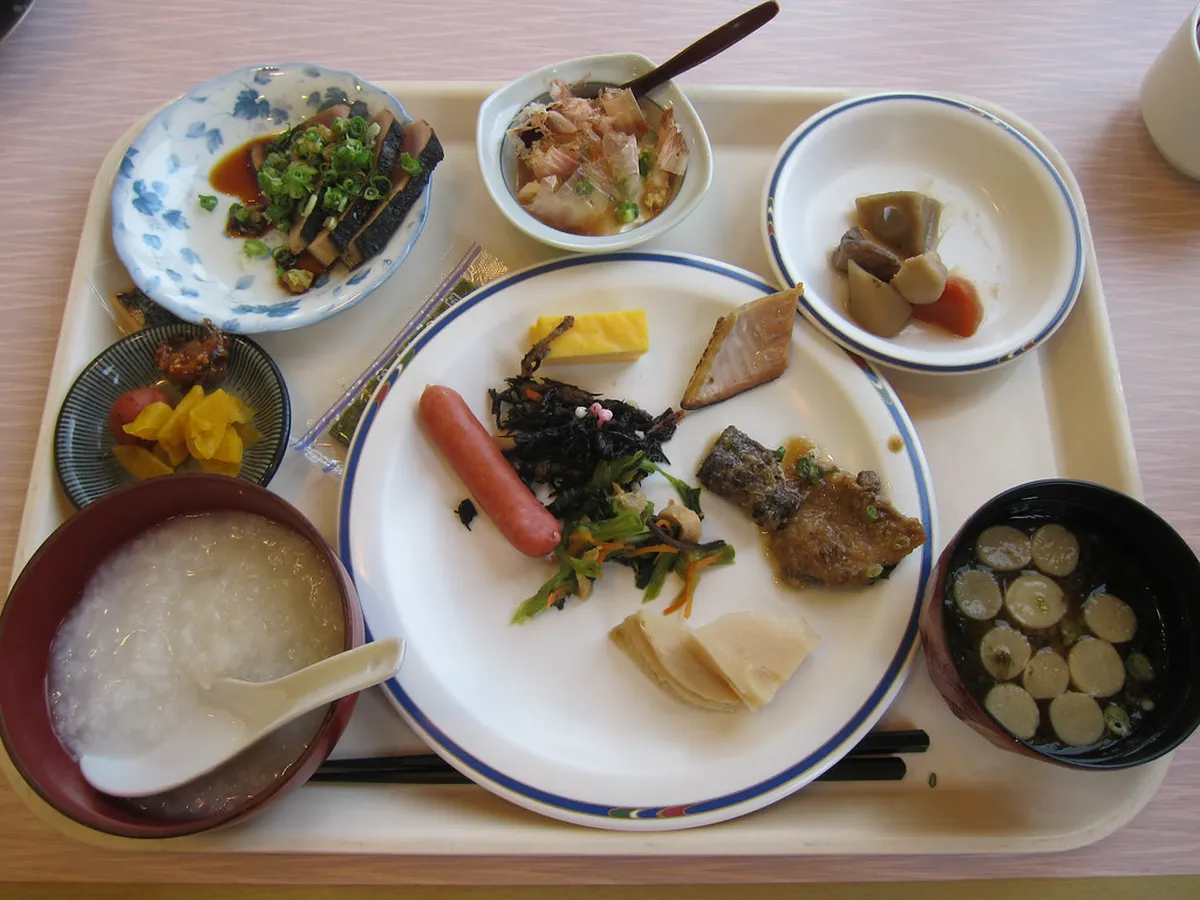
Beyond bonito, the market excels at snack-friendly Kochi specialties that pair naturally with alcohol. Jako-ten fried fish cakes, kibinago tempura, and whale tataki are all worth ordering if you spot them. Imo kenpi — crispy sweet-potato strips unique to Kochi — make an ideal sweet finish or a take-home souvenir.
Tosa sake is the local drink of choice, and most stalls stock a rotating selection of Kochi brewery labels. Honikezawa offers a sake-tasting set covering three or five local brands, a practical way to compare styles. Pair your food choices with a read of our Kochi Itinerary: 2 Days in Shikoku, Japan 2026 to build a full day around the market.
Top Stalls and Shops to Visit
With 60 vendors competing for attention, a short shortlist helps first-timers spend their time wisely. The stalls below cover the full range from bonito specialists to souvenir shops and sweet-tea cafes.
The Myojinmaru Hirome Ichiba stall conducts live straw-grilling shows visible from the communal tables. Watching bonito sear at roughly 800 to 1,000 degrees Celsius over fresh rice straw is one of the market's most memorable sights.
- Yairo-tei
- One of the original stalls, open since the market launched in 1998.
- Famous for thickly cut, salt-seasoned bonito tataki with strong local loyalty.
- Also serves river shrimp, fried green-laver tempura, and locally made ramen.
- Myojinmaru Hirome Ichiba
- Straw-bonito specialists running live grilling shows at the open counter daily.
- Signature shio tataki uses wasabi, yuzu juice, and sun-dried salt from Kochi.
- Bonito set meals with rice and miso soup are a solid lunch option.
- Honikezawa Hirome Ichiba
- Run by a fresh-fish shop established in 1925 with a long sourcing reputation.
- The Tosa-don rice bowl layers bonito tataki, dorome sardines, and kama-age shirasu.
- Sake-tasting sets of three or five Kochi labels suit visitors new to local breweries.
- Kuroshio Bussan Hirome Ichiba
- Sells around 15 flavors of handmade imokenpi sweet-potato crisps without additives.
- The salted flavor uses natural sea salt personally selected by the owner.
- Additive-free crisps made from Kogane Sengan sweet potatoes fried in quality oil.
- Sweets Shokudo Manten-no-Hoshi
- Located in a quieter northern zone, ideal when the main hall gets crowded.
- Specializes in hojicha roasted-green-tea soft-serve, roll cake, and chiffon cake.
- You can bring food from other stalls here if you order a drink.
Practical Tips for Your Hirome Visit
Finding a seat before you order is the single most important rule at Hirome Market. Tables fill fast from around noon and again from 6 pm onward. If only shared seats remain, joining a table already occupied by locals is completely normal here.
Some stalls have their own small seating areas separate from the communal floor. You can bring in dishes from other vendors as long as you order a drink from that stall. Always confirm this arrangement with the stall staff before settling into their space.
The official Hirome Market website publishes current opening hours and stall listings in Japanese. Most vendors open by mid-morning and trade until around 11 pm, though individual hours vary by stall. Arriving between 10 am and noon on weekdays gives the best seat selection and a calmer pace.
Getting There and What Is Nearby
Hirome Market sits at the western end of the Obiyacho Arcade in central Kochi City. From Kochi Station, the Tosaden tram on Route 3 toward Harimayabashi stops within walking distance of the market. A one-way tram fare costs around 200 yen, making this the most direct and affordable approach.
The market's location makes it easy to add Kochi Castle Travel Guide 2026 to your itinerary, as the castle stands just a few minutes' walk away. Early mornings at the castle grounds are peaceful before the food-hall crowds begin to fill Hirome.
Every Sunday morning, the Otesuji Avenue market runs close by as an open-air companion to Hirome. Our guide to the Kochi Sunday Market covers the best stalls and timing for combining both in one morning.
Frequently Asked Questions
What is Hirome Market in Kochi?
Hirome Market, or Hirome Ichiba, is a covered indoor food hall in Kochi City with roughly 60 restaurants and shops. Opened in 1998, it is famous for communal table dining, katsuo no tataki seared bonito, and a laid-back local atmosphere. Both residents and tourists visit daily for food, drinks, and Kochi souvenirs.
When is the best time to visit Hirome Market?
Arriving between 10 am and noon on weekdays gives you the best chance of finding a communal table without a wait. Lunchtime from noon and evenings after 6 pm are the busiest periods. Weekends attract larger crowds, especially if the nearby Kochi Sunday Market is also running that morning.
What is katsuo no tataki?
Katsuo no tataki is Kochi's signature bonito dish: fresh fish seared over a rice-straw fire, sliced thick, and seasoned with coarse salt or ponzu sauce. The straw fire gives the fish a smoky aroma while the center stays cool and raw. Available year-round, it tastes best in early summer and autumn.
Is Hirome Market worth visiting?
Hirome Market is one of Kochi's most rewarding stops for food lovers. Affordable prices, a genuine local crowd, and dishes unique to Kochi Prefecture make it a compelling visit. Even 90 minutes here is enough to eat well and absorb the market's character. Explore more top Kochi attractions to plan a full trip around the market.
Hirome Market is one of those rare places that feels genuinely local even when full of visitors from across Japan. Straw-seared bonito, Tosa sake, imo kenpi, and hojicha sweets represent Kochi's food culture in concentrated form. A single visit gives more insight into the city's character than almost any guidebook can.
Plan to arrive before the lunch rush, claim a seat early, and allow time to wander between stalls. The nearby castle, Sunday market, and city arcades extend a Hirome visit into a full day of exploration. Whether you are passing through Shikoku or staying several days in Kochi, this market belongs near the top of your list.
Free guide: Japan's Hidden Gems
12 under-the-radar places beyond Tokyo & Kyoto — with the best season to visit each and a local tip you won't find in the guidebooks.
You might also like


Continue reading
More guides you'll find useful