
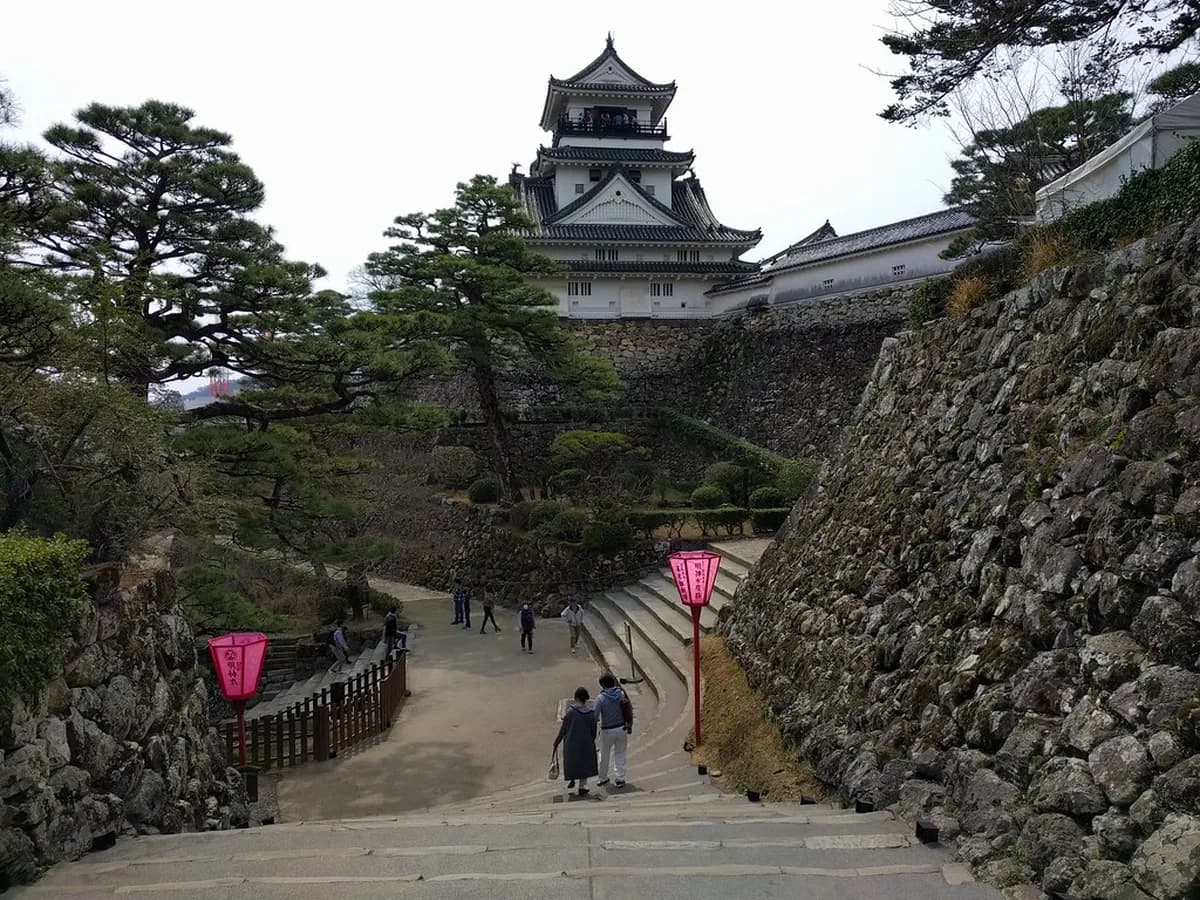
Kochi Castle stands as a rare survivor of Japan's feudal past and a must-see landmark in Shikoku. This fortress remains one of only twelve original castles across the country that avoided destruction after the Edo period. Our kochi castle visitor guide helps you navigate the historic grounds while avoiding common tourist mistakes. Visitors can explore the unique architecture and enjoy panoramic views of the city from the main keep.
The History: What Makes Kochi Castle So Special?
Kochi Castle is unique because it is the only site in Japan where the entire original inner citadel still exists. While other castles only preserved their keeps, this location features the original palace buildings and defensive gates. The structures you see today date back to the mid-18th century after a massive fire destroyed earlier versions. According to the [[3] Japan National Tourism Organization (JNTO)](), it is a designated Important Cultural Property.
Lord Yamauchi Kazutoyo began the construction of this impressive fortress in 1601 following the Battle of Sekigahara. The castle served as the seat of the Tosa Domain for over two hundred years during the Edo period. Walking through the gates allows you to see the exact layout used by samurai and lords centuries ago. Its preservation provides a clear window into the strategic design and lifestyle of the Tokugawa era.
The castle survived the Meiji Restoration and the bombings of World War II which destroyed many other Japanese landmarks. Local residents fought to preserve the grounds as a public park for future generations to enjoy. Maintaining the original wooden materials requires constant care and traditional craftsmanship from local experts. This dedication ensures that the castle remains an authentic representation of Japanese feudal history today.
Logistics: How to Get to Kochi Castle
Reaching the castle from central Kochi is straightforward for most travelers using public transportation or walking. The fortress sits in the heart of the city, making it a central point for any local itinerary. Most visitors arrive at Kochi Station and take a short ten-minute tram ride to the Kochi-jo-mae stop. You can find more transit details on the [[2] Visit Kochi Japan Official Guide]().
Travelers arriving at the Urado Port cruise terminal will need to plan for a longer transit time to the city. A taxi ride from the port typically takes about twenty-five to thirty minutes depending on local traffic conditions. Shuttle buses often run during cruise days to transport passengers toward the main city attractions. You might also consider visiting Katsurahama Beach if you have extra time before your ship departs.
Walking from the downtown shopping arcades to the castle entrance takes approximately fifteen minutes at a leisurely pace. The path is mostly flat until you reach the actual grounds of the castle park. Clear signage in English and Japanese guides you from the main streets toward the iconic Otemon Gate. Using the local tram system is often the most atmospheric way to experience the city's historic layout.
The Approach: Navigating the 150 Stone Steps
Climbing to the main keep requires navigating a series of approximately 150 stone steps from the Otemon Gate. These stairs were designed with uneven heights and widths to slow down potential invaders during a siege. Modern visitors should wear comfortable walking shoes to handle the rugged and sometimes steep stone surfaces. Taking breaks at the various landing areas allows you to appreciate the massive stone walls from different angles.
If you prefer a less strenuous route, a paved sloped path exists on the western side of the grounds. This alternative bypasses the main staircase and provides a more gradual incline for those with mobility concerns. Families with strollers or elderly travelers often find this path much easier to manage than the traditional steps. The sloped route still offers beautiful views of the surrounding park and the castle's defensive structures.
Choosing between the two paths depends on your physical comfort and interest in the historic defensive design. The main stairs provide the most direct and dramatic entrance to the inner citadel area. Many visitors choose to climb up the stairs and take the sloped path back down to save their knees. Both routes eventually lead to the ticket office located just outside the main tower entrance.
- The Main Stone Staircase Path
- Steps: 150 stone stairs
- Effort: Moderate physical climb
- View: Excellent gate views
- Time: 10 minute walk
- The Western Sloped Path Alternative
- Incline: Gradual paved slope
- Effort: Low physical impact
- Access: Stroller friendly route
- Time: 15 minute walk
The Keep: Steep Stairs and Original Architecture
Entering the main keep feels like stepping back in time due to the original wooden interior and layout. The stairs inside the tower are notoriously steep and narrow, requiring visitors to use both hands on the rails. Climbing these levels can be challenging for those with a fear of heights or limited physical mobility. Each floor displays historical artifacts, including samurai armor and models of the castle's original construction.
Photographers often find the best angles for the castle near the entrance plaza and the inner courtyard. You can capture the Otemon Gate and the main keep in a single frame from certain spots near the entrance. This specific visual alignment is a rare feature among Japanese castles and makes for a perfect souvenir photo. The top floor of the keep offers a 360-degree panoramic view of Kochi City and the surrounding mountains.
The original wooden floors have been polished by millions of feet over the last few centuries of use. Looking up at the massive cedar beams reveals the incredible engineering required to support such a heavy structure. Small windows called 'hazama' were used by defenders to fire arrows or guns at approaching enemies. These architectural details provide a practical look at how the castle functioned as a military fortress.
- Photography Tips for Best Shots
- Spot: Main entrance plaza
- Angle: Low looking up
- Feature: Gate and keep
- Time: Morning light
The Alternative: Kochi Castle Museum of History
The Kochi Castle Museum of History sits directly across the street from the main castle entrance gate. This modern facility offers a climate-controlled environment to learn about the Tosa Domain and the Yamauchi clan. It is an excellent place to rest if the weather is too hot or rainy for outdoor exploration. The museum features interactive displays and thousands of authentic historical documents from the Edo period.
Visitors can enjoy a stunning view of the castle from the museum's second-floor observation deck. This vantage point is ideal for those who cannot climb the steep stairs of the actual castle tower. The deck provides a clear perspective of the castle's layout and its relationship with the modern city. Many travelers visit the museum first to gain context before walking through the historic castle grounds.
The facility also includes a small cafe and a gift shop with unique local samurai-themed souvenirs. Coin lockers are available here if you need to store heavy bags before climbing the castle steps. Staff members can provide helpful maps and brochures in multiple languages to assist with your city tour. Combining the museum and the castle provides a complete understanding of Kochi's rich cultural heritage.
Planning: Costs, Hours, and Best Time to Visit
The entrance fee for the main keep is approximately 420 yen for adults as of early 2026. Public parking near the castle costs 370 yen for the first hour and 110 yen for each additional thirty minutes. Always check the [[1] Kochi Castle Official Website]() for the most current pricing and holiday closures. The castle grounds typically open around 9:00 AM and close their gates at 5:00 PM daily.
Spring is arguably the best time to visit when hundreds of cherry blossoms bloom across the park grounds. The pink flowers create a stunning contrast against the dark wood and white plaster of the castle walls. After your visit, you can walk to the nearby Hirome Market for a delicious local lunch. Sampling the famous seared bonito is a mandatory experience for any traveler visiting Kochi City.
If you visit on a Sunday, the Kochi Sunday Market stretches for over a kilometer near the castle gates. This massive street market has been operating for over 300 years and offers local produce and crafts. Planning your castle visit for a Sunday morning allows you to experience both major attractions in one trip. The market atmosphere adds a vibrant local energy to the historic surroundings of the castle district.
- Quick Reference for Visitors
- Entrance: 420 yen
- Parking: 370 yen
- Hours: 9am to 5pm
- Duration: 2 to 3 hours
Practicalities: Shoes, Low Beams, and Accessibility
Visitors must remove their outdoor shoes before entering the wooden interior of the main castle keep. Plastic bags are provided at the entrance so you can carry your shoes with you during the tour. The original wooden floors inside the tower can be very slippery and cold during the winter months. Wearing non-slip socks or thick wool socks will provide better grip and keep your feet warm.
Tall visitors should remain alert for low wooden beams and narrow doorways throughout the historic structure. The castle was built for the average height of people living in Japan during the 1700s. Bumping your head on the ancient timber is a common mistake that can easily be avoided with care. Watch your step carefully while descending the steep stairs as they can be quite intimidating for some.
Accessibility inside the tower is limited due to the preservation of the original steep wooden staircases. Wheelchair users can enjoy the lower park grounds and the exterior views but cannot enter the keep. The nearby museum serves as the best alternative for travelers who cannot manage the physical climb. Plan to spend at least two hours to fully explore the grounds and the interior of the keep.
Frequently Asked Questions
Is Kochi Castle worth visiting?
Yes, it is one of only twelve original keeps in Japan and the only one with a complete inner citadel. The authentic wooden architecture and historical significance make it a top destination. You can also visit Chikurin-ji Temple nearby for more history.
How many steps are there to Kochi Castle?
There are approximately 150 stone steps leading from the main Otemon Gate to the entrance of the keep. The climb is moderate but can be steep in some sections. A sloped path is available for those who prefer a more gradual incline.
What is the entrance fee for Kochi Castle?
The entrance fee for the main keep is 420 yen for adults. Access to the surrounding castle park and the Otemon Gate is free of charge. Prices for parking in the official lot start at 370 yen for the first hour.
Can you visit Kochi Castle from the cruise port?
Yes, the castle is accessible from Urado Port via a 30-minute taxi ride or a shuttle bus. Most cruise passengers can easily visit the castle and nearby markets within a half-day excursion. Trams also connect the main station to the castle area.
Kochi Castle remains a powerful symbol of the city's identity and a masterpiece of Japanese feudal engineering. Whether you climb the 150 steps or enjoy the view from the museum, the experience is deeply rewarding. Explore more of the region's highlights by checking our full guide to traveling in Kochi.
For authoritative information, refer to the Kochi Castle on Wikipedia.


