Getting Around Kochi Travel Guide
Discover how getting around Kochi works in 2026: tram day passes, MY-YU sightseeing bus, airport links, and the best transport for every budget.
On this page
Kochi City sits on the southern coast of Shikoku, one of Japan's four main islands. Getting around Kochi is easier than its remote reputation suggests, thanks to a well-connected public transit network. The city runs one of the most charming and practical transport systems in western Japan.
From the historic Tosaden tram to the foreigner-friendly MY-YU sightseeing bus, Kochi rewards visitors who plan ahead. This guide covers every transport option, from airport arrivals to day-trip connections beyond the city. Whether you have a single afternoon or a full week, you will find the right way to move.
Getting to Kochi: Flights and Trains
Kochi Ryoma Airport (KCZ) is the quickest gateway to the city for most visitors. A direct flight from Tokyo takes around 80 minutes, compared to roughly five and a half hours by rail. The airport limousine bus runs between KCZ and Kochi Station in approximately 25 to 40 minutes.
Travelers coming from Tokyo by rail must first take a Shinkansen to Okayama, a journey of around three hours. From Okayama, the Nanpu or Shimanto Limited Express continues south to Kochi in roughly two and a half hours. The total rail trip exceeds five hours, which makes the 80-minute flight a far better choice for most visitors.
A budget option for travelers flying out of Kochi is the flat-rate shared taxi from Noichi Station. The fare runs 500 yen per person, and the ride can be reserved in advance by email. To reach Noichi Station first, take the local train from Kochi Station for 520 yen.
- Limousine Bus from Kochi Ryoma Airport
- The bus runs from KCZ directly to Kochi Station in 25 to 40 minutes.
- It is the most cost-effective transfer option for solo travelers arriving by air.
- Buses depart at regular intervals throughout the day without advance booking.
- Shinkansen and Limited Express from Tokyo
- Bullet train travel from Tokyo to Okayama takes around three hours.
- A Limited Express then runs south to Kochi for another two and a half hours.
- The total journey exceeds five hours, making the 80-minute flight a much faster choice.
- Flat-Rate Airport Taxi from Noichi Station
- Travelers departing by air can use a flat-rate taxi for 500 yen per person.
- The taxi runs between Noichi Station and Kochi Ryoma Airport and can be reserved by email.
- Reaching Noichi by train from Kochi Station costs an additional 520 yen one way.
The Tosaden Tram: Japan's Oldest Streetcar
The Tosaden Kotsu tram, also called the Romen Densha, has operated continuously since 1904. That makes it Japan's oldest still-running streetcar system, a distinction few visitors realize when they board. Despite its age, the network runs reliably across central Kochi and into the surrounding towns.
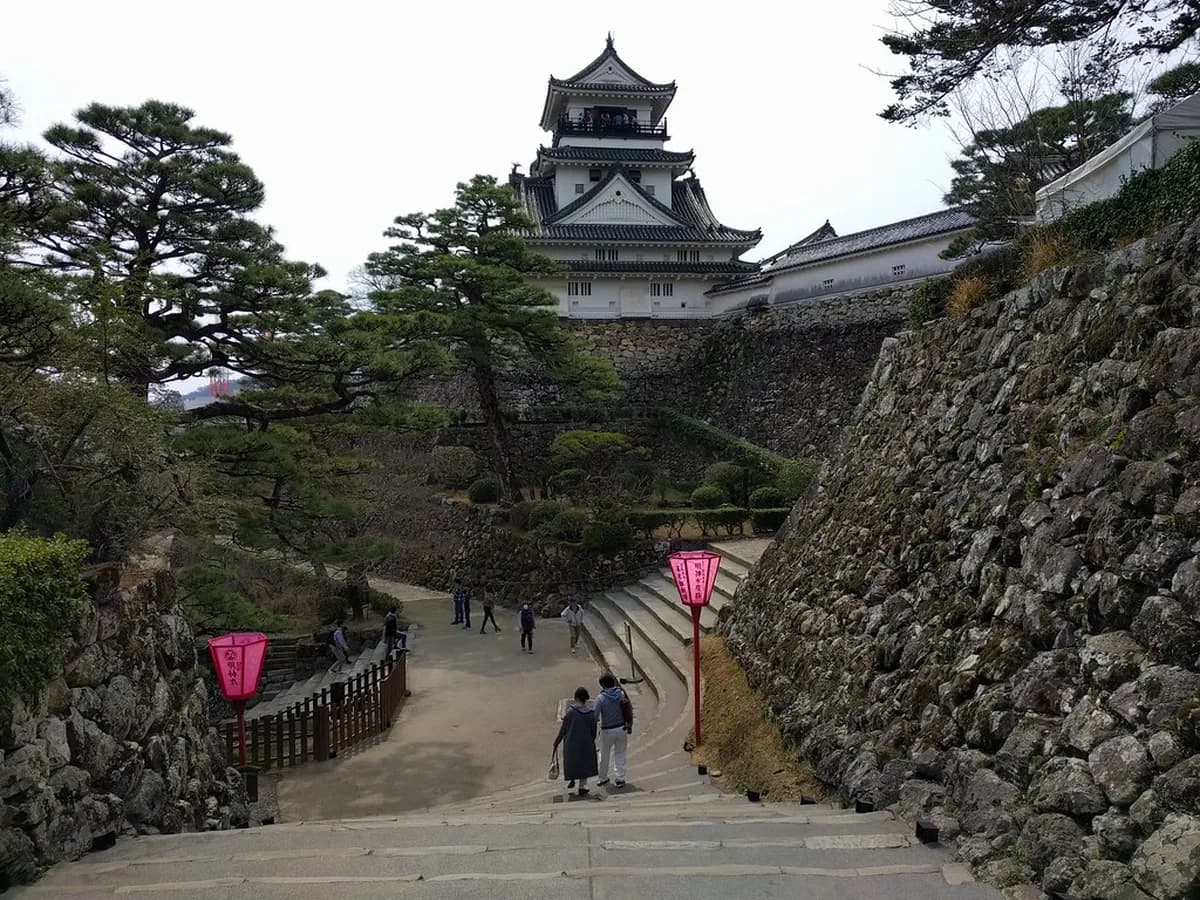
Two tram lines converge at Harimayabashi, the city's most famous bridge and the natural hub of downtown Kochi. Line 1 runs east to Gomen Station in Nankoku, while the Ino Line heads west toward Ino Town. At Harimayabashi, passengers can transfer between lines or walk to Kochi Castle Travel Guide 2026, just 10 to 15 minutes on foot.
A day pass costs 500 yen for travel within the city zone, or 1,000 yen for the full route including Gomen and Ino. Passes are sold at the Harimayabashi Service Center, the Kochi Station Bus Service Center, and aboard the trams themselves. IC cards such as Suica and Icoca are also accepted on the trams, giving visitors a tap-and-go alternative to cash.
First departures run from around 6:30 am, and the last trams operate just after 10 pm. Trams come frequently during the day and suit short hops between the castle, Hirome Market, and the covered shopping arcades. When using a day pass, scratch out only the single date you plan to travel. Scratching more than one date at once immediately voids the pass.
- City Zone Day Pass — 500 yen
- Covers unlimited rides between all central Kochi tram stops during operating hours.
- Sold at the Harimayabashi Service Center and aboard the trams themselves.
- Best suited for visitors spending a full day in the downtown area.
- Full Route Day Pass — 1,000 yen
- The full route extends east to Gomen Station in Nankoku and west to Ino Town.
- Suits travelers who want to reach areas beyond the central city tram zone.
- Available at the Tosa Terrace counter at Kochi Station and at the Harimayabashi center.
MY-YU Sightseeing Bus and Day Passes
The MY-YU Bus operates as Kochi's purpose-built tourist loop from the Tosa Terrace at Kochi Station. What sets it apart for international visitors is a half-price discount for anyone who presents a foreign passport. No advance booking is needed — simply show your passport at the Tosa Terrace counter and purchase a pass.
Two pass tiers apply after the discount: 300 yen covers the Botanical Garden and Godaisan route. The full-route pass reaches Katsurahama Beach and the Ryoma Memorial Museum for 500 yen per day. A two-day full-route pass costs 800 yen, compared to the regular 700 yen one-way fare to Katsurahama. The MY-YU day pass also includes complimentary rides on certain Tosaden tram services within the city.
The bus runs on weekends, public holidays, and throughout summer, but does not operate on ordinary weekdays outside those periods. Check the current schedule at the Tosa Terrace before planning your day, as routes can vary by season. Arriving at the Tosa Terrace early is advisable on busy weekends, as the buses fill up quickly.
- Inner Loop Pass — 300 yen (with passport discount)
- Covers the route to the Makino Botanical Garden and Godaisan mountain.
- Foreigners receive a 50% discount when showing a passport at the Tosa Terrace counter.
- Ideal for a half-day visit focused on Kochi's green and spiritual highlights.
- Full Route Pass — 500 yen per day
- Reaches Katsurahama Beach and the Ryoma Memorial Museum from Kochi Station.
- A two-day version costs 800 yen, offering strong savings against buying separate tickets.
- The pass includes complimentary rides on certain central Tosaden tram services.
Taxis, Bicycles, and the Cruise Port
Taxis are plentiful in central Kochi and offer a convenient option for groups or travelers with limited mobility. Most drivers do not speak English, so showing a printed address or a map screenshot in Japanese will help greatly. A ride from the city center to scenic Katsurahama takes around 30 minutes and costs roughly 3,000 to 4,000 yen.
Cruise ship passengers dock at Nakamura Wharf in the Urato Bay area, roughly six to seven kilometers from central Kochi. A free shuttle bus runs between the port and the Harimayabashi area every 15 to 30 minutes during docking hours. The shuttle takes about 10 minutes and drops off at the heart of downtown, a short walk from most key sights. Taxis from the cruise terminal to the city center cost approximately 2,000 to 3,000 yen for the 10-minute ride.
Kochi's city center is compact and reasonably flat, making cycling a practical choice for independent travelers. Rental bicycles are available near Kochi Station and at some accommodation, typically for 500 to 1,000 yen per day. Walking is also viable for short distances in the downtown core between tram stops and the covered shopping arcades.
Where to Stay in Kochi
Most visitors choose to stay in Kochi City, where accommodation ranges from budget guesthouses to mid-range business hotels. Staying near Kochi Station or the Harimayabashi area puts you within a short tram ride or walk of all central sights. Our full guide to where to stay in Kochi covers neighborhoods and price bands in more detail.

Business hotels such as JR Clement Inn sit directly beside the station for easy tram access throughout the day. Travelers on a tighter budget will find guesthouses and capsule hotels in the streets behind the central arcade. Booking ahead is advisable during major events such as the Yosakoi Festival in August, when accommodation fills quickly.
For those planning to explore rural Kochi, staying near the Shimanto River or Cape Ashizuri has some logistical appeal. These areas offer far fewer accommodation options, so day trips from Kochi City are often the more practical approach. Renting a car is strongly recommended if you plan to overnight in any rural part of the prefecture.
For the wider city context, see our complete Kochi tourism attractions guide.
Frequently Asked Questions
How do you get around Kochi city without a car?
The Tosaden tram and the MY-YU sightseeing bus cover the main tourist areas without a car. A 500-yen tram day pass gives unlimited rides within the city zone. The MY-YU bus runs a tourist loop at half price for foreign passport holders, reaching Katsurahama Beach and the Botanical Garden.
Is there a hop-on hop-off bus in Kochi?
The MY-YU Bus functions as Kochi's closest equivalent to a hop-on hop-off service, running a tourist loop from Kochi Station to the top sights. Foreign visitors receive a 50% discount on presentation of their passport, reducing the full-route day pass to just 500 yen. It operates mainly on weekends, holidays, and during summer.
How long does it take to get from Kochi Airport to the city?
The airport limousine bus from Kochi Ryoma Airport (KCZ) to Kochi Station takes approximately 25 to 40 minutes depending on traffic. Taxis are also available but cost considerably more for roughly the same journey time. The bus is the most cost-effective option for solo travelers arriving at the airport.
Is the Kochi cruise port walkable from the city center?
No — the Nakamura Wharf cruise terminal sits roughly six to seven kilometers from central Kochi, making walking impractical. A free port shuttle runs every 15 to 30 minutes to the Harimayabashi area in about 10 minutes. Plan your Kochi Itinerary: 2 Days in Shikoku, Japan 2026 around the shuttle schedule to maximize your shore time.
Do IC cards work on Kochi's tram system?
Yes — Suica, Icoca, and other nationwide IC cards are accepted on the Tosaden Kotsu tram network. Tapping in removes the need to handle exact change at every stop. The 500-yen city day pass remains better value if you plan four or more tram rides in a single day.
Getting around Kochi rewards visitors who take a moment to understand the options before they arrive. The Tosaden tram and the MY-YU bus together cover virtually every major tourist destination in the city. With a day pass in hand and a passport ready for the bus counter, most visitors spend very little on transport.
For those venturing beyond the city, the Gomen-Nahari rail line connects east Kochi, while the Dosan Line links west toward Kagawa. Renting a car unlocks rural highlights like Cape Ashizuri and the Shimanto River that public transit cannot efficiently reach. Check our Kochi Food Guide: Best of Tosa, Japan for tips on the best places to eat along the way.
Free guide: Japan's Hidden Gems
12 under-the-radar places beyond Tokyo & Kyoto — with the best season to visit each and a local tip you won't find in the guidebooks.
You might also like


Continue reading
More guides you'll find useful