

Katsurahama Beach Travel Guide
Discover Katsurahama Beach in Kochi: the Sakamoto Ryoma statue, scenic pine-fringed coast, aquarium visits, and how to get there by bus from Kochi Station.
On this page
Katsurahama Beach sits on the Pacific coast of Kochi City, curving between pine-covered headlands with views across Tosa Bay. This crescent of grey sand draws visitors not as a swimming beach, but as a scenic and cultural landmark. Standing watch over the shore is the bronze statue of Sakamoto Ryoma, Kochi's most celebrated historical figure, gazing toward the open ocean. Pair that history with a marine aquarium and a clifftop shrine, and Katsurahama earns its place on every 10 Best Things To Do in Kochi Japan itinerary.
One practical note before you plan: swimming is strictly prohibited at scenic Katsurahama due to powerful undercurrents and unpredictable surf. The beach rewards visitors who come for the scenery, the history, and the sea air rather than for a swim. Most people spend two to three hours here, combining the statue, museum, aquarium, and a short coastal walk.
What Is Katsurahama Beach?
Katsurahama is a protected cove about 12 kilometres south of central Kochi City. Centuries-old black pine trees frame the bay, and rocky headlands bookend the grey sand. Dramatic Pacific scenery and deep ties to Sakamoto Ryoma have made Katsurahama one of Shikoku's most photographed coastal spots.
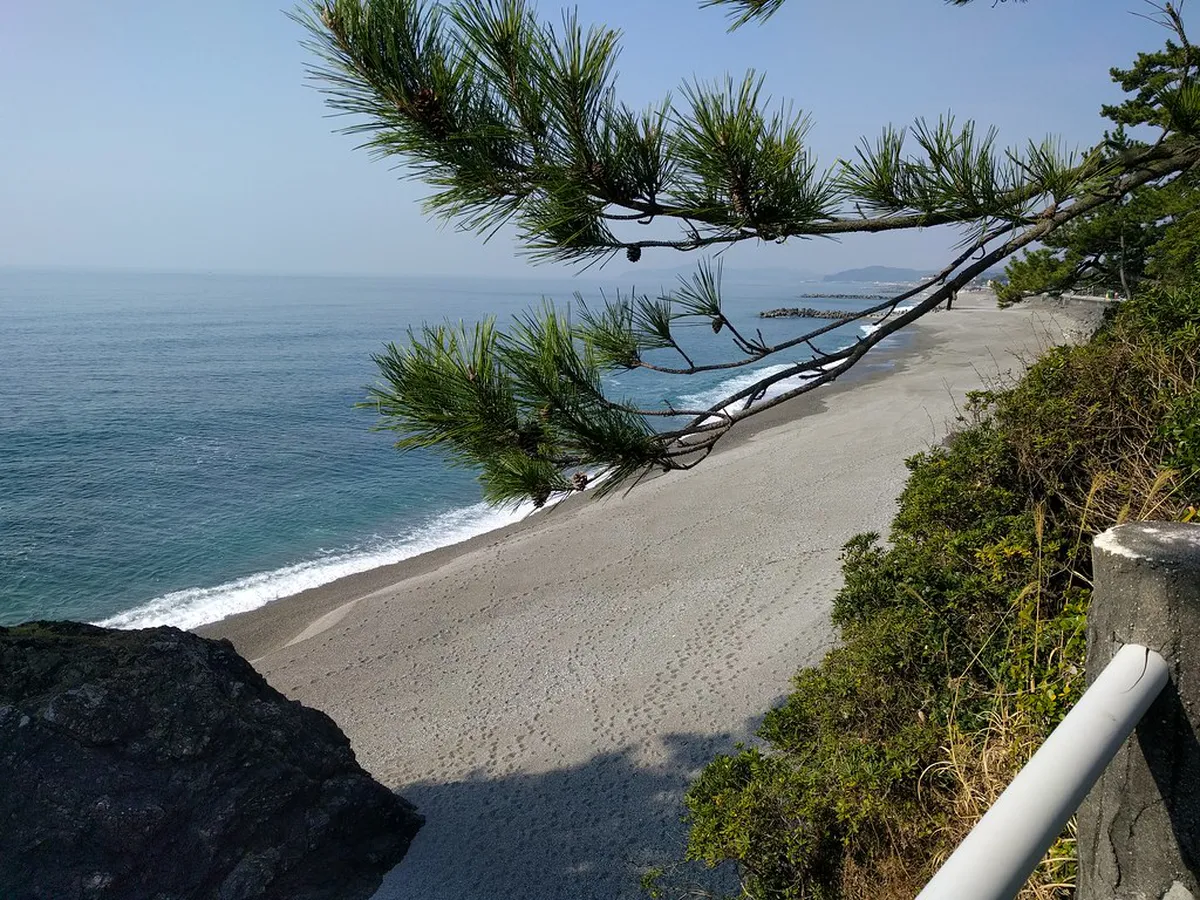
Unlike most Japanese beach destinations, Katsurahama is primarily a sightseeing and cultural site. Strong undercurrents and surging waves make the water unsafe year-round, so swimming and wading are officially prohibited. Visitors get a windswept promenade, a hilltop shrine with sweeping Pacific views, and a cluster of nearby attractions instead.
Katsurahama is also celebrated for moon-viewing on clear full-moon nights. Moonlight reflecting off Tosa Bay creates a distinctive atmosphere that draws visitors well into the evening. For timing your trip to align with seasonal highlights, our Best Time To Visit Kochi, Japan: 2026 Guide guide covers each month in detail.
Must-See Attractions at Katsurahama
The Sakamoto Ryoma statue is the visual centrepiece of Katsurahama and the main reason most visitors make the trip. Standing approximately 13 metres tall including its pedestal, the bronze figure faces the Pacific as if scanning the horizon. Ryoma was a Kochi-born samurai reformer who played a central role in driving Japan's Meiji Restoration. His gaze toward the open sea captures the ambition that still makes him a beloved figure across Japan.
Just below the statue sits the Kochi Prefectural Sakamoto Ryoma Memorial Museum, inside a striking angular building overlooking the bay. The museum holds Ryoma's original letters, period swords, and video installations tracing his role in Japan's political transformation. Allow at least 45 minutes inside, particularly if you read through the English-language explanations carefully.
A small Shinto shrine occupies the rocky headland at the eastern end of the beach. Climbing the stone steps takes only a few minutes, but the panoramic view over the bay justifies the effort. The shrine itself is a modest, peaceful space that sits entirely apart from the tourist activity below.
- Sakamoto Ryoma Statue
- The bronze monument stands roughly 13 metres tall including its pedestal on the coastal bluff.
- This is the defining photo spot at Katsurahama and the most visited landmark on the beach.
- Ryoma Memorial Museum
- The museum displays original letters, period artifacts, and video exhibits about the Meiji reformer.
- Entry fees apply, so allow at least 45 minutes for a thorough and rewarding visit.
- Katsurahama Shrine
- A short climb up the rocky headland steps reveals sweeping Pacific views from this clifftop shrine.
- The shrine grounds are free to enter and accessible throughout normal daylight hours.
- Katsurahama Aquarium
- The compact aquarium features sea lion shows, sea turtle feeding, and local marine life exhibits.
- Admission is charged separately, and most families spend around an hour exploring the displays.
- Tosa Inu Dog Center
- This centre introduces the Tosa Inu, a fighting breed native to Kochi, through live demonstrations.
- Demonstrations run several times daily and entry is either free or very low cost.
Things to Do at Katsurahama Beach
Beyond the headline attractions, Katsurahama rewards visitors who slow down and let the setting sink in. A leisurely walk along the pine-shaded promenade connects the parking area to the statue bluff and the shrine headland. The path takes roughly 20 minutes end to end, with several rest spots and viewpoints along the way.

Food stalls and small restaurants near the entrance sell bonito tataki, Kochi's signature dish of lightly seared skipjack tuna. Eating it here, within earshot of the waves that bonito fishermen have navigated for centuries, adds real context to the meal. For a wider range of Kochi food experiences, Hirome Market and the Sunday Ichiba are a short drive from the beach.
Each season brings a different character to Katsurahama. Spring layers fresh pine growth against blue water, and summer sharpens the contrast of sky and sea. Autumn evenings draw visitors for the celebrated full-moon viewing tradition, when lunar light reflects off Tosa Bay. Winter strips away the crowds and leaves a quieter, more contemplative version of the same view.
For guided tours and coastal activities, find things to do near Katsurahama Beach and book any activities ahead of your visit. Availability can be limited on weekends and national holidays, so early reservations pay off.
Getting to Katsurahama from Kochi
Most visitors arrive by bus from JR Kochi Station on the Tosaden Kotsu service bound for Katsurahama, a straightforward 30-minute ride. The bus drops you a short walk from the beach entrance, and services run regularly throughout the day. Confirm current timetables at the station or via the Tosaden Kotsu website before you travel.
The MY-YU sightseeing loop bus offers a scenic alternative, linking Kochi Station to Katsurahama via Makino Botanical Garden and Chikurin-ji Temple. A day pass for the MY-YU bus allows unlimited rides across the route, making it excellent value for multiple stops. The full loop takes around three hours, but you can board and alight at any point along the way.
Drivers from central Kochi City will reach Katsurahama in about 30 minutes via the coastal road. From Kochi IC on the expressway the drive takes roughly 25 minutes, and from Kochi-Minami IC closer to 15. Paid parking is available at Katsurahama Park, so budget a small additional cost if you arrive by car. Our Getting Around Kochi Travel Guide guide covers all transport options including trams, buses, and car rental in more detail.
Practical Tips for Your Visit
Walking the beach grounds and promenade is free and open at any hour. The Ryoma Memorial Museum and Katsurahama Aquarium each charge separate admission fees, so check their schedules before arriving. Both facilities typically close one day per week, and hours can shift during low season.
Katsurahama faces the open Pacific and can feel windswept even on sunny days. Bring a light jacket or wind layer regardless of the season, and wear comfortable shoes for the rocky headland paths. Swimming, wading, and any entry into the water are strictly prohibited without exception.
Spring and autumn offer the most pleasant walking weather, while summer can be hot and humid even by the coast. Weekday mornings are generally quieter than weekend afternoons, especially during Golden Week and summer school holidays. Autumn full-moon evenings are atmospheric but can attract larger crowds than typical for that time of year.
Staying in central Kochi City makes Katsurahama easily accessible as a half-day excursion. Our Where To Stay in Kochi, Japan: 2026 Guide guide covers central hotels, guesthouses, and coastal options across various price bands. For a quick comparison of accommodation near the area, find stays near Katsurahama Beach for availability and current rates.
Nearby Spots to Combine with Your Visit
Katsurahama pairs well with Kochi's other headline sites for a productive full day of sightseeing. Kochi Castle Travel Guide 2026 sits in the heart of the city and is one of only twelve original feudal castles remaining in Japan. From Katsurahama the castle is roughly 30 minutes by bus or car, making a morning-castle and afternoon-beach pairing very workable.
The MY-YU bus route also connects Katsurahama to hilltop Godaisan Chikurin-ji Temple, one of the 88 temples on the Shikoku Pilgrimage. Makino Botanical Garden, another stop on the same loop, covers seasonal flowers and rare plants across a hillside setting. Both sites add depth to a Katsurahama day without requiring a car or complicated transport planning.
Visitors targeting the full-moon viewing tradition should plan an overnight stay in Kochi rather than arriving as a day tripper. The beach has no artificial lighting after dark, so combining an evening visit with nearby accommodation makes the logistics simple. Cape Ashizuri, Ryugado Cave, and the Shimanto River all reward a longer Kochi Prefecture stay for those with extra time.
Frequently Asked Questions
Can you swim at Katsurahama Beach?
Swimming is strictly prohibited at Katsurahama Beach due to powerful undercurrents and unpredictable surf that make the water dangerous year-round. The beach is designed for scenic walks, sightseeing, and cultural visits rather than water activities. Visitors seeking a swim should plan for a different Kochi coastal location instead.
Is Katsurahama Beach worth visiting?
Katsurahama Beach is well worth visiting for its combination of dramatic Pacific scenery, the iconic Sakamoto Ryoma statue, and the on-site aquarium and dog center. Most visitors spend around two to three hours here, making it a natural half-day stop from Kochi City. For those building a Kochi Itinerary: 2 Days in Shikoku, Japan 2026 of two or more days, it ranks among the top priorities.
How do I get to Katsurahama Beach from Kochi Station?
The easiest route is the Tosaden Kotsu bus from JR Kochi Station, taking around 30 minutes to reach the beach. The MY-YU sightseeing loop bus is a scenic alternative that calls at Makino Botanical Garden and Chikurin-ji Temple en route to Katsurahama. Both services run regularly throughout the day from Kochi Station.
Is there an admission fee for Katsurahama Beach?
Walking the beach grounds and promenade is entirely free and open at all hours. The Kochi Prefectural Sakamoto Ryoma Memorial Museum and the Katsurahama Aquarium each charge separate paid admission, and the parking lot at Katsurahama Park adds a small fee for drivers. Check each facility's website for current prices before visiting.
Are there other beaches near Kochi where swimming is allowed?
Kochi Prefecture has several swimmable beaches along its Pacific coastline, including spots near Tosa City and Aki where lifeguards patrol during summer months. Unlike Katsurahama, these locations allow water activities when conditions are safe. The dramatic capes at Muroto and Ashizuri also attract visitors primarily for their scenery rather than swimming.
Katsurahama Beach is one of those rare spots where scenery, history, and local culture converge within easy reach of a major city. The Sakamoto Ryoma statue, the clifftop shrine, and the aquarium give most visitors more than enough for a memorable half-day. Add fresh bonito tataki from one of the stalls near the entrance and the visit becomes a full Kochi experience in miniature.
Plan around the no-swimming rule, wear comfortable shoes, and bring a wind layer, and Katsurahama will reward the preparation. Combining it with historic Kochi Castle and a Chikurin-ji stop on the MY-YU loop makes for a very efficient sightseeing day. For anyone exploring Shikoku's Pacific coast, Katsurahama is a stop that delivers on history, scenery, and seafood.
Free guide: Japan's Hidden Gems
12 under-the-radar places beyond Tokyo & Kyoto — with the best season to visit each and a local tip you won't find in the guidebooks.
You might also like


Continue reading
More guides you'll find useful


