Kochi Itinerary: 2 Days in Shikoku, Japan 2026
Plan a 2-day Kochi itinerary in Shikoku, Japan: Kochi Castle, katsuo tataki at Hirome Market, Katsurahama, Godaisan Hill and day-trip ideas for 2026.
On this page
This Kochi itinerary covers two days in Kochi City, Shikoku — famous for its feudal castle and katsuo tataki cuisine. The guide is written for first-time visitors who want the top landmarks without unnecessary backtracking. Last updated July 2026.
Most central sights sit within walking distance or a short Tosaden tram ride of each other. The MY-YU sightseeing bus (¥1,000 day pass) connects the city to scenic Katsurahama Beach and Godaisan Hill. We recommend combining both — tram for the castle district, MY-YU bus for the coast and mountain temple.
Kochi 2-Day Itinerary: At a Glance
This Kochi itinerary is built for first-timers visiting Kochi City on Shikoku, Japan's smallest main island. Day 1 keeps you in the historic center, pairing castle history with Kochi's signature street-food culture. Day 2 takes you south to the coast and up to a hilltop temple complex.
Explore top Kochi City attractions at a relaxed pace; the city genuinely rewards slow walkers. Tram stops are signposted in English, and the Tosaden flat fare of ¥200 makes spontaneous stops easy. Most sights open by 9am, with last admissions typically at 4:30pm.
Kochi's compact layout means backtracking is rare if you follow a neighborhood-first approach. On Sundays, the Otesuji boulevard becomes a 300-stall street market — an easy swap for the weekday Hirome plan.
- Day 1: Castles and katsuo culture
- Morning: Kochi Castle, 9am, ¥420
- Afternoon: Hirome Market katsuo tataki
- Evening: Otesuji drinks and street stalls
- Day 2: Coast, temple, and garden
- Morning: Katsurahama Beach and Ryoma Museum
- Afternoon: Chikurin-ji Temple and Makino Garden
- Evening: Dinner in central Kochi
Your 2-Day Kochi City Itinerary
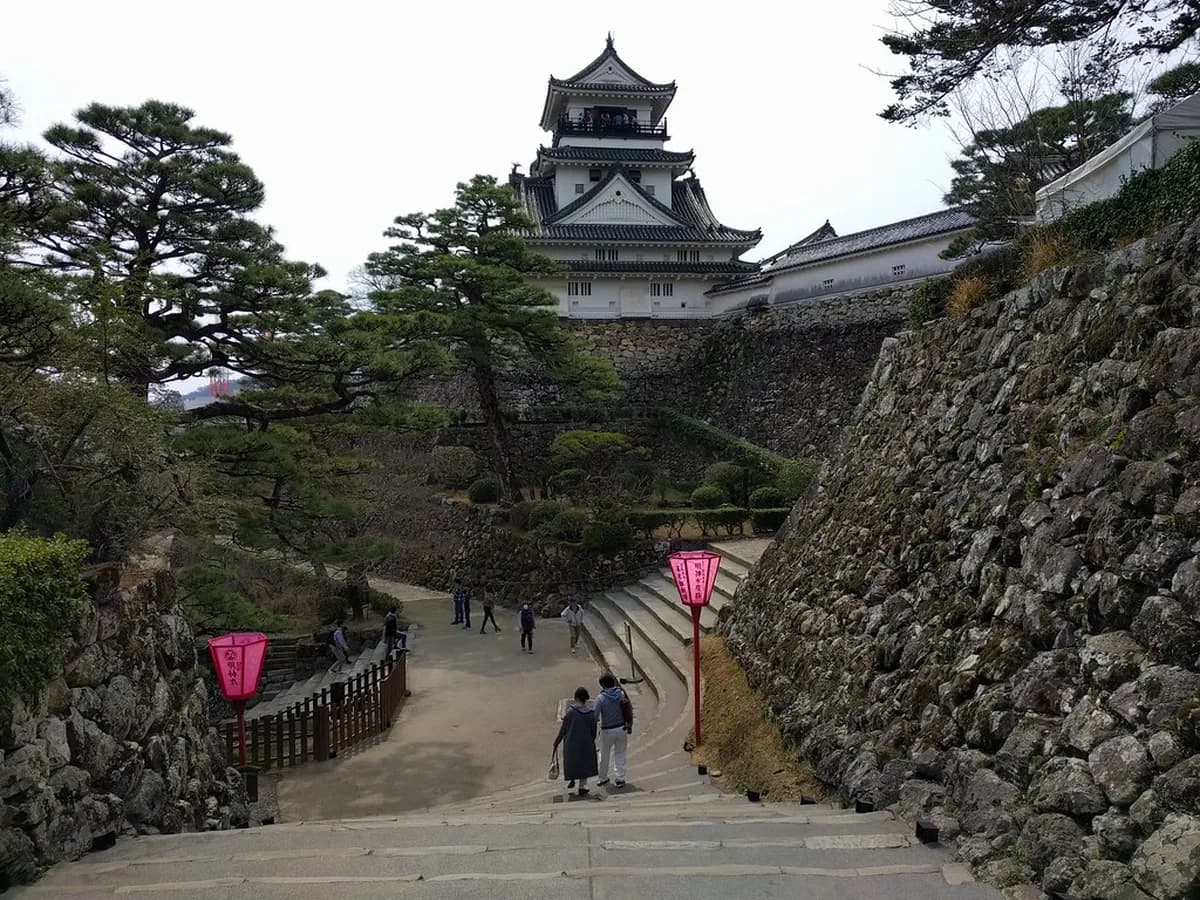
Kochi Castle Travel Guide 2026 anchors Day 1; arrive by 9am to beat the tour groups that typically arrive from 10am. The keep dates to 1748 and is one of only twelve original surviving castle towers in Japan. Adult admission is ¥420; the outer grounds and moat walk are free and scenic at any hour.
From the castle gates, it is a 10-minute downhill walk to central Kochi and the Hirome Market food hall. Katsuo no tataki — lightly seared skipjack tuna with ponzu and grated garlic — is Kochi's signature dish. A set plate runs ¥800–¥1,500; the market opens around 11am on weekdays and 8am on weekends.
On Day 2, board the MY-YU bus from Harimayabashi Bridge for Katsurahama Beach, roughly 30 minutes south. The Katsurahama Beach complex holds the Sakamoto Ryoma Memorial Museum (¥700, open 9am–5pm) and a famous bronze statue of Ryoma. Allow 90 minutes at the beach before boarding the MY-YU bus onward to Godaisan Hill.
Chikurin-ji Temple is stop #31 on the Shikoku 88-temple pilgrimage; the treasure house costs ¥400 and opens 8am–5pm. Adjacent Makino Botanical Garden (¥730, open 9am–5pm) is a highlight even for non-botanists visiting Kochi. Allow about 90 minutes combined for both, then catch the MY-YU return bus to the city center.
- Day 1: Kochi Castle to Hirome Market
- Morning: Kochi Castle, 9am–noon, ¥420
- Afternoon: Hirome Market, katsuo set ¥800–¥1,500
- Evening: Otesuji stalls or local izakaya
- Time: Full day, roughly 9am–9pm
- Logistics: 10-min walk between main stops
- Optional: Sunday Market if visiting on Sunday
- Day 2: Katsurahama Beach and Godaisan
- Morning: Katsurahama, Ryoma Museum, 9am
- Afternoon: Chikurin-ji ¥400, Makino Garden ¥730
- Evening: City dinner, tram back downtown
- Time: Depart 8:30am, return by 6pm
- Logistics: MY-YU bus day pass, ¥1,000
- Optional: Ryugado Cave instead of garden
Where to Stay in Kochi, Japan
The Harimayabashi and Otesuji area gives the most practical base for this Kochi itinerary. Hotels here sit within a 10-minute walk of the tram network and the city's best restaurants. Full neighborhood breakdowns and price comparisons appear in our Kochi accommodation guide.
Budget travelers find clean guesthouses and simple business hotels from around ¥3,000–¥5,000 per person nightly. Mid-range rooms in the center run ¥8,000–¥15,000 and often include a Japanese or Western breakfast. A few ryokan options on the city outskirts charge ¥15,000 and above per person with dinner included.
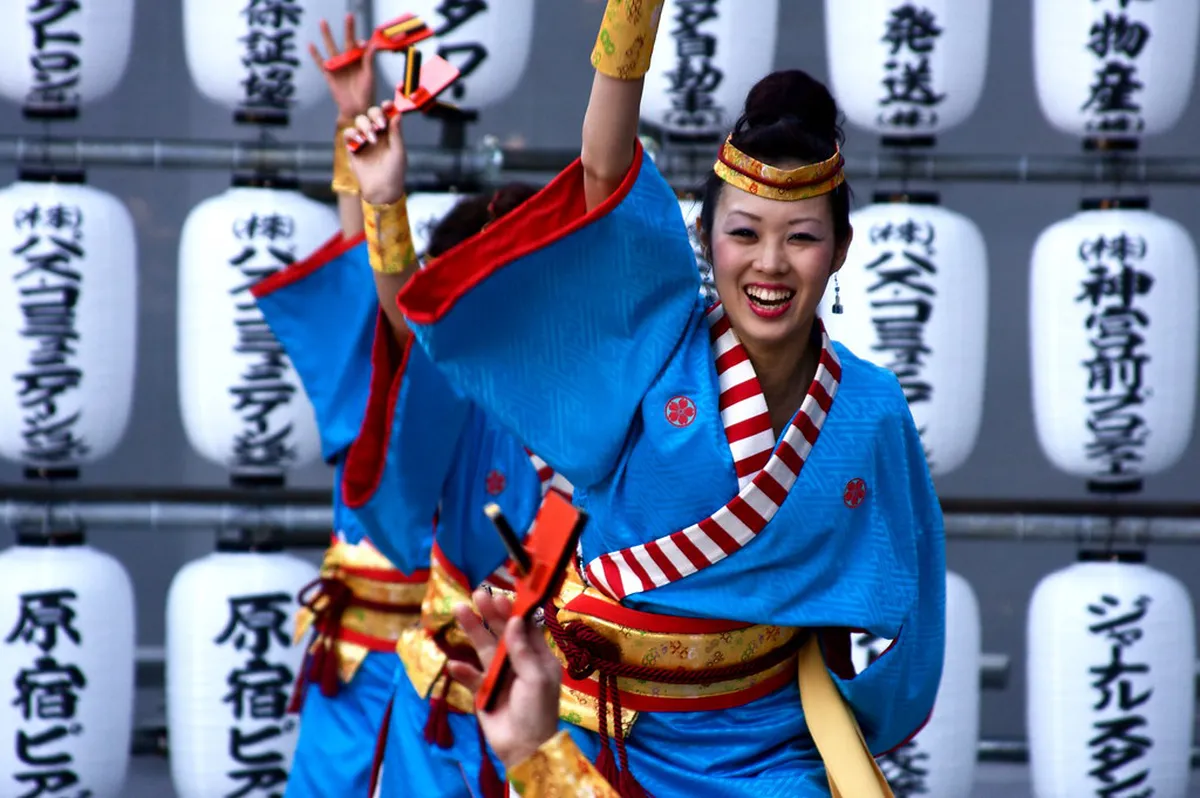
Book well ahead if your visit overlaps the Yosakoi Festival, held in early August each year. Kochi accommodations fill fast during festival week, with prices rising sharply above normal rates. Outside peak periods, mid-range rooms are usually available on short notice.
What to Book in Advance for Kochi
Most of Kochi's main attractions are walk-in friendly with no timed-entry tickets required. historic Kochi Castle, Hirome Market, and Katsurahama Beach all accept same-day visitors without a reservation. The main planning task is securing accommodation, especially around August festival dates.
If you plan a day trip by JR to Shimanto or Ryugado Cave, check train schedules a day ahead. The MY-YU bus day pass (¥1,000) is purchased on board, so no advance purchase is needed. lively Hirome Market needs no booking; arrive before noon for the freshest and most varied katsuo selection.
The Tosaden tram accepts cash only; have ¥200 coins ready for each journey across the city. We recommend downloading the MY-YU bus schedule from the Kochi tourism site the night before you go. Timetables can shift seasonally, and the PDF version is handy when mobile data is unavailable in mountain areas.
Add a Day Trip from Kochi
With a third day, the Shimanto River valley is Kochi's most rewarding day excursion. The JR Shimanto line from Kochi Station takes roughly 90 minutes to Nakamura (Shimanto City). Canoe rentals and the famous slatted-plank bridges start from around ¥3,000 per person for a two-hour session.
Closer to the city, the Niyodo River is prized for its unusual turquoise color and clear-water swimming holes. A shared transfer from central Kochi takes 60–90 minutes; your hotel or guesthouse can usually arrange it. Ryugado Cave, 50 minutes east by bus, offers impressive limestone formations at ¥1,100 admission.
Our day trips from Kochi guide covers Shimanto, Niyodo, and Ryugado with full transit and cost details. Ryugado Cave is the easiest half-day call if you want something dramatic with minimal travel time.
Frequently Asked Questions
Is 2 days enough for Kochi, Japan?
Two days covers Kochi's core highlights comfortably: the castle, Hirome Market, Katsurahama Beach, and hilltop Godaisan Temple. A third day opens up river excursions to Shimanto or Niyodo. First-timers generally find two days satisfying without feeling rushed.
When is the best time to visit Kochi?
November through March offers mild temperatures and clear skies, ideal for the castle and beach walks. Summer is hot and humid, but early August brings the spectacular Yosakoi Festival. Avoid mid-August if high accommodation prices and peak crowds are a concern.
How do I get around Kochi City?
The Tosaden tram covers the city center on a ¥200 flat fare, with stops near the castle and Harimayabashi Bridge. The MY-YU sightseeing bus (¥1,000 day pass) connects to Katsurahama Beach and Godaisan Hill. Taxis are metered and easy to hail near major stops.
Where can I try katsuo tataki in Kochi?
Hirome Market in central Kochi is the most atmospheric place to eat katsuo no tataki, with set plates from ¥800–¥1,500. The market opens at 11am on weekdays and 8am on weekends; arrive before noon for the freshest catch. Most stalls operate until 10pm or later.
Two days in Kochi rewards travelers who lean into its mix of castle history and bold coastal flavors. The Tosaden tram and MY-YU bus together make the city self-guided and surprisingly easy to navigate. Add Shimanto or Niyodo on a third day and Kochi becomes one of Shikoku's most complete stops.
Free guide: Japan's Hidden Gems
12 under-the-radar places beyond Tokyo & Kyoto — with the best season to visit each and a local tip you won't find in the guidebooks.
You might also like


Continue reading
More guides you'll find useful