Kochi Food Guide: Best of Tosa, Japan
Discover Kōchi's food scene: straw-seared katsuo tataki, Hirome Market, yuzu cuisine, and the okyaku sake tradition in Shikoku, Japan. Plan your trip now.
On this page
Kōchi Prefecture, on the Pacific coast of Shikoku, has one of Japan's most distinctive regional food cultures. The city and its surrounding Tosa region have built a culinary identity shaped by the ocean, a warm climate, and centuries of local pride. Whether you have two days or two weeks here, eating well in Kōchi is never an afterthought.
Straw-seared bonito, communal sake-drinking rituals, and a 300-year-old Sunday market make this city unlike anywhere else in Japan. This kochi food guide covers the essential dishes, the best places to try them, and a few local customs that first-time visitors often miss. Pair it with a Kōchi itinerary to build a fuller picture of how to spend your time.
Katsuo no Tataki: Kōchi's Signature Dish
Katsuo no tataki is the dish Kōchi is most famous for, and it earns that reputation on every plate. Bonito is seared briefly over burning rice straw, a method called wara-yaki, leaving the outside slightly charred and the inside nearly raw. The fish is then sliced thin and served with ponzu, fresh ginger, garlic, and spring onion.
Bonito comes into season twice a year: hatsu-gatsuo (first bonito) in spring runs from late April through June, lighter in flavor. The modori-gatsuo (returning bonito) peaks in September and October, richer and fattier, and many locals consider it the finer eat. Watching the wara-yaki technique performed live at a counter inside Hirome Market makes the experience far more memorable.
Order a half-slab (hanka) if you want a generous portion without over-committing. A market stall serving typically costs between ¥1,000 and ¥1,500; sit-down restaurants charge more, though fish quality is usually comparable. Arriving hungry and ordering the tataki first, before anything else, is sound advice from most regulars.
- Two bonito seasons worth knowing
- Spring hatsu-gatsuo runs late April through June and is lighter in flavor.
- Autumn modori-gatsuo peaks September to October with a richer, fattier taste.
- Either season gives a strong reason to plan your Kōchi trip around the fish.
Hirome Market: Kōchi's Great Food Hall
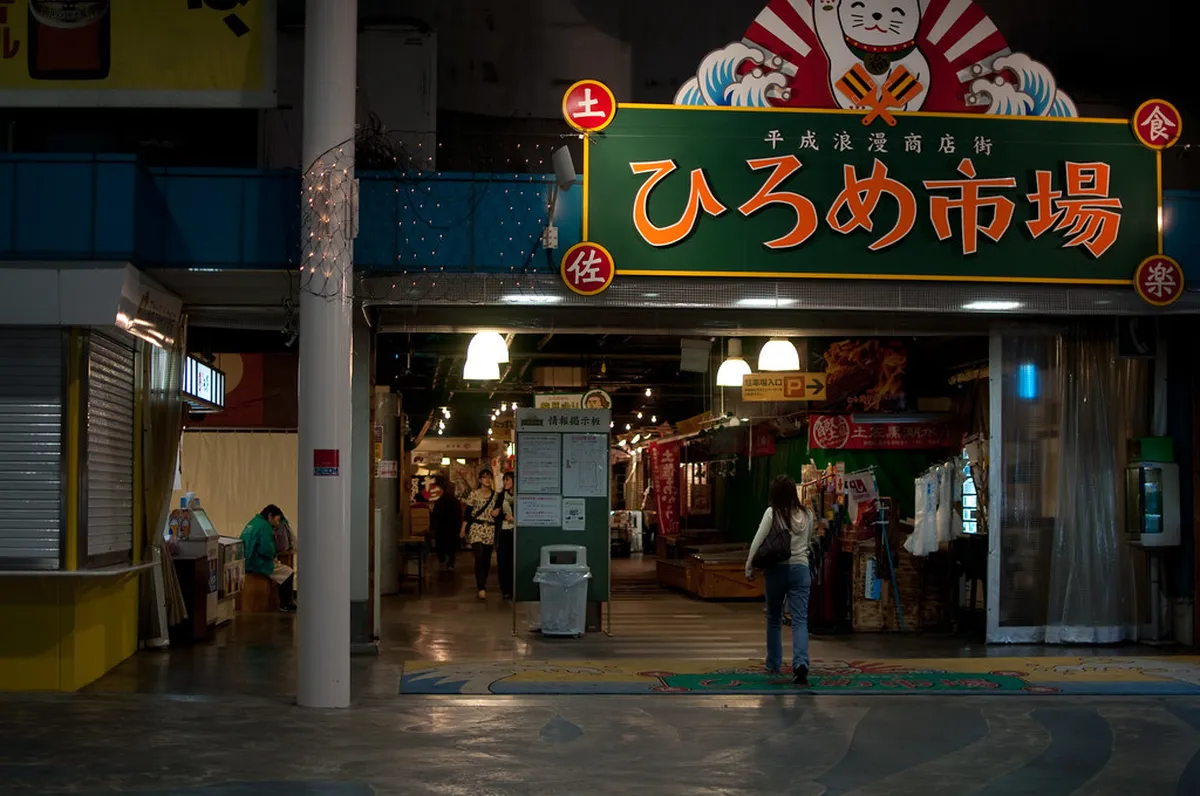
Hirome Market sits a short walk from Kōchi Castle and holds dozens of food stalls around a large open seating area. Tables fill fast at lunchtime, drawing a crowd of office workers, tourists, and regulars who treat this place as their daily canteen. Arriving before noon on weekdays gives you the best chance of finding a seat without a wait.
Beyond katsuo tataki, the stalls sell imoten (Tosa-style fried sweet potato), fresh sashimi plates, yakitori, gyoza, and local sake by the glass. Many regulars start with a draft beer and a tataki portion, then pick up small plates from different stalls as the evening builds. Lingering for two hours is normal here — the atmosphere is relaxed and there is always more to order.
The market runs most of the day and into the evening, though individual stall hours vary. Sunday afternoons draw the liveliest crowd and occasional performers in the surrounding lanes. Cash is still preferred at many stalls, so carry enough yen before you arrive.
More Tosa Foods Worth Ordering
Sawachi-ryōri is Tosa's grand communal feast tradition: large lacquerware platters loaded with sashimi, rolled sushi, roasted meats, and sweet jellies. Originally served at weddings and local celebrations, it now appears at specialty restaurants where groups can book it in advance. The experience is more about the ritual of shared eating than any single ingredient on the platter.
Yuzu citrus is everywhere in Kōchi because the prefecture grows roughly half of Japan's total supply. You will find it in ponzu dipping sauces, salad dressings, sweets, yuzu-shu liqueur, and even ramen broth. Picking up a jar of local yuzu ponzu at Kōchi Sunday Market is one of the best edible souvenirs you can take home.
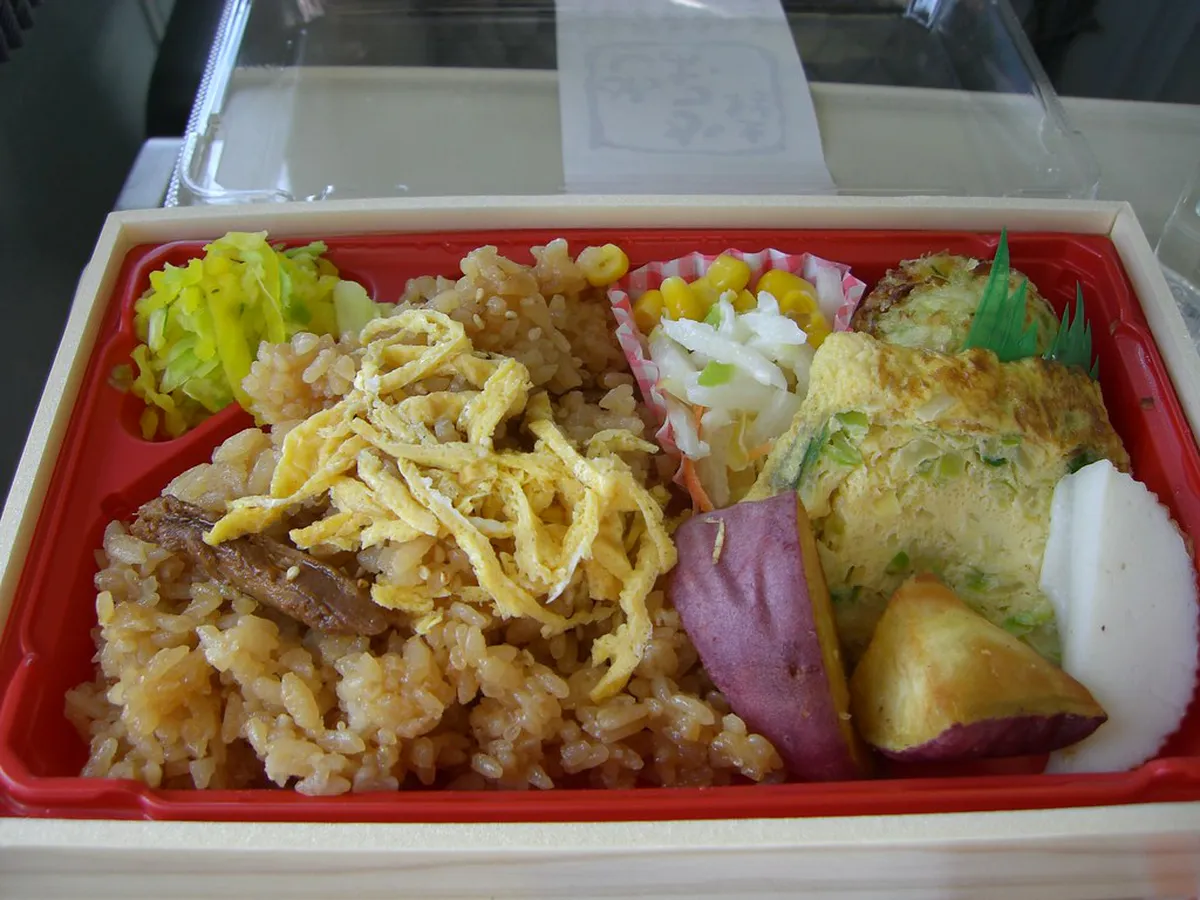
Tosa jidori is a local free-range chicken breed, leaner and more flavorful than supermarket birds. Order it as yakitori at izakayas around the city center, or look for it on set-meal menus at mid-range restaurants. Imoten, battered and fried sweet potato with a sweet soy glaze, is a simple street-food pleasure that few visitors think to try.
- Tosa specialty foods at a glance
- Sawachi-ryōri is a communal platter feast, best booked in advance for groups.
- Yuzu products make excellent edible souvenirs and are easy to find at the Sunday market.
- Imoten is a fried sweet potato snack available at most Hirome Market stalls.
- Tosa jidori chicken is worth ordering as yakitori at any city-center izakaya.
The Okyaku Tradition: Kōchi's Drinking Culture
Kōchi has one of the most distinctive drinking cultures in Japan, built around a tradition called okyaku. An okyaku gathering is a communal banquet where guests drink, eat, and play games together, with a strong expectation of participation. The city's high per-capita sake consumption is well-documented, and locals take genuine pride in it.
The mawashi-nomi ritual involves passing a shared cup around the table, and declining too often is considered impolite in traditional settings. One popular game, the ofuku cup, uses a weighted ceramic vessel that must be emptied before it tips to one side. Visitors who show genuine curiosity about these customs are usually welcomed warmly into the spirit of the evening.
Tosa sake is the main drink at okyaku gatherings, with several active breweries producing dry junmai and honjozo styles. Look for labels like Bijofu (美丈夫) at restaurants and local liquor shops across the city. Even if sake is not your drink, understanding the okyaku culture adds real depth to a Kōchi evening out.
Practical Kōchi Food Planning Tips
Most of central Kōchi's food scene is compact and walkable, clustered near the Obiyamachi arcade, lively Hirome Market, and the Otesuji area. The Sunday market on Otesuji runs from early morning and winds down by late afternoon, so plan to arrive before noon for the widest selection. Weekday lunches at Hirome Market are quieter and easier to navigate than weekend visits.
Most izakayas open from around 5 pm or 6 pm, making an early dinner harder to arrange than in larger Japanese cities. Lunch teishoku (set meals) near the castle area typically run ¥800–¥1,200 and include rice, miso, and a main dish. Reservations are rarely needed for casual spots, but sawachi restaurants and popular izakayas are worth calling a day ahead.
If you are planning an overnight stay, the Kōchi accommodation guide covers the neighborhoods worth knowing before you book. Staying central puts most key food spots within a five-to-ten-minute walk of your hotel.
Explore Kochi Food and Dining
Use these guides to compare local dishes, dining areas and practical food experiences in Kochi.
Explore food guide in other cities
Frequently Asked Questions
What is the most famous food in Kōchi, Japan?
Katsuo no tataki is Kōchi's defining dish — fresh bonito seared over rice straw, sliced thin, and served with ponzu and aromatics. Hirome Market is the most accessible place to try it, with stalls open throughout the day. Expect to pay around ¥1,000–¥1,500 for a generous half-slab portion.
Is Hirome Market open every day in Kōchi?
Hirome Market is open daily, though individual stall hours vary and some vendors close earlier than others. The market is busiest at lunch and on Sunday afternoons. Arriving before noon on weekdays gives you the best chance of finding a table without a long wait. Check the market's notice board on arrival for any temporary closures.
What is the okyaku drinking tradition in Kōchi?
Okyaku is Kōchi's communal drinking and feasting culture, where guests share sake, food, and drinking games in a banquet-style setting. The mawashi-nomi cup-sharing ritual and the weighted ofuku game are central to the experience. Joining a local izakaya for an okyaku-style evening is one of the more memorable things to do in Kōchi after dark.
When is the best time to visit Kōchi for the food?
Kōchi is rewarding for food year-round, but the autumn bonito season (September–October) brings the richest katsuo tataki. Spring (April–June) delivers the lighter hatsu-gatsuo run. The Sunday market and Hirome Market operate throughout the year. See the best time to visit Kōchi guide for fuller seasonal context.
Kōchi rewards curious eaters more than almost any other mid-sized Japanese city. The combination of exceptional seafood, a distinct drinking culture, and a centuries-old market tradition gives the food scene real character. Planning your meals around Hirome Market, one or two izakaya evenings, and a morning at the Sunday market covers most of the essential ground.
The Kōchi itinerary guide can help you slot these food stops into a broader trip plan before you arrive. Carry cash, get to markets early, and stay open to the slow rhythm of an okyaku evening. Tosa cooking has its own proud logic, and taking time to understand it makes every meal more satisfying.
Free guide: Japan's Hidden Gems
12 under-the-radar places beyond Tokyo & Kyoto — with the best season to visit each and a local tip you won't find in the guidebooks.
You might also like


Continue reading
More guides you'll find useful