Tokyo Street Food Guide 2026: 10 Essential Tips and Locations
Plan your 2026 Tokyo street food adventure with our guide to the best markets, must-try savory and sweet dishes, and essential etiquette for eating like a local.
On this page
Finding the best bites in Japan's capital requires a mix of curiosity and local knowledge.
This tokyo street food guide where to find 2026 offers everything you need for a delicious journey.
You will discover hidden stalls in bustling markets and trendy neighborhoods across the city.
Prepare your appetite for an unforgettable culinary exploration through the heart of Tokyo.
Understanding Tokyo's Street Food Culture in 2026
Tokyo's street food scene is not a series of food courts or permanent outdoor stalls. Vendors concentrate around markets, temple gates, festival grounds, and covered shopping arcades — each location with its own rhythm and regular crowd.
In 2026, two trends are reshaping the scene. First, "neo-yatai" stalls in Shibuya and Harajuku serve international fusion flavors — Korean corn dogs, Taiwanese castella, French-Japanese croissants — alongside the classics. Second, digital payment adoption has accelerated sharply. Most major-market stalls now accept IC cards (Suica or Pasmo) and QR payment apps, though smaller festival vendors still prefer cash.
Understanding Tokyo Culture: 20 Unmissable Experiences helps you appreciate the care put into every small dish. A takoyaki vendor at Tsukiji may have spent a decade mastering exactly how long to turn each ball. That level of specialization is normal here, and it shows in every bite.
Best Markets and Districts for Street Food
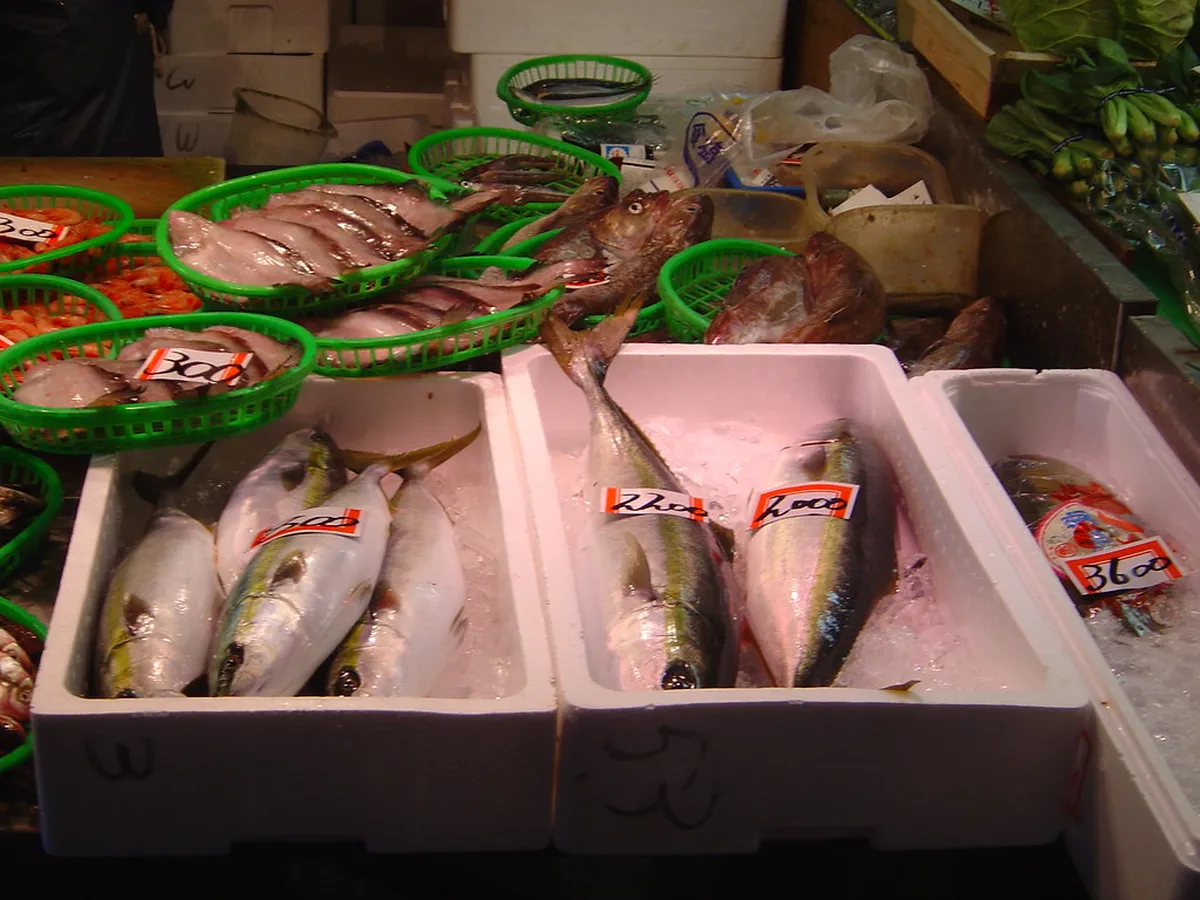
Tsukiji Outer Market remains the single best morning destination for street food in Tokyo. Even after the inner wholesale operations moved to Toyosu in 2018, the outer market's narrow alleys stayed packed with vendors selling tamagoyaki (sweet rolled omelette), grilled scallops, fresh oysters, and mochi. Arrive by 08:00 to get the best selection; it gets crowded by 10:00 and many stalls sell out before noon. Most stalls accept IC cards as of 2025.
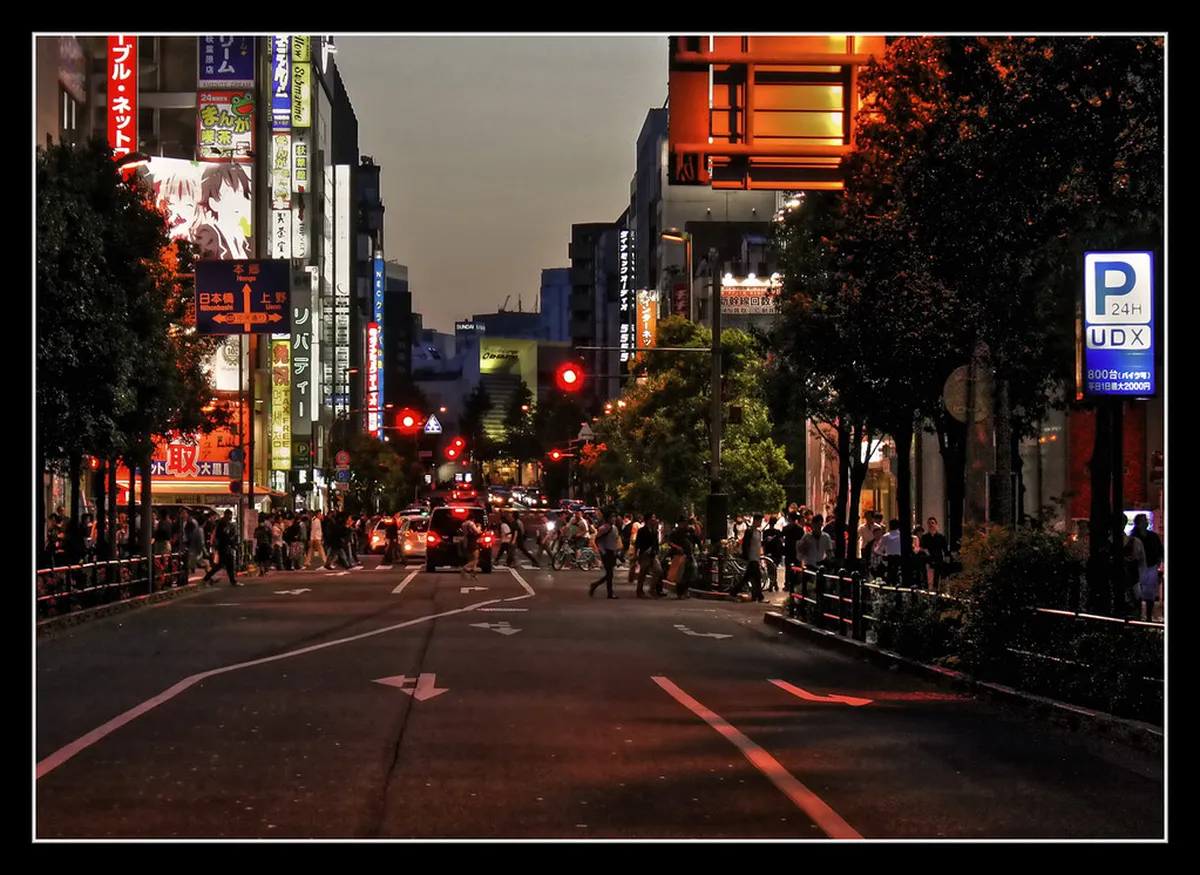
Ameyoko Market, running under the JR Ueno train tracks, delivers a rougher atmosphere and better prices. Originally a black-market strip after World War II, it now mixes fresh fruit vendors, dried seafood wholesalers, cheap karaage stands, and kebab stalls. It is the most budget-friendly option in central Tokyo, with most snacks priced ¥200–¥500. Ameyoko is also one of the few markets that runs into the evening.
The Toyosu Market visitor guide is worth a half-day visit for a different reason: the tuna auction viewing area (book months ahead) and the ground-floor market mall, which houses premium uni, crab, and sushi at prices lower than Tsukiji's tourist-facing stalls. It is a 12-minute walk from Shijo-mae Station on the Yurikamome Line. Nakamise-dori in Asakusa rounds out the main options with traditional sweets — ningyo-yaki, kaminari okoshi, and senbei — in a temple-gate atmosphere.
| Market | Best for | Typical price range | Opening hours |
|---|---|---|---|
| Tsukiji Outer Market | Fresh seafood, tamagoyaki, morning energy | ¥300–¥2,000 | 07:00–14:00 most stalls |
| Ameyoko (Ueno) | Cheap snacks, fruit, evening eating | ¥200–¥600 | 10:00–20:00 |
| Toyosu Market | Premium seafood, lower tourist markup | ¥800–¥3,000 | 09:00–15:00 (market mall) |
| Nakamise-dori | Traditional sweets, temple atmosphere | ¥150–¥500 | 09:00–18:00 |
Solo vs. Family: Which Market Fits Your Group
Not every market suits every traveller. Nakamise-dori in Asakusa is beautiful but almost impossible to navigate with a stroller on a weekend — the covered arcade is narrow, and crowds funnel into single-file lanes by midday. Families with young children are better served by Toyosu's modern market mall, which has wide aisles, seating areas, and clean restrooms throughout the building.
Solo travellers and couples get the most out of Tsukiji Outer Market, where graze-and-move eating is the norm. You buy one item, eat it standing at the stall's ledge, then walk 20 metres to the next vendor. The format is designed for individuals and pairs, not groups trying to coordinate. Ameyoko works well for small groups of 3–4 who can spread across stalls without losing each other.
Budget expectations differ sharply between markets. At Ameyoko, ¥1,500 feeds one person well across three or four snacks. At Tsukiji, plan ¥2,000–¥3,500 if you want a proper seafood breakfast with multiple stops. A single high-grade toro sushi at Toyosu can cost ¥1,000 alone, so set expectations before you arrive. Festival (matsuri) stalls across all districts cluster around ¥200–¥500 per skewer or portion.
Essential Savory Street Foods to Try
Savory snacks form the backbone of any Tokyo street food outing. Takoyaki — grilled octopus balls cooked in a molded iron pan — are the most iconic. Each ball is flipped rapidly during cooking so the exterior sets firm while the interior stays almost liquid. They come topped with takoyaki sauce, Japanese mayonnaise, bonito flakes, and dried seaweed. A portion of eight balls costs ¥500–¥700 at most market stalls.
Yakitori skewers are the other constant. Different parts of the chicken each become a separate menu item — thigh, skin, liver, cartilage — seasoned in either shio (salt) or tare (sweet soy glaze). The best yakitori stalls in Tokyo cluster near train stations in Yurakucho and Shinjuku's Omoide Yokocho. Expect ¥150–¥300 per skewer. At festivals, yakisoba (stir-fried wheat noodles with pork and vegetables) fills the air with its distinctive sauce aroma and costs around ¥400–¥600 a serving.
Karaage (Japanese fried chicken) differs from its Western cousin through a marinade of soy sauce, sake, ginger, and garlic, plus a light potato-starch coating. Street versions come in paper cones and make excellent walking food. If you want variety, explore the Tokyo Ramen Street Guide for quick noodle options between market visits.
| Dish | What It Is | Best Market | Price |
|---|---|---|---|
| Takoyaki | Octopus balls in molded pan, topped with mayo & bonito flakes | Tsukiji, Ameyoko | ¥500–¥700 (8 balls) |
| Yakitori | Grilled chicken skewers (thigh, skin, liver, cartilage) | Yurakucho, Omoide Yokocho | ¥150–¥300 per skewer |
| Yakisoba | Stir-fried wheat noodles, pork, vegetables with sauce | Festival stalls | ¥400–¥600 |
| Karaage | Marinated fried chicken in paper cone | Ameyoko, street stalls | ¥400–¥700 |
Iconic Sweet Treats and Dessert Stalls
Japanese desserts feature textures and levels of sweetness that differ significantly from Western sweets. Taiyaki — fish-shaped cakes filled with sweet red bean paste — are one of the most photographed foods in Tokyo. Modern stalls in Harajuku offer custard, chocolate, or even cheese fillings inside the same crispy batter shell. A single taiyaki costs ¥150–¥250.
Fresh mochi skewers (dango) appear at temple entrances and festival stalls in several varieties: mitarashi dango glazed with sweet soy sauce, anko dango coated in smooth red bean paste, and tri-colored hanami dango during cherry blossom season. Senbei (rice crackers) grilled fresh over charcoal and brushed with soy sauce near Nakamise-dori are a world apart from the packaged versions sold in supermarkets.
Harajuku remains the capital of elaborate crepes. Stalls pack whipped cream, fresh strawberries, custard, and ice cream into a paper cone crepe. Prices run ¥500–¥800. In autumn and winter, roving trucks selling yaki imo (wood-roasted sweet potatoes) appear across the city — the natural sugars caramelize during roasting, making them intensely sweet and worth the ¥300–¥500 price. Look for a seasonal fruit parfait using premium Japanese melons at specialist stalls in Ginza for a splurge option (¥2,000+).
Street Food Etiquette and Tips
The single most important rule: eating while walking is considered rude in most of Tokyo. Markets and festival grounds are the relaxed exception, but on ordinary shopping streets — including Nakamise-dori — vendors expect you to stop, eat at the stall's standing ledge, and move on. This norm keeps sidewalks clean and is part of what makes the food experience pleasant.
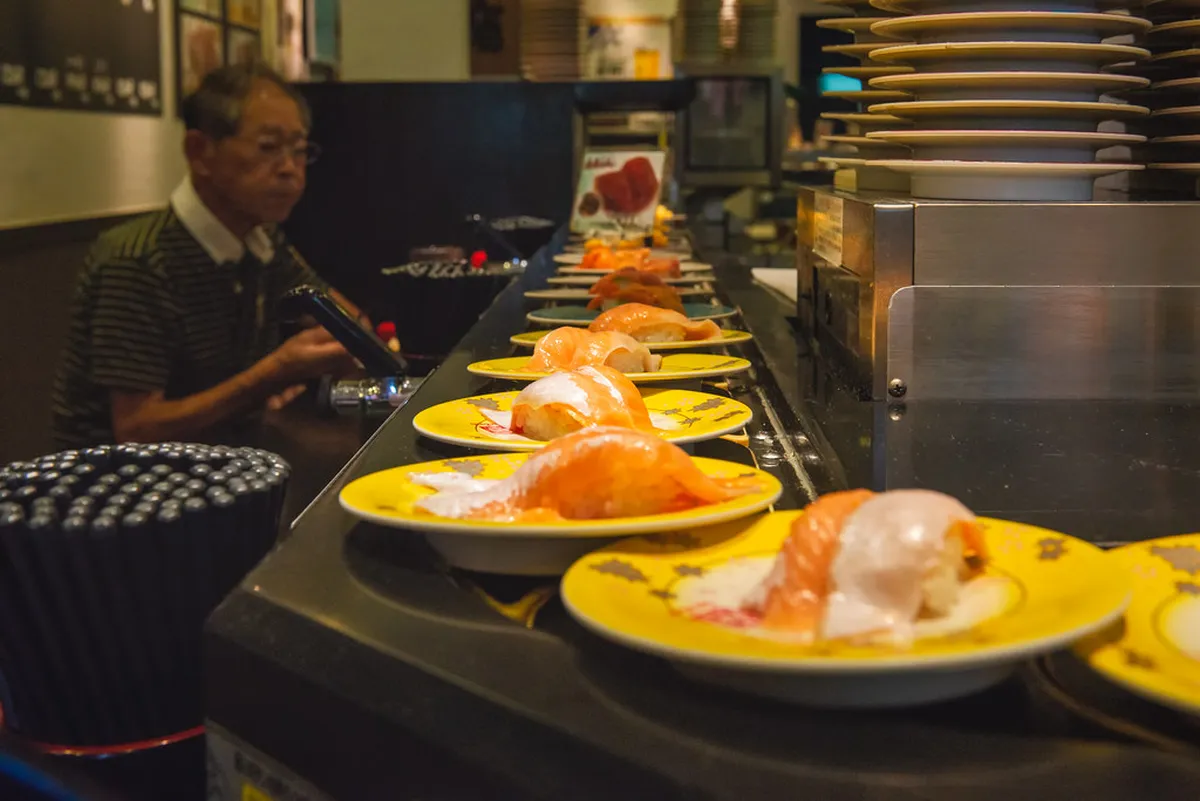
Two phrases go a long way. Say itadakimasu before you eat — it expresses gratitude for the food — and gochisousama deshita when you finish. Vendors notice and appreciate it. When ordering at a busy stall with no shared language, point at what you want, hold up fingers for quantity, and smile. Most transactions resolve easily.
Do not pass food from your chopsticks directly to another person's chopsticks. This mirrors a funeral ritual and is considered deeply inappropriate. Use the small plates provided to share dishes, or set food down on the plate before the other person picks it up. Always wait in line patiently and avoid blocking pedestrian flow — queues at popular stalls are orderly and move quickly.
Practical Logistics: Cash, Queues, and the Trash Pocket
Public rubbish bins are genuinely rare in Tokyo — a policy that dates to 1995. The practical solution is what locals call the "trash pocket" strategy: keep a small plastic bag in your bag or jacket pocket and store all wrappers, skewer sticks, and napkins until you reach a combini (convenience store) bin or your hotel. It takes one day to build the habit and prevents the awkward moment of carrying trash with no bin in sight.
On payments: major markets (Tsukiji, Toyosu, most Ameyoko stalls) now widely accept IC cards and QR payments as of 2025. Top up your Suica or Pasmo card before arriving — it doubles as your train card, so you will already have one. Festival yatai stalls and small neighbourhood vendors remain almost entirely cash-only. Carry ¥5,000–¥10,000 in small notes (¥1,000 bills) when visiting festivals or temple fairs. Use your IC card for easy transport between markets by following a Getting Around Tokyo: Complete Subway & Train Transport Guide 2026 guide.
Queue etiquette is straightforward: join the line, do not cut, and do not hold a place while your group spreads to other stalls. Long queues at street food stalls typically move fast — 10 minutes or less — because vendors have the routine down. A long queue is usually a quality signal, particularly at Tsukiji's tamagoyaki shops and Harajuku crepe stands.
A 90-Minute Morning Street Food Crawl
This route covers two markets and suits most fitness levels. Start at Ueno Station (Ginza or JR lines) at 08:30. Walk south through Ameyoko Market, which is just outside the station's south exit and runs under the elevated train tracks. Pick up a skewer of karaage or a fresh fruit cup from one of the produce vendors on the east side — budget ¥300–¥500. Take 15 minutes to walk the full length of Ameyoko before exiting at the south end near Ueno-hirokoji Station.
From there, take the Tokyo Metro Hibiya Line two stops south to Tsukiji Station (about 8 minutes including walk time). Enter the outer market from the Shin-Ohashi-dori gate and follow the main alley east. Stop at a tamagoyaki stall for a grilled egg omelette (¥200–¥400) and then at a seafood vendor for a fresh oyster or a small tuna hand-roll (¥300–¥600). The tamagoyaki stalls cluster near the south end of the outer market.
By 10:00 you will have covered both markets and spent ¥1,000–¥1,500 on actual food. This quick route fits neatly into a busy Tokyo Itinerary: The Ultimate 5-Day Guide for 2026 before afternoon sightseeing. If you want to extend the crawl, walk 10 minutes north from Tsukiji along Harumi-dori toward Ginza for depachika (department store basement food halls) — a different category of food shopping entirely, but worth an hour if you are not in a hurry.
Healthy and Vegetarian-Friendly Street Food Options
Tokyo offers lighter options that do not require compromising on flavour. Grilled corn on the cob (¥300–¥400 at summer festival stalls) and salted cucumbers on a stick are both refreshing and genuinely low-calorie choices. Tsukemono — assorted Japanese pickles — are a staple at Tsukiji stalls and Nishiki-style pickling shops; they are sodium-forward but otherwise very clean eating.
Konnyaku (konjac) skewers, popular at temple fairs, are among the least-guilty street foods in Japan. Konnyaku is a gelatinous root vegetable with almost no calories; it absorbs whatever seasoning the vendor applies (typically miso paste or soy-dashi). Not every stall labels it in English, but it looks like a pale grey rectangle on a bamboo stick and costs about ¥100–¥200. It is almost entirely overlooked by tourists and extremely popular with health-conscious locals.
Vegetarians need to be careful with broths and sauces — traditional Japanese dashi uses bonito flakes, meaning many "vegetable" items are not strictly vegetarian. Modern stalls in Harajuku and Shibuya increasingly cater to plant-based diets and often label items accordingly. For strict vegetarians, grilled corn, fresh fruit skewers, plain mochi, and taiyaki (if you avoid fish-sauce-based toppings) are reliably safe choices. You can find many plant-based snacks at Ninja Kitchen Market Experiences during your visit.
Why Tokyo Street Food Feels Different (Global Influences and Evolution)
Tokyo's street food has absorbed foreign influences for over a century, but the pace of fusion has accelerated sharply in the 2020s. You now find Taiwanese egg-stuffed castella cakes beside traditional senbei shops, Korean-style tornado potatoes next to yakisoba stalls, and Japanese-French hybrid items — matcha croissants, miso caramel tarts — at pop-up windows in Shibuya. These are not tourist novelties; they are genuinely popular with young Tokyoites.

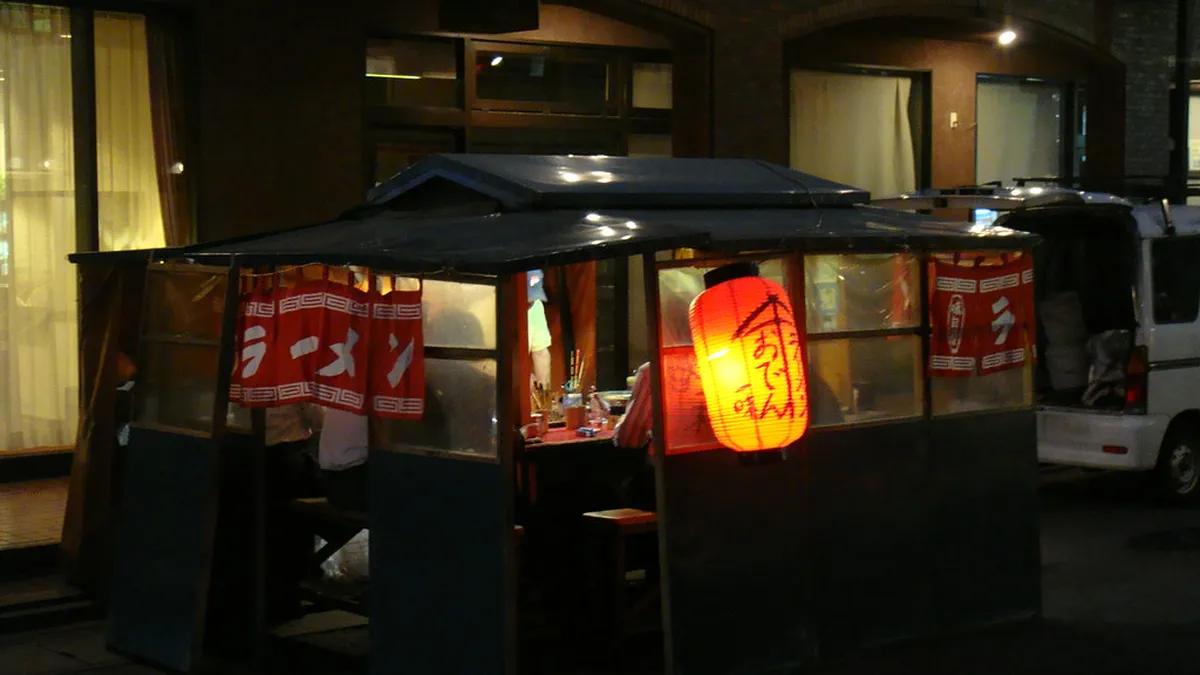
The neo-yatai movement deserves particular attention in 2026. Traditional yatai stalls (small wheeled food carts) nearly disappeared from Tokyo over the past 50 years due to licensing restrictions that remained common in Fukuoka but were tightly controlled in the capital. A new wave of "neo-yatai" operators has found legal paths through event permits and designated food zones, bringing pop-up carts back to areas like Harajuku's Omotesando and Shibuya's Miyashita Park. These stalls typically charge a small premium (¥600–¥900 per item) and focus on presentation as much as flavour.
The practical effect is that Tokyo's street food map in 2026 has two distinct layers: the heritage layer (Tsukiji, Ameyoko, Asakusa temple stalls) where tradition is the point, and the contemporary layer (Harajuku, Shibuya, Shimokitazawa) where fusion and aesthetics drive the experience. Neither is better — they serve different moods and itineraries. Check for Traditional Culture and Festivals in Tokyo to see food stalls in action at heritage events.
A Culinary Adventure Awaits: Final Recommendations
Visit popular markets early in the day to get the freshest selection and thinner crowds. Tsukiji rewards visitors who arrive before 09:00; Ameyoko is fine later in the day and livelier in the evening. For festivals, check the Tokyo Metropolitan Government's events calendar — major matsuri in 2026 include the Sumida River Fireworks Festival (late July) and Asakusa Samba Carnival (August), both of which draw hundreds of food stalls.
Budget conservatively for your first outing. A realistic street food day costs ¥2,000–¥4,000 per person across two markets, not including transport. Keep ¥1,000 notes and some coins for cash-only stalls. Load your Suica card before leaving the hotel so you are not scrambling at the machine when a queue forms behind you.
Try at least one dish you have never heard of. Konnyaku skewers, imagawayaki (circular filled cakes), and kaminari okoshi (thunder rice crackers) from Asakusa are all underrated by tourists and easy to find. Explore more Best Things To Do in Tokyo to round out your travel plans beyond the food markets.
Continue planning with Tokyo Trip Planner 2026: Attractions, Neighborhoods and Itineraries.
Frequently Asked Questions
Is street food safe to eat in Tokyo?
Yes, street food in Tokyo is exceptionally safe due to strict health regulations. Vendors maintain high hygiene standards across all major markets. You can enjoy various snacks without worrying about safety issues common in other regions. Check our 10 Essential Chapters for Your Tokyo Food Guide 2026 for more safety tips.
Where is the best place for street food in Tokyo 2026?
Tsukiji Outer Market and Ameyoko remain the top locations for 2026. These districts offer a wide variety of both traditional and modern snacks. You will find the best seafood in Tsukiji and diverse fusion options in Ameyoko. Both areas are easily accessible via public transit.
Can I find vegetarian street food in Tokyo?
Vegetarian options are available but may require some searching at traditional stalls. Look for grilled vegetables, mochi, and pickled items like cucumbers. Many modern stalls in Harajuku also offer meat-free crepes and snacks. Always ask vendors about ingredients if you have strict dietary needs.
Tokyo offers a world-class street food experience that caters to every taste and budget.
By following this guide, you can navigate the markets with confidence and respect.
Enjoy the unique flavors and vibrant atmosphere of the city during your 2026 visit.
Keep exploring Tokyo Events 2025 to find seasonal food festivals during your stay.
See our main Tokyo attractions guide for the wider city picture.
Free: The Tokyo Essentials guide
Top things to do, where to stay, a perfect day plan, getting around, and the best time to go — a Tokyo mini-guide you can take offline.
You might also like


Continue reading
More guides you'll find useful