What To Eat In Kanazawa Travel Guide
Plan what to eat in kanazawa with top picks, neighborhood context, timing tips, and practical booking advice for a smoother trip.
On this page
Kanazawa has one of the most distinctive food cultures in Japan, shaped by centuries of Kaga domain prosperity, proximity to the Sea of Japan, and a farming tradition built around 15 heritage vegetable varieties found nowhere else in the country. You can eat a fresh crab kaisendon at a market stall in the morning, try braised duck with wheat gluten at a lunch counter, and finish the day with a tasting menu at a French restaurant that sources its produce from an organic Kaga farm. This guide walks through the dishes, the markets, and the neighborhoods so you can plan every meal before you arrive.
Omicho Market: The Kitchen of Kanazawa
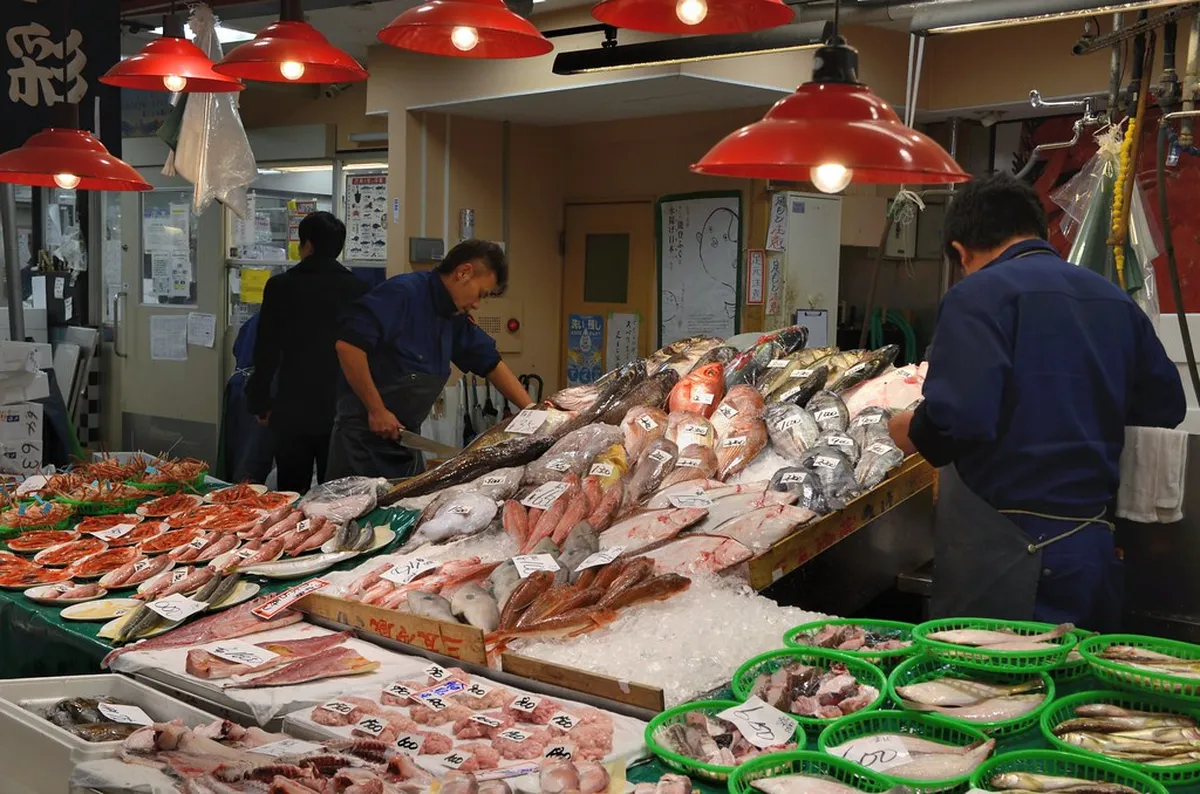
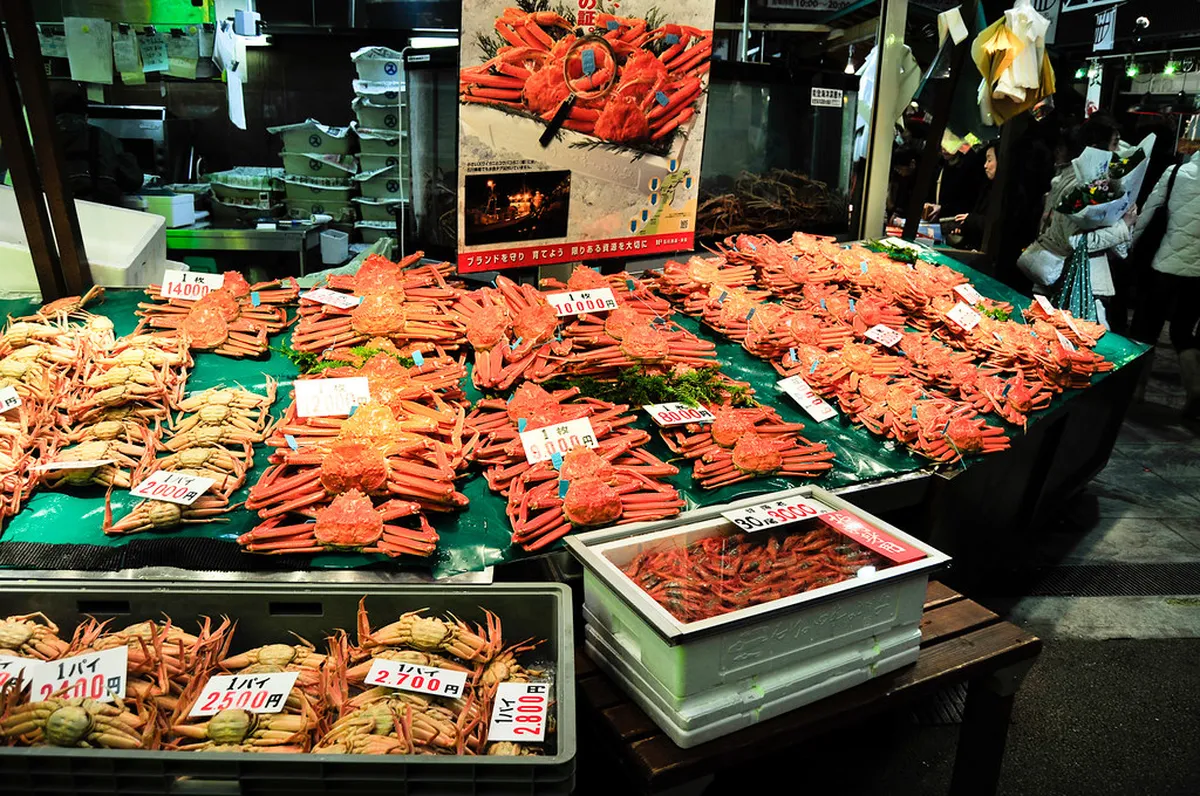
Omicho Market is the beating heart of the city's food scene and has operated in central Kanazawa for nearly 300 years. Over 180 stalls are packed into a covered labyrinth selling live seafood, Kaga vegetables, pickled goods, and street snacks. Most vendors open at 08:00 and begin winding down by 17:00. The critical detail most visitors miss: arrive before noon, ideally around 11:00. Popular stalls sell out of fresh items before the afternoon crowds arrive, and the energy of the market is at its peak in the late morning.
Getting there is simple. From Kanazawa Station, walk east for about 15 minutes along a flat, shop-lined route. Alternatively, take the Hokutetsu Bus and alight at the Musashigatsuji Omicho Market stop. Many visitors combine a market visit with the nearby best Kanazawa attractions, since both Kenroku-en and Kanazawa Castle are within easy walking distance. Note that most vendors close on Wednesdays, so plan around that.
The market has two levels. Ground floor stalls handle fresh produce and raw seafood, where you can watch vendors unpack giant Kaga oysters and snow crabs. The upper level holds sit-down restaurants, most of which serve kaisendon — a bowl of sushi-grade fish over seasoned rice. Prices for a full kaisendon bowl run from around 1,500 yen to 3,000 yen depending on the toppings you choose.
Must-Eat Stalls Inside Omicho Market
| Dish | What it is | Where / Approx. price (2026) |
|---|---|---|
| Kaisendon | Sushi-grade fish over seasoned rice; often snow crab, botan ebi, sea urchin | Morimori Sushi or upper-level restaurants — ¥1,500–¥3,000 |
| Crab cream croquette | Deep-fried croquette with sweet crab cream filling | Omicho Croquette stall — ¥200–¥500 (cash only) |
| Kanazawa Oden | Simmered broth with kuruma-fu, Kaga lotus root, and shellfish | Ippuku Yokocho — ¥1,000–¥3,000 |
| Noto wagyu skewer | Grilled Noto beef, fine-marbled Ishikawa wagyu | Noto Beef Takumi — ¥1,000/serving |
| Gold leaf soft serve | Vanilla soft serve wrapped in a sheet of edible gold | Kanakan Joy (Omicho) — ¥1,300 |
| Jibuni | Starchy braise of duck/chicken, wheat gluten, and Kaga vegetables in sweet soy | Traditional restaurants near Samurai District — ¥1,500–¥2,500 (set lunch) |
| Kaga ryori kaiseki | Multi-course seasonal cuisine using 15 heritage Kaga vegetables + local seafood | Tsuruko or mid-range kaiseki — ¥3,000 (lunch) to ¥20,000+ (dinner) |
| Hanton rice | Local comfort food: ketchup rice topped with fried items and Thousand Island dressing | Yoshida-ya and specialist cafes near Katamachi — ¥900–¥1,400 |
The Omicho Croquette stall is the first thing many visitors head for. The shop fries croquettes to order, and the line moves fast — typically 10 to 15 minutes even on busy weekday holidays. The most popular variants are the crab cream croquette and the standard potato croquette, each priced between 200 and 500 yen. One critical practical note: this stall is cash only. No credit cards are accepted. The crust is genuinely crisp, and the crab cream filling has a clean sweetness that makes it hard to stop at one.
Kanazawa Oden at Ippuku Yokocho is the dish that local residents would likely choose as their comfort food of choice. The broth here is clear and deep, simmered from kombu, bonito flakes, and local shellfish. Unique oden ingredients you won't find in Tokyo include kuruma-fu (large rings of wheat gluten), Kaga lotus root, and whole shellfish that have been simmering long enough to pull cleanly from the shell. A bowl of oden costs around 1,000 to 3,000 yen depending on what you select. Ippuku Yokocho closes on Tuesdays and Wednesdays, and the food last-order is 16:30.
Noto Beef Takumi sells grilled skewers of Noto wagyu beef, Ishikawa Prefecture's premium local cattle breed, known for fine marbling and a mild, sweet fat. In the past this beef was only available at high-end restaurants charging tens of thousands of yen per person. At Takumi's market stall you can eat it standing up for around 1,000 yen per serving. The stall opens at 10:00 and often sells out by early afternoon. It closes on Wednesdays. If you are a beef eater, this is the most cost-effective way to try a true Ishikawa specialty.
Morimori Sushi: The Market Sushi Restaurant
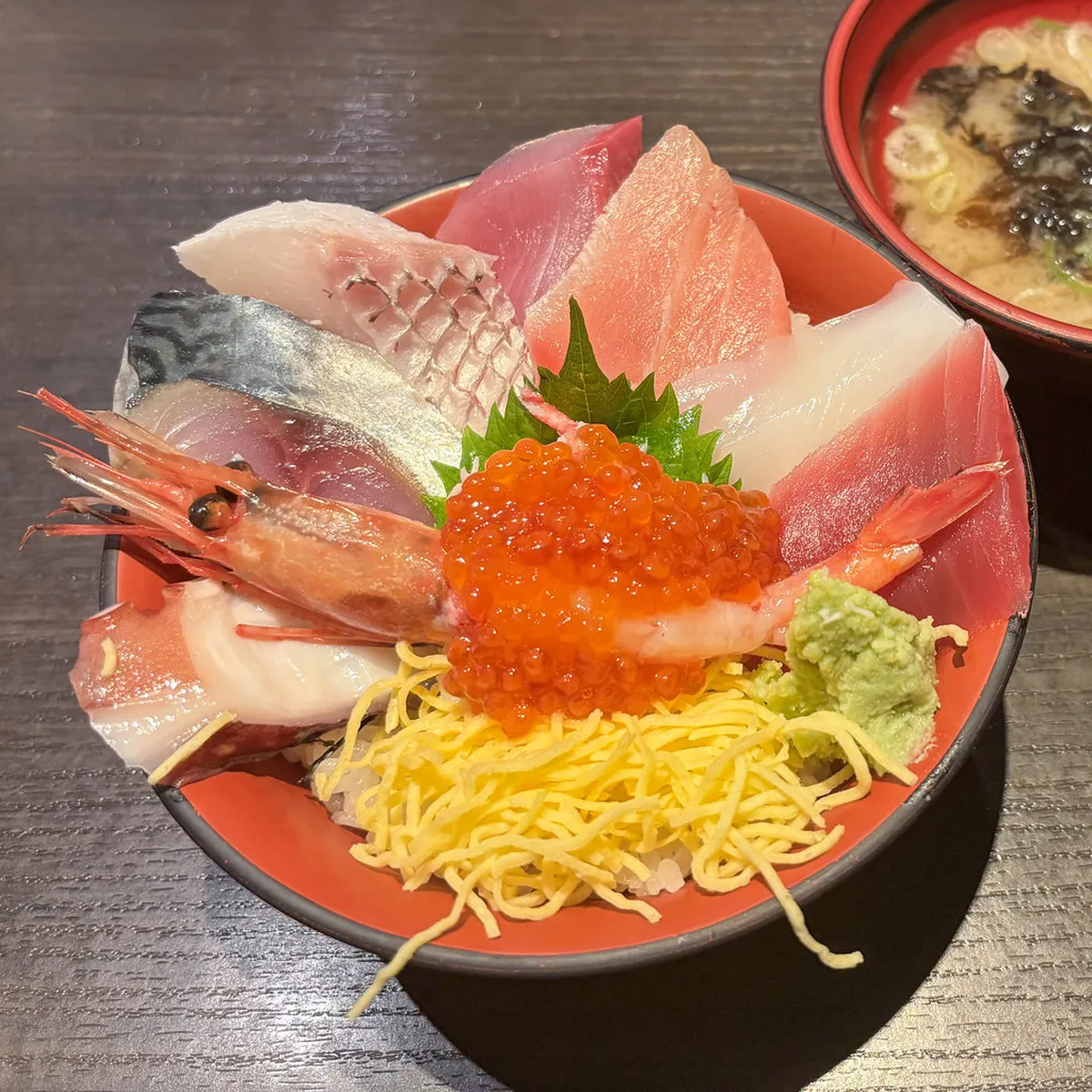
Morimori Sushi at Omicho Fureai-kan is arguably the most famous restaurant inside the market. It operates as a conveyor belt sushi restaurant, but the fish quality is significantly above typical kaiten-zushi because the kitchen sits metres away from the market's wholesale stalls. The restaurant opens at 10:00 and closes at 17:30, with Tuesdays off. During lunch service, the wait is usually 15 to 30 minutes. Arriving at 11:00 when doors open avoids the worst of it. Check out the Kanazawa's best restaurants guide for the full picture, but Morimori is a consistent top pick for good reason.
The standout pieces are the local Hokuriku sweet shrimp (botan ebi), which are plump and intensely sweet, the winter yellowtail (buri), and the sea urchin, which here avoids the metallic bitterness found in lesser examples. Individual pieces run from 250 yen to over 1,500 yen for premium cuts. A typical meal costs around 3,000 to 5,000 yen per person. The sushi rice is seasoned with a light vinegar and served at body temperature — a detail that separates it from cheaper competitors. There is a multilingual tablet ordering system, so language is not a barrier.
Gold Leaf Ice Cream and Chaya District Sweets
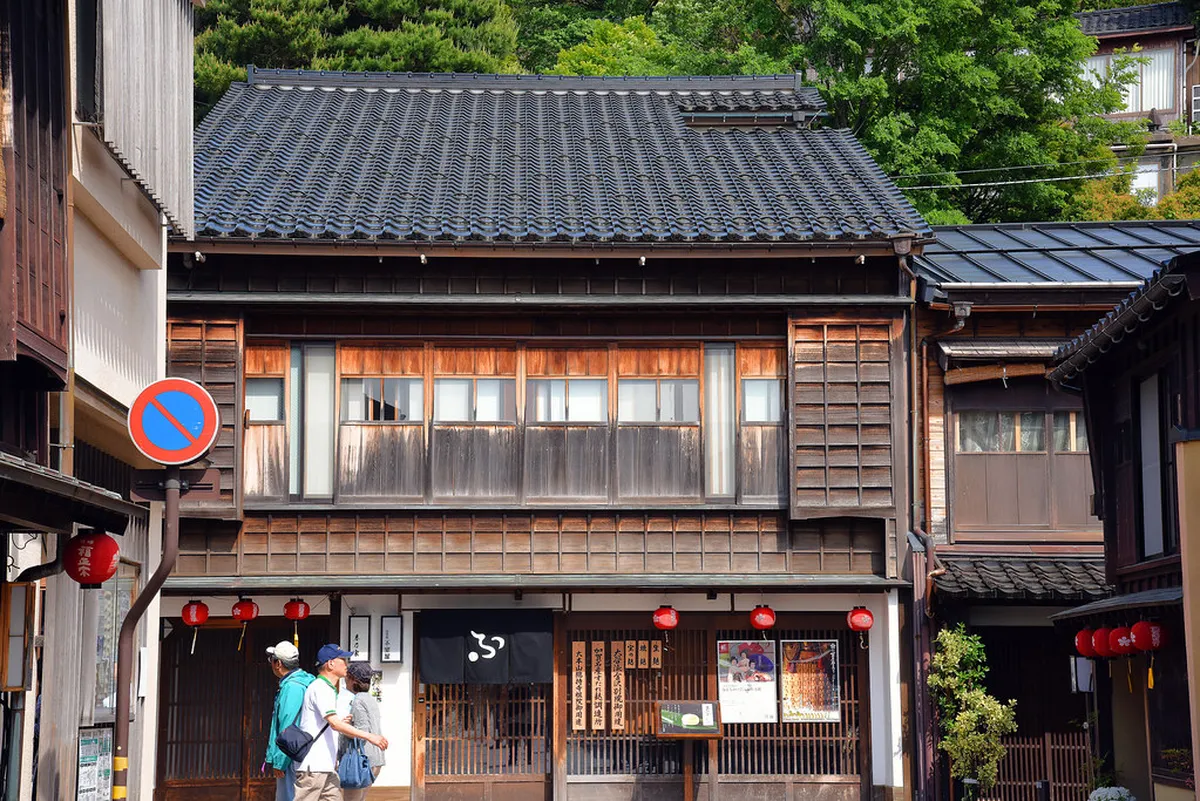
Kanazawa produces over 99% of Japan's gold leaf, and the city has found creative ways to put it on food. The most photographed result is the gold leaf soft serve at Kanakan Joy, a stall inside Omicho Market. Staff wrap a full sheet of edible gold around vanilla soft serve before handing it to you. The gold is tasteless and dissolves into a faint smooth texture — the point is the spectacle, and at around 1,300 yen it delivers a memorable photo. The stall opens at 07:30, closes at 16:00, and is shut on Sundays. Have your camera ready before they hand you the cone, because the gold tears in wind. For a deeper dive into Kanazawa's gold leaf culture, the gold leaf experience guide covers workshops where you can apply the leaf yourself.
The Higashi Chaya geisha district has its own cluster of sweet shops worth exploring. Le Musee de H is a French-style patisserie in the area that incorporates local Kaga ingredients — look for seasonal cakes using houjicha tea and Kaga sweet potato. The gold dust choux puffs sold by several vendors are lighter and crunchier than French-style choux, with an airy cream filling that makes them dangerously easy to eat. These districts are best visited mid-morning before vendors sell out and before tour groups arrive. The Kanazawa's best cafes guide lists the top spots in the chaya areas if you want to extend your time there.
Jibuni and Kaga Ryori: What Most Visitors Skip
Jibuni is Kanazawa's signature regional dish, and it appears on almost no visitor's radar despite being the most historically important food in the city. The dish is a thick, starchy braise made with duck or chicken, fu (large rings of dried wheat gluten), shiitake mushrooms, and Kaga vegetables in a sweet soy and mirin sauce. The gluten rings absorb the broth and take on a custard-like interior texture that has no close equivalent in other Japanese cuisines. You will find it at mid-range traditional restaurants around the samurai district and Katamachi, typically as part of a set lunch from around 1,500 to 2,500 yen.
Kaga ryori is the broader multi-course tradition that grew from the wealthy Kaga domain cooking of the Edo period. It features the 15 heritage Kaga vegetables — varieties like Kaga carrot (a large, deep-red root far sweeter than standard carrots), Kaga lotus root (thicker and starchier with larger holes), gourd, and Kaga turnip. These vegetables are available at Omicho Market and at any restaurant serving traditional Kaga cuisine. Kaiseki restaurants in the city build full menus around the seasonal rotation of these vegetables, combining them with local seafood and mountain ingredients from the Noto Peninsula. Budget kaiseki sets at lunch start from around 3,000 yen; dinner kaiseki ranges from 8,000 yen to well over 20,000 yen at acclaimed restaurants like Tsuruko.
Neither jibuni nor Kaga vegetables appear prominently in most tourist itineraries because they require sitting down at a traditional restaurant rather than eating on the go. That is exactly the reason to seek them out — they represent the city's most genuinely local food identity, and they are not available anywhere else in Japan.
Restaurants Near Omicho Market for a Sit-Down Meal
If the market stalls are too crowded or you want a table and a drink, several excellent restaurants cluster within a two-minute walk of the Musashigatsuji bus stop. Hikariya and Yajimon is an izakaya-style restaurant in a boat cabin interior that serves fresh sashimi, Noto oysters, and a semi-raw yellowtail cutlet that the kitchen is famous for. It opens at 17:30 Tuesday through Sunday and runs until midnight. Dinner averages around 3,800 yen per person. The owner pairs local Ishikawa sake with the seafood menu, which makes it a natural choice for an evening meal after an afternoon at the market.
Ohmicho Norichan, in the basement of the market building near the Hime Shrine entrance, opened in 2024 and focuses on Noto Beef Premium charcoal grilled rice bowls. It opens at 10:00 and closes at 17:00, with a food last-order at 15:00. Lunch prices run around 2,000 yen. The kitchen closes when it sells out, which can happen before the official closing time on busy weekends — arrive by 12:00 if you want to be safe.
For a special dinner, A la ferme de Shinjiro on Owari-cho is a French restaurant operated by a Kanazawa sake brewery and an organic farm. The dining room is built inside a renovated Taisho-era townhouse. The kitchen uses organic vegetables from the restaurant's own farm, fish delivered from Kanazawa Port and Noto Market, and pairs courses with the house wine made from Campbell grapes. Lunch runs about 7,000 yen per person; dinner is around 13,000 yen. It is closed Tuesdays and Wednesdays. This is the restaurant that best captures what Kanazawa's food culture can produce when its mountain, sea, and farming traditions converge.
Planning Your Meals Around a Kanazawa Day
A practical Kanazawa food day looks like this: reach Omicho Market by 10:30, pick up croquettes and Noto beef skewers as snacks while browsing the stalls, then sit down at Morimori Sushi or a kaisendon restaurant upstairs for lunch between 11:00 and 12:00. This timing gets you in before the queue peaks. Check the one-day Kanazawa plan guide for how to combine the market with nearby sightseeing on the same morning circuit.
Mid-afternoon is ideal for Higashi Chaya and gold leaf ice cream. Most chaya district sweet shops close by 18:00, so an hour or two there from 15:00 fits well before dinner. Book your evening restaurant before you leave home — the most popular options in Katamachi and Korinbo fill up days in advance during spring and autumn. Visitors who want to understand how seasonal timing affects the food on offer should read the the best season to visit Kanazawa guide, since snow crab is only available from November to March and some kaiseki menus change entirely between seasons.
Budget travelers can eat extremely well by concentrating on Omicho Market stalls and the city's kaiten-zushi restaurants near the station. A full market lunch including croquettes, oden, and a skewer costs under 2,000 yen. Conveyor belt sushi in Kanazawa sets a noticeably higher bar than the national chains — the fish is fresher because the city's supply chain runs directly from Sea of Japan ports. Families with children tend to find this format easiest because everyone picks what they want at their own pace. Plan your base with the the best areas to stay in Kanazawa guide to make sure you're within walking distance of the market and the chaya districts.
Frequently Asked Questions
Which what to eat in kanazawa options fit first-time visitors?
First-time visitors should prioritize kaisendon at Omicho Market and gold leaf ice cream in the Higashi Chaya district. These iconic dishes offer a perfect introduction to the city's unique culinary identity. You can find more tips in our Kanazawa travel tips guide.
How much time should you plan for what to eat in kanazawa?
Plan to spend at least two to three hours at Omicho Market to explore and eat. For a full culinary experience, allow for dedicated dinner time in the Katamachi area. Most travelers find that three days provides enough time to sample all the major local specialties.
What should travelers avoid when planning what to eat in kanazawa?
Avoid visiting Omicho Market on Wednesdays, as many stalls are closed. Do not wait until late afternoon to find lunch, as many popular restaurants sell out of fresh seafood early. Also, remember that some high-end kaiseki restaurants require reservations several weeks in advance.
Kanazawa is a true paradise for food lovers, offering everything from street snacks to elegant multi-course meals. By visiting Omicho Market early and exploring the historic districts, you can experience the very best of Japanese cuisine. Make sure to book your accommodation in Kanazawa near the central transport hubs for easy access to these dining spots. Enjoy your journey through the delicious flavors of this historic city during your 2026 trip.
Free: The Kanazawa Essentials guide
Top things to do, where to stay, a perfect day plan, getting around, and the best time to go — a Kanazawa mini-guide you can take offline.
You might also like

Continue reading
More guides you'll find useful