
Tokyo To Kanazawa Travel Guide
Plan a trip from tokyo to kanazawa with expert picks, neighborhood context, timing tips, and practical booking advice for a smoother 2026 Japanese adventure.
On this page
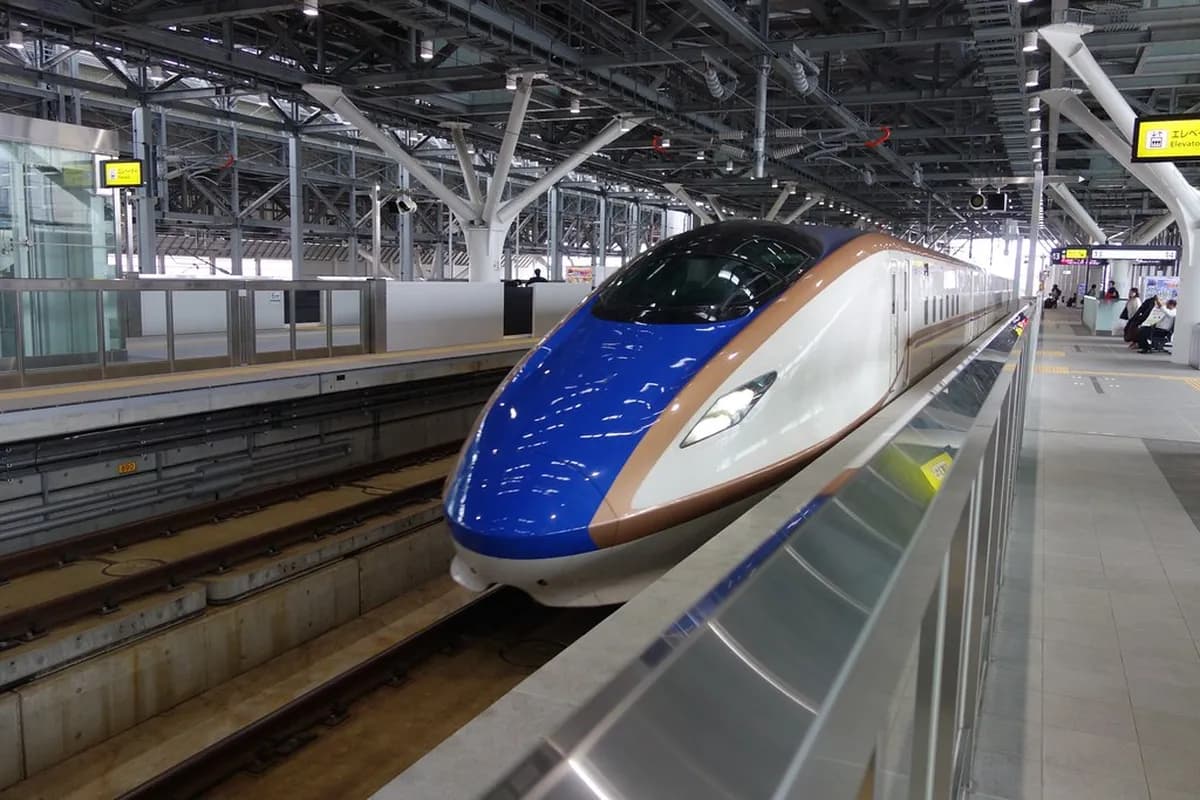
Traveling from Tokyo to Kanazawa takes as little as two and a half hours by Shinkansen, making it one of the most accessible detours on any Japan itinerary. The Hokuriku Shinkansen connects Tokyo Station directly to JR Kanazawa Station, which opened the city to far more visitors when the line launched in 2015. Before the line existed, reaching Kanazawa required a transfer at Nagoya or Osaka — now it is a single, seamless ride.
Understanding How To Get To Kanazawa: 7 Best Routes and Travel Tips efficiently means knowing which transport mode fits your schedule, budget, and travel style. The Shinkansen is the clear first choice for most visitors, but buses, flights, and even driving each have specific situations where they make sense. This guide lays out every option with real prices so you can make the right call before you book.
Run your party size and luggage through the Tokyo–Kanazawa car vs train calculator to compare the full rental, fuel, toll and parking total with rail.
From Tokyo to Kanazawa
Kanazawa sits roughly 300 km northwest of Tokyo on the Sea of Japan coast. The four main ways to get there are the Shinkansen, a domestic flight, a highway bus, or driving. Each option involves a very different trade-off between time, cost, and comfort.
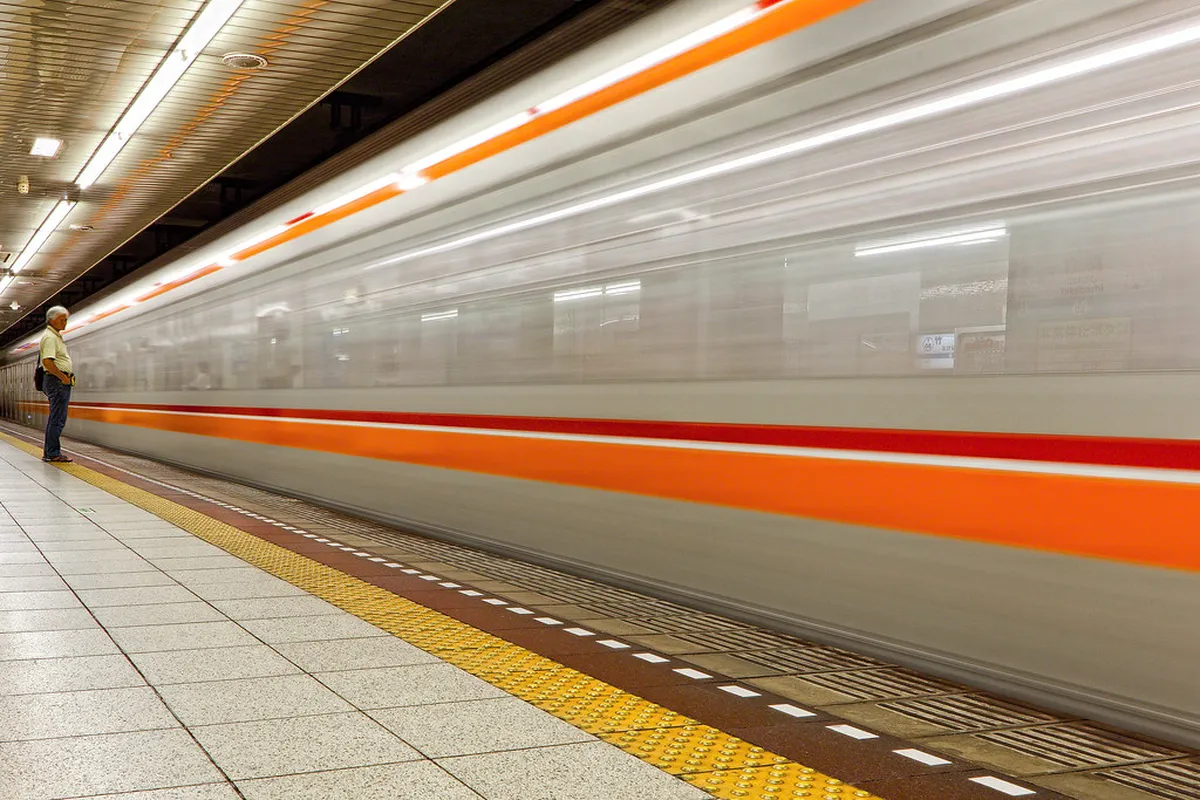
The Shinkansen is the fastest and most convenient for the majority of travelers. It departs from central Tokyo Station and arrives directly at Kanazawa Station, no airport transfers required. A standard one-way unreserved ticket costs around ¥14,580 in 2026, with reserved seats costing slightly more depending on the service.
Highway buses are the cheapest option at around ¥3,700 upward but take eight to nine hours. Flights from Haneda to Komatsu Airport cost from around ¥9,000 but require an extra 40-minute bus transfer into the city. Driving takes about six hours and racks up ¥8,870 or more in highway tolls before factoring in fuel.
| Mode | Journey Time | Cost (2026) | Notes |
|---|---|---|---|
| Shinkansen Kagayaki | ~2.5 hours | ¥14,580 | Fastest; reserved seat required; departs Tokyo Station |
| Shinkansen Hakutaka | ~3 hours | ¥13,500–¥14,580 | More stops; unreserved cars available |
| Flight (Haneda → Komatsu + bus) | ~2.5 hours door-to-door | ¥10,300–¥12,300 | Check-in + 40 min airport bus adds overhead |
| Highway bus (overnight) | ~8.5 hours | From ¥3,700 | Budget option; save a night's accommodation |
| Driving | ~6 hours | ¥8,870+ tolls + fuel | Useful only if touring by car |
Taking the Shinkansen (bullet train) to Kanazawa
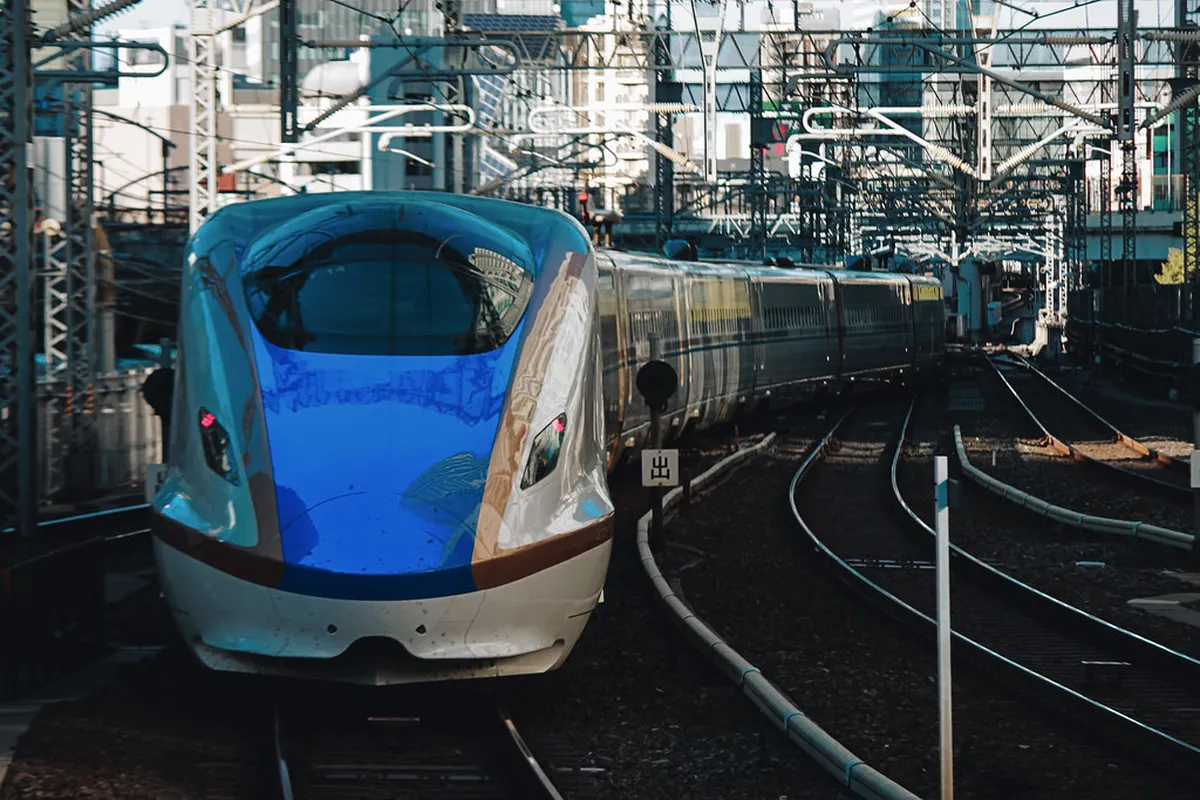
The Hokuriku Shinkansen is the fastest and most comfortable way to complete the journey from the capital. You can check the best time to visit Kanazawa to align your train trip with seasonal festivals. The rapid Kagayaki train reaches the city in approximately two hours and thirty minutes with very few stops along the way.
Reservations are mandatory for all seats on the Kagayaki service, so you must book before boarding. The Hakutaka train makes more stops and takes about three hours, but it does offer non-reserved cars if you prefer flexibility. Both services depart from Tokyo Station and Ueno Station multiple times every hour throughout the day, starting from around 06:00.
Onboard facilities include spacious seating, large windows for sightseeing, and clean restrooms in every carriage. Buying an ekiben (station lunch box) at Tokyo Station before boarding is a well-loved ritual for this route. Most seats have power outlets so you can keep devices charged during the 150-minute ride.
Travelers with large suitcases should note the JR rules for oversized luggage on the Shinkansen. Since 2020, bags larger than 160 cm in total dimensions require an advance seat reservation at a specific luggage space near the rear of certain cars. Checking these Kanazawa Travel Tips: The Ultimate Guide to Japan's Little Kyoto will help you navigate station rules without surprises on departure day.
- Kagayaki Express: 2.5 hours, reserved seats only, departs ~twice per hour
- Hakutaka Service: ~3 hours, unreserved cars available, more stops
- Regular one-way fare: approximately ¥14,580 (2026)
- Boarding stations in Tokyo: Tokyo Station or Ueno Station
Hokuriku Arch Pass vs Japan Rail Pass
The JR Pass price increase in October 2023 changed the calculation for many visitors. A standard 7-day JR Pass now costs around ¥50,000, up sharply from its pre-2023 price. A round-trip Tokyo–Kanazawa Shinkansen journey costs about ¥29,160, meaning the 7-day JR Pass rarely breaks even on just this route alone.
Before buying a pass for this route, run it through our free JR Pass Calculator — it checks the national JR Pass and every relevant regional pass against pay-per-ride fares for your full itinerary.
The Hokuriku Arch Pass is a much better-value choice for travelers whose itinerary runs Tokyo → Kanazawa → Kyoto (or Osaka). This 7-day regional pass costs ¥24,500 when purchased outside Japan and covers the Hokuriku Shinkansen in both directions, plus onward travel to the Kansai region. That single pass covers all the Shinkansen fares you need without paying for lines you will never use.
The full JR Pass still makes sense if you plan to branch out significantly — Hiroshima, Hokkaido, or multiple overnight Shinkansen journeys. But for the standard Tokyo–Kanazawa–Kyoto loop, the Hokuriku Arch Pass saves roughly ¥25,000 over the JR Pass while covering all the same legs. Buy it before you leave home, as it cannot be purchased inside Japan.
For a one-off visit without a pass, buying individual tickets at the station ticket machines or online is straightforward. Checking the 10 day Japan Itinerary: Tokyo, Kyoto and Kanazawa can help you judge how many train legs you will actually use, which makes the pass math much clearer before you commit to buying.
Flying from Tokyo to Kanazawa
The closest airport to Kanazawa is Komatsu Airport, located in the neighboring city of Komatsu. Flights from Tokyo Haneda to Komatsu take about one hour and are operated by ANA and JAL. One-way fares run from around ¥9,000 to ¥11,000 when booked in advance, which is cheaper than a standard Shinkansen fare on paper.
However, the total door-to-door time is often longer than the train. Haneda Airport requires at least 30–45 minutes from central Tokyo, check-in adds another 45–60 minutes, and the Komatsu Airport Limousine Bus into Kanazawa city center or station takes another 40 minutes. In practice, flying rarely saves time unless you are already near Haneda or connecting from an international flight.
One useful advantage of the airport bus is that it stops at Korinbo, right in the heart of Kanazawa's shopping and sightseeing district, as well as at Kanazawa Station. If you land at Komatsu before midday, you can step off the bus directly in the center of town without detours. The bus fare is ¥1,300 for adults and ¥650 for children.
With only ten flights per day on the Komatsu route, flight times are limited — there are no low-cost carrier options on this domestic sector. Book well in advance for the early morning or late evening departures if you want the cheapest fares. For most visitors arriving fresh to Japan, the Shinkansen is still the easier and more reliable choice.
Highway Buses from Tokyo to Kanazawa
Highway buses are the most affordable way to travel between the two cities, with fares starting at around ¥3,700 for the least comfortable overnight services. Buses depart from Shinjuku Station, Tokyo Station, and Tokyo Disneyland, giving you flexibility depending on where you are based in the capital. The journey takes approximately eight and a half hours.
Overnight buses are particularly popular with budget travelers because you save on one night of accommodation while covering the distance. You board late in the evening and wake up in Kanazawa, ready to start the day. More comfortable premium buses with wider seats and individual curtains cost up to ¥12,000 but are still far cheaper than the Shinkansen for a solo traveler.
Willer Express runs several services with varying comfort levels including their signature relaxing seat format. You can also book buses at 12Go for a simple English-language booking experience that covers multiple operators and price points. Always book a few days ahead during Golden Week (late April to early May) and the Obon holiday period in mid-August, when services fill up quickly.
Best Time to Visit Kanazawa
Spring (late March to early May) is the most popular season, when cherry blossoms bloom across Kenroku-en Garden and the castle grounds. The combination of blossoms and historic architecture makes for spectacular scenery, but it also brings larger crowds and higher accommodation prices. Book transport and hotels at least two months in advance if you plan to visit during the peak cherry blossom window.
Autumn (October to November) is widely considered the best time for comfortable temperatures and vibrant foliage. Kenroku-en turns vivid red and gold, and the city hosts the Kanazawa Jazz Street festival in September. Crowds are smaller than spring and the weather is dry and mild, making it ideal for walking the Higashi Chaya geisha district.
Winter brings heavy snow to Kanazawa, which transforms the city into a deeply atmospheric destination. Local crews wrap the pine trees in the garden with yukitsuri (rope supports) to protect them from the snow's weight, creating a visual that is uniquely associated with Kanazawa. The colder months mean fewer tourists and lower prices, and the city's seafood markets are at their best from December through February.
Summer (June to August) is humid and occasionally rainy during the rainy season in early June, but the region clears up by late July. The Best Things to Do in Kanazawa in 2026 are quieter than in spring, and you can explore the samurai and geisha districts at a relaxed pace. Visiting on a weekday in any season consistently means shorter queues at Kenroku-en and the 21st Century Museum of Contemporary Art.
Top Things to Do in Kanazawa
Kenroku-en is the centerpiece of any Kanazawa visit and ranks among Japan's three best landscape gardens. The garden covers 11.4 hectares and features ponds, streams, and centuries-old trees maintained by the city with meticulous care. Entry costs ¥320 for adults and the gates open at 07:00, so arriving early rewards you with near-empty paths before tour groups arrive.
The Higashi Chaya district is Kanazawa's best-preserved geisha quarter, with rows of wooden latticed ochaya teahouses lining narrow streets. A handful of the teahouses now operate as cafes and craft shops where you can try gold leaf ice cream — a local specialty unique to Kanazawa, which historically produced more gold leaf than anywhere else in Japan. The district is compact and best explored on foot in under two hours.
The 21st Century Museum of Contemporary Art houses internationally renowned interactive works, including Leandro Erlich's famous swimming pool installation. Admission to the permanent collection zones is free; ticketed exhibitions run ¥1,000–¥1,800. The museum sits a five-minute walk from Kenroku-en, making both an easy same-day combination.
The Omicho Market is the city's main fresh food market, dating back 280 years, and is the best place to eat a seafood lunch. Snow crab, yellowtail, and sweet shrimp from the Sea of Japan fill the stalls from autumn through spring. A 1 Day in Kanazawa: Perfect One-Day Itinerary that pairs Omicho Market with a morning at Kenroku-en covers the two non-negotiable highlights in a single half-day loop.
Where to Stay in Kanazawa
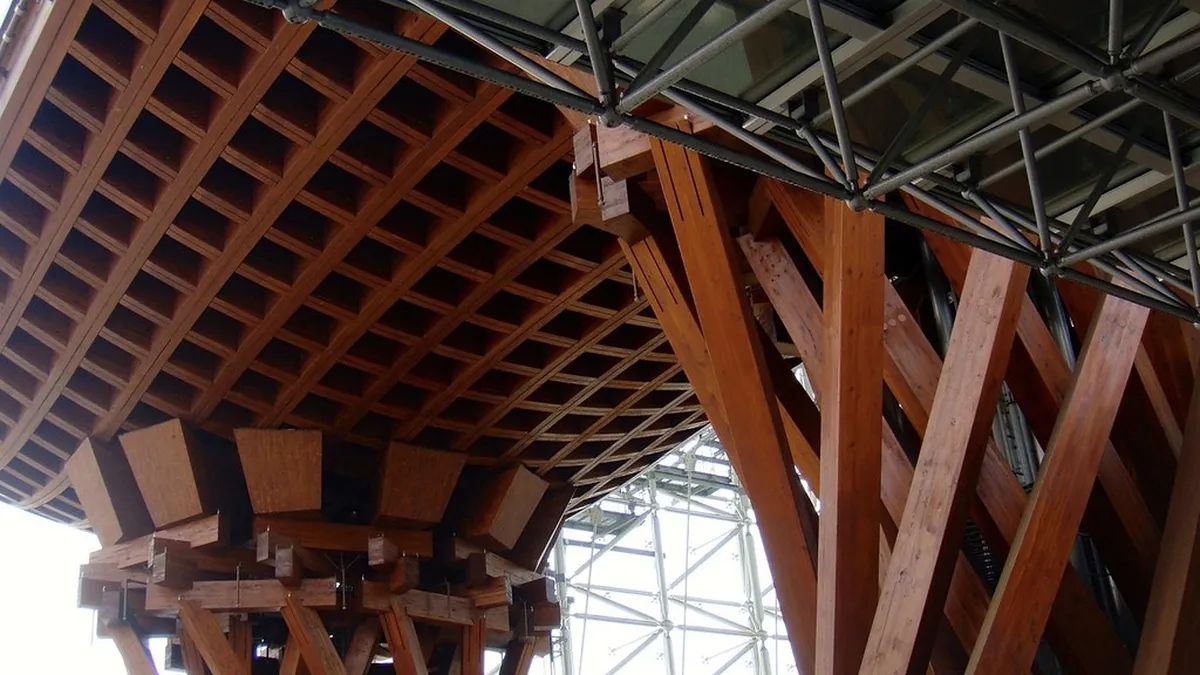
Finding the right place to stay shapes how easily you can reach Kanazawa's main sights. Kanazawa Station is the main transport hub and the best base for travelers relying on local buses. This area has a strong selection of modern business hotels with English-speaking staff, all within walking distance of the station's iconic wooden gate.
For a more authentic experience, look for a traditional ryokan in the Higashi Chaya or Kazue-machi districts. These Japanese inns offer tatami floors, futon beds, and multi-course kaiseki meals that highlight local seasonal ingredients. Booking these unique accommodations several months in advance is highly recommended as they have limited rooms and sell out fast during sakura and autumn foliage seasons.
Budget-conscious travelers can find great value in capsule hotels or quality hostels located near major transit points. The Best Budget Hotels in Kanazawa lists reliable affordable options near the station. If you have a larger budget, the Best Luxury Hotels in Kanazawa includes properties with garden views and traditional full-service amenities.
Day Trip from Kanazawa to Shirakawa-go
A visit to the UNESCO World Heritage site of Shirakawa-go is a must for anyone staying in the region. This mountain village is famous for its traditional gassho-zukuri farmhouses with steep thatched roofs designed to withstand the area's heavy snowfall. You can reach the village by taking a scenic bus that runs from Kanazawa Station in approximately 75 minutes.
Booking a Kanazawa to Shirakawa-go day trip requires making bus reservations at least a few days before you travel, particularly during autumn and winter when the landscape is most dramatic. Several bus companies operate this route and tickets sell out during peak season. The journey takes you through high mountain tunnels and over elevated bridges with sweeping valley views.
Once you arrive, walk through the village to see how local people lived for centuries. Several of the larger farmhouses are open as museums showing the internal structure of their thatched roofs. Walk up to the Shiroyama Viewpoint for the classic panoramic view of the entire village below — it takes about ten minutes and the payoff is the most iconic image in the Hokuriku region.
Many travelers combine Shirakawa-go with a visit to the nearby historic town of Takayama, which requires an additional bus leg. Always check the mountain weather forecast, as conditions change quickly in winter and early spring. Buses for this circuit can also be booked at Kanazawa Station's tourist information counter on the day if seats remain available.
Frequently Asked Questions
Which tokyo to kanazawa options fit first-time visitors?
The Shinkansen is the best choice for first-time visitors due to its speed and ease of use. It takes only 2.5 hours and departs from central Tokyo Station. You can find more details in our Kanazawa Travel Tips: The Ultimate Guide to Japan's Little Kyoto guide.
How much time should you plan for tokyo to kanazawa?
You should set aside at least three hours for the total journey when including station navigation. The train ride itself is roughly 150 minutes on the fastest service. Allow extra time if you are traveling with large luggage or during peak hours.
What should travelers avoid when planning tokyo to kanazawa?
Avoid traveling during the busy Golden Week or New Year holidays without booking your train tickets weeks in advance. Also, try not to bring oversized suitcases on the Shinkansen without a reservation. These mistakes can lead to long delays or extra fees.
Is tokyo to kanazawa worth including on a short itinerary?
Yes, it is definitely worth it because the fast train makes a day trip or overnight stay very feasible. Kanazawa offers a unique cultural experience that feels very different from the capital. It provides a perfect balance to the modern energy of Tokyo.
Moving from the bustling energy of Tokyo to the refined traditions of Kanazawa is a journey you will not forget. With multiple transport options available, you can choose the route that best fits your time and budget. Proper planning ensures you spend less time worrying about logistics and more time enjoying Japan.
Whether you zip across the country on the Hokuriku Shinkansen or take an overnight bus to save on accommodation, the destination rewards you. Kanazawa's gardens, samurai history, and fresh Sea of Japan seafood provide a wonderful contrast to the capital. Use this guide to navigate the transition smoothly and make the most of every moment in 2026.
Start your adventure by booking your transport and accommodation well in advance to secure the best rates and availability. For first-timers, buy the Hokuriku Arch Pass before leaving home — it covers the full Tokyo-Kanazawa-Kyoto circuit and saves roughly ¥25,000 over the standard JR Pass on this specific itinerary.
Free: The Kanazawa Essentials guide
Top things to do, where to stay, a perfect day plan, getting around, and the best time to go — a Kanazawa mini-guide you can take offline.
You might also like

Continue reading
More guides you'll find useful


