Himeji From Osaka: 8 Essential Tips for Your Day Trip
Discover the best ways to get from Osaka to Himeji. Compare Shinkansen vs. JR trains, explore Himeji Castle, and plan your perfect day trip itinerary.
On this page
Reaching Himeji from Osaka is one of the easiest and most rewarding journeys you can make in Japan. The city is home to Himeji Castle, known as the White Heron Castle and widely regarded as Japan's finest surviving feudal fortress.
You can depart central Osaka and stand at the castle gate in under an hour, depending on which train you choose. Three distinct rail options cover the route, each with its own balance of speed, cost, and convenience.
This guide breaks down every transit option in plain terms, then walks you through the castle, its gardens, the mountain temple at Mt. Shosha, and the practical details of getting around the city once you arrive.
Why Himeji is the Ultimate Day Trip from Osaka
Himeji Castle history and visitor information — one of only twelve original Japanese castles that survived World War II intact. It is a UNESCO World Heritage Site and a registered National Treasure — two designations that very few structures in Japan hold simultaneously. A 2015 renovation returned its exterior to a brilliant chalk-white finish, earning its nickname anew.
The city sits roughly 90 kilometres west of Osaka along the JR Kobe Line, which means the journey is direct and requires no complicated transfers. Most visitors allocate a full day and find it perfectly manageable as a round trip from Osaka, returning in time for dinner. Plan your time using our full our Himeji day-trip itinerary guide for a complete day-by-day breakdown.
Beyond the castle, Himeji offers Koko-en Garden, the mountain temple complex at Mt. Shosha, and two excellent city museums within walking distance of the North Exit. The density of sights near the station makes it unusually efficient for a day trip: you spend almost all your time at attractions, not in transit within the city. If you want to keep exploring after returning to Osaka, our guide to things to do in Osaka covers the city's best attractions in full.
Traveling by Shinkansen from Shin-Osaka Station
The Shinkansen is the fastest option. Board at Shin-Osaka Station and you arrive at Himeji in 30 to 40 minutes depending on the service. The Hikari and Sakura trains stop at Himeji directly; the faster Nozomi and Mizuho services do not stop there and are also excluded from Japan Rail Pass coverage.
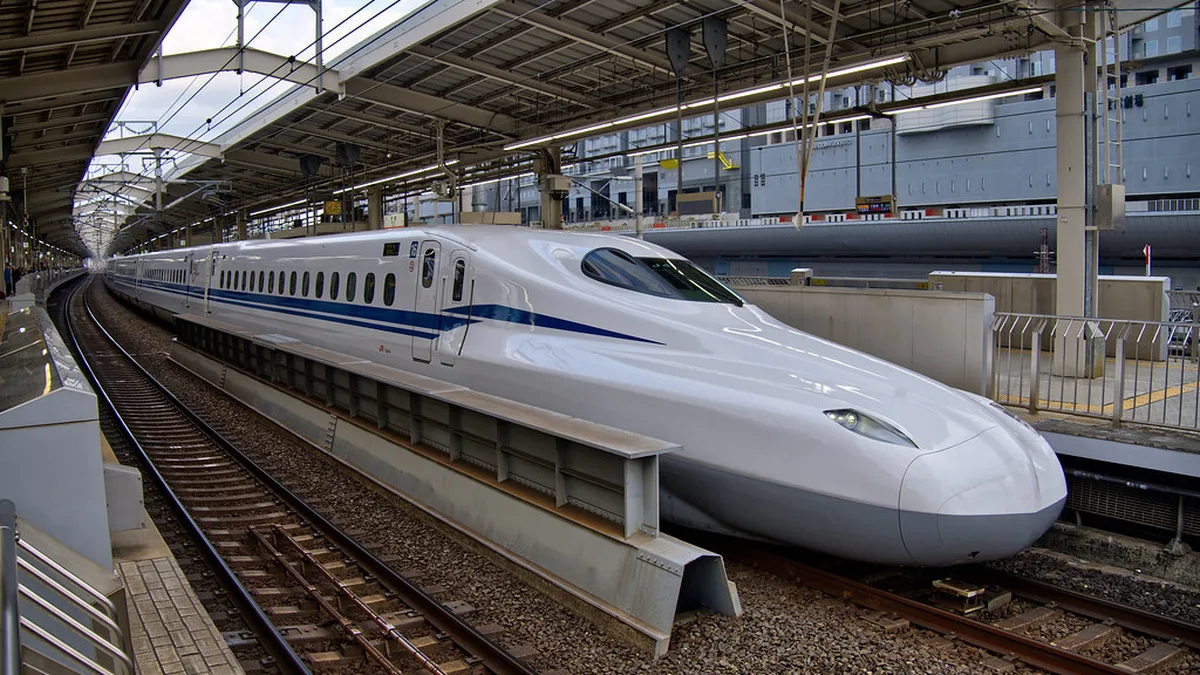
An unreserved seat on the Shinkansen costs 3,220 yen one way. A reserved seat runs approximately 3,870 yen, though reserved fares fluctuate slightly by season. If you hold a valid Japan Rail Pass, the Hikari and Sakura services are fully covered with no additional surcharge — making this the top choice for JR Pass holders wanting maximum efficiency.
Shin-Osaka Station is large, so allow ten minutes to navigate from the entrance to the Shinkansen gates. Signage is clear in English. Trains depart frequently throughout the day, so you rarely need to reserve far in advance for a local hop like Osaka to Himeji.
The JR Pass covers the Hikari and Sakura Shinkansen services with no surcharge — but not the Nozomi or Mizuho, which are faster and do not stop at Himeji. Stick to Hikari or Sakura and the pass pays for itself on this route alone.
| Route | Time | Cost (one way) | JR Pass |
|---|---|---|---|
| Shinkansen (Hikari/Sakura) from Shin-Osaka | ~30–40 min | 3,220 yen (unreserved) | Yes |
| JR Special Rapid from Osaka Station | ~62–64 min | 1,520 yen | Yes |
| Hanshin Limited Express from Osaka-Umeda | ~95–112 min | 1,350 yen | No |
Traveling by JR Special Rapid Service from Osaka Station
The JR Special Rapid Service on the Kobe Line runs directly from Osaka Station to Himeji Station in around 62 to 64 minutes with no transfer required. The one-way fare is 1,520 yen, which is roughly half the Shinkansen cost. JR Pass holders can use this service as well, and IC cards (Suica, Icoca, or ICOCA) work at the gates — no paper ticket needed.
These trains run very frequently throughout the day, typically every 15 to 30 minutes depending on the hour. Seats are unreserved, so the train can fill up between Osaka and Kobe during morning rush hours (07:30 to 09:00). Boarding at Osaka Station rather than a later stop gives you the best chance of a seat for the full journey.
This is the sweet spot for most day trippers: fast enough to leave more time in Himeji, cheap enough to leave budget for the combined castle ticket. For everything to expect once you arrive, see our the Himeji Castle ticket guide guide.
Traveling by Direct Limited Express from Hanshin Osaka-Umeda
The Hanshin Electric Railway runs a direct limited express from Hanshin Osaka-Umeda Station to Sanyo Himeji Station. The fare is approximately 1,350 yen one way and the journey takes between 1 hour 35 minutes and 1 hour 52 minutes depending on the timetable. Hanshin Osaka-Umeda is located immediately beside JR Osaka Station, so switching to this option is straightforward if you are already in Umeda.
Sanyo Himeji Station sits right next to JR Himeji Station, so you arrive at essentially the same starting point as JR passengers. The main trade-off is time: you add roughly 30 minutes to your journey each way. The savings versus the JR Special Rapid (about 170 yen each way) are real but modest, not transformative. This route is not covered by the Japan Rail Pass.
The train passes through coastal stretches near Kobe and offers views that the underground JR sections miss. If you are traveling without a JR Pass and want to keep costs down across a longer itinerary, the Hanshin option deserves consideration — particularly if you are staying near Namba or the Hanshin Umeda area and want to avoid the transfer to Osaka Station entirely.
Hanshin saves about 170 yen each way versus the JR Special Rapid but adds roughly 30 minutes to your journey each way. For a full day in Himeji, that extra hour of travel is rarely worth the saving — the JR Special Rapid is the better call for most visitors without a JR Pass.
Timing Your Arrival: Otemae-dori and the Castle Approach
From the North Exit of Himeji Station, Himeji Castle is visible at the end of a wide, straight boulevard called Otemae-dori. The walk takes about 20 minutes at a comfortable pace. Unlike most castle approaches in Japan, this one is designed as a long visual runway — the fortress appears to float at the end of the road as you walk toward it, growing larger with each block.
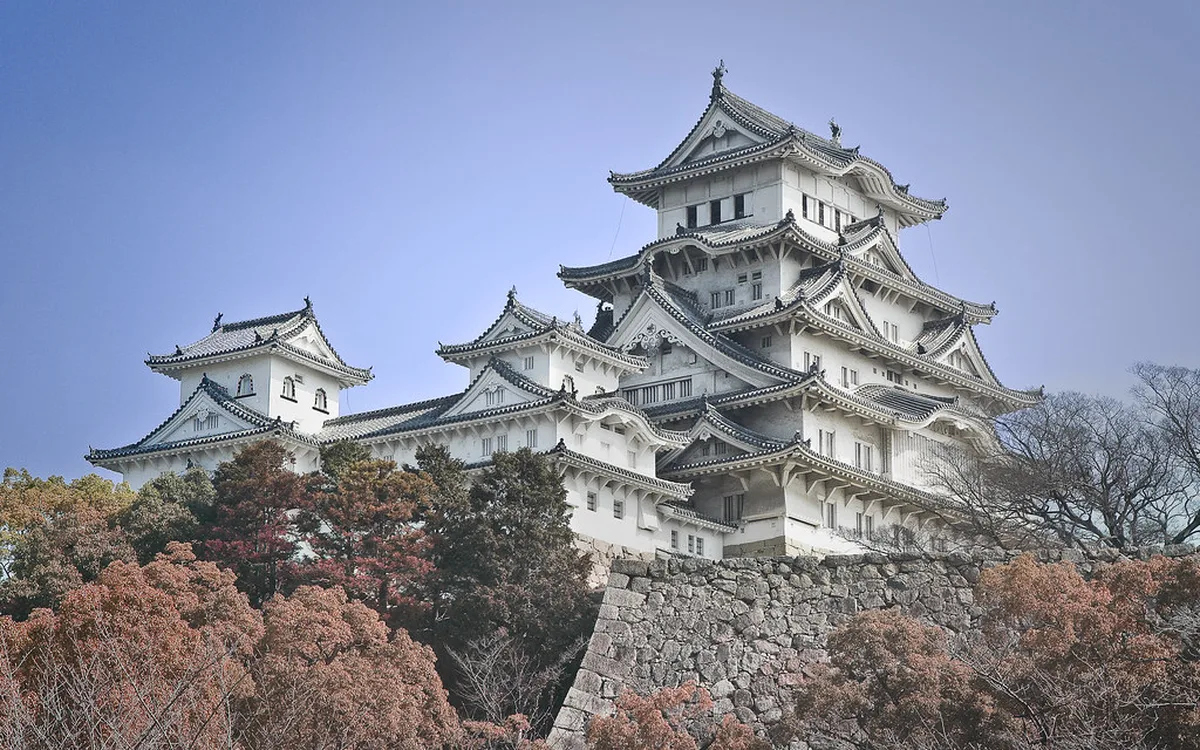
Photographers get the best unobstructed framing from the midpoint of the boulevard, roughly 10 minutes into the walk, where the road widens and the castle fills the top third of the frame cleanly. Arrive before 09:00 on a weekday and the boulevard is nearly empty of pedestrians. By 10:30 on weekends or during cherry blossom season, crowds on the approach can obscure the foreground entirely.
During busy periods in April (cherry blossoms) and August (Obon), the wait to enter the main keep can reach 60 minutes. Arriving at opening time (09:00) cuts that wait to almost nothing. The Himeji Castle Loop Bus also departs from the Shinki Bus Center at the North Exit and stops directly at the Otemon gate for 100 yen — useful if you want to save your legs for the interior climb.
Navigating Himeji Castle and Guided Tours
Adult entry to the main keep is 2,500 yen. Koko-en Garden costs 400 yen separately, but a combined ticket for both is available at the castle ticket office for around 2,600 yen — a small saving that also spares you the need to buy another ticket later. Children enter both for free. The castle is open 09:00 to 17:00 daily with last entry at 16:00; it closes on 29 and 30 December.
Volunteer English-speaking guides station themselves near the Otemon main gate and are free to use. These are typically retired local residents with deep knowledge of the castle's military architecture, the family crests embedded in the roof tiles, and the legend of Okiku's well inside the grounds. Taking a 45-minute guided walk before climbing the keep independently gives the interior much more context.
Inside the main keep, you remove shoes at the entrance and carry them in a plastic bag provided on site. The interior has six floors connected by steep, narrow staircases — manageable for most visitors but genuinely challenging for anyone with knee problems. Wear socks with grip. The sixth floor offers a panoramic view over the Harima Plain that many visitors call the highlight of the entire castle experience.
- Castle opening hours: 09:00 to 17:00 (last entry 16:00)
- Adult castle entry: 2,500 yen
- Adult combined ticket (castle + Koko-en): approx. 2,600 yen
- Closed: 29 and 30 December
Relaxing at Koko-en Garden and Soju-an Tea House
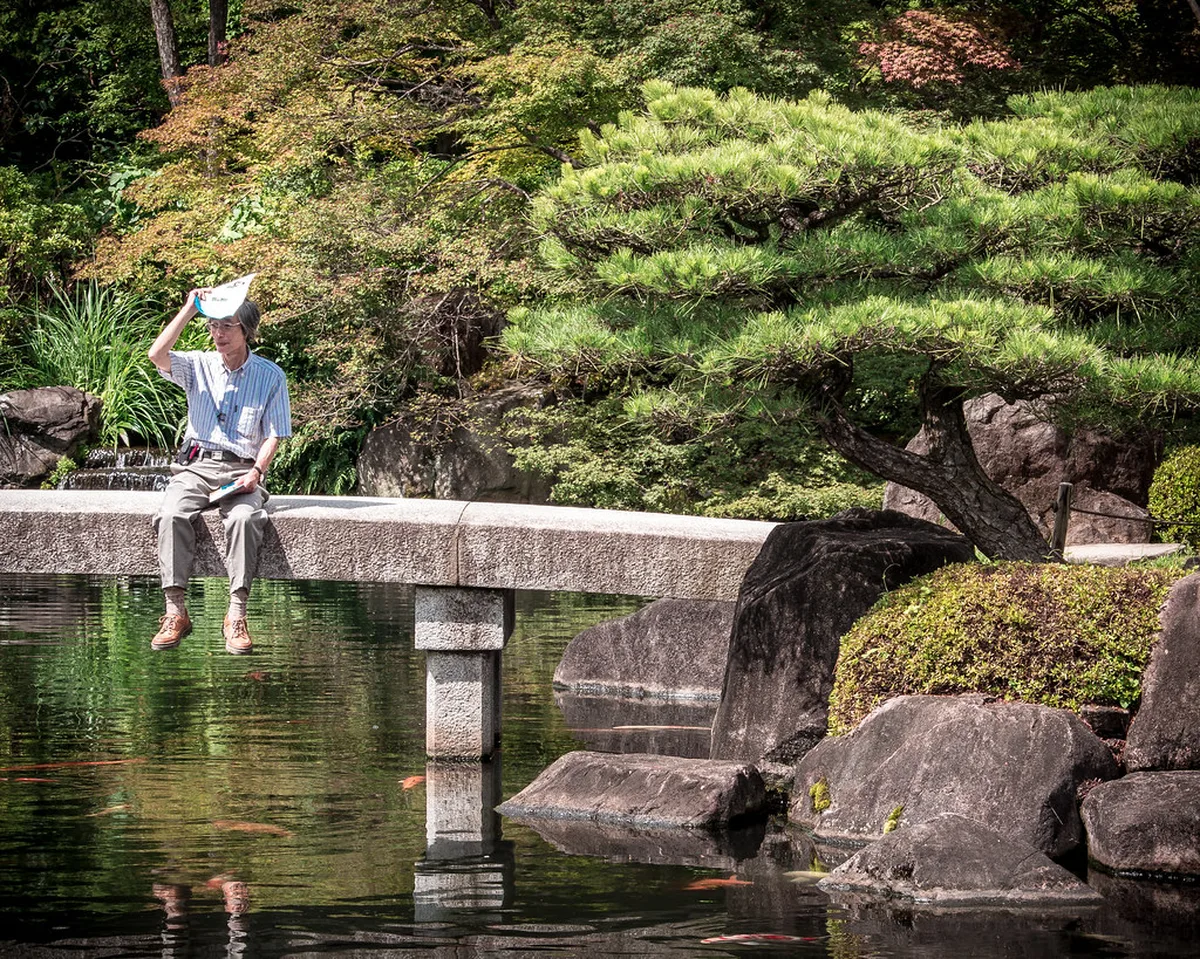
The Koko-en Garden walled enclosures and tea house opened in 1992 on the site of former samurai residences west of the castle. It is not one garden but nine separate walled enclosures, each designed in a different Edo-period style. Divided by earthen walls that follow the original street plan, the gardens transition from pine forests to bamboo groves to koi ponds within a short walk.
Inside the garden, the Soju-an Tea House serves a bowl of matcha and a seasonal sweet for about 500 yen. The experience is informal — staff seat you, explain the basics, and bring the tea to you. Wait times are usually short (five to ten minutes) outside of autumn foliage season in November, when the garden draws its largest crowds. It is a genuine rest stop: flat ground, shade, and somewhere to sit after the castle climb.
The garden is open 09:00 to 17:00 (to 18:00 between 27 April and 31 August), with last entry 30 minutes before closing. It closes on 29 and 30 December. If you bought the combined castle ticket, simply show it at the garden gate — no separate purchase needed.
Exploring Mt. Shosha and Engyo-ji Temple
Mt. Shosha sits on the northwestern edge of the city and holds the Engyo-ji Temple complex and ropeway access guide, a Buddhist complex founded in 966. The site is internationally known as a filming location for the 2003 film The Last Samurai, but the temple itself predates that association by a thousand years. Expect to spend at least two hours here to walk the forested paths between the wooden halls.
Getting there requires two legs of transport. Take Bus #8 from bus stop #10 at the Shinki Bus Center on the North Exit side of Himeji Station. The bus runs approximately every 20 minutes and the journey to the ropeway base takes 30 minutes. At the base, the ropeway cable car runs every 15 minutes and takes five minutes to reach the summit.
A combination bus-and-ropeway roundtrip ticket is sold at the Shinki Bus Center information desk for 1,700 yen for adults. This covers the return bus journey and the return ropeway ride. Temple entry costs an additional 500 yen at the top. A mini shuttle bus runs from the ropeway summit to the main temple hall for 500 yen return — the walk takes 16 minutes on an uneven forest path. Note that the last cable car down departs at 17:00, so plan Mt. Shosha either as a morning activity (departing Himeji Station by 09:15) or ensure you are back at the ropeway base before 16:45.
Getting Around Himeji: Walking, Loop Bus, and Bicycle
The Himeji City Tourist Information Center is on the ground floor of Himeji Station near the North Exit. It has English-speaking staff, free Wi-Fi, and a small stock of bicycles available to borrow free of charge. For most visitors the main decisions are whether to walk the Otemae-dori boulevard, take the Loop Bus, or cycle.
The Himeji Castle Loop Bus departs from the Shinki Bus Center at the North Exit and serves the castle gate (Otemon stop), the Himeji City Museum of Art red-brick building, the Hyogo Prefectural Museum of History, the Museum of Literature, and Koko-en Garden. A single ride costs 100 yen for adults. The day pass is 300 yen and includes small admission discounts at the castle, Koko-en Garden, and the City Museum of Art — useful if you plan to visit more than one of those venues. Buses run from 09:00 to 17:00.
Cycling works well for the flat streets between the station and the castle district. Rental shops cluster near the North Exit. For visitors incorporating both the castle area and Mt. Shosha into one day, the most efficient sequence is Mt. Shosha first by bus in the morning (quieter crowds), then the castle and garden on foot or by Loop Bus in the afternoon. For a wider look at what the city has to offer, explore our things to do in Himeji guide.
Planning the day itself? See our guide to the best things to do in Himeji, map your time with the half-day vs full-day itinerary, and review Himeji Castle tickets and visiting tips before you set off.
Frequently Asked Questions
How long is the train from Osaka to Himeji?
The journey takes about 30 minutes by Shinkansen from Shin-Osaka Station. If you take the JR Special Rapid Service, it takes roughly 60 minutes. Budget travelers using the Hanshin Line should plan for a 90-minute trip to reach the castle.
Is Himeji Castle worth a day trip from Osaka?
Yes, it is widely considered one of the best day trips in Japan. The castle is a rare original structure and a UNESCO World Heritage site. Its proximity to Osaka makes it very easy to visit in a single day. See our getting to Himeji from Kyoto guide for more regional tips.
Can I use the JR Pass to get to Himeji?
The Japan Rail Pass covers both the Shinkansen and the JR Special Rapid Service trains. You can ride the Hikari or Sakura bullet trains without any extra fees. Note that the Hanshin and Sanyo private lines are not covered by the JR Pass.
How much does it cost to enter Himeji Castle?
Entry to the castle alone costs 2,500 yen for adults. However, a combined ticket for the castle and Koko-en Garden is available for approximately 2,600 yen. This is highly recommended as the garden normally costs 400 yen on its own.
Planning a trip to Himeji from Osaka is straightforward once you know which train fits your schedule and budget. JR Pass holders should take the Hikari Shinkansen from Shin-Osaka for speed; those without a pass will find the JR Special Rapid from Osaka Station the most practical balance of time and cost.
Buy the combined castle and garden ticket at the gate and consider the volunteer guided tour before climbing the main keep. Head to Mt. Shosha early to avoid afternoon crowds and catch the last cable car down well before 17:00.
Start your morning by 09:00 to walk a quiet Otemae-dori and photograph the White Heron before the crowds arrive. Himeji consistently ranks as one of the most satisfying day trips in the Kansai region — and for good reason.
Free: The Osaka Essentials guide
Top things to do, where to stay, a perfect day plan, getting around, and the best time to go — a Osaka mini-guide you can take offline.
You might also like


Continue reading
More guides you'll find useful