Namba Dotonbori Area Guide
Plan namba dotonbori area guide with top picks, neighborhood context, timing tips, and practical booking advice for a smoother trip.
On this page
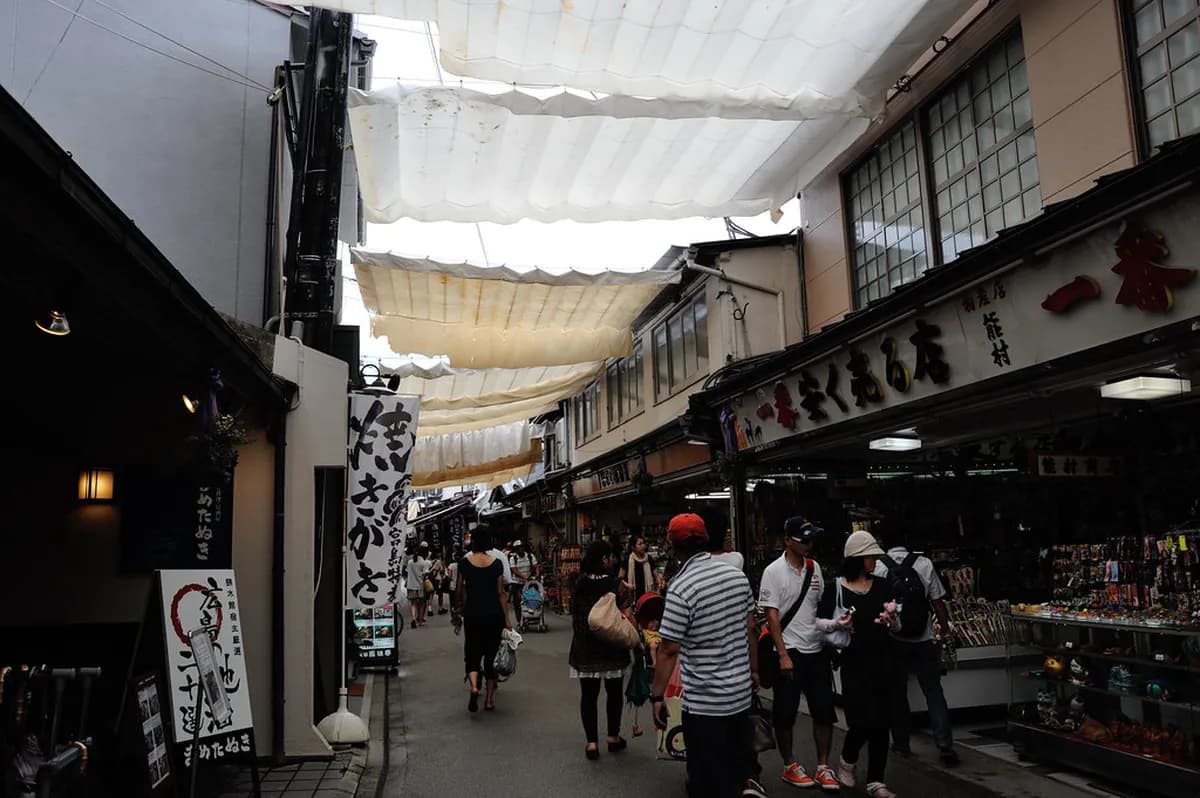
Namba and Dotonbori form the vibrant soul of Osaka's southern downtown district, offering endless energy to every visitor. Walking through these neon-lit streets provides a sensory experience that defines modern Japanese urban culture. Ancient temples sit tucked between massive shopping malls and flashy digital billboards throughout the neighborhood. This guide helps you navigate the busy alleys and find the best local secrets.
Visitors often feel overwhelmed by the sheer volume of sights and smells in this bustling entertainment hub. Focusing on a few key landmarks allows you to appreciate the unique atmosphere without rushing. Whether you crave world-class street food or traditional theater, Namba delivers an unforgettable experience. Prepare your walking shoes for a journey through the heart of Japan's kitchen.
Must-See Namba Attractions
Hozenji Yokocho stands as a peaceful reminder of old Osaka amidst the modern chaos of the city. This narrow stone-paved alleyway features traditional restaurants and a small temple covered in lush green moss. Visitors often splash water on the Mizukake Fudo statue to bring good luck and prosperity. It is one of the most atmospheric 20 Top Osaka Attractions for those seeking a quiet moment.
Namba Parks offers a stunning contrast with its modern terraced gardens built into a massive shopping complex. The rooftop park features groves of trees, waterfalls, and flower patches that change with the seasons. Travelers can enjoy a panoramic view of the city skyline while resting on comfortable benches. This architectural marvel proves that nature can thrive even in the densest urban environments.
Namba Yasaka Shrine is famous for its enormous lion-shaped stage that stands twelve meters tall. The lion's mouth is said to swallow evil spirits and bring success to those who visit. It serves as a popular backdrop for photos due to its unique and slightly intimidating design. Most tourists find this shrine to be a quick but highly memorable stop during their morning walk.
- Hozenji Yokocho Alley
- Type: Historic walkway
- Best for: Evening atmosphere
- Where: Near Namba Station
- Cost: Free to explore
- Namba Parks Roof
- Type: Urban garden
- Best for: City views
- Where: Above Namba Station
- Cost: Free entry
- Yasaka Shrine Stage
- Type: Shinto shrine
- Best for: Unique photos
- Where: 10-minute walk south
- Cost: Free entry
Museums, Art, and Culture in Namba
The Kamigata Ukiyoe Museum is the only museum in the world with a permanent woodblock print display. These prints focus on the actors of the Kabuki theater that once thrived in the Dotonbori district. Exploring the Osaka Culture: Guide to 2025 through these artworks reveals the city's long history of entertainment. The small size of the museum makes it easy to visit in under an hour.
Namba Grand Kagetsu serves as the headquarters for Yoshimoto, Japan's most famous comedy troupe. Performances usually include stand-up comedy and short plays that rely on physical humor and local dialect. Even if you do not speak Japanese, the energy of the crowd is infectious and exciting. Tickets often sell out early, so booking online is highly recommended for weekend shows.
Traditional puppet theater, known as Bunraku, has deep historical roots in the Namba area. The National Bunraku Theatre hosts elaborate performances featuring large puppets operated by three skilled masters. English audio guides are usually available to help international visitors follow the complex stories. This art form provides a sophisticated alternative to the loud neon lights of the main street.
Parks, Gardens, and Outdoor Spots in Namba
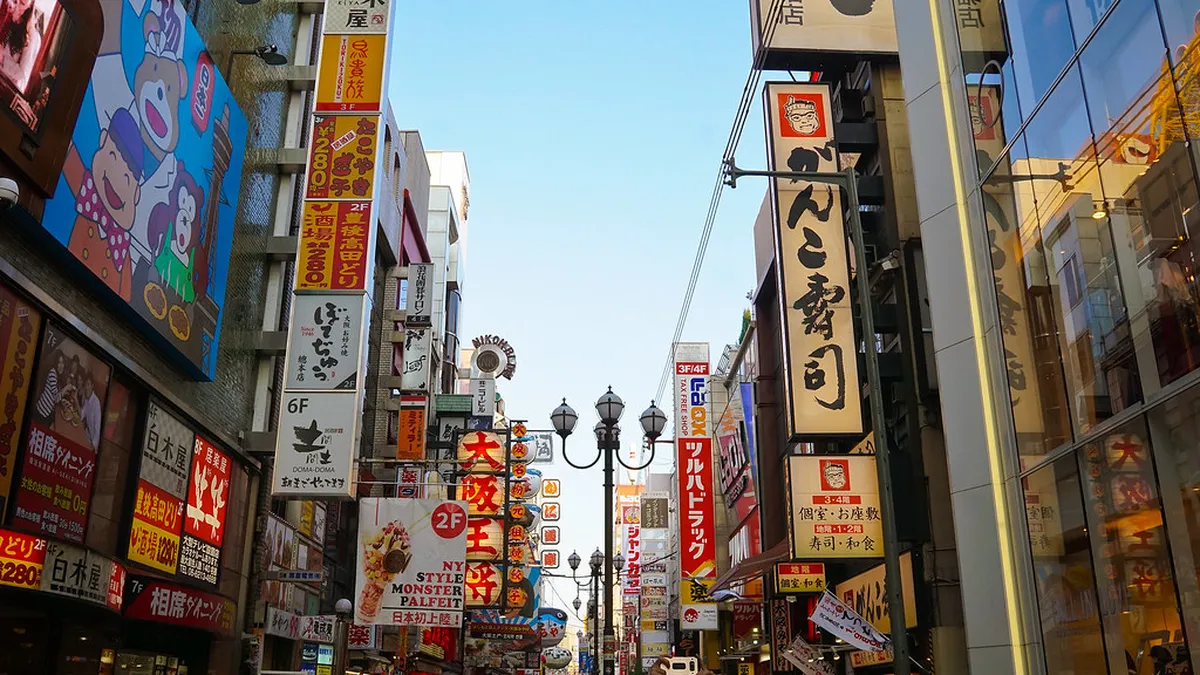
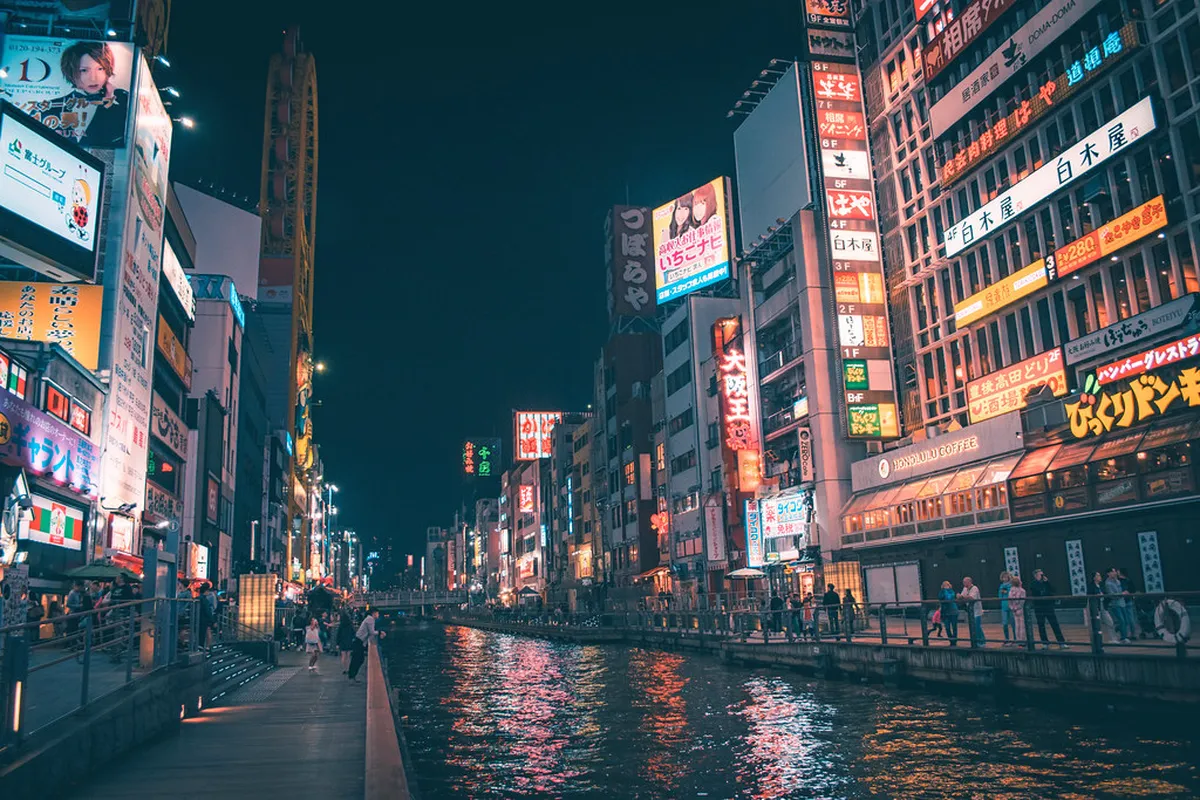
The Dotonbori Riverwalk provides a scenic path along the famous canal for leisurely evening strolls. Bright neon signs reflect off the water, creating a magical atmosphere after the sun goes down. You can find many benches along the way to sit and watch the river cruises pass by. It is one of the most iconic Top Osaka Landmarks to Visit for photography enthusiasts.
Minatomachi River Place acts as a modern plaza that hosts various outdoor festivals and markets. The unique octagonal building nearby houses a popular music hall and several trendy cafes. Weekend events often feature local artists, food stalls, and live music performances for the public. This area offers a more spacious feeling than the crowded alleys of central Namba.
Small pocket parks are scattered throughout the neighborhood, offering quick breaks for tired travelers. Local residents often gather in these spaces during the afternoon to relax and socialize. Finding these quiet corners helps you see the daily life of people living in Osaka. Keep an eye out for seasonal blossoms that add color to the concrete surroundings.
Family-Friendly and Budget-Friendly Options in Namba
Round1 Stadium is a massive multi-floor entertainment complex perfect for families with energetic children. It features bowling alleys, karaoke rooms, and hundreds of the latest arcade games from Japan. Visiting this center is a great way to enjoy Osaka With Kids Travel Guide during rainy weather. Budget-conscious travelers can find many affordable game packages for several hours of play.
Den Den Town serves as Osaka's version of Akihabara, catering to fans of anime and electronics. You can find rare collectibles, vintage video games, and themed cafes at competitive prices. Walking through the streets is free and offers a fascinating look at Japanese pop culture. Many shops offer tax-free shopping for tourists who bring their passports along.
Affordable dining is easy to find if you look for conveyor belt sushi restaurants. Places like Daiki Suisan offer fresh plates starting at very low prices per serving. This style of dining is fun for children who enjoy watching the food move past them. Eating here allows you to control your budget while trying a wide variety of seafood.
How to Plan a Smooth Namba Attractions Day
Starting your day early is the best way to avoid the massive crowds at popular shrines. Most shops in Namba do not open until 10:00 AM or 11:00 AM each day. Checking the Best Time to Visit Osaka: Seasonal Guide & Monthly Weather helps you plan for seasonal weather changes. Mornings are ideal for photography before the narrow streets become packed with commuters.
Namba Station is a massive labyrinth that connects several different train and subway lines. Follow the yellow signs for the Midosuji Line to reach the heart of the Dotonbori area. Give yourself extra time to navigate the underground malls if you have a scheduled tour. Using a digital map on your phone is essential for finding the correct exit.
Walking is the most efficient way to see the sights within the Namba district. Most major attractions are located within a fifteen-minute walk of each other. Wear comfortable shoes as you will likely cover several miles throughout the day. Plan your route to end at the canal for a relaxing dinner after sightseeing.
Dotonbori’s Food Culture
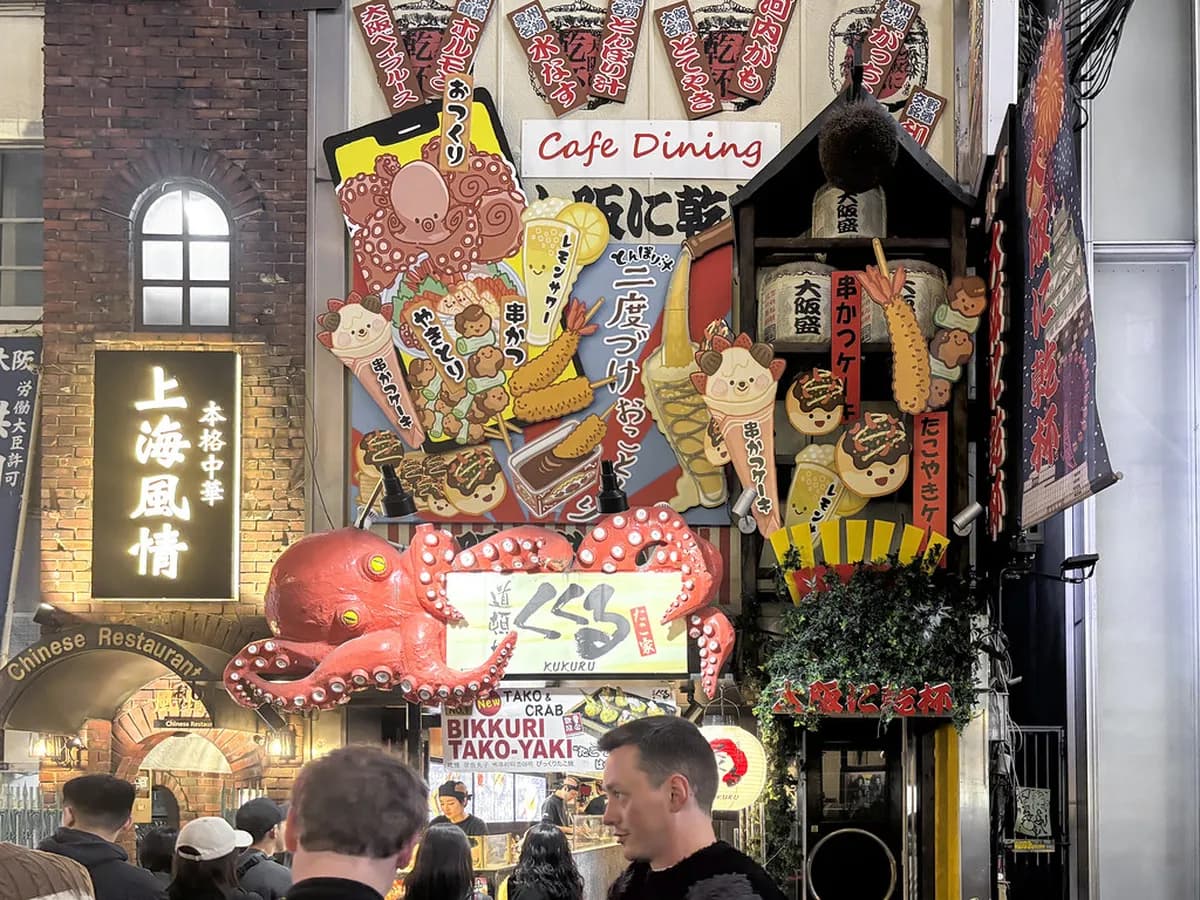
Dotonbori is the epicenter of Osaka's 'Kuidaore' philosophy, which means to eat until you drop. The street is lined with stalls selling piping hot takoyaki and savory okonomiyaki pancakes. Consulting an 12 Best Places for an Osaka Street Food Guide ensures you do not miss the best vendors. Look for the long lines, as they usually indicate the most popular local spots.
Giant mechanical signs, like the moving crab at Kani Doraku, define the visual landscape here. These displays were originally designed to attract customers in the era before digital advertising. Many visitors enjoy an Osaka Dotonbori Local Foodie Walking Tour to learn the history. Local guides can explain the secret ingredients that make each shop unique.
Kushikatsu is another local favorite consisting of deep-fried meat and vegetables on wooden skewers. Remember the strict 'no double-dipping' rule when using the shared sauce containers at the table. This crispy snack is perfect for a quick meal while exploring the neon-lit streets. The lively atmosphere of the standing bars adds to the authentic Osaka experience.
The Glico Running Man
The Glico Running Man sign has overlooked the Dotonbori canal since its first installation in 1935. It represents a runner crossing a finish line and has become a symbol of the city. The current version uses LED technology to change colors and backgrounds throughout the night. It remains the most photographed landmark in all of southern Osaka.
Ebisu Bridge offers the best vantage point for taking a classic photo with the sign. Crowds gather here every evening to mimic the runner's pose for their social media posts. The bridge itself has a long history as a meeting place for locals and travelers. Be patient when waiting for a clear spot to take your own picture.
Seeing the sign lit up for the first time is a highlight for many visitors. The lights typically turn on at sunset and stay bright until late in the evening. It serves as a helpful landmark if you get lost in the surrounding shopping arcades. Every few years, the design is updated to celebrate special events or anniversaries.
Visiting Nanzoin Temple in Fukuoka
Some travelers confuse local landmarks and ask about visiting Nanzoin Temple while staying in Namba. This famous temple is actually located in Fukuoka, which is on the island of Kyushu. It features the world’s largest reclining bronze Buddha and is a truly spectacular sight. Reaching this location from Osaka requires a significant journey by high-speed train.
The Shinkansen bullet train takes approximately two and a half hours to travel from Osaka to Fukuoka. Travelers should plan for a full day trip if they wish to see the bronze Buddha. The cost of a round-trip ticket can be expensive without a national rail pass. Most visitors find it better to save Fukuoka for a separate part of their Japan trip.
Nanzoin Temple offers a peaceful mountain setting that feels very different from downtown Namba. The temple grounds are free to enter, but respectful behavior is strictly required by monks. Large groups and loud tourists may find the access rules to be quite firm. It is a beautiful destination for those who have extra time in their itinerary.
What to Eat at Kuromon Ichiba Market
Kuromon Ichiba Market is known as 'Osaka's Kitchen' because of its high-quality fresh ingredients. The market spans several blocks and features over 150 shops selling seafood and produce. Grilled scallops and fresh sea urchin are among the most popular items for tourists. You can find detailed food tips in this Foodie’s Guide to Dotonbori online.
Wagyu beef skewers are another must-try item that vendors cook to order on small grills. The melt-in-your-mouth texture of the premium beef is worth the slightly higher price tag. Many shops also offer seasonal fruits like giant strawberries or sweet Japanese melons. Eating your way through the market is a highlight of any Namba area visit.
Visit the market before noon to see the widest selection of fresh seafood available. Some stalls begin to close by late afternoon as they run out of daily stock. Prices can vary between vendors, so it is wise to walk the full length first. Most shops only accept cash, so bring enough yen for your snacks.
Get My 5 Day Osaka Itinerary for FREE
Planning a trip can feel overwhelming without a solid Osaka Itinerary for First-Timers to guide your daily steps. A five-day plan allows enough time to see Namba, Umeda, and the historic castle. You can find free resources online that break down the best transit routes for tourists. Effective scheduling helps you avoid the largest crowds at popular seafood markets.
An organized plan ensures you spend more time enjoying sights and less time reading maps. Include a mix of famous landmarks and hidden local gems to get a balanced view. Many travelers find that staying in Namba makes accessing the rest of the city easier. The central location provides excellent connections to Nara and Kyoto for day trips.
Download a digital guide to keep all your booking details and routes in one place. Free itineraries often include tips on which transit passes will save you the most money. In 2026, updated schedules will make traveling between districts even more efficient for visitors. Start your adventure with a clear path to make the most of your time.
Frequently Asked Questions
Which namba dotonbori area guide options fit first-time visitors?
First-time visitors should focus on the Dotonbori canal, Hozenji Yokocho, and Namba Parks. These spots provide a perfect mix of modern neon lights and traditional atmosphere. Most people find that walking between these three locations offers the best introduction to the district's unique energy.
How much time should you plan for a Namba and Dotonbori visit?
Plan for at least one full afternoon and evening to experience the area properly. This allows you to see the shrines in daylight and the neon signs after dark. If you enjoy shopping and trying different street foods, you might want to spend two full days exploring.
What should travelers avoid when planning a visit to Namba?
Avoid visiting the main Dotonbori street during peak weekend evenings if you dislike very large crowds. It is also wise to avoid eating at the first restaurant you see without checking prices first. Some tourist-heavy spots may have higher costs than smaller shops in the side alleys.
Is the Namba area worth including on a short itinerary?
Yes, Namba is essential even for a one-day trip because it represents the heart of Osaka culture. You can see the major landmarks and eat famous street food in just a few hours. It is the best place to experience the city's famous nightlife and dining scene quickly.
Namba and Dotonbori offer a unique blend of historical charm and futuristic neon energy. By following this guide, you can navigate the busy streets with confidence and find the best food. Remember to take your time and soak in the lively atmosphere of Japan's most colorful neighborhood. Your journey through Osaka will surely be defined by the memories made in these vibrant streets.
Plan the rest of your Osaka trip
For the full picture, start with our 20 Top Osaka Attractions guide, then dive into these related Osaka reads:
Free: The Osaka Essentials guide
Top things to do, where to stay, a perfect day plan, getting around, and the best time to go — a Osaka mini-guide you can take offline.
You might also like


Continue reading
More guides you'll find useful