12 Best Osaka Neighborhoods Guide (2026)
Discover the best areas in Osaka with our 2026 neighborhood guide. From Namba's neon lights to Nakazakicho's retro charm, find where to stay and explore.
On this page
After my fourth visit to Japan’s kitchen last spring, I realized how much the city's vibe changes between blocks. This guide was updated in October 2025 after my autumn return visit to ensure all details remain accurate for 2026. Our editors have reviewed every district to help you find the perfect base for your next adventure.
Osaka is often overshadowed by Tokyo or Kyoto, but its unique neighborhoods offer a grit and energy found nowhere else. From the neon-soaked canals of the south to the polished skyscrapers of the north, there is a district for every traveler. We have carefully selected twelve essential areas that define the modern and traditional spirit of this incredible metropolis.
Osaka’s North-South Divide: Understanding Kita vs. Minami
Osaka is geographically split into two main hubs known as Kita in the north and Minami in the south. When planning your Osaka Itinerary for First-Timers, understanding this layout is the first step. Kita represents the modern face of the city, while Minami holds the traditional energy.
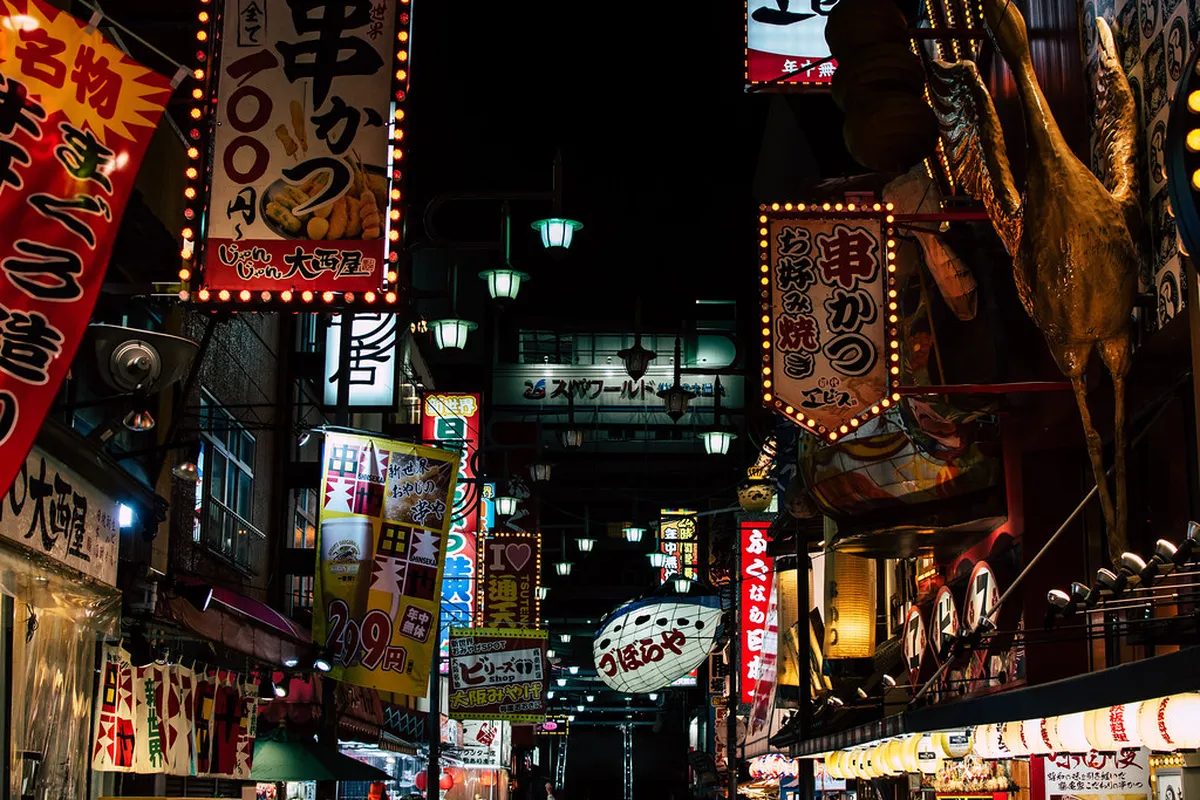
Choosing 8 Best Areas Where to Stay in Osaka depends on whether you value nightlife or transit convenience. Kita centers around the massive Umeda transit complex and its corporate skyscrapers. Minami revolves around Namba and Dotonbori, offering a more chaotic and exciting atmosphere.
Both districts are connected by the Midosuji subway line, making travel between them very simple. Most visitors find themselves splitting their time equally between these two distinct areas. Understanding this split helps you navigate the city more effectively during your stay.
12 Essential Areas in This Osaka Neighborhoods Guide
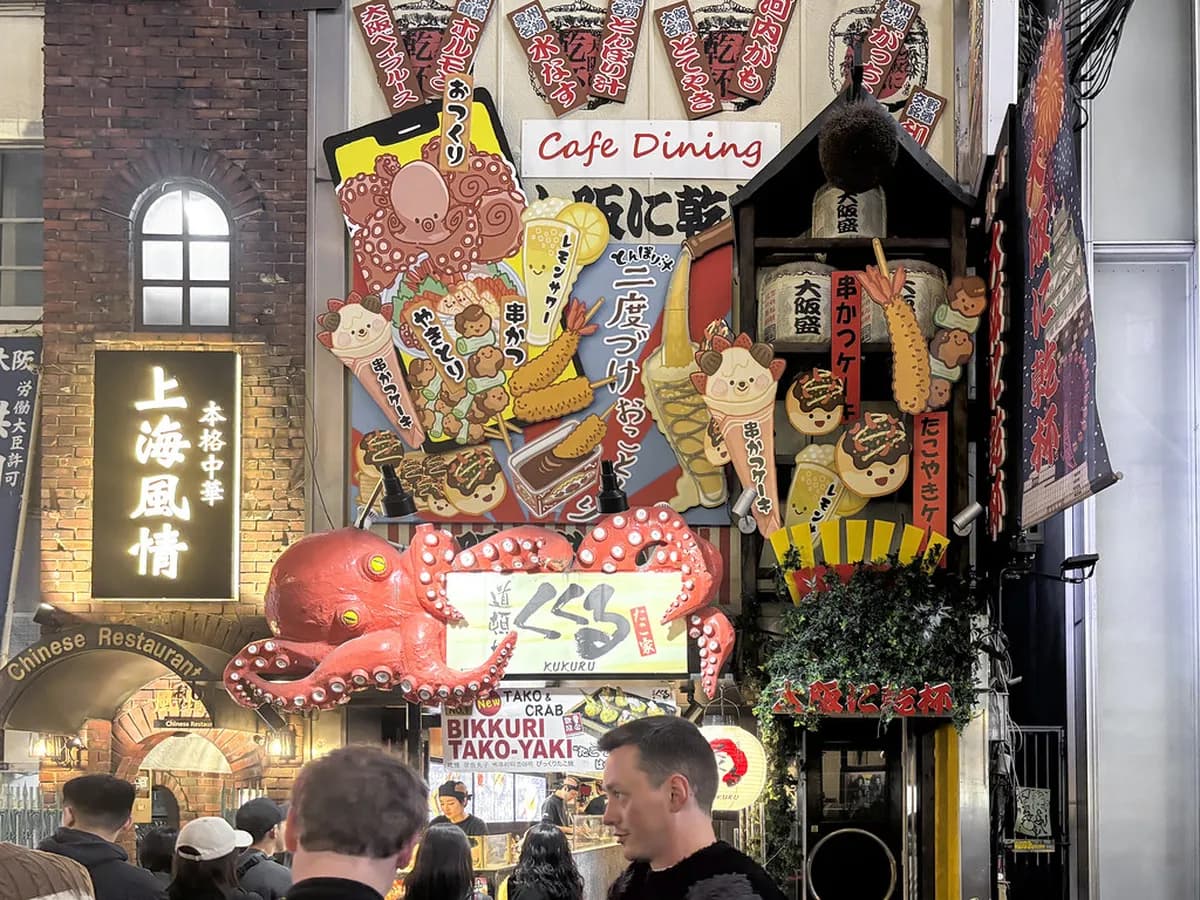
We have grouped these twelve areas into three clusters: the Central Hubs, the Creative Quarters, and the Suburban Escapes. Central areas like the Namba Dotonbori Area Guide districts offer the classic neon experience most tourists crave. These hubs are perfect for those who want to be in the middle of the action.
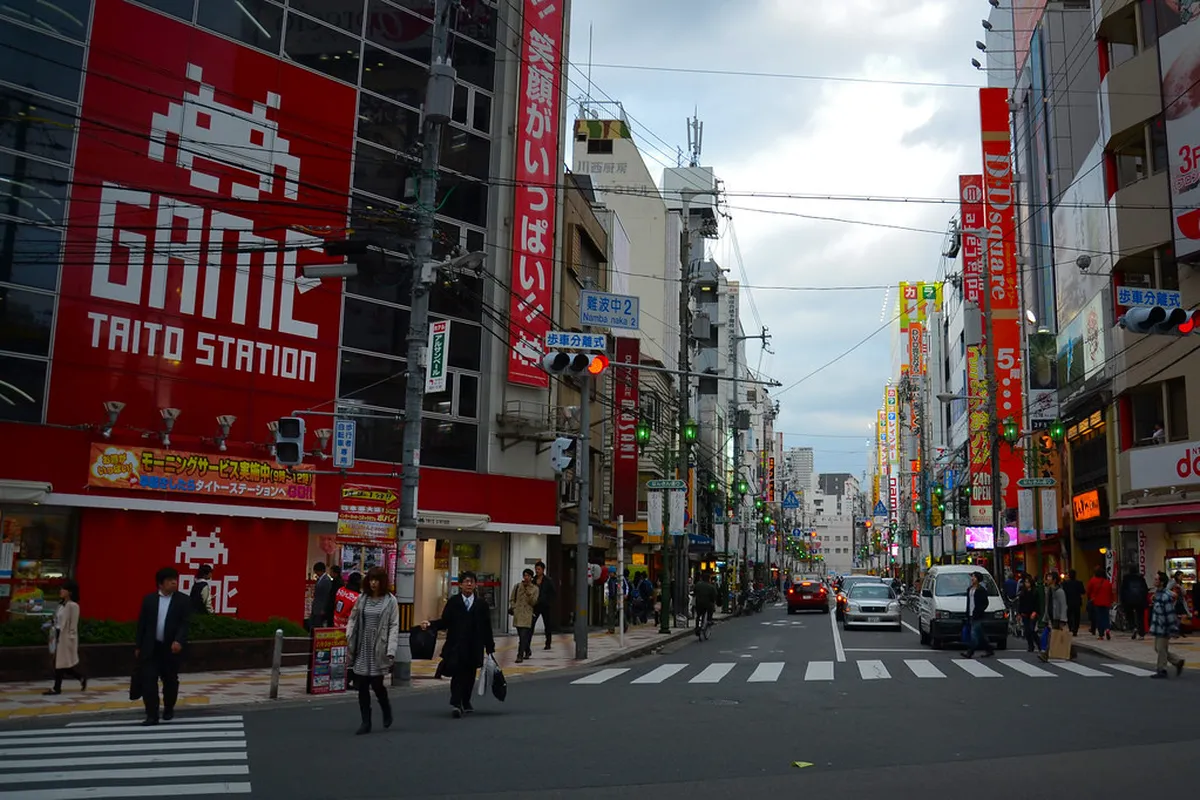
For a different perspective, the Umeda Area Guide Osaka Travel Guide highlights the modern architecture and luxury shopping of the north. This district serves as a contrast to the gritty, food-focused streets of the south. Both areas are essential for a complete understanding of the city's diverse personality.
If you are looking for local flavors, following an 12 Best Places for an Osaka Street Food Guide will lead you to hidden gems in Shinsekai. These neighborhoods provide a glimpse into the retro history of the region. Exploring these twelve spots ensures you see every facet of Japan's most energetic city.
- Namba and Dotonbori District
- This area serves as the neon-soaked heart of the city's food and nightlife scene.
- Most visitors gather around the Glico Man sign and the canal-side walkways for photos.
- You can walk the area for free at any hour, though most food stalls close by midnight.
- It is located in the Minami district and is easily reached via Namba Station.
- Try visiting on a weekday evening to avoid the heaviest weekend crowds.
- Umeda and the Kita Business Hub
- Umeda represents the sleek, modern side of the city with its glass skyscrapers and high-end malls.
- The area centers around Osaka Umeda Station, which is a massive transit labyrinth.
- Most shopping centers like Grand Front Osaka are open daily from 10am to 9pm.
- Entry to the district is free, though observation decks require tickets costing about $10.
- Use the extensive underground malls to stay dry during rainy afternoons.
- Nakazakicho Retro Neighborhood
- Nakazakicho escaped the bombings of WWII, leaving its narrow alleys and traditional wooden houses intact.
- Today, these buildings house indie galleries, vintage shops, and cozy hidden cafes for creative souls.
- Most businesses here open late, typically around 12pm, and close by early evening.
- It is a short ten-minute walk from the busy Umeda district in North Osaka.
- I once spent an afternoon getting lost here, discovering a tiny stationery shop behind a wooden door.
- Horie and the Orange Street Design District
- Horie was once a furniture district but has evolved into the city's most fashionable creative hub.
- Orange Street is the main thoroughfare, lined with boutiques, interior design shops, and minimalist cafes.
- Most shops open around 11am and close by 8pm daily throughout the year.
- It is a fifteen-minute walk from the busy Shinsaibashi area in central Osaka.
- Visit in the mid-afternoon to capture the best natural light for your photos.
- Shinsaibashi-suji Shopping Arcade
- This covered shopping street stretches for hundreds of meters and is packed with international brands.
- It is the busiest pedestrian thoroughfare in the city and stays vibrant until late evening.
- Most shops operate between 10am and 9pm throughout the week for your convenience.
- Access is easy via the Shinsaibashi Station on the red Midosuji subway line.
- Walk the parallel side streets to find smaller, more unique local shops and cafes.
- Amerikamura Youth Culture District
- Known as the Harajuku of Osaka, this area is the center of teen fashion and street art.
- Triangle Park is the main gathering spot where locals eat takoyaki and watch street performers.
- Most vintage clothing stores are open from 11am to 8pm daily in this vibrant zone.
- It is located just west of the Shinsaibashi shopping arcade in the Minami district.
- Look for the small-scale Statue of Liberty perched on top of a nearby building.
- Nakanoshima Island and Rose Garden
- This narrow island sits between two rivers and serves as the city's administrative and cultural heart.
- It features beautiful public parks, the National Museum of Art, and historic stone buildings.
- The public rose garden is free to enter and open 24 hours a day for visitors.
- It is located near the Kitahama and Yodoyabashi subway stations in central Osaka.
- The island is especially beautiful at night when the bridges are illuminated with soft lights.
- Tennoji and the Abeno Harukas Skyscraper
- Tennoji blends gritty old-school charm with the modern height of Japan's tallest building.
- You can explore the traditional Shitennoji Temple or shop in the massive Abeno Harukas complex.
- The observation deck is open from 9am to 10pm and costs roughly $12 per person.
- It sits at the southern end of the Midosuji subway line at Tennoji Station.
- Visit the nearby park for a local perspective on daily city life and relaxation.
- Shinsekai and the Tsutenkaku Tower
- Shinsekai was designed to look like Paris and New York but now feels like a retro time capsule.
- The area is famous for kushikatsu, which are deep-fried skewers served in lively local diners.
- You can walk the colorful streets for free at any time of day or night.
- It is easily reached via the Ebisucho Station on the Sakaisuji subway line.
- Don't forget to rub the feet of the Billiken statue for good luck while you explore.
- Nagai Park and teamLab Botanical Garden
- Nagai Park transforms into an immersive light forest after dark thanks to the teamLab installation.
- It is located in the southern suburbs and offers a quiet escape from the city center.
- Tickets for the night exhibition generally cost between $12 and $15 per adult visitor.
- The park itself is free and open 24 hours, while the light show starts at 6pm.
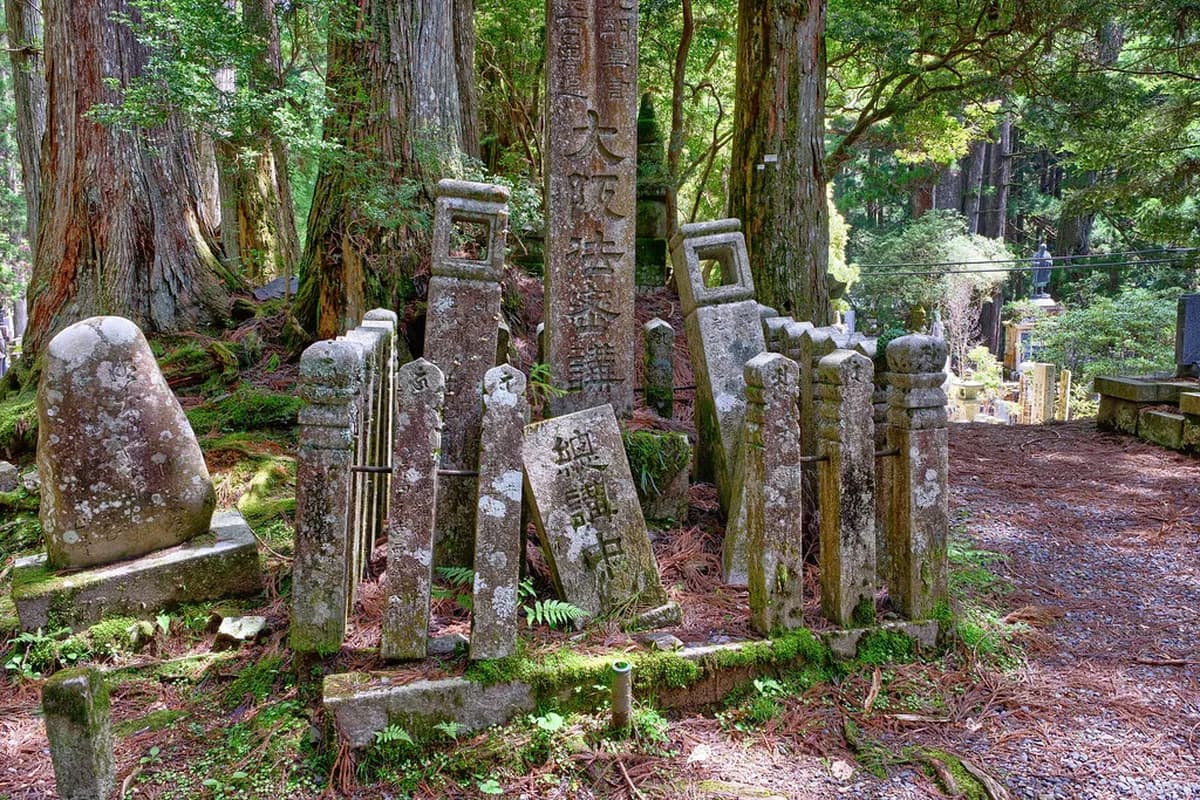
- If you seek even more nature, consider visiting the more distant Katsuo-ji Temple.
- ICHION CONTEMPORARY Art Gallery
- This narrow gallery is a hidden gem for fans of modern Japanese art and minimalist architecture.
- It is located in the Kitahama area and features rotating exhibitions from talented local creators.
- Entry is usually free or costs less than $5 depending on the specific show scheduled.
- The gallery typically opens from 12pm to 6pm but closes on Mondays for maintenance.
- Check their social media for the current artist schedule before you plan your visit.
- Hirakata T-Site and the Giant Bookshelf
- This architectural marvel features a massive floor-to-ceiling bookshelf that is perfect for photography lovers.
- It is located in Hirakata City, which is a short train ride from central Osaka.
- The complex is open daily from 7am to 11pm and entry is entirely free for everyone.
- Take the Keihan Main Line from Yodoyabashi Station for a thirty-minute journey to reach it.
- The top floor offers great views of the surrounding town and distant mountains.
Is Osaka Worth Visiting for More Than One Day?
Many travelers treat Osaka as a quick stop between Tokyo and Kyoto, but this is a mistake. The city's true character is found in its diverse neighborhoods, which require time to explore fully. Spending at least three days allows you to experience both the neon highlights and the quiet backstreets.
Osaka also serves as the perfect base for exploring the wider Kansai region. You can reach historical sites in Nara or the mountains of Kobe within an hour. This central location makes it more convenient than staying in smaller nearby cities.
The food culture alone is worth multiple days of exploration and tasting. Each district has its own specialties, from high-end sushi in Kita to street food in Minami. Taking your time ensures you don't miss the subtle details that make the city special.
What to Skip: Common Tourist Traps in Osaka
Many guides recommend going inside Osaka Castle, but the interior is often underwhelming. It serves as a modern museum with concrete walls and elevators rather than a preserved historical site. You should enjoy the castle exterior and park grounds for free instead.
Avoid waiting in two-hour lines for famous crab or ramen chains on the main Dotonbori canal. You can often find the same quality food in the side streets for half the price. These smaller shops provide a much more authentic and relaxed dining atmosphere.
Many shops near the major stations sell mass-produced items found all over Japan. Look for local craft shops in Horie or Nakazakicho for unique gifts instead. This supports local artisans and ensures you bring home something truly special.
Getting Around Osaka: Practical Transport Tips
Using the Midosuji Line is the most efficient way of Getting Around Osaka: The Complete Transportation Guide between major districts. This red-coded subway line connects Umeda in the north directly to Namba and Tennoji in the south. Trains run frequently from early morning until around midnight every day.
Purchasing an IC card is essential for seamless travel between different train lines. These cards work on almost all public transport and can even be used at convenience stores. You can easily refill them at any station ticket machine using cash.
Walking between neighborhoods like Namba and Shinsaibashi is often faster than taking the train. This allows you to discover hidden shrines and small cafes that you would otherwise miss. Most central districts are surprisingly compact and pedestrian-friendly for active travelers.
Where to Stay in Osaka: Choosing Your Base
Choosing Best Areas To Stay In Osaka Travel Guide depends on whether you value nightlife or transit convenience. Namba is ideal for those who want immediate access to street food and vibrant nightlife. Umeda offers a more upscale experience with better connections for regional day trips.
Boutique hotels are becoming increasingly popular in quieter areas like Kitahama or Nakanoshima. These neighborhoods provide a more relaxed atmosphere while remaining close to the main attractions. You will find higher-end options like the Conrad Osaka in the Nakanoshima district.
For specific hotel reviews, the Nerd Nomads Osaka Guide offers excellent detailed recommendations. Budget travelers should look toward the Tennoji area for more affordable guest houses and hostels. This area has seen significant redevelopment recently, making it a safe and convenient choice.
Frequently Asked Questions
Which neighborhood is best for first-time visitors?
Namba is the best choice for most first-time visitors because it offers immediate access to famous street food. Our Osaka 3 Day Itinerary: The Perfect 72-Hour Guide provides a step-by-step plan for exploring these neighborhoods efficiently.
Is it better to stay in Kita or Minami?
Stay in Kita if you want luxury hotels and easy day trips to Kyoto. Choose Minami if you prefer a gritty, energetic atmosphere and local nightlife. Both areas are connected by a short ten-minute subway ride.
Osaka is a city of layers, and its neighborhoods are the key to unlocking its best experiences. Whether you prefer the neon lights of Namba or the quiet alleys of Nakazakicho, there is a place for you. We hope this guide helps you navigate the city with confidence during your 2026 trip.
Remember to pack comfortable walking shoes and an open mind for trying new local flavors. This energetic metropolis rewards those who are willing to explore beyond the main tourist paths.
Plan the rest of your Osaka trip
For the full picture, start with our 20 Top Osaka Attractions guide, then dive into these related Osaka reads:
Free: The Osaka Essentials guide
Top things to do, where to stay, a perfect day plan, getting around, and the best time to go — a Osaka mini-guide you can take offline.
You might also like

Continue reading
More guides you'll find useful