Getting Around Osaka: The Complete Transportation Guide
Master Osaka's transport system with our guide to the Metro, JR Loop Line, IC cards, and airport transfers. Includes local tips for navigating Japan's kitchen.
On this page
Navigating Japan's second-largest city might feel intimidating for many first-time visitors. The efficient network of trains and subways makes exploring the city surprisingly simple. Understanding the layout of the transit system is the first step to a great trip. This guide covers everything you need to know about getting around Osaka easily.
Osaka serves as the central hub for the Kansai region and its many attractions. You will find that most major landmarks sit near a train or subway station. Planning your routes in advance helps you save both time and money. Let us dive into the best ways to navigate this vibrant metropolis.
Getting Around Osaka: A First-Time Guide
Osaka is a sprawling city but its core is very well-connected by rail. Most travelers find that subways and JR trains handle nearly all their needs. Learning the difference between these systems will prevent common navigation mistakes. You should also check Best Time to Visit Osaka: Seasonal Guide & Monthly Weather to plan for weather-related transit delays.
Travelers should always consider safety and logistics before starting their journey. Having reliable travel insurance is highly recommended when using high-speed rail networks. Medical emergencies or lost luggage can disrupt even the most careful transit plans. Keep digital copies of your insurance documents on your phone for quick access.
Hotel location plays a massive role in how easily you can navigate the city. Staying near a major hub like Namba or Umeda reduces your daily travel time. You can find great options in our guide on 8 Best Areas Where to Stay in Osaka for every budget. Check hotel availability early if you plan to visit during peak cherry blossom weeks.
Osaka Metro and Major Subway Stations
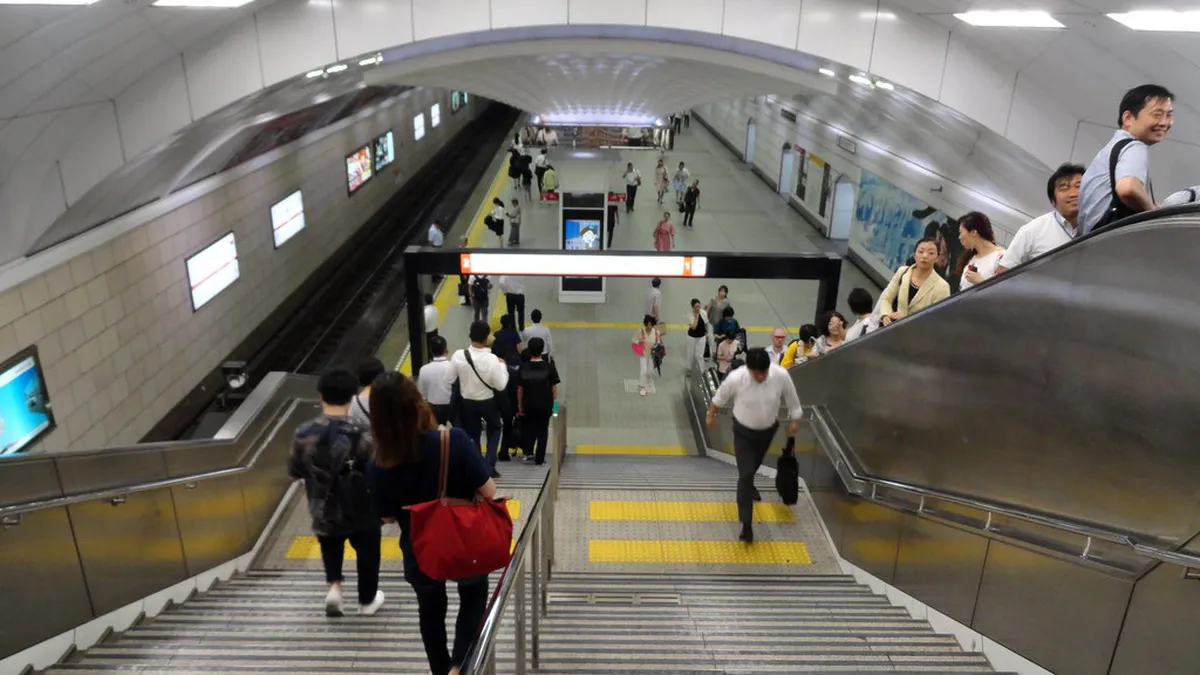
The Osaka Metro is the backbone of the city's internal transportation network. It consists of nine different lines that crisscross the entire metropolitan area. Most tourist spots are within a few minutes' walk from a subway exit. Stations are clearly marked with a letter and a number for easy identification.
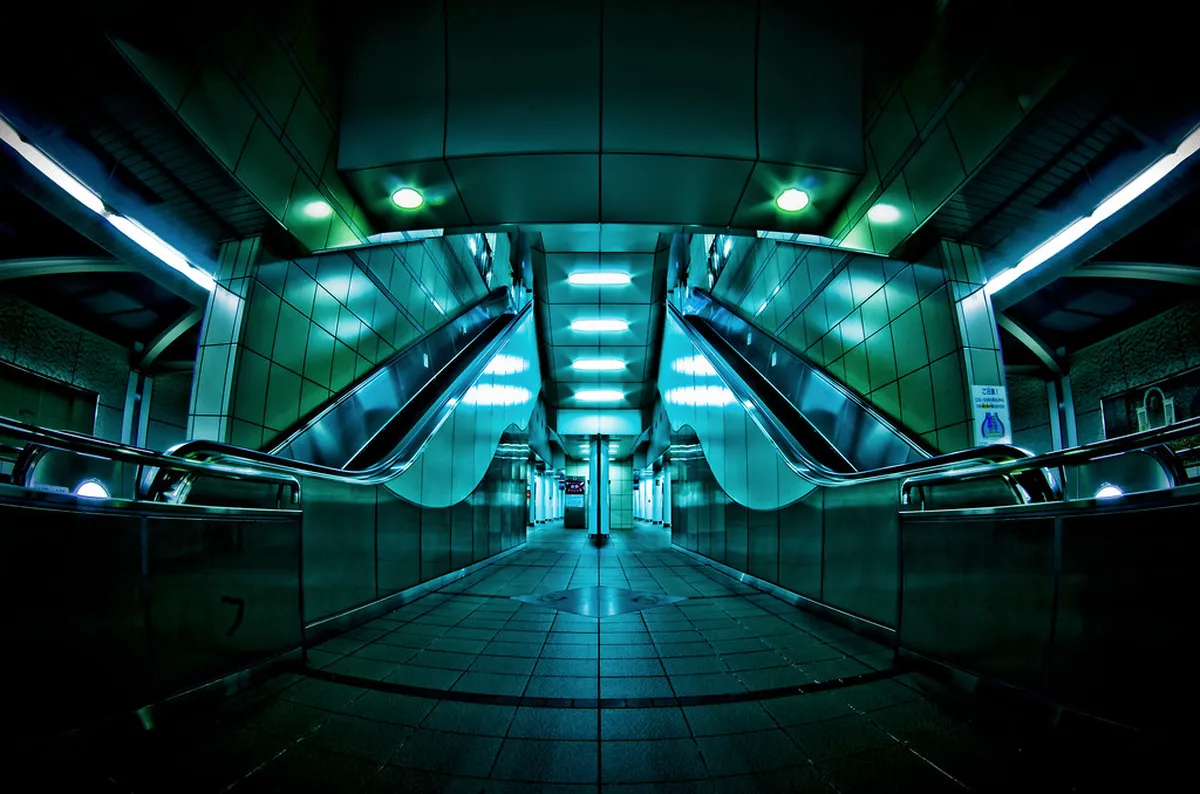
The **Midosuji Line** is the most important route for most international visitors. This red-coded line connects the major hubs of Shin-Osaka, Umeda, and Namba. It runs north to south and stays busy throughout the entire day. Avoid this line during the 8:00 AM rush hour to escape heavy crowds.
Other useful routes include the **Chuo Line** and the **Tanimachi Line**. The **Chuo Line** is perfect for reaching the Osaka Aquarium and the harbor area. Transferring between lines is simple thanks to clear English signage in every station. Most subway fares start around 190 yen for short trips within the center.
The JR Osaka Loop Line and Regional Rail
The **JR Osaka Loop Line** circles the city center like a giant ring. It is a convenient way to reach the Osaka Castle and Universal Studios Japan. Trains run in both clockwise and counter-clockwise directions every few minutes. Look for the bright orange trains to identify this specific JR service.
If you have a Japan Rail Pass, this line is completely free to use. It connects directly to **Osaka Station** in the north and **Tennoji Station** in the south. Many visitors use this line to transfer to regional trains heading to Kyoto. The loop line offers a great view of the city's changing neighborhoods.
**Shin-Osaka Station** is the only stop for the Shinkansen bullet trains. You must take a local train or the subway to reach this station from downtown. It serves as the primary gateway for those arriving from Tokyo or Hiroshima. The station features many shops where you can buy bento boxes for your journey.
IC Cards, Transport Passes, and Booking Advice
Using an IC card is the most convenient way to pay for transport in Japan. The local card in Osaka is called **ICOCA**, but **Suica** and **Pasmo** also work. You simply tap the card at the ticket gate to enter and exit. These cards can also be used at convenience stores and many vending machines.
For heavy sightseeing, the Osaka Amazing Pass Guide: Your Essential Travel Companion offers incredible value. This pass includes unlimited use of the subway and free entry to many attractions. It is available in one-day and two-day versions for different travel paces. Pick up your pass at tourist information centers located in major stations.
Booking your long-distance train tickets in advance can save you significant stress. Use official apps or station kiosks to reserve seats on the Shinkansen. Many passes now offer digital versions that you can store on your smartphone. Always carry a little cash to recharge your physical IC card at station machines.
- The ICOCA Card
- Best for: General travel
- Initial cost: 2000 Yen
- Refundable deposit: 500 Yen
- Recharge at: Any station
- Osaka Amazing Pass
- Best for: Active sightseeing
- Includes: Subway and buses
- Bonus: Free museum entry
- Validity: 1 or 2 days
- Kansai Thru Pass
- Best for: Regional trips
- Covers: Private rail lines
- Excludes: JR trains
- Area: Osaka, Kyoto, Nara
How to Get from the Airport into Osaka
Kansai International Airport (KIX) is the main entry point for overseas flights. The **JR Haruka Express** is the fastest way to reach Tennoji or Shin-Osaka. It features comfortable seating and dedicated space for large suitcases. Check our Kansai Airport To Osaka Guide for specific timetable details.
The **Nankai Rapit** train is a stylish alternative for those staying in Namba. This blue train looks like a retro-futuristic spaceship and offers reserved seating. It takes about 35 minutes to reach the heart of the city from the airport. Standard Nankai airport express trains are cheaper but stop at more stations.
Itami Airport (ITM) handles most domestic flights and is much closer to the city. The airport limousine bus is the easiest way to reach Umeda or Namba. Monorail and train connections are also available for those traveling light. Taxis from Itami are more affordable than from KIX due to the shorter distance.
Using Taxis and the Osaka Bus System
Taxis in Osaka are clean, safe, and very easy to find near stations. They are a great option if you are traveling in a group of three or four. Most drivers do not speak fluent English, so have your destination written in Japanese. The left-rear door opens and closes automatically for passengers.
Ride-sharing apps like Uber and GO are becoming more popular in the city. These apps allow you to pin your location and pay via credit card. They usually summon a standard taxi rather than a private vehicle. This can be very helpful late at night after the trains stop running.
The city bus system is extensive but can be tricky for first-time users. Buses are useful for reaching areas not served by the subway or JR. You usually enter through the rear door and pay at the front when exiting. Digital displays inside the bus show the next stop in both Japanese and English.
Walking, Cycling, and Neighborhood Navigation
Osaka is surprisingly walkable if you stick to specific central neighborhoods. The walk from Namba to Shinsaibashi is faster than taking the subway. You can enjoy the local atmosphere and hidden shops along the way. Walking also helps you find the best small eateries tucked in side streets.
Cycling is a very popular way for locals to get around the city. The **Hello Cycling** bike-share system is a great tool for tourists to use. You can find docking stations near many major parks and train stations. Always park your bike in designated areas to avoid having it towed away.
Rental shops offer both standard and electric bicycles for daily use. Exploring the area around Osaka Castle by bike is a wonderful experience. Many hotels also provide free or cheap bike rentals for their guests. Make sure to follow local traffic laws and stay on the left side of the road.
Markets and Street Food Districts Worth Your Time
Food is the heart of Osaka and transportation hubs are built around it. Dotonbori is easily reached by walking from **Namba Station** or **Shinsaibashi Station**. Our Namba Dotonbori Area Guide has more tips on the best food stops. Visit this area in the evening to see the famous neon signs in full glow.
Kuromon Market is just a short walk from **Nipponbashi Station**. It is known as 'Osaka's Kitchen' and offers fresh seafood and local snacks. The market gets crowded around lunchtime, so try to arrive early. Most stalls accept IC cards or cash for quick food purchases.
Shinsekai is another historic food district located near **Dobutsuen-mae Station**. It is famous for kushikatsu, which are deep-fried skewers of meat and vegetables. The area has a unique retro vibe that feels different from modern Umeda. It is a great place to experience the city's traditional working-class culture.
Covered Shopping Streets and Weather Protection
Osaka features many covered shopping streets called 'Shotengai' for all-weather walking. Tenjinbashisuji is the longest shopping street in Japan and spans several kilometers. These covered paths provide shade in summer and shelter during the rain. You can walk across large parts of the city without ever needing an umbrella.
The **Umeda Dungeon** is a massive network of underground malls in the north. It connects several different train stations and department stores below the ground. Navigating this area can be confusing because of the many different levels. Follow the overhead signs carefully to find your specific exit or line.
Using these underground routes is a local secret for avoiding the summer heat. You can find hundreds of restaurants and shops hidden beneath the busy streets. To plan your route, you can Open the Osaka map to see the layout. Most underground paths stay open until the last trains depart around midnight.
Related Tours, Activities, and Day Trips
Osaka is the perfect base for exploring nearby cities like Kyoto and Nara. Private rail lines like **Hankyu** and **Hanshin** are often better than JR. The **Hankyu Line** takes you directly to the Gion district in Kyoto. Check out our Osaka 3-day itinerary for the best day trip ideas.
The **Kintetsu Line** is the fastest way to reach Nara Park from Namba. It drops you off much closer to the famous deer than the JR station. Private lines usually have their own dedicated stations within the city hubs. They often offer special tourist passes that include local bus travel in other cities.
Universal Studios Japan has its own dedicated train station on the JR line. Take the **JR Yumesaki Line** from **Nishikujo Station** to reach the park. The trains are often decorated with movie characters to get you in the mood. Buy your park tickets and transport passes in advance to skip the morning lines.
For official trip-planning information, see Osaka's official tourism guide, and the Osaka Metro network overview on Wikipedia for background and context.
Frequently Asked Questions
What is the best way to get around Osaka?
The Osaka Metro is the most efficient way for most visitors to travel. It covers all major tourist districts like Namba, Umeda, and Shinsaibashi. For regional travel or using a JR Pass, the JR Osaka Loop Line is also very convenient.
Can I use a Suica card in Osaka?
Yes, you can use a Suica or Pasmo card on all major trains and buses in Osaka. While ICOCA is the local card, Japan's IC cards are mostly interchangeable. You can also use them to pay at convenience stores throughout the city.
Is Osaka a walkable city?
Many central parts of Osaka are very walkable, especially the stretch between Namba and Umeda. Using the covered 'Shotengai' shopping streets makes walking pleasant in any weather. However, you will still need the subway for longer distances across the city.
How do I get to Nara from Osaka?
The best way is to take the Kintetsu Railway from Namba Station directly to Kintetsu Nara Station. This route is faster and closer to the main sights than the JR alternative. You can find more details in our Nara Day Trip From Osaka: 10 Essential Planning Steps & Stops guide.
Mastering the transport system in Osaka is the key to a stress-free Japanese adventure. Whether you choose the subway or a bicycle, the city is easy to explore. Remember to grab an IC card as soon as you arrive at the airport. This simple step will save you time at every ticket gate you encounter.
Osaka offers a unique blend of modern efficiency and traditional charm in its transit. Do not be afraid to get a little lost in the vibrant underground malls. Every station exit leads to a new discovery in this incredible food capital. Enjoy your journey through the bustling streets and scenic rail lines of Osaka.
Plan the rest of your Osaka trip
For the full picture, start with our 20 Top Osaka Attractions guide, then dive into these related Osaka reads:
Free: The Osaka Essentials guide
Top things to do, where to stay, a perfect day plan, getting around, and the best time to go — a Osaka mini-guide you can take offline.
You might also like


Continue reading
More guides you'll find useful