How Many Days in Beppu? Ultimate 1-3 Day Planning Guide
Day trip, 2 nights or 3 days? See 1-, 2- and 3-day Beppu itineraries covering the 7 Hells, Mt. Tsurumi and the best onsen stays.
On this page
Planning a trip to Japan's onsen capital starts with one practical question: how many days in Beppu do you actually need? The honest answer depends on whether you treat Beppu as a day trip from Fukuoka, a standalone two-night stay, or a full three-day base for exploring Oita Prefecture. This guide breaks down each option clearly so you can decide before you book.
Most first-time visitors underestimate Beppu. It has eight distinct onsen zones (the Beppu Hatto), the famous seven Hells, a working ropeway up Mt. Tsurumi, sand baths, mud baths, and a legitimate dinner scene built around steam-cooking. Two days is the sweet spot for covering the highlights without feeling rushed. One day is tight but doable. Three days rewards anyone who wants to go deep or add Yufuin. For a deeper overview of the city's history and attractions, see Beppu's Wikipedia entry.
Quick Answer: 1, 2, or 3 Days in Beppu?
One day in Beppu fits the Kannawa Hells tour, one public onsen soak, and a bowl of jigoku-mushi (hell-steamed) food. That is a satisfying day trip from Fukuoka (about 2 hours by Sonic express) or Hakata. You will not have time for the ropeway, the mud bath, or a proper ryokan night — but you will leave with a clear sense of what makes the city unique.
Two days is the most popular choice for good reason. You can do the Hells properly on day one, then spend day two on Mt. Tsurumi, Hoyoland mud onsen, and the Kannawa neighborhood at dusk. Two nights also lets you stay in a ryokan with a private rotenburo (outdoor bath), which changes the experience entirely. Budget roughly ¥15,000–¥25,000 per person per day including accommodation, meals, and entry fees.
Three days opens up day trips to Yufuin or the African Safari park, and gives you time to try multiple onsen styles: sand bath at Beppu Beach Sand Bath in the morning, communal public bath in the afternoon, private in-room bath at night. If you are combining Beppu with Nagasaki or Kumamoto on a Kyushu rail pass, three days in Beppu anchors the itinerary well without overstaying.
| Duration | What You Can Experience | Best For |
|---|---|---|
| 1 Day | Kannawa Hells, public onsen soak, jigoku-mushi (hell-steamed food) | Day trip from Fukuoka; quick taste of onsen culture |
| 2 Days | All Hells, Mt. Tsurumi ropeway, Hoyoland mud bath, ryokan stay with private rotenburo | Sweet spot; covers all highlights without rushing; ryokan overnight |
| 3 Days | All of 2 days PLUS sand bath, Takasakiyama macaques, day trip to Yufuin, or second onsen zone exploration | Deep dive into onsen culture; combining with Nagasaki/Kumamoto; Yufuin side trip |
1-Day Beppu Itinerary: The Hells and a Soak
Arriving by 09:00 is essential if you are doing Beppu in a single day. Head directly to Kannawa on the Kamenoi Bus (about 30 minutes from Beppu Station) and begin the Jigoku Meguri circuit. The ¥2,200 combined ticket (2026 price) covers all seven Hells. Focus first on the five hells clustered together in Kannawa — Umi Jigoku (cobalt blue), Oniishi Bozu (grey bubbling mud), Kamado, Oniyama (crocodile pond), and Shiraike (milky white). Allow 10–15 minutes per hell. You will finish the Kannawa cluster by 12:00.
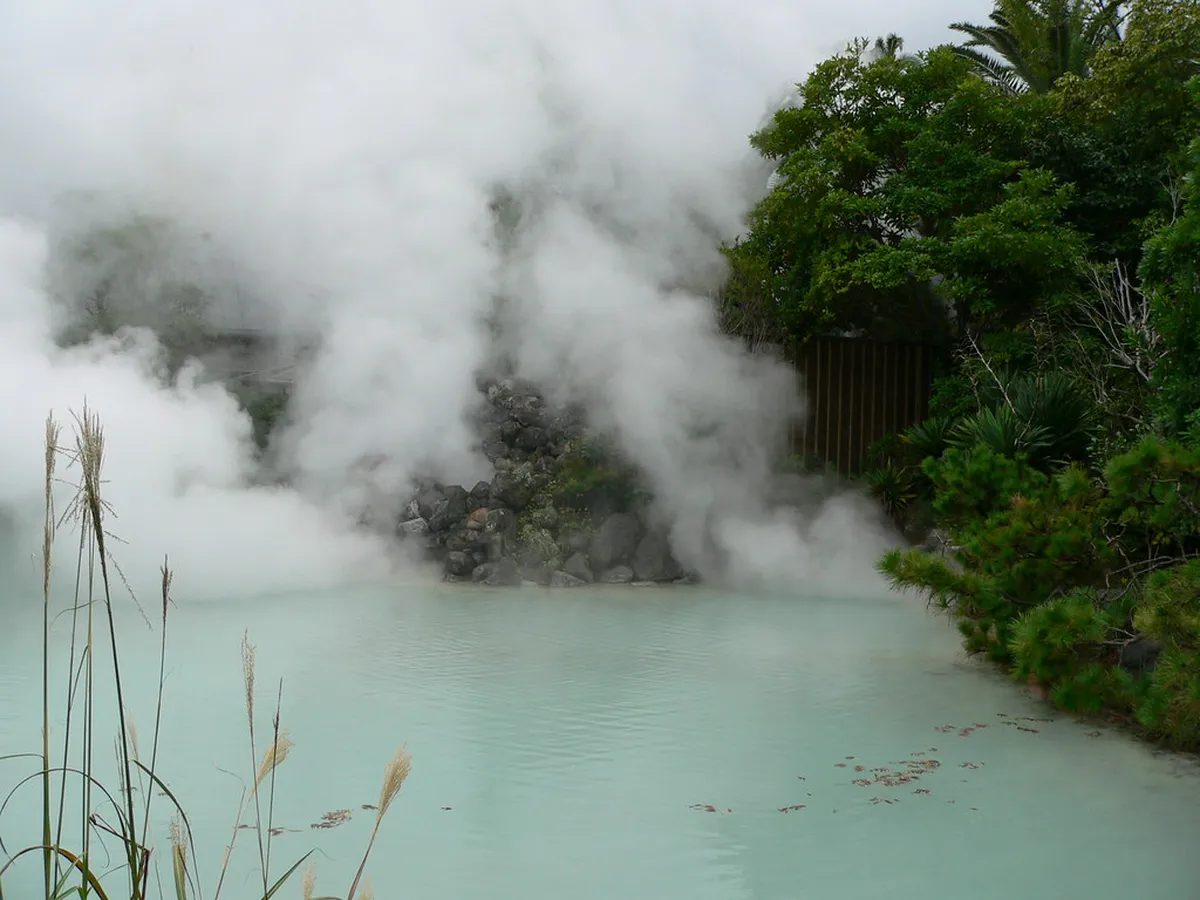
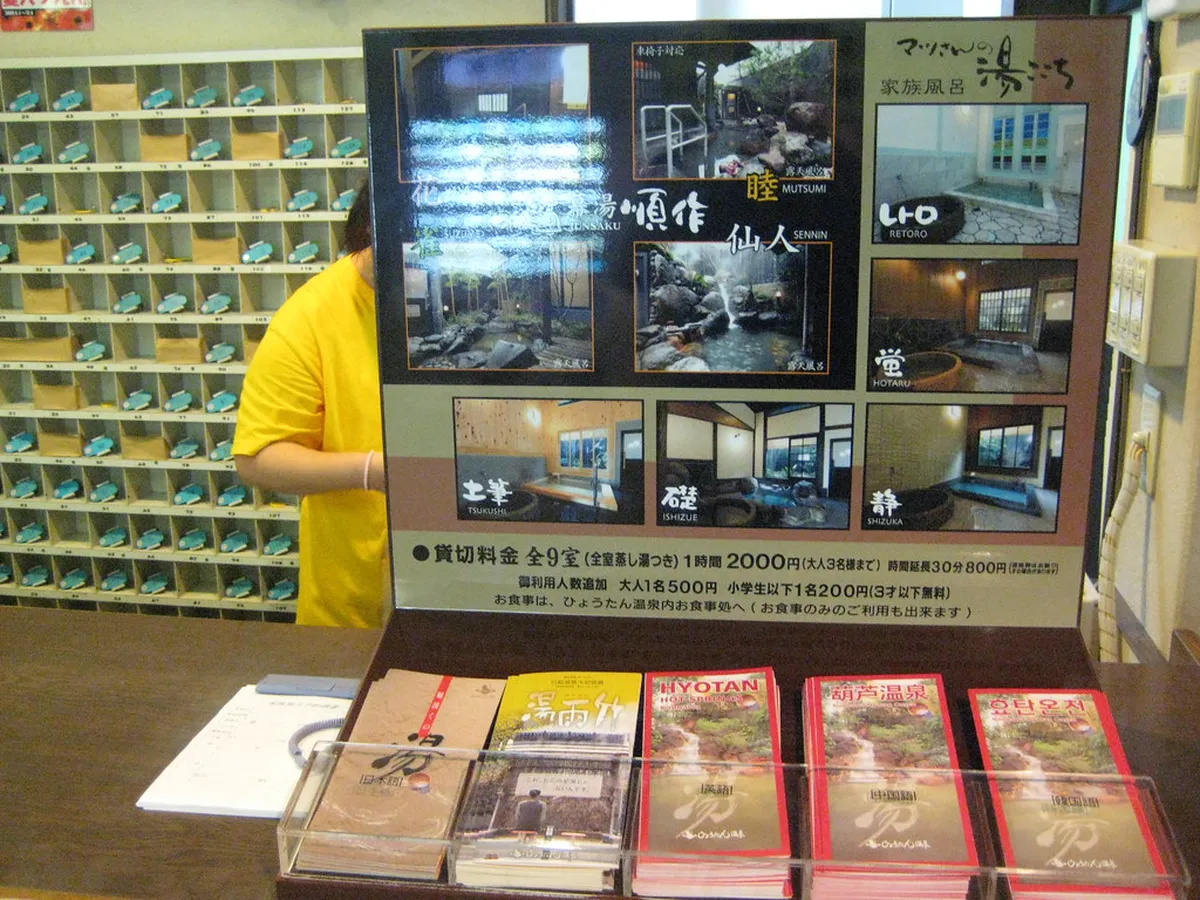
After the Kannawa hells, take the bus south to the two remaining hells — Chinoike (blood pond) and Tatsumaki (geyser). These are 15–20 minutes apart from Kannawa and are visually dramatic enough to be worth the detour. Finish by 14:00. Use the afternoon for lunch at Jigoku Mushi Kobo Kannawa, the steam-cooking kitchen where you choose your own ingredients and cook them in a geothermal vent for about ¥1,000–¥1,500. Then soak at Hyotan Onsen (open 10:00–01:00, ¥900), one of Beppu's best public baths, before catching a late express back.
One day in Beppu works best if you arrive by 09:00 and take the direct Kamenoi Bus from Beppu Station to Kannawa. The ¥2,200 combined Hells ticket saves money over individual entries and is valid all day, so you can revisit favorite hells on your return trip.
2-Day Beppu Itinerary: Hells, Mountain, and Mud
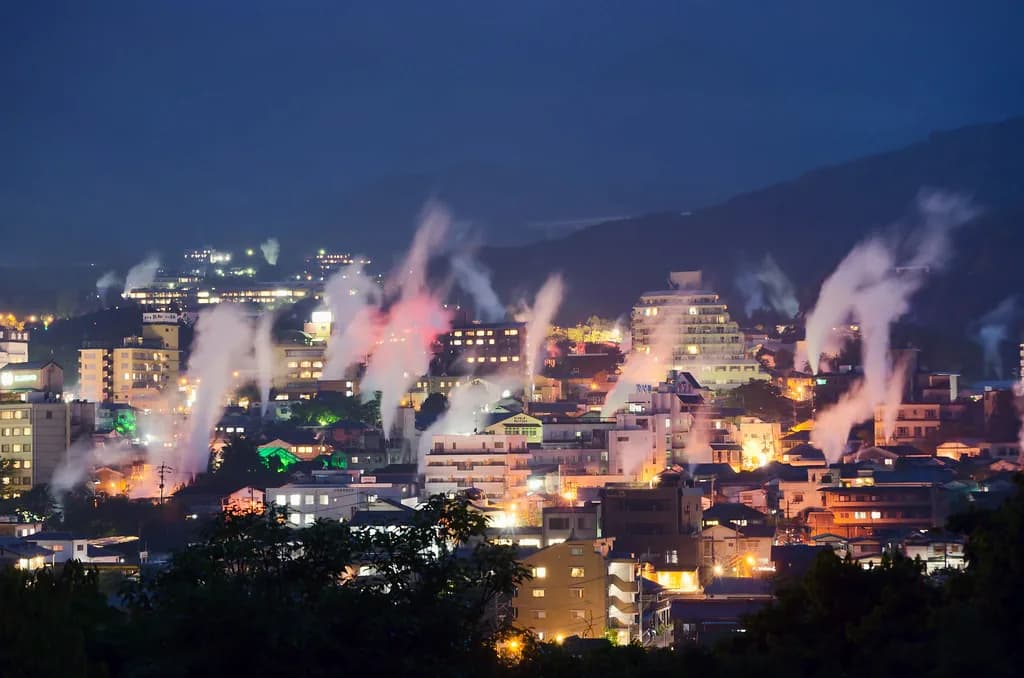
Day one follows the same Kannawa Hells circuit as above, but with a slower pace. You do not need to rush the Tatsumaki geyser visit — it erupts every 30–40 minutes, so waiting for an eruption is genuinely worthwhile. Spend the evening in Kannawa: the district is best explored on foot after 17:00 when the tourist crowds thin and the steam columns from cooking vents glow against the dusk sky. Dinner at any of the small izakayas on the Kannawa main street costs ¥1,500–¥3,000. Stay in or near Kannawa so you can walk back after dark. For full hotel and ryokan recommendations, see our guide to where to stay in Beppu.
Day two begins at the Beppu Ropeway (open 09:00–17:00, round trip ¥1,800). The ropeway takes 10 minutes each way to Mt. Tsurumi's upper station at 1,375 m. Views on a clear morning extend across Beppu Bay and out to Shikoku. Come down by 11:30 and take the bus toward Hamawaki for the Hoyoland mud bath (open 09:00–20:00, ¥1,700 for the mud bath course). The mud here is thick natural volcanic mud — you lower yourself in, coat yourself, and rinse in the adjacent mineral pool. It is unlike any conventional onsen. Spend the afternoon at your ryokan's private bath or explore Beppu's central attractions before heading back. For a step-by-step walkthrough of this itinerary see our dedicated Beppu 2-day itinerary.
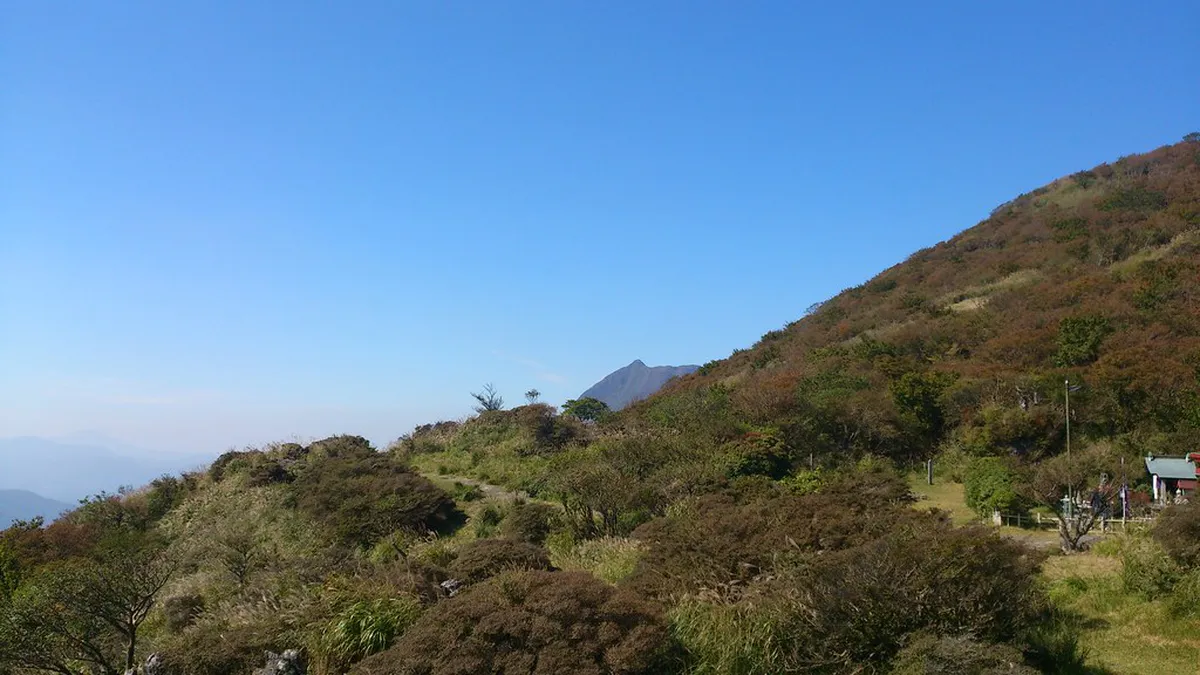
Two days in Beppu is the most popular choice because it gives you time to experience multiple onsen types (Hells on day one, ropeway and mud bath on day two) while still having a ryokan overnight stay with a private rotenburo. Budget ¥15,000–¥25,000 per person per day including accommodation, meals, and entry fees.
3-Day Beppu Itinerary: Adding Yufuin and Depth
With a third day you have two strong options. Option A is a full day trip to Yufuin, 40 minutes by direct bus (Yufurin bus, ¥1,260 one way). Yufuin is smaller and quieter than Beppu — think boutique guesthouses on Lake Kinrin, craft shops on Yufuin Floral Village Road, and a distinct countryside-resort feel. Most visitors do Yufuin and Beppu as separate overnight stays, but doing Yufuin as a day trip from a Beppu base is cheaper and still deeply rewarding. Leave by 09:00, return to Beppu by 17:00. Our day trips from Beppu guide covers this route in detail including the bus schedule.
Option B uses the third day to go deeper into Beppu itself — the sand bath at Beppu Beach Sand Bath (open 08:30–18:00, ¥1,500 including yukata rental), the traditional onsen hop through the Hamawaki or Beppu Station Hatto zones, and a visit to Takasakiyama to watch the wild Japanese macaques. Takasakiyama is a 10-minute bus ride from Beppu Station; the macaque colony numbers around 700 animals and is completely wild. Entry is ¥540. A third day also gives you a morning to revisit any Hell you rushed through, or to try Beppu's surprisingly good standing-bar coffee culture around the Kitahama district.
Beppu or Yufuin: Where to Spend Your Nights
This is the question most Kyushu itinerary planners wrestle with. Beppu and Yufuin are only 40 minutes apart but they serve different moods. Beppu is a working city — louder, more varied, with budget capsule hotels alongside luxury ryokan, a real izakaya strip, and entertainment that runs late. Yufuin is a resort town — manicured, photogenic, and quieter after 19:00 when the day-trippers leave. Accommodation in Yufuin typically costs 20–40% more per night than equivalent quality in Beppu.
The most common split for a 3-night Kyushu trip is two nights in Beppu and one in Yufuin. This works well because Beppu has more to fill two full days while Yufuin is best appreciated as a full overnight where you get the inn and the lake to yourself after the tour buses leave. If you only have two nights total in the region, base yourself in Beppu for the flexibility and treat Yufuin as a day trip. See our detailed breakdown in the Beppu compared with Yufuin if you are still undecided.
Onsen Types and How to Sequence Them
One detail almost every planning guide skips: order matters when you are doing multiple onsen types in Beppu. Sand baths and mud baths are more physically demanding because they involve heat retained by material packed around your body — your core temperature rises faster than in a conventional water bath. Do these earlier in the day while your energy is high. Public communal baths (sento or konyoku) are best saved for evenings when your muscles are tired from walking. Private rotenburo in your ryokan room is best last of all, right before sleep. To understand the cultural traditions behind these practices, read about onsen bathing customs.
The sand bath at Beppu Beach Sand Bath is a morning activity by design — the beach staff bury you in naturally heated sand for about 10–15 minutes, then you rinse in a conventional bath. Hoyoland mud bath is heavier and leaves a mineral film on your skin that takes 20–30 minutes to fully rinse off. Book Hoyoland for early afternoon, not evening, to give yourself time to recover. If you are visiting with children, note that the mud bath section has a minimum age recommendation — check their website before booking. For a full breakdown of public bathing options, see our getting around Beppu, which also covers the bus routes between each onsen zone.
Transportation: Using the Kamenoi Bus Pass
Navigating Beppu without a car is easy using the Kamenoi Bus system. For a day focused on the Hells and ropeway, a 1-day bus pass (¥900) typically saves money over individual fares. A 2-day pass costs ¥1,500 and covers the ropeway shuttle, the Hoyoland transfer, and the Takasakiyama route — good value if you are visiting over two full days. Buy passes at the Kamenoi Bus terminal directly outside Beppu Station's east exit.
Individual bus fares range from ¥190–¥480 per ride depending on distance. A single return trip to Kannawa and back costs about ¥480 without a pass, so even a half-day Hells circuit breaks even on the day pass if you take the bus three or more times. Rental cars are useful for reaching African Safari or the Oita highlands but add little value for the core Beppu circuit where parking at the Hells is limited and paid.
Where to Stay in Beppu: Station vs. Kannawa
The Beppu Station area suits travelers who want flexibility, variety, and easy rail connections onward to Nagasaki or Kumamoto. The district has budget business hotels from ¥5,000 per night and a few modern ryokan with rooftop baths. The Kitahama nightlife strip is a 10-minute walk from the station and offers affordable yakitori, izakayas, and late-night karaoke.
Kannawa suits travelers who want maximum immersion in onsen culture. Staying here puts you 100 meters from the Hells, surrounded by steam vents and small guesthouses where breakfast is cooked geothermally. Ryokan in Kannawa range from ¥12,000 to ¥40,000 per person per night including two meals. The trade-off is slightly fewer dining options and a 30-minute bus back to the station if you want to explore other parts of Beppu in the evening. For most first-timers doing two nights, spending at least one night in Kannawa is worth it.
What to Book in Advance
Ryokan with private outdoor baths (rotenburo) in Kannawa sell out 4–8 weeks ahead during Golden Week (late April–early May), Obon (mid-August), and autumn foliage season (late October–November). Outside those windows, two to three weeks' notice is generally sufficient. Budget guesthouses and business hotels near Beppu Station can usually be booked a few days ahead, even in peak season.
The Jigoku Mushi Kobo steam-kitchen in Kannawa takes walk-ins but queues can reach 60–90 minutes on weekends. Reservations are accepted by phone for groups of four or more. The Beppu Ropeway does not require advance booking on most days, but check for scheduled maintenance closures — the ropeway closes for inspection several times per year, typically in November and May. If a specific date matters to your trip, confirm on the official website before finalizing travel dates.
Frequently Asked Questions
Is one day enough for Beppu?
One day in Beppu is enough to see the essential 'Hells of Beppu' and experience a public onsen. However, it will be a very packed schedule. A 2-day visit allows for a more relaxed pace and deeper exploration.
Do you need to visit all 7 Hells?
While visiting all 7 Hells (Jigoku) offers a comprehensive experience, it's not strictly necessary. The first five Hells in the Kannawa area are easily walkable and highly recommended. You can choose to skip the two more distant Hells if short on time.
Is Beppu worth visiting without a car?
Yes, Beppu is absolutely worth visiting without a car. The Kamenoi Bus system is extensive and connects all major tourist attractions, including the Hells and Beppu Ropeway. A Kamenoi Bus Pass makes travel easy and affordable.
What is the best area to stay in Beppu for first-timers?
For first-timers, staying near Beppu Station offers the best convenience for transport, dining, and general amenities. If you prioritize a traditional onsen experience and quiet charm, the Kannawa district is an excellent choice, though slightly less central.
Deciding how many days in Beppu you need comes down to your pace and what you want from the trip. One day covers the Hells and a soak. Two days adds the ropeway, mud bath, and a proper ryokan night in Kannawa. Three days lets you add Yufuin or go deep into Beppu's eight onsen zones. Any length of stay in Beppu delivers — it is one of the most concentrated, walkable hot-spring experiences in Japan.
Use the itineraries above as starting points and adjust based on how much time you want to spend soaking versus sightseeing. Beppu rewards slow travel. The more time you give it, the more the layers of steam, food, and neighborhood culture reveal themselves.
Free: The Beppu Essentials guide
Top things to do, where to stay, a perfect day plan, getting around, and the best time to go — a Beppu mini-guide you can take offline.
You might also like


Continue reading
More guides you'll find useful