
Beppu Beach Sand Bath: Takegawara vs Saraku Tips
Compare Takegawara and Saraku sand baths in Beppu: prices, what the burial feels like, what to bring, and age rules for kids. Updated for 2026.
On this page
Beppu is famous for its steam, but the sand bath takes the city's geothermal power somewhere entirely different. Instead of soaking in hot water, an attendant buries you up to the neck in mineral-warmed volcanic grains — and the weight plus heat combination is unlike anything else in Japan. This guide covers everything you need to plan the experience in 2026: which venue to pick, what the process actually feels like, what to bring, and how to fit it into a full Beppu day.
Quick answer: the Beppu Beach Sand Bath at Shoningahama (now rebranded as Sand SPA inside Shonin Park) costs ¥1,500 per adult and sits right on Beppu Bay. For a historic indoor alternative, Takegawara Onsen in the city center charges the same price in a 1938 wooden bathhouse. Both are walk-in only — no advance booking at the public counter, though Shonin Park now accepts same-day online reservations.
What Is a Sand Bath (Sunaburo)? A Quick Primer
A sand bath, or sunaburo, is a traditional Japanese spa treatment in which natural geothermal steam heats a bed of fine coastal sand to around 50–55°C (122–131°F). You change into a cotton yukata, lie down in a shallow pit, and staff shovel warm sand over your body until only your head is exposed. The combined weight and heat push circulation and trigger a steady, building sweat. It feels like a heated weighted blanket pressing across your entire frame.
Beppu is one of the only places in Japan where this ritual is widely accessible as a public experience. The sand is infused with minerals from the underground hot spring water, and the steam carries a faint volcanic scent. Many visitors are surprised by how quickly their body responds — pulse noticeably quickens in the first few minutes, and the muscles in the lower back and legs release tension in a way that a standard onsen soak does not replicate.
Sessions run 10 to 15 minutes. Staff monitor the time closely and will ask you to signal — usually by raising a hand — if the heat becomes uncomfortable. After the sand you rinse in a shower and soak in a standard hot spring bath, which is included in the entry price. Plan for 60 to 75 minutes total from arrival to exit.
Arrive right when the facilities open — Shonin Park from 08:00 and Takegawara from around 08:00 — to avoid the 30–60 minute queues that build between 10:30 and 16:00.
Beppu's Two Main Sand Bath Venues: Takegawara vs Saraku
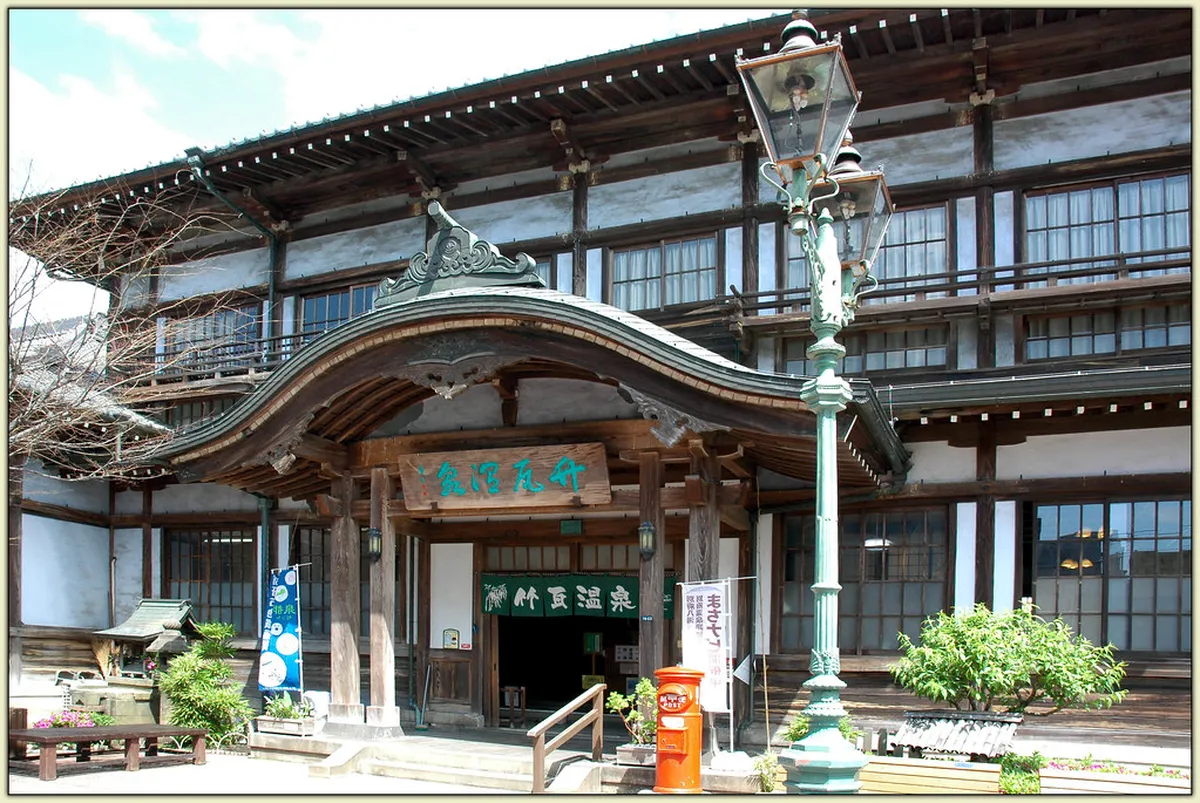
Choosing between the two main venues comes down to atmosphere versus convenience. Takegawara Onsen is a historic 1938 wooden bathhouse in downtown Beppu, a 10-minute walk from Beppu Station. The sand bath here is fully indoors, set in a dim atmospheric hall that feels several decades removed from the present. It is popular with tourists who want the old-Japan aesthetic and with locals who have been coming for years. You can read more in our Takegawara Onsen Beppu Guide: 10 Essential Tips & Attractions for deeper context.
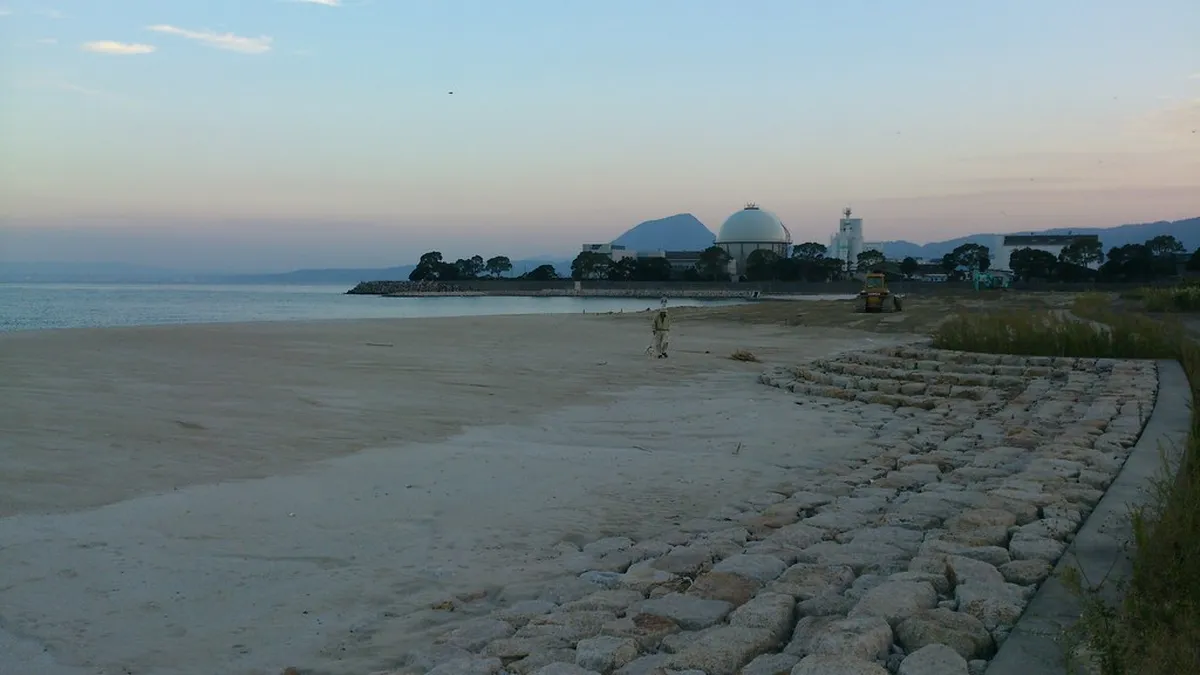
Shoningahama, now operating as the Sand SPA inside Shonin Park, is a modern coastal facility right on the edge of Beppu Bay. On a clear day you can see across the water while you are buried in sand. The pavilion is larger, better signposted in English, and generally quieter on weekday mornings. Shonin Park added a full-service bar and improved amenity kit — shampoo, conditioner, moisturiser, and hairdryer are all provided free of charge, along with the yukata and towel.
Both facilities charge approximately ¥1,500 per adult for the sand bath and grand bath combined. Children aged 6–12 pay ¥1,800 at Shonin Park for the full package, or ¥1,000 for the grand bath only. Takegawara runs on a pure walk-in queue; Shonin Park accepts same-day online reservations but walk-ins are also taken. The table below summarises the key differences.
| Venue | Setting | Adult price | Reservations | Closed |
|---|---|---|---|---|
| Takegawara Onsen | 1938 indoor bathhouse, downtown | ¥1,500 | Walk-in only | 3rd Wednesday |
| Shonin Park (Sand SPA) | Modern coastal pavilion, Shoningahama | ¥1,500 | Same-day online or walk-in | 4th Wednesday |
| Hyotan Onsen (Kannawa) | Self-service, ryokan complex | From ¥1,000 | Walk-in | Varies |
Children under six are not admitted to the sand bath at either Takegawara or Shonin Park due to heat risk. Medical contraindications include pregnancy, high blood pressure, and heart conditions — staff will ask at check-in.
- Takegawara Onsen: 1938 wooden bathhouse, indoors, downtown Beppu, 10 min walk from station, queue-only, 30–60 min wait at peak, closed third Wednesday of each month.
- Shonin Park (Sand SPA / Saraku): modern coastal pavilion, Shoningahama Beach, Kamegawa district, 15 min by bus or JR, same-day reservations accepted, 0–20 min wait on weekday mornings, closed fourth Wednesday of each month.
- Vibe: Takegawara = dim and historic; Sand SPA = airy, views of Beppu Bay.
- Family-friendliness: Sand SPA wins for English signage, stroller access, and more changing space.
- Weather resilience: Takegawara is fully indoor; Sand SPA's pavilion stays open in rain but the beach feel is reduced on grey days.
Step-by-Step: What Actually Happens During a Sand Bath
The process is organized and follows a clear sequence. It is important to follow the 10 Rules for Traditional Onsen Etiquette in Beppu throughout your visit. Staff guide you through each stage and speak enough English at both venues to handle check-in without difficulty.
- Buy your ticket at the counter. Pay ¥1,500 cash (most counters accept IC cards at Shonin Park) and receive a locker key. Check in takes five minutes if there is no queue.
- Change into the provided yukata. Remove all clothing and put on the thin cotton robe. Locker rooms are separated by gender. Keep your key on your wrist. Most people wear nothing underneath; if modesty is a concern, a swimsuit or underwear is acceptable but will get sandy and mineral-stained.
- Walk to the sand bath area. Follow signs to the beach pavilion or indoor hall. The walk takes two minutes. Wear the provided sandals.
- Lie down in the designated pit. An attendant guides you to a hollow in the sand, helps you lie flat on your back, then shovels warm sand from your feet upward until only your head and neck remain exposed. A small wooden pillow supports your head.
- Relax for 10 to 15 minutes. Focus on steady breathing. The heat builds gradually — most people feel the intensity peak around minute eight. If the sand feels too hot, wiggle a hand free and wave; attendants will loosen the covering. The timer is set for you.
- Sit up, brush off sand, and shower. Rinse thoroughly — sand collects in hair, ears, and every fold. Soap and shampoo are provided.
- Soak in the grand bath. A standard hot spring soak is included. Most visitors spend 15 to 20 minutes here before dressing.
At Shonin Park, the sand is heated with hot spring water nine times per day, each cycle taking 30 to 40 minutes, to remove impurities. Guests are also guided to a different spot each session so no one uses the exact same sand twice. This hygiene standard is more rigorous than at Takegawara, where the sand is refreshed less frequently.
Sand Bath Prices, Tickets, and Booking Procedures
As of 2026, adult entry to the sand bath plus grand bath is ¥1,500 at both Takegawara and Shonin Park (Sand SPA). Children aged 6–12 pay ¥1,800 at Shonin Park for the full sand bath and grand bath package, or ¥1,000 for the grand bath only. Children under six are not admitted to the sand bath at either venue due to heat risk. Always verify on the Official Shonin Park Guide before you visit, as Shonin Park has been updating pricing since the Sand SPA rebranding.
Rental towels and yukata are provided free of charge at Shonin Park. At Takegawara, a face towel costs an extra ¥200. Most payment is cash; Shonin Park also accepts IC cards. Keep a small amount of yen in coins for hair dryers and lockers that do not use card readers. The reception staff at both venues speaks basic English and can handle ticket purchases without issue.
Shonin Park now accepts same-day online reservations via its official website, which reduces or eliminates the wait for the sand bath pavilion. Walk-ins are still accepted but can face a 30 to 60 minute wait during peak hours (roughly 10:30–12:00 and 14:00–16:00). Takegawara operates on a pure queue system with no reservations.
Is the Sand Bath Safe for Kids? Age Limits and Physical Requirements
Both venues set the practical minimum age at around six to seven years. Below that age, children struggle to lie still for the full duration and have difficulty communicating discomfort quickly enough for staff to respond. Toddlers and babies are not suitable — sustained heat at 50–55°C poses a real risk for children who cannot self-regulate. Read our guide on Takegawara Onsen Sand Bath Beppu: Step-by-Step Guide (Prices, Tips & What for more detail on heat sensitivity.
Staff can use a thinner layer of sand for children to reduce both weight and heat intensity. Limit kids' sessions to 10 minutes rather than the full 15. Keep children well-hydrated before they enter the pit, and stay within eyeline throughout. The changing rooms are gender-segregated, which requires planning for mixed-gender families: fathers with daughters or mothers with sons need to arrange a meeting point before separating.
Medical exclusions apply regardless of age: pregnancy, high blood pressure, heart conditions, recent surgery, fever, and open wounds are all contraindications and staff will ask at check-in. Children who happily sit in a 40°C onsen soak are generally comfortable in the sand bath. Children who dislike warm baths tend to dislike the sand bath too. If you are traveling with under-sixes, a private kashikiri onsen in Beppu is a better match — you control the temperature and duration without pressure from other bathers.
Sand Bath Hours, Closures, and Weather Considerations
Shonin Park (Sand SPA) operates on seasonal hours. June through October it is open 08:00 to 22:00 with last entry at 19:00. November through March hours shorten to 08:00 to 18:00 with last entry at 17:30. The facility stays open on ordinary rainy days but may close temporarily for typhoons or severe weather. Check the JNTO Beppu Sand Bath Overview for holiday schedules and weather-related closure notices.
Takegawara Onsen generally opens at 08:00 for the regular bath with sand bath sessions available until 21:00 (last entry around 20:30). It closes on the third Wednesday of each month. Shonin Park closes on the fourth Wednesday. Both venues close for a few days during the New Year period. Arriving right at opening is the most reliable way to avoid queues at either location.
High tides can occasionally affect the sand staging area at Shoningahama. Heavy rain does not close the facility outright but does reduce the open-air beach atmosphere that makes the coastal setting distinctive. If weather is the deciding factor, Takegawara is the better choice because it is entirely indoors and unaffected by tides or rain. Use the time during any wait to explore the free foot bath on the Shonin Park grounds or walk the short coastal path along the bay.
Hyotan Onsen: The Self-Service Sand Bath Alternative
Every competitor guide focuses on Takegawara and the Beach Sand Bath. Fewer mention that Hyotan Onsen, in the Kannawa district roughly 20 minutes from Beppu Station on the Kamenoi Bus, offers a sand bath with a fundamentally different format. Here, the sand pit is available for guests to use at their own pace — you or your companions bury each other rather than waiting for an attendant to work a scheduled session. This informal, self-directed approach appeals to travelers who find the time pressure or the structured queue at the public facilities awkward.
Hyotan Onsen is a full ryokan-style bathing complex with multiple spring types: waterfall baths, steam baths, and the sand bath. Entry to the complex starts around ¥1,000 and the sand bath is included without a separate surcharge. The facility also maintains a more tolerant tattoo policy than most public onsen, making it accessible to visitors who would be turned away elsewhere. It is a logical Stop 6 if you are following the Kamenoi Bus day loop through Kannawa: do the Hells in the morning, steam-cook lunch at a jigoku mushi kitchen, then soak at Hyotan in the afternoon.
The trade-off is that Hyotan's sand bath does not face the ocean and lacks the visual drama of the Shoningahama setting. For most first-time visitors, the Beach Sand Bath is the stronger experience. But for those making a second Beppu trip, or who find scheduled sessions anxiety-inducing, Hyotan is the better call.
What to Bring and How to Get There
The venues provide most of what you need, but a few personal items improve the experience significantly. Bring a hair tie or thin shower cap — long hair fills with sand and washing it out in the shared shower area takes time. Pack a small face towel to wipe sweat from your forehead during the session (Takegawara charges ¥200 for this; Shonin Park includes it). A water bottle is essential: the heat causes heavy sweating and dehydration sets in faster than most visitors expect. Wear slip-on shoes or sandals, which are easier to remove quickly in the changing area.
Carry sufficient cash. Most lockers and hair dryers are coin-operated. Keep a ¥100 and ¥500 coin supply. A plastic bag is useful for transporting a damp yukata if staff ask you to seal it before returning it.
To reach Shonin Park (Sand SPA) from Beppu Station, take the Kamenoi Bus Pass — a day pass costs around ¥1,000 and covers unlimited rides on the network, making it cost-effective if you are also visiting the Hells. Alight at the Kamegawa Station area (roughly 15 minutes, ¥270 single) or take the JR Nippo Line one stop to Kamegawa. Takegawara is a flat 10-minute walk from Beppu Station. Taxis from the station to either venue cost ¥700–¥1,200 depending on traffic.
Must-See Beppu Attractions: Hells, Food, and Culture
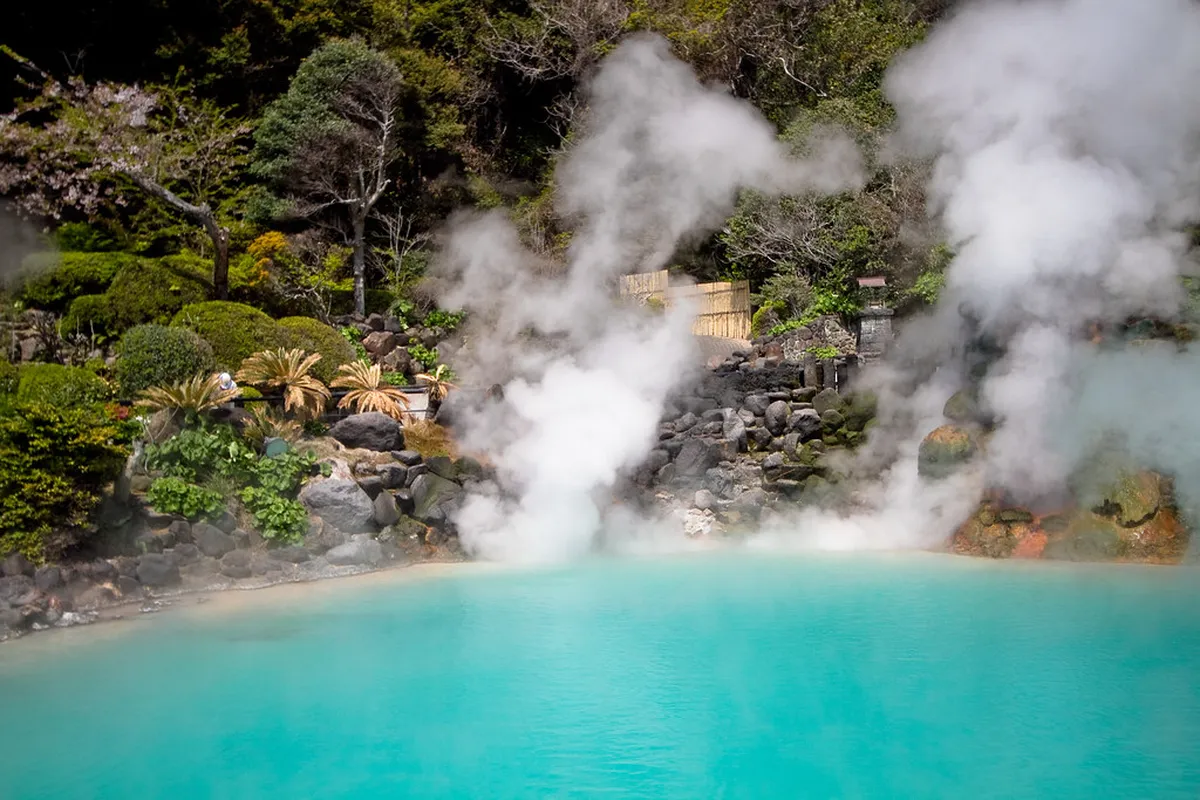
The Seven Hells of Beppu (Jigoku) are the city's primary secondary attraction and pair naturally with a sand bath day. The 7 Hells of Beppu Overview: Essential Tips for Your Visit provides a full breakdown. These geothermal pools are for viewing only — temperatures exceed 98°C — but they are visually striking, particularly Umi Jigoku (the cobalt blue sea hell) and Chinoike Jigoku (blood red). The combined Jigoku pass on Klook covers entry to multiple hells across the Kannawa and Shibaseki districts.
The culinary highlight that most visitors miss is the Jigoku Mushi experience in Kannawa. Several restaurants and dedicated steam-cooking stations let you select raw ingredients — eggs, sweet potato, corn, seafood — and cook them directly in geothermal steam boxes. The cooking takes 8 to 15 minutes depending on the ingredient and the result is richer than boiling or roasting. Okamotoya restaurant near the Kannawa Hells is the most famous stop for Hell-Steamed Pudding (jigoku mushi purin), a silky custard cooked in the steam. It costs about ¥350 and sells out by early afternoon — buy one before the lunch rush.
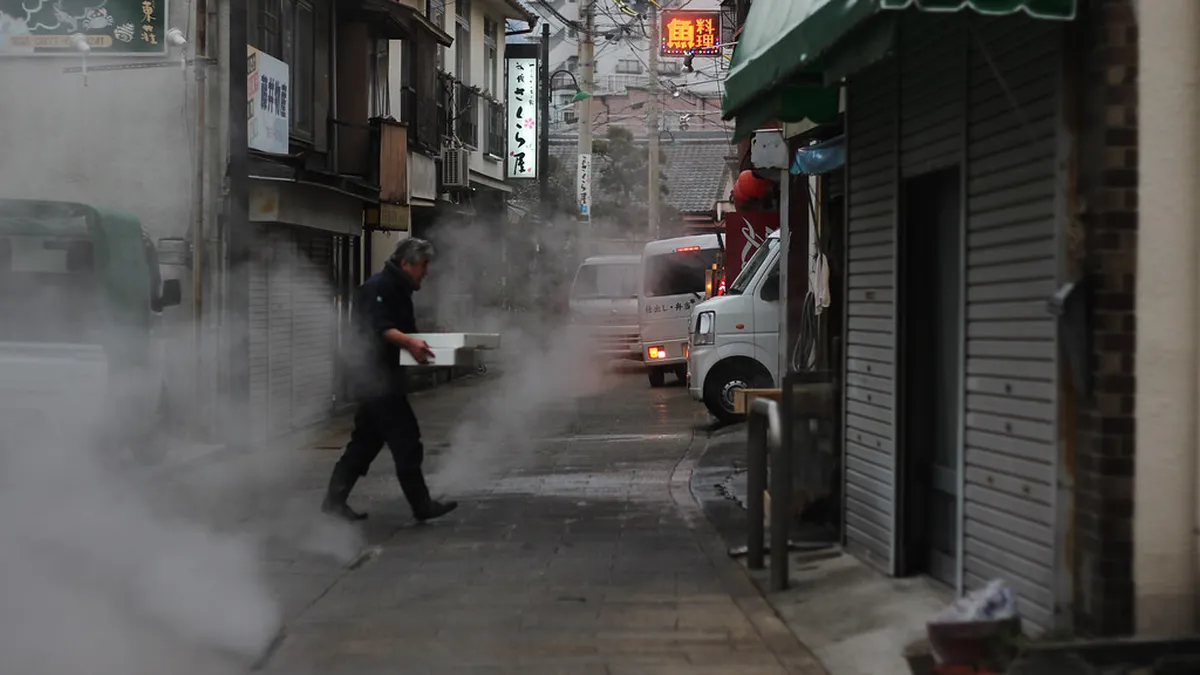
Beppu's architecture in the Kannawa district dates back several decades and the area retains a genuine onsen-town atmosphere. Many buildings in the district have their own steam vents, and the walkways between attractions carry the faint mineral scent that defines the city. Combining a morning Hells tour (Kannawa), a jigoku mushi lunch, an afternoon sand bath at Hyotan or the beach, and a stroll through the Beppu Station area covers the essential Beppu experience in a single long day.
How to Plan a Smooth Beppu Sand Bath Day
Start before 09:00 at the Kannawa Hells if you want to avoid crowds at the pools. Pick up a Kamenoi Bus Pass at Beppu Station before boarding — the driver machine works but the station counter is faster. The Hells circuit in Kannawa takes 90 to 120 minutes at a relaxed pace. Use the Beppu Transportation Guide: How to Get Around the Onsen Capital to confirm which bus routes cover Kannawa and Kamegawa on the same pass.
Follow the Hells with a jigoku mushi lunch in Kannawa (11:30 to 12:30 is the ideal window before queues form). Then either take the bus to Hyotan Onsen for the self-service sand bath, or continue to Kamegawa for the Beach Sand Bath at Shonin Park. The beach option adds 15 minutes of travel time but gives you the coastal view. If you booked a same-day slot at Shonin Park via the website, target a 14:00 or 15:00 entry to avoid the midday peak.
After the bath, the coastal walking path near Shoningahama is ideal for a gentle post-bath stroll while your body temperature normalises. The sand bath facilities close earlier than the Hells — Shonin Park's summer last entry is 19:00, winter last entry is 17:30. Build your schedule accordingly. Most visitors find a full day in Beppu sufficient to cover the Hells, the sand bath, and a meal; a second day allows time to add Yufuin or the Rakutenchi cable car amusement park on the mountainside above the city.
Plan your wider Beppu trip
For the full city overview, browse our Beppu attractions guide. For complementary depth, see our sand bath experience as well.
Related Beppu deep-dives
For complementary depth, see our Hyotan Onsen guide.
Frequently Asked Questions
How long does a Beppu sand bath session last?
A typical sand bath session lasts between 10 and 15 minutes. The staff will set a timer to ensure you do not overheat. You can then spend as much time as you like in the indoor hot springs.
Do I need to bring my own swimsuit for the sand bath?
No, you do not need a swimsuit for the sand bath. The facility provides a cotton yukata to wear during the process. You will change into this robe in the gender-segregated locker rooms before entering the sand.
What is the best time to visit the Beppu Beach Sand Bath?
The best time to visit is early in the morning when they open at 9 am. This helps you avoid the long wait times that occur in the afternoon. Weekdays are generally much quieter than weekends or holidays.
The Beppu beach sand bath is a must-do experience for any visitor to Kyushu. Whether you choose the historic 1938 atmosphere of Takegawara, the coastal views of the Sand SPA at Shonin Park, or the relaxed self-service format at Hyotan Onsen in Kannawa, the geothermal heat and the mineral-rich sand deliver something that a standard onsen cannot. Prepare with the right gear, book a same-day slot if you prefer shorter waits, and allow a full day to combine the bath with the Hells and a jigoku mushi meal for the complete Beppu experience.
Free: The Beppu Essentials guide
Top things to do, where to stay, a perfect day plan, getting around, and the best time to go — a Beppu mini-guide you can take offline.
You might also like


Continue reading
More guides you'll find useful


