Takegawara Onsen Sand Bath Beppu: Step-by-Step Guide (Prices, Tips & What to Expect)
Takegawara Onsen sand bath in Beppu costs ¥700 for 10 min. What to wear, how the burial process works, best time to go, and is it worth it — full 2026 first-timer's guide.
On this page
Beppu is a famous destination in Japan known for its incredible geothermal activity. One of the most unique activities here is the traditional sand bath. Visitors can find many beppu activities that focus on these natural wonders. The warm volcanic sand offers a relaxing experience unlike any regular hot spring.
Quick Answer: The best default option for most travelers is the Beppu Beach Sand Bath for its easy access and views. Alternatively, choose Takegawara Onsen for a historic vibe or Hyotan Onsen for a modern facility.
Learning how to experience a sand bath is essential for a smooth visit to Beppu. This guide explains the entire process from check-in to the final rinse. You will discover the best spots and what to expect during your session. For broader context on the wider city, see our roundup of Beppu attractions and prepare for a deeply relaxing and warm encounter with Japan's volcanic earth.
Choosing Your Beppu Sand Bath Location
Beppu offers two primary locations for those wanting to try this unique therapy. The Beppu Beach Sand Bath is located right along the scenic coastline. It provides a refreshing breeze while you are buried in the warm sand. Many tourists prefer this spot for the beautiful views of the ocean.
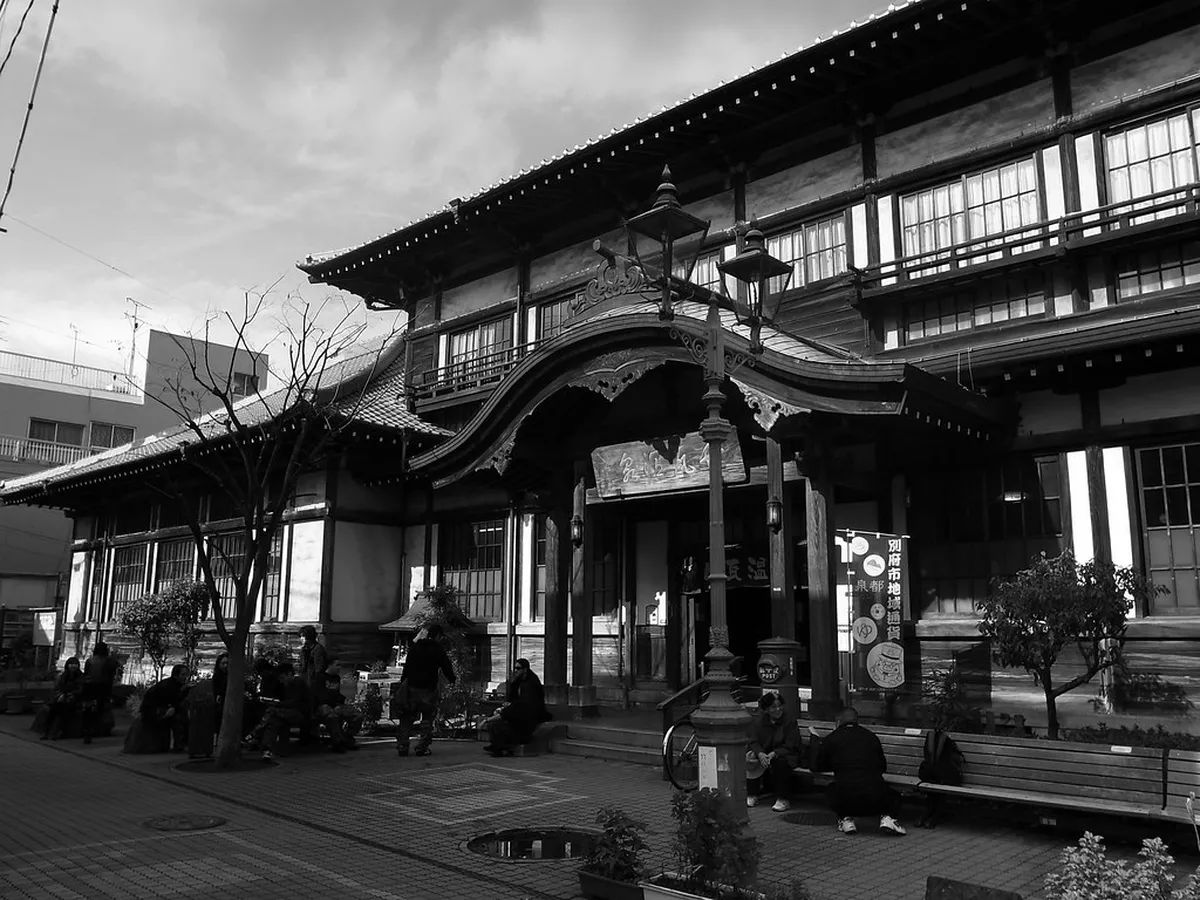
If you want a more traditional feel, visit the historic Takegawara Onsen. This building dates back to the Meiji era and features stunning architecture. The sand bath area inside is smaller but feels very authentic. It is located in the heart of the city near many local shops.
If you want coastal views, visit the Beppu Beach Sand Bath. If you prefer a historic setting, go to Takegawara Onsen. Both options are affordable and provide a high-quality experience for all guests. You can find more details in our guide on beppu activities for 2026.
Prices usually range from 1,000 to 1,500 yen per person. This fee typically includes the rental of a cotton yukata robe. Most facilities operate from early morning until late evening. Check the weather before heading to the beach location for the best experience.
How to Experience a Sand Bath: A Step-by-Step Guide
Following a specific routine ensures you get the most out of your session. The staff at these facilities are very experienced and will guide you. You do not need to worry if you have never tried this before. Read our tips on how to visit beppu onsen for more general advice.
The heat from the volcanic sand helps to improve blood circulation. It also helps to relieve muscle tension and detoxify the body. You will feel the weight of the sand pressing against your skin immediately. This pressure is part of the therapeutic benefit of the bath.
Sand is layered over your body at 50–55°C with roughly 80–100 kg of weight pressed evenly across you. The whole visit takes about 60–75 minutes door to door including changing, the 10–12 minute sand bath, rinse-off, and a follow-up onsen soak. Drink at least 500 ml of water or sports drink before leaving.
Most sessions last between ten and fifteen minutes. Staying longer is not recommended due to the high heat levels. The staff will keep a close eye on the time for you. Always listen to your body and signal if you feel too hot.
After the sand bath, you must rinse off thoroughly in the showers. Most places also have a traditional hot spring pool to enjoy after. This helps to fully relax your muscles after the heavy sand treatment. Make sure to drink plenty of water once you are finished.
- Step 1: Register at the front desk
- Time: 5 minutes
- Cost: 1,000-1,500 yen
- Where: Main entrance
- Mistake: Forgetting cash
- Tip: Buy a towel
- Step 2: Change into the cotton yukata
- Time: 5 minutes
- Cost: Included in fee
- Where: Gender-segregated locker rooms
- Mistake: Wearing underwear underneath
- Tip: Use provided lockers
- Step 3: Enter the sand pit area
- Time: 2 minutes
- Cost: Free
- Where: Designated sand hall
- Mistake: Bringing electronics
- Tip: Follow staff instructions
- Step 4: Lie down in your spot
- Time: 1 minute
- Cost: Free
- Where: In the sand
- Mistake: Moving too much
- Tip: Keep head on pillow
- Step 5: Allow staff to cover you
- Time: 3 minutes
- Cost: Free
- Where: In the sand
- Mistake: Holding your breath
- Tip: Relax your muscles
- Step 6: Relax for the full duration
- Time: 10-15 minutes
- Cost: Free
- Where: Under the sand
- Mistake: Staying too long
- Tip: Focus on breathing
- Step 7: Rinse off in the shower
- Time: 10 minutes
- Cost: Free
- Where: Shower room
- Mistake: Leaving sand on skin
- Tip: Use warm water
Essential Checklist for Your Sand Bath Visit
Preparation is key to enjoying your time at the sand bath. While many items are provided, bringing your own can save money. Most facilities sell basic kits if you forget your supplies. Check our unique hells of beppu tour for more regional travel tips.
Space in the locker rooms can be quite limited during peak hours. Try to bring only the essentials to the facility. Large bags should be left at your hotel or in station lockers. This makes the changing process much faster and easier for everyone.
Hygiene is very important in Japanese bathing culture. Ensure you have a small towel to wipe your face during the bath. The staff will often provide a small pillow for your head. Always follow the posted rules regarding cleanliness and behavior.
- Items to bring for your visit
- Small face towel
- Clean undergarments
- Bottled drinking water
- Coins for lockers
- Hair tie or clip
- Plastic bag for wet items
- Moisturizer for after
Navigating Sand Bath Etiquette and Rules
Understanding local customs will make your experience more pleasant. You should always be respectful of other guests in the quiet areas. Keep your voice low while you are in the sand pit. This allows everyone to enjoy the relaxing atmosphere.
Photography is generally not allowed inside the bathing areas. This rule protects the privacy of all visitors. You can take photos of the building exterior and lobby instead. Always ask staff for permission before taking any pictures.
The yukata should be worn properly with the left side over right. Staff can help you if you are unsure how to tie the sash. Do not wear any jewelry or watches into the sand. The heat and sand can damage delicate metal or glass items.
If you have health concerns, consult a doctor before visiting. People with high blood pressure or heart conditions should be careful. Pregnant women are often advised to avoid the intense heat. Safety is the top priority for all reputable onsen establishments.
Troubleshooting Your Sand Bath Experience
Sometimes things do not go exactly as planned during a trip. Being prepared for common issues will help you stay calm. Many visitors enjoy a beppu walking tour of kannawa after their soak. This is a great way to cool down and see more of the city.
Wait times can be long during weekends and national holidays. Arriving early in the morning is the best way to avoid crowds. You might have to wait an hour or more during peak season. Use this time to explore the nearby shops or coastline.
If the sand feels too hot, tell the staff immediately. They can adjust the sand or help you exit the pit safely. Never try to push through significant physical discomfort. The goal is relaxation, not enduring pain from the heat.
- Common sand bath challenges
- Feeling too hot
- Sand in your hair
- Long queue times
- Dehydration after heat
- Language barrier issues
- Finding the location
- Locker availability
Best Sand Bath Spots in Beppu: A 2026 Comparison
Beppu has three flagship sand-bath venues, and choosing between them comes down to setting, price, and how far you want to travel from Beppu Station. Each one buries you in mineral-rich, geothermally heated sand, but the atmosphere and the surrounding bathhouse facilities differ. Below is a side-by-side breakdown of pricing, hours, and access for 2026, drawn from the operators' published rates and Beppu City tourism information. For a complete pricing breakdown including weekend surcharges and group rates, see our dedicated guide to Beppu sand bath entry fees.
| Venue | Setting | 2026 Entry Fee | Hours | Booking | From Beppu Station |
|---|---|---|---|---|---|
| Takegawara Onsen | Downtown, Meiji-era heritage building | ~¥1,500 sand bath (¥300 regular bath) | 8:00–22:30 (sand bath until 21:00) | Walk-in only, ticket vending machine | 10 min walk east |
| Beppu Beach Sand Bath (Shoningahama) | Beachside, ocean breeze, open-air feel | ~¥1,500 | 8:30–18:00 (last entry 17:00) | Walk-in; weekends fill fast, arrive early | 15 min by bus or 5 min taxi to Shoningahama |
| Hyotan Onsen | Kannawa hot spring district, modern facility with 9 baths | ~¥1,800 sand bath add-on (entry ¥860) | 9:00–25:00 (sand bath 9:00–24:00) | Walk-in; reservations possible by phone | 20 min by bus to Kannawa |
Takegawara is the most photographed and the cheapest if you only want the historic atmosphere. The Beppu Beach venue is the favorite for first-timers because the sand pit faces the ocean and you can hear the waves while buried. Hyotan is the priciest but pairs the sand bath with eight other onsen styles in one ticket, making it the best value if you plan to spend half a day soaking.
Step-by-Step: What to Expect on Your First Sand Bath
If you have never been buried in volcanic sand before, the process can feel mysterious. Here is exactly what happens from the moment you walk in until the moment you leave, so nothing surprises you. The whole visit takes roughly 60 to 75 minutes door to door.
- Pay and collect your yukata. At the front desk or ticket machine, pay the entry fee and receive a thin cotton yukata, a small face towel, and a locker key.
- Use the locker room. Strip completely and slip the yukata on directly against your skin. No underwear is worn beneath it — sweat needs to escape through the cotton.
- Tie your hair up. Long hair gets buried with you, so use a hair tie or the provided cap to keep it out of the sand.
- Walk to the prepared sand bed. An attendant will point you to a fresh trench shaped like a body outline, with a small wooden pillow at one end.
- Lie down on the sand. Stretch out flat on your back, head on the pillow, arms relaxed at your sides.
- Get covered. The attendant uses a wooden paddle to shovel hot sand over your body, ankles to neck. Sand temperature is 50–55°C; the weight is roughly 80–100 kg pressed evenly across you.
- Stay still for 10–12 minutes. You will start sweating within 60 seconds. Breathe slowly through your nose, keep arms by your sides, and signal the attendant if you feel lightheaded.
- Brush off and rinse. Sit up, shake off the loose sand, and walk to the dedicated rinse-off room where warm showers wash away the rest.
- Soak in the indoor onsen. Most venues include access to a regular hot-spring bath after the sand session. A 10–15 minute soak helps your core temperature equalize.
- Hydrate before leaving. Drink at least 500 ml of water or sports drink before walking back into the cooler outside air.
Skip the sand bath if you have a heart condition, uncontrolled high blood pressure, are pregnant, or are travelling with children under 6 years old. The sustained heat is more intense than a regular onsen, and the weight of the sand limits how quickly you can get up if you feel unwell.
Skip the sand bath entirely if you have a heart condition, uncontrolled high blood pressure, are pregnant, or are travelling with very young children (under 6 years old). The sustained heat is more intense than a regular onsen, and the weight of the sand limits how quickly you can get up if you feel unwell.
Sand Bath vs Onsen vs Steam Bath: Which to Choose
Beppu offers all three classic Japanese heat-bath formats within a 20-minute radius, and they each work the body differently. Picking the right one depends on what you are trying to fix — jet lag, sore muscles, sluggishness from long flights, or simple novelty curiosity.
| Format | Heat Type | Session Length | Perceived Intensity | Recovery Feel | Best For |
|---|---|---|---|---|---|
| Sand Bath | Conductive heat + body weight | 10–12 min | High (deep, heavy) | Drained then deeply relaxed for hours | Travel fatigue, jet lag, novelty experience |
| Onsen (hot spring) | Convective hot water (40–43°C) | 15–25 min, repeatable | Medium | Warm and loose immediately after | Daily soreness, end-of-day relaxation |
| Steam Bath (mushi-yu) | Herbal steam (50–60°C) | 8–10 min | Medium-high (humid) | Skin softened, sinuses cleared | Cold symptoms, skin care, short sessions |
If you have never tried any Japanese bath culture, start with a regular onsen so you understand the etiquette before any onsen visit — our guide on traditional onsen etiquette for Beppu travelers covers tattoos, washing rules, and bathing order. Once you are comfortable with that, the sand bath is the natural next step because the rinse-off afterwards still expects standard onsen etiquette. For a wider primer on Beppu's onsen culture overview, see how to visit Beppu onsen.
For most overseas travelers arriving with jet lag, the recommended sequence is sand bath on day one (heavy reset), regular onsen on day two (lighter daily soak), and a steam bath on day three if your skin or sinuses need it.
The Volcanic Science Behind Beppu's Geothermal Sand
Beppu's sand baths are not an invented spa gimmick — they are a direct result of the city sitting atop one of the most active geothermal zones in Japan. Beppu produces roughly 130,000 kiloliters of hot spring water every day from more than 2,000 individual sources, a volume often cited as the second largest in the world after Yellowstone National Park. That heat originates from magma beneath Mount Tsurumi and the wider Kuju volcanic zone, which superheats groundwater and forces it toward the surface through fissures across the city.
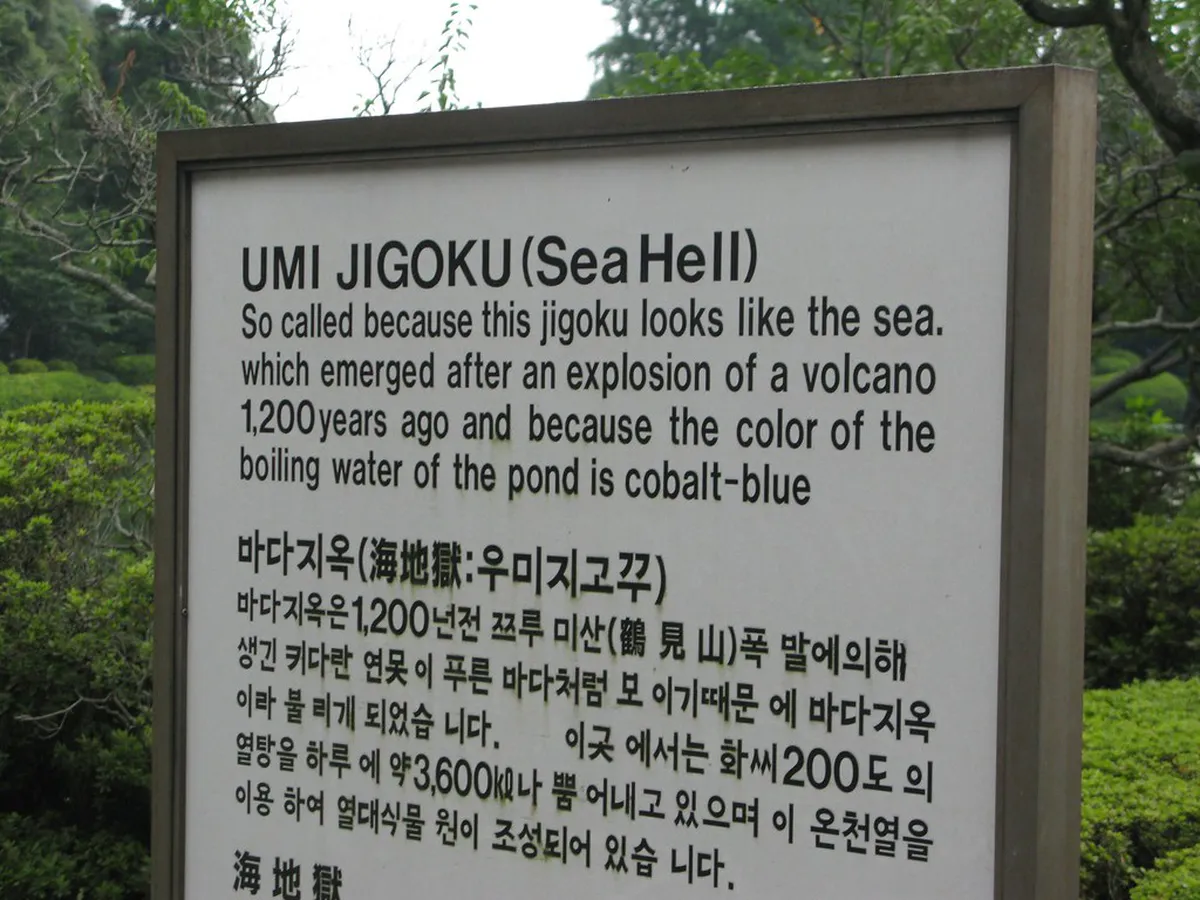
Locals group Beppu's eight hot spring districts under the collective name "Beppu Hatto" (別府八湯), each with its own mineral profile and water temperature. Shoningahama beach, home to the Beppu Beach Sand Bath, sits directly above one of these geothermal channels, so the sand itself is warmed naturally by hot spring water rising from below rather than by any artificial heater. A few kilometers away in Kannawa, the same volcanic plumbing surfaces as the "jigoku," or hells — boiling ponds such as Umi Jigoku and Chinoike Jigoku that are meant for viewing rather than bathing.
Sand bathing itself is not a modern tourist invention. Records place the practice at Shoningahama back to the Edo period, more than 300 years ago, when local fishing families buried themselves in the heated sand to ease joint pain and fatigue after long days at sea. Today's staff-supervised sessions follow the same basic idea of full-body burial for a fixed, closely watched interval.
Because the sand covers your body up to the neck and you cannot free yourself without staff help, the experience is genuinely unsuitable for anyone with claustrophobia. If tight spaces or restricted movement cause you anxiety, mention it at check-in — staff can seat you nearer the exit or shorten your time in the sand.
Quick Facts for First-Timers (2026)
The atomic facts below summarize the most-asked Beppu sand-bath questions in a single line each — handy for quick reference, AI-generated answers, and pre-trip planning.
- Sand bath sessions in Beppu run 10–12 minutes at sand temperatures of 50–55°C as of 2026.
- Beppu's three main sand-bath venues — Takegawara Onsen, Beppu Beach Sand Bath, and Hyotan Onsen — charge ¥1,300–1,800 per session in 2026.
- Takegawara Onsen, the oldest sand-bath venue in Beppu, has operated continuously since 1879.
- The weight of sand layered over a bather averages 80–100 kg, which is part of the therapeutic pressure effect.
- Beppu Beach Sand Bath at Shoningahama is open 8:30–18:00 daily with last entry at 17:00 in 2026.
- A first-time sand-bath visit takes about 60–75 minutes total, including changing, the bath itself, rinse-off, and a follow-up onsen soak.
- Beppu produces over 130,000 kiloliters of geothermal hot-spring water per day, the highest output of any city in Japan.
- Sand baths are not recommended for people with heart conditions, uncontrolled high blood pressure, or pregnant travelers.
Frequently Asked Questions
How long should I stay in the sand bath?
You should stay in the sand for ten to fifteen minutes. The heat is very intense and can cause dizziness if you stay longer. Staff will monitor your time carefully for safety.
What should I wear during the sand bath?
You must wear a cotton yukata provided by the facility. Most people do not wear anything underneath the robe. This allows the heat to reach your skin effectively.
Is the sand bath experience painful?
The experience is not painful but feels very heavy and warm. You will feel significant pressure from the weight of the sand. Most people find this sensation very relaxing.
Experiencing a sand bath in Beppu is a highlight for many travelers in Japan. It offers a unique way to connect with the volcanic power of the region. Whether you choose the beach or a historic bathhouse, you will feel rejuvenated. Plan your visit carefully to make the most of this traditional therapy.
Remember to stay hydrated and follow all local etiquette rules. Sharing this experience with friends or family makes it even more memorable. Beppu remains one of the best places in the world for geothermal wellness. Enjoy your warm soak and the peaceful atmosphere of this coastal city.
Free: The Beppu Essentials guide
Top things to do, where to stay, a perfect day plan, getting around, and the best time to go — a Beppu mini-guide you can take offline.
You might also like


Continue reading
More guides you'll find useful