

15 Best Things to Do in Yamagata Prefecture (2026)
Discover the best things to do in Yamagata Prefecture with our ultimate travel guide for 2026. Explore top attractions, cultural sites, outdoor adventures, and practical tips for your trip.
On this page
Yamagata Prefecture, nestled in Japan's Tohoku region, offers a captivating blend of ancient traditions, stunning natural beauty, and unique culinary delights. After numerous visits, we've curated an essential guide to help you navigate its diverse offerings. This guide ensures you experience the very best of what this often-overlooked gem has to offer in 2026. From serene mountain temples to mystical winter landscapes, Yamagata promises an unforgettable journey.
Most visitors reach these sights by rail, many via neighbouring Sendai — the Tohoku Shinkansen gateway just over the prefecture border.
Whether you're seeking spiritual enlightenment, outdoor adventures, or a taste of authentic Japanese culture, Yamagata delivers. We'll cover everything from iconic sights to practical travel tips, ensuring your trip is seamless. Prepare to explore a region rich in history and breathtaking scenery. This guide will help you plan your perfect Yamagata adventure.
Key Takeaways
- Quick Pick: Yamadera Temple offers a spiritual hike with incredible views, ideal for a clear morning.
- Best for Families: Kajo Park provides open spaces and historical exploration, suitable for all ages.
- Best Rainy-Day Activity: Explore the Yamagata Museum of Art or relax in an onsen at Zao Onsen.
- Best Free Activity: Stroll through Kajo Park or enjoy a free bicycle rental in Yamagata City (seasonal).
- Don't Miss: The Zao Snow Monsters in winter, a truly unique natural phenomenon.
How to Get to Yamagata Prefecture
Reaching Yamagata Prefecture is straightforward, with several convenient options depending on your starting point. The most popular route for travelers from Tokyo is the Yamagata Shinkansen. This bullet train offers a comfortable and scenic journey directly to Yamagata City. The trip typically takes around 2 hours and 45 minutes, costing approximately ¥11,000–¥12,000 for a one-way ticket.
For those traveling from further afield, flying into Sendai Airport (SDJ) can be an efficient choice. From Sendai, you can take a local train or bus to Yamagata City, which takes about an hour. Alternatively, Yamagata Airport (GAJ) offers domestic flights, though options are more limited. Consider checking flight schedules for direct connections if available.
Long-distance buses also provide a budget-friendly alternative, connecting Yamagata with major cities like Tokyo and Sendai. While slower, these buses are significantly cheaper, with fares often ranging from ¥4,000–¥7,000. The overnight bus can save on accommodation costs for those on a tighter budget. Always book tickets in advance, especially during peak travel seasons.
15 Best Things to Do in Yamagata Prefecture (2026)
Yamagata Prefecture is a treasure trove of experiences, offering a diverse array of attractions for every type of traveler. From ancient temples perched on cliffs to serene hot springs and vibrant festivals, there's something to captivate everyone. We've compiled a list of the top things to do, ensuring you don't miss out on Yamagata's most iconic and unique offerings. This selection balances historical significance with natural beauty and local charm.
Exploring these sites will give you a comprehensive understanding of the prefecture's rich culture and breathtaking landscapes. Prepare for spiritual journeys, invigorating outdoor adventures, and relaxing moments. Many of these locations offer stunning photographic opportunities. Remember to check official websites for the most current operating hours and any seasonal closures.
- Yamadera Temple (Risshakuji Temple)
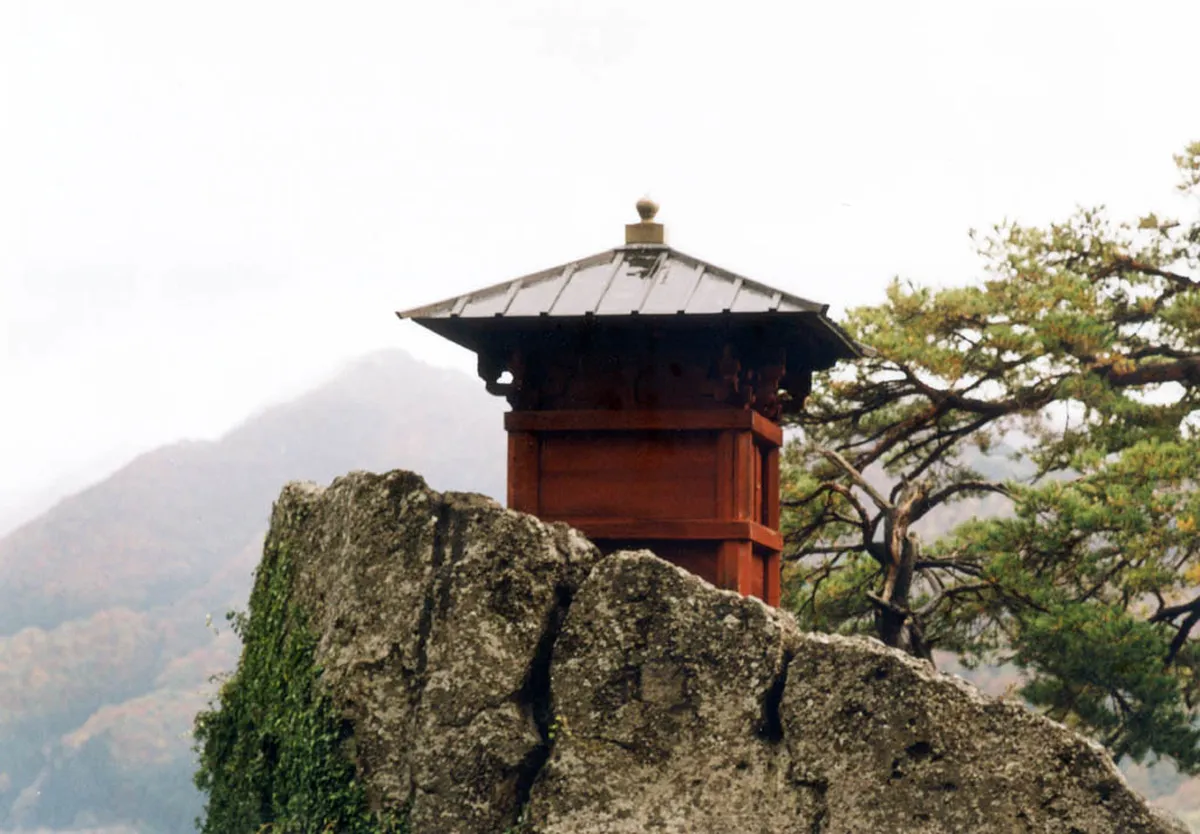
- This ancient temple complex, perched on a mountainside, offers breathtaking views and a spiritual journey.
- Expect a challenging but rewarding climb of over 1,000 steps through serene forest paths to reach the main hall.
- It's located about 20 minutes by train from Yamagata City; plan 2-3 hours for the visit, with an admission fee of ¥300 per adult.
- Arrive early in the morning to avoid crowds and experience the peaceful atmosphere, especially during autumn foliage.
- Ginzan Onsen
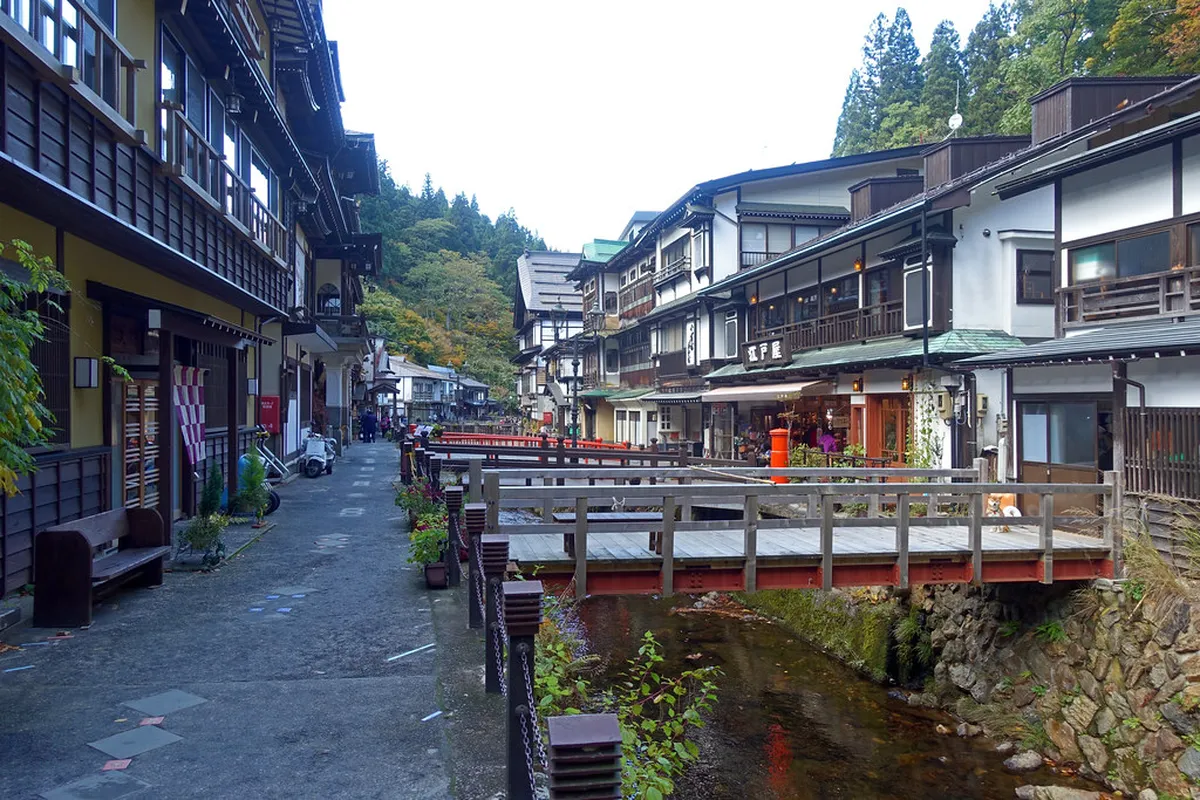
- A picturesque hot spring town renowned for its charming Taisho-era wooden ryokans lining a narrow river.
- It feels like stepping back in time, especially enchanting when illuminated by gas lamps in the evening.
- Located about 40 minutes by Shinkansen to Oishida Station, then a 30-40 minute shuttle bus ride; public baths cost ¥300–¥500.
- Book accommodation far in advance if you plan to stay overnight, as rooms are limited and highly sought after.
- Zao Onsen & Snow Monsters (Juhyo)
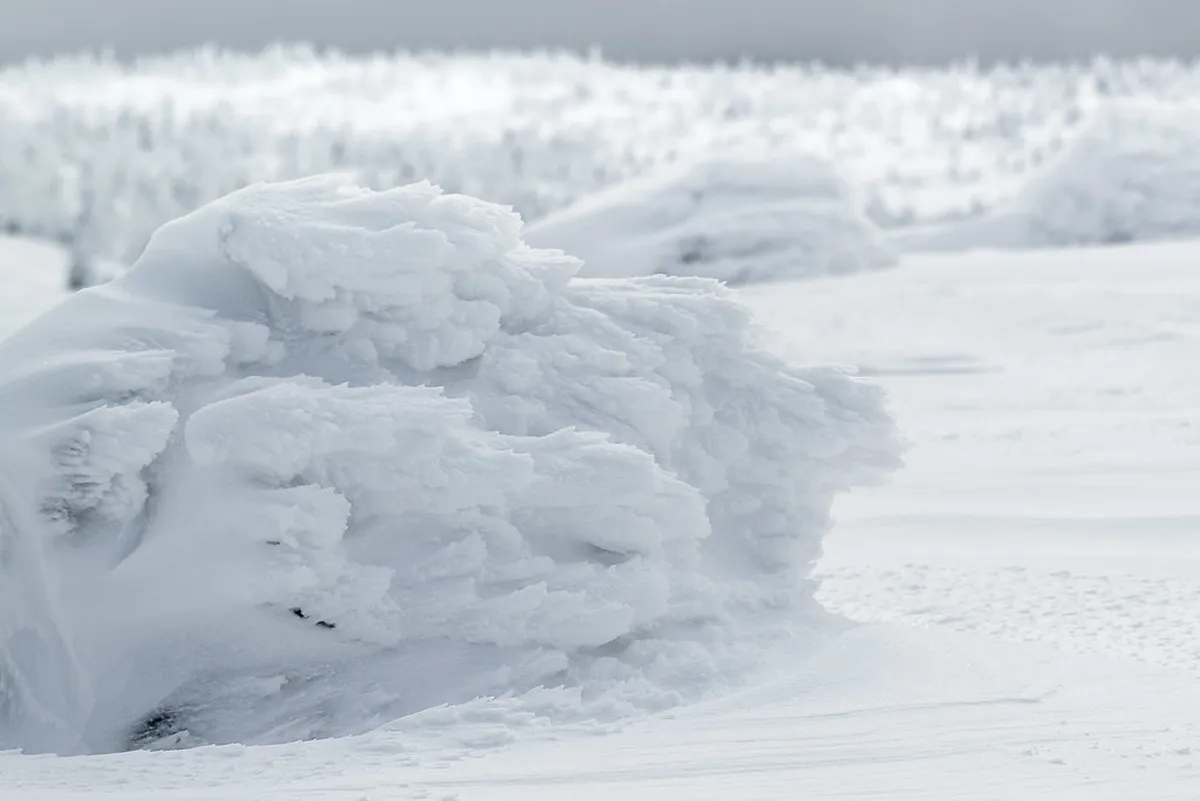
- A famous hot spring resort that transforms into a winter wonderland, home to the iconic 'Snow Monsters' (Juhyo).
- These unique natural ice formations attract visitors from around the globe, best viewed via ropeway.
- Zao Onsen is an hour by bus from Yamagata Station (¥1,000 one-way); ropeway tickets are around ¥3,000 for a round trip.
- Visit in late January or February for the best chance to see fully formed Juhyo, but be prepared for cold temperatures.
- Kajo Park (Yamagata Castle Ruins)
- The site of Yamagata Castle, this expansive park offers a peaceful retreat with impressive reconstructed gates and moats.
- It's a popular spot for cherry blossom viewing in spring and provides a glimpse into the region's samurai history.
- Located a 15-minute walk from Yamagata Station; admission to the park grounds is free, though some museums inside may charge.
- Rent a free bicycle from mid-April to October (9:00-17:00) near the station to explore the park and surrounding city easily.
- Mount Zao & Okama Crater
- Mount Zao is a volcanic mountain range offering stunning hiking trails and the mesmerizing Okama Crater Lake.
- The crater lake's color changes with the weather, creating a surreal and beautiful spectacle.
- Accessible by bus from Zao Onsen, typically from late April to early November; plan a full day for hiking.
- The weather at the summit can be unpredictable, so bring layers and check conditions before heading up.
- Bunshokan (Former Prefectural Office)
- This beautifully preserved Western-style building served as Yamagata's prefectural office and assembly hall.
- It showcases elegant architecture and offers insights into the region's modernization during the Taisho period.
- Situated in central Yamagata City, a short walk from Kajo Park; admission is free.
- Take time to appreciate the intricate details of the interior, including the stained glass and grand staircase.
- Chido Museum
- A comprehensive museum in Tsuruoka City dedicated to the history and culture of the Shonai region.
- It features traditional samurai residences, a farmhouse, and a beautiful Japanese garden.
- Open daily from 9:00 AM to 5:00 PM (last entry 4:30 PM), closed on some holidays; admission is around ¥700.
- Combine a visit here with exploration of other historical sites in Tsuruoka for a full cultural day.
- Dewasanzan (Three Sacred Mountains of Dewa)
- A revered pilgrimage site consisting of Mount Haguro, Mount Gassan, and Mount Yudono, central to Shugendo.
- Mount Haguro is the most accessible, featuring a stunning five-story pagoda and ancient cedar trees.
- Access Mount Haguro by bus from Tsuruoka Station; allow 3-4 hours to climb the 2,446 stone steps.
- Wear comfortable shoes and bring water, as the climb can be strenuous but offers profound tranquility.
- Sakata City Museum of Art
- Perched on a hill overlooking the Sea of Japan, this museum boasts a collection of Japanese and Western art.
- Its location offers panoramic views, making it a pleasant stop for art and scenery enthusiasts.
- Open 9:00 AM to 5:00 PM (last entry 4:30 PM), closed Mondays; admission varies by exhibition, typically around ¥800.
- Enjoy a coffee at the museum cafe while taking in the expansive coastal vistas.
- Mogami River Boat Ride
- Experience the tranquil beauty of the Mogami River on a traditional boat ride.
- Narrators often share local stories and songs, offering a relaxing and culturally immersive experience.
- Various departure points exist, with rides typically lasting about an hour; prices range from ¥2,000–¥2,500.
- Spring and autumn offer especially scenic views with cherry blossoms or vibrant fall foliage along the banks.
- Yamagata Museum of Art
- This museum houses a diverse collection, including works by French Impressionists and Japanese artists.
- It provides a cultural escape within Yamagata City, perfect for art lovers.
- Open 10:00 AM to 5:00 PM (last entry 4:30 PM), closed Mondays; admission is around ¥800, varying with special exhibitions.
- Check their schedule for temporary exhibitions, which often feature unique and interesting themes.
- Tendo Onsen
- A historic hot spring town famous for its shogi (Japanese chess) piece production and relaxing baths.
- Enjoy a soak in therapeutic waters after exploring the nearby shogi piece workshops.
- Tendo is easily accessible by train from Yamagata City; public bath fees are typically ¥300–¥600.
- Look for souvenir shogi pieces, which make unique gifts, and try your hand at a game.
- Yonezawa Castle Ruins & Uesugi Shrine
- The former site of Yonezawa Castle, now home to the Uesugi Shrine, dedicated to the revered samurai Uesugi Kenshin.
- This historical site is a must-visit for those interested in samurai history and feudal Japan.
- Located in Yonezawa City, accessible by train; shrine grounds are free, but museums may have an entrance fee.
- Visit during the Uesugi Festival in spring for vibrant reenactments and traditional ceremonies.
- Yamagata Marugoto-kan Beni-no-kura
- A renovated traditional storehouse complex offering local produce, crafts, and dining experiences.
- It's a great place to sample local delicacies and purchase unique souvenirs.
- Located in Yamagata City, a short walk from Kajo Park; hours typically 9:00 AM to 6:00 PM, closed Mondays.
- Try some local sake or a dish featuring Yamagata-grown ingredients at one of the on-site restaurants.
- Zao Bodaira Highland
- This area offers stunning panoramic views of the Zao mountain range and surrounding landscapes.
- It's a fantastic spot for hiking in warmer months and enjoying the vibrant autumn foliage.
- Accessible by car or bus from Zao Onsen during the green season; plan for a half-day visit.
- Pack a picnic to enjoy the scenic overlooks, and bring a camera for the expansive vistas.
What to Eat in Yamagata: Local Delicacies
Yamagata Prefecture boasts a rich culinary heritage, with unique dishes and produce that reflect its fertile lands and clear waters. No visit is complete without indulging in the local flavors. From hearty noodles to seasonal fruits, the food scene here is a highlight. We encourage you to explore beyond the typical tourist fare.
One of Yamagata's most famous dishes is 'Imoni,' a taro potato stew that is especially popular in autumn. Each region within Yamagata has its own variation, making it a fun local quest to try different styles. Another must-try is 'Dondonyaki,' a savory pancake on a stick, perfect for a quick snack. These can often be found at local festivals and street stalls.
Yamagata is also renowned for its fruits, particularly cherries and La France pears. During summer, you can often find roadside stands selling freshly picked cherries. The prefecture is also a significant producer of high-quality rice and sake. Consider visiting a local brewery for a tasting experience. For an authentic dining experience, try しゃぶ専 (Shabu-sen) for their exquisite shabu-shabu featuring local Yamagata beef.
Where to Stay in Yamagata: Accommodation Options
Choosing the right accommodation can significantly enhance your Yamagata experience. Options range from convenient city hotels to traditional ryokans nestled in hot spring towns. Your choice will likely depend on your itinerary, budget, and desired atmosphere. We recommend booking well in advance, especially during peak seasons.
In Yamagata City, hotels near Yamagata Station offer excellent accessibility to transport and local attractions. The Comfort Hotel Yamagata and Hotel Crown Hills Yamagata are popular choices, providing modern amenities and comfortable stays. These are ideal for travelers who prioritize convenience and easy access to city sights. Expect prices to range from ¥7,000–¥15,000 per night.
For a more traditional and immersive experience, consider staying in a ryokan in an onsen town. Ginzan Onsen and Zao Onsen offer a variety of ryokans, many with private baths and exquisite kaiseki (traditional multi-course) dinners. These stays often cost more, typically ¥15,000–¥30,000 per person per night, but provide exceptional cultural value. Many ryokans offer shuttle services from the nearest train station, which is very helpful.
Essential Yamagata Travel Tips & Local Transportation
Navigating Yamagata Prefecture is relatively easy with a bit of planning. Understanding local transportation options and a few key tips will make your trip smoother. The region offers a mix of trains, buses, and even bicycle rentals. This variety allows for flexible exploration.
Within Yamagata City, the 'Benichan Bus' is a convenient and affordable way to get around. It runs every 15 minutes from Yamagata Station, with fares typically ¥100–¥200 per ride. For exploring the city center at a leisurely pace, free bicycle rentals are available from mid-April to October. These can be picked up and returned at various stations between 9:00 AM and 5:00 PM.
For longer distances and day trips, the JR train network is efficient. The Yamagata Line connects major cities within the prefecture. Local buses serve areas not covered by trains, such as the route from Yamagata Station to Zao Onsen. Always check bus schedules in advance, as frequencies can vary, especially in rural areas. A Japan Rail Pass can be a cost-effective option if you're traveling extensively throughout Japan.
Planning Your Yamagata Itinerary: Sample Routes
To make the most of your visit, consider these sample itineraries tailored to different trip durations and interests. Yamagata offers enough attractions to fill several days, but even a short visit can be rewarding. Adjust these suggestions to match your pace and preferences. These routes provide a good starting point for your adventure.
One-Day City Explorer: Start your day at Kajo Park, exploring the castle ruins and surrounding museums. Afterward, visit the Bunshokan for a glimpse into Yamagata's historical architecture. Enjoy lunch in the city center, perhaps trying some local soba noodles. Conclude your day with a visit to the Yamagata Museum of Art or a stroll through Yamagata Marugoto-kan Beni-no-kura for souvenirs.
Three-Day Cultural & Nature Immersion: Day 1: Arrive in Yamagata City and explore Kajo Park and Bunshokan. Day 2: Take an early train to Yamadera Temple for a spiritual climb and stunning views, then return to Yamagata City. Day 3: Head to Zao Onsen for a relaxing hot spring experience and, depending on the season, explore Mount Zao or see the Snow Monsters. This itinerary balances history, spirituality, and natural beauty.
Winter Wonderland Getaway: Focus your trip entirely on Zao Onsen. Spend your days skiing or snowboarding, marveling at the Juhyo (Snow Monsters). Evenings are for soaking in the therapeutic onsen waters. Consider a day trip to Ginzan Onsen for its magical evening illuminations. Book all accommodations and transport well in advance, as winter is a popular time.
Cultural & Historical Experiences in Yamagata
Yamagata City holds a surprisingly dense cluster of historical buildings and museums within easy walking distance of the station. Most of them are free, and together they form a half-day cultural loop that rivals anything in better-known Tohoku cities. The city grew wealthy from safflower trade and samurai politics — and that history is legible in the streetscape if you know where to look.
Kajo Park sits on the ruins of Yamagata Castle, built by the feudal lord Mogami Yoshiaki (1546–1614). The current stone walls and moat are originals from his era. Just inside the eastern gate stands the Yamagata City Kyodokan (former Saiseikan Hospital), a pseudo-Western wooden building completed in 1891 by Japanese carpenters imitating Victorian architecture — free to enter, open 09:00–16:30, closed 29 Dec–3 Jan. The nearby Yamagata Prefectural Museum, also in the park, holds the Jomon no Megami clay figurine, a national treasure; admission is ¥300 for adults.
About 2 km from the station, the Bunshokan (old prefectural office) is a brick British Renaissance building from 1926, designated an important cultural property in 1984. Its clock tower still keeps time, and entry is free. A short walk away, the Mogami Yoshiaki History Museum traces the samurai lord's life and his strategic alliance with Tokugawa Ieyasu — also free, open 09:00–17:00, closed Mondays. For a contrast to all things feudal, the Yamagata Museum of Art showcases Impressionist works by Monet, Renoir, Degas, and Kandinsky alongside Japanese and regional art; admission ¥600, closed Mondays.
The Yamagata Marugoto-kan Beni-no-kura, about 800 m from the station, is a cluster of restored Edo-period storehouses that once belonged to safflower merchants. Today it houses a local produce market, specialty food stalls, and a tourist information center. Pick up Benichan Bus passes here and stock up on Yamagata-grown rice, sake, and cherry preserves before continuing your journey.
The Best Time to Visit Yamagata
Yamagata rewards visits in every season, but what you prioritize determines when to go. Each season delivers a distinctly different character, and the prefecture's varied geography — from Sea of Japan coast to volcanic mountains — means conditions can shift dramatically within a single day trip.
Spring (late April to mid-May) is cherry blossom season. Kajo Park is one of Tohoku's most celebrated sakura spots, with illuminated evening views of blossoms reflected in the moat. Temperatures are mild at 10–18°C, and crowds are manageable compared to Kyoto or Tokyo. Summer (July to August) brings oppressive heat to the valleys but cooler mountain air on Mount Zao, making it the best time for hiking to the Okama Crater. The Hanagasa Matsuri festival in August is Yamagata's biggest cultural event — more on that below.
Autumn (October to early November) turns the Zao mountain range and the paths up to Yamadera Temple into rivers of red and gold. This is arguably the most photogenic season, and it coincides with the local harvest of La France pears and the apple crop. Winter (January to February) is the iconic season for Zao's Juhyo snow monsters — best viewed on clear days from the ropeway top station around 09:00 before afternoon cloud builds. Average temperatures at Zao summit hover near −10°C, so dress accordingly. Ginzan Onsen is equally magical in winter, with gas-lit snow-covered streets visible from the riverside paths after 19:00 when day-trippers have gone home.
Yamagata's Festivals and Year-Round Seasonal Highlights
No SERP competitor gives this topic the practical depth it deserves: Yamagata's festival calendar is one of the most distinct in all of Tohoku, and timing a trip around it can transform a good visit into a memorable one.
The Yamagata Hanagasa Matsuri runs from 5 to 7 August each year. Over 10,000 dancers in brightly dyed cotton yukata parade through the city center carrying flower-adorned straw hats (hanagasa), performing synchronized movements to a call-and-response folk chant. The main route runs along Ekimae Odori street from around 17:30 to 21:30 each evening. Grandstand seats can be reserved in advance, but the best free vantage points are the side pavements near the department stores, claimed by locals from about 17:00. The festival draws roughly 1 million spectators across three nights, so book accommodation at least two to three months ahead if visiting in early August.
In January, the Zao Snow Monster Festival (Juhyo Matsuri) runs on weekends throughout the month, with ropeway night rides that illuminate the ice-encrusted trees with colored lights — a genuinely eerie spectacle. The Mogami River cherry blossom season in late April draws flower-viewing boats that combine the riverside sakura with a traditional narrated boat ride. Tendo City's Ningen Shogi, usually held in mid-April during cherry blossom season, is a living chess match where costumed humans act as pieces on a giant outdoor board at Maizuru Park — free to watch, though the best viewing positions near the boardside require early arrival.
For summer beyond the Hanagasa, the Yamadera Oku no Hosomichi festival in late July recreates the arrival of the haiku poet Matsuo Basho at Risshakuji Temple in 1689 with lanterns, chanting monks, and a reading of his famous verse. This lasts only one evening but is one of the most atmospheric events in the prefecture and is rarely crowded.
Continue planning with Japan Travel Guide: Plan Your Trip with Expert Tips & Itineraries.
Continue planning with 10 Day Japan Itinerary: Ultimate First-Timer.
Going deeper on this theme? Our 14 Best Foods to Eat in Yamagata, Japan guide covers it in detail, with the practical planning this page leaves out.
Frequently Asked Questions About Visiting Yamagata
Frequently Asked Questions
Is Yamagata, Japan worth visiting?
Absolutely, Yamagata is worth visiting for its unique blend of spiritual sites, stunning natural landscapes, and rich cultural experiences. It offers a less crowded alternative to more famous Japanese destinations, providing an authentic glimpse into rural Japan.
How many days do you need in Yamagata?
We recommend spending at least 3 to 5 days in Yamagata Prefecture to fully appreciate its diverse attractions. This allows enough time to explore Yamagata City, visit a major onsen town like Zao or Ginzan, and experience a natural wonder like Yamadera Temple or Mount Zao.
What is Yamagata Prefecture known for?
Yamagata Prefecture is widely known for its iconic Yamadera Temple, the magical Ginzan Onsen, and the unique Zao Snow Monsters in winter. It's also famous for its delicious fruits, especially cherries and La France pears, and the hearty Imoni stew.
What to do in Yamagata City?
In Yamagata City, you can explore Kajo Park, the former site of Yamagata Castle, and visit the elegant Bunshokan, the old prefectural office. The Yamagata Museum of Art and Yamagata Marugoto-kan Beni-no-kura offer cultural insights and local products.
When is the best time to visit Yamagata?
The best time to visit Yamagata depends on your interests. Spring (April-May) is ideal for cherry blossoms, summer (July-August) for hiking and fresh fruits, autumn (October-November) for stunning foliage, and winter (January-February) for the Zao Snow Monsters and hot springs.
Yamagata Prefecture offers an enriching and diverse travel experience, combining spiritual journeys, natural wonders, and delicious local cuisine. It stands as a testament to Japan's enduring beauty and cultural depth. Whether you seek adventure on mountain trails or tranquility in historic onsen towns, Yamagata delivers. We hope this guide helps you plan an unforgettable trip to this captivating region.
From the iconic steps of Yamadera to the ethereal glow of Ginzan Onsen, each corner of Yamagata holds a unique charm. Embrace the opportunity to discover a side of Japan that is both authentic and awe-inspiring. Start planning your 2026 adventure to Yamagata today. You're sure to create lasting memories.
Continuing through Tohoku? See our guides to Akita and the samurai town of Kakunodate, on the Akita Shinkansen Komachi line.
Heading into Fukushima/Tohoku? Don't miss the samurai castle town of Aizuwakamatsu — the Tsuruga Castle, the Byakkotai story, and the thatched post town of Ouchi-juku.
Jump straight to the sight-by-sight directories: Yamadera attractions · Ginzan Onsen attractions · Zao attractions.
Free guide: Japan's Hidden Gems
12 under-the-radar places beyond Tokyo & Kyoto — with the best season to visit each and a local tip you won't find in the guidebooks.
You might also like


Continue reading
More guides you'll find useful


