15 Best Hakone Attractions & Things To Do (2026 Guide)
Discover the 15 best Hakone attractions, from iconic sights to hidden gems. Plan your trip with our expert guide on things to do, how to get around, and essential travel tips.
On this page
After three visits to Hakone over the past five years, I've come to appreciate its unique blend of stunning nature, vibrant art, and deep cultural heritage. This serene mountain town, easily accessible from Tokyo, offers a refreshing escape from city life. Updated for 2026, this guide reflects the most current practical details for each attraction — hours, prices, and what's worth your limited time.
From the iconic views of Mount Fuji across Lake Ashi to the bubbling volcanic landscapes of Owakudani, Hakone attractions promise unforgettable experiences. Whether you're planning a quick day trip or a leisurely overnight stay, understanding the best things to do is key. This guide covers 15 must-see attractions alongside practical tips for navigating the famous Hakone Loop.
Key Takeaways
- Quick Pick: The Hakone Loop (Lake Ashi, Owakudani, Ropeway) is essential for first-time visitors.
- Best for Families: Hakone Open-Air Museum offers interactive art, while the Pirate Ship Cruise is fun for all ages.
- Best Rainy-Day Activity: Indulge in an onsen experience or explore the Hakone Open-Air Museum's indoor galleries.
- Best Free Attraction: Hakone Shrine and its floating torii gate provide stunning photo opportunities at no cost.
- Insider Tip: Purchase the Hakone Free Pass for unlimited travel on most local transport and discounts at attractions.
Is Hakone Worth Visiting?
Absolutely. Hakone sits inside the Hakone caldera, an ancient volcanic depression roughly 10 km across, and the geological drama is visible everywhere — from sulfurous steam vents to crater-formed lakes. That geological backdrop is what separates Hakone from other Japanese mountain towns. The landscape is genuinely unusual, and it earns its own trip rather than a bolt-on day from Tokyo.
The region is famous for its therapeutic hot springs, world-class museums, and one of Japan's most varied public-transit sightseeing routes. Art enthusiasts can spend a full day at the Open-Air Museum alone. Nature lovers have hiking trails, two ropeways, and a volcanic valley. History runs deep too — shrines here date to the 8th century, and the old Tokaido Road checkpoint along Lake Ashi's shore served feudal-era travelers for centuries.
Most experienced visitors say Hakone deserves two to three full days. A single day is possible, but you'll spend roughly two hours just in transit from Tokyo and back. Staying overnight — ideally in a ryokan with a private onsen — transforms the trip from a sightseeing run into a genuine rest. For the full breakdown, see our Hakone itinerary guide.
How to Get to Hakone from Tokyo
The fastest and most comfortable option is the Odakyu Romancecar, a limited-express train running from Shinjuku Station directly to Hakone-Yumoto. Journey time is around 85 minutes. Reserved seating is mandatory, and advance booking is strongly recommended on weekends and during peak season (March–May, October–November). Fares start at around 1,300 JPY on top of the base fare.
Budget travelers can take a standard Odakyu Limited Express from Shinjuku to Odawara (about 65 minutes, no seat reservation required), then transfer to the Hakone Tozan Line. Total journey time is around 100–110 minutes but costs noticeably less. JR Pass holders can ride the Tokaido Shinkansen to Odawara for free and transfer from there — the Shinkansen leg takes only 35 minutes from Shinagawa.
The Hakone Free Pass Guide: Prices, Inclusions, & Itineraries bundles the round-trip Romancecar fare from Shinjuku with unlimited access to all transport on the Hakone Loop — the Tozan Railway, Cable Car, Ropeway, pirate ship, and local buses. Priced at around 6,100 JPY for two days, it nearly always pays for itself on a full day of sightseeing. You can pick it up at Shinjuku Station or purchase via Klook in advance.
Getting Around Hakone: The Hakone Loop
The Hakone Loop is a circular sightseeing route connecting the region's main attractions using five different types of transport: the Hakone Tozan Railway (Hakone-Yumoto to Gora), the Hakone Tozan Cable Car (Gora to Sounzan), the Hakone Ropeway (Sounzan to Togendai via Owakudani), the Lake Ashi pirate ship (Togendai to Moto-Hakone), and local buses back to Hakone-Yumoto. Done in sequence, the loop takes a full day at a relaxed pace.
Most visitors run the loop clockwise — train to Gora, cable car up, ropeway across to Owakudani and down to Togendai, then the lake cruise. This order makes logical geographic sense and means you tackle the ropeway (most weather-sensitive) while the morning sky is still clear. The Hakone Free Pass covers every segment, so there's no need to queue for tickets at each stop.
Plan to arrive at Sounzan Ropeway Station by 10:00 at the latest on busy days. The ropeway gondolas run every minute but the platform queues build fast during Golden Week and autumn foliage season. Strong winds occasionally suspend ropeway service with no warning — always have a backup plan (the bus between Gotemba and Togendai works as an alternative). Check real-time status on the official Hakone Navi website before you set out.
1. Lake Ashi and the Pirate Ship Cruise
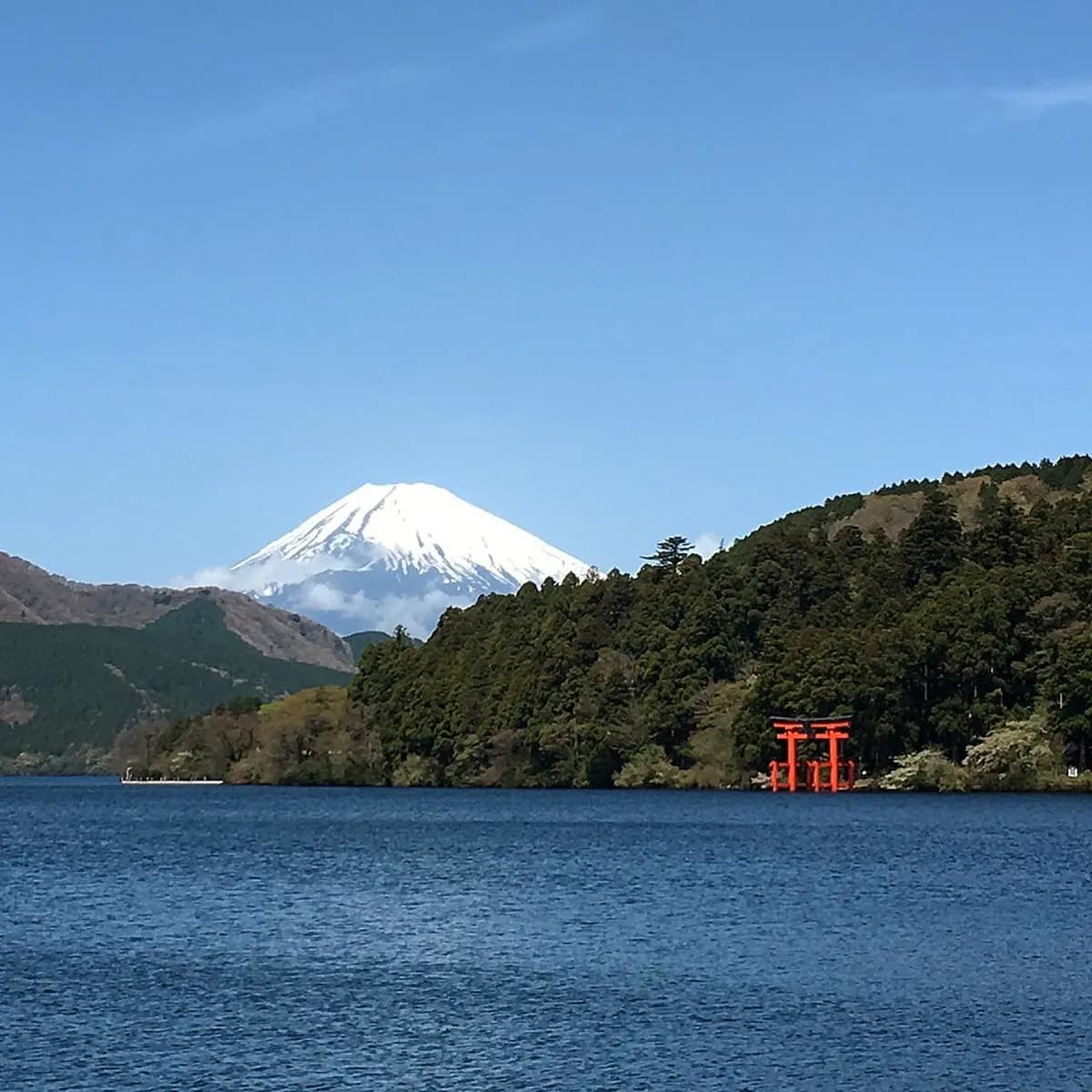
Lake Ashi (Ashinoko) sits inside the old Hakone caldera at 723 m above sea level. The water is exceptionally clear, and on calm mornings the surface mirrors the outline of Mount Fuji perfectly. It's one of the most photographed views in Japan, and earning it requires nothing more than arriving before the lake-mist burns off — typically by 09:00.
The sightseeing boats crossing the lake are styled as European galleon–design pirate ships, which sounds kitschy but works well on the water. Three departure ports serve different parts of the loop: Togendai (ropeway terminus), Hakone-machi, and Moto-Hakone (nearest to Hakone Shrine). Cruises between ports run every 30–60 minutes from 09:30 to 17:00. A one-way Togendai–Moto-Hakone fare costs around 1,200 JPY; the Hakone Free Pass covers this segment in full.
The upper open-air deck gives the best angle on both the lake and Fuji — head up immediately after boarding, as the good rail-side spots fill within seconds. On overcast days the mountain disappears, but the lake itself remains beautiful. The red torii gate of Hakone Shrine appears on the port side as you approach Moto-Hakone, giving you a preview before you visit the shrine on foot.
2. Owakudani Valley and the Hakone Ropeway
Owakudani ("Great Boiling Valley") was formed about 3,000 years ago when the Hakone volcano last erupted. Today it's an active hydrothermal area where sulfurous steam vents and boiling mud pools bubble openly from the ground. The geology museum at the summit station explains the caldera's formation and is surprisingly engaging — the topographic relief map alone is worth a few minutes.
The Hakone Ropeway runs from Sounzan to Togendai, with a mandatory stop at Owakudani station mid-route. One-way fare without a pass costs around 1,050 JPY; with the Hakone Free Pass, it's included. On a clear day the panoramic views of Fuji, Lake Ashi, and the surrounding peaks are extraordinary. After the 2015 increased volcanic activity, some of the walking trails closest to the vents remain closed — check current access status before planning to hike here.
Try the kuro-tamago (black hard-boiled eggs) sold at the summit stalls. They're cooked in the sulfurous hot spring water, which turns the shells black. The local lore is that each egg adds seven years to your life. They taste like regular hard-boiled eggs — the novelty is the location and the story. Bags of five cost around 500 JPY. Don't leave without trying at least one.
3. Hakone Shrine and the Floating Torii Gate
Hakone Shrine dates to 757 CE, founded by the Buddhist monk Mangan Shonin on the slopes above Lake Ashi. The cedar-lined approach path from Moto-Hakone port is around 700 m long and genuinely serene — tall trees block the light, stone lanterns line the path, and the crowds thin considerably once you're past the first torii. The main shrine buildings sit at the top of a steep stone staircase flanked by more cedars.
The red torii gate standing in the lake is the most photographed spot. At high water or in still morning conditions, the gate appears to float, with Fuji reflected behind it on clear days. Dawn is the best time — you'll have the spot largely to yourself, and the light is ideal for photography. The grounds are open 24 hours; the main office and prayer services run 08:30–17:00. Entry is free.
A secondary path behind the main shrine leads to the Hakone-machi port in about 15 minutes along the old Tokaido cedar avenue. This route passes the Hakone Tokaido Checkpoint (Hakone Sekisho), a well-reconstructed Edo-period gate and guardhouse complex with a small museum that explains how feudal authorities controlled movement along the road. Admission is 500 JPY. It's a low-key but historically interesting stop that most first-timers skip.
4. Hakone Open-Air Museum
The Hakone Open-Air Museum (Hakone Chokoku no Mori Bijutsukan) opened in 1969 as Japan's first open-air art museum, and it remains the most visited museum in the region. The collection spans 17 hectares of hillside grounds and includes over 120 outdoor sculptures by Henry Moore, Auguste Rodin, and Ossip Zadkine, plus a dedicated Picasso Pavilion housing 300 works inside. Budget at least two to three hours, more if you're a serious art visitor.
Admission in 2026 is 1,600 JPY for adults, 800 JPY for children. Hours are 09:00–17:00 daily (last entry 16:30). The museum is directly on the Hakone Tozan Railway line — Chokoku no Mori Station is the stop, a five-minute walk from the entrance. On the Hakone Free Pass, you get a 100 JPY discount on entry, not free admission, so factor that in.
The Symphonic Sculpture — a stained-glass tower you can walk inside — is the highlight most visitors photograph. On rainy days, the indoor galleries and the covered walkway that connects the outdoor zones make this one of the few Hakone attractions that works just as well in bad weather. There's an onsen foot bath inside the grounds, free with your admission ticket, which makes for a genuinely pleasant mid-museum break.
5. Hakone Tozan Railway
Japan's oldest mountain railway runs 15 km from Hakone-Yumoto to Gora, climbing 445 m in elevation through three switchbacks. Each switchback requires the train to pull into a siding and reverse direction before continuing upward — a slow, deliberate process that the mountain's gradient makes necessary. It's an unusual experience on a train network as sophisticated as Japan's, and it's charming rather than inconvenient.
The best season to ride is June and July, when ajisai (hydrangeas) bloom in masses along the embankments between Hakone-Yumoto and Miyanoshita — a dense corridor of purple, pink, and white that frames both windows simultaneously. Autumn (late October to mid-November) brings equally strong colour as the broadleaf trees turn. For photographers, these two windows are when the railway earns its SERP reputation.
A single ride from Hakone-Yumoto to Gora costs around 410 JPY without a pass. Trains run every 15–30 minutes between approximately 06:30 and 22:30. The Hakone Free Pass covers this segment. From Gora you board the cable car to Sounzan — the connection is at the same station building, and the cable car continues every 20 minutes or so during operating hours (09:00–17:15).
6. Hakone Onsens with Mt. Fuji Views
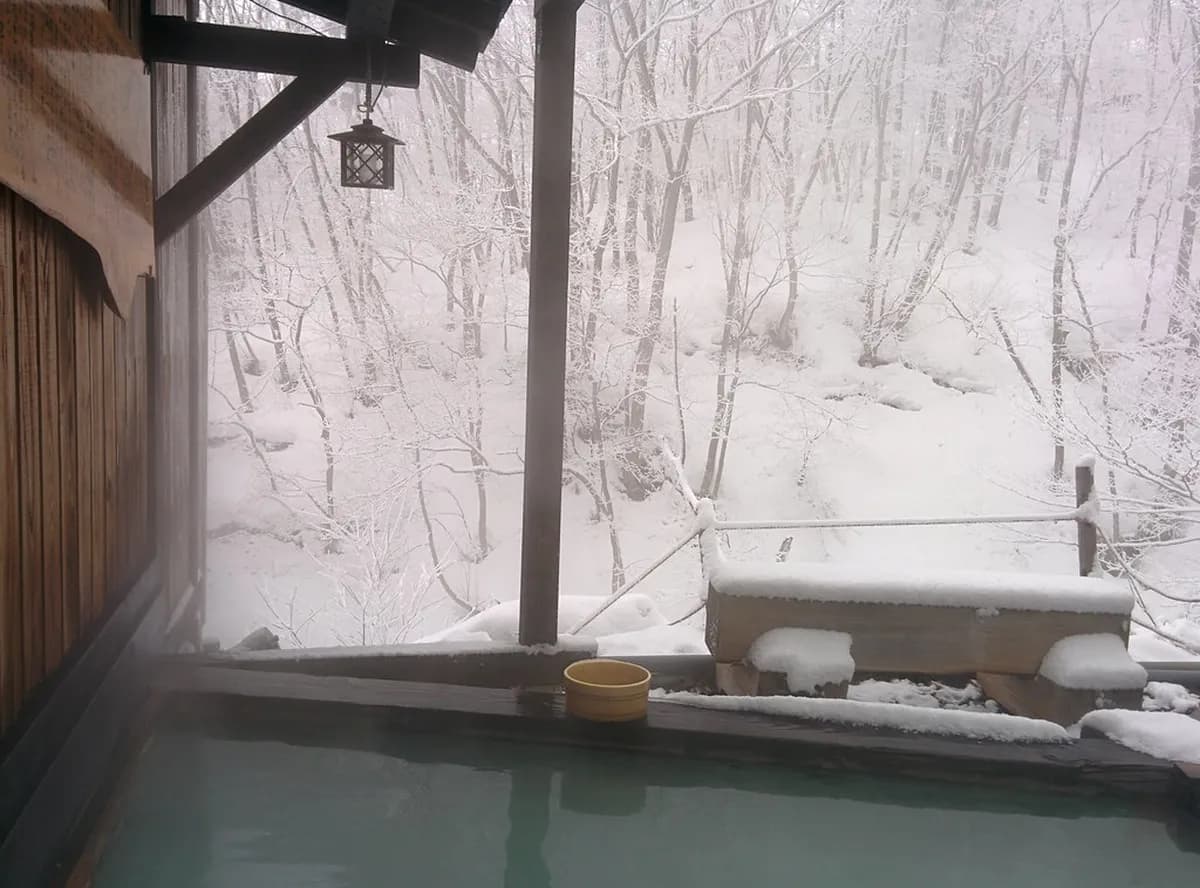
Hakone has nine distinct onsen source areas, each with slightly different mineral compositions and reputed health effects. The Hakone-Yumoto area is the most accessible — several large public baths and day-use ryokan cluster within walking distance of the station. For views of Mount Fuji while soaking, you need to be on the western or lakeside side of the region, where the outdoor baths have a clear sightline toward the mountain.
Hakone Green Plaza Hotel on the shores of Lake Ashi offers a large outdoor rotemburo (open-air bath) with a direct Fuji view — day-use entry runs around 1,500–2,000 JPY, available from about 11:00. Hakone Suimeisou near Moto-Hakone is a quieter ryokan option with seasonal availability for day-use guests. Both spots require clear weather to actually see Fuji, so check the mountain forecast the evening before. For a comprehensive look at the best options, see our 10 Best Onsen & Ryokan in Hakone: Private Baths, Day Trips & More (2026) guide.
Basic onsen etiquette: no swimwear in traditional baths, wash thoroughly at the shower stations before entering the tub, and keep towels out of the water. Many facilities bar guests with large tattoos — check the specific ryokan's policy before booking. Day-use rates across the region range from 1,000 JPY at simple public baths to 3,500 JPY at resort properties. Private bath bookings (kashikiri) cost more but eliminate the tattoo and etiquette complications and are worth considering for families or couples.
7. Komagatake Ropeway: The Quieter Second Ropeway
Almost every Hakone guide focuses on the main Hakone Ropeway over Owakudani, but the Komagatake Ropeway is a distinct and significantly quieter experience. It runs from Hakone-En Station on the eastern shore of Lake Ashi up to the summit of Mt. Komagatake (1,356 m), a subsidiary peak of the Hakone caldera rim. Journey time is about seven minutes. Gondolas run every 20–30 minutes from 09:00 to 17:00. One-way fare is around 1,000 JPY; day-use return is approximately 1,830 JPY.
At the summit, the Hakone Mototsumiya Shrine sits just below the ridge — it's the original upper sanctuary of Hakone Shrine, historically considered the sacred mountain precinct before the main shrine moved to its current lakeside location in 1667. The wooden torii and stone-flagged path leading to it are atmospheric and almost always uncrowded. On clear days the summit gives an unusually wide panoramic view: Lake Ashi directly below, the Sagami Bay coast in the distance, and — if the weather cooperates — an unobstructed Fuji to the northwest.
Hakone-En is accessible by bus from Moto-Hakone port (about 10 minutes) or by taking a short cruise from Togendai. It's a natural extension after visiting Hakone Shrine — combine the two into a half-day loop via the lakeside bus. Because this ropeway sits outside the main Hakone Loop route, it attracts a fraction of the visitors that queue for the Owakudani ropeway. If the main ropeway is suspended for wind or maintenance, this one often remains operational.
8. Souvenir Shopping at Hakone Yumoto Station
Hakone Yumoto is the gateway station for most visitors arriving from Tokyo, and the shopping street running south from the station entrance — Yumoto Onsen Street — is dense with craft shops, confectionery stalls, and food vendors. It's not a tourist trap; much of what's sold here is genuinely local. Plan 30–45 minutes before your return train if you want to browse properly.
The signature craft is Hakone Yosegi-zaiku, a form of marquetry (parquetry) that uses geometric patterns assembled from dozens of different wood species. The technique originated in Hakone and remains unique to the region. Small coasters and card cases start from around 1,000–2,000 JPY; puzzle boxes (himitsu-bako) capable of opening only after a specific sequence of panel slides range from 2,000 to 10,000 JPY depending on complexity. These make genuinely unusual gifts.
For edible souvenirs, look for onsen manju (steamed dumplings filled with red bean paste, shaped and flavored with onsen water), Hakone beer from the local Gora Brewery, and black-egg-flavored confectionery. Most shops open 09:00–18:00. Arrive on a weekday morning to shop in relative calm — the street gets congested on weekend afternoons when day-trippers are heading home.
9. Calligraphy Lesson at Fukuju-In (Hakone Kannon)
Fukuju-In, also known as Hakone Kannon Temple, offers structured shodo (calligraphy) workshops in a quiet temple setting near Hakone-Yumoto. Sessions run approximately 60–90 minutes and cost around 3,000–5,000 JPY per person, including materials. No prior experience is needed — the instructor guides you through brush handling, ink grinding, and the basic strokes of selected kanji characters. Reservations are essential; walk-ins are rarely accommodated.
This is one of the more genuinely immersive cultural activities available in Hakone that doesn't require you to stay overnight. The temple grounds include a small garden and a stone observation platform overlooking the valley. Families with children aged eight and above generally handle the lesson well. Solo travelers often find it a good way to meet other visitors in a structured, low-pressure setting.
If calligraphy doesn't appeal, Hakone Gora Park (admission 550 JPY, open 09:00–17:00) houses a Crafthouse offering glass-blowing, woodwork, and pottery workshops — these also require advance booking and run 1.5–2 hours at similar price points. The glass-blowing option lets you work with a 1,300°C furnace, which is a different kind of memorable. Both Fukuju-In and the Crafthouse are worth booking before you arrive rather than hoping for walk-in availability.
10. Kitaguchi Hongu Fuji Sengen Shrine
This shrine at the northern base of Mount Fuji served as the formal starting point for pilgrims ascending Fuji-san for centuries. The traditional pilgrimage route — the Yoshida Trail — still begins here and remains the most popular of the four main hiking trails, accessing Fuji from the north. Even if you're not hiking, the shrine is worth visiting for its monumental cryptomeria cedars (some over 1,000 years old), the imposing two-storey main gate, and the quiet intensity of a site that has sent tens of thousands of people up an active volcano.
The shrine holds the official opening and closing ceremonies of the Mt. Fuji hiking season every year. Opening is typically in early July; closing in early September. Outside these months the Yoshida 5th Station road is accessible by private vehicle but closed to public buses. The shrine grounds are open 24 hours; the main office runs 09:00–16:00. No admission fee.
Kitaguchi Hongu sits in Fujiyoshida City, about 50 minutes by direct bus from Kawaguchiko Station or around 40 minutes by bus from Gotemba. It's technically outside the Hakone transport area and not covered by the Hakone Free Pass — factor in a separate bus fare (around 500–600 JPY one way). The best light for photography of the gate with Fuji behind it is in the early morning between 06:00 and 08:00 on clear winter days.
11. Shiraito Falls and Otodome Falls
Shiraito Falls ("white thread falls") is a UNESCO World Heritage site — part of the Fujisan World Heritage Cultural Property designation. Water filters through the porous lava of Fuji's slopes and emerges along a 200-m-wide basalt cliff face as hundreds of thin parallel streams. The effect is genuinely unusual; it looks less like a waterfall and more like a drawn curtain of water. Visit between May and November for the best flow volume.
Otodome Falls, about 500 m upstream from Shiraito, is a single powerful cascade dropping roughly 25 m. Historically used for ascetic cold-water training by mountain monks, it has a more austere character than the photogenic delicacy of Shiraito. The two falls together make a logical 1.5–2 hour round walk from the shared car park and bus stop. Both are free to enter. Access is by bus from Fujinomiya Station (about 30 minutes) or Shin-Fuji Station.
The falls sit on the Fujinomiya side of Mount Fuji, not in Hakone proper — allow additional travel time if combining them with the Hakone Loop in a single day. The more practical combination is with Kitaguchi Hongu Fuji Sengen Shrine and the Yoshida area as a dedicated Fuji-region day, perhaps on day two of a two-night stay.
12. Taigohan Kaiseki at Youraku
Youraku in Hakone-Yumoto is known for its Taigohan kaiseki — a classical multi-course ceremonial meal centered on sea bream (tai) cooked together with rice in the traditional manner. This is one of the more unusual regional food traditions in the greater Hakone area, historically associated with special occasions and presented in a carefully sequenced series of small dishes. The dining room is quiet, service is formal but not stiff, and the experience runs roughly 90–120 minutes.
Expect to pay between 8,000 and 15,000 JPY per person for dinner. Lunch sets are available at a lower entry point, around 4,000–6,000 JPY. Reservations are essential at all meal times — English-language booking via the restaurant's website or through your accommodation concierge is the most reliable route. Walk-in availability is rare and unpredictable.
For a lighter culinary stop, Cha No Chimoto near Moto-Hakone is a traditional tea house serving high-quality matcha with wagashi (seasonal Japanese confectionery). A tea and sweet set runs 800–1,500 JPY. Hours are approximately 10:00–17:00, with occasional irregular closures — check before building it into a tight schedule. Naraya Cafe near Miyanoshita Station is another good lighter option, offering a free foot bath alongside matcha and traditional sweets.
13. Yoshiike Ryokan's Japanese Garden
Yoshiike Ryokan in Miyanoshita maintains a traditional Japanese garden with a koi pond, stepping-stone paths, manicured azaleas, and seasonal planting that changes distinctly between spring (cherry blossom and azalea) and autumn (maple colour). As a guest you have unrestricted garden access at any hour — one of the quieter pleasures of staying at a classic Hakone ryokan is walking the garden at dusk or first light when the other guests are still in the onsen.
Non-guest access to the garden is possible if you dine at the ryokan's restaurant, but it's worth contacting the ryokan directly beforehand, as policies vary by season and occupancy. A meal there starts at around 5,000 JPY per person at lunch. The garden itself is small — not comparable in scale to Kenroku-en or Kokedera — but the integration with the mountain hillside setting gives it genuine character.
For planning your stay in Hakone more broadly, our Where To Stay In Hakone Travel Guide guide covers the ryokan options across the region by price bracket and onsen quality, including Miyanoshita, Hakone-Yumoto, and the lakeside area.
14. My 2-Day Hakone Itinerary (How I'd Plan It Again)
Day 1 — complete the Hakone Loop in order: take the Tozan Railway from Hakone-Yumoto to Gora by 09:30, ride the cable car to Sounzan, board the ropeway toward Owakudani (budget 45 minutes at the summit including the black eggs), continue the ropeway down to Togendai, and board the pirate ship cruise to Moto-Hakone. Walk the cedar avenue to Hakone Shrine and visit the torii gate. Late afternoon: check in to your ryokan and use the onsen before dinner. The loop itself takes five to six hours at a relaxed pace with the lunch break included.
Day 2 — visit the Hakone Open-Air Museum in the morning (two to three hours, foot bath included). After lunch at Gora or Miyanoshita, either head to the Komagatake Ropeway for an uncrowded summit view, or take a calligraphy or craft workshop if you've pre-booked. Finish with souvenir shopping at Hakone Yumoto before catching the Romancecar back to Shinjuku. This structure gives you the iconic sights on day one and the quieter, more cultural experiences on day two without feeling rushed.
If you only have one day, prioritise the ropeway and Lake Ashi cruise over the museums — you can always see art, but the volcanic landscape and the lake views are what make Hakone irreplaceable. The Hakone day trip guide has a condensed version of this schedule with specific train times from Shinjuku.
15. Is One Day Enough for Hakone?
A day trip from Tokyo works best if you depart Shinjuku no later than 08:00, use the Hakone Free Pass for seamless transit, and limit yourself to three or four attractions. The Hakone Loop — ropeway over Owakudani, pirate ship across Lake Ashi, and a brief stop at Hakone Shrine — is achievable in a day. The Open-Air Museum can be squeezed in on the way back to Hakone-Yumoto if you skip the foot bath and don't linger over every sculpture.
What you genuinely cannot do in a day: a proper onsen soak, a kaiseki dinner, or any of the workshops (calligraphy, glass-blowing) that require advance booking and 90+ minutes on site. You also sacrifice the early-morning and late-afternoon light — the times when Fuji views and the Hakone Shrine torii gate photography are at their best. Most people who do a day trip wish they'd stayed overnight.
The sweet spot for most travelers is one night, two days. It's enough time to complete the loop, visit the Open-Air Museum, soak in an onsen, and do one extra cultural activity, without requiring four days of Hakone before you've seen enough. Book accommodation early — lakeside and Miyanoshita ryokans sell out weeks ahead during peak seasons (March–May and October–November).
Going deeper on this theme? Our 10 Best Hakone Festivals and Events guide covers it in detail, with the practical planning this page leaves out.
Building the rest of the trip? Our Hakone attractions guide covers the sights, districts and logistics around this guide.
Explore attractions in other cities
Browse the Hakone attraction directory for individual visitor guides, access details, and practical tips.
Frequently Asked Questions
Can I use the JR Railpass from Tokyo to Hakone?
You can use the JR Rail Pass to get to Odawara Station, which is the gateway to Hakone. However, the JR Pass does not cover the local Hakone Tozan Line or other transportation within Hakone itself, like the Hakone Ropeway or pirate ship cruises. For seamless travel within Hakone, consider purchasing the Hakone Free Pass from Odawara.
When is the best time to visit Mt. Fuji from Hakone?
The best time to view Mount Fuji from Hakone is during the colder, drier months from autumn to early spring (October to March). Winter offers the clearest skies, increasing your chances of seeing the iconic peak. Early mornings are generally best, as clouds often roll in later in the day, obscuring the view.
Which is better, Hakone or Kawaguchiko?
Both Hakone and Kawaguchiko offer stunning views of Mount Fuji, but they cater to different interests. Hakone provides a more diverse range of attractions including museums, onsens, and the scenic Hakone Loop. Kawaguchiko focuses more on direct Fuji views and lake activities. If you seek a broader experience with art and culture, Hakone is often preferred.
What is the Hakone Loop?
The Hakone Loop is a popular sightseeing route that connects Hakone's main attractions using various forms of public transportation. It typically involves the Hakone Tozan Railway, Hakone Tozan Cable Car, Hakone Ropeway, and a Lake Ashi pirate ship cruise. This circular route allows visitors to efficiently explore the region's diverse landscapes and sights.
Hakone stands as a testament to Japan's ability to blend stunning natural landscapes with rich cultural experiences. From the serene beauty of Lake Ashi and the volcanic drama of Owakudani to world-class museums and traditional onsens, it offers something for every traveler. The region rewards slower travel — two days reveals dimensions that a day trip only hints at.
Whether you're planning a quick day trip or a more immersive multi-day adventure, use the Hakone Free Pass Guide: Prices, Inclusions, & Itineraries for convenience and savings, and book workshops and ryokan stays well in advance during peak season. Your Hakone adventure in 2026 awaits.
Explore More Hakone Guides
Everything for a Hakone trip — how to get there, the best onsen, where to stay, the Hakone Free Pass and a ready-made itinerary.
Hakone is one of the two main bases for exploring the wider Mount Fuji region.
- Hakone Day Trip Itinerary from Tokyo
- Onsen & Ryokan in Hakone
- Where To Stay In Hakone Travel Guide
- Hakone Free Pass Guide
- Hakone Itinerary: 1 & 2 Days
- Hakone in Winter
- Hakone Loop Route Guide
- Lake Ashi Cruise Ports, Tickets, and Views
- Hakone Ropeway Guide 2026
- Hakone vs Kawaguchiko
- Hakone Yunessun Guide
- Hakone Glass Museum Guide
- Lalique Museum Hakone
- Pola Museum of Art Hakone
Free: The Hakone Essentials guide
Top things to do, where to stay, a perfect day plan, getting around, and the best time to go — a Hakone mini-guide you can take offline.
You might also like


Continue reading
More guides you'll find useful