Hakone in Winter: 2026 Weather, Onsen and Mt. Fuji Guide
Plan Hakone in winter with 2026 temperatures, Mt. Fuji visibility odds, ropeway closure risk, onsen picks, and key event dates for Dec-Feb.
On this page
Last updated July 2026. Hakone in winter offers the clearest Mt. Fuji views of the year, thinner crowds than any other season except around New Year, and onsen baths that feel sharper against cold mountain air. Average temperatures hover near freezing from December through February, so this guide covers what to pack, which ropeway and cruise segments can close in wind, and how to time a trip around Hakone's winter events.
Is Hakone in Winter Worth Visiting?
Yes, Hakone in winter is worth the trip. Cold air holds less haze than the humid months, so Mt. Fuji shows up more often and more clearly from Hakone's viewpoints than at almost any other time of year. Summer brings warmth to the region, but the same humidity that keeps it comfortable also blurs the horizon on all but the clearest days. Spring and fall bring flowers and foliage, along with the biggest crowds of the year. Winter trades some of that color for visibility and quiet. Outside the New Year holiday, trails, ropeway cabins, and onsen baths run noticeably less crowded than during cherry blossom season or the autumn foliage peak. That quiet extends to the roads and trains too, so a winter day trip from Tokyo tends to move faster than the same trip in April or November. The tradeoff is temperature: this is the coldest stretch of the year in Hakone, and a handful of attractions trim their hours or suspend service outright in high wind. Neither drawback is a reason to skip the season; both are reasons to plan around them. For a full rundown of what the area offers across all twelve months, see this guide to Hakone's top attractions.
Season Comparison: How Hakone's Seasons Stack Up
Each season in Hakone trades one advantage for another. The table below lines up winter against spring, summer, and fall across the factors that matter most when choosing when to go: weather, Mt. Fuji visibility, crowd levels, and typical pricing. Winter is the only season that combines its best Fuji visibility with its lowest crowd levels, apart from the New Year spike. That combination is the core case for visiting in the cold months.
| Season | Weather | Mt. Fuji Visibility | Crowd Level | Price Trend |
|---|---|---|---|---|
| Winter (Dec-Feb) | Cold and dry; lows near -9°C (16°F) in January | Highest of the year | Low, except New Year | Moderate; spikes Jan 2-3 |
| Spring (Mar-May) | Mild, cherry blossom season | Often hazy | Moderate to high | Higher during Golden Week |
| Summer (Jun-Aug) | Warm and humid | Lowest, frequent haze | High | Peak summer rates |
| Fall (Sep-Nov) | Cool, foliage color into early December | Improving as humidity drops | High during peak foliage | Elevated during foliage peak |
Hakone Winter Weather: Month-by-Month Temperatures
Hakone sits at higher elevation than central Tokyo, so it runs colder throughout winter, and the gap is noticeable rather than marginal. December is the mildest of the three winter months. January is the coldest, with average lows reaching -9.1°C (16°F). February starts to warm slightly but still sits well below freezing overnight. Daytime highs stay in the low-to-mid teens Celsius even in the mildest month, December, at 14.5°C (58°F). Winter in Hakone calls for real cold-weather gear, not a light jacket. Pack for the temperatures in the table below:
| Month | Average | High | Low |
|---|---|---|---|
| December | 3.4°C (38°F) | 14.5°C (58°F) | -6.9°C (20°F) |
| January | 0.4°C (33°F) | 10.1°C (50°F) | -9.1°C (16°F) |
| February | 1.7°C (35°F) | 13.2°C (56°F) | -8.3°C (17°F) |
- A heat-retaining base layer (Heattech-style) under a warm coat
- Gloves and a hat for exposed viewpoints like Owakudani
- Shoes with real grip - icy patches form on shaded stone paths and steps
- A scarf or neck layer for wind at higher elevation
Top Things to Do in Hakone in Winter
Winter changes what's worth prioritizing in Hakone. Outdoor viewpoints reward clear, cold mornings, while a handful of indoor stops make good shelter between them. Here is where to spend time on a winter visit:
- Onsen hopping: the contrast between freezing air and hot spring water is Hakone's defining winter experience. The Yunessun onsen park adds heated outdoor pools and water-park style attractions for a family-friendly version of the same idea.
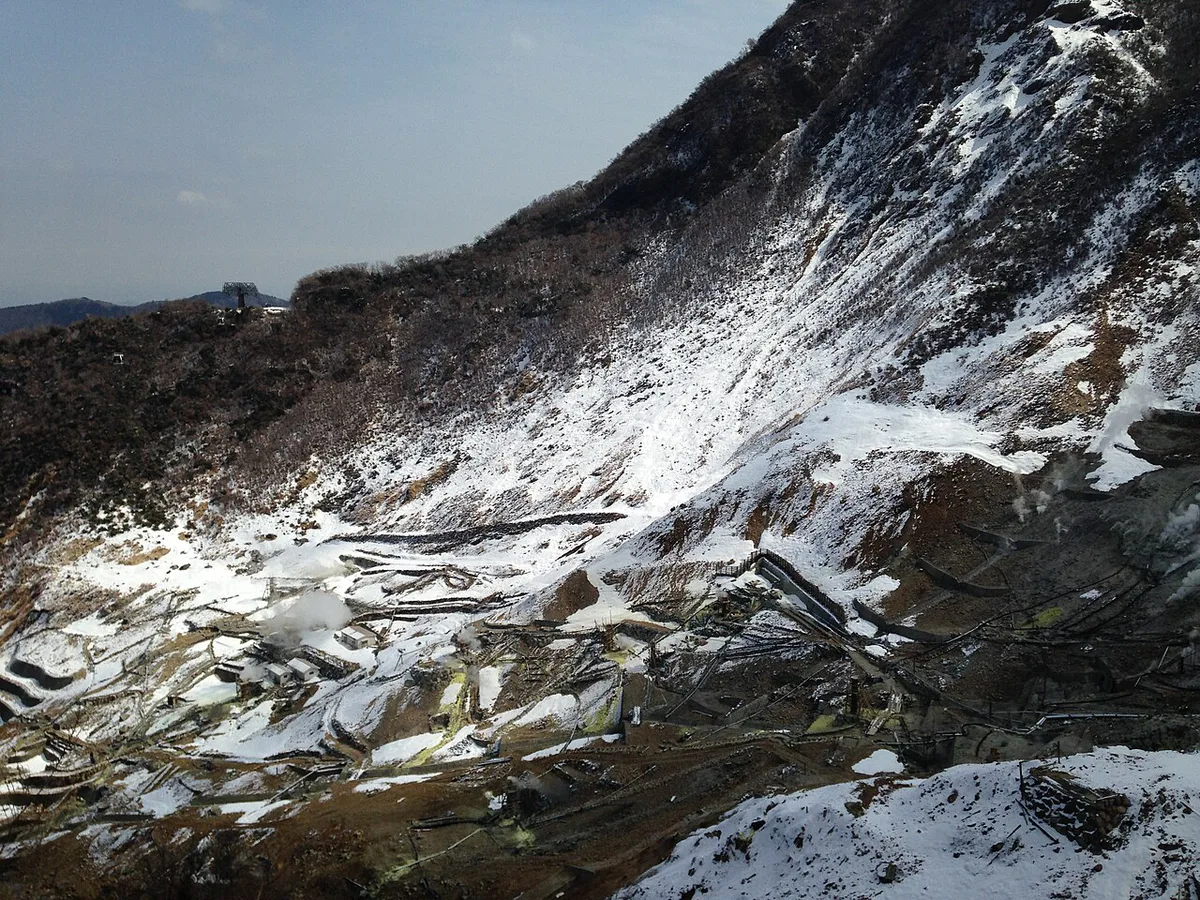
- Mt. Fuji viewing: Owakudani's volcanic valley and the Lake Ashi shoreline near Hakonemachi and Motohakone are the two most reliable viewpoints in winter. Ride the Hakone Ropeway route to Owakudani on a clear morning for the best odds, since visibility tends to fade later in the day.
- Winter illuminations: several areas around Hakone run evening light displays through the coldest months, adding atmosphere to after-dark walks near the main hot spring districts.
- Museum stops: the Pola Museum of Art and the Hakone Open-Air Museum give a warm, indoor break between outdoor viewpoints. Both are useful backups when wind shortens a ropeway or cruise visit.
Where to Eat in Hakone in Winter: Hot Dishes and Cozy Spots
Cold weather makes Hakone's food scene feel like part of the itinerary rather than a break from it. Steaming bowls, roadside snacks, and multi-course ryokan dinners all read differently when the temperature outside sits near freezing.
- Kuro-tamago at Owakudani: the black eggs boiled in the valley's sulfur springs are a Hakone classic, and eating one hot off the stand while looking out over the winter-bare volcanic terrain is one of the simplest ways to warm up between viewpoints. See this guide to Hakone's kuro-tamago black eggs for where to find them and what they taste like.
- Soba noodles: hot soba shows up on menus across Gora and Hakone-Yumoto, and a bowl after a cold ropeway ride does more to reset a winter itinerary than adding a second layer of clothing.
- Yumoto food street: Hakone-Yumoto's main strip stays busy with small stalls and shops selling hot snacks, making it a natural stop right off the train before or after a loop day.
- Kaiseki dinners: ryokan stays built around a multi-course kaiseki dinner pair naturally with winter, when a long soak in an onsen bath and a seasonal set menu make for one of the more complete evenings the region offers.
- Cafés: Hakone's cafés stay open through the cold months and give indoor cover between outdoor stops, useful on the days wind trims a ropeway visit short.
None of this requires much extra planning beyond staying near Hakone-Yumoto or Gora for a meal window; a full Hakone food guide covers the options in more detail, and most of them sit along the same stations the winter loop already passes through.
Navigating the Hakone Loop in Winter
The Hakone Loop links Hakone-Yumoto, Gora, Sounzan, Owakudani, and the Lake Ashi ports at Togendai, Motohakone, and Hakonemachi by railway, cable car, ropeway, and boat. In winter, two links in that chain are the most weather-sensitive: the ropeway section over Owakudani and the Lake Ashi pirate ship cruise. Both can suspend service in high wind or heavy snow. Owakudani's elevation and open terrain make it windier than the rest of the route, even on an otherwise calm day elsewhere in Hakone. Before buying a Hakone Free Pass or planning a same-day loop, check live status through Hakone Navi, the region's official transport-status source. When the ropeway or cruise segment is down, the practical Plan B is a bus transfer around the closed section. That adds time to the loop but keeps the rest of the route intact, so a trip does not have to be cancelled outright over one closure. The full stage-by-stage route, including transfer points and typical timings, is covered in the Hakone Loop Route Guide: The Round Course, Step by Step (2026). Is the Free Pass still worth it in winter, given the closure risk? For most itineraries, yes: the pass also covers the bus network used for the workaround, so a suspended ropeway or cruise segment does not strand a traveler without a covered alternative.
Prioritize Owakudani mornings for clearest Mt. Fuji views: afternoon visibility declines significantly, and the exposed volcanic valley is noticeably colder and windier than lower Hakone elevations, requiring an extra insulating layer even on calm days elsewhere.
How Much Snow Falls in Hakone, and How It Affects the Loop
Hakone sees snow more often than central Tokyo because of its elevation, though accumulation stays modest most winters. A light dusting is common on several mornings a month from January into February, usually melting off by midday at lower elevations like Hakone-Yumoto. Owakudani and the higher stretches of the loop near Sounzan hold snow longer and see it more heavily, sometimes several centimeters after a passing system.
Snow affects the Hakone Loop differently depending on the section:
- Hakone Tozan Railway and cable car: these run through light snow but can slow or pause service during heavier accumulation on the Gora-Sounzan cable car section.
- Ropeway to Owakudani: wind is the more common cause of suspension, but heavy snow adds to closure risk on the same exposed stretch.
- Roads and buses: Hakone's mountain roads can require snow tires or chains after a significant snowfall, making the rail-cable car-ropeway-boat loop a steadier choice than a rental car on those days.
- Odakyu Romancecar from Tokyo: snow in the mountains rarely reaches enough to disrupt the lowland line into Odawara and Hakone-Yumoto, so the approach to Hakone usually stays unaffected even when the loop itself slows.
Checking Hakone Navi the morning of a visit remains the most reliable way to catch a snow-related suspension before setting out, the same source worth checking for wind closures. A Hakone Free Pass still covers the bus network used as a workaround on a snow day, and building slack into a Hakone itinerary gives a snow morning room to shift plans without losing the day.
Winter Events and Seasonal Flora in Hakone
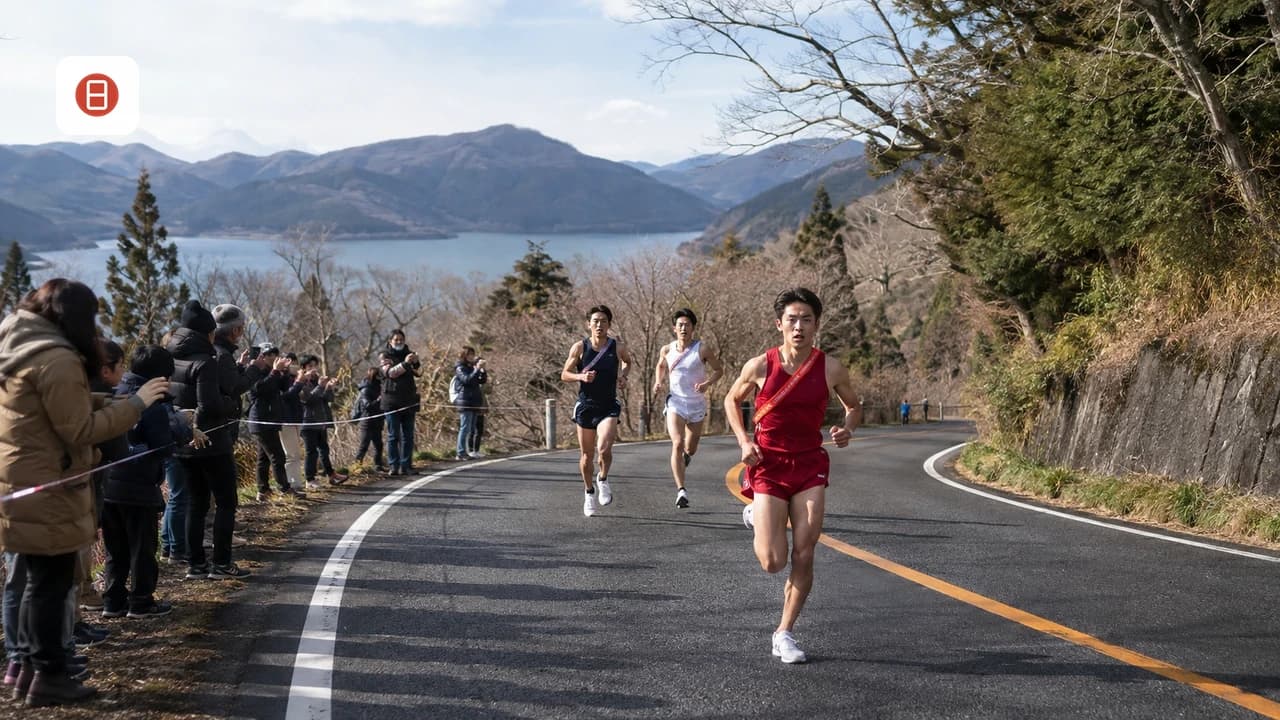
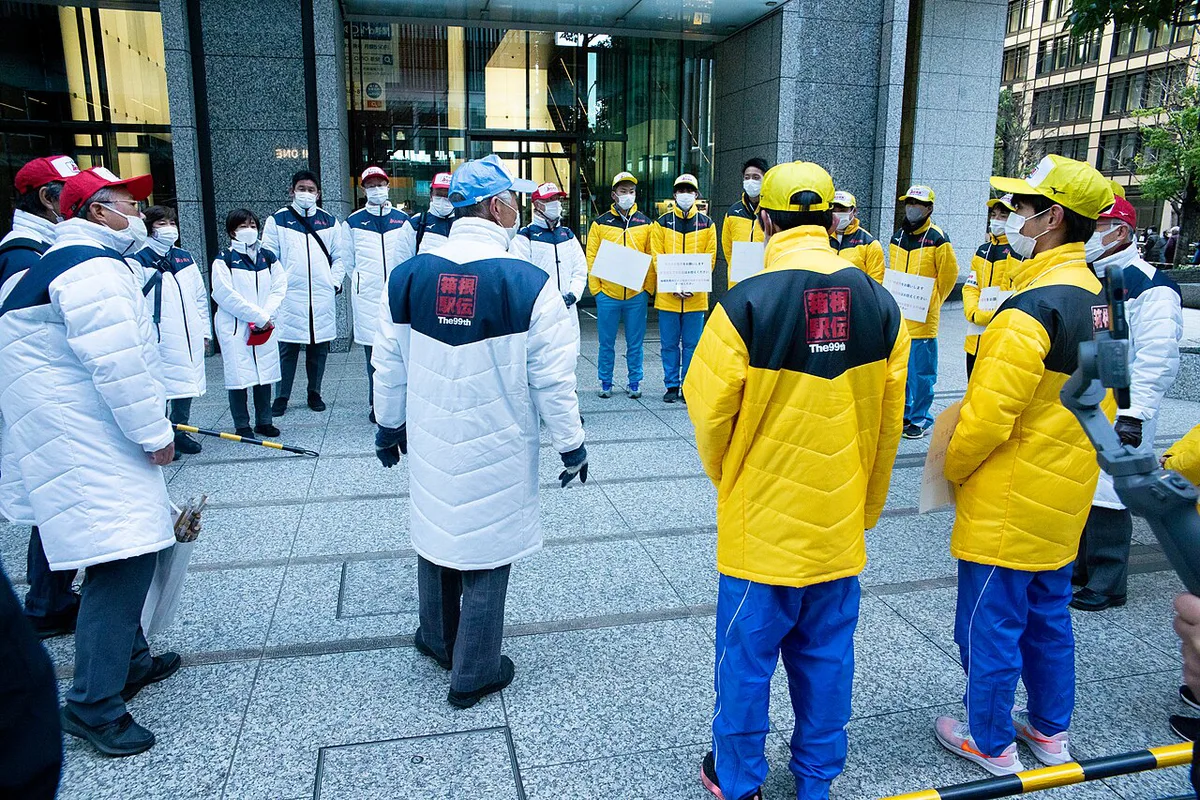
Fall foliage color lingers into early December in sheltered spots, giving early-winter visitors a short overlap with the autumn look before bare branches take over for the rest of the season. Two events shape the winter calendar, and both affect crowds and transport around Hakone. The Hakone-Tokyo Ekiden, a university relay race between Tokyo and Hakone, runs January 2-3 and draws spectators along the route and at the finish area near Lake Ashi. Book accommodation well ahead of that weekend if traveling then. Early January also brings a First Shrine Visit crowd to Hakone-jinja and the Motohakone area, coinciding with Lake Ashi's own seasonal opening for the new year. In February, the Setsubun Festival at Hakone-jinja marks the turn toward spring with a bean-throwing ceremony, drawing a smaller and more local crowd than the New Year period. On the flora side, winter plum blossoms begin appearing toward the end of the season, overlapping briefly with the last of the pampas grass that colors Hakone's hillsides through fall.
The Hakone-Tokyo Ekiden relay race on January 2-3 triggers severe accommodation surges: ryokan rates can exceed ¥25,000 per person (double typical rates), while nearby lodging fills days before the event. Booking a month ahead is essential for that weekend.
Hakone vs Kawaguchiko in Winter: Which Should You Choose
Hakone and Kawaguchiko both market themselves on Mt. Fuji views and winter clarity, but they suit different trip shapes. Hakone has a denser onsen network spread across its hot spring districts. Its rail-cable car-ropeway-boat loop works well as a one-day round trip from Tokyo, with more indoor backup options when weather turns. Kawaguchiko sits closer to Mt. Fuji itself, which can mean a larger mountain in frame from lakeside viewpoints, but it packs fewer onsen choices into walking distance of its main area. If ease of transport from central Tokyo and onsen variety matter most, Hakone is the more straightforward choice for a winter trip. If a closer Fuji silhouette is the priority and a longer transfer from Tokyo is acceptable, weigh that against Hakone's shorter travel time before booking. The full breakdown, including transport times and activity mix for each destination, is in this Hakone versus Kawaguchiko comparison.
Practical Logistics and Winter Costs
Winter hours run shorter than in peak season at several Hakone attractions, so confirm closing times before building a same-day itinerary. A ropeway or museum that stays open into early evening in summer may close earlier in December and January. Most travelers arrive via Odawara Station or Gotemba, then connect onward into the Hakone-Yumoto area. Budget planning matters more in winter than the calendar suggests, because pricing is uneven across the season. A standard ryokan room runs around ¥12,000 to ¥18,000 per person with two meals on an ordinary January weeknight. That same room can climb past ¥25,000 during the Hakone-Tokyo Ekiden weekend of January 2-3, when demand from spectators and New Year travelers overlaps. Booking a winter ryokan stay at least a month ahead is worth it if travel falls near that window. Outside the New Year period, winter is one of the better times to find standard weekday rates. The crowd-driven premiums of cherry blossom season and autumn foliage season do not apply in December, January, or February.
Mistakes to Avoid in Hakone in Winter
A few planning missteps show up repeatedly on winter trips to Hakone. Avoid these before locking in a route or a pass:
- Buying a Hakone Free Pass before checking wind and weather alerts. The ropeway and the Lake Ashi cruise are the two segments most likely to suspend, so confirm status on Hakone Navi first.
- Underestimating the Owakudani chill. The valley's elevation and open terrain make it windier and colder than Hakone-Yumoto or Gora, so pack an extra layer for that stop specifically.
- Leaving ryokan booking until the last minute around the Hakone-Tokyo Ekiden weekend (January 2-3), when nearby lodging fills up and rates rise well before the race itself.
- Assuming snow falls daily. Hakone does get snowy days in winter, but cold and clear is the more typical pattern, so pack for cold rather than for guaranteed snowfall.
Planning sources: Hakone winter conditions · JNTO Hakone guide. Further reading: Hakone on Wikivoyage · Hakone on Wikipedia
Explore in winter in other cities
Frequently Asked Questions
Is Hakone worth visiting in winter?
Yes. Winter gives Hakone its clearest Mt. Fuji visibility of the year, along with thinner crowds than spring or fall, apart from the New Year holiday period. The tradeoff is cold temperatures and occasional wind-related closures on the ropeway or Lake Ashi cruise.
What is the coldest month in Hakone?
January is the coldest month, with average lows reaching -9.1°C (16°F) and daytime highs typically around 10.1°C (50°F). December and February are both slightly milder but still well below freezing overnight.
Does the Hakone Ropeway run in winter?
Yes, but it can suspend service temporarily in high wind or heavy snow, particularly over the exposed Owakudani section. Check real-time status on Hakone Navi before planning a same-day loop around it.
Is the Hakone Free Pass worth buying in winter?
For most itineraries, yes. The pass covers the bus network that serves as a Plan B when the ropeway or Lake Ashi cruise suspends service, so a single closure does not strand a traveler without a covered alternative.
What should you pack for Hakone in winter?
Bring a heat-retaining base layer, a warm coat, gloves, and a hat, plus shoes with real grip for icy patches on shaded paths and steps. An extra layer for wind at higher-elevation stops like Owakudani is worth the extra bag space.
Free: The Hakone Essentials guide
Top things to do, where to stay, a perfect day plan, getting around, and the best time to go — a Hakone mini-guide you can take offline.
You might also like


Continue reading
More guides you'll find useful