Osaka in Winter (2026): Weather, Illuminations, Food, and Day Trips
Osaka in winter guide for 2026: dry-cold weather, Midosuji illuminations, Osaka Castle timing, winter food, Hatsumode crowds, and day trips to Rokko and Arima Onsen.
On this page
Last updated September 2026, this guide breaks down what to actually expect from Osaka in winter: mild daytime temperatures, dry air, and some of the year's largest illumination displays. December through February brings clear skies and thinner crowds at major sights, trading summer's humidity for a dry cold that rarely disrupts sightseeing plans. Expect average highs and lows of 6°C-12°C (43°F-54°F), with practical notes below on food, festivals, transit, and day trips.
Osaka in Winter: Is It Worth the Trip?
Short answer: yes. Winter delivers Osaka's clearest skies, its biggest illumination displays, and some of its best seasonal food, all with fewer crowds than spring or summer. According to Osaka's official travel site, the season's dry air and clear skies make outdoor sightseeing easier than in summer's humidity. Average temperatures run 6°C-12°C (43°F-54°F), a dry cold rather than a damp one, so layers handle it without heavy gear. Northern destinations like Tohoku and Hokkaido see steady, heavy snowfall across the same months, while Osaka stays largely snow-free at street level. That gap matters for packing: a city-only itinerary does not need serious snow gear unless a mountain day trip is on the list. Compare winter to cherry blossom season, when hotel rates spike and Osaka Castle Park fills with crowds days before peak bloom. For a month-by-month breakdown, see Osaka's monthly weather guide. If timing is still open, the best time to visit Osaka guide weighs winter against every other season.
| Average temperature | 6°C-12°C (43°F-54°F), with occasional mild spells near 20°C (68°F) | Cool mornings, warmer midday; no fixed range covered here |
| Shrine and castle crowds | Thin, except Hatsumode (Jan 1-3) | Heaviest of the year |
| Typical budget hotel rate near Namba | Around ¥8,000 a night | ¥18,000 or more a night |
| Sky and visibility | Clear, dry, favorable for photos | Often hazy, with bloom-watching crowds |
The Winter Illumination Circuit: Midosuji to Namba
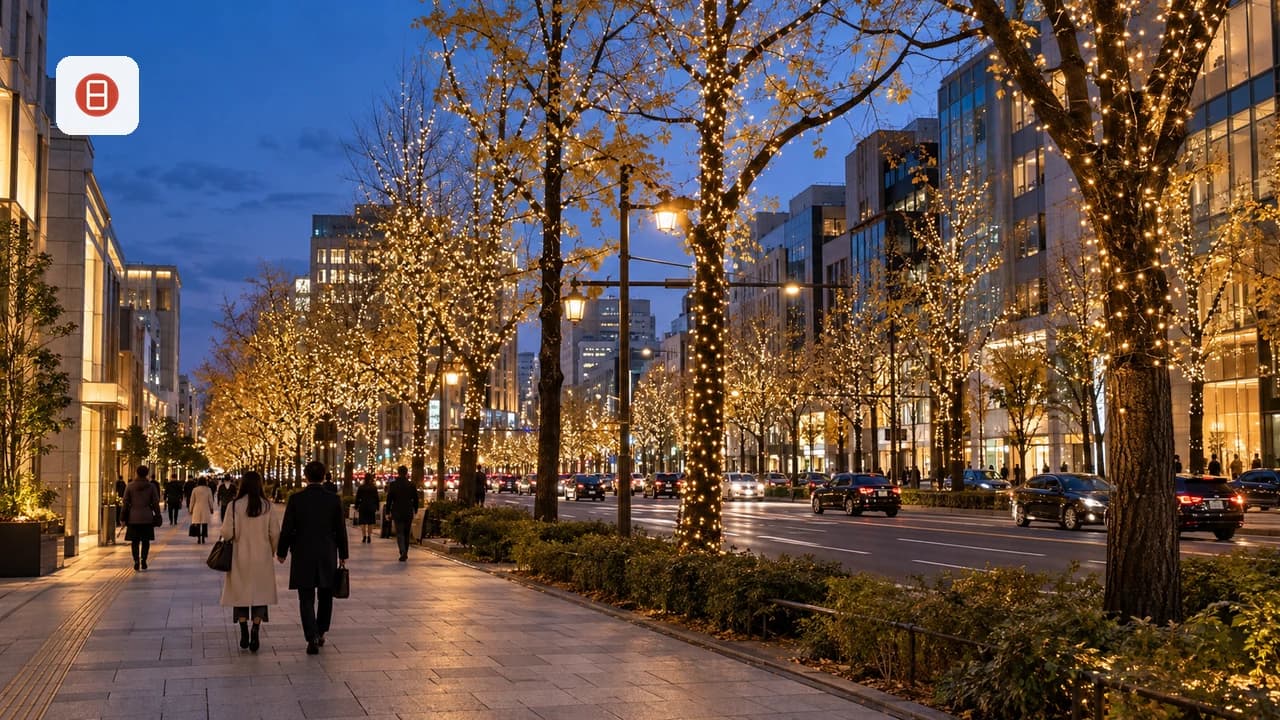
Osaka's winter illuminations typically run from early November into late December, with Midosuji Boulevard forming the backbone of the display. Exact dates shift slightly each year, so confirm the current schedule before planning around it. The boulevard's illuminated ginkgo trees line the walking route between Umeda and Namba, turning the walk into a self-guided sightseeing loop. Osaka Hikari-Renaissance adds a second display around the Nakanoshima riverside area, reachable partway through the same walk. See the winter illuminations guide for exact dates and route stops each season. Near Osaka Station, the Umeda Sky Building has historically run a Christmas market from mid-November through December 25, so confirm current dates before visiting. Market hours and tree-lighting schedules appear each year in Osaka's Christmas guide. Walking the full route after dark makes for one of the better Osaka at Night: Neon, Last Trains, and Where to Go itineraries in any season. Bring a layer for the outdoor stretch, since evening temperatures can dip toward 6°C (43°F) even on a 12°C (54°F) afternoon. Seasonal specifics get more coverage in the December guide.
- Start near Osaka Station/Umeda under the Midosuji illumination canopy
- Walk south along Midosuji Boulevard toward Shinsaibashi
- Detour to Nakanoshima for the Osaka Hikari-Renaissance display
- Finish in Namba, near the Dotonbori canal lights
Universal Studios Japan and Osaka Castle in Winter Light
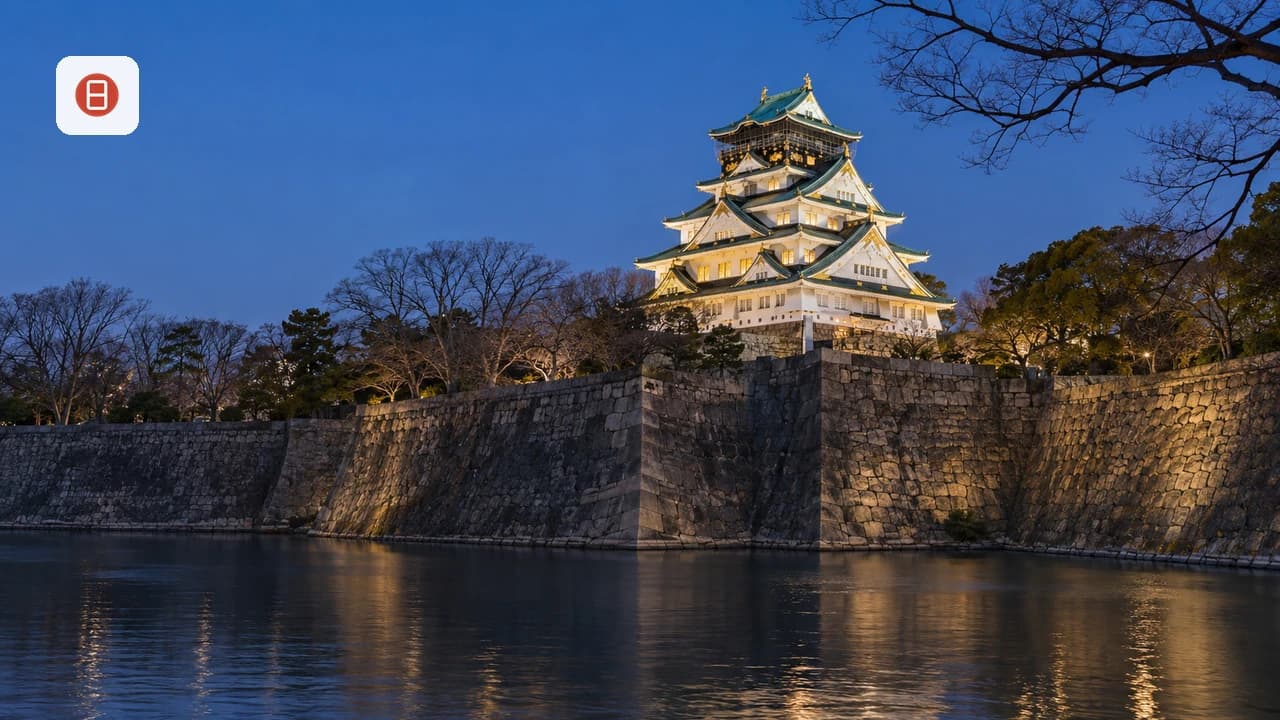
Universal Studios Japan stays open through winter with holiday decorations and shows rather than real snow, since Osaka's climate does not produce reliable snowfall at the park. According to the official USJ site, seasonal programming runs through the December holidays before shifting into New Year decor. Areas like Wizarding World of Harry Potter and Jurassic Park stay open as normal, and the cold thins out certain outdoor queue areas compared to summer. Crowds run lighter than spring break or Golden Week, though the days around Christmas and January 1 still draw bigger groups. Osaka Castle rewards an early start in winter: arriving by 10 a.m. gives clear, low-angle light before afternoon tour buses fill the grounds. Its official site lists current hours and any closure dates for the museum tower. The observation floor gives a clear view over the park and skyline on dry winter days, since low humidity cuts down on seasonal haze. Both sights sit within easy reach of Osaka's other cold-weather options, covered in the 20 Top Osaka Attractions overview.
The Kitchen of Japan in Winter: Fugu, Crab, and Nabe
Winter is peak season for fugu (blowfish) and matsuba crab across Osaka's restaurants, both treated as cold-weather specialties rather than year-round menu items. Kuromon Ichiba Market keeps its covered stalls running daily, and the cold makes steaming hot scallops and grilled unagi more appealing than they are in summer. Beyond the market, Ura Namba's narrow side streets hold small nabe (hot pot) counters that seat only a handful of diners at a time. For more on that stretch, see the Namba and Dotonbori area guide, which also covers the better-known Dotonbori food strip nearby. A typical nabe order starts with a shared broth base, then adds vegetables and tofu before seafood or thinly sliced meat goes in to cook tableside. Ordering udon or rice to finish the broth afterward, called shime, is standard practice rather than an optional extra. For evening options beyond dinner, Osaka's nightlife guide covers where these food streets lead once the tables clear.
- Broth base: shio (salt), miso, or a ponzu-style dashi
- Vegetables and tofu added first to build the broth
- Seafood or thinly sliced meat cooked tableside
- Shime finish: udon or rice stirred into the leftover broth
Beating the Cold: Osaka's Underground and Arcades
Osaka's underground passages beneath Umeda Station link department stores, restaurants, and train platforms without ever stepping outside. On a windy January afternoon, cutting through this network is faster and warmer than surface walking between the same points. Covered shopping streets add another layer of shelter: Shinsaibashi-suji runs through central Osaka's shopping district, while Tenjinbashi-suji, often described as Japan's longest shopping arcade, stretches north of the river. Both stay dry and wind-free regardless of the weather outside. Department store basement floors, called depachika, sell prepared hot food and desserts, doubling as an all-weather lunch stop between sightseeing blocks. Spa World, near Shin-Imamichi Station, combines a bathhouse with a theme-park layout of Asian- and European-styled bathing zones. Neighborhood sento (public baths) offer a quieter, cheaper alternative for travelers who want the ritual without the theming. Free foot baths near several train stations also give a quick warm-up during a walking day, without needing a full bathhouse visit.
Hatsumode and Late-Winter Plum Blossoms
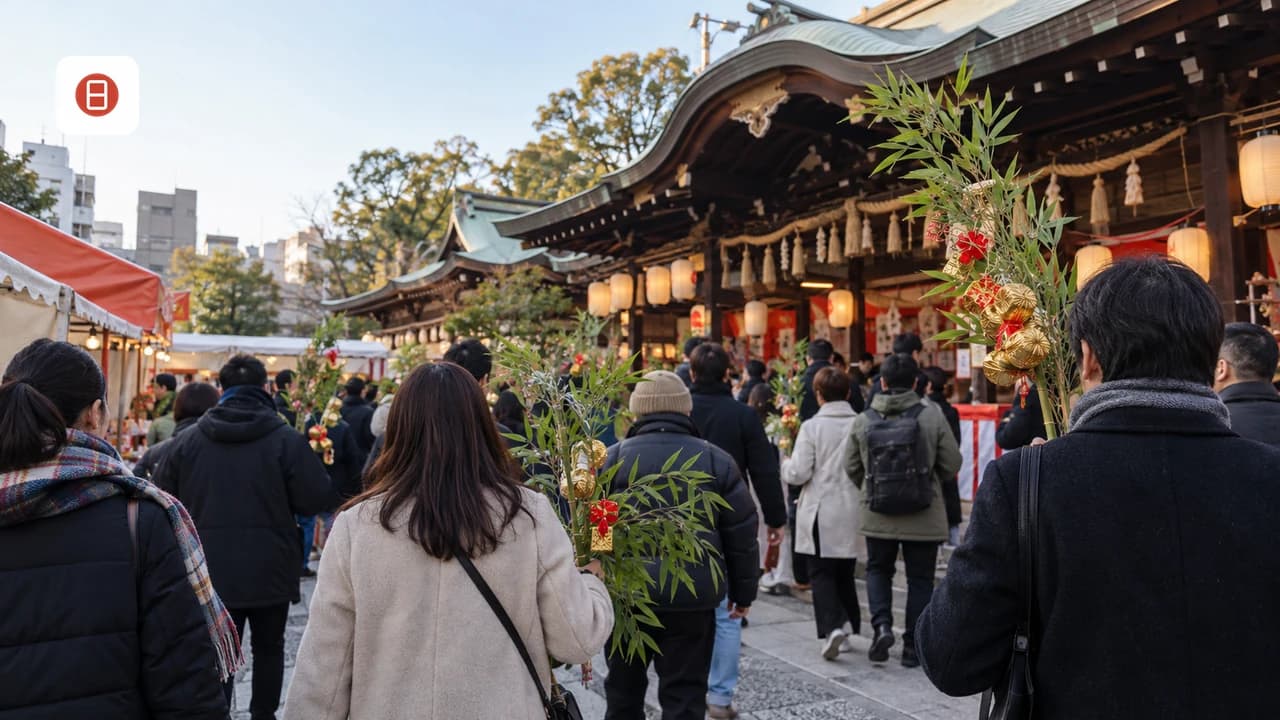
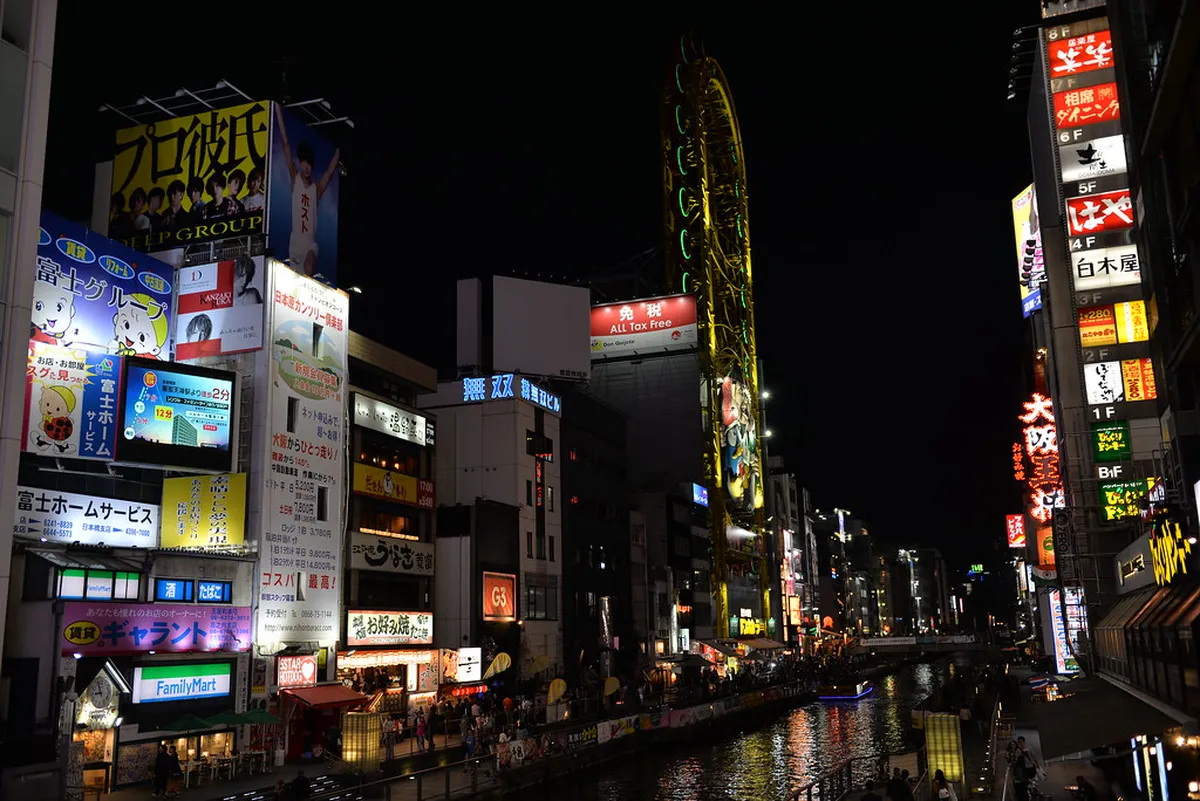
Hatsumode, the first shrine visit of the year, brings the heaviest shrine crowds of the entire winter between January 1 and January 3. Sumiyoshi Taisha and Osaka Tenmangu both draw large crowds during that window. Arriving well before sunrise on January 1, or waiting until January 4 onward, avoids the worst of it. Osaka's events calendar lists shrine hours and any special New Year programming for the current season. Outside that three-day window, both shrines settle into a slower, more typical winter pace. Shitennoji Temple, founded in the 6th century, also stays open through winter with smaller crowds than its warm-season festivals draw. By late February, plum blossoms (ume) start opening at Osaka Castle Park, ahead of the cherry blossoms by several weeks. Temple gardens elsewhere in the city offer plum viewing with a fraction of the sakura-season crowds, a quieter alternative on the same kind of grounds. Hatsumode logistics and early-month event timing get more depth in the Osaka in January guide.
Winter Day Trips from Osaka
Mt. Rokko Snow Park turns part of the mountain into an artificial-snow play area for winter visitors, with ski-wear rental available for those who arrive without gear. The snow is machine-made rather than natural powder, so expect a small-scale snow-play zone with sledding and ice skating rather than a full ski resort. Arima Onsen sits about 60 minutes from central Osaka by train, and its hot springs, commonly described as gold-colored water, make a practical add-on to a Rokko day trip. Minoh Waterfall stays accessible year-round on a paved trail, and it occasionally freezes partially in the coldest stretches of winter. Thinner winter crowds also make the walk to the falls quieter than during autumn foliage season. None of these three requires an overnight stay, so any one fits into a single day out from central Osaka.
Osaka's street level stays largely snow-free all winter, but Mt. Rokko Snow Park just 60 minutes away delivers artificial snow for sledding and ice skating.
- Mt. Rokko Snow Park: artificial snow, sledding, ice skating, ski-wear rental available
- Arima Onsen: about 60 minutes from central Osaka, known for its gold-colored hot spring water
- Minoh Waterfall: paved trail, open year-round, quieter in winter than in autumn
Practical Logistics: Packing, Transport, and Dry Air
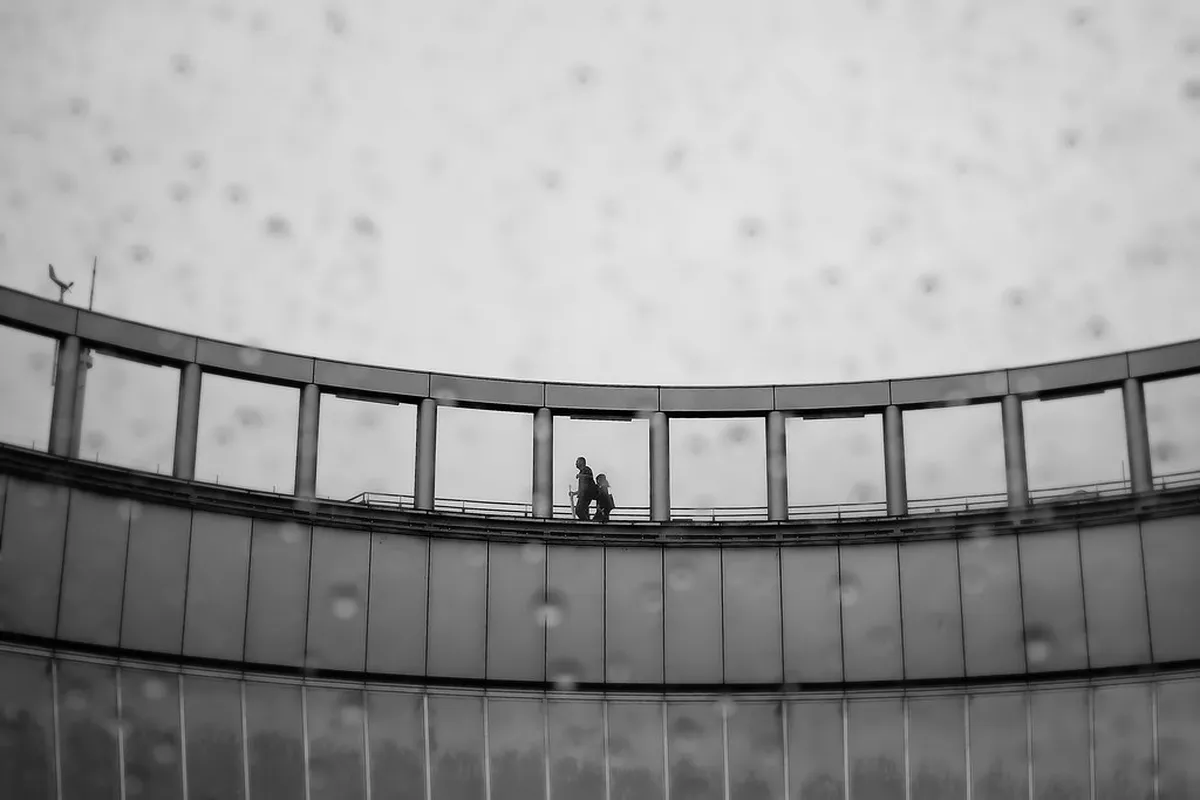
Layering matters more than heavy coats in Osaka winters, since trains, department stores, and restaurants all run their heating high. Japanese trains and shops can get warm enough that a winter coat becomes uncomfortable within minutes of stepping inside. The practical fix is a thin Heattech-style base layer under one easily removable mid layer, rather than a single heavy coat that has to come off entirely on every train ride. For transit, the Osaka Amazing Pass bundles subway and bus access with free entry to some attractions. Coverage of extras like winter boat cruises changes between seasons, so confirm current terms before relying on it. A standard IC card works just as well for point-to-point trips if the pass's included attractions do not match the itinerary. Staying near the Midosuji subway line keeps most winter sights within a short ride, a point covered in the Best Areas To Stay In Osaka Travel Guide guide. Heated indoor air also dries out skin and throats fast, so a travel humidifier or a pack of moisturizing sheet masks from Don Quijote is a cheap fix. Budget hotel rooms near Namba often list around ¥8,000 a night in January. That is well below the ¥18,000-plus rates common during the early-April cherry blossom peak, so winter timing carries a real cost advantage too.
Osaka winters span 6°C-12°C outdoors, then heated trains and shops, so flexible layers outperform one heavy coat you must constantly remove.
- A Heattech-style thermal base layer
- A removable mid layer, such as a fleece or light down jacket
- Gloves and a scarf for wind chill
- Waterproof shoes for occasional rain or light snow
Explore in winter in other cities
Frequently Asked Questions
Is Osaka too cold in January?
No, but wind chill can make it feel colder than the 6°C-12°C (43°F-54°F) average suggests. Ducking into Umeda's underground passages or a covered arcade like Shinsaibashi-suji solves most of the discomfort.
Does it snow in Osaka in winter?
Rarely in the city center, and any snowfall is usually a light dusting that melts by afternoon. For guaranteed snow play, Mt. Rokko Snow Park about 60 minutes away offers artificial snow and rental gear instead.
What should you wear in Osaka in winter?
Layers work better than one heavy coat, since indoor spaces run their heating high. A Heattech-style base layer, a removable mid layer, gloves, and a scarf cover most days. Waterproof shoes help on the rare day it rains or lightly snows.
Is USJ crowded in winter?
Crowds run lower than spring break or Golden Week for most of December and January. Expect a busier park mainly around Christmas and the New Year holiday.
How far is Arima Onsen from Osaka?
Arima Onsen is roughly 60 minutes from central Osaka by train, making it a workable half-day or full-day trip. Many visitors pair it with nearby Mt. Rokko Snow Park on the same day out.
Explore Osaka in Winter
Dive deeper into Osaka's winter season with month-by-month guides, festive light displays, and the city's best night views.
Month-by-Month Guides
- Osaka attractions hub: tickets, hours & maps
- Osaka in December: Weather, Events, and Where to Stay
- Osaka in January: Weather, Events, and What's Actually Open
- Best Time to Visit Osaka: Seasonal Guide & Monthly Weather
- Osaka Weather By Month Travel Guide
Winter Lights & Festivities
Night Sightseeing
Plan Your Trip
Free: The Osaka Essentials guide
Top things to do, where to stay, a perfect day plan, getting around, and the best time to go — a Osaka mini-guide you can take offline.
You might also like


Continue reading
More guides you'll find useful