Kyoto in Winter: 8 Best Things to Do & Travel Guide
Discover the magic of Kyoto in winter. Our guide covers weather, 8 must-see attractions, seasonal plum blossoms, and the best warming winter dishes.
On this page
Kyoto in winter offers something that the crowded cherry blossom and autumn leaf seasons simply cannot: quiet. The lanes around Higashiyama empty out, temple gardens become meditative rather than chaotic, and you can stand in front of the Fushimi Inari gates without a single stranger blocking your frame. For travelers who want to experience the city at a slower pace, the months from December through February 2026 are the best-kept secret in Japanese travel.
The cold is real — temperatures drop to around 2°C on the coldest January mornings — but it is manageable with the right layers. In return for the chill, you get significantly lower hotel rates, seasonal dishes you cannot eat at any other time of year, and early plum blossoms that rival the famous cherry blossoms in beauty. Before you book, check the best time to visit Kyoto for a full seasonal breakdown to compare your options.
This guide covers the eight most rewarding things to do in Kyoto during winter, from snow-dusted bamboo groves to illuminated shrine lanterns. We also include the warming foods, onsen recommendations, and practical packing tips that make a cold-weather trip genuinely comfortable. Let's start with what to expect from the weather.
How is Winter in Kyoto? (Weather and Atmosphere)
Winter in Kyoto runs from December through February. Locals describe the cold as Kyoto-no-Sokobie — a "bottom-chilling" cold that seems to rise from the stone streets and river basins below. Daily temperatures typically range from 2°C to 10°C (35°F to 50°F) in January, while December is slightly milder at 5°C to 12°C. Afternoons warm up enough for comfortable outdoor sightseeing, but mornings and evenings demand proper insulation.
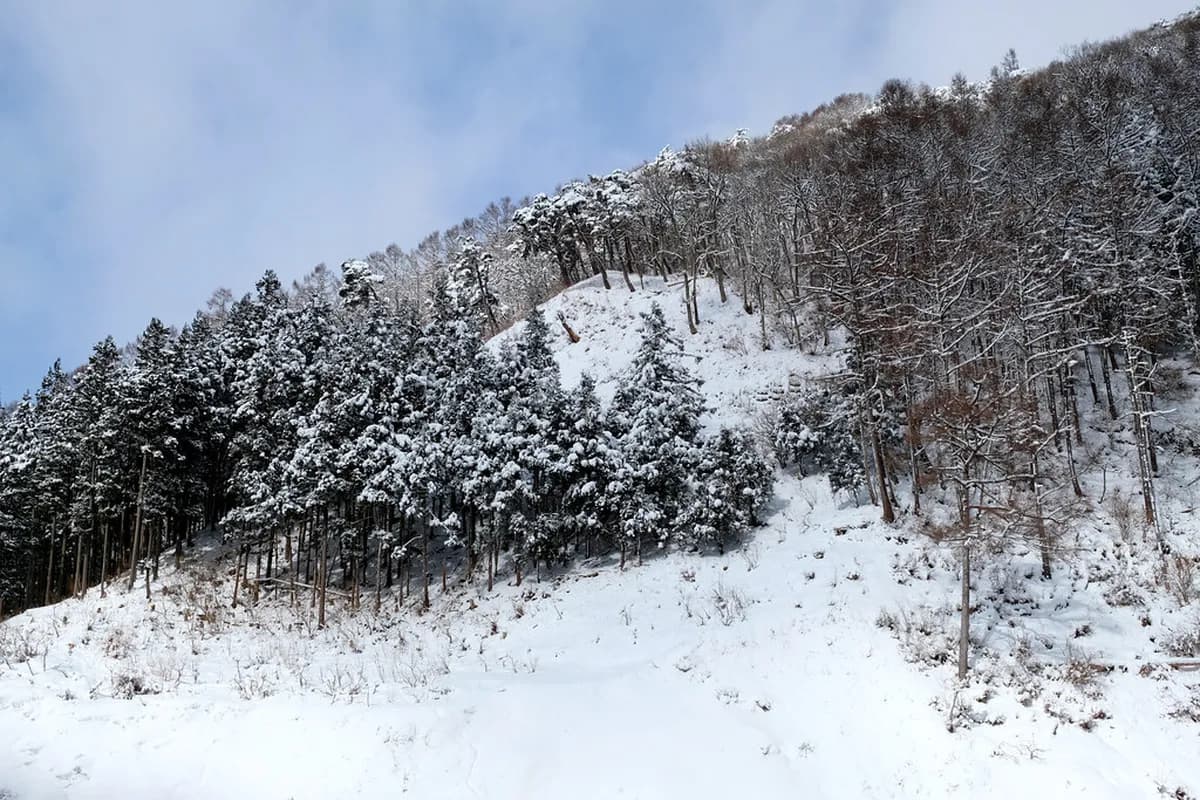
Snow in the city center is rarer than most visitors expect. Most years produce only a handful of light dustings, typically in January or February, and the snow usually melts by midday. The northern mountain areas around Kurama and Kibune receive significantly heavier snowfall than central Kyoto. If you catch a snowy morning at Kinkaku-ji or Arashiyama, it is genuinely one of the most beautiful sights in all of Japan — and you will almost certainly have it to yourself.
The atmosphere during winter is the season's greatest selling point. You will notice a distinct absence of tour buses at major landmarks and rarely encounter queues at popular cafes or restaurants. This stillness is particularly striking in Zen gardens, where the quiet and the bare winter light produce an effect that no other season can match. The shorter days mean golden-hour light falls early, around 16:30 in January, which makes late-afternoon temple visits particularly atmospheric.
Winter layers are essential: expect 2°C mornings and 10°C afternoons in January. Heattech thermal underwear from Uniqlo, a fleece mid-layer, and a windproof outer shell keep you comfortable for temple walking. Pack hand warmers (kairo) at 100 yen from any convenience store — they slip into gloves and pockets.
Enjoy Warming Kyoto Winter Cuisine
Japanese winter food is designed to warm your body from the inside out, and Kyoto has its own distinct set of seasonal dishes. Yudofu is the most iconic — soft tofu simmered at the table in a light kombu broth, served with ponzu and ginger. Several dedicated Yudofu restaurants cluster around the Nanzen-ji temple area in eastern Kyoto, making it a natural lunch stop after a morning walk. Check our Kyoto food guide for specific restaurant picks in that district.
Kaburamushi is a Kyoto specialty that only appears on menus from November to February. The dish layers grated turnip over white fish, steams the whole thing until it reaches a silky, custard-like consistency, then tops it with a thin ankake sauce. It is typically served as part of a multi-course Kaiseki meal. Also look for Zenzai, a sweet red bean soup with toasted mochi cakes — you will find it at temple teahouses throughout the city, particularly at Kitano Tenmangu during the plum blossom season.
Hot pot (Nabe) is the communal meal of winter Japan. Kyoto restaurants offer several regional variants: Mizutaki uses a clean chicken broth, while Tofunabe leans into Kyoto's tofu tradition. Sharing a bubbling pot with friends is the standard Japanese way to spend a cold evening. Pair it with a small cup of warm sake — sake is traditionally served atsukan (heated) in winter, which takes the edge off even the sharpest basin wind.
Relax in a Traditional Onsen Bath
Soaking in hot mineral water when the air outside is freezing is one of the defining winter experiences in Japan. Kyoto has good onsen options across a range of budgets and settings. Funaoka Onsen, in the Murasakino neighborhood north of downtown, is a historic sentō with beautiful Meiji-era wood carvings and an outdoor bath. Entry costs around 530 yen and it opens at 15:00 on weekdays, making it an ideal late-afternoon stop.
Kurama Onsen in the northern mountains is the most scenic option. Its outdoor rotenburo sits above a forested valley with views of the snow-dusted cedar slopes. Importantly, Kurama Onsen is tattoo-friendly — an exception to the strict no-tattoo policies at most traditional Japanese facilities. The Eizan Railway from Demachiyanagi Station takes about 31 minutes and costs 430 yen one-way. The facility operates a complimentary shuttle from Kurama Station. Budget an extra hour for the ride each way, and dress in warm layers you can easily remove. If you need transportation tips for visiting remote hot springs, check our Kyoto getting around guide.
If you prefer complete privacy, many luxury ryokan and hotels in Kyoto offer rooms with private cedar wood tubs. This is worth the premium on the coldest nights. For a day-onsen option closer to the city center, Sento Fujinomori in Fushimi and the many neighborhood sentō scattered through the Higashiyama district provide a genuine local experience for under 600 yen. See our Kyoto onsen guide for addresses and opening hours.
Explore Arashiyama and the Bamboo Grove
Arashiyama in winter is a completely different place from the Arashiyama of autumn foliage season. The bamboo grove is quiet, sometimes foggy in the early morning, and occasionally dusted with snow on the tallest stalks. Arriving before 09:00 gives you a realistic chance of walking the grove almost alone — a stark contrast to the packed midday crowds that appear even in the off-peak winter months. The Tenryu-ji temple garden is open year-round and its koi ponds and raked gravel are particularly serene without leaves on the trees.
Note that the Sagano Scenic Railway (Torokko train) operates a reduced winter schedule and closes entirely from late December through late February. If a ride through the Hozu River gorge is on your list, plan accordingly. The Hozugawa River Boat ride also runs a limited heated-boat service in winter. Both experiences are worth checking if they overlap with your travel dates — but do not assume they are running without verifying in advance.
The walk from the Togetsu-kyo Bridge up to Jojakko-ji temple is one of the best winter hikes in western Kyoto. The stone steps are lined with moss and bare maple branches, and the view from the top of the pagoda over the valley is extraordinary on a clear winter day. Wear grippy shoes if there has been recent rain or a frost.
See the Plum Blossoms at Kitano Tenmangu Shrine
While most travelers plan around the April cherry blossoms (Sakura), the plum blossoms (Ume) that bloom from mid-January through early March are a more intimate and fragrant experience. Kitano Tenmangu Shrine is Kyoto's most celebrated spot for Ume viewing, with over 2,000 plum trees planted across its grounds in honor of the Heian nobleman Sugawara no Michizane, who was famous for his love of plum blossoms. The trees range from deep cerise to pale white, and the scent on a still February afternoon is unmistakable.
Peak bloom at Kitano Tenmangu typically falls in the last week of February, though the earliest trees begin flowering as early as the first week of January in mild years. The shrine charges a small garden entry fee (around 1,000 yen) during the official Ume Matsuri season, which runs from early February to mid-March. The highlight is the Baikasai outdoor tea ceremony on February 25th, hosted by Kyoto geiko and maiko — it is one of the few occasions where visitors can watch a traditional tea ceremony in an open garden setting. Check the Kitano Tenmangu Official Site for the exact 2026 festival schedule and bloom updates.
Ume versus Sakura is a common question for travelers planning a late-winter trip. Plum blossoms open earlier, have a stronger fragrance, and come in a wider range of colors. Cherry blossoms are more dramatic in mass, but the crowds are exponentially larger. If you can only visit once and want to see flowers without the spring madness, the Ume season is the connoisseur's choice — and it fits neatly into a January or February itinerary at no extra cost beyond the garden fee.
Discover Jōnan-gū: Weeping Plum and the Yutate Kagura
Most winter visitors to Kyoto go straight to Kitano Tenmangu for plum blossoms. Far fewer make the short trip to Jōnan-gū in the southern part of the city — and that is exactly what makes it special. Built in 794 to protect the capital when it was established, Jōnan-gū holds a Heian-style garden where weeping plum trees (shidaré ume) bloom roughly two to three weeks before the trees at Kitano Tenmangu reach their peak. In late January and early February, the long, sweeping branches drape to the ground in cascades of white and pale pink with almost no other visitors in sight.
Jōnan-gū is also the venue for the Yutate Kagura, a purification ritual performed on specific dates from January through early spring. During the ceremony, a senior priestess stirs sake, rice, and salt into a barrel of sacred boiling spring water, then plunges leafy bamboo branches into it and sweeps the spray over the gathered crowd. Being struck by the hot mist is considered a blessing — and it is also one of the more warming experiences available in January Kyoto. Check the shrine's schedule before you visit, as the ritual runs on set ceremonial dates rather than daily. Take the Karasuma Line to Takeda Station and walk about 10 minutes south.
This combination — early weeping plum plus a living Heian ritual — makes Jōnan-gū the highest-value single stop for visitors arriving in late January. It is the kind of detail that separates a memorable Kyoto winter from a generic temple walkabout, and almost no mainstream travel guide covers it.
Experience Traditions at Fushimi Inari and Kibune Shrine
Fushimi Inari-taisha is famously one of the most photographed spots in Japan, but winter transforms it. The thousands of vermillion torii gates glow against a grey winter sky in a way that the saturated greens of summer cannot replicate, and the upper mountain sections above the main gate complex see very few visitors on weekday mornings. Various winter festivals take place at the shrine in January and February, including the Coming of Age Festival (Seinen-sai) and the Grand Mountain Festival (Oyama-sai). When you finish at the shrine, the Fushimi district nearby has several sake breweries offering free tastings — a practical reward for the climb.
Kibune Shrine sits 8 kilometers north of central Kyoto in a narrow mountain valley, and in winter its snow-covered stone lanterns become one of the most reproduced images in all of Japanese tourism. The approach path lined with lit lanterns is magical in the late afternoon as the light fades. However, Kibune is significantly colder than central Kyoto — often by 5°C or more — and travel takes planning. Take the Eizan Railway from Demachiyanagi to Kibuneguchi Station (about 30 minutes, 430 yen), then either walk 30 minutes up the forested valley path or take a local bus. Dress in an extra layer specifically for this stop and check the Eizan Railway status if there has been heavy snowfall, as the mountain line sometimes suspends service.
Kibune Shrine is actually a cluster of three separate shrines in the valley — the main Kibune Shrine, the rear shrine, and Yui no Yashiro. Plan at least 90 minutes to walk between them. The surrounding cedar forest also serves as the trailhead for the popular Kurama-Kibune hike (approximately 4 kilometers), which connects Kibune with Kurama Temple and Kurama Onsen — making it possible to combine a temple hike with a hot spring soak in a single afternoon.
Winter Illuminations and Indoor Alternatives
December and early January are prime season for winter illuminations at temples and gardens across Kyoto. Kifune Shrine hosts a celebrated lantern light-up each winter that is completely different from the daytime experience. The Kyoto Botanical Gardens runs an LED illumination event in December covering the garden's vast landscape. Various temple special evening openings — Kodai-ji and Shorenin are reliable annual participants — transform their grounds into a different space entirely after dark. Check the Discover Kyoto Event Calendar for 2026 dates, as exact schedules shift each year.
| Event | Dates (2026) | Entry Fee | Notes |
|---|---|---|---|
| Kitano Tenmangu Ume Matsuri (Plum Blossom) | Early Feb – Mid-March | ~1,000 yen | Peak bloom late February. Geiko tea ceremony on Feb 25. |
| Kyoto Botanical Gardens LED Illumination | December | ~700 yen | Expansive LED display across garden grounds. |
| Kifune Shrine Winter Lantern Light-Up | December – Early Jan | Variable | Lanterns lit at dusk; check shrine schedule. |
On very cold, rainy, or slushy days, Kyoto's indoor options are genuinely excellent rather than a consolation prize. The Kyoto National Museum holds world-class collections of Japanese painting, sculpture, and crafts, with seasonal exhibitions that rotate through the winter. The Kyoto Railway Museum and the Kyoto International Manga Museum are more casual and good for a half-day. The massive underground shopping arcade beneath Kyoto Station connects to Isetan department store and several food halls — easy to spend two hours there without setting foot outside. A Kyoto tea ceremony booking is also a natural choice for a rainy afternoon: sitting on tatami mats with a bowl of hot matcha is the most Kyoto-specific way to wait out a cold snap.
Practical Tips for Planning Your Kyoto Winter Trip
Layering is the non-negotiable rule for winter Kyoto. Japanese thermal underlayers (Heattech, available at any Uniqlo) are thin enough to wear under regular clothes without bulk. Add a mid-layer fleece, a wind-resistant outer shell, and a warm hat and scarf for the basin wind that funnels through temple corridors. Japanese trains and department stores run very warm heating — you will be removing layers constantly indoors, so choose pieces that are easy to pack into a bag. Portable hand warmers (kairo) cost around 100 yen at any convenience store and slip inside gloves or pockets.
Shoe choice matters more than most visitors anticipate. Stone temple paths, bamboo grove walkways, and the Fushimi Inari mountain steps become slippery after rain or a light frost. A waterproof shoe or boot with a grip sole is strongly recommended. If you plan to visit any traditional settings — tea ceremony rooms, ryokan, some temple interiors — you will remove your shoes repeatedly, so choose footwear that slides on and off easily.
Kibune Shrine and the northern mountain routes are 5°C colder than central Kyoto. If heavy snowfall occurs, the Eizan Railway mountain line may suspend service. Check transport status on the morning of your trip and always wear an extra insulation layer for mountain shrine visits.
Accommodation booked near a major subway line saves cold-weather misery. The Karasuma subway corridor running north-south gives fast access to Kitano Tenmangu (via bus connection from Imadegawa), Fushimi Inari (via Kintetsu line transfer at Kyoto Station), and the Eizan Railway for Kurama and Kibune. Our best area to stay in Kyoto guide can help you find the right neighborhood. If you are planning day trips from Kyoto to the northern mountain villages, always check transport status on the morning of your trip — mountain lines can suspend service after heavy overnight snow. Keep some coins ready for hot canned drinks from vending machines: on a January morning, a 120-yen hot coffee from a corner vending machine is one of the small pleasures that defines winter in Japan.
Explore Kyoto in Winter
Work through Kyoto's winter season month by month, then dig into the two big holiday windows that draw the sharpest search intent — Christmas illuminations and New Year's Eve temple rites.
Explore in winter in other cities
Frequently Asked Questions
Does it snow in Kyoto during winter?
Snow in Kyoto is rare and usually melts quickly. You might see a light dusting on temple roofs in January or February. It creates a beautiful scene but rarely disrupts travel plans.
What is the best month to visit Kyoto in winter?
February is often considered the best winter month to visit. You can enjoy the plum blossoms and slightly longer days. Crowds remain low before the spring rush begins.
Is Kyoto worth visiting in January?
January is worth it for travelers who want peace and quiet. You can explore famous sites like Kinkaku-ji without the usual crowds. It is the best time for budget-conscious visitors.
Kyoto in winter rewards travelers who are willing to trade warm weather for quiet and authenticity. The combination of deserted temples, warming food traditions, early plum blossoms, and living winter rituals like the Yutate Kagura at Jōnan-gū adds up to an experience that most tourists simply miss. The city is running at its most honest pace in January and February 2026 — no tour groups at the gates, no lines at the popular cafes, no competition for the perfect photo.
Pack your layers carefully, book accommodation near a subway line, and leave some flexibility in your itinerary for a snowy morning or an unexpected onsen detour. The memories from a Kyoto winter are quieter than the ones from cherry blossom season — but they tend to last longer.
For year-round ideas beyond the cold months, see our complete guide to the best things to do in Kyoto.
For the wider city overview, see our Kyoto attractions guide.
Free: The Kyoto Essentials guide
Top things to do, where to stay, a perfect day plan, getting around, and the best time to go — a Kyoto mini-guide you can take offline.
You might also like

Continue reading
More guides you'll find useful