10 Best Kyoto Onsen and Public Bath Experiences (2026)
Discover the best Kyoto onsen and sento. Our guide covers Kurama, Arashiyama, and tattoo-friendly tips for your 2026 Japan trip. Plan your soak today!
On this page
Kyoto is not Japan's most famous onsen city — that title belongs to places like Beppu or Kinosaki — but the ancient capital offers a bathing culture that is genuinely hard to find anywhere else. Within the city itself, true natural hot springs are rare. Most of what you will visit in central Kyoto are sento, traditional public bathhouses that use heated tap water. The real onsen, fed by geothermal springs, sit in the mountains north and west of the city. This guide will tell you which is which, what everything costs in 2026, and how long each trip takes from Kyoto Station. Whether you are after a quiet mountain soak or a historic neighborhood bath after a long day of temple-hopping, these are the best options available. For a broader look at what to do here, our Kyoto activities guide has you covered.
Sento vs. Onsen: What to Know Before You Go
Japanese law defines an onsen precisely: the water must emerge from the ground at a certain temperature or contain specific minerals above a legal threshold. A sento uses heated municipal water and makes no therapeutic mineral claims. This distinction matters practically because true onsen in Kyoto are confined to the Kurama mountains, the Arashiyama foothills, and the Ohara valley — all outside the city center. What you find walking distance from your hotel is almost certainly a sento.
That said, some Kyoto sento blur the lines. Funaoka Onsen and Hana no Yu both draw from certified natural springs blended with heated water, giving them a semi-onsen status. The word onsen on a sign does not always mean what you expect, so look for the word tennen (natural) or check the facility's water certificate if you want the real thing. According to the Kyoto Sento association, the city still has dozens of functioning bathhouses — one of the highest densities of any major Japanese city.
For first-timers, the practical difference is mainly price and amenity level. A neighborhood sento charges around ¥450–¥550 per adult and provides only the bath. A mountain onsen charges ¥1,000–¥2,000 and typically includes outdoor pools, sometimes a restaurant, and often towel rentals. Both require you to wash thoroughly before entering the communal tub. Neither allows swimwear in the main baths.
The Culture of Bathing in Kyoto
Kyoto's bathing culture predates the city's famous temples. The imperial court established communal baths as early as the Heian period (794–1185), and Buddhist temples offered charity baths to the public as an act of merit. Over centuries, these evolved into the neighborhood sento that still anchor Kyoto's residential districts today. Unlike Tokyo, where many historic bathhouses have closed, Kyoto has managed to keep dozens operational — helped partly by the city's older housing stock, which still lacks private baths in some neighborhoods.
The evening bath is a social ritual here. Locals arrive with a small basket of toiletries, soak for 20–30 minutes, and chat with neighbors at the sinks. Showing up alone as a tourist is entirely normal and you will be left in peace. The etiquette is simple: wash before you enter the pool, keep your small towel out of the water, and speak quietly. Follow those three rules and you will be welcomed back.
Seasonal bathing also has a place in Kyoto's calendar. Cherry blossom season (late March to mid-April) and autumn foliage (mid-November) bring visitors who pair mountain hikes with a hot soak at the end. The combination of cedar forest air and mineral water after a day on foot is genuinely restorative in a way that a hotel shower is not.
Kurama Onsen: The Ultimate Mountain Soak
Kurama Onsen is the best natural hot spring within practical reach of central Kyoto. It sits in the Kurama mountain village about 30 minutes north of Demachiyanagi Station on the Eizan Railway (fare approximately ¥430, not covered by the Kyoto city bus pass). A free shuttle bus runs the 3-minute route from Kurama Station to the onsen entrance. The outdoor bath — a wide cedar-deck rotenburo overlooking a forested gorge — is the main draw, and it costs ¥1,500 for adults in 2026 for the open-air bath only.
The water is a weak alkaline simple thermal spring that sits around 42°C in the main outdoor pool. It is gentle enough for sensitive skin and good for muscle recovery after hiking. The classic same-day itinerary pairs Kurama Onsen with the Kurama-to-Kibune mountain trail: take the Eizan Railway to Kurama, hike up to Kurama-dera temple, cross the ridge to Kibune Shrine (about 2 hours total), then walk back down to Kurama for a soak before returning to the city. The trail is well-marked and manageable for most fitness levels.
The Kurama-to-Kibune trail takes about 2 hours and links two sacred shrines with mountain forest views. End the hike with a soak at Kurama Onsen (¥1,500 day-use, closes 20:00) for the perfect full-day combination.
The onsen closes at 20:00 with last entry at 19:00, so time your hike accordingly. During autumn foliage peak (typically mid-November in this area), the mountainside turns vivid red and gold — a view that is visible from the outdoor bath itself. Book a lodging stay if you want the indoor bath access and a private room; day visitors are limited to the rotenburo section.
Scenic Outdoor Baths (Rotenburo) Near Kyoto
Rotenburo — open-air baths — are where Kyoto's onsen scene is at its most photogenic. Beyond Kurama, the Arashiyama district delivers riverside rotenburo with views of the Togetsukyo Bridge and the wooded Arashiyama hills. Tenzan-no-yu, a large complex near Sagano, is the most accessible: it draws certified natural hot spring water from underground and opens from 10:00 until 01:00, making it one of the few mountain-style baths you can visit late at night. Adult entry runs approximately ¥1,000–¥1,200 on weekdays.
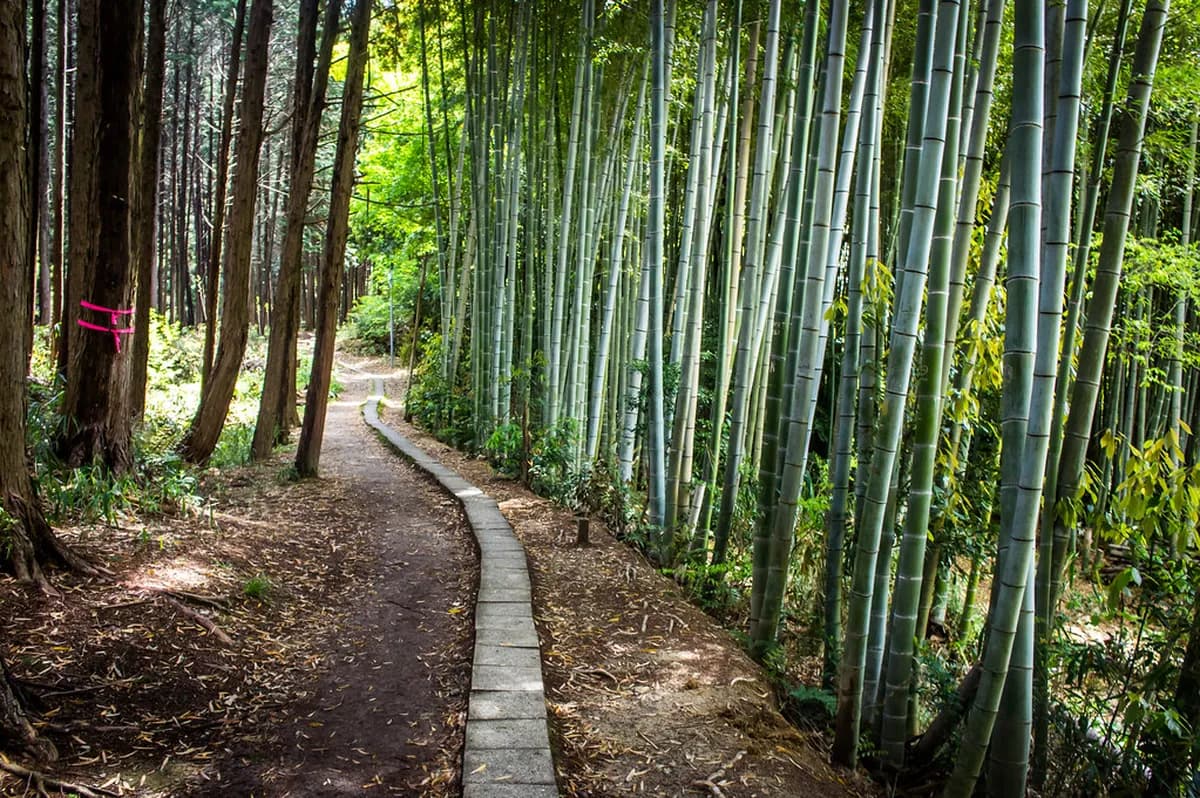
FUFU no YU sits right beside the Hozugawa river near Hankyu Arashiyama Station (1 minute on foot) and is the easiest to reach by public transport. Weekday entry is ¥1,100 for adults; weekends and holidays are ¥1,300. The outdoor bath looks across the river toward forested hills, and the indoor facility is modern and well-maintained. It opens at 12:00 daily, which makes it a good early-afternoon stop after a morning walk through the bamboo grove.
For something more remote, Ohara no Sato in the Ohara valley (about 60 minutes from Kyoto Station via Kyoto Bus No. 17) offers outdoor Goemon cauldron baths — deep iron pots fed by a natural spring where a single bather sits submerged to the shoulders. Bathing here requires purchasing a meal set (miso nabe lunch included, approximately ¥3,000–¥4,000 total); you cannot use the bath without the meal plan. It opens from 11:00 to 16:00, so factor in the 15-minute walk from the Ohara bus stop.
Must-See Kyoto Onsen and Sento Locations
Funaoka Onsen in the Nishijin district is the most architecturally remarkable bathhouse in the city. Built in the Taisho era and renovated without losing its original bones, the changing room features intricate woodcarvings that depict scenes from the Russo-Japanese War — a detail that surprises most visitors. Entry is ¥490 for adults. Hours are Monday to Saturday 15:00–25:00, Sunday 08:00–25:00. Take city bus 206 from Kyoto Station and get off at Senbon Kuramaguchi (about 5 minutes walk). The electric bath in the men's section is powerful; test it briefly before committing.
Hana no Yu in the Mibu area (5 minutes walk from JR Tambaguchi Station) draws natural spring water blended with municipal supply. It operates from 10:00 until 01:00 daily, which makes it the most convenient option for families or late arrivals. Weekday adult entry is ¥770; weekends are ¥900. The carbonated bath and Goemon outdoor tub are the highlights. Children under 2 enter free.
Fushimi Chikara no Yu near Takeda Station (Kintetsu/Subway) in southern Kyoto is the best-value larger facility in the city. Adult entry runs ¥750 on weekdays, ¥850 on weekends. It opens at 10:00 on weekdays and 08:00 on weekends, staying open until 23:00. The jet baths and seasonal fruit-infused pools make this a fun option for groups. Hakusan-no-yu, about 10 minutes walk from Kyoto Station, charges the standard sento rate of around ¥450 and is open Monday, Tuesday, Thursday, and Friday from 15:00–24:00, weekends from 07:00–24:00. Kyoto Tower Bath, directly beneath the tower, opens at 07:00 — useful for an early morning refresh before a long travel day, at around ¥750–¥900 per adult.
| Place | Type | Price | Notes |
|---|---|---|---|
| Kurama Onsen | Mountain Onsen | ¥1,500 | Outdoor rotenburo, 42°C, natural spring, closes 20:00 |
| Funaoka Onsen | Sento | ¥490 | Historic Taisho-era bathhouse, Nishijin district, electric bath |
| Hana no Yu | Semi-onsen Sento | ¥770–¥900 | Natural spring blend, carbonated bath, open 10:00–01:00 |
| FUFU no YU | Mountain Onsen | ¥1,100–¥1,300 | Riverside rotenburo, Arashiyama, opens 12:00 |
| Tenzan-no-yu | Mountain Onsen | ¥1,000–¥1,200 | Sagano, open 10:00–01:00, kashikiri available |
| Fushimi Chikara no Yu | Super Sento | ¥750–¥850 | Jet baths, fruit-infused pools, family-friendly, near Fushimi Inari |
| Hakusan-no-yu | Sento | ¥450 | Standard rate, budget option near Kyoto Station |
| Kyoto Tower Bath | Sento | ¥750–¥900 | Beneath tower, early opening 07:00, city-center convenience |
Family-Friendly and Budget-Friendly Bathing Options
The cheapest quality bath in central Kyoto is a neighborhood sento charging the city-regulated rate of around ¥490 per adult in 2026. Funaoka Onsen and Hakusan-no-yu both charge near this floor price. Children under elementary school age typically pay ¥60–¥100. For families, the large super sento style facilities — Hana no Yu and Fushimi Chikara no Yu — are more appropriate because they have multiple pools at varying temperatures, changing rooms with enough space to manage small children, and usually a rest lounge.
Fushimi Chikara no Yu has the most child-friendly setup of the city baths: a shallow warm pool, jet baths at low pressure settings, and weekend opening from 08:00 means you can visit before the afternoon crowds arrive. The southern Kyoto location near Fushimi Inari also makes it easy to combine with a morning gate hike. Elementary school children pay ¥400 on weekdays.
For budget travelers without children, the neighborhood sento is the right call. Bring your own small towel (saves ¥100 on rental), a 100-yen coin for the locker, and your own soap and shampoo (saves another ¥100–¥200 at facilities that charge for amenities). The total cost of a neighborhood bath with your own supplies runs under ¥600. Many sento accept IC cards (Suica, ICOCA) for entry, but some cash-only counters still exist — bring small bills.
Private Baths (Kashikiri) and Tattoo Policies
Tattoo policies in Kyoto's bathing scene are genuinely inconsistent, and the only reliable approach is to check each facility individually before you travel there. Traditional neighborhood sento like Funaoka Onsen and Ume-yu along the Takase River tend to be more relaxed about small tattoos — staff are accustomed to international visitors. Large modern super sento and luxury ryokan baths are the strictest, enforcing bans regardless of tattoo size. The Kyoto tourism board's official public bath guide notes that policies vary by facility and advises checking directly.
Tattoo policies vary widely by facility — some luxury baths enforce strict bans, while traditional sento are often more relaxed. Call ahead to confirm acceptance before traveling, especially for visible or large tattoos.
Covering small tattoos with waterproof medical bandages is a widely accepted workaround at most sento. For large pieces or full sleeves, this is not practical. The most reliable solution is booking a kashikiri (private bath reservation), which gives a couple or small group exclusive use of a bath room or tub for a set time. Kashikiri is standard at many onsen ryokan in Arashiyama and at some larger facilities like Tenzan-no-yu. Expect to pay ¥2,500–¥5,000 for a 45-minute private session on top of the base entry fee, and book at least a day ahead during peak seasons.
Yunohana Onsen in Kameoka — about 25 minutes west of Kyoto Station by JR Sanin Line — is among the better-known tattoo-permissive natural onsen in the greater Kyoto area. Several of the small inn-style facilities there accept tattooed guests in their private baths, and day-use packages (including private bath access) start around ¥2,000–¥3,000 per person. It is a quieter, less touristy option than Kurama for visitors who need a guaranteed tattoo-friendly soak.
How to Plan a Smooth Kyoto Onsen Day Trip
Travel times from Kyoto Station to each major onsen zone differ significantly. Arashiyama is the closest — 20–25 minutes by JR San-in Line to Saga-Arashiyama, or about 30 minutes by Randen tram from Shijo-Omiya. Kurama takes about 55 minutes total: Karasuma Line subway to Demachiyanagi (15 minutes), then Eizan Railway to Kurama (30 minutes), then a 3-minute shuttle. Ohara is the longest at roughly 60–75 minutes from Kyoto Station by Kyoto Bus No. 17, with buses running every 30–60 minutes depending on the time of day. Factor in the 15-minute walk from the Ohara bus stop to the onsen facilities.
For the most stress-free day trip, plan your destination based on how much of the day you have. Arashiyama works as a half-day: walk the bamboo grove in the morning, soak at FUFU no YU or Tenzan-no-yu in the early afternoon, and be back in the city for dinner. The Kurama-Kibune hike plus onsen fills a full day comfortably. Ohara is best combined with a visit to Sanzen-in temple and works well for those who want a genuinely rural atmosphere far from Kyoto's crowds. Planning day trips from Kyoto to these areas is straightforward by public transport, but always check the last bus back from Ohara — service thins significantly after 17:00.
For those staying within the city, sento visits work best in the evening. Most neighborhood baths open between 15:00 and 16:00 and stay open until midnight or later. Arriving around 21:00 means shorter queues and a chance to see locals winding down for the night. Always carry cash. Bring a small zip-lock or waterproof bag for wet items. If you are deciding where to stay in Kyoto, choosing a neighborhood near one of the major sento districts — Nishijin, Mibu, or Fushimi — makes evening soaks a natural part of the routine.
Kinosaki and Beyond: Day-Trip Onsen Worth the Journey
If you have a full day and want a genuine onsen town experience, Kinosaki Onsen on the Japan Sea coast is the outstanding choice. The journey takes about 2.5 hours from Kyoto Station by limited express train (Thunderbird to Osaka, then Konotori to Kinosaki, or direct Hashidate/Kinosaki services from Kyoto). The village has seven public bathhouses, each with different water compositions and architectural styles. An all-bathhouse pass costs around ¥1,500 per adult. In winter (December through February), local ryokan serve fresh-caught snow crab from the Japan Sea — the combination of crab dinner and seven-bathhouse crawl in yukata is one of the most distinctly Japanese experiences accessible from Kyoto.
Arima Onsen, northeast of Kobe, is about 1 hour 45 minutes from Kyoto by shinkansen to Shin-Kobe plus local transit. It is one of Japan's oldest documented hot spring resorts and offers two distinct water types: gold water (saline iron springs that stain skin briefly) and silver water (radium-bearing carbonated springs). The town is compact and walkable but heavily developed. It suits visitors who want a recognized historic onsen rather than a remote natural experience.
These day-trip destinations reinforce an important point: Kyoto itself is best understood as a base for onsen exploration rather than an onsen destination in its own right. The city's strength is its sento culture and its mountain proximity, not geothermal abundance. Visitors who arrive expecting Beppu or Hakone will be surprised. Visitors who treat Kyoto as a gateway to mountain and coastal hot springs, combined with excellent neighborhood bathhouses, will leave satisfied.
Frequently Asked Questions
Are there tattoo-friendly onsen in Kyoto?
Yes, many local sento like Funaoka Onsen are tattoo-friendly. For natural onsen, it is best to book a private bath or check specific policies in advance. You can find more details in our Kyoto itinerary guide.
How much does a day-trip onsen in Kyoto cost?
A local sento costs about $4 to $6, while a natural onsen ranges from $10 to $25. Prices vary based on amenities like towels and saunas. Always bring extra cash for rental fees.
What is the difference between an onsen and a sento?
An onsen uses natural hot spring water with specific mineral content. A sento is a public bathhouse using heated tap water. Both offer a deep look into Japanese culture.
Finding the right Kyoto onsen is a highlight of any trip to Japan's cultural heart. From the historic tiles of Funaoka to the mountain air of Kurama, these baths offer a unique way to connect with local traditions. I hope this guide helps you choose the perfect spot for your 2026 adventure.
Remember to follow the etiquette rules and embrace the communal spirit of the bathhouse. For more planning tips, check out our Kyoto food guide to find the best post-soak meals. Enjoy your time relaxing in the ancient capital's most soothing waters.
Free: The Kyoto Essentials guide
Top things to do, where to stay, a perfect day plan, getting around, and the best time to go — a Kyoto mini-guide you can take offline.
You might also like

Continue reading
More guides you'll find useful