8 Best Areas and Hotels in Kyoto 2026
Discover the 8 best areas and hotels in Kyoto for 2026. Includes new openings, neighborhood guides, and what to do if the city is fully booked.
On this page
Kyoto's hotel market in 2026 is tighter than it has been in years. Demand spiked after the Osaka Expo closed in October 2025, and that tourism momentum carried into the Kansai region well into 2026. Cherry blossom season, Golden Week, and autumn foliage weeks are all booking out six to twelve months in advance for properties in every price bracket.
Choosing Where To Stay In Kyoto: 9 Best Areas and Booking Tips depends on whether you prioritize morning temple access, evening Gion atmosphere, or quick transit to Osaka and Nara. This guide covers eight standout properties across the full price spectrum — from authentic ryokan under ¥30,000 per night to international luxury resorts above ¥200,000. Each pick is matched to a neighborhood so you can decide on location before locking in a booking.
All prices below are approximate 2026 rates for a standard double room. Tax and service charges in Kyoto typically add 10–15 percent on top of the listed rate. For the best availability, book directly with the property after comparing accommodation options — ryokans in particular often hold back rooms for direct inquiries.
Kyoto Neighborhood Guide: Where to Base Yourself
Kyoto is not one homogeneous city. Each district has a completely different texture, and choosing the wrong base can mean 40-minute bus rides to everything on your itinerary. The five neighborhoods that matter most for accommodation are: Gion and Higashiyama in the east, Downtown (Kawaramachi–Gion–Shijo corridor), Kyoto Station area to the south, and Arashiyama to the west.
Gion and Higashiyama are the most atmospheric. You are minutes from Kiyomizudera, Yasaka Shrine, and the stone-paved lanes of Ninenzaka. The trade-off is cost — rooms here run 20–30 percent more than equivalent Downtown properties — and the narrow streets mean no car access to most hotels after 10:00.
Downtown (the Kawaramachi–Shijo–Oike triangle) is the most practical base. You have the subway, bus lines, and Kyoto's best restaurant concentration within a short walk. First-time visitors who want to cover a lot of ground in three or four days tend to do best here.
Kyoto Station is best reserved for travelers who will be making frequent day trips to Osaka, Nara, or further afield on the Shinkansen. The immediate surroundings feel functional rather than atmospheric, but transit convenience is unmatched. Arashiyama suits those who want a slow, immersive nature stay and are comfortable using taxis or the Sagano Line for city-center excursions.
8 Best Hotels in Kyoto 2026
The following picks represent the strongest options across budget levels and neighborhoods. They are ordered from east to west across the city, roughly mirroring how most visitors explore Kyoto over a multi-day stay.
Rates shown are approximate midweek prices for 2026. Peak season (late March–early April cherry blossom, late October–mid November foliage, and Golden Week 29 April–5 May) typically runs 50–100 percent higher. Always check cancellation terms — many boutique Kyoto properties moved to non-refundable policies in 2025 and have kept them.
| Hotel | Neighborhood | Midweek Price Range | Best For |
|---|---|---|---|
| Park Hyatt Kyoto | Higashiyama | ¥130,000–¥300,000 | Historic temples & gardens |
| The Ritz-Carlton Kyoto | Downtown Riverside | ¥110,000–¥220,000 | Spa & city access |
| Hotel Alza Kyoto | Gion Canal | ¥35,000–¥65,000 | Budget-conscious + ambiance |
| Hoshinoya Kyoto | Arashiyama | ¥90,000–¥180,000 | Forest retreat & seclusion |
| Ace Hotel Kyoto | Karasuma Oike | ¥30,000–¥70,000 | Design & music lovers |
| Hotel Granvia Kyoto | Kyoto Station | ¥25,000–¥55,000 | Transit & early departures |
| Ryokan Gion Hatanaka | Gion | ¥40,000–¥90,000 | Maiko performances & tradition |
| Aman Kyoto | North Kyoto | ¥180,000+ | Spa retreat & nature |
1. Park Hyatt Kyoto — Higashiyama
The Park Hyatt sits in the heart of the historic Higashiyama district near the Yasaka Pagoda. Rooms look out over ancient stone lanes and private gardens. Standard rooms start around ¥130,000 per night (roughly $870 USD) during the shoulder season and climb above ¥300,000 during cherry blossom peak. Check-in is at 15:00. Book the signature Maru restaurant several months in advance if you want a sunset view of the pagoda — it fills up independently of room bookings.
2. The Ritz-Carlton Kyoto — Downtown Riverside
The Ritz-Carlton stands on the western bank of the Kamogawa River and offers some of the largest standard rooms in the city. The onsite spa is the best of any major hotel in Kyoto, and the fitness center runs 24 hours. Rates run ¥110,000–¥220,000 per night. Access by subway is straightforward: take the Tozai Line to Kyoto Shiyakusho-mae Station, a three-minute walk from the lobby. The Pierre Hermé breakfast is a genuine highlight — the French-Japanese pastry menu changes by season.
3. Hotel Alza Kyoto — Gion Canal
Hotel Alza is a compact boutique property tucked beside the Shirakawa Canal in Gion. It has fewer than thirty rooms, so it books out quickly for any weekend in peak season. Rates fall between ¥35,000 and ¥65,000 per night. Reception is staffed 24 hours and check-in starts at 15:00. Request a canal-facing room — during cherry blossom season, blossoms hang directly over the water outside the window, which is an experience larger hotels simply cannot replicate.
4. Hoshinoya Kyoto — Arashiyama
Hoshinoya is accessible only by private wooden boat from the Togetsukyo Bridge pier. The property overlooks the Oi River and offers full seclusion inside the Arashiyama forest. Rates run ¥90,000–¥180,000 per night. Boat transfers depart the pier every 20 minutes from 15:00 to 20:00 for arriving guests. Autumn is the best time to visit — the crimson maple canopy surrounds the resort and the boat ride through falling leaves is genuinely extraordinary.
5. Ace Hotel Kyoto — Karasuma Oike
The Ace Hotel occupies a former telephone exchange building designed by Japanese architect Kengo Kuma in collaboration with Commune Design. The lobby is a local meeting point with Stumptown Coffee, a vinyl listening bar, and a popular street-level restaurant. Rooms run ¥30,000–¥70,000 per night. The hotel sits directly above Karasuma Oike Station, giving instant access to both subway lines. Every room includes a custom vinyl record player and locally sourced textile pieces.
6. Hotel Granvia Kyoto — Kyoto Station
Hotel Granvia is built inside the Kyoto Station complex itself. It is the most convenient option for travelers with heavy luggage, early Shinkansen departures, or frequent day trips. Rates range from ¥25,000 to ¥55,000 per night and reception is staffed 24 hours. The hotel's baggage storage lets you explore the city before official check-in without dragging bags through bus crowds. For families or business travelers, the station-direct access is a meaningful quality-of-life upgrade over properties even ten minutes away.
7. Ryokan Gion Hatanaka — Gion
Gion Hatanaka is one of the few traditional inns in Kyoto that still hosts genuine maiko and geiko evenings for guests. Tatami rooms, futon beds, and multi-course kaiseki dinners are included in the rate of ¥40,000–¥90,000 per person. Dinner service starts at 18:00 and the maiko performance evenings require a separate advance reservation through the front desk. This is the single most authentic traditional Kyoto accommodation experience at a non-resort price point.
8. Aman Kyoto — North Kyoto
Aman Kyoto is set within a private moss and stone garden in the Takagamine district, north of the main tourist corridor. Rates start around ¥180,000 per night and the onsite onsen runs daily from 09:00 to 21:00. The property is a 30-minute taxi ride from Kyoto Station. Forest trails inside the grounds lead to hidden stone altars and meditation areas. Aman suits travelers who want a retreat experience and are not trying to cover many landmarks in a single stay.
For cherry blossom season (late March–early April) and autumn foliage (late October–mid November), book before Christmas of the previous year. Peak-season mid-range and boutique properties in Kyoto are frequently fully booked six to nine months ahead.
Best Budget and Mid-Range Hotels in Kyoto
Not every traveler in Kyoto needs a luxury property. The city has a solid mid-range tier that has expanded significantly since 2022, with several international chains and local operators opening well-located properties in the ¥15,000–¥35,000 per night range.
Mitsui Garden Hotel Kyoto Sanjo is one of the best-located mid-range options, sitting two minutes from the Sanjo Keihan Station with direct access to Gion and the Higashiyama walking routes. Rooms are compact but efficiently designed, and rates hover around ¥18,000–¥28,000 per night. The breakfast buffet features both Japanese and Western options and is genuinely good value at around ¥2,500 per person.
For budget travelers, Piece Hostel Sanjo offers private rooms starting around ¥9,000 per night in a well-maintained building near the Nijo Castle area. It attracts a mix of solo travelers and couples who prefer a social atmosphere without dormitory compromise. Check-in is at 15:00 and the common kitchen is available around the clock.
The Kyoto-specific accommodation type worth knowing is the machiya townhouse rental — a restored wooden merchant house converted into a private stay. These typically accommodate two to six people and cost ¥30,000–¥80,000 per night for the whole property rather than per room. Booking platforms like Machiya Residence Inn specialize in this format, and the experience of waking up in a century-old Kyoto home is difficult to match with any hotel. Reserve at least four months in advance; the best properties in Gion and Nishiki are booked out by February for autumn.
Best Ryokan Stays in Kyoto for 2026
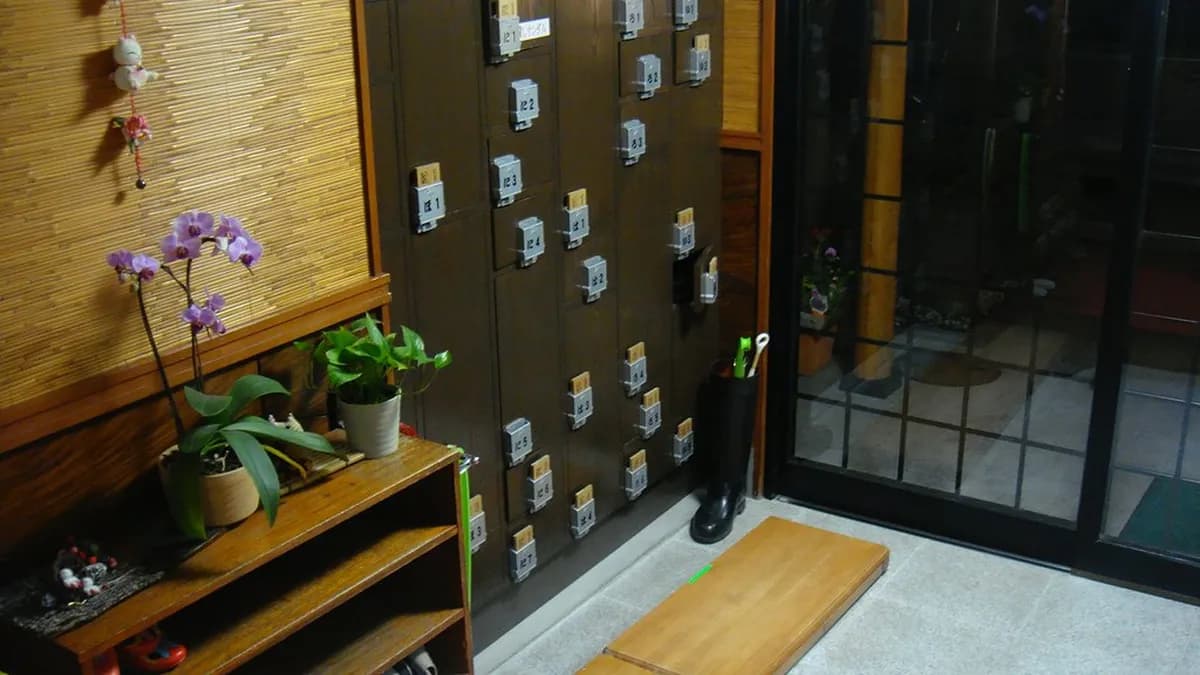
A authentic Kyoto ryokan offers a fundamentally different experience from a hotel. You sleep on a futon laid on tatami, dinner is a multi-course kaiseki meal served in your room, and the onsen or private hinoki wood bath is the evening anchor. First-timers often underestimate how structured the experience is — meals happen at fixed times, outdoor footwear does not enter the room, and the rhythm of the property shapes your evening more than a hotel ever would.
Beyond Gion Hatanaka listed above, Tawaraya is widely considered the finest ryokan in Kyoto. Rates start at ¥80,000 per person per night including dinner and breakfast. It is consistently booked three to six months in advance regardless of season. Hiiragiya, operating since 1818, is a slightly more accessible alternative at ¥50,000–¥100,000 per person, and it is located in the Downtown area near Nijo Street.
A practical note on ryokan bookings in 2026: an increasing number of properties now accept IC card payments (Suica, ICOCA) and some accept credit cards directly at check-out. However, many smaller inns still require full payment in Japanese yen cash, especially for the meal supplement. Confirm payment method at the time of booking, not on arrival. Attempting to pay a ¥150,000 multi-night ryokan bill with a card the property does not accept is a genuine and avoidable source of stress.
Many traditional ryokans and smaller boutique properties require payment in Japanese yen cash, not credit cards. Always confirm the accepted payment methods (cash, IC card, or credit card) when booking, not on arrival day.
Why 2026 Kyoto Hotel Prices Are Running Higher Than Usual
The Osaka Expo ran from April to October 2025 and drew an estimated 28 million visitors to the Kansai region. Many Expo visitors paired their trip with a Kyoto leg, and the post-Expo hospitality infrastructure — airlines, hotels, tour operators — has kept capacity priced for high demand into 2026. Put simply: the appetite that the Expo created did not disappear when the gates closed.
Kyoto has also been managing a deliberate hotel capacity constraint. The city government tightened minpaku (short-term rental) licensing in 2024, which removed thousands of informal Airbnb-style listings from the available inventory. Demand is up, supply is effectively capped, and the properties that remain are pricing accordingly.
The practical implication is that the six-to-nine months booking advice that applied in earlier years now understates the risk for peak season. For cherry blossom 2026 (projected late March to mid-April depending on bloom timing) and autumn foliage (typically late October to mid-November in Kyoto), assume the best mid-range and boutique properties will be full before Christmas 2025. If you are reading this after January 2026 and targeting peak weeks, prioritize flexibility over price and look at the Osaka and Otsu alternatives described below.
Is Downtown Kyoto the Best Area for First-Timers?
Downtown Kyoto is the most practical choice for first-time visitors who want to cover all the major 25 Best Things To Do in Kyoto. This area offers department stores, traditional markets, and restaurants for every budget. Staying here means you are never more than a few minutes from the subway or the main bus lines serving the temple districts.
While Downtown is convenient, some travelers find it lacks the "old Japan" atmosphere of Higashiyama. You will encounter more traffic and modern signage here compared to the lantern-lit lanes of Gion. However, proximity to the Kyoto Imperial Palace & Park — the former imperial residence — provides a useful green anchor for afternoon walks between sights.
One common mistake first-timers make is staying directly adjacent to Kyoto Station when they actually want a traditional experience. The station area is modern and functional. It works for transit-focused trips but feels sterile compared to the neighborhoods 15 minutes north. Choose the station base only if you have multiple Shinkansen journeys planned or are arriving with significant luggage.
Best New Kyoto Hotel Openings for 2026
Several new properties are reaching full operation in 2026, including the Holiday Inn Kyoto Gojo in the emerging Gojo neighborhood south of central Kawaramachi. This mid-range new-build targets international travelers with larger room footprints, Western bedding standards, and a fitness center that older Kyoto hotels typically lack. It is positioned at around ¥20,000–¥35,000 per night, making it one of the better-value central options in the current market.
New-build hotels in Kyoto are leading sustainability improvements across the sector. Many 2026 openings source local Nishijin textile products as room amenities, use reclaimed Kyoto cedar for interior finishes, and have eliminated single-use plastic amenity bottles — a shift the older luxury properties are still making. First-year openings also frequently offer promotional rates as they build their review base, so checking for launch discounts during the first six months of operation is worthwhile.
The Gojo and Fushimi districts are absorbing most of the new hotel supply, which creates an interesting trade-off. Both areas sit south of the main tourist core and offer a more local neighborhood feel, but they add 10–20 minutes transit time to Gion and Higashiyama. For travelers focused on Fushimi Inari or the southern temple circuit, this positioning is actually an advantage.
Where to Stay if Kyoto is Fully Booked
If Kyoto is fully booked on your dates, the most seamless alternative is Osaka. The city is 15–30 minutes from Kyoto Station on the JR Biwako Line or the Hankyu Kyoto Line and offers significantly more hotel inventory at lower prices. You can research where to stay in Osaka to find a base that fits your budget, then commute into Kyoto as a day trip.
Otsu in Shiga Prefecture is a faster and often-overlooked alternative. It sits two train stops east of Kyoto on the JR Biwako Line — closer to central Kyoto than some of the western hotel neighborhoods in Arashiyama. Otsu sits on the edge of Lake Biwa, the largest lake in Japan, and accommodation prices there typically run 30–40 percent lower than equivalent Kyoto properties during peak season.
By 2026, all major transit lines in the Kansai region support tap-to-pay credit card and IC card entry, which makes the Kyoto–Osaka–Otsu triangle genuinely seamless to navigate. This also makes planning 15 Best Day Trips from Kyoto easier than it has ever been. The last trains on the Kyoto–Osaka corridor run around 23:30 on most lines, giving ample time for a full dinner in either city before returning to your hotel.
Frequently Asked Questions
Which Kyoto neighborhood is best for first-time visitors in 2026?
Downtown Kyoto is the best choice for first-timers because it offers the best balance of transport, dining, and shopping. You can easily access major sites while having endless food options nearby. It serves as a perfect hub for a standard Kyoto Itinerary: See Kyoto Perfectly.
How far in advance should I book a hotel in Kyoto for 2026?
You should book at least six to nine months in advance for peak seasons like April or November. Many popular boutique hotels and ryokans fill up nearly a year ahead of time. Early booking also ensures you secure the best possible nightly rates.
Is it better to stay in Gion or Downtown Kyoto?
Gion is better for travelers seeking traditional atmosphere and historic charm within walking distance. Downtown is superior for those who prioritize convenience, nightlife, and modern amenities. Both areas are within a 15-minute walk of each other across the river.
Finding the right hotel in Kyoto for 2026 requires matching your travel style to the right neighborhood before comparing properties. Whether you choose the historic texture of Higashiyama, the convenience of Downtown, or the total seclusion of an Arashiyama ryokan, the city has an option at every price point. The key variables are how early you book and how clearly you have defined whether location or price is the priority.
Kyoto remains one of the world's great cities for accommodation variety — nowhere else can you choose between a centuries-old inn with maiko performances and a Kengo Kuma-designed lifestyle hotel within a ten-minute walk of each other. Plan your base first, then let the neighborhoods shape the rest of your itinerary.
Free: The Kyoto Essentials guide
Top things to do, where to stay, a perfect day plan, getting around, and the best time to go — a Kyoto mini-guide you can take offline.
You might also like

Continue reading
More guides you'll find useful