8 Best Dining Experiences in Kyoto 2026
Discover the best restaurants in Kyoto for 2026. From Michelin-starred Kaiseki to affordable neighborhood sushi and hidden machiya cafes, plan your trip.
On this page
After my fourth culinary expedition to the old capital, I have seen how Kyoto's food scene evolves while staying rooted in tradition. The city remains a global pilgrimage site for those seeking the pinnacle of seasonal multi-course dining and artisanal craft. This 2026 guide reflects the latest Michelin shifts and my personal discoveries hidden in the quiet backstreets of Higashiyama.
Kyoto's culinary secret lies in its renowned soft groundwater, long prized by local master chefs and central to the city's tofu, yuba, sake, and tea traditions. This soft water creates the delicate dashi and silky tofu that define the city's unique and subtle palate. I last refreshed this guide in early 2026 to ensure every reservation tip and price range remains accurate for your journey.
Whether you seek a three-star masterpiece or a humble bowl of saba-zushi, the city offers unparalleled depth for every budget. Navigating these options requires a mix of early planning and a willingness to wander away from the main tourist thoroughfares. Prepare your appetite for a journey through centuries of refined flavor and contemporary innovation.
What to Expect from Kyoto Restaurants in 2026
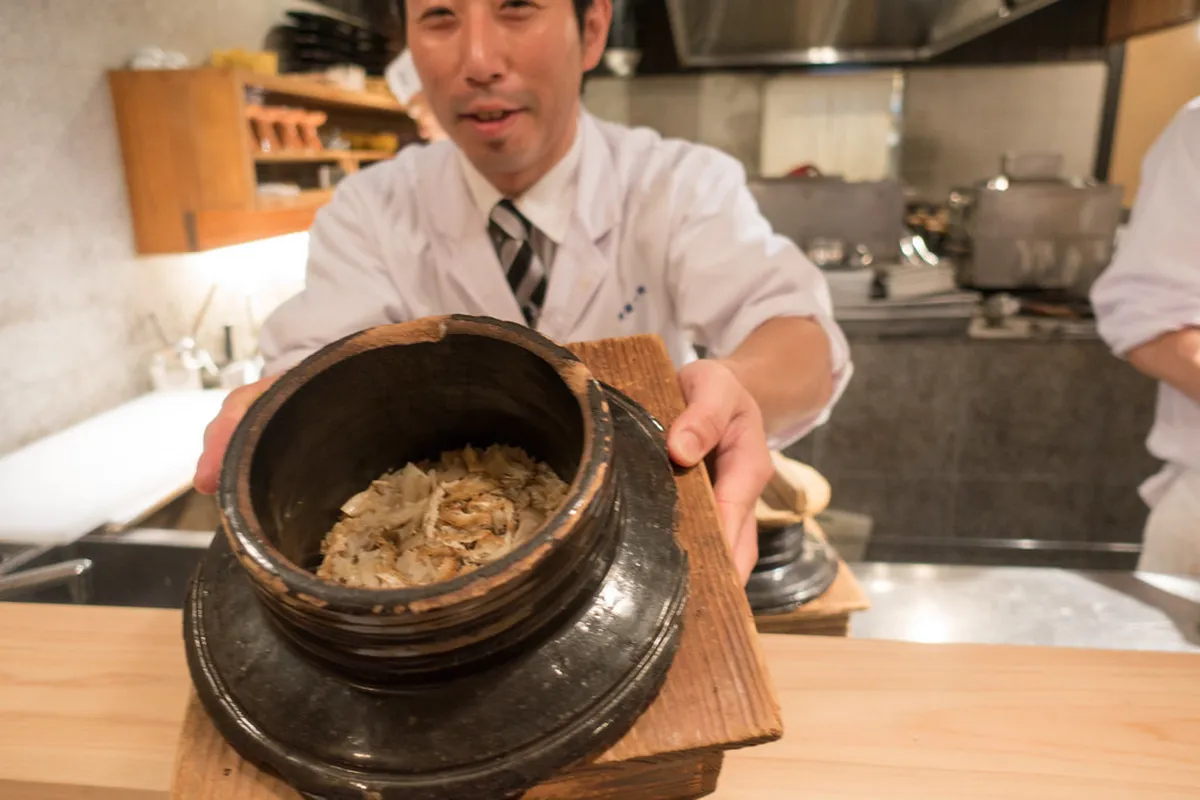
Kyoto's restaurant scene is unlike any other city in Japan. The food culture here is defined by kaiseki — a multi-course seasonal tasting menu that traces its roots to the Zen tea ceremony — but the city covers every price tier from under ¥1,000 for a bowl of soba to over ¥50,000 for an omakase dinner. Understanding this range before you arrive saves a lot of decision fatigue on the ground.
Most top-ranked restaurants cluster into four categories: kaiseki fine dining, temple vegetarian cuisine (shojin ryori), specialist shops (tofu, soba, unagi, sushi), and casual izakayas. The Michelin Guide for Kyoto 2026 lists over 100 starred establishments — more stars per capita than almost any other city in the world. Consulting the Michelin Guide Kyoto before you finalize your itinerary is strongly recommended.
One practical note on language: fewer restaurants in Kyoto have English menus compared to Tokyo. Downtown Kawaramachi and the area around Nishiki Market are the exceptions, where English signage is common. Away from these zones, a translation app (Google Lens works well on printed menus) makes exploration much easier.
High-End Kaiseki and Michelin-Starred Excellence
The landscape of fine dining in the city has seen exciting changes as we move through 2026. New three-star winners have emerged, blending traditional techniques with modern presentation styles that respect the seasonal micro-seasons. Recent reports from TimeOut highlight the first new three-star addition in over six years — a sign that the city's creative energy has not peaked.
| Restaurant | Type | Lunch Cost | Dinner Cost | Location |
|---|---|---|---|---|
| Hyotei | Kaiseki (450 years) | ¥22,000 | ¥40,000+ | Near Nanzen-ji |
| Kikunoi Honten | Three-star Kaiseki | ¥12,000-¥18,000 | ¥40,000+ | Yasaka Shrine hill |
| Gion Sasaki | Counter Kaiseki | ¥25,000 | ¥35,000 | Gion |
| Izuju | Kyoto Sushi | ¥2,500-¥5,000 | ¥2,500-¥5,000 | Gion (Yasaka) |
| Honke Owariya | Soba (since 1465) | ¥1,200-¥2,500 | ¥1,200-¥2,500 | Imperial Palace area |
Securing a seat at these establishments often requires planning several months in advance. Many top-tier chefs now utilize digital booking platforms to manage the high demand from international travelers. These experiences typically last three hours and offer a deep dive into Japanese aesthetics and hospitality.
- Hyotei — This 450-year-old institution near Nanzen-ji is the benchmark for refined kaiseki within a historic garden setting. Lunch starts at ¥22,000 per person; dinner runs ¥40,000 and up. Book directly through their website two to three months ahead. The famous soft-boiled Hyotei egg has remained a signature dish for over a century.
- Kikunoi Honten — Chef Yoshihiro Murata's three-Michelin-star flagship on the hill above Yasaka Shrine crafts seasonal masterpieces that have defined the kaiseki genre internationally. Lunch sets begin at around ¥18,000; dinner climbs past ¥40,000. A hotel concierge or specialist reservation service is the most reliable booking route.
- Gion Sasaki — This lively counter-style restaurant breaks traditional kaiseki molds with an energetic open kitchen and innovative flavor pairings. Prices hover around ¥35,000 per person and the restaurant closes on Sundays. The theatrical cooking experience is distinctly contemporary in a city that can feel museum-like.
Best Affordable Sushi and Local Neighborhood Joints
Kyoto-style sushi differs from Tokyo's Edomae style because the city is landlocked and historically relied on cured and preserved fish. You will find beautiful pressed sushi varieties called oshi-zushi and the mackerel-forward saba-zushi that use vinegar and salt to intensify flavor over time. These styles are sold at shops near Nishiki Market and alongside Gion's stone-paved lanes at prices that won't stress your budget.
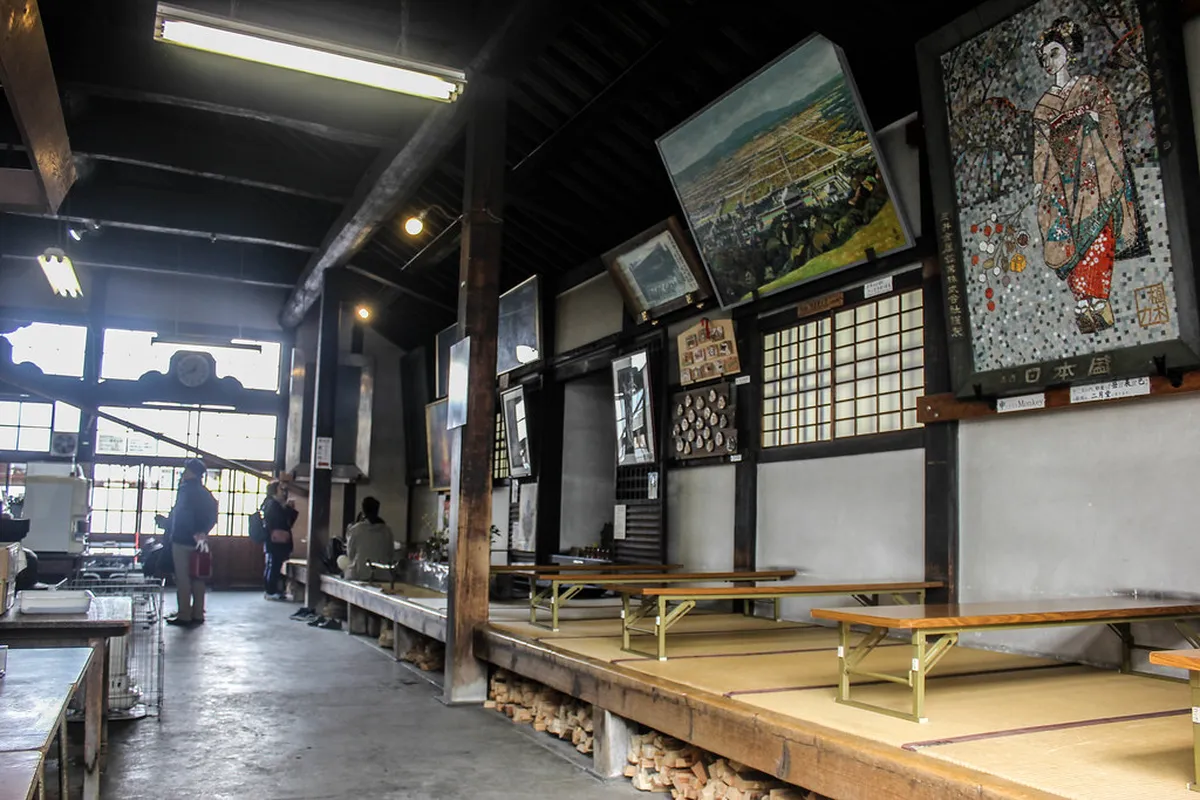
Izuju, located directly across from Yasaka Shrine in Gion, is the city's most celebrated spot for traditional Kyoto sushi. A full meal costs ¥2,500 to ¥5,000 and the shop is open daily from 10:30 to 18:00. Order the saba-zushi — thick, vinegar-cured mackerel pressed over rice — and eat it at room temperature as it is designed to be enjoyed.
For a more casual sit-down experience, the neighborhood around Fushimi Inari and the Tofukuji area hides several family-run shops that serve set lunches (teishoku) for ¥900 to ¥1,500. These spots have no tourist markup and attract the surrounding office workers. Many do not take reservations and close once the day's fish sells out, so arriving before noon is the right approach.
Nishiki Market and Street Food Dining
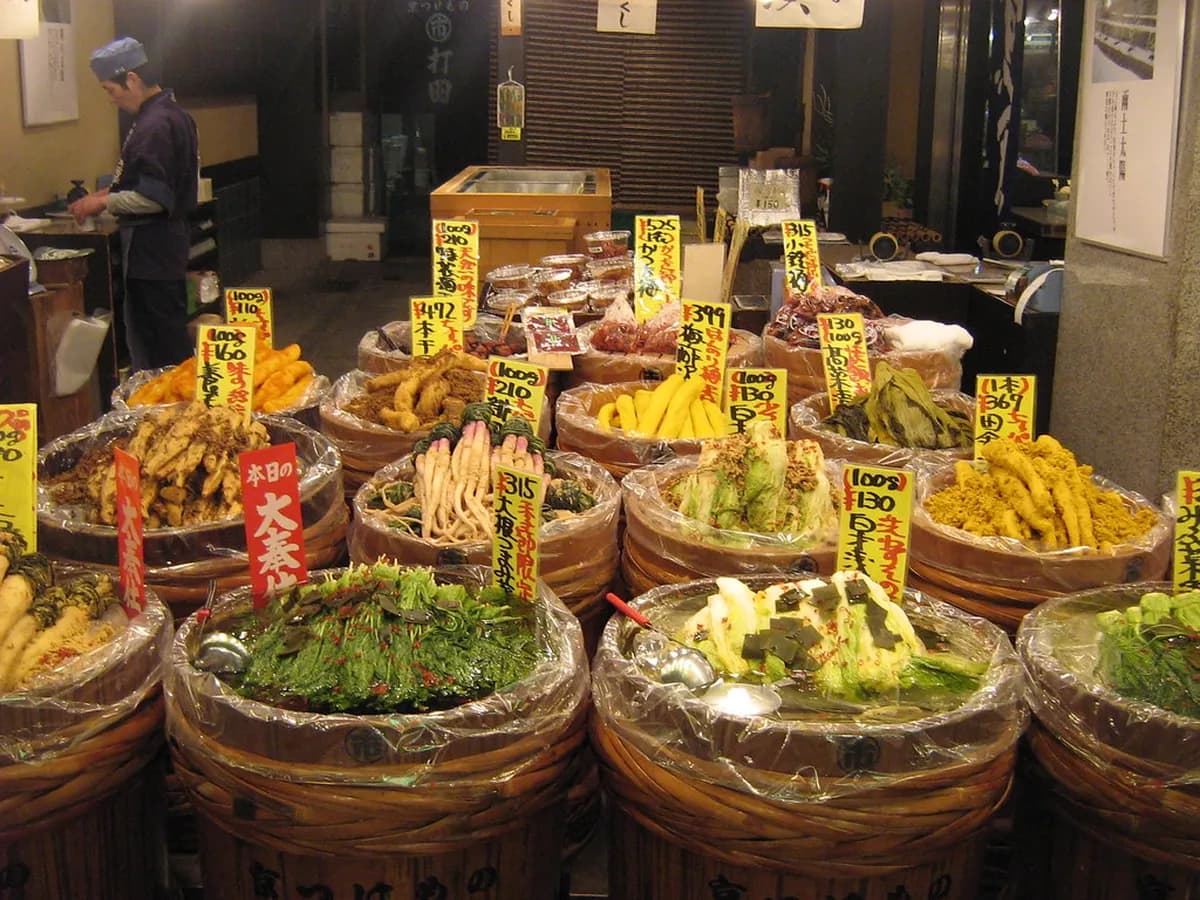
Nishiki Market — nicknamed "Kyoto's kitchen" — runs for roughly 400 meters through the center of downtown and contains over 100 vendors selling pickles, tofu, skewered seafood, and sweets. It is the single best place in the city to eat your way through a morning without committing to a sit-down restaurant. Most stalls open by 09:00 and the best vendors sell out of fresh items before 13:00.
Standout stops include Nishiki Warai for grilled squid (¥400), Kyoto Maruyama for fresh yuba sheets warm off the soy milk (¥600), and the daikon pickle counters that let you sample before buying. The market runs between Teramachi and Takakura streets, parallel to Shijo-dori. Weekends get crowded by 10:00; arriving on a weekday morning gives you room to browse properly.
Beyond Nishiki, the covered Teramachi shopping arcade and the streets south of Kawaramachi Station have a good density of affordable standing sushi bars and ramen counters. These are aimed squarely at local workers and students, not tourists. Prices at standing sushi counters typically run ¥1,800 to ¥3,000 for a satisfying selection of nigiri.
Kyoto Specialty Eats: Tofu, Tempura, and Ramen
The city's specialty foods are a direct reflection of its history as the center of Zen Buddhism and the Imperial Court. Tofu remains a cornerstone of the local diet, appearing in everything from morning soups to elaborate evening sets. Our 15 Best Food Experiences in Kyoto: A Local Dining Guide provides a deeper look into these unique regional ingredients.
Tofu Ryori Kasuian demonstrates the incredible versatility of tofu made from the city's famous soft spring water. Lunch sets are priced at ¥3,500 to ¥6,500 and the restaurant operates from 11:00 to 19:00 daily. The multi-course meal includes yuba (tofu skin) and agedashi tofu served in a beautiful traditional merchant house. A more accessible option is the temple restaurant Shigetsu inside Tenryu-ji in Arashiyama, which serves a full shojin ryori vegan set for ¥3,850 to ¥7,700 during lunch hours (11:00 to 14:00).
Tempura in Kyoto is often lighter and crispier than in other parts of Japan, using high-quality vegetable oils and the region's prized Kyo-yasai seasonal vegetables. Ramen fans will find the local style leans toward a refined chicken-based broth or a clear soy base rather than the heavy tonkotsu popular elsewhere. Menya Inoichi near the Imperial Palace serves a broth-forward bowl (¥1,100 to ¥1,800) that tastes more like elevated dashi than conventional ramen — arrive 30 minutes before the 11:00 opening to avoid a long queue.
For soba, Honke Owariya — founded in 1465 near the Imperial Palace — is the oldest restaurant in a city full of old restaurants. Most noodle bowls cost ¥1,200 to ¥2,500 and the kitchen runs from 11:00 to 15:00. Their five-tier Hourai Soba is the showpiece dish, though a simple zaru soba demonstrates the dashi quality just as well.
The Lunch Set Trick: Michelin Quality at Half the Price
Here is the single most useful fact for budget-conscious visitors: most of Kyoto's Michelin-starred and high-end kaiseki restaurants serve a lunch set that costs 40 to 60 percent less than their dinner menu. The kitchen, the chef, and the seasonal ingredients are identical — only the number of courses changes. A dinner at Kikunoi Honten might cost ¥40,000 per person; the same restaurant's lunch teishoku runs ¥12,000 to ¥18,000.
Lunch at Michelin-starred restaurants costs 40-60% less than dinner, with the same kitchen and chef. Booking lunch instead of dinner at a prestigious kaiseki spot costs ¥12,000-¥18,000 instead of ¥40,000+, freeing your evening for izakaya hopping.
This pricing gap exists because kaiseki culture traditionally treats dinner as the prestige occasion and lunch as a way to introduce new guests. The practical benefit for travelers is enormous. If you plan to try one serious restaurant during your visit, book lunch rather than dinner — you will eat the same caliber of food for considerably less money and you will still have your evening free for izakaya hopping or a walk through Gion.
Booking lunch is also easier. The two-to-three-month advance window still applies for the most popular spots, but cancellations fill faster for dinner seatings, meaning lunch slots reopen more often. Platforms like TableCheck and Omakase (both have English interfaces) list real-time availability. For same-week bookings, checking these platforms at 09:00 on Monday often surfaces recent cancellations.
Atmospheric Machiya Cafes and Hidden Tea Houses
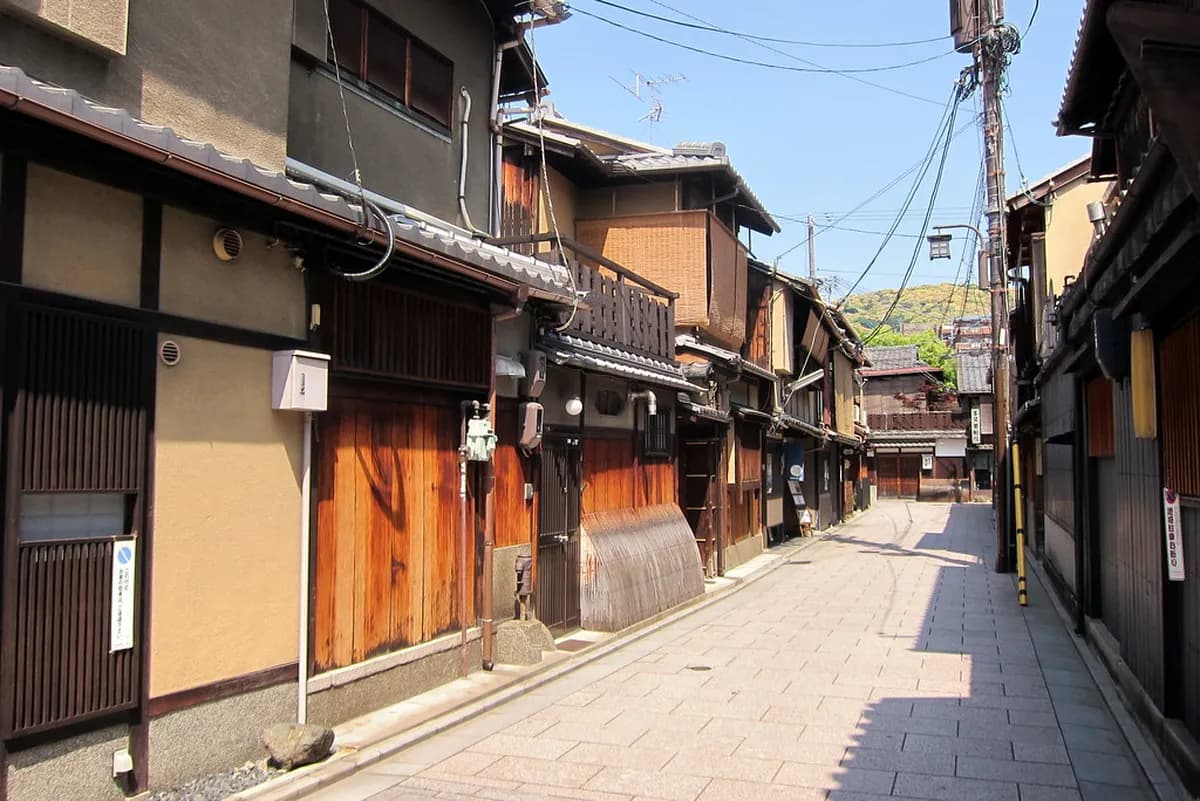
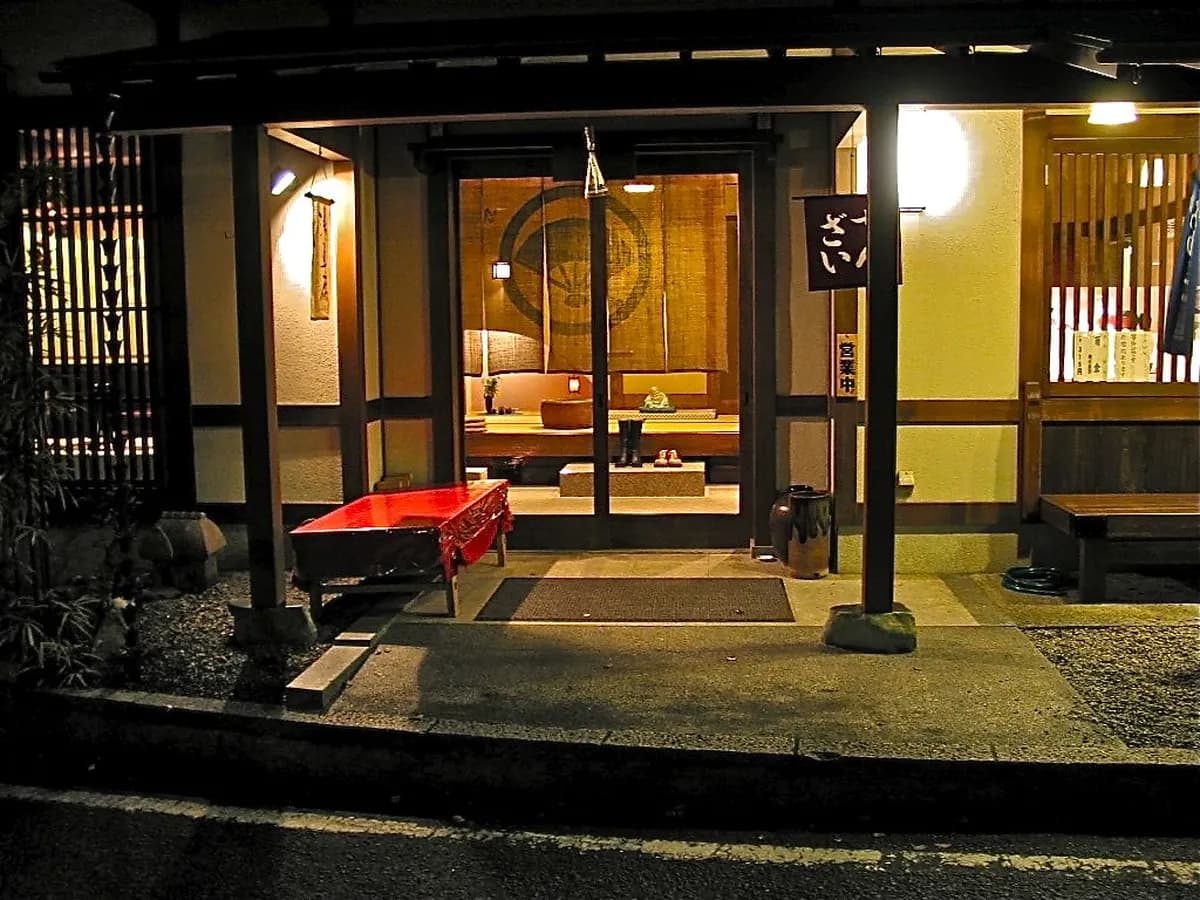
Dining in a renovated machiya, or traditional wooden merchant house, is a quintessential experience for any visitor. These narrow buildings often hide beautiful interior gardens that provide a serene backdrop for a coffee or a meal. The evening atmosphere in these districts is a highlight of the Kyoto Nights: Nightlife Guide scene.
Many of these cafes specialize in matcha-based sweets and traditional Japanese tea ceremonies for beginners. The combination of historic architecture and modern interior design creates a unique aesthetic found nowhere else in Japan. I recommend visiting these spots in the late afternoon when the light hits the wooden lattices just right.
Pontocho Alley runs parallel to the Kamo River and is particularly famous for its dense concentration of atmospheric dining options. In the summer months (June through September), many restaurants build temporary wooden platforms called kawayuka over the flowing water. Dining outdoors in the cool evening breeze above the river is one of the most sought-after experiences in the city. Expect a ¥500 to ¥1,000 per-person surcharge for kawayuka seating at most establishments.
Summer kawayuka (riverside platform) dining carries a ¥500-¥1,000 surcharge per person on top of your meal cost. These summer platforms are only available June-September when water levels are safe.
Izakaya Dining and Evening Eating in Kyoto
An izakaya is Japan's answer to the gastropub — a casual restaurant where small sharing plates arrive alongside cold beer, sake, or shochu. Kyoto's izakayas differ subtly from Osaka's noisier equivalents: the pacing is slower, the portions are more refined, and you are more likely to see Kyo-yasai vegetables on the menu than deep-fried chicken. Most open around 17:00 and seat until 23:00.
The highest concentration of good izakayas sits in the Kiyamachi-dori strip running north from Shijo, a street that parallels Pontocho along the canal. Options here range from ¥3,000 to ¥6,000 per person including drinks. Look for narrow staircases leading to second-floor spots — these tend to be independently owned rather than chain operations and the food quality is noticeably better.
A few practical points: izakayas charge a small otoshi (table cover charge) of ¥300 to ¥600 per person that arrives automatically with your first drink. This is not a mistake on the bill — it is a cultural norm. Also, many izakayas do not take reservations for groups of fewer than four, so arriving at 17:30 to 18:00 gets you a table before the post-work rush fills the room by 19:00.
Izakayas add an otoshi (table cover charge) of ¥300-¥600 per person with your first drink — this is standard, not an error. Walk-ins should arrive at 5:30-6:00 PM before the post-work rush to get seated without a reservation.
Best Dining Neighborhoods: Gion, Downtown, and Higashiyama
Each major district in the city offers a distinct culinary personality and atmosphere for hungry travelers. Gion is the place to go for exclusive kaiseki and the chance to see geiko and maiko heading to appointments. You can learn more about these areas in our 10 Best Kyoto Neighborhoods to Stay: 2026 Area Guide.
Downtown Kyoto, centered around Kawaramachi and Sanjo, is where you will find the highest density of modern eateries. This area is perfect for those who want variety, ranging from international cuisine to bustling izakayas. It is also a great place to find 25 Best Things To Do in Kyoto after your meal.
Higashiyama offers a more traditional feel with many shops catering to pilgrims and tourists visiting the nearby temples. While it can be crowded during the day, the backstreets between Ninenzaka and Sannenzaka offer quiet gems that serve excellent local fare. Walking through these historic lanes at dusk is an essential part of any Kyoto Itinerary: See Kyoto Perfectly. Arashiyama in the city's northwest is worth adding to your dining map as well — the cluster of restaurants around Tenryu-ji caters to both temple visitors and the bamboo grove crowd, with quality improving noticeably once you walk two or three blocks from the main gate.
Family-Friendly and Budget-Conscious Dining
Traveling with children requires a bit more flexibility, as some high-end restaurants have age restrictions for diners. Family restaurants and department store basements are excellent alternatives that offer high quality at lower prices. Vegetarians will also find many suitable options by checking our vegetarian-vegan Kyoto guide.
For a budget-friendly lunch, the depachika (department store food halls) offer an incredible array of bento boxes, prepared dishes, and sweets at prices well below sit-down restaurants. These halls are located in the basement levels of Takashimaya on Shijo-dori and Daimaru near Kyoto Station. You can find everything from high-end sushi sets to French pastries in a single convenient location, making them ideal for families with fussy eaters or limited time.
I suggest skipping the over-marketed sushi rolls sold near the main shrine gates in Higashiyama. These spots frequently prioritize visual appeal for social media over actual ingredient quality. Instead, look for small shops where local residents are queuing — that queue is a reliable signal of honest food at honest prices.
2026 Booking Guide: Reservations and Apps
The reservation landscape in 2026 has become increasingly digital, making it easier for international guests to book. Platforms like TableCheck and Omakase are now the standard for securing seats at popular Michelin-starred restaurants. Check the Best Time to Visit Kyoto: Monthly & Seasonal Guide to align your bookings with seasonal menu changes.
Most high-end establishments open their booking windows two to three months in advance of the dining date. If you are staying at a high-end hotel, the concierge can often assist with difficult-to-reach neighborhood spots. Be prepared to provide credit card details as many restaurants now have strict cancellation policies for no-shows, with fees of ¥5,000 to ¥15,000 per person at the most prestigious addresses.
For casual dining, many shops still operate on a first-come, first-served basis with physical sign-up sheets posted outside from 30 minutes before opening. I recommend arriving early for lunch, as many popular spots sell out of their daily specials by 13:00. Walk-in seekers should also note that Monday is a common closure day for independent restaurants throughout the city — always check before making a special journey.
Curated Food Tours and Culinary Experiences
Joining a guided food tour can provide access to hidden gems that are difficult for independent travelers to find. These tours often include historical context and introductions to shop owners that you would not get otherwise. Consider checking out The Hungry Tourist for a high-end curated experience around the Gion and Nishiki districts.
Independent dining allows for more flexibility and lower costs, but requires significant research and navigation skills. Tours are excellent for those on a short schedule who want to maximize their culinary exposure in a few hours. Many tours also include Nishiki Market visits where you can sample pickles, yuba, and seasonal sweets before sitting down to a cooked meal.
A half-day morning tour starting at 08:30 catches Nishiki at its best and typically ends with a late breakfast at a machiya cafe around 11:30. This leaves the rest of the day free for temple visits and an independently booked kaiseki lunch. Ultimately, a mix of guided morning exploration and independent evening dining provides the most balanced perspective on what makes this city's food culture so exceptional.
Planning the rest of your trip? See our complete Kyoto attractions guide for the full city overview.
Frequently Asked Questions
How do I book high-end restaurants in Kyoto for 2026?
Most high-end restaurants use digital platforms like TableCheck or Omakase for bookings 2-3 months in advance. You can also ask your hotel concierge to assist with reservations at smaller, traditional establishments that may not have English websites.
What are the best affordable restaurants in Kyoto?
Affordable options include neighborhood soba shops like Honke Owariya and the food halls in major department stores. You can find high-quality meals for $15-$30 by visiting casual ramen shops or traditional sushi counters outside of Gion.
Is a Kyoto food tour worth it?
Yes, a food tour is worth it for travelers who want insider access to hidden machiya cafes and specialized market stalls. These tours provide cultural context and help you navigate the complex etiquette of traditional Japanese dining.
Kyoto remains one of the world's most rewarding cities for food lovers, offering a spectrum from ancient tradition to modern flair. By balancing high-end kaiseki with local neighborhood finds, you can experience the full depth of this culinary capital. I hope this 2026 guide helps you discover the flavors that make this city so special.
Remember that the best meals are often found when you step away from the crowded main streets and into the quiet alleys. Take your time to appreciate the seasonal details and the incredible craftsmanship behind every dish you are served.
Free: The Kyoto Essentials guide
Top things to do, where to stay, a perfect day plan, getting around, and the best time to go — a Kyoto mini-guide you can take offline.
You might also like

Continue reading
More guides you'll find useful