Kyoto Street Food Guide: 9 Best Bites, Our Picks (2026)
Nishiki Market and beyond: 9 stops for the best Kyoto street food, what to order, and the etiquette rules to follow while eating on the go.
On this page
I first stepped into the narrow, colorful aisles of Nishiki Market a decade ago, and the smells still haunt my cravings. After my latest visit in early 2026, I've seen how the food scene has evolved with stricter rules and new fusion flavors. This guide is updated for 2026 to help you navigate the crowds and find the best bites without breaking local etiquette.
Kyoto's culinary identity is deeply rooted in its pure groundwater, which locals say makes the tofu and dashi superior. This article reflects current stall openings and the latest pricing for popular snacks. You will find that eating your way through the city is just as essential as visiting the famous Kyoto: Top 21 Landmarks You Must Visit in 2026.
While many travelers flock to the main thoroughfares, the real magic happens in the 400-year-old 'Kitchen of Kyoto'. This guide balances the iconic hits of Nishiki with hidden gems in Gion, Arashiyama, and Fushimi for a complete experience. Prepare your appetite for a journey through centuries of refined flavor and modern street-side innovation.
The Heart of Kyoto's Kitchen: Nishiki Market
Nishiki Market is a narrow five-block shopping street lined by more than one hundred shops and restaurants. Known as 'Kyoto's Kitchen', this vibrant district has specialized in all things food-related for several centuries. The market's history dates back to 1310 when the first fish store opened, benefiting from the area's cold groundwater. According to the Nishiki Market Official Site, the district maintains a tradition of high-quality seasonal ingredients.
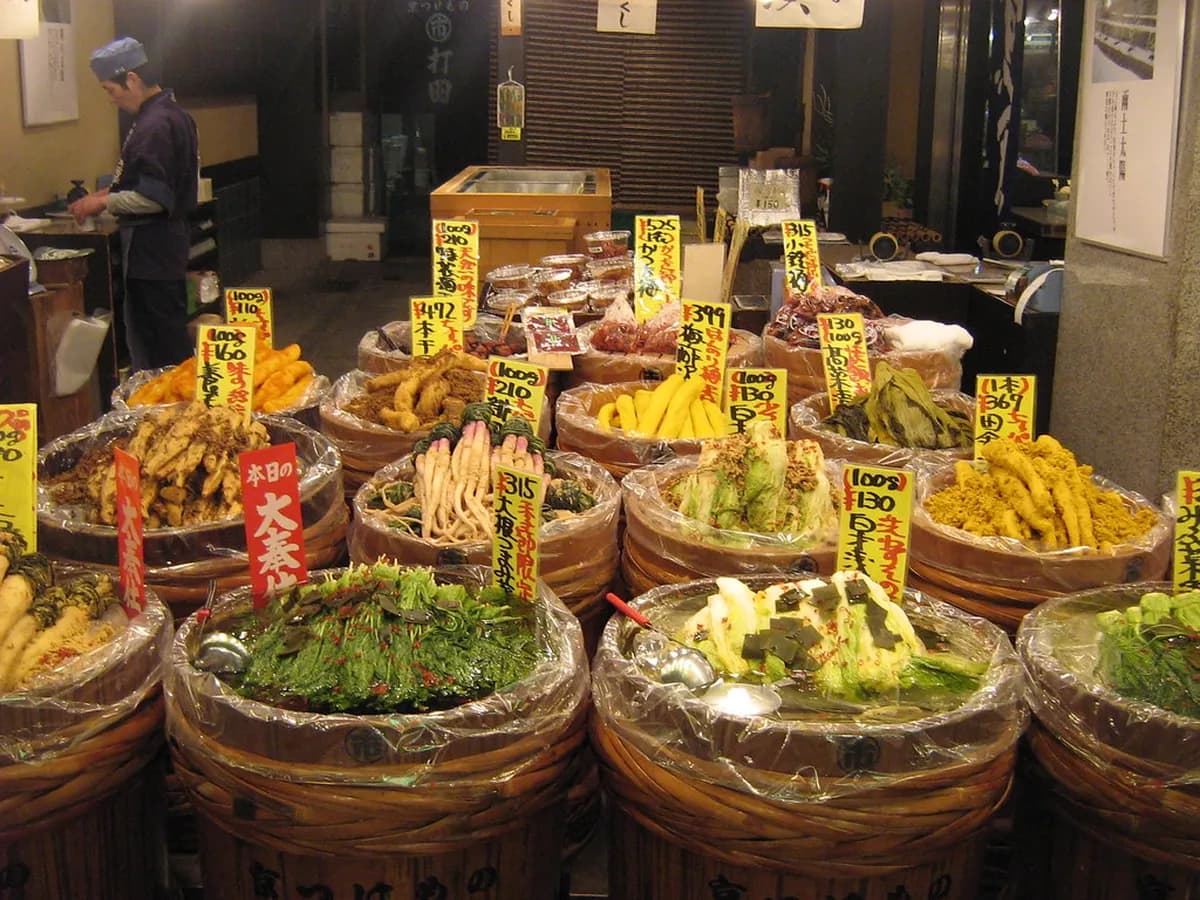
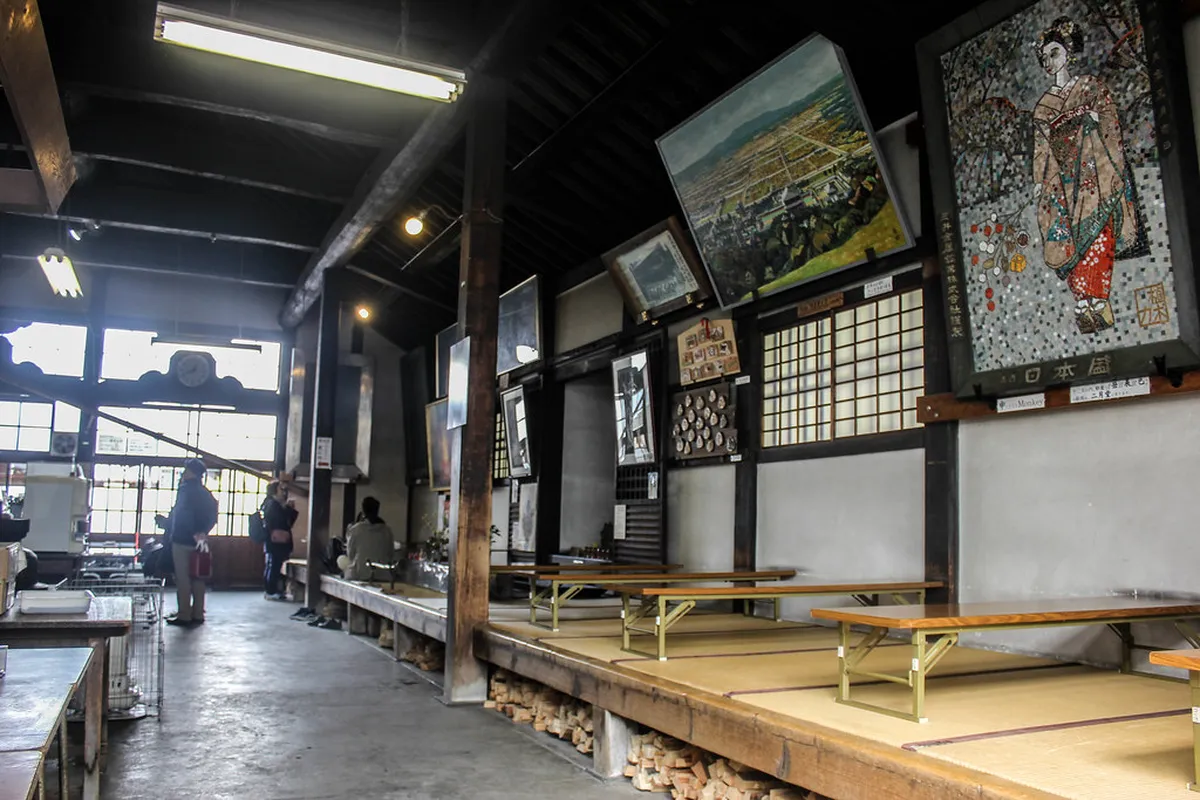
Walking through the market today, you will see a mix of traditional wholesalers and modern snack stalls. The atmosphere is dense with the scent of roasted tea, pickled vegetables, and grilled seafood. Many shops have been operated by the same families for generations, preserving unique Kyoto recipes. It is a central part of any 15 Best Food Experiences in Kyoto: A Local Dining Guide because of its sheer variety and historical weight.
One detail many visitors miss is the significance of the underground water used by the vendors. This soft water is pumped from deep wells to keep the fish cold and the tofu exceptionally creamy. You can actually taste the difference in the soy-based products sold near the Teramachi entrance. The market is best explored between 10:00 and 17:00 when all the specialized stalls are fully operational.
Kyoto's underground water is soft and pure, which makes the tofu and soy products taste noticeably better than elsewhere in Japan. Taste the difference near the Teramachi entrance where the best soy-based products are concentrated.
Getting to Nishiki is straightforward from most parts of central Kyoto. Take the Hankyu Kyoto Line to Karasuma Station or the Kyoto City Bus to the Shijo-Karasuma stop, then walk east along Shijo-dori for five minutes. The market entrance nearest Teramachi-dori is the most dramatic entry point, depositing you into the busiest section of stalls immediately. If you are coming from Kyoto Station, the journey is roughly 15 minutes by subway (Karasuma Line, Shijo Station exit).
9 Essential Stops for Your Kyoto Street Food Guide
Exploring the street food scene requires a strategic approach to avoid getting full too quickly. I recommend sharing portions with a travel partner so you can sample a wider variety of these nine specialties. Most items are served on skewers or in small paper cups designed for immediate consumption near the stall. For more planning help, check out our Kyoto Itinerary: See Kyoto Perfectly to see where these stops fit into your day.
The items listed below represent a mix of traditional Kyoto flavors and modern market favorites. Each selection was chosen for its cultural significance and consistent quality across multiple visits. Prices have risen slightly in 2026, so expect to pay between ¥300 and ¥1,200 depending on the ingredient's luxury level. Always carry small yen coins as many of the oldest stalls still do not accept credit cards or digital payments.
Before diving into the list, remember that the most popular stalls often have short queues during lunch hours. The wait is usually fast-moving, but it helps to know exactly what you want to order before reaching the front. Many vendors provide small standing areas inside their shops to accommodate the local 'no walking' policy. This allows you to enjoy your food while it is still hot and fresh from the grill or fryer.
| Snack | Description | Price Range | Location |
|---|---|---|---|
| Soy Milk Doughnuts | Light, airy mini-doughnuts with subtle, nutty sweetness | ¥300–¥400 (bag of 10) | Konnamonja |
| Takotamago Octopus Skewers | Glazed baby octopus with hard-boiled quail egg stuffed inside | ¥500–¥700 | Seafood stalls throughout Nishiki |
| Fresh Warabi Mochi | Jelly-like bracken starch confection coated in toasted soybean powder | ¥400–¥600 | Traditional sweet shops |
| A4 Wagyu Beef Skewers | Premium Japanese beef with moderate fat marbling, ideal for standing | ¥1,000–¥2,500 | Upscale meat stalls |
| Satsuma-age Fried Fishcakes | Golden-fried savory cakes in flavors like ginger, onion, or squid | ¥250–¥400 | Nishiki, particularly near the shrine |
| Kushiage Deep Fried Skewers | Breaded and deep-fried lotus root, quail eggs, or seasonal white fish | ¥150–¥350 | Throughout Nishiki Market |
| Matcha Soft Serve Ice Cream | High-grade Uji matcha with rich, bitter-sweet profile | ¥400–¥600 | Gion and Arashiyama areas |
| Yuba Tofu Skin Wraps | Kyoto specialty—skin from boiling soy milk, bundled or wrapped around seafood | ¥400–¥600 | Market's center section |
| Grilled Scallops | Large scallops grilled in shells over open flames with butter and soy | ¥800–¥1,200 | Seafood stalls near market center |
- Soy Milk Doughnuts at Konnamonja
- These light and airy mini-doughnuts are made with fresh soy milk and have a subtle, nutty sweetness.
- A bag of 10 typically costs around ¥300 to ¥400 and the shop is open daily from 10:00 to 18:00.
- The texture is best when they are piping hot, so eat them immediately at the standing counter provided.
- Takotamago Octopus Skewers
- This iconic snack features a small, glazed baby octopus with a hard-boiled quail egg stuffed inside its head.
- Expect to pay ¥500 to ¥700 per skewer at various seafood stalls throughout Nishiki Market during daylight hours.
- The sweet soy glaze contrasts perfectly with the savory egg, making it a favorite for adventurous eaters.
- Fresh Warabi Mochi with Kinako
- Unlike standard mochi, this jelly-like confection is made from bracken starch and coated in toasted soybean powder.
- Small cups are sold for ¥400 to ¥600 and are available at traditional sweet shops throughout the central districts.
- Look for vendors who cut the mochi fresh in front of you for the softest, most melt-in-your-mouth texture.
- A4 Wagyu Beef Skewers
- These skewers offer a taste of premium Japanese beef without the high cost of a full sit-down steak dinner.
- Prices range from ¥1,000 to ¥2,500 per skewer depending on the cut and the specific marbling grade.
- I recommend A4 over A5 for street snacking because the slightly lower fat content is less overwhelming when standing.
- Satsuma-age Fried Fishcakes
- These savory cakes come in various flavors like ginger, onion, or squid and are fried until golden brown.
- Most stalls sell them for ¥250 to ¥400 each and remain open from mid-morning until the market closes at 18:00.
- The fishcakes at the far end of Nishiki near the shrine are particularly thick and satisfyingly chewy.
- Kushiage Deep Fried Skewers
- These breaded and deep-fried skewers include everything from lotus root and quail eggs to seasonal white fish.
- A single skewer usually costs between ¥150 and ¥350, making it an affordable and filling snack option.
- The light panko coating should be crisp and dry, never oily, if the stall is using high-quality oil.
- Matcha Soft Serve Ice Cream
- Kyoto is the capital of green tea, and this soft serve uses high-grade Uji matcha for a rich, bitter-sweet profile.
- A cone typically costs ¥400 to ¥600 and is available at almost every corner in the Gion and Arashiyama areas.
- Look for the 'Premium' versions which often include a dusting of matcha powder on top for an extra flavor kick.
- Yuba Tofu Skin Wraps
- Yuba is a Kyoto specialty made from the skin that forms on top of boiling soy milk.
- Skewers of bundled yuba or yuba-wrapped seafood cost about ¥400 to ¥600 and are found in the market's center.
- This is a fantastic option for those seeking a lighter, more delicate snack that represents authentic local heritage.
- Grilled Scallops with Butter and Soy
- Large scallops are grilled in their shells over open flames and seasoned with a dash of butter and soy sauce.
- These luxury bites cost ¥800 to ¥1,200 each and are usually available until the seafood stalls close around 17:30.
- The smoky aroma from the grill is unmistakable and usually draws a crowd to the stalls near the market center.
Best Areas for Street Food Beyond the Market
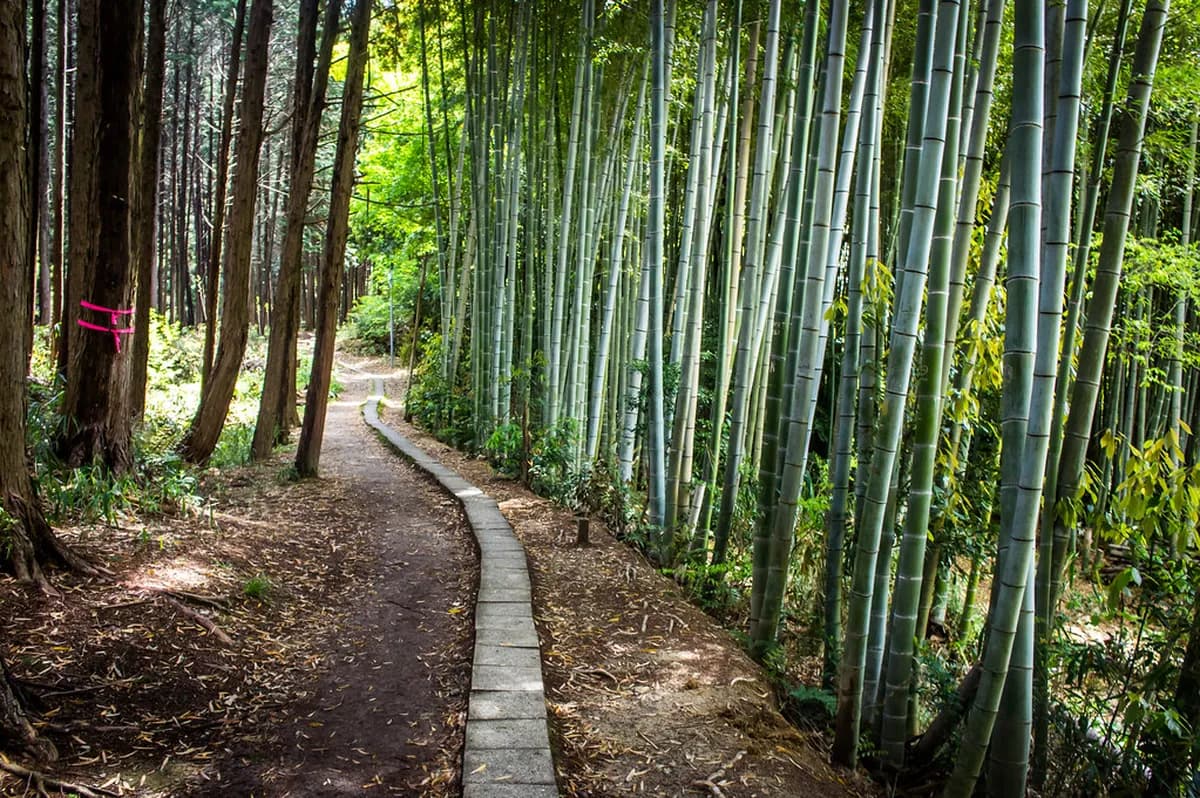
While Nishiki is the main event, other Kyoto neighborhoods offer distinct street food experiences. The Gion district is famous for its traditional sweets and elegant tea houses that serve snacks through small windows. Arashiyama provides a more scenic backdrop where you can enjoy riverside treats near the famous bamboo grove. Exploring these areas allows you to see how street food adapts to different environmental and cultural settings.
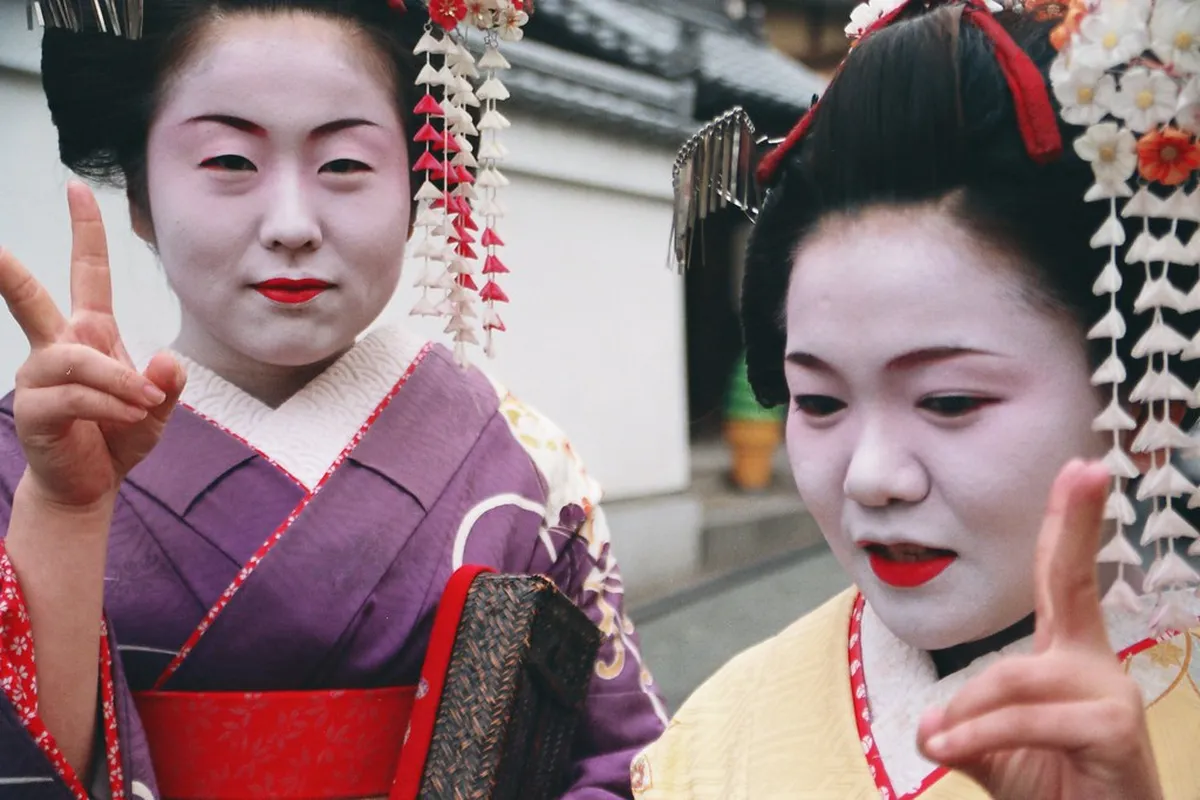
In Gion, look for stalls along Shijo-dori that sell toasted rice crackers and seasonal mochi. The atmosphere here is more refined, and the food often reflects the aesthetic beauty of the geisha district. I love grabbing a warm dango skewer while walking toward the Yasaka Shrine at sunset. Many of these shops stay open slightly later than Nishiki, often until 19:00 or 20:00.
Arashiyama's main Togetsukyo Bridge approach is lined with cinnamon-flavored soft-serve and roasted green tea snacks from about 9:00 onward. The area gets crowded by midday, so arriving early means shorter queues and fresher stock. Pontocho Alley, just one block east of the Kamo River, is worth exploring in the early evening when izakaya-style vendors push small wagons of skewered chicken outside their doors. It is a more atmospheric, lantern-lit alternative to daytime market browsing.
One important 'What to Skip' tip involves the pre-packaged 'rainbow' mochi often found in high-traffic tourist areas. While they look great for photos, they are often mass-produced and lack the flavor of fresh, local varieties. Stick to the stalls that are making their products on-site for the most authentic and delicious experience. This is especially true in Arashiyama, where the competition for 'Instagrammable' food can sometimes overshadow actual quality.
Fushimi Inari: The Overlooked Street Food Corridor
Most visitors come to Fushimi Inari for the thousand torii gates and leave without realizing it has one of Kyoto's most concentrated street food strips. The 300-metre approach road (omotesando) running from Fushimi Inari Station to the shrine gate is lined with around 30 permanent stalls and small restaurants. Almost all of them are open by 09:00 and many stay operational until 17:00, making it a natural breakfast or post-hike snack stop.
The most famous item here is suzume yakitori — skewered whole sparrows grilled over charcoal. It sounds confronting, but the flavor is closer to rich dark-meat chicken, and it has been a shrine food staple for over 400 years. A skewer of two birds costs around ¥600 to ¥800. If sparrow isn't for you, the stalls also sell inari sushi (the fox-ear shaped fried tofu parcels stuffed with vinegared rice) for ¥150 to ¥200 each, which is fitting given that the inari fox deity is the shrine's patron.
A practical advantage Fushimi has over Nishiki: it is far less crowded during the middle of the day. The majority of visitors pass through early in the morning or at dusk, so arriving around 11:00 to 14:00 means you can eat comfortably at the outdoor benches without jostling for space. From Kyoto Station, take the JR Nara Line to Inari Station (five minutes, ¥150) — it is the fastest and cheapest food excursion you can add to a day in central Kyoto.
Seasonal Street Food: What to Look for by Time of Year
Kyoto's street food calendar shifts noticeably with the seasons, and knowing what to seek out during your visit can dramatically improve your experience. Spring (March to May) brings cherry-blossom-flavored sakura mochi and sakura-infused soft serve in pink packaging near Maruyama Park and along the Philosopher's Path. Stalls near Kiyomizudera set up temporary booths during the hanami season with higher-end wagashi sweets that are only made for those six weeks.
Summer (June to September) is the season for kakigori — shaved ice soaked in house-made syrups including ujikintoki, a combination of Uji matcha syrup and sweet red bean. Vendors near Gion Shijo charge ¥600 to ¥900 for elaborate kakigori bowls. Kyoto's famous Gion Matsuri festival in July also brings temporary food stalls (yatai) to Shijo-dori and the surrounding blocks, selling takoyaki, yakisoba, and candied fruit from about 18:00 to 22:00 on festival evenings.
Autumn (October to November) is arguably the best season for outdoor eating in Kyoto. The weather is mild, the crowds are manageable outside of the peak foliage weekends, and the food shifts toward warmer preparations. Vendors near Eikan-do and Nanzen-ji sell yudofu sets — simple bowls of tofu simmered in kombu broth and served with dipping sauce — from outdoor counters for around ¥700 to ¥900. This open-air yudofu experience is genuinely unique to Kyoto and almost impossible to find elsewhere in Japan at street-food prices. Winter brings chestnut roasters and sweet potato vendors to the main tourist corridors, with hot canned drinks sold from vending machines alongside the stalls.
Essential Etiquette: The No Walking and Eating Rule
Kyoto has implemented strict social rules regarding eating in public to manage crowds and maintain cleanliness. The 'no walking and eating' policy is widely enforced through signs and verbal reminders from shopkeepers. This is not just about manners; it helps prevent accidental spills on other pedestrians and historical buildings. Violating this rule is considered disrespectful and can lead to awkward confrontations in busy market areas.
Never eat while walking in Kyoto's streets or markets. Stand at the stall where you purchased your food or use a designated eating area. Violating this rule can lead to confrontations with shopkeepers and is considered deeply disrespectful to the local culture.
The correct way to enjoy street food is to stand directly in front of the stall where you purchased it. Many vendors provide a small designated space or a few stools for their customers to use. Once you finish your snack, you should return your trash to the vendor immediately. Public trash cans are extremely rare in Kyoto, and vendors are responsible for disposing of the waste they generate.
If you are traveling with children, it is helpful to check out our guide on 12 Best Things to Do in Kyoto with Kids for more dining tips. Managing little ones in the crowded market requires patience and a clear plan for where to stop and eat. Always be mindful of the flow of traffic and try not to block the narrow entrances of neighboring shops. Following these simple rules ensures that the street food culture remains sustainable for future visitors.
Practical Logistics: Timing, Cash, and Trash
Timing your visit is crucial for a pleasant experience, as the narrow streets can become uncomfortably packed. I recommend arriving around 10:30 when most stalls have just opened and the lunch rush hasn't started. The peak hours of 12:00 to 14:00 are often too crowded to navigate easily with a group. By 16:30, some vendors may start running out of popular items or beginning their closing procedures.
Cash is still king in the world of Kyoto street food, despite the rise of digital payments in Japan. Small stalls often only accept 100 and 500 yen coins or 1,000 yen notes for their inexpensive snacks. A typical budget for a full 'street food lunch' is around ¥3,000 to ¥4,500 per person. This allows you to try five or six different items along with a drink or a dessert.
Your 'trash strategy' should involve finishing your food where you bought it so you don't have to carry oily wrappers. If you do find yourself with waste, look for convenience stores like Lawson or 7-Eleven which often have bins. However, the most polite method is always to let the vendor take the stick or cup back once you are done. For more logistical advice on getting around, see our Getting Around Kyoto Subway Bus Transport Guide 2026.
Frequently Asked Questions
Is it okay to eat while walking in Kyoto?
No, eating while walking is considered rude and is officially discouraged in areas like Nishiki Market. You should stand near the stall where you purchased your food or use designated eating areas. This helps keep the streets clean and prevents accidents in crowded spaces.
What time does Nishiki Market open and close?
Most stalls in Nishiki Market open around 10:00 AM and close by 6:00 PM daily. A few shops might close on Wednesdays or Sundays, so check the official site for specific vendor schedules. Arriving before 11:00 AM is the best way to avoid the heaviest crowds.
How much does street food cost in Kyoto?
Most snacks range from ¥300 to ¥800 per serving, while premium items like Wagyu beef can cost up to ¥2,500. A budget of ¥4,000 per person is usually enough for a diverse tasting experience. Always carry cash as many small vendors do not accept credit cards.
Kyoto's street food scene is a masterclass in balancing ancient tradition with the demands of modern tourism. By following the local etiquette and timing your visit correctly, you can enjoy some of the best flavors in Japan. Whether you are biting into a soy doughnut or savoring grilled scallops, the quality of ingredients is truly world-class.
Don't forget to branch out beyond the famous markets to find the quieter stalls in Gion, Arashiyama, and Fushimi Inari. Every skewer and sweet treat tells a story of Kyoto's history and its unique relationship with its natural resources. For a deeper dive into the city's culinary world, consider booking a 15 Best Food Experiences in Kyoto: A Local Dining Guide tour for expert insights.
Free: The Kyoto Essentials guide
Top things to do, where to stay, a perfect day plan, getting around, and the best time to go — a Kyoto mini-guide you can take offline.
You might also like
Continue reading
More guides you'll find useful