10 Best Free Things to Do in Kyoto (2026)
Discover the best free things to do in Kyoto, from Fushimi Inari's gates to hidden museums and scenic walks. Plan your budget-friendly Japan trip today.
On this page
After my fourth visit to Kyoto, I realized that the best experiences often cost nothing at all. The city balances ancient spiritual sites with modern public spaces that welcome everyone. Navigating these 25 Best Things To Do in Kyoto helps you save money for high-end dining later.
This guide was updated in June 2026 to reflect the latest opening hours and travel rules. Many temples now require advanced booking for inner halls, but their grounds remain open. I have personally walked every path on this list to ensure the details are accurate.
Kyoto remains a top destination for those seeking cultural richness without a high price tag. According to Tripadvisor.com, free sites often rank higher than paid museums in visitor satisfaction. You can see the most iconic landmarks while keeping your wallet firmly closed.
10 Best Free Things to Do in Kyoto (2026)
The heart of Kyoto is defined by its accessible heritage and stunning natural scenery. Most major shrines and temple grounds allow visitors to explore for free during daylight hours. Walking through these historic districts provides a deep sense of the city's unique character.
Planning a Kyoto Itinerary: See Kyoto Perfectly around these spots ensures a balanced and affordable trip. I recommend grouping these attractions by neighborhood to minimize your daily transit costs. Many of these locations offer their best atmosphere during the quiet early morning hours.
The following list covers the essential sights every first-time visitor should experience. Each entry includes practical details on timing and access to help your daily planning. These experiences prove that Kyoto's beauty is truly open to every type of traveler.
Arrive before eight in the morning at major shrines to avoid crowds. Many travelers spend two hours at Fushimi Inari, but the lower loops provide great photos in just thirty minutes, making early visits especially efficient for budget travelers fitting multiple sites into a single day.
- Fushimi Inari Taisha Vermilion Gates
- This iconic shrine features thousands of bright orange gates winding up a wooded mountainside.
- The grounds remain open twenty-four hours daily and never charge an admission fee for visitors.
- Most travelers spend two hours here, but the lower loops provide great photos in thirty minutes.
- Arrive before eight in the morning to capture the paths without the massive midday tour groups.
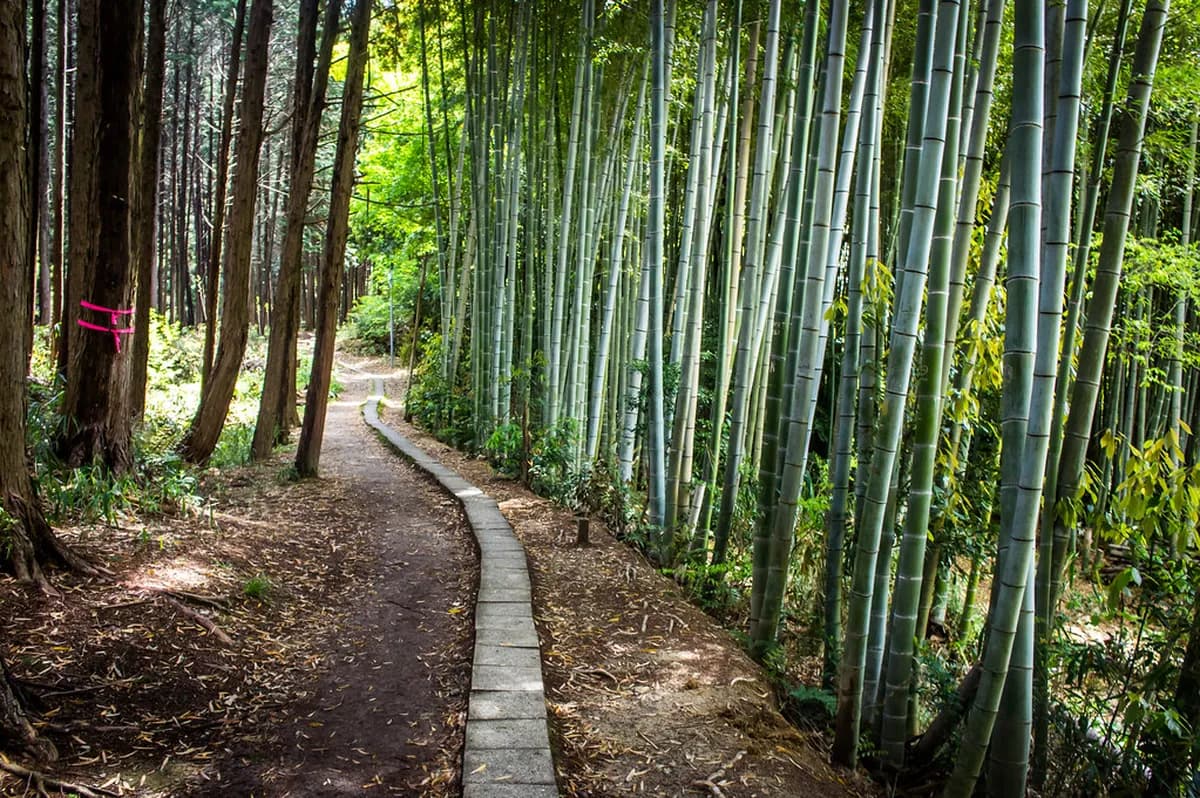
- Arashiyama Bamboo Grove Forest Walk
- Walking through these towering green stalks creates a serene and otherworldly atmosphere for visitors.
- The path is a public thoroughfare that is free to access at any time of day.
- Most people spend about forty minutes wandering the main grove and the nearby river banks.
- Visit at sunrise to hear the bamboo stalks creaking in the wind without any crowd noise.
- Gion District and Shirakawa Canal
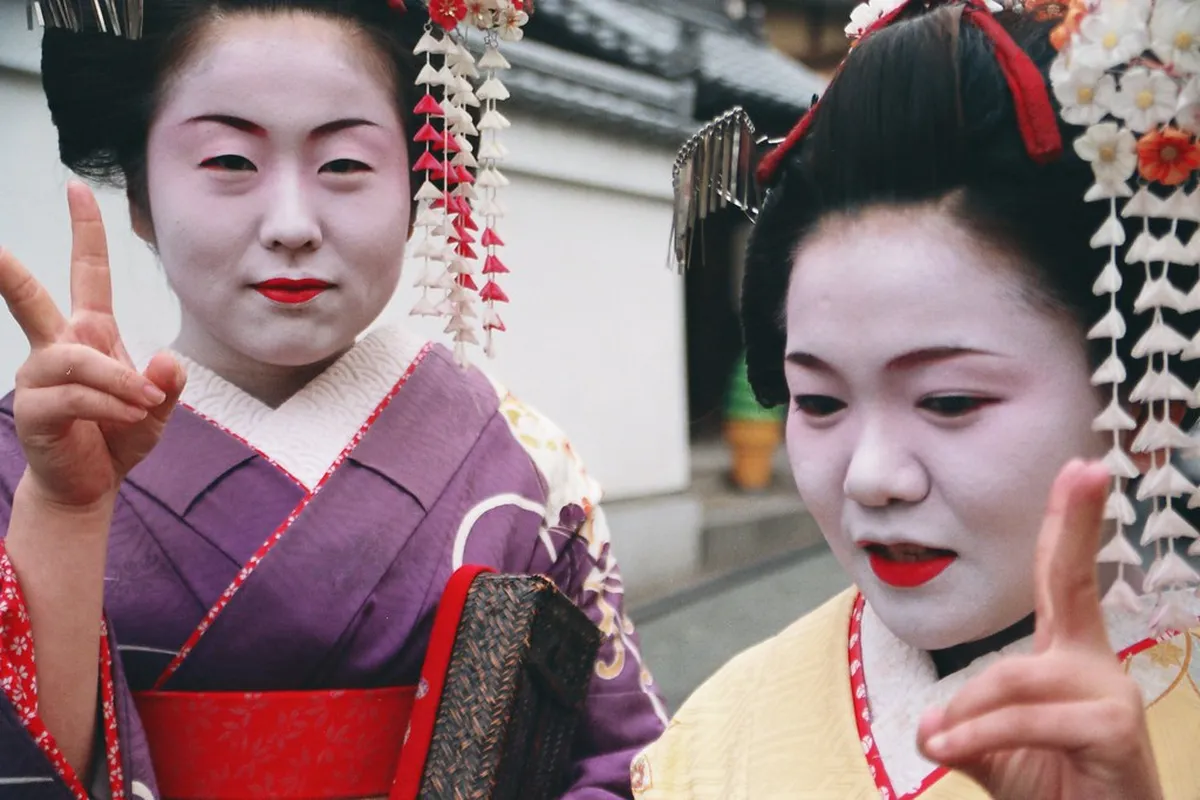
- The historic streets of Gion offer a glimpse into the traditional world of geisha and tea houses.
- Walking through the preserved Shirakawa area is free and especially beautiful during the evening hours.
- Plan for an hour of strolling through the narrow alleys and across the small stone bridges.
- Keep your camera away on private streets to respect the local residents and working geiko.
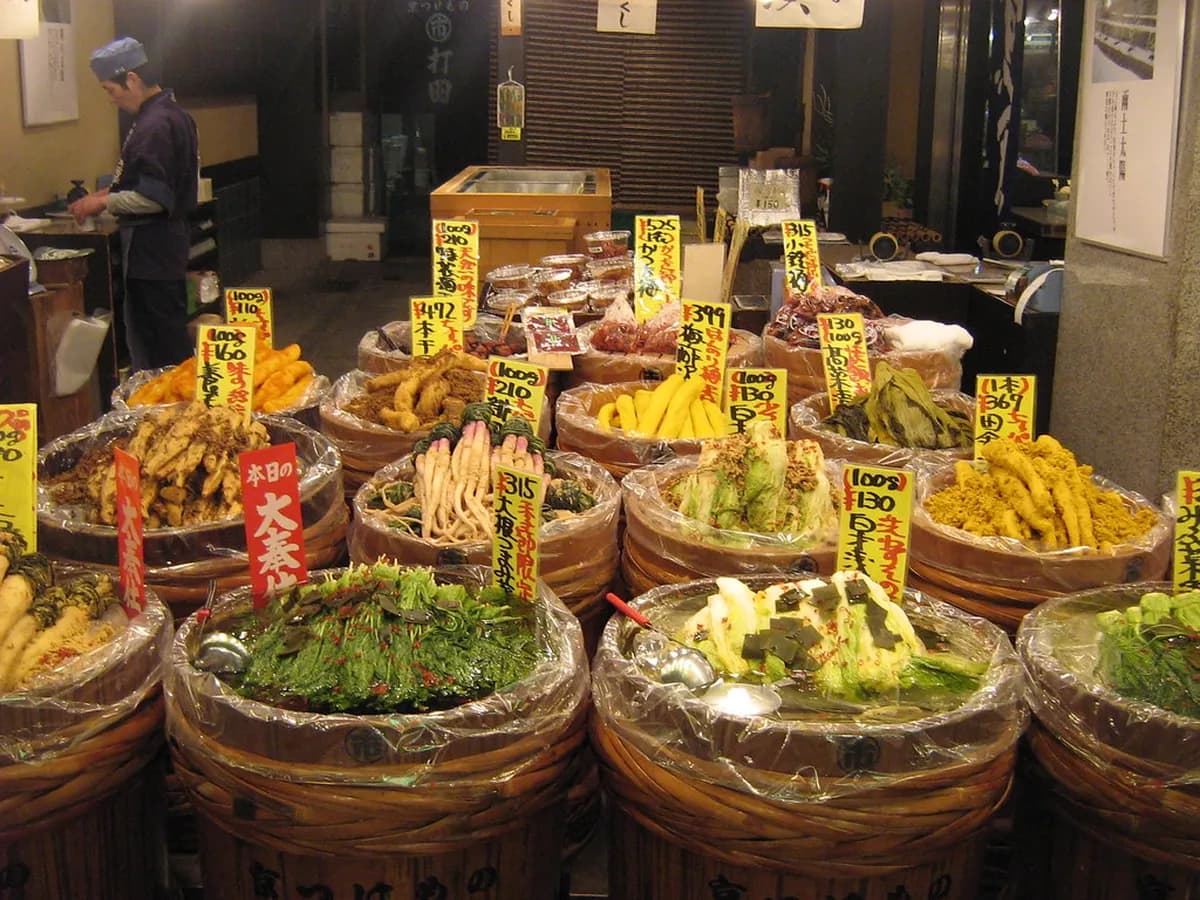
- Nishiki Market Food Stalls Walk
- Known as Kyoto's Kitchen, this covered market street is a feast for the senses and eyes.
- Entry to the market is free, though the tempting local snacks will cost a few hundred yen.
- Most visitors spend an hour exploring the diverse stalls between ten in the morning and five.
- Walk through just before closing time to see the vendors preparing for the next busy day.
- The Philosopher's Path Scenic Walk
- This stone path follows a canal lined with hundreds of cherry trees and quiet neighborhood temples.
- The entire two-kilometer walk is free and takes roughly thirty minutes at a steady pace.
- It is best enjoyed in the spring or autumn when the foliage colors are at their peak.
- Start at the northern end near Ginkaku-ji to enjoy a slightly downhill and more relaxing stroll.
- Kyoto Imperial Palace Public Grounds
- The massive park surrounding the palace features gravel paths, historic gates, and manicured gardens.
- While inner palace tours are free, they require booking, but the outer park is always open.
- Expect to spend ninety minutes walking the perimeter and enjoying the wide-open green spaces.
- The park is a favorite spot for local families to picnic under the weeping cherry trees.
- Yasaka Shrine and Maruyama Park
- Located at the edge of Gion, this vibrant shrine is famous for its hundreds of glowing lanterns.
- The shrine grounds and the adjacent Maruyama Park are free to enter throughout the day and night.
- Thirty minutes is usually enough to see the main halls and the central dance stage.
- Visit after dark when the lanterns are lit to see the shrine in its most magical state.
- Nanzen-ji Temple Outer Grounds
- This massive Zen temple complex features a unique red-brick aqueduct and towering wooden gates.
- While the sub-temples have fees, wandering the main grounds and the aqueduct area is completely free.
- Allow forty-five minutes to explore the various levels and the impressive Sanmon gate exterior.
- The aqueduct is a popular spot for photography due to its striking Western-style architecture.
- Lake Biwa Canal Museum
- This museum details the engineering feat that brought water from Japan's largest lake to the city.
- Admission to the permanent exhibits is free, offering a deep dive into Meiji-era industrial history.
- Most history buffs spend about an hour reviewing the models and the historical photographs.
- Head to the basement terrace for a hidden view of the rushing canal water and incline.
- Kamogawa River Delta Hangout
- The junction of the Kamo and Takano rivers is a popular local spot for relaxing and people-watching.
- Access to the riverbanks and the famous turtle-shaped stepping stones is free for everyone.
- Spend an hour here at sunset to watch the city lights begin to reflect on the water.
- Bring a small snack from a nearby convenience store for a very affordable riverside dinner.
| Site | Time Required | Best Time to Visit | Type |
|---|---|---|---|
| Fushimi Inari Taisha | 30–120 min | Before 8 AM | Shrine |
| Arashiyama Bamboo Grove | 40 min | Sunrise | Nature Walk |
| Gion District & Shirakawa Canal | 60 min | Evening | Historic District |
| Nishiki Market | 60 min | 10 AM–5 PM | Market |
| Philosopher's Path | 30 min | Spring or Autumn | Canal Walk |
| Kyoto Imperial Palace Grounds | 90 min | Daytime | Palace Park |
| Yasaka Shrine | 30 min | After Dark | Shrine |
| Nanzen-ji Temple Outer Grounds | 45 min | Daytime | Temple |
Museums, Art, and Culture: Lake Biwa Canal Museum
The Lake Biwa Canal Museum is an often-overlooked gem located near the Keage subway station. It commemorates the massive infrastructure project that modernized Kyoto during the late nineteenth century. Visitors can learn about the incline system that once transported boats over the steep hills.
According to the museum's official records, the canal provided the city's first hydroelectric power source. The exhibits are well-labeled in English, making it accessible for international travelers on a budget. Admission is free from nine in the morning until seventeen hundred hours most days.
Do not miss the basement terrace, which offers a quiet spot to watch the canal flow. This area is rarely crowded and provides a great perspective on the surrounding mountain scenery. It is a perfect educational stop between visiting the larger temples in the Higashiyama area.
Kyoto also has several other zero-cost cultural stops worth noting. The Kyoto Municipal Museum of Art (Ryobi Museum) shows rotating free exhibitions in its main lobby throughout the year. The Okazaki district surrounding the Heian Shrine is free to stroll and contains several small galleries with no entry charge.
Daitoku-ji: Northern Kyoto's Best-Kept Free Secret
Almost every visitor to Kyoto skips Daitoku-ji in favor of the more-photographed southern temples, and that is a mistake worth correcting. This vast Rinzai Zen complex in the Murasakino district contains twenty-two sub-temples spread across a single walled compound. Walking the mossy stone paths between the sub-temple walls costs nothing, and you can spend a full morning here without paying a single yen.
A handful of the sub-temples — Daisen-in, Koho-an, and Zuiho-in among them — charge modest fees of ¥400 to ¥600 to enter their inner dry-landscape gardens. But the majority keep their gates open and their outer grounds free. The cedar-lined corridors between temple walls feel genuinely removed from the tourist city, even on a busy weekend.
Getting there is straightforward. Take Kyoto City Bus Route 204 or 205 to the Daitokuji-mae stop. The complex is open from around 09:00 and the outer grounds have no closing time enforced in 2026. Pair this with a free walk through Imamiya Shrine next door — a fifteen-minute detour — and you have a full half-day in northern Kyoto for essentially no cost.
One practical tip that most guides omit: the narrow lane outside Daitoku-ji's north gate leads to two small tofu shops that sell affordable yudofu set lunches, a Kyoto speciality you will not find at the tourist-facing restaurants near Kinkaku-ji. It is the kind of detail that separates a local visit from a rushed itinerary.
Free Seasonal Events and Festivals in Kyoto
Kyoto's festival calendar is one of the densest in Japan, and a surprising number of the biggest events are completely free to watch. Gion Matsuri runs throughout the entire month of July, with the main Yamaboko Junko procession on 17 July drawing enormous crowds. The floats — some standing over twenty-five metres tall — are wheeled through the city centre streets and visible from the public sidewalk at no charge.
Obon in mid-August brings the Daimonji Gozan Okuribi, when five giant bonfires are lit on the mountains surrounding the city at around 20:00 on 16 August. The best free viewing spots are along the Kamogawa riverbank north of Sanjo Bridge, on the roof of Nijo Castle's outer walls, and from any elevated spot in the Kitayama area. Crowds begin gathering by 19:00, so arrive early to claim a good position.
Spring and autumn bring free light-up events at major temples. The Higashiyama Hanatouro lantern festival (early March) lines the streets of the Higashiyama district with small flower arrangements and hundreds of paper lanterns from 18:00 to 21:30, free of charge. Autumn illuminations at Tofuku-ji and Eikan-do carry admission fees, but the surrounding streets and the approach paths are free to walk and photograph.
The Kamogawa Odori geisha dance performances in May charge for tickets, but you can watch the dancers in full regalia arriving and departing the Pontocho district between 18:00 and 22:00 on performance evenings without spending anything. This is one of the best free opportunities in the city to see maiko and geiko in traditional dress in a non-tourist-mob setting.
How to Plan a Smooth Kyoto Attractions Day
Efficiency is key when trying to see many sites without spending money on constant transport. I recommend using the Getting Around Kyoto Subway Bus Transport Guide 2026 to master the bus system. Walking between sites in the Higashiyama district can save you several hundred yen in fares.
Start your morning at Fushimi Inari before the sun gets too high and the crowds arrive. From there, take the Keihan line to Gion for a free walking tour of the historic streets. You can find many affordable lunch options near the Kyoto neighborhoods bordering the river.
Combine your free visits with one or two paid sites to see the full variety of the city. Many travelers find that the free grounds of Nanzen-ji are just as beautiful as paid gardens. Always carry a refillable water bottle to take advantage of the free fountains in public parks.
The bus day pass (¥700 in 2026) is worth buying if you plan to cross the city more than three times. A single adult bus ride costs ¥280, so the pass pays for itself on the fourth trip. IC cards like Suica or ICOCA also work on Kyoto buses and are slightly faster at the gate than buying individual tickets.
Free Shinto Shrines Worth More Than the Paid Temples
Shinto shrines in Japan are almost universally free to enter, and Kyoto has several that rival any paid temple in atmosphere. Shimogamo Shrine, a UNESCO World Heritage Site in the Tadasu no Mori forest, is open daily and charges nothing. The approach through the ancient woodland feels entirely separate from the city even though you are only twenty minutes by bus from central Kyoto.
Kamigamo Shrine, at the northern end of the Kamogawa river, is its twin UNESCO heritage site and equally free. The wide gravel forecourt and the small stream running through the compound are typical of Kyoto at its most uncluttered. Early mornings here attract local worshippers rather than tour groups, giving a more honest picture of living religious practice.
Heian Shrine, built in 1895 to commemorate the 1100th anniversary of Kyoto's founding, has free outer grounds that include a wide ceremonial bridge and the large red torii gate visible from Okazaki Park. The famous inner garden (¥600) is paid, but the outer grounds and the approach plaza require nothing and provide excellent photography opportunities. This spot is especially lively during the Jidai Matsuri procession on 22 October each year, which passes through free of charge.
What to Skip: Overrated Kyoto Freebies
Not every free attraction in Kyoto is worth your limited vacation time or energy. The full hike to the summit of Mount Inari at Fushimi Inari is often a major mistake. While the lower gates are stunning, the view from the top is frequently obscured by trees.
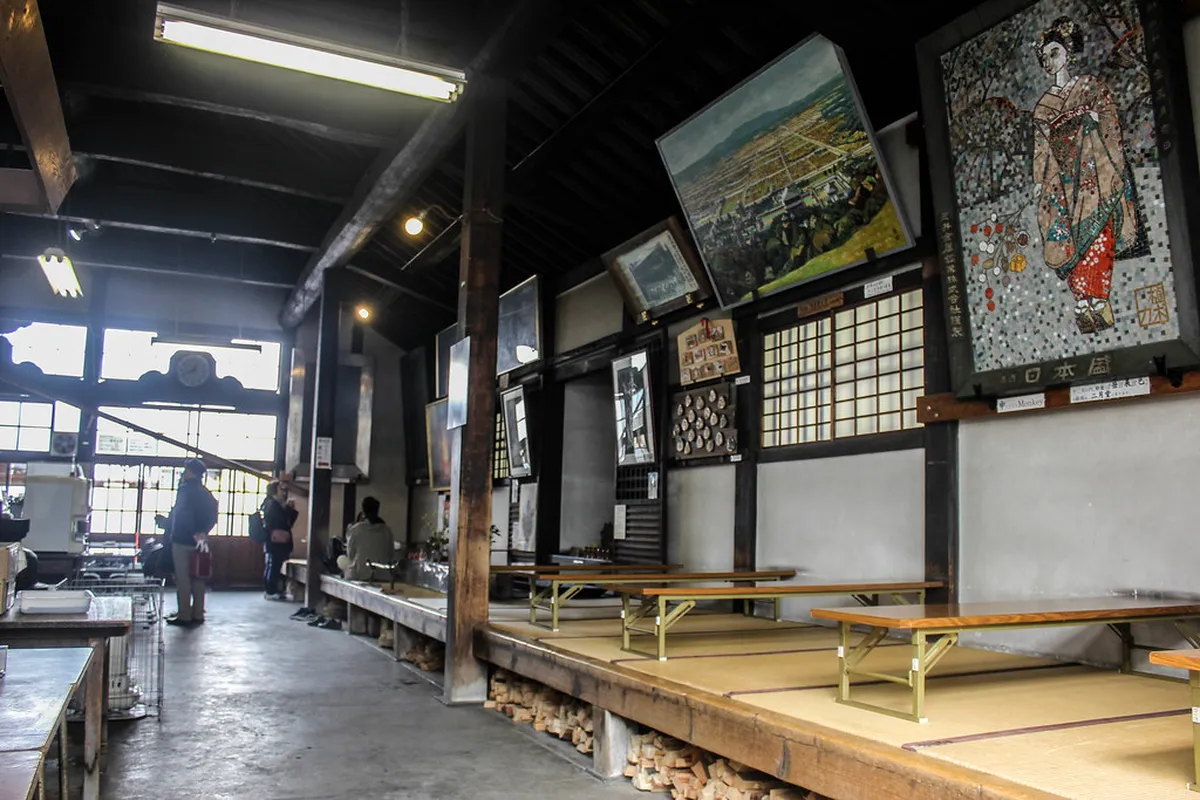
Unless you want a strenuous workout, the first forty minutes of the trail offer the best photos. Another overrated experience is searching for geisha in the main tourist thoroughfares of Gion. These areas are often overcrowded and can feel more like a theme park than a historic district.
Instead, focus on the quieter backstreets near the Shirakawa Canal for a more authentic feel. I also suggest skipping the crowded main bridge at Arashiyama during the peak of autumn. The riverbanks further north provide the same views with much less stress and noise.
The free outer grounds of Kinkaku-ji (Golden Pavilion) are worth clarifying: there are no free outer grounds. The entire site charges ¥500 per adult and there is no way to see the pavilion without paying. Many budget travelers arrive assuming it is like Fushimi Inari; it is not. Factor this into your planning so it does not surprise your budget on the day.
Kinkaku-ji (Golden Pavilion) is NOT free. Unlike Fushimi Inari and Arashiyama, the entire site charges ¥500 per adult with no free outer grounds or viewing areas. Many budget travelers mistakenly expect it to be free—budget accordingly.
For the full list of sights, see our main Kyoto attractions guide.
For more ideas, see our Kyoto with kids guide and rainy-day Kyoto ideas.
Frequently Asked Questions
Is Fushimi Inari Taisha free to enter?
Yes, Fushimi Inari Taisha is completely free to enter and remains open 24 hours a day. Visitors can walk through the thousands of torii gates without any admission fee. It is one of the most accessible major sites in the city.
Can you see the Arashiyama Bamboo Grove for free?
The main Arashiyama Bamboo Grove is a public path and does not require a ticket. You can walk through the towering stalks at any time for free. Nearby temples like Tenryu-ji do charge for entry to their specific gardens.
Are most Kyoto temples free to visit?
While many temple grounds are free to wander, most famous inner halls and gardens require a paid ticket. Shinto shrines are more likely to be entirely free than Buddhist temples. Always check the entrance gate for specific pricing before entering.
How much money do I need for a day in Kyoto?
A budget traveler can spend as little as $20 to $30 USD per day if focusing on free sites. This covers local transport and simple meals from convenience stores or markets. Staying in 10 Best Cheap Budget Accommodation Picks in Kyoto further reduces your total daily costs.
Kyoto proves that world-class travel experiences do not always require a large budget. By focusing on these free attractions, you can experience the soul of Japan's cultural capital. The city's mix of nature, history, and community spaces offers something for every traveler.
I hope this guide helps you plan a memorable and affordable trip to this incredible city. Remember to respect local customs and enjoy the quiet moments that make Kyoto so special. For more planning help, explore our Kyoto Culture: Top Experiences section for deeper insights.
Free: The Kyoto Essentials guide
Top things to do, where to stay, a perfect day plan, getting around, and the best time to go — a Kyoto mini-guide you can take offline.
You might also like



Continue reading
More guides you'll find useful