15 Best Free Things to Do in Tokyo 2026
Plan free things to do in tokyo 2026 with top picks, neighborhood context, timing tips, and practical booking advice for a smoother trip.
On this page
After my seventh visit to Japan last autumn, I discovered that Tokyo's most vibrant moments rarely carry a price tag. While many travelers worry about the high costs of the capital, the city offers incredible value if you know where to look. This guide highlights the best zero-yen experiences available for the 2026 travel season.
This list has been verified and updated for 2026, covering current hours and access rules for major landmarks. We organize picks by category so you can cluster your day by neighborhood rather than criss-crossing the subway network. Whether you have one afternoon or five full days, these free 25 Top Tokyo Attractions will anchor your itinerary without costing you anything.
Tokyo is hosting several major cultural events in 2026, which creates both opportunities and timing traps for budget travelers. Some public parks and plazas temporarily close or become ticketed zones during large festivals. Read the 2026 event note in the Parks section before you finalize your dates.
Iconic Must-See Tokyo Attractions (Free)
The most famous sights in Tokyo are also some of the cheapest. Shibuya Scramble Crossing is the obvious starting point — thousands of pedestrians cross from five directions simultaneously under a wall of neon screens. It costs nothing to walk across or watch from the elevated walkway inside Shibuya Station's second floor. Arrive at dusk when the advertising screens hit full brightness for the most dramatic photos.
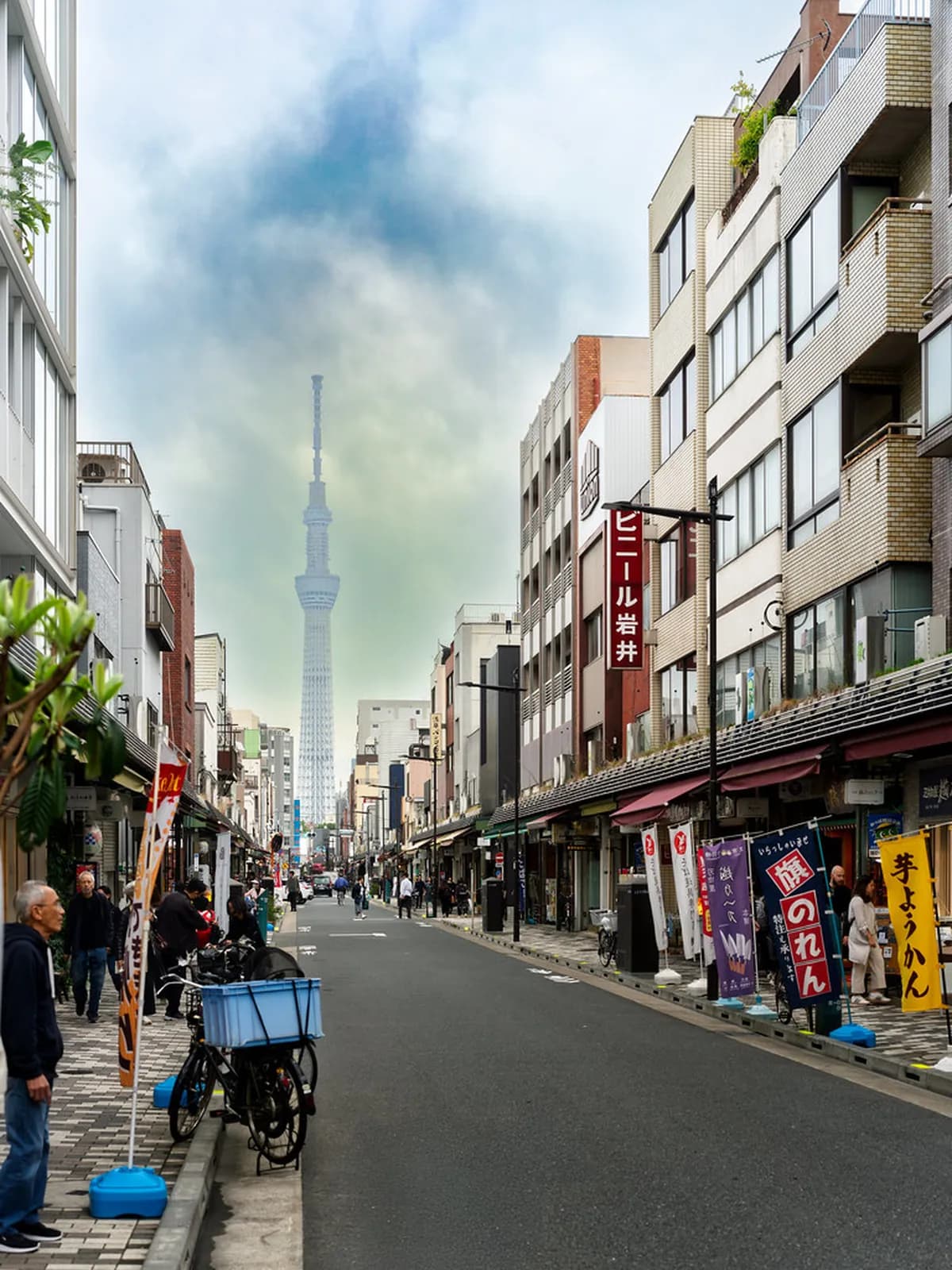
Tokyo Skytree, the world's tallest broadcasting tower at 634 metres, is free to view from the ground-level plaza and the surrounding Oshiage streets. The paid observation decks start at 2,100 yen, so saving that for a clear day is wise. From the base, you get a clear sense of the structure's scale alongside the old Asakusa neighborhood below. The 8th-floor viewing window inside the Asakusa Culture Tourist Information Centre opposite Asakusa Station also gives a free elevated angle toward the tower without the queue.
The Tokyo Metropolitan Government Building observatories in Shinjuku offer genuine panoramic views from 202 metres, fully free. Both the North and South observatories are open until 22:30 most nights, making them the best free alternative to the paid Shibuya Sky or Tokyo Tower observation decks. Crowds here are lighter than at paid venues. In 2026 the building exterior also hosts projection-mapping shows — covered in detail below.
Free Museums, Art, and Culture
The Advertising Museum Tokyo (ADMT) in Shiodome is one of the most undervisited free institutions in the city. It chronicles the full history of Japanese marketing through vivid posters, magazine covers, and full television commercial archives. The museum is typically open Tuesday through Saturday from 11:00 to 18:00. Entry is free, though timed entry slots fill during school holiday periods — book via their website.
The National Art Center in Roppongi has no permanent collection, which means the undulating glass building itself is always free to enter. The architecture by Kisho Kurokawa is worth the trip even when the ticketed temporary exhibitions don't interest you. The atrium cafe and gift shop are open to all without a gallery ticket. Similarly, ESPACE Louis Vuitton on Omotesando hosts rotating contemporary art shows with no admission charge.
For traditional arts, Japan Traditional Crafts Aoyama Square in Akasaka shows rotating exhibitions of pottery, lacquerware, and textiles from regional artisans. You can browse the craft demonstrations free of charge even though pieces are priced for sale. Keep an eye on community boards in Ueno for pop-up tea ceremony demonstrations and calligraphy workshops run by local cultural groups — these appear frequently and cost nothing to observe.
Parks, Gardens, and Outdoor Green Spaces
Yoyogi Park is Tokyo's most social green space and entry is completely free. On Sunday afternoons you'll find rockabilly dancers near the main entrance, amateur musicians under the trees, food stall festivals, and the entire spectrum of Tokyo subcultures on display. The park connects directly to Harajuku Station, making it easy to combine with Takeshita Street or the Meiji Jingu Shrine. Bring a picnic — the large central lawn is open for it year-round.
Pro Tip: Visit Yoyogi Park on Sunday afternoons between 14:00 and 17:00 for the most vibrant atmosphere with musicians and cultural performances. Weekday mornings are quieter and ideal for solo travelers seeking peaceful nature within the city.
The Imperial Palace East Gardens occupy the former grounds of Edo Castle. The massive stone walls, tiered garden terraces, and moats are free to explore on all days except Monday and Friday. At the gate, visitors collect a small numbered token for entry and return it when leaving. Spring brings both cherry blossoms and the added benefit of reduced tour-group crowds before the Golden Week rush in late April.
Shinjuku Gyoen charges 500 yen, but several alternatives nearby cost nothing. The garden at Hotel Chinzanso in Bunkyo is open to the public without a fee and features stone lanterns, a three-story pagoda, and seasonal fireflies in June. Kyu Shinjuku Gyoen is often confused with the paid Gyoen but is a separate, free annex on the north side. For water views, Hamarikyu Gardens is not free (300 yen), but the walk along the Sumida River from Asakusa to Tsukiji costs zero yen and takes about 50 minutes.
| Free Park / Garden | Area / Neighborhood | Why Visit |
|---|---|---|
| Yoyogi Park | Shibuya / Harajuku | Sunday cultural performances, musicians, food festivals |
| Imperial Palace East Gardens | Chiyoda (Central) | Stone walls, tiered terraces, moats, spring cherry blossoms |
| Hotel Chinzanso Garden | Bunkyo | Stone lanterns, pagoda, seasonal fireflies in June |
| Kyu Shinjuku Gyoen | Shinjuku | Free alternative to paid Shinjuku Gyoen |
| Sumida River Walk | Asakusa to Tsukiji | Scenic riverside stroll, historic neighborhoods, 50-minute walk |
2026 Event Note: Yoyogi Park hosts the Meiji Jingu Autumn Grand Festival in October and the Tokyo Rainbow Pride main stage in late April/early May. Both events fence off significant sections of the park and restrict free access to some areas. Check the Tokyo Metropolitan Park Authority calendar before planning a picnic date during these periods. The Imperial Palace East Gardens are unaffected — they remain open and free on their standard schedule throughout 2026 event periods.
Closure Alert: Hamarikyu Gardens closes on Mondays year-round. The Imperial Palace East Gardens are also closed on Mondays and Fridays — plan your palace visit accordingly to avoid a wasted trip. Verify garden hours on the official Tokyo Metropolitan website before departing your accommodation.
Shrines & Temples to Visit for Free
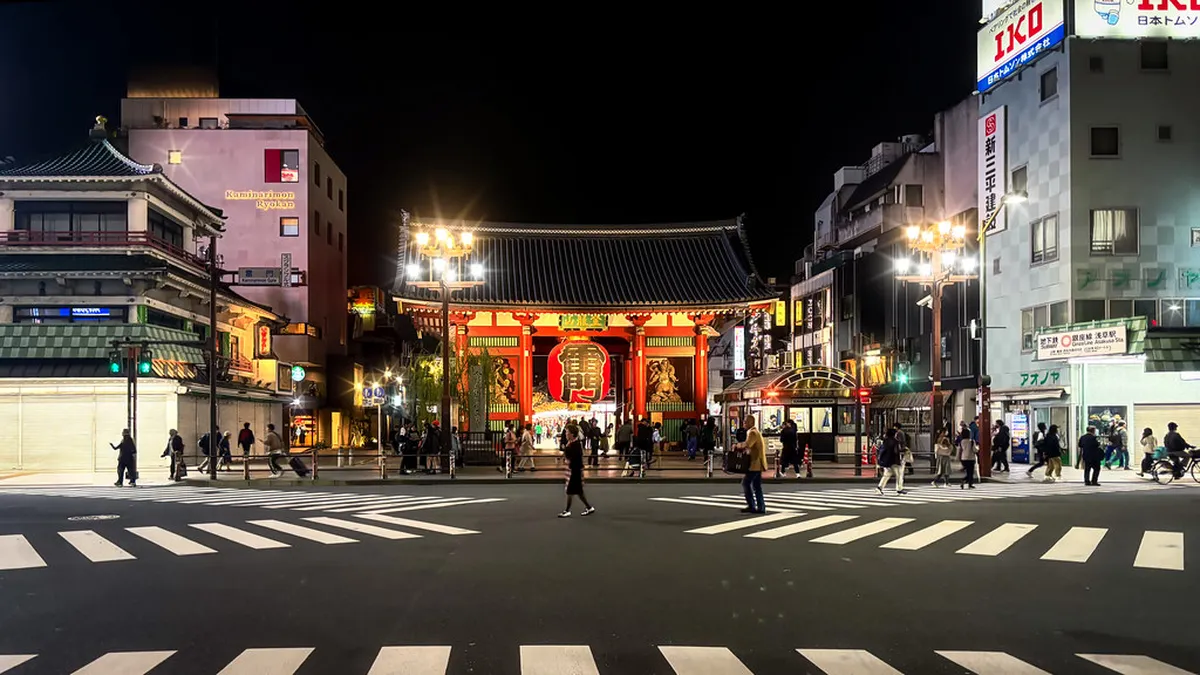
Senso-ji in Asakusa is Tokyo's oldest and most visited temple, with the giant red Kaminarimon lantern as its defining image. The main temple grounds and inner sanctuary are free at all hours, though the crowds peak between 10:00 and 15:00. Arrive before 09:00 to walk the Nakamise-dori shopping street in relative quiet and watch monks begin the day's rituals. The five-story pagoda and surrounding gardens are equally worth a slow circuit once the gate crowds thin.
Gotokuji Temple in Setagaya is the quieter counterpart — and the birthplace of the maneki-neko lucky cat figurine. Thousands of small white cat statues fill the wooden shelves throughout the grounds, donated by visitors making wishes. Entry is free and the grounds open at 06:00, well before the first tourists arrive from central Tokyo. Take the Setagaya Line tram from Sangenjaya Station for the most local approach; the tram itself is an experience worth the 150-yen fare.
Meiji Jingu Shrine sits inside a 70-hectare forest of 120,000 trees donated from across Japan. The walking paths and main shrine buildings are free. The inner garden (Gyoen) charges 500 yen, but the forest walk and the dramatic torii gates are the real draw and cost nothing. Weekend mornings frequently feature traditional Shinto wedding processions visible from the main pathway — a genuinely memorable sight that no paid tour can replicate. Visiting hours run 05:00 to 18:00 depending on the season.
Exploring Tokyo's Unique Neighbourhoods
Shimokitazawa is the city's best free afternoon for vintage and music lovers. The neighbourhood around the two train stations is packed with second-hand clothing shops, independent record stores, and small live-music venues with no cover charge during daytime hours. The Reload complex — a converted rail-yard redevelopment — houses around 20 small shops and restaurants in a car-free laneway. Wander it without spending anything; the architecture and window displays are half the point.
Yanaka Ginza preserves the pre-war shitamachi atmosphere that much of Tokyo lost to bombing and redevelopment. The 170-metre shotengai (traditional shopping street) runs from the famous Yuyake Dandan sunset staircase down toward Nippori Station. The staircase is one of the city's most photographed free spots, especially in the late afternoon when the low light catches the old wooden shopfronts. Most shops open around 10:00 and close by 18:00; the street is quietest on weekday mornings.
Akihabara offers free entertainment even if you never enter a paid venue. The multi-floor electronics shops like Yodobashi Camera have open demonstration floors. The Tokyo Anime Center is free to enter and displays rotating exhibits of current anime production art. Walk Harajuku's backstreets east of Takeshita Street to find the designer concept stores and pocket-sized galleries that most first-time visitors never discover — all free to browse.
Family-Friendly and Budget-Friendly Activities
The Toyosu Market public gallery is one of Tokyo's genuinely unusual free experiences. The gallery opens at 05:00 and offers a glass-windowed bird's-eye view of the famous tuna auctions on the inner floor below. No booking is required for gallery access — unlike the auction ballot that requires advance registration. Bring a warm layer, as the corridors are heavily refrigerated. The adjacent market building has excellent sushi stalls open from around 07:00, though the food is not free.
The Arashio Sumo Stable on Hamachocho-dori in Nihonbashi allows passersby to watch morning practice through a large street-level window at no charge. Practice runs from roughly 07:30 to 10:00 on weekdays when the stable is in Tokyo — it follows the tournament schedule, so check their website before visiting. The etiquette rules are simple: stay quiet, do not press against the glass, and do not speak to the wrestlers. This is far more intimate than the paid practice-viewing tours, while the Ryogoku sumo district guide covers the national arena, museum, chanko restaurants, and tournament-day planning.
Odaiba's waterfront is entirely free to explore. The scale replica of the Statue of Liberty and the Rainbow Bridge panorama are permanent fixtures. The Odaiba Seaside Park and the adjacent artificial beach cost nothing. The Fuji TV building exterior is viewable for free, and the area's large shopping malls have free indoor play areas used by local families on weekends. Getting there on the Yurikamome monorail from Shimbashi adds a small transit cost (around 320 yen), but the overhead views across Tokyo Bay justify it.
Tokyo Metropolitan Government Building Light Show
The Tokyo Metropolitan Government Building now hosts one of the world's largest permanent projection-mapping displays on its twin-tower facades. The show is entirely free and visible from the large plaza between the towers. In 2026, performances begin shortly after sunset — typically around 19:30 in summer and 17:30 in winter — with 15-minute cycles running until 22:00. The schedule updates seasonally to reflect Japanese holidays and cultural events, so check the official Tokyo Metropolitan website the week before your visit.
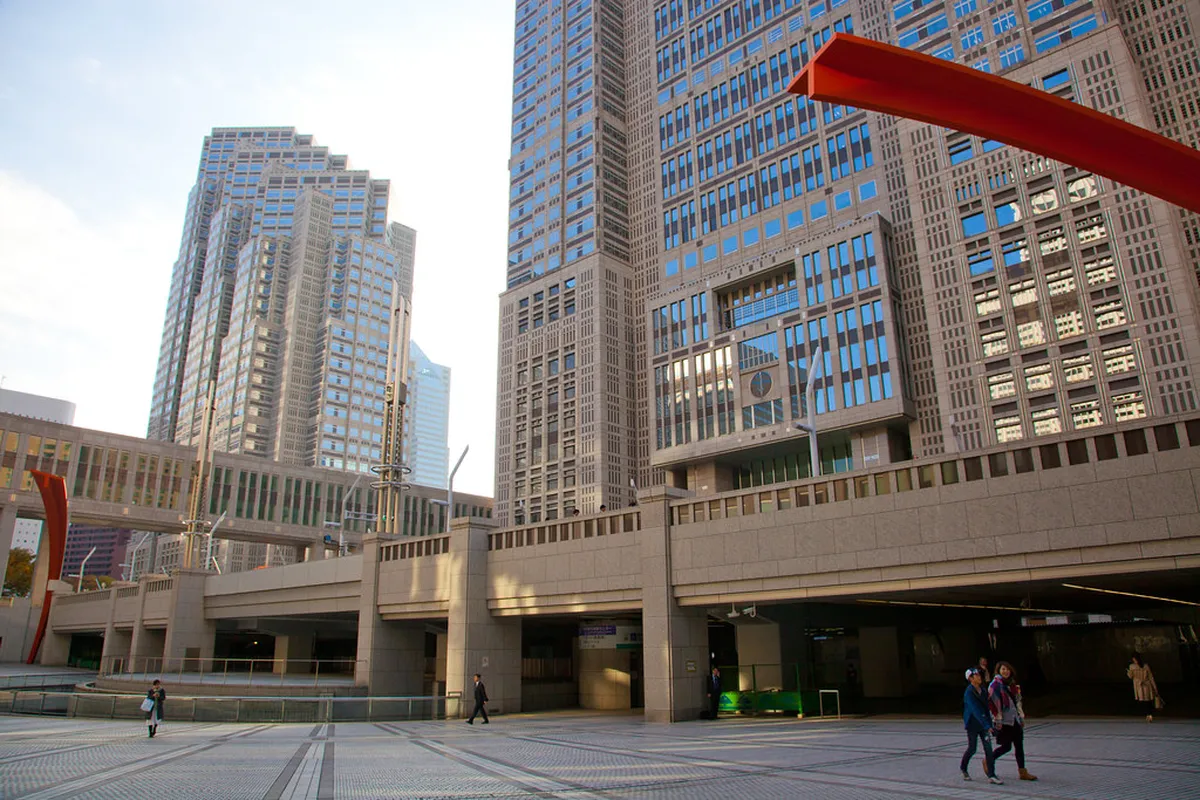
For the best viewing angle, stand near the center of the broad promenade directly facing the North Tower. The show is designed to be seen from ground level, unlike many projection displays that require an elevated vantage point. Security staff direct foot traffic on busy nights; follow their guidance rather than crowding the base of the building. The South Tower observatory remains open during shows, so you can combine a free panoramic view with the light display in one evening.
This is the strongest free alternative to paid Tokyo Nights: Nightlife Guide experiences like the Shibuya Sky observation deck (2,000 yen) or rooftop bar covers. The nearest subway access is Tochomae Station on the Oedo Line, a two-minute walk from the plaza. Arrive 10 minutes before the first show cycle for the best position without waiting through a full cycle.
Free Walking Tours and Self-Guided Routes
Tokyo Localized runs a well-regarded free walking tour of Tokyo based out of Asakusa. Tours run most mornings and cover Senso-ji, the riverside, and the streets behind Nakamise-dori. The guide works on a tips-only model, so budget 1,000–2,000 yen as a gratuity. Group sizes are small enough to ask questions, which is the main advantage over self-guiding. Book in advance through their website as morning slots fill during peak season (late March through May and October).
For a self-guided alternative, the Imperial Palace outer grounds form a natural 5-kilometre loop used by Tokyo joggers every morning. Starting from Otemon Gate and following the moat clockwise past Sakashitamon and back to the East Gardens takes about 75 minutes at a walking pace. The route passes the Double Bridge (Nijubashi), the main photo spot for palace visitors, which is viewable from outside without paying any entry fee.
The Yanaka walking route from Nippori Station to Ueno Park takes roughly two hours at a comfortable pace and connects several free temples, the old cemetery (home to the last Tokugawa shogun's grave), and the shotengai. It requires no map beyond a basic smartphone screenshot. Combining it with the Nezu Shrine — a smaller, quieter cousin of Kyoto's Fushimi Inari with a free tunnel of torii gates — adds 30 minutes and costs nothing.
Foodie Experiences on a Budget
Depachika — the food basement floors of Tokyo's major department stores — offer some of the best food browsing in the city at zero cost. The samples provided by vendors selling pickled vegetables, wagashi sweets, and prepared bento can be quite generous during off-peak hours. Isetan in Shinjuku and Takashimaya in Nihonbashi both have sprawling basements worth at least an hour of browsing. You are not obliged to buy anything.
The most strategic time to visit a depachika is between 19:00 and 20:00, when day-made bento boxes and prepared dishes go on sale at 30–50% reductions. A high-quality bento that retails for 1,200 yen at midday often sells for 600–700 yen by 19:30. This is a practical budget hack that no competitor in the SERP covers specifically: the markdown timing is consistent across major department stores, and you get genuinely premium food at convenience-store prices.
For completely free food experiences, the tasting counters at Tsukiji Outer Market remain open to the public — the inner wholesale market moved to Toyosu, but the outer market of small vendors, picklers, and egg-custard shops is still intact and free to walk. Street food at major festivals in Yoyogi Park is another zero-cost browsing experience; the smells and the social atmosphere are part of the attraction even if you don't buy. Ueno's Ameyoko market between Ueno and Okachimachi Stations is the loudest and most chaotic of the free food markets, with vendors calling out discounts on dried fish, sweets, and produce.
Where to Stay in Tokyo for Budget Travelers
Ueno and Asakusa represent the highest density of free attractions within walking distance of a single base. From Ueno, you can reach the Imperial Palace East Gardens, Senso-ji, Ueno Park's free museum entrances (on certain days), and the Yanaka district all without a subway fare. Budget guesthouses and capsule hotels in this area run from 3,500 to 6,000 yen per night, well below the Shinjuku or Shibuya equivalents.
Asakusa specifically suits travelers whose itinerary is weighted toward temples, the Toyosu fish market, and the Sumida River walk. The neighborhood is on the Ginza and Asakusa subway lines, both of which connect quickly to Shinjuku and Shibuya for evening activities. The Kaminarimon area has dozens of budget-friendly options within a five-minute walk of Senso-ji, making an early 08:00 start at the temple genuinely easy without a long commute.
Travelers focused on the Shinjuku light show and the Shimokitazawa neighbourhood scene should look at accommodation near Sangenjaya or Shimokitazawa itself, where prices are lower than central Shinjuku and the vibe is significantly quieter. The Odakyu and Keio Inokashira lines connect both to Shinjuku in under 10 minutes.
Emerging 2026 Trends Worth Watching
Several experiences that currently sit behind ticket barriers are moving toward partial or full free access in 2026. The Miraikan (National Museum of Emerging Science) in Odaiba has piloted free-admission Saturdays for under-18s, and there is ongoing discussion about extending this to general visitors on select days. Check their site closer to your travel date — if this policy is confirmed, it would be one of the best free science museums in Asia.
Kabukicho in Shinjuku has undergone a significant redevelopment around the new Kabukicho Tower opened in 2023. The public plazas around the base are free to wander and the nighttime lighting installation on the tower facade is a low-key alternative to the government building light show. The pedestrian zone improvements mean wandering this area after dark is more comfortable than it was even two years ago.
Street-art walking in Koenji and Shimokitazawa is gaining traction among younger Tokyo travelers as a free afternoon activity. Both neighborhoods have seen murals and installation art appear on shuttered shopfronts since 2024, organized by local arts collectives. No admission, no booking — just a slow walk. The Koenji route from the south exit covers the most concentrated section in about 40 minutes.
Getting Around Tokyo Efficiently
The Tokyo Subway Ticket (24h / 48h / 72h at 800 / 1,200 / 1,500 yen) covers unlimited rides on Toei and Tokyo Metro lines. If you plan three or more separate subway journeys in a day, the 24-hour pass usually pays for itself by the second afternoon. The pass does not cover JR lines or private railways like the Setagaya Line — budget an additional 150–200 yen for those. Purchase the pass at major subway stations and Haneda Airport.
The Suica IC card is the more flexible option for days where your itinerary is less predictable. You tap in and out without pre-committing to a zone, and it works on JR, private railways, buses, and most convenience store purchases. The cost-benefit compared to the Subway Ticket depends entirely on your routing: heavy Shinjuku-to-Asakusa-to-Shibuya days favour the Subway Ticket; mixed-transport days with JR segments favour Suica. Loading 3,000 yen on a Suica covers a full day of varied Getting Around Tokyo: Complete Subway & Train Transport Guide 2026 without running short.
Walking between adjacent neighborhoods cuts transit costs and adds context. Harajuku to Shibuya is a 20-minute walk through Yoyogi Park. Ueno to Akihabara takes 25 minutes along the main boulevard. Asakusa to Ueno follows a riverside path that passes the Sumida Park cherry blossom zone. For airport arrivals, the Keisei Main Line from Narita to Ueno costs 1,050 yen versus 2,570 yen for the Skyliner — a saving worth banking for lunch.
How to Plan a Smooth Tokyo Attractions Day
A logical 'Zero Yen' route starts in Asakusa at 08:00 when Senso-ji is quiet. Walk the temple grounds and the Nakamise-dori side streets, then take the Ginza Line one stop to Ueno. From Ueno, walk south through the park (passing the free museum exterior galleries) and continue into Akihabara for a free browse of the electronics floors and Tokyo Anime Center. This northeast cluster keeps you off the subway for most of the morning.
Midday: head to a depachika in Ginza or Nihonbashi for lunch — a reasonable set meal at a department store food court costs 800–1,200 yen, well below tourist-area restaurant prices. Alternatively, pack food from a convenience store before 09:00 when the freshest onigiri stock lands. The afternoon suits the Imperial Palace East Gardens (free, open until 17:00) followed by a walk along the Marunouchi business district, which has free public art installations throughout the pedestrian zones.
Evening: arrive in Shinjuku by 19:00 for the Metropolitan Government Building projection show. The show runs in cycles, so plan to watch at least two consecutive rounds to see the full sequence. Finish the night with a walk through Omoide Yokocho (Memory Lane) behind Shinjuku Station West Exit — the narrow laneway is free to wander and the smell of yakitori smoke alone is worth the detour. Total subway cost for this full day: approximately 500–700 yen if you sequence stops carefully.
Continue planning with Tokyo Trip Planner 2026: Attractions, Neighborhoods and Itineraries.
Frequently Asked Questions
Are the Tokyo Metropolitan Government Building observatories really free?
Yes, both the North and South observatories are completely free to enter. They offer views similar to paid decks like Tokyo Tower. You only need to wait in a security line before taking the elevator up.
Can I see a sumo practice for free in Tokyo?
You can watch morning practice for free at stables like Arashio Stable through their street-level windows. No booking is required, but you must be respectful and quiet. Check their website for practice dates before visiting.
Are temples and shrines in Tokyo free to enter?
Most major shrines and temples like Senso-ji and Meiji Jingu have no entrance fee for their main grounds. Some specific inner gardens or treasure houses may charge a small fee. Generally, you can enjoy the architecture and atmosphere for free.
Tokyo is a city of immense contrast where the most expensive experiences often sit right next to free wonders. By focusing on these 15 free things to do in Tokyo 2026, you can experience the heart of the city without financial stress. Remember to check official websites for any sudden schedule changes before you head out.
Whether you are watching the sunset at Yanaka Ginza or the lights in Shinjuku, the city's magic is accessible to everyone. Pack a comfortable pair of walking shoes and an open mind for your 2026 journey. Safe travels as you explore one of the world's most fascinating urban landscapes.
Free: The Tokyo Essentials guide
Top things to do, where to stay, a perfect day plan, getting around, and the best time to go — a Tokyo mini-guide you can take offline.
You might also like

Continue reading
More guides you'll find useful