12 Best Areas and Tips for Booking Tokyo Hotels in 2026
Plan your 2026 Tokyo trip with our guide to the 12 best areas and booking tips. Includes neighborhood maps, hotel picks for all budgets, and peak season advice.
On this page
Where you sleep in Tokyo dictates your entire experience. The city is a massive collection of urban villages, each with a distinct atmosphere and its own transport logic. I once stayed in East Shinjuku thinking it would be convenient, only to get lost in the station for 40 minutes every morning. This guide is refreshed for 2026 to help you navigate the complex landscape of Where to Stay in Tokyo: 10 Best Neighborhoods for your next trip.
Tokyo is preparing for a busy 2026, with several major festivals and international events returning to the calendar. Securing the right room requires early planning and a clear understanding of the local transport grid. Proximity to the JR Yamanote Line should be your first filter if this is your first visit to the capital. I have vetted these neighborhoods and hotels based on accessibility, comfort, and local character.
Tokyo Places to Stay Map
Visualizing Tokyo as a circle is the easiest way to understand its massive layout. The JR Yamanote Line forms this loop, connecting major hubs like Shinjuku, Shibuya, Ueno, and Tokyo Station. Staying near any station on this loop means you can reach most 25 Must-See Tokyo Landmarks in 2026 within thirty minutes. Western hubs like Shinjuku are better for nightlife and shopping, while eastern areas like Asakusa offer a quieter, more traditional feel.

The Tokyo subway system fills the gaps within the Yamanote loop with surgical precision. Ginza and Nihonbashi sit closer to the center, offering high-end luxury and easy access to Tokyo Station. Minato City to the south provides iconic views of Tokyo Tower and a more international, residential atmosphere. Choosing a base depends heavily on whether you value neon lights, morning temples, or direct Shinkansen access.
The four areas most worth considering for a leisure base are Shibuya, Asakusa, Shinjuku, and the Tokyo Station area. Roppongi and Ginza are solid secondary options depending on your purpose. Each district has a distinct vibe that might clash with your personal travel style. Distance to the nearest station exit remains the single most important metric for your daily comfort.
Shibuya: The Best All-Rounder for First-Timers
Shibuya is my top pick for most first-time visitors to Tokyo in 2026. It sits centrally on the Yamanote Line with direct access to Shinjuku, Harajuku, Ebisu, and Daikanyama within a few stops. You can walk to Yoyogi Park and Meiji Shrine in under fifteen minutes, and Omotesando is a short, pleasant stroll east. The area rewards every type of traveler: families, solo visitors, and couples all find something here.
There is an important distinction to know within Shibuya itself. The area right around the famous Scramble crossing is loud, crowded, and electric — exactly what you might expect from Tokyo's most photographed intersection. The "Shinsen" and "Tomigaya" pockets, roughly ten minutes on foot toward Yoyogi Park, feel like an entirely different neighborhood: quiet residential streets, excellent coffee shops, and far less tourist density. If you want Shibuya's transport convenience without the noise directly outside your window, look for hotels in that quieter western strip.
- Luxury: TRUNK Hotel Yoyogi Park ($$$) — sits facing Yoyogi Park, boutique, rooftop pool, closest to the Shinsen quiet side.
- Luxury: Cerulean Tower Tokyu Hotel ($$$) — tall tower with sweeping views, full fitness and spa facilities.
- Mid-range: Hotel Indigo Tokyo Shibuya ($$$) — high in a tower ten minutes from the station, quiet and modern with city views.
- Mid-range: Shibuya Granbell Hotel ($$) — short walk from the station, contemporary design, rooftop bar.
- Budget: JR-East Hotel Mets Shibuya ($$) — literally attached to the station, includes breakfast, reliable and no-fuss.
- Family: Hyatt House Shibuya ($$) — kitchenette rooms, indoor pool, rare amenities for Tokyo.
Shibuya is generally the most expensive neighborhood for hotels. You are paying for convenience, and it is worth it for a first trip. Book at least six to eight months ahead for stays during cherry blossom season or Golden Week.
Shinjuku: The Transport Hub & Entertainment Center
Shinjuku is the busiest railway station in the world and serves as an excellent base for many types of traveler. The district splits cleanly into two zones with very different characters. The West side houses skyscrapers, government buildings, and some of the city's finest hotels — it is calmer and suits families and business travelers well. The East side is where you find the neon-lit streets of Kabukicho, Golden Gai, and Omoide Yokocho.
The "East vs West exit trap" is real. Staying on the East side sounds exciting, but the noise from Kabukicho reaches late into the night, and navigating the station at 7 AM through weekend crowds is genuinely exhausting. West Shinjuku, within a five-minute walk of the South or West exits, gives you identical transport access with a dramatically quieter street level. Families and anyone planning early morning departures should default to the West side.
- Luxury: Park Hyatt Tokyo ($$$–$$$$) — skyline views in the West skyscraper district, famous for its Peak Lounge, free shuttle from the station.
- Luxury: Kimpton Shinjuku ($$$) — stylish and well-priced for the category, West side location, walking distance to the station.
- Mid-range: Hotel Century Southern Tower ($$) — great views, reliable comfort, one of the best value mid-range picks in the city.
- Budget: Sotetsu Fresa Inn Higashi Shinjuku ($$) — East side, directly next to a subway station, clean and efficient.
- Family: Mimaru Tokyo Shinjuku West ($$$) — apartment-style with kitchenettes, best family hotel in Shinjuku, Pokemon-themed rooms available.
- Ryokan: Onsen Ryokan Yuen Shinjuku ($$–$$$) — rooftop onsen, traditional breakfast set, quieter part of Shinjuku East.
The transport links from Shinjuku are unparalleled. You can catch the Odakyu Romancecar to Hakone, the Narita Express to the airport, and Shinkansen services nearby. Always look for the color-coded floor signs to navigate the station and target the South Exit for the easiest access to the expressway bus terminal.
Ginza: Polished Luxury and Central Shopping
Ginza is often compared to New York's Fifth Avenue and London's Bond Street. It is the most polished part of Tokyo, with wide boulevards, flagship architecture, and a genuinely quieter atmosphere at night compared to the chaos of Shibuya or Shinjuku. The area is exceptionally safe, features Michelin-starred restaurants at every corner, and tends to attract a more refined crowd of both locals and tourists.
One of Ginza's biggest practical advantages rarely gets enough attention: proximity to Tokyo Station. You can walk or take a short taxi to catch the Shinkansen to Osaka or Kyoto, and the Narita Express stops nearby. For travelers arriving into Narita and needing to catch a Shinkansen south the same morning — or departing very early — staying in Ginza or the adjacent Marunouchi area is the most efficient choice in the city. No other neighborhood combines this level of transport access with a calm, walkable evening atmosphere.
- Luxury: The Peninsula Tokyo ($$$$) — classic luxury overlooking Imperial Palace, directly connected to Hibiya subway station, fleet of Rolls-Royce guest transfers.
- Luxury: Muji Hotel Ginza ($$$) — fully furnished in Muji products, above the brand's global flagship store, 24-hour library, fixed pricing.
- Mid-range: Royal Park Hotel Ginza 6-Chome ($$) — new and spotless, walking distance to Yurakucho Station and Tokyo Station.
- Budget: Remm Hibiya Hotel ($) — stylish boutique near Hibiya-koen Park, in-room massage chairs, very reasonable rates.
On weekends, Chuo-dori closes to vehicles and becomes a pedestrian boulevard — excellent for shopping and outdoor cafe sitting. The underground walkways connect major buildings, which is helpful on rainy days. Check the basement of Ginza Six for high-end souvenirs and rotating art installations.
| Hotel Name | Area | Tier | Price Range |
|---|---|---|---|
| TRUNK Hotel Yoyogi Park | Shibuya | Luxury | $$$ (¥40,000+) |
| Park Hyatt Tokyo | Shinjuku West | Luxury | $$$$ (¥55,000+) |
| The Peninsula Tokyo | Ginza | Luxury | $$$$ (¥60,000+) |
| Hotel Indigo Tokyo Shibuya | Shibuya | Mid-range | $$$ (¥25,000–40,000) |
| Hotel Century Southern Tower | Shinjuku | Mid-range | $$ (¥18,000–30,000) |
| Royal Park Hotel Ginza 6-Chome | Ginza | Mid-range | $$ (¥15,000–25,000) |
| JR-East Hotel Mets Shibuya | Shibuya | Budget | $$ (¥10,000–18,000) |
| Remm Hibiya Hotel | Ginza | Budget | $ (¥8,000–15,000) |
Asakusa: Traditional Vibes and Budget-Friendly Stays
Asakusa feels like a step back in time to the Edo period of Tokyo. The area centers on the Senso-ji Temple and the bustling Nakamise shopping street, and it is one of the few places in the city where you can still see rickshaws and traditional craftspeople at work. Hotels here tend to be meaningfully more affordable than those in the western hubs like Shinjuku or Shibuya. Many properties are ryokan-style, with tatami floors and access to communal onsen baths.
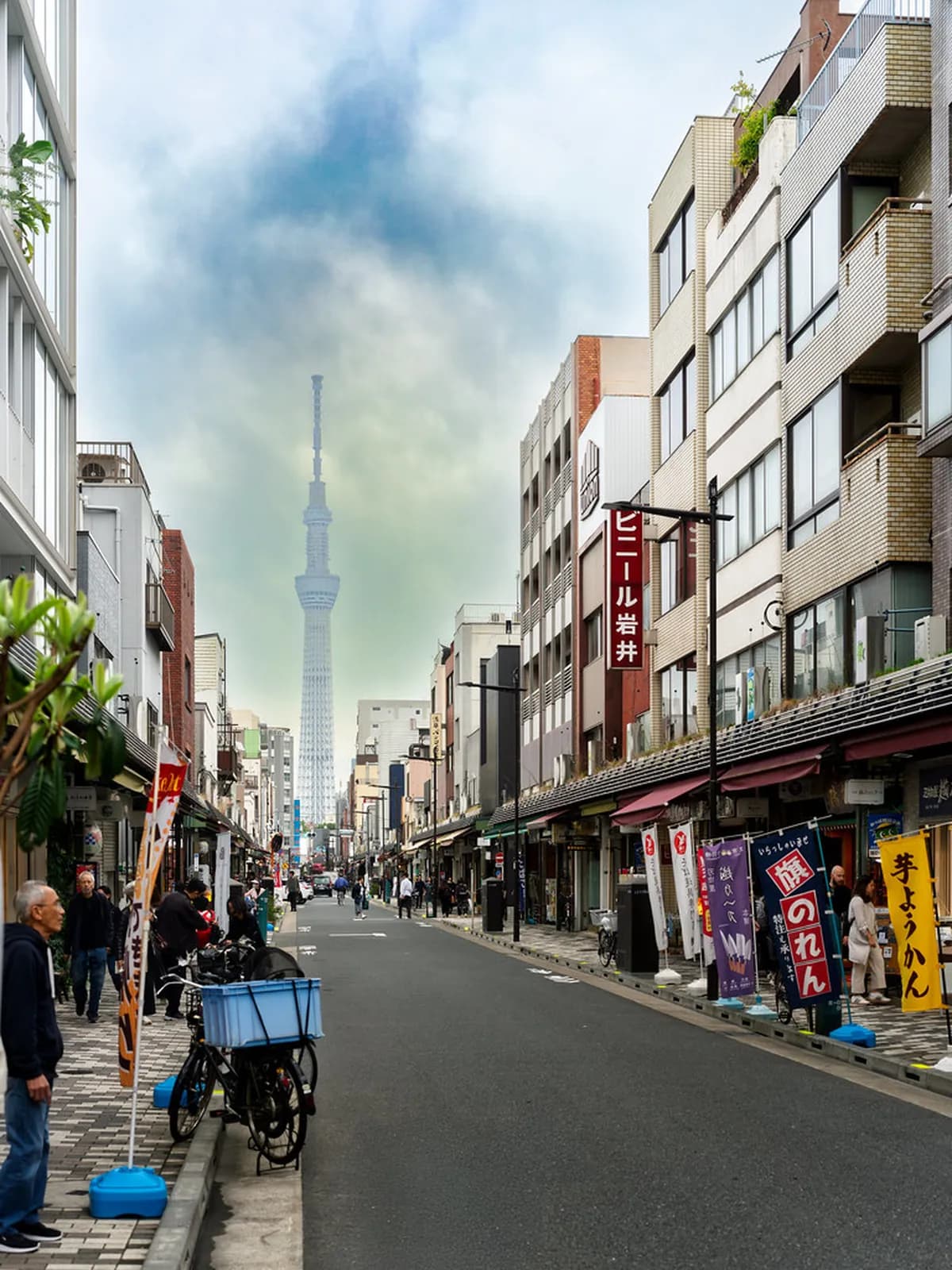
The Tobu Railway station in Asakusa is a specific advantage that competitors rarely highlight. It is the direct gateway to Nikko, the mountain shrine town north of Tokyo. If you are planning a day trip to Nikko — and you should be — Asakusa saves you the extra step of crossing to Ueno or Shinjuku. The Ginza subway line also starts here, giving you a guaranteed seat for the ride across town. The Sumida River waterfront provides excellent walking paths and views of Tokyo Skytree in the early morning before crowds arrive.
- Luxury ryokan: Cyashitsu Ryokan Asakusa ($$) — only 10 rooms, stunning suites, included meals, very hard to book.
- Mid-range: The Gate Hotel Asakusa Kaminarimon ($$$) — boutique hotel with direct views of Senso-ji Temple and the Skytree, 13th-floor open-air terrace.
- Mid-range: Onyado Nono Asakusa ($) — natural hot spring-style bathing facilities, well-liked mid-range option.
- Budget: OMO3 Asakusa by Hoshino Resorts ($) — modern, rooftop bar, from a high-end Japanese hospitality group.
- Family: MIMARU Tokyo Asakusa Station ($$) — apartment-style, spacious units with kitchens, same reliable brand as the Shinjuku property.
Dining in Asakusa focuses on tempura, unagi, and street snacks from the Nakamise stalls. Hoppy Street in the evening offers a more local, casual drinking experience away from tourist crowds. Staying here lets you visit Senso-ji at sunrise before the day visitors arrive — a genuinely transformative experience that most guidebooks undersell.
Roppongi & Minato: Nightlife and Landmark Views
Roppongi and the wider Minato City area sit roughly in the center of Tokyo, making them geographically convenient even though Roppongi itself is not on the Yamanote Line. The district is home to major museums — the National Art Center, 21 21 Design Sight, and teamLab Borderless — and Tokyo Tower is a short walk from several of the area's best hotels. The atmosphere is the most cosmopolitan in the city, with a heavy concentration of international residents, fine dining, and after-dark venues.
For families specifically, Roppongi is an underrated base. The luxury hotels here — the Ritz-Carlton, Grand Hyatt, and the newer Janu Tokyo — have pool facilities, full-service spas, and concierge teams geared toward children. The streets are calmer than Shibuya or Shinjuku, and the cultural institutions nearby are genuinely world-class. The main trade-off is relying on the Oedo and Hibiya subway lines, which run deep underground and require more transfers than Yamanote Line stations.
- Luxury: Janu Tokyo ($$$$) — newest Aman-group property, wellness-focused, panoramic city views, outstanding spa.
- Luxury: The Ritz-Carlton Tokyo ($$$$) — upper floors of a soaring tower near Tokyo Midtown, panoramic views, known for impeccable service.
- Luxury: Grand Hyatt Tokyo ($$$) — anchored in Roppongi Hills, large pool, one of the most family-friendly luxury options.
- Mid-range: Hotel Villa Fontaine Grand Tokyo-Roppongi ($$) — directly above Roppongi-itchome station, straightforward business hotel at fair rates.
Stay in Roppongi if you value fine dining, art museums, and an international crowd. Look elsewhere if you are chasing maximum transport efficiency or a traditional Tokyo experience.
Tokyo Station & Marunouchi: Ultimate Convenience
The Tokyo Station and Marunouchi area is the single most convenient base in the city for travelers who plan to leave Tokyo frequently. The Tokaido Shinkansen terminates here, giving you direct bullet-train access to Kyoto, Osaka, Hiroshima, and beyond. The Narita Express runs directly through the station, and the Yamanote, Chuo, and Sobu lines all converge here. If you have early morning Shinkansen departures in your itinerary, no other neighborhood saves more friction.
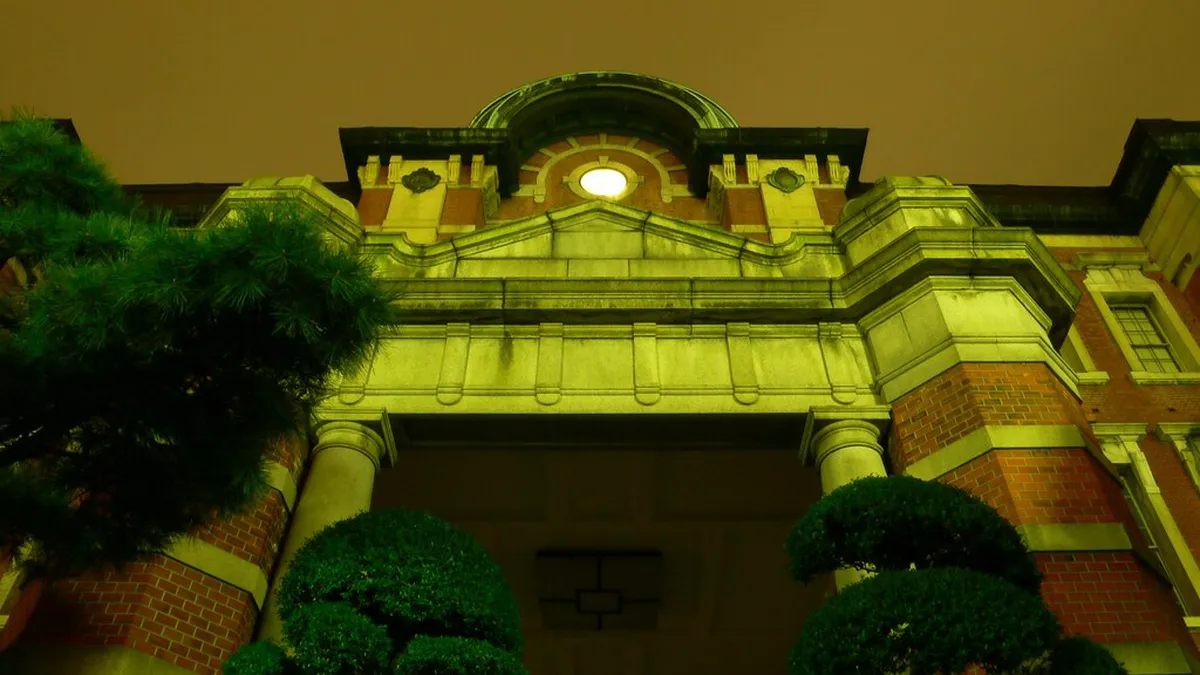
The streets of Marunouchi are broad, flat, and unusually pleasant by Tokyo standards — a welcome contrast to the narrow alleys of Shinjuku or Asakusa. The Imperial Palace gardens are a short walk north. Ginza and Nihonbashi are both walkable for evening dining. The main drawback is that the area feels quiet and slightly corporate after 21:00, with fewer casual bars and street food vendors than the western hubs. It rewards early risers and business-oriented travelers far more than nightlife seekers.
- Local luxury: Tokyo Station Hotel ($$$$) — directly in the same building as the station, spacious rooms, legendary concierge team.
- International luxury: The Aman Tokyo ($$$$) — top six floors of Otemachi Tower, largest rooms in the city, overlooks Imperial Palace, spa open from 06:30.
- International luxury: HOSHINOYA Tokyo ($$$–$$$$) — vertical ryokan experience, shoes-off lobby, natural-spring rooftop onsen, traditional seasonal meals.
- Mid-range: Hotel Ryumeikan Tokyo ($$) — directly across from the station, best-value mid-range in this area, reliable and well-run.
- Budget: Karaksa Hotel Tokyo Station ($$) — five-minute walk from Yaesu North Exit, rare connecting rooms for families, check-out at 11:00.
Book this area at least eight to ten months ahead. The combination of domestic business travelers and international tourists makes Tokyo Station hotels among the fastest to sell out across all price brackets.
Three Situations That Change the Best Area for You
The "best" area is highly subjective and depends on your specific travel companions. If you are traveling with elderly parents, I strongly recommend Ginza or Marunouchi. These areas have more elevators, flatter streets, and are generally less crowded than Shibuya. Proximity to Tokyo Station also minimizes the walking required for any regional rail travel during the trip.
Solo female travelers often find the Ebisu or Daikanyama areas more comfortable. These neighborhoods are trendy and upscale with a very safe, residential feel at night. They offer plenty of small cafes and boutiques that are perfect for solo exploration. Transport links remain excellent via the Yamanote Line and the Hibiya subway, and the area draws a quieter, local crowd after dark.
If you have a 05:00 flight from Haneda Airport, staying in Shinagawa is a strategic move. The Keikyu Line runs directly from Shinagawa to Haneda in about fifteen minutes. This saves you from navigating a massive station like Shinjuku in the early morning. Many hotels in Shinagawa are geared specifically toward travelers needing quick airport access, and rates are often lower than equivalent properties in Shinjuku or Shibuya.
Areas Worth Visiting (But Not Basing In)
Some neighborhoods are fantastic for an afternoon but become exhausting as a 7-night base. Akihabara is the prime example. The constant neon lights and noise can become overwhelming, and the area is surprisingly quiet once the electronics shops and arcades close around 21:00. Visit for the culture and the dense concentration of themed cafes, but stay somewhere with more green space and dining variety for your evenings.
Harajuku and Takeshita Street are iconic but suffer from extreme crowd density during the day. Navigating the narrow streets with luggage is a logistical challenge, and the area lacks a major JR station for long-distance travel compared to nearby Shibuya or Shinjuku. It is better to visit for a few hours and then retreat to a quieter neighborhood base. The cultural highlight — Meiji Shrine — is best accessed from Shibuya anyway.
Nakameguro is a trending neighborhood beloved by Tokyo's fashionable locals, but only two subway lines pass through. Accommodations are very limited and the neighborhood becomes quiet at dinner time. It is a superb destination for a canal-side afternoon or a coffee run, but building a week-long base there restricts your mobility more than most visitors realize.
Peak Season Booking: March-April and November 2026
Tokyo experiences two massive surges in tourism every year that affect hotel availability and pricing across all neighborhoods. Cherry blossom season in late March and early April is the busiest period. You should have booked your 2026 Sakura stay by September 2025 to secure the best rates — rooms sell out months in advance and prices can double or triple during the peak bloom week.
November is the second peak season, when autumn leaves turn vibrant shades of red and gold across parks and temple grounds. The weather is also more stable and pleasant for walking than the humid summer months. Many travelers now prefer autumn over spring precisely because the visual peak lasts significantly longer — three to four weeks versus the seven to ten day bloom window of cherry blossoms. Book at least six months ahead if you want a room with a park or garden view.
2026 will also see several major festivals return at full scale. The Sanja Matsuri in Asakusa in May and Tokyo's summer fireworks festivals between July and August will draw enormous crowds to specific neighborhoods — hotel rates near Asakusa spike by 30–50% during Sanja Matsuri weekend. Always check the Japanese public holiday calendar and "Golden Week" (late April to early May) before finalizing your dates. Flying in and out during Golden Week is difficult: hotels are fully booked and rail carriages are packed weeks in advance.
Types of Accommodation in Tokyo: From Ryokans to Business Hotels
Tokyo offers a range of lodging that goes well beyond the standard Western hotel. Business hotels like APA or Toyoko Inn provide small, efficient rooms at very low prices — typically 8,000–15,000 yen per night. These are ideal for travelers who only need their room for sleeping and showering. They are almost always within minutes of a major train station and often include a free buffet breakfast.
City hotels sit a tier above business hotels and are what most international chains (Hyatt, Marriott, Intercontinental) operate in Tokyo. Rooms are still compact by Western standards but offer a gym, concierge, and restaurant on site. Ryokans — traditional Japanese inns with tatami floors and futon bedding — are less common in central Tokyo but increasingly available in modern luxury form. If you stay at a property with a communal sento or onsen bath, note the standard etiquette: wash and rinse thoroughly at the shower station before entering the shared bath, tattoos are typically not permitted, and silence in the bathing area is expected.
Capsule hotels represent a uniquely Japanese invention for solo travelers on a tight budget. Modern versions like 9 Hours offer a sleek, futuristic experience with high-quality shared amenities. They are excellent for a one-night transit stay but feel cramped for anything longer than two nights. Most capsule hotels maintain strictly segregated floors for men and women. Apartment-style hotels — the Mimaru brand being the clearest example — fill the gap between standard hotels and vacation rentals, offering kitchenettes and extra living space at prices that undercut comparable Western serviced apartments.
How to Check Hotel Availability and Secure 2026 Rates
Securing the best rates for 2026 requires a mix of strategy and the right platforms. Global sites like Booking.com and Agoda.com are convenient for comparison shopping. Japanese-specific sites like Rakuten Travel often carry more local inventory, particularly for smaller boutique properties and traditional ryokans that are not listed on international platforms at all. I recommend checking both before making a final decision, especially for properties in Asakusa and Shinjuku.
Always opt for a refundable rate if you are booking more than six months in advance. Travel plans change, and the flexibility to cancel without a fee is worth the small premium — typically 10–15% over a non-refundable rate. Book directly on the hotel's official website after comparing rates elsewhere: direct bookings often include perks like late check-out, room upgrades, or complimentary breakfast that third-party sites cannot match. If you are also planning time in Kansai, check Where To Stay In Osaka for similar booking strategies that apply across Japanese cities.
Keep an eye on the Japanese yen exchange rate. As of 2026, the yen remains relatively favorable for many international travelers, but currency shifts can impact your total trip cost significantly. Some booking platforms allow you to lock in your local currency at the time of booking. Signing up for loyalty programs at major hotel chains often surfaces member-only rates that undercut public prices by 8–12% — worthwhile if you are booking a longer stay or a higher-end property.
Continue planning with Tokyo Trip Planner 2026: Attractions, Neighborhoods and Itineraries.
Frequently Asked Questions
What is the best area to stay in Tokyo for the first time?
Shinjuku is the best area for first-timers because of its incredible transport links and endless dining options. It offers easy access to the airport and major sights via the Yamanote Line. You will never run out of things to see or eat in this vibrant hub.
How far in advance should I book Tokyo hotels for 2026?
You should book at least six months in advance for standard dates and nine months for peak seasons. Cherry blossom season in late March sells out very quickly. Early booking ensures you get the best rates and your preferred neighborhood.
Is it better to stay in Shibuya or Shinjuku?
Shinjuku is better for transport and variety, while Shibuya is better for shopping and youth culture. Both are excellent choices with great nightlife and central locations. Choose Shibuya if you want a trendy vibe and Shinjuku for ultimate convenience.
Choosing the right base in Tokyo is the foundation of a successful trip to Japan in 2026. Whether you prefer the neon energy of Shinjuku or the refined luxury of Ginza, there is a perfect spot for every type of traveler. Remember to book early and prioritize proximity to a major train station to save your feet. Tokyo is a city that never stops evolving, and the right neighborhood makes all the difference.
Free: The Tokyo Essentials guide
Top things to do, where to stay, a perfect day plan, getting around, and the best time to go — a Tokyo mini-guide you can take offline.
You might also like
Continue reading
More guides you'll find useful