8 Best Restaurants and Local Foods in Kumamoto (2026)
Discover the best restaurants in Kumamoto. From signature garlic ramen and basashi to local sweets, explore the top 8 must-try foods and where to find them.
On this page
Kumamoto sits in a fertile plain enriched by volcanic soil from Mount Aso, and that geography shapes every dish on the table. The local ramen is spiked with toasted black garlic oil, the beef comes from red-coated cattle raised on highland pastures, and the citrus is some of the sweetest in Japan. Few cities on Kyushu pack this much culinary identity into a single tram ride. This Kumamoto Foods and Dining Tips covers the eight dishes and restaurants you cannot miss in 2026.
Most major dining spots cluster around the Shimotori and Kamitori arcades, within easy walking distance of the central tram line. Prices sit well below Tokyo or Osaka equivalents, and many shops now offer English menus or picture-based ordering. Whether you want a quick snack near the castle or a full kaiseki dinner, the city delivers without requiring a car.
Kumamoto Ramen vs Hakata Ramen: What Makes It Different
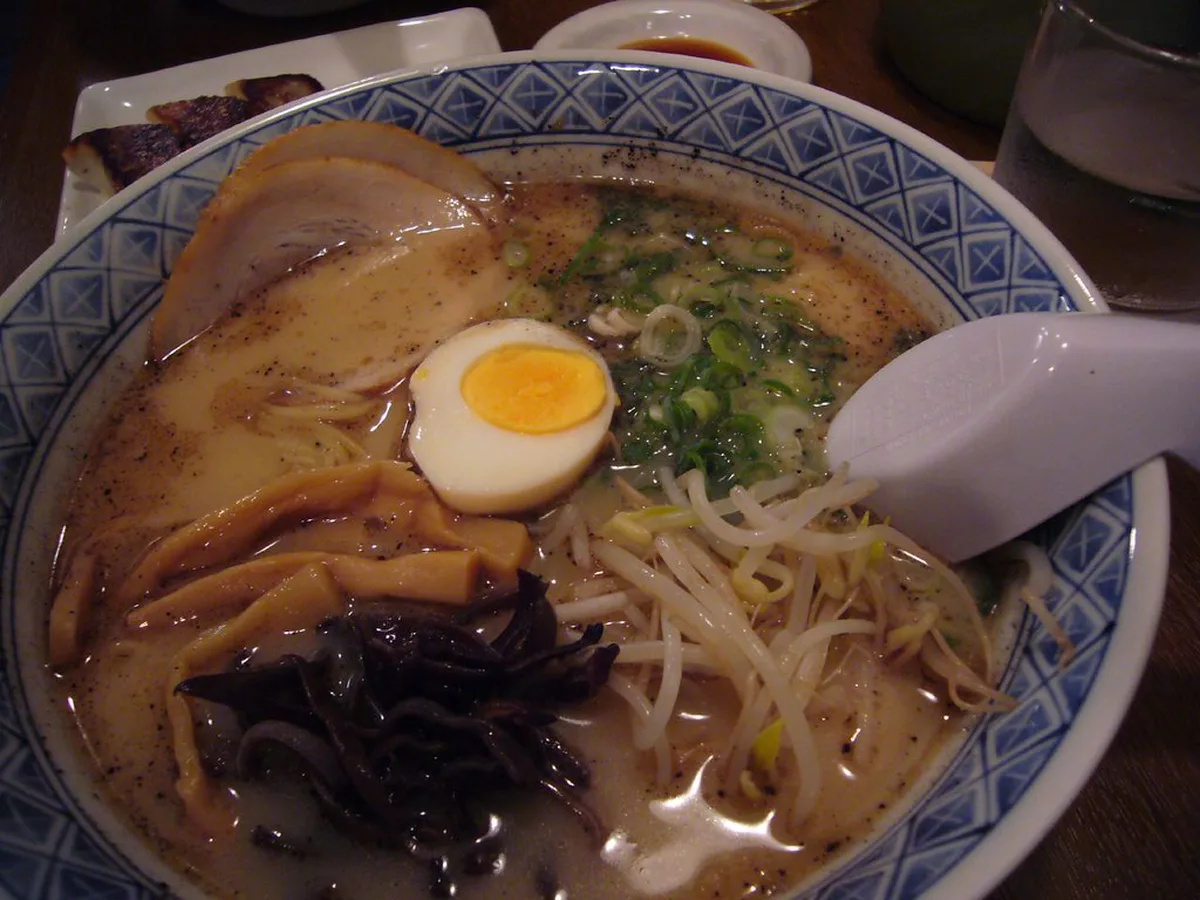
Most visitors arrive expecting something close to the Hakata-style tonkotsu they already know, but Kumamoto ramen is a genuinely different bowl. Both start with pork-bone broth, but the similarities end there. Hakata ramen uses ultra-thin straight noodles and a clean, milky broth with no additional fat. Kumamoto ramen uses thicker, slightly wavy noodles and builds on top of the broth with two distinct garlic elements: Mayu and fried garlic chips.
Mayu is the black garlic oil that defines the bowl. It is made by charring garlic until it is almost burnt, then blending it into sesame or lard to create a dark, intensely smoky paste that floats on the surface. According to Kumamoto's official tourism guide, this technique creates a fragrant depth that distinguishes Kumamoto ramen from other regional styles. The second element is fried garlic chips, which add crunch and a sharper, more immediate garlic heat. The combination gives Kumamoto ramen a layered depth that Hakata broth lacks. If you have only eaten Hakata tonkotsu before, this bowl will genuinely surprise you.
Because the garlic flavors are so assertive, the local shops balance them with thick slices of chashu pork and chewy kikurage mushrooms. The fat-to-broth ratio is higher than Hakata style, which means the bowl sits heavier and keeps you full longer. One bowl at 900 to 1,500 JPY is typically a complete meal, not a starter.
First-timers to Kumamoto ramen should arrive early (before noon) to experience the mayu (black garlic oil) at peak freshness. The oil darkens and intensifies throughout the day, so a mid-morning bowl will taste noticeably sharper than an evening one. Ask for "atatakai mayu" (warm mayu) for the most authentic flavor balance.
8 Best Restaurants and Local Foods in Kumamoto (2026)
This list covers the absolute essentials: the dishes with the deepest roots in Kumamoto cuisine and the restaurants that have earned a consistent reputation for quality. Check official websites before visiting, as hours shift during local festivals and public holidays.
Most locations are accessible by tram or a short walk from the central arcades. For day-trip venues like Aso, plan transport in advance. Arriving early at the most popular ramen shops will cut your wait from 45 minutes to under 10.
- Kokutei Ramen for Authentic Mayu Garlic Oil
- This legendary shop is the best place to experience traditional Kumamoto ramen with its signature black garlic oil.
- Expect to pay between 900 and 1,500 JPY for a bowl, and they are open daily from 10:30 to 20:30.
- Located just a short walk from Kumamoto Station, it is perfect for a meal immediately after your train arrival.
- Order the version with a soft-boiled egg and extra garlic chips to get the full flavour contrast the shop is known for.
- Sugamoto for Premium Basashi Horse Meat Courses
- Sugamoto is a specialist restaurant offering one of the most refined basashi horse sashimi experiences in the city centre.
- Dinner courses typically range from 5,000 to 8,000 JPY and the restaurant operates from 17:00 to 22:00 most nights.
- You can find this elegant spot in the Shimotori district, accessible via the Hanabatacho tram stop.
- Try the tategami (neck fat) cut alongside the standard lean cuts to understand the full range of textures the dish offers.
- Mori Karashi Renkon for Spicy Lotus Root
- This historic shop has perfected the art of filling lotus root with spicy mustard miso, a recipe with roots in the Hosokawa clan era of the Edo period.
- A single root costs about 1,200 JPY and the shop is open from 09:00 to 18:00 for both dine-in and takeout.
- The main branch is located near the castle, making it an easy stop during a day of sightseeing.
- According to Japan Travel by Navitime, the dish was originally created to restore the health of the ailing lord Hosokawa Tadatoshi.
- Ikinariya Akasaka for Sweet Potato Dumplings
- Ikinari Dango are hearty steamed dumplings filled with thick slices of sweet potato and sweet red bean paste.
- These treats are very affordable at roughly 150 to 300 JPY each and the shop is open from 09:00 to 17:00.
- This vendor is located near the beautiful Suizenji Garden, which is a perfect spot for a post-snack walk.
- Eat these while still steaming hot to appreciate the soft, chewy texture of the outer flour dough.
- Kamata Miso and Soy Sauce Brewery for Kikurage
- This brewery offers unique wood ear mushroom dishes and packaged goods that showcase the region's high-quality fermentation traditions.
- Small plates and souvenir jars cost between 500 and 1,500 JPY with standard business hours from 09:00 to 17:00.
- It is located in the Nishi-ku area, reachable by a short taxi ride or local bus from the city centre.
- The miso-pickled kikurage has a firm crunch that makes it a perfect accompaniment to a bowl of white rice or a ramen topping.
- Imakin Shokudo for Rare Akaushi Red Beef
- This famous eatery serves Akaushi Wagyu, a leaner and healthier red beef unique to the Aso volcanic region that is lower in fat than standard Wagyu but retains exceptional depth of flavour.
- A signature steak bowl costs about 2,500 to 4,000 JPY and they are open for lunch from 11:00 to 14:30.
- The restaurant requires a day trip to the Aso region; plan transport via the Hohi Line or a rental car for a smoother journey.
- Arrive at least one hour before opening on weekends as the queue can stretch to two hours by mid-morning.
- Tabaruzaka Fruit Market for Local Mikan
- This market is the best place to sample seasonal Kumamoto citrus, including the famous Dekopon orange and early-season Mikan that peak in November and December.
- Prices vary by season but expect to pay 500 to 2,000 JPY for a high-quality bag of fresh local fruit.
- The market is located in the northern Kita-ku district and is best reached by car or a 20-minute bus journey from central Kumamoto.
- Look for the Kumamon mascot stickers on the fruit crates, which mark the highest grade of locally certified produce.
- Aoyagi for a Traditional Multi-Course Feast
- Aoyagi is a high-end establishment in the heart of the city that serves Kumamoto's major specialties within a single kaiseki dinner.
- Full dinners range from 6,000 to 12,000 JPY and they are open daily for lunch and dinner service.
- You will find it right in the Shimotori arcade, making it an easy luxury option for a final night in town.
- The restaurant features traditional architecture inside, providing a quiet contrast to the busy shopping streets outside.
Basashi for First-Timers: Cuts, Pairings, and Etiquette
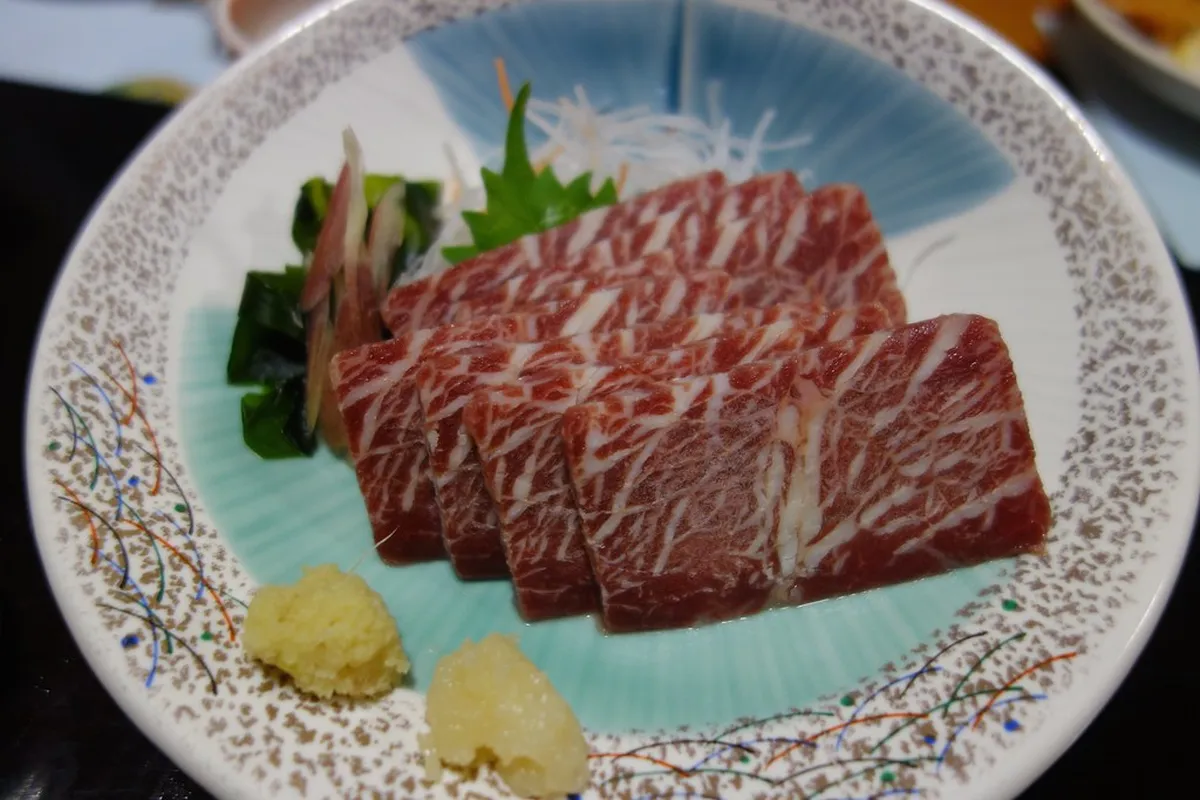
Basashi (raw horse meat) is the dish that most first-time visitors to Kumamoto feel uncertain about. The hesitation disappears quickly once you understand what you are actually eating. Quality basashi from a reputable shop is sliced thin and served cold, with a texture somewhere between high-grade beef sashimi and tuna. According to Food in Japan, horse meat is lower in fat and calories than beef while being rich in iron and protein, making it a nutritionally superior choice. The flavour is mild and slightly sweet, with none of the gaminess that people expect.
Restaurants typically offer two or three cuts on the same plate. The lean red meat cuts are the starting point: low in fat, high in iron and protein, and closest in texture to raw beef. The tategami cut, taken from the neck fat, is the more polarising option. It is almost entirely white fat that melts at room temperature, delivering a rich, buttery mouthfeel that experienced diners often prefer. Order both to compare them before committing to a favourite.
The standard accompaniment is a sweet, thicker-than-average soy sauce served alongside freshly grated ginger and minced garlic. The etiquette is simple: add ginger to the lean cuts for a clean contrast, and use garlic sparingly so it does not overwhelm the tategami. Avoid dunking the meat deeply into the sauce. A light dip is enough. Basashi is also sometimes served as horse meat sushi (ba-zushi), pressed onto seasoned rice in a similar style to nigiri, which is a good option if raw sashimi is a stretch.
One practical note: skip all-you-can-eat basashi at suspiciously low prices. Frozen or low-grade horse meat is noticeably tougher and lacks the clean sweetness of fresh cuts. A smaller portion at a specialist restaurant like Sugamoto is worth the premium every time.
Basashi first-timers often worry about food safety and texture. The secret: quality basashi is flash-frozen immediately after slaughter and kept at -30°C, making it safer than room-temperature beef. The lean cuts have a buttery, melt-in-mouth texture closer to high-grade toro (fatty tuna) than tough meat. Start with the lean red cuts, not the neck fat, to build confidence before trying the richer tategami.
Navigating the Shimotori and Kamitori Dining Arcades
The Shimotori and Kamitori arcades form the backbone of the city's social and culinary life. Shimotori is the larger of the two and is packed with izakayas and lively ramen shops. It is the best place to head after dark if you want to experience the local nightlife. Most restaurants here stay open late and offer a very energetic atmosphere.
Kamitori has a slightly more sophisticated and quieter vibe compared to its neighbour. You will find more upscale cafes, bookstores, and refined dining options along this stretch. It is perfect for a relaxed lunch or a coffee break between visiting museums. The architecture here feels a bit more European, with high glass ceilings and wide walkways.
Do not forget to explore the narrow side streets that branch off from the main arcades. Many of the best restaurants in Kumamoto are hidden in these small alleys. Look for glowing lanterns and wooden sliding doors for the most authentic experiences. These hidden spots often provide the most memorable meals of any trip.
Both arcades are conveniently located near the Sakuranobaba Josaien tourist hub. This makes it easy to transition from historical sightseeing to a heavy dinner. The tram system connects both ends of the arcades to the rest of the city. Walking the full length of both gives you a feel for the local rhythm before you commit to a restaurant.
Kumamoto Food Planning: Costs and Logistics
Budgeting for a food trip to Kumamoto is straightforward. A standard lunch will cost between 1,000 and 2,000 JPY at most local eateries. Dinner ranges from 3,000 JPY for ramen and a beer to over 10,000 JPY for fine dining. Most shops accept credit cards now, but keeping some cash for small market stalls is wise.
Reservations are strongly recommended for basashi and Akaushi Wagyu restaurants on weekends. Your hotel concierge can usually make these calls for you a day in advance. For ramen shops there is typically no reservation system, so just expect a short wait during peak hours from 12:00 to 13:30 and 19:00 to 20:30.
Transportation within the city is efficient thanks to the local tram network. A single ride costs a flat fee or you can buy a day pass for unlimited travel. Most major dining hubs are within a five-minute walk of a tram stop. The city centre is flat, which makes walking between the arcades and the castle district a reasonable option.
If you plan to visit the castle between meals, check the Kumamoto Castle guide for nearby eating tips. There are several good spots at the foot of the castle hill that let you combine sightseeing and lunch without crossing the city. For the Aso region Akaushi beef, factor in the Hohi Line train schedule or a rental car so the day trip does not feel rushed.
Frequently Asked Questions
What is the most famous food in Kumamoto?
The most famous food is Kumamoto Ramen, distinguished by its use of toasted black garlic oil called Mayu. Basashi, or raw horse meat, is also a highly celebrated local specialty. Both dishes reflect the bold and unique culinary traditions of the Kyushu region.
Is horse meat (basashi) safe to eat in Kumamoto?
Yes, horse meat is extremely safe to eat in Kumamoto due to very strict hygiene standards. Local restaurants source their meat from specialized farms that follow rigorous health protocols. It is considered a healthy, lean protein that is a staple of the local diet.
Where can I find the best Kumamoto Ramen?
The best ramen is found at Kokutei near the main station or Tengaiten in the city center. These shops are famous for their rich tonkotsu broth and heavy garlic seasoning. Most locals recommend visiting during off-peak hours to avoid the longest queues.
Kumamoto is a city that rewards those who come with a big appetite and an open mind. From the smoky depths of its garlic ramen to the refined texture of its red beef, the flavours are unforgettable. I hope this guide helps you find the perfect meal during your 2026 visit to Kyushu. The local chefs are waiting to show you why their city is a true culinary capital.
Remember to take your time and enjoy the atmosphere of the bustling arcades and quiet side streets. Food is the best way to connect with the history and people of this resilient city. Safe travels and enjoy every bite of your Kumamoto adventure.
For more Kumamoto planning, see our Hotels in Kumamoto: Top Picks & Neighborhood Guide and Kumamoto Travel Tips: The Ultimate Guide to Kyushu's Castle City guides.
Free: The Kumamoto Essentials guide
Top things to do, where to stay, a perfect day plan, getting around, and the best time to go — a Kumamoto mini-guide you can take offline.
You might also like



Continue reading
More guides you'll find useful