

11 Essential Kawagoe Street Food Stops and Tips (2026)
Discover the best Kawagoe street food with our guide to 11 must-try snacks, from grilled bonito onigiri to giant sweet potato chips in Little Edo.
On this page
Kawagoe is one of the best food day trips from Tokyo that most visitors never plan properly. The streets around Kurazukuri and Kashiya Yokocho hold over a dozen specialist shops within a 15-minute walk of each other. This guide covers all 11 essential stops with specific prices, queue advice, and a timing trick that makes the whole walk more memorable.
Travelers can reach this historic city in about 30 minutes by taking the Tobu Tojo Line from Ikebukuro Station. If you use the Seibu Shinjuku Line, pick up the Seibu Kawagoe Pass at the ticket gate — it covers the train, a local bus loop, and discounts at several participating shops for around 1,000 yen. Planning a Kawagoe Day Trip From Tokyo Travel Guide around this pass is the single biggest budget hack most guides skip. All prices below reflect 2026 rates and may vary slightly by season.
The History of "Little Edo" and Its Food Culture
Kawagoe earned the nickname "Koedo" (Little Edo) because it served as the main supply hub for the Shogunate during the Edo period (1603–1868). Merchants transported rice, soy sauce, and dried goods along the Shingashi River to the capital, accumulating enough wealth to build the black-walled kurazukuri warehouses that still line Ichibanmachi today. When overurbanization swept through Saitama after the war, Kawagoe was largely bypassed, leaving this merchant streetscape intact.
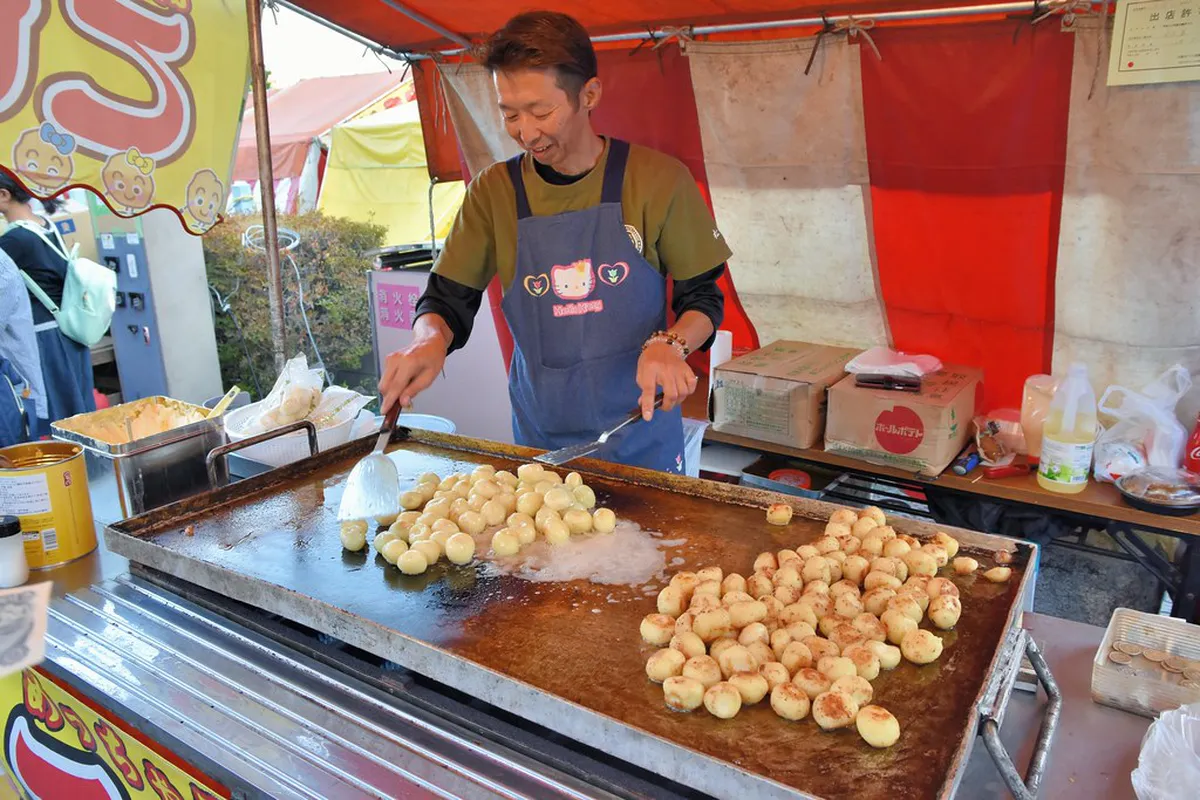
The food culture here grew out of those same trade routes. Soy sauce brewing, candy making, and preserved fish became the cornerstones of the local economy. You can still taste those roots at the Kawagoe Kurazukuri Warehouse Street: 8 Things to Know, where several shops have operated from the same buildings for over a century.
Why Sweet Potato (Satsuma-imo) Dominates Kawagoe
When rice became scarce and expensive in the late 1700s, farmers in Kawagoe turned to satsuma-imo as a reliable crop. The sandy Musashino upland soil proved ideal for growing sweet potatoes with dense flesh and concentrated natural sugar. Kawagoe became the primary supplier of this staple to Edo's snack vendors, and that agricultural identity never left.
Today the city celebrates the humble tuber in almost every imaginable form — glazed chunks, paper-thin chips, steamed cakes, soft-serve, and even craft beer. Locals judge sweet potato quality by the variety: Beniazuma for chips, Naru-to Kintoki for glazed preparations, and purple varieties for ice cream. Most shops will display the potato name on a chalkboard if you know to look for it.
Unagi: Kawagoe's Traditional Eel Specialty
Eel has been a Kawagoe staple since at least the late Edo period, when the waterways around the city teemed with freshwater unagi. The town's proximity to Tokyo made it a reliable source of grilled eel for the capital's population. Several multi-generational restaurants still serve full unaju (eel over rice) sets that can cost 3,000 yen or more per person — worth it for a special meal, but a serious time and budget commitment during a food walk.
The smarter option for most day-trippers is to try eel as street food. Kushiyaki Rinrinya, a sister shop to the long-established Hayashiya restaurant, opened in 2018 specifically to meet demand from visitors who want the flavour without the queue and the price tag. You get charcoal-grilled eel on a skewer — the same sourcing, the same basting sauce — for a fraction of the full meal cost.
Nakaichi Honten: The Famous Grilled Bonito Onigiri
Nakaichi Honten started as a fresh fish shop at the end of the Edo period and gradually shifted to dried goods after the war. The shop still sells dried bonito bars and kelp at the counter, but the main draw is now the charcoal-grilled triangular onigiri made at the front of the store. The owner grills each rice ball until the exterior is lightly browned and crispy, then brushes it with soy sauce and tops it with a generous handful of fish flakes.
Two options are always available: bonito and sardine. The bonito version is the one everyone photographs, but the sardine flake onigiri (iwashi) is worth requesting specifically. It has a saltier, more mineral flavour, and the queue for it is typically shorter because most tourists do not know it exists. Either way, expect a 15–20 minute wait on weekends. Each onigiri costs around 250 yen — prices are subject to change.
Koedo Osatsuan: Giant Sweet Potato Chips with Dip
Koedo Osatsuan's paper-thin, oversized potato slices are the most photographed snack in the city. The chips are sliced lengthwise from whole potatoes, fried until golden, and lightly salted to let the natural sweetness carry through. A large bucket costs approximately 600 yen and comes with your choice of dip.
The house soy sauce dip is the original option and costs an extra 40 yen. The salted butter dip — added more recently — does a better job of balancing the potato's sweetness and is the better choice if you are picking just one. The chocolate dip is popular with younger visitors but makes the snack very sweet very quickly. If you are ordering for a group, get one bucket plain and add two different dips on the side.
Daigakuimo Kawagoe Iwata: Traditional Glazed Potatoes
Iwata is a glazed sweet potato specialty shop with roots going back to 1930 in Taito, Tokyo. The third-generation owner relocated to Kawagoe, his wife's hometown, in 2020 and later opened a second Toki no Kane branch. The preparation stays true to the original: chunks of sweet potato are deep-fried in canola oil, glazed with sugar, and finished with black sesame seeds.
The result has a crispy outer shell and a soft, yielding centre. Small cups start at around 400 yen and are easy to share while walking. Visit before 15:00 if possible — the most popular potato varieties tend to sell out by mid-afternoon on busy weekend days.
Kawagoe Purin: Local Specialty Puddings
Kawagoe Purin serves glass-jar puddings made from local eggs, milk, and natural vanilla seeds. The flavour range changes with the season but typically includes strawberry jam, matcha with sweet black beans, sweet potato, and yuzu. The strawberry version layers diced fresh strawberries over a vanilla pudding base — the slight tartness offsets the richness well.
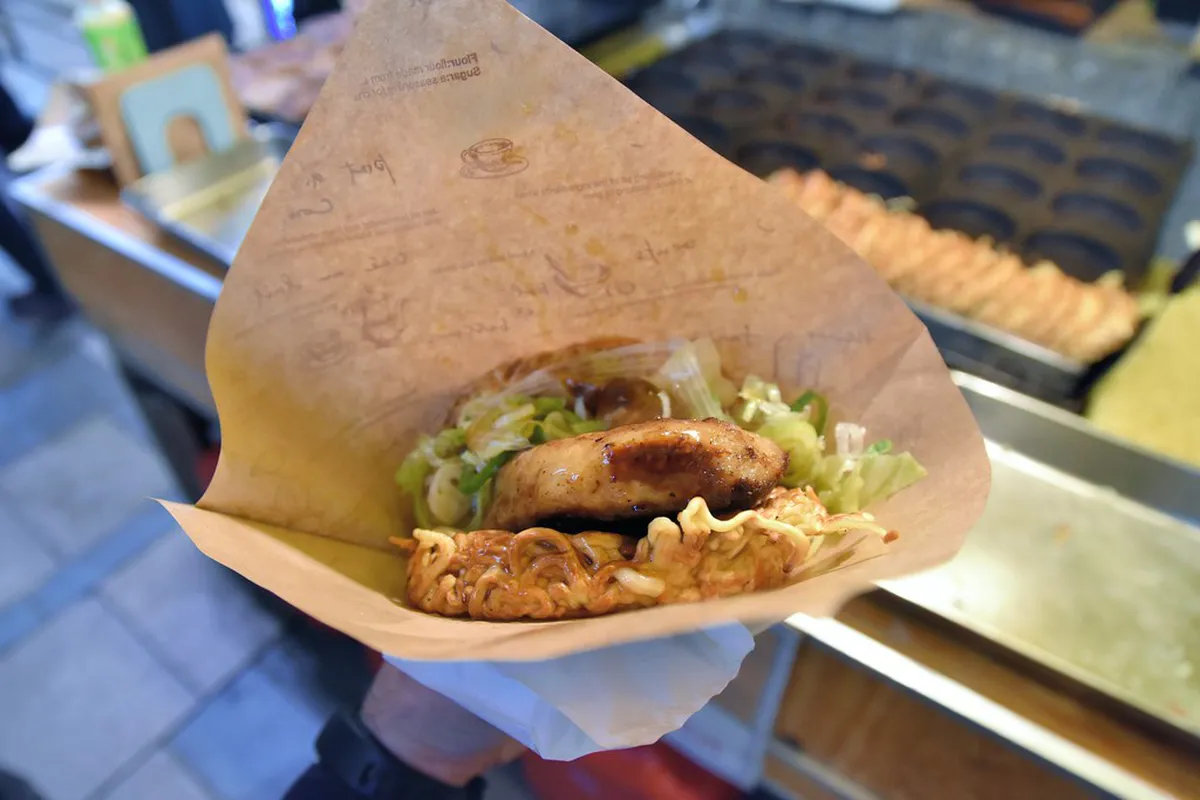
Prices run from 400 to 550 yen per jar depending on flavour. The shop also offers soft-serve in pudding, sweet potato Mont Blanc, and chocolate Mont Blanc flavours, which are popular as a lighter alternative to the jars. Pick up a jar here and eat it near the bell tower for a convenient pause mid-walk.
Kushiyaki Rinrinya: Accessible Eel (Unagi) Skewers
Kushiyaki Rinrinya is the right answer for solo travelers and budget-conscious visitors who want to taste Kawagoe's unagi tradition without committing to a sit-down restaurant. The stall, linked to the established Hayashiya eel restaurant, opened in April 2018. It offers charcoal-grilled eel skewers and eel liver skewers, along with salt-grilled sweetfish (ayu) and grilled pork dumplings.
A single eel skewer costs around 600 yen and is glazed with the same family sauce used at the parent restaurant. The stall is located near the Toki no Kane bell tower — which rings automatically at 06:00, 12:00, 15:00, and 18:00. Timing your eel skewer for one of those four bells turns a quick snack into a genuinely atmospheric moment on the street.
Imokoi from Umon: Kawagoe's Signature Sweet Potato Cake
Imokoi is one of the oldest Kawagoe sweets and the most distinctly local item on this list. The steamed bun is built in two layers: a thick slice of satsuma-imo sits below a layer of smooth red bean paste, all wrapped in a dough made from wheat and sticky rice flour. Multiple Umon branches operate along Kurazukuri Street — you can often see the buns steaming in the window.
Individual warm imokoi cost around 200 yen, making them one of the most affordable items on the walk. The chewy outer skin and the combination of sweet potato and anko is a genuinely traditional Kawagoe flavour profile that is not easily replicated elsewhere. Buy one from the street window and eat it immediately while it is still warm.
Koedo-Yaki Honpo: Bell Tower Shaped Pancakes
Koedo-Yaki Honpo makes small sponge cakes shaped like the iconic Toki no Kane bell tower. Fillings cycle between classic options — red bean, custard — and rotating specials that have included stewed beef, apple pie, black sesame, and chestnut. The shop sits close to the real bell tower on Kurazukuri Street, so the novelty of eating a miniature version of the landmark you are standing next to is part of the appeal.
A bag costs around 500 yen. They are best eaten warm from the griddle for the softest texture. If you arrive and there is a short wait for a fresh batch, it is worth it — the cooled versions still taste good but lose the airy quality that makes them special.
Bromagee: Sweet Potato Chocolate Fondant
Bromagee is run by a chocolate company that has been operating since 1981. Their Kawagoe shop leans into the local ingredient, producing an "Oimo de Chocolate" — a small square cake combining sweet potato and dark chocolate — and a separate chocolate fondant with a sweet potato cream centre. The Oimo de Chocolate version has a richer, earthier flavour from the potato, while the fondant is more conventionally sweet.
Individual pieces cost around 300 yen. The shop also sells crunch chocolate in multiple flavours, which work well as souvenirs for friends who could not make the trip. Find the shop near the entrance to the warehouse district for a quick detour at the start or end of your walk.
Kashiya Yokocho and Purple Potato Soft Serve
Kashiya Yokocho — Penny Candy Alley — is a short lane off the main street lined with small shops selling old-fashioned Japanese sweets. Most small candies cost 50–200 yen, and the shops are worth visiting even if you do not buy anything, simply for the atmosphere of watching candy makers work through shop windows. The alley is at its liveliest in the morning before the larger weekend crowds arrive.
Look for Inaba-ya Honten inside the alley, which serves thick soft-serve ice cream made with real purple sweet potato mash. A single cone costs around 400 yen and is one of the most visually striking items you can eat in Kawagoe. The 10 Best Shops in Kashiya Yokocho Candy Alley Kawagoe lane is a five-minute walk from the main warehouse street and easy to miss — look for the small wooden archway sign off Kanetsuki-dori.
Practical Tips for Your Kawagoe Food Walk
Arrive by 09:30 on weekends to beat the main crowds. Nakaichi Honten and Koedo Osatsuan both develop significant queues by midday on Saturdays. The bell tower rings at 06:00, 12:00, 15:00, and 18:00 — plan to be near Kushiyaki Rinrinya or Koedo-Yaki Honpo for one of those four times. The 15:00 bell is the easiest to target and coincides with the afternoon slow period at most stalls.
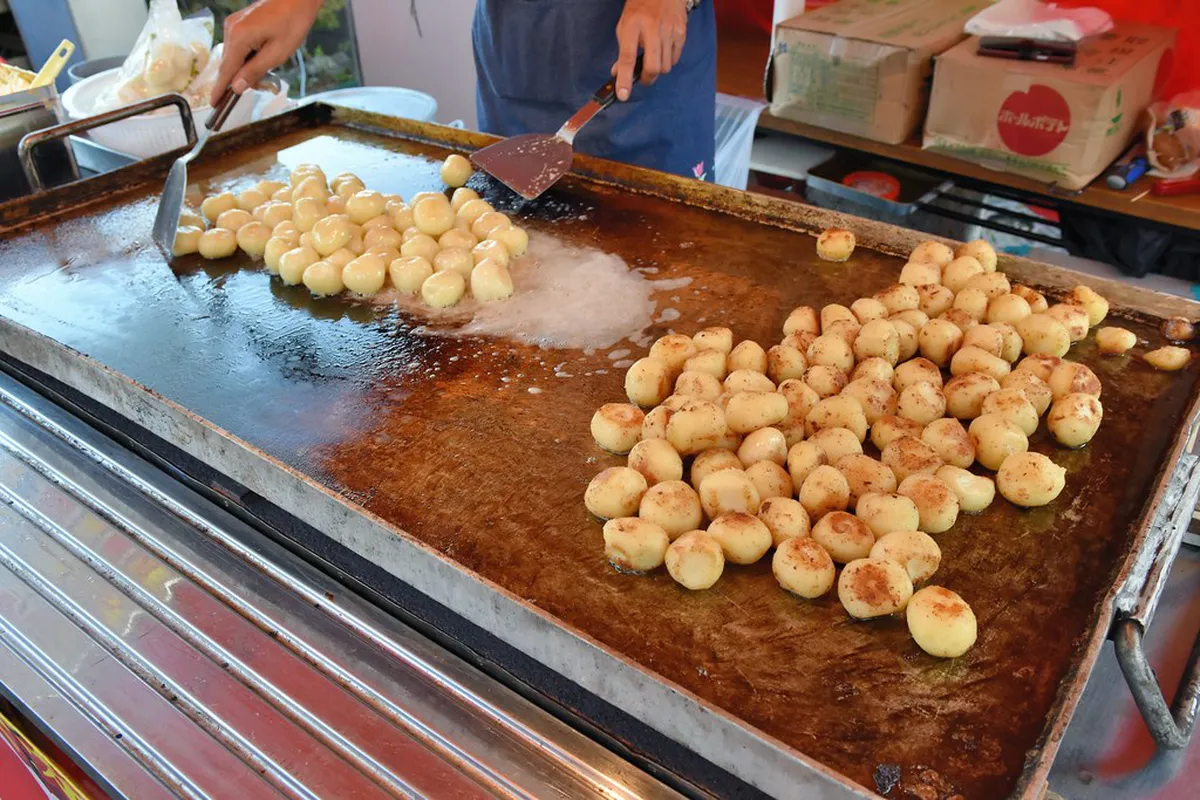
Bring cash. Most of the smaller traditional stalls on Kurazukuri Street still do not accept credit cards in 2026. A budget of 3,000 yen per person covers a comfortable tour of all 11 stops with room to spare. If you are coming from Shinjuku, pick up the Seibu Kawagoe Pass at Seibu-Shinjuku Station — it bundles the train, a local bus, and discounts at participating Kawagoe shops into one ticket, saving meaningful money on a full-day visit.
Walking with food is generally discouraged in Japan. Return wrappers and skewers to the original stall or use the small waste bins posted near most street food vendors. Following a structured Kawagoe Itinerary: The Ultimate 1-Day Guide to Little Edo keeps the walk logical and helps you balance the food stops with the short detour to Kita-in temple, which is less than 10 minutes on foot from the main street.
For the wider city context, see our complete Kawagoe tourism attractions guide.
Explore food in other cities
Frequently Asked Questions
What is the most famous food in Kawagoe?
Sweet potato is the most famous food in Kawagoe, appearing in chips, ice cream, and cakes. The city also prides itself on traditional unagi (eel) and grilled onigiri. These items reflect the region's historical role as a merchant trade hub.
How do I get to Kawagoe from Tokyo for a food tour?
Take the Tobu Tojo Line from Ikebukuro Station to Kawagoe Station in about 30 minutes. Alternatively, the Seibu Shinjuku Line offers direct access from Shinjuku. Both routes are affordable and frequent throughout the day.
Is Kawagoe street food expensive?
Most street snacks in Kawagoe are very affordable, costing between 200 and 600 yen. A full day of eating typically costs less than 3,000 yen per person. This makes it a budget-friendly alternative to Tokyo's high-end dining.
Kawagoe remains one of the most satisfying food walks near Tokyo precisely because every snack has a traceable local history. The sweet potato supply chain, the dried fish trade, the eel waterways — all of it still shows up in what you are eating as you walk past 400-year-old warehouses. The 11 stops above are the highest-value items on that walk in 2026.
Remember to bring cash, arrive early, and time at least one stop near the bell tower. Respect the local no-walking-while-eating etiquette, and return packaging to the vendor rather than dropping it in the street.
For tickets, hours, and visitor details, see our Kashiya Yokocho candy alley.
Free guide: Japan's Hidden Gems
12 under-the-radar places beyond Tokyo & Kyoto — with the best season to visit each and a local tip you won't find in the guidebooks.
You might also like


Continue reading
More guides you'll find useful


