6 Essential Things to See at Kita-in Temple Kawagoe
Discover the 500 Rakan statues and the only surviving remains of Edo Castle at Kita-in Temple. Plan your visit with our guide to history, fees, and access.
On this page
Kawagoe is famous for its Edo-style charm and ancient spiritual sites. Kita-in Temple stands as the most significant religious landmark in this historic city. It holds the only surviving original rooms from Edo Castle — rooms that were physically dismantled in Tokyo and carried 40 kilometres north to Saitama Prefecture in the 1600s. Few temples in Japan can claim that kind of story, and the 540 stone Rakan statues that fill the rear garden add another layer of mystery entirely.
The Historical Legacy of the Tokugawa Shogunate
Kita-in Temple was founded around 830 AD and grew into a leading centre of the Tendai sect of Buddhism in the Kanto region. For most of its early history it was a respected but not especially prominent temple. That changed in the early 1600s when the first Tokugawa shogun, Ieyasu, extended his personal patronage to the complex. His support elevated Kita-in to a position of national religious importance almost overnight.
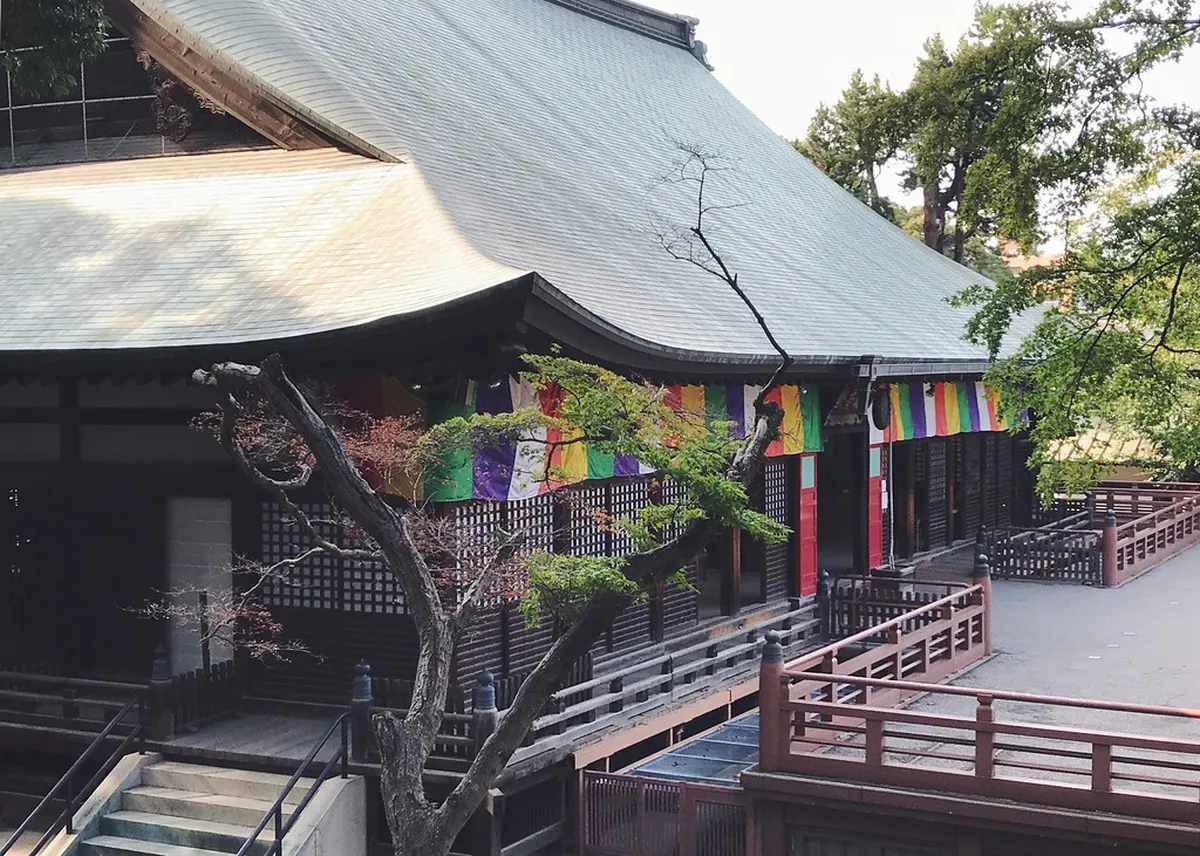
After Ieyasu's death, his remains were transported to Nikko for enshrining, and a major memorial service was held at Kita-in along the way. That stopover is why the temple hosts one of Japan's three most significant Toshogu shrines — a detail many visitors miss entirely. The connection to Ieyasu set the stage for everything that followed during the reign of the Tokugawas (1603–1868).
Kawagoe itself played a crucial economic role during this era. Positioned near the Nakasendo trade route, the city supplied timber, rice, and goods to the growing capital of Edo. This commercial importance meant the shogunate had strong reasons to protect and invest in Kawagoe's religious institutions. The modern city still earns its nickname of "Little Edo" from this period of prosperity, and Kita-in is its most direct link to that history. It remains one of the standout 12 Essential Tips and Things To Do In Kawagoe for anyone serious about Japanese history.
The Edo Castle Remains: A Relocated Masterpiece
A major fire tore through Kita-in in 1638, destroying most of the complex. The third shogun, Tokugawa Iemitsu, responded by ordering that several rooms from Edo Castle itself be donated for the reconstruction. Workers dismantled the structures and transported them approximately 40 kilometres from central Tokyo to Kawagoe — a remarkable feat even by modern standards.
The key to this achievement was traditional Japanese nail-less construction, known as Kigumi. Builders used precisely fitted wooden joints and interlocking frames rather than metal fasteners. This meant entire buildings could be taken apart like a three-dimensional puzzle, moved section by section, and reassembled without losing structural integrity. The method also explains why these rooms have survived earthquakes for nearly 400 years.
What makes this especially significant is that Kawagoe's distance from Tokyo spared these structures from both the Great Kanto Earthquake of 1923 and the air raids of World War II. The rest of Edo Castle's wooden interiors were gradually destroyed over the following centuries. The rooms at Kita-in are the only surviving original structures from the entire Edo Castle complex anywhere in the world — not copies, not reconstructions, but the actual rooms.
Inside the museum you can walk through Iemitsu's birth room, which has a distinctive floral ceiling with each panel painted with a different flower. Adjacent rooms preserved his study, kitchen, toilet, and bathing area. Photography is strictly forbidden inside all of these spaces to protect the pigments and woodwork from light damage. An English-language pamphlet is provided at the entrance and gives useful context for each room.
The 540 Unique Statues of Gohyaku Rakan
Behind the main temple building, a garden holds 540 stone figures representing the Gohyaku Rakan — the disciples of Buddha who achieved enlightenment. The statues were carved over roughly 40 years and completed around 1825. No two are identical: some laugh, some drink, some sit deep in contemplation, and a few look almost mischievous. The variety of expressions is what separates this collection from other rakan gardens in Japan, where the figures tend toward uniformity.
Local folklore attaches two distinct legends to the statues. The first involves the Chinese zodiac. It is said that finding the statue holding the animal symbol that matches your birth year will bring exceptional good luck. The man at the ticket booth speaks English enthusiastically and will help you identify which animal to look for. The second legend is stranger: somewhere in the garden there is a statue that closely resembles your own face. To find it, you must visit at night and feel each statue in the dark — the one that is warm to the touch is your match. Since the Rakan garden closes at 16:00, this test cannot actually be performed, but the story itself adds an atmosphere that a daytime visit alone cannot replicate.
The garden has its own entry point separate from the museum. You use the stub on your museum ticket to access it, tearing it off and depositing it in a box at the gate. If you only want to see the statues without entering the museum, the separate admission is ¥350. Allow at least 30 to 45 minutes to walk the full rows properly. Photography is permitted in the garden, unlike inside the castle rooms.
A few rules apply here that are worth knowing in advance. Do not touch the statues — erosion from repeated handling has already worn smooth several figures near the entrance. Tripods and professional camera equipment are not allowed. Keep food outside the garden boundary, and do not climb onto the bases of the statues or the low stone walls.
Senba Toshogu and the Temple Grounds
Senba Toshogu sits at the rear of the Kita-in complex and is one of Japan's three most important Toshogu shrines — a point that surprises most visitors who associate the name mainly with Nikko. The shrine was built as a memorial to Tokugawa Ieyasu, and while it is not open to the public, several ornate gates allow clear views of the carved and painted interior. A dirt path winds around the outer wall and gives a better vantage point than the main approach.
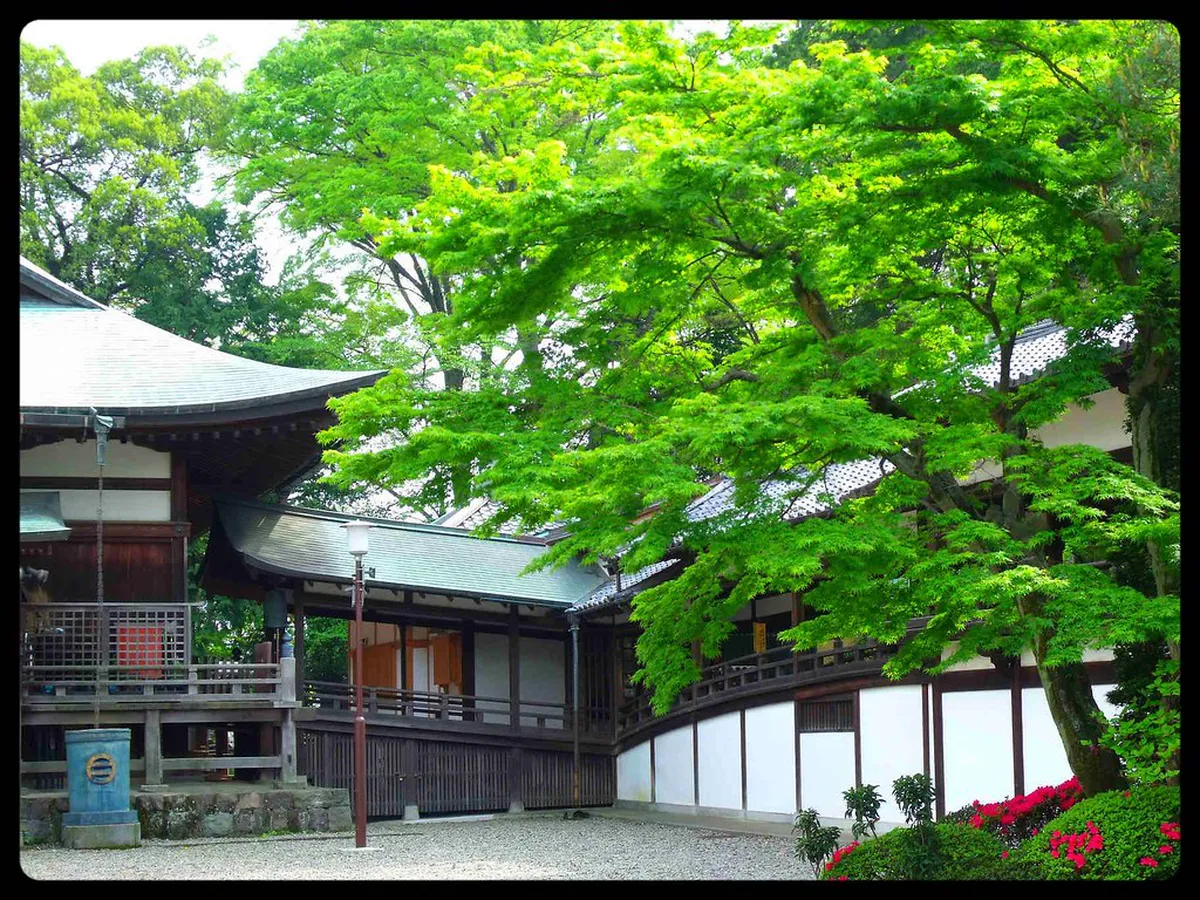
Just in front of the main Kita-in building you will find a twin-headed dragon temizuya, a water ablution pavilion. This is unusual: temizuya today are almost exclusively associated with Shinto shrines, but at Kita-in the blending of Buddhist and Shinto practice that was common before Japan's 1868 forced separation of religions is still visible in the architecture. A two-storey pagoda nearby is worth a short detour before or after visiting the museum.
Two other sites are within comfortable walking distance. The Kawagoe Hikawa Shrine Wind Chime Festival: 2026 Visitor Guide is about 15 minutes north and is famous for its wind chime festivals and romantic atmosphere — a very different mood from the historical weight of Kita-in. The Kawagoe Kurazukuri Warehouse Street: 8 Things to Know, Kawagoe's most photographed district, is a roughly 10-minute walk east. Most visitors combine Kita-in with the warehouse street in a single half-day loop.
Practical Visitor Guide: Hours, Fees, and Rules
Entry to the outer temple grounds is free at all times. The museum containing the Edo Castle rooms and the Rakan garden each require paid admission. In 2026, the combined ticket for both the museum and the Rakan garden costs ¥400 per adult. If you only want to see the Rakan statues without the museum, the standalone price is ¥350. An English pamphlet is included with the museum ticket at no extra cost.
The museum and Rakan garden close at 16:00 every day, without exception. The gate keeper enforces this to protect the Rakan statues from unsupervised evening visits. Arrive by 14:30 at the latest if you want an unhurried visit to both areas. The outer grounds and Senba Toshogu can be viewed outside these hours.
Inside the museum you must remove your shoes before entering. Plastic bags are provided at the entrance for carrying your footwear. Photography is completely forbidden inside the Edo Castle rooms — this applies to smartphones as well as cameras. The Rakan garden is the only section where photography is permitted. Maintain a quiet atmosphere throughout the complex; these are active religious spaces, not only tourist attractions.
Spring and autumn draw the largest crowds. Cherry blossoms typically bloom in the Kita-in grounds in late March or early April, making it one of the more photogenic spots in the area during that window. Maple leaves colour the garden in November. Weekday mornings in summer are among the quietest times to visit.
How to Get to Kita-in from Tokyo and Kawagoe Station
Kawagoe is roughly 40 to 50 minutes from central Tokyo by express train, making it an easy addition to any Kawagoe Day Trip From Tokyo Travel Guide. From Kita-in, the walk from Hon-Kawagoe Station on the Seibu Shinjuku Line takes 10 to 15 minutes. From Kawagoe Station on the Tobu Tojo Line it is closer to 20 minutes on foot, but local buses and the Co-Edo loop bus run regularly between the station and the temple area.
The two main train options from Tokyo use different departure stations, so your choice depends on where you are staying. The Seibu Shinjuku Line departs from Shinjuku Station. A one-way express fare to Hon-Kawagoe is around ¥700, and the Seibu Kawagoe Pass (available at the station) bundles a round trip with unlimited local bus rides for roughly the same price — good value if you plan to use the Co-Edo loop bus. The Tobu Tojo Line departs from Ikebukuro Station. An express fare to Kawagoe Station runs ¥710 to ¥970 depending on the service. Tobu also sells a discount pass that covers the round trip plus entry discounts to some Kawagoe attractions.
Neither pass is dramatically cheaper than the other. The Seibu option puts you closer to Kita-in at Hon-Kawagoe Station. The Tobu option is faster if you are coming from Ikebukuro or anywhere on the Tobu network. Check Jorudan or Google Maps for the exact routing from your accommodation. Clear English signage along the main street from Hon-Kawagoe Station makes it easy to navigate on foot without a map. The temple is also well integrated into a full-day Kawagoe Itinerary: The Ultimate 1-Day Guide to Little Edo alongside the warehouse district and Hikawa Shrine.
Frequently Asked Questions
What is the significance of Kawagoe?
Kawagoe is known as Little Edo because it preserves the architectural style of the old capital. The city served as a vital trade hub during the Tokugawa period. Visitors enjoy seeing the historic Toki no Kane bell tower and warehouse district.
What Japanese shrine has 1000 statues?
While some temples have 1000 statues, Kita-in is famous for its 540 Rakan figures. These stone disciples represent various emotional states and spiritual achievements. They are often grouped under the name Gohyaku Rakan, which translates to 500 disciples of Buddha.
What to do in Kawagoe besides the temple?
Travelers can explore the Kurazukuri warehouse street for shopping and traditional architecture. Candy Alley offers a variety of classic Japanese sweets and snacks. The city also features several beautiful shrines and local museums dedicated to Edo-period history.
Kita-in Temple Kawagoe offers a profound look into Japan's feudal past. The combination of castle ruins and stone statues creates a unique experience. Plan your visit today to discover the secrets of Little Edo.
For tickets, hours, and visitor details, see our Kita-in temple visitor guide.
Free guide: Japan's Hidden Gems
12 under-the-radar places beyond Tokyo & Kyoto — with the best season to visit each and a local tip you won't find in the guidebooks.
You might also like


Continue reading
More guides you'll find useful