

Chichibu Shrine is the central shrine of Chichibu city and one of the easiest major sights to add to a day trip from Tokyo. The grounds sit close to the town center, so first-time visitors can pair the shrine with local food, Banba Street, the Chichibu Festival Museum, or a wider loop through Nagatoro and the Chichibu mountains.
This 2026 Chichibu Shrine visitor guide focuses on the practical details that matter on the ground: what to see, how long to stay, how to get there, when to visit, and how to avoid the most common planning mistakes. It treats Chichibu Shrine as the main attraction, not just one stop in a generic Saitama itinerary.
Entry is free. Grounds 24h; office ~08:30–17:00. Most visitors can enjoy the shrine itself in 45 to 90 minutes, while a half day gives enough time for the surrounding town center and a relaxed meal.
Introduction to Chichibu: Saitama's Hidden Gem
Chichibu is a mountain-basin city in western Saitama Prefecture, known for historic shrines, local festivals, soba, silk traditions, and easy nature access. It is close enough to Tokyo for a day trip, yet different in pace: the streets around the shrine are compact, walkable, and tied closely to local worship and festival life.
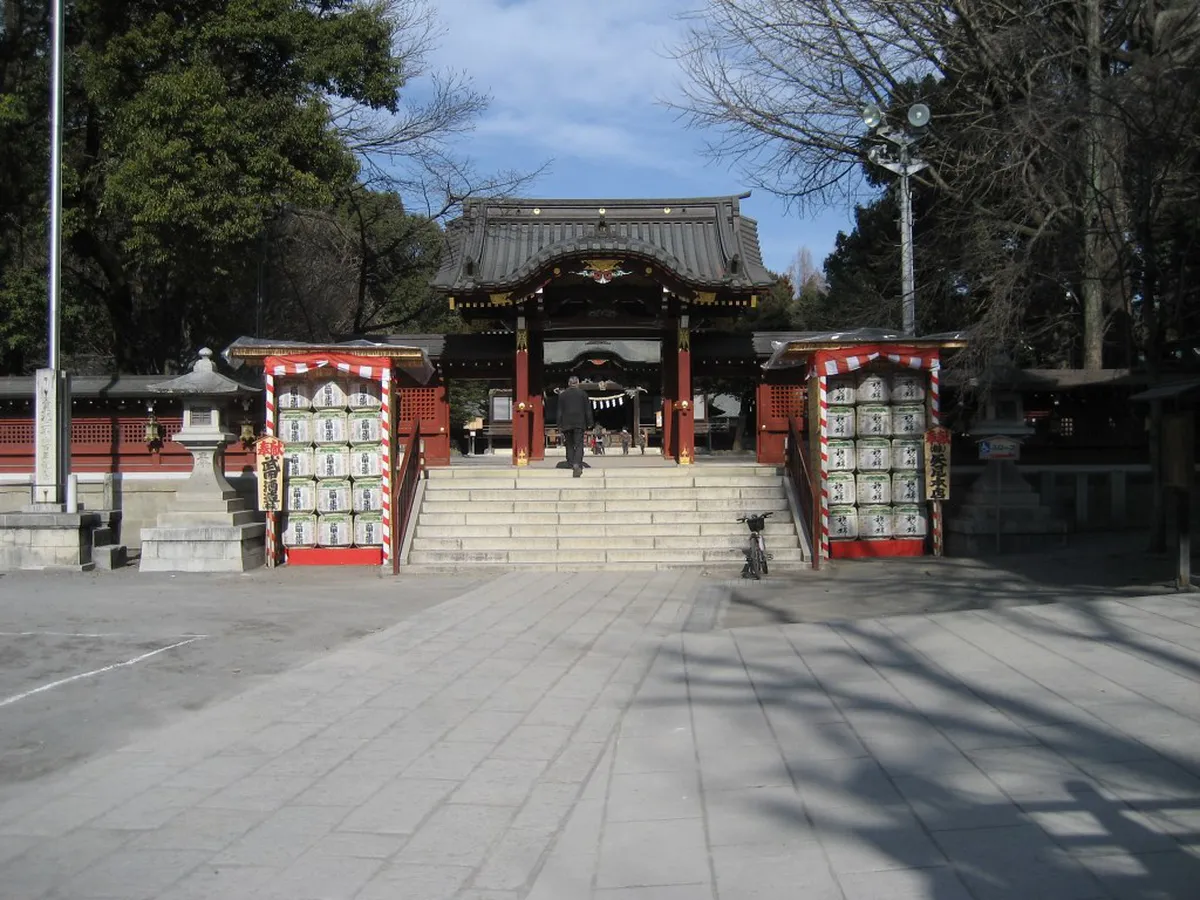
For attraction planning, think of Chichibu Shrine as the town-center anchor. Visitors with limited time can come for the shrine and lunch, while travelers with a full day can add Hitsujiyama Park, Nagatoro Gorge, Hodosan Shrine, or Mitsumine Shrine depending on season and transport timing.
Exploring Chichibu Shrine: History, Architecture, and Blessings
Chichibu Shrine celebrated its 2,100th year in 2014, so by 2026 it is more than 2,100 years old. The present shrine building was rebuilt under Tokugawa Ieyasu after earlier wartime damage and is recognized for its ornate gongen-zukuri architecture. It remains an active place of worship, not an open-air museum, so the best visit balances photography with quiet observation.
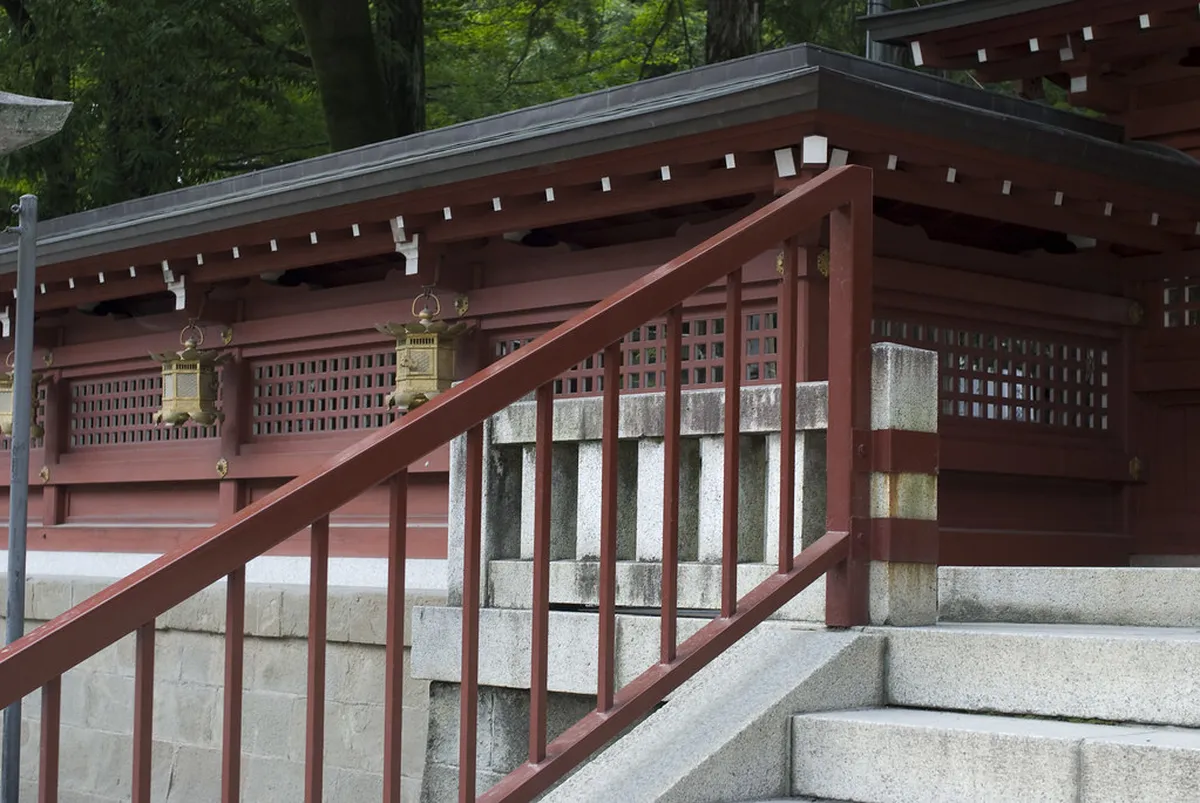
The main reason to slow down here is the carving work around the shrine building. Look for the chained dragon, the North Star owl, the child-rearing tigers, and the lively three monkeys. The details are easy to miss if you only take a front-on photo of the main hall, so walk around the building and check each side.
Visitors often pray for academic success, family safety, prosperity, and general good fortune. A simple respectful flow works well: bow before entering the shrine precinct, cleanse your hands at the purification basin if available, approach the offering area quietly, make a small offering, bow twice, clap twice, pray, and bow once more.
Top Attractions in Chichibu: Beyond the Shrine
The easiest add-ons are the sights closest to central Chichibu. Banba Street and the streets near the shrine are useful for a short stroll, local sweets, and souvenirs. The Chichibu Festival Museum is a logical indoor stop if you want context for the Night Festival without visiting in December.
For spring color, Hitsujiyama Park is the classic pairing. Its shibazakura fields are usually the main seasonal draw from mid-April to early May, and the park also gives views toward Mount Buko. This works best as a half-day shrine-plus-park plan.
For nature, Nagatoro Gorge adds river scenery, rock formations, and boat rides along the Arakawa River. For a shrine-heavy route, combine Chichibu Shrine with Hodosan Shrine in Nagatoro. Mitsumine Shrine is more remote and usually deserves its own full-day mountain itinerary.
Chichibu's Cultural Heritage: Museums and Historical Sites
Chichibu Shrine is tied to more than worship. The town has a long relationship with festival culture, silk production, folk craft, and mountain livelihoods. If the weather turns, use the shrine visit as the start of a cultural half day rather than forcing a distant outdoor plan.
The Chichibu Festival Museum is the most directly relevant stop because it explains the floats, music, and local pride behind the Chichibu Night Festival. The Chichibu Meisenkan adds context for Chichibu Meisen silk, a regional textile known for bold patterns and modern-looking color combinations.
Travelers with a car or more time can go wider: Chichibu Chinsekikan is a quirky rock museum, while Hijiri Shrine and the Wado Copper Mine area connect the region to early Japanese copper and coinage history. These are better as secondary stops after the shrine, not replacements for the main attraction.
Festival Calendar: Year-Round Celebrations in Chichibu
The shrine's biggest annual moment is the Chichibu Night Festival, held annually on December 2nd and 3rd. The event is famous for decorated floats, music, crowds, and winter fireworks, and it is recognized as a UNESCO Intangible Cultural Heritage event.
If the festival is your reason for visiting, plan differently from a normal shrine day. Book accommodation early, arrive well before evening, expect crowd controls around the station and shrine area, and avoid relying on the last possible train. December nights are cold in Chichibu, so dress for long outdoor waiting periods.
Outside festival dates, the shrine is far calmer. Spring is good for pairing with Hitsujiyama Park, autumn is comfortable for walking and foliage, and winter works well for clear air and a quieter town-center visit. In 2026, verify event schedules close to travel because local procession details, viewing areas, and transport operations can change.
A Spiritual Journey: The Chichibu Pilgrimage
The Chichibu 34 Kannon Pilgrimage is separate from Chichibu Shrine, but it shapes the wider spiritual identity of the area. It links 34 Buddhist temples dedicated to Kannon and appeals to walkers, temple visitors, history-minded travelers, and people who want a slower rural route through Chichibu.
Do not treat the full pilgrimage as a casual add-on to the shrine unless you have several days. A practical first visit is to see Chichibu Shrine, then add one or two nearby pilgrimage temples if your schedule allows. This gives a sense of the tradition without turning the day into a rushed checklist.
Best fit by traveler type: choose the shrine-only plan for a short Tokyo day trip, shrine plus nearby temples for cultural depth, and a multi-day pilgrimage plan if walking itself is the purpose of the journey.
Chichibu’s Culinary Delights: Local Food Guide
Food is one of the easiest ways to make a Chichibu Shrine visit feel complete. Waraji katsudon is the filling local staple: large pork cutlets served over rice with a sweet-savory sauce. It is best for lunch after the shrine rather than before a long walk.
Miso potato is the useful snack choice around town and festival stalls. It is simple, inexpensive, and strongly local: small potatoes with a sweet miso glaze. Chichibu soba is a better sit-down option, especially for travelers who want something lighter than katsudon.
For souvenirs, look for local sake, sweets, Chichibu Meisen textile goods, and regional snacks near Seibu-Chichibu Station or along central shopping streets. Smaller shops may prefer cash, so carry yen even if your transport card covers trains and convenience stores.
Shopping and Crafts: Unique Souvenirs from Chichibu
Chichibu Shrine sits close enough to the town center that shopping does not require a separate route. The most convenient areas are the approach streets near the shrine, the station area, and visitor-oriented shops around Seibu-Chichibu.
Chichibu Meisen silk is the craft to know before you browse. Even if you are not buying a kimono, smaller textile items make practical souvenirs and connect directly to the region's history. Local sweets and sake are easier to pack for most travelers.
Avoid leaving souvenir shopping until after a late festival night or a mountain side trip. Many smaller stores close earlier than urban shops in Tokyo, and selection is better when you browse before the return rush.
Planning Your Visit: Getting to and Around Chichibu
The most straightforward Tokyo route is from Ikebukuro to Seibu-Chichibu Station on the Seibu Limited Express, with a typical ride of about 80 minutes. From Seibu-Chichibu Station, Chichibu Shrine is a manageable town walk; from Chichibu Railway's Chichibu Station, it is much closer.
A second route is to reach Kumagaya and transfer to the Chichibu Railway. This can be useful if you are starting from another part of Saitama or if your itinerary includes Nagatoro. For most Tokyo first-timers, the Seibu route is simpler.
Use this planning logic for 2026:
- Shrine only: allow 45 to 90 minutes at the shrine, plus walking time from the station.
- Shrine and lunch: allow 3 to 4 hours in central Chichibu.
- Shrine plus Hitsujiyama Park: allow a half day, especially during shibazakura season.
- Shrine plus Nagatoro: allow a full day and check Chichibu Railway timing.
- Shrine plus Mitsumine Shrine: avoid this as a rushed day-trip combination unless you have a car and a very early start.
Day Trips from Chichibu: Kawagoe, Nikko, and More
For this attraction page, the best "day trip from Chichibu" advice is restraint. Chichibu Shrine pairs naturally with nearby Chichibu and Nagatoro sights. It does not pair naturally with distant destinations if you want an unrushed shrine visit.
Kawagoe is a better separate Saitama day trip from Tokyo than a same-day extension after Chichibu. It suits travelers who want Edo-period warehouse streets and urban history. Chichibu suits travelers who want shrine culture, mountain scenery, local food, and festival atmosphere.
Nikko is also best treated as a separate trip. It has major World Heritage shrines and temples, but combining Nikko with Chichibu in one day would sacrifice the practical value of this Chichibu Shrine guide. If you only have one free day from Tokyo, choose based on mood: Chichibu for compact local culture and Saitama mountain access, Nikko for a larger heritage complex and longer travel commitment.
Essential Visitor Information and Tips
Best time of day: visit in the morning for a quieter shrine experience, or late afternoon for softer light if you are staying nearby. Midday is fine on normal weekdays but can feel busier during spring flower season, autumn weekends, and festival periods.
Best seasons: spring for Hitsujiyama Park combinations, autumn for comfortable walking, and early December for the Chichibu Night Festival. Summer is manageable, but heat and humidity make a slower pace sensible. Winter outside festival dates is quiet and crisp.
Practical tips for 2026:
- Carry cash for charms, small shops, snacks, and older local businesses.
- Wear comfortable shoes; the shrine is easy, but a town walk plus park or station transfers adds steps.
- Keep your voice low around the worship area and avoid blocking people who are praying.
- Check return train times before dinner, especially after festival events or if you continue to Nagatoro.
- Use the Chichibu Area Tourism Organization or station visitor information for same-day maps, event changes, and bus guidance.
Frequently Asked Questions
Which Chichibu Shrine visitor guide options fit first-time visitors?
First-time visitors should focus on Chichibu Shrine itself, followed by Hitsujiyama Park during spring. Consider a boat ride in Nagatoro Gorge for natural beauty. A one-day itinerary covering these key spots is highly recommended.
How much time should you plan for a Chichibu Shrine visit?
Allocate at least two to three hours to fully explore Chichibu Shrine and its immediate surroundings. This allows time for admiring the architecture, participating in rituals, and soaking in the spiritual atmosphere. A full day is ideal for adding other local attractions.
What are the best local foods to try in Chichibu?
You must try Waraji Katsudon, a delicious pork cutlet dish, and local Miso-potato snacks. Chichibu Soba, made with local buckwheat, offers a refreshing culinary experience. Look for these specialties in local restaurants and street stalls.
How to get from Tokyo to Chichibu?
The most convenient way is by taking the Seibu Limited Express Red Arrow from Ikebukuro Station to Seibu-Chichibu Station. This direct train takes about 80 minutes. Alternatively, use JR lines to Kumagaya, then transfer to the Chichibu Railway.
What is the best time of year to visit Chichibu?
Spring (April-May) offers beautiful cherry blossoms and moss phlox at Hitsujiyama Park. Autumn (October-November) provides stunning fall foliage and pleasant weather. December is famous for the spectacular Chichibu Night Festival, a major cultural event.
Chichibu Shrine works best as a focused town-center attraction: easy to reach, free to enter, rich in carvings, and deeply connected to one of Japan's major float festivals. Give yourself enough time to walk around the building, look for the named carvings, and understand the shrine's place in Chichibu's local identity.
For a short visit, pair the shrine with lunch and souvenir shopping. For a fuller 2026 itinerary, add Hitsujiyama Park in spring, Nagatoro for river scenery, or the Festival Museum for cultural context. Save Mitsumine Shrine or Nikko for a separate day unless your schedule is unusually flexible.
For the latest official information, see the Chichibu Shrine on Wikipedia and Chichibu Shrine official site.