Nagatoro Gorge is the best-known natural attraction in Nagatoro, a riverside town in Saitama Prefecture's Chichibu area. The visit centers on three things: the Arakawa River, the broad Iwadatami rock shelves, and the traditional Nagatoro Line Kudari boat ride through the gorge. For travelers coming from Tokyo, it works well as a full-day outing when you start early, choose one main river activity, and keep lunch close to Nagatoro Station.
This 2026 Nagatoro Gorge visitor guide focuses on practical planning for the attraction itself: how to get there, what to do first, where the main sights sit around the station, when to visit, and what to book or check before leaving Tokyo. It avoids a rushed checklist and instead gives you a realistic route through the gorge, Mount Hodo, Iwadatami Dori, and nearby food stops.
Nagatoro Gorge at a Glance
Most first-time visitors should plan Nagatoro Gorge as an easy walking loop from Nagatoro Station. The station, river cruise ticket counters, Iwadatami rocks, Iwadatami Dori shopping street, restaurants, and the approach toward Mount Hodo are all close enough to combine without a car. The main planning challenge is not distance; it is timing your train transfers and river activity around seasonal operations.
- Best full-day flow: Nagatoro Station, Mount Hodo or Hodosan Shrine, lunch near the station, Nagatoro Rhine Cruise, Iwadatami rocks, Iwadatami Dori, return train.
- Best half-day flow: Nagatoro Station, Iwadatami rocks, Nagatoro Line Kudari, Iwadatami Dori, return train.
- Main attraction: Iwadatami rock formations along the Arakawa River.
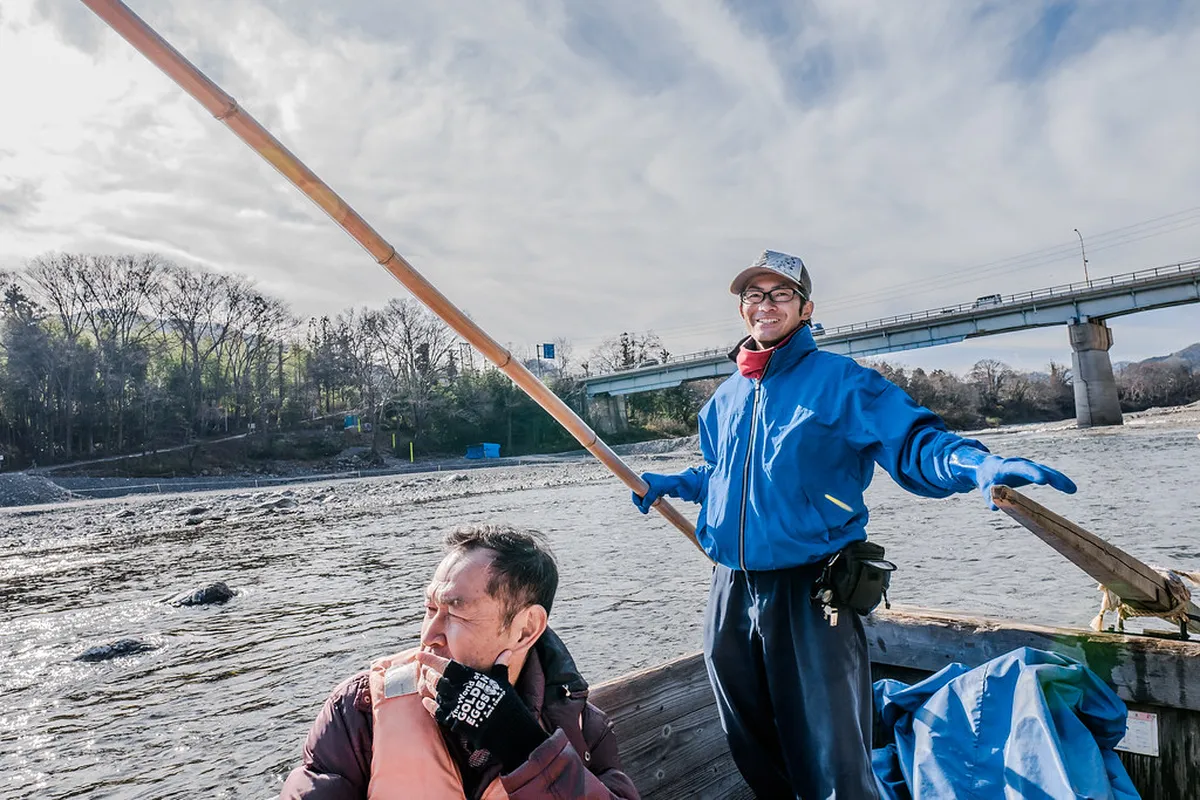
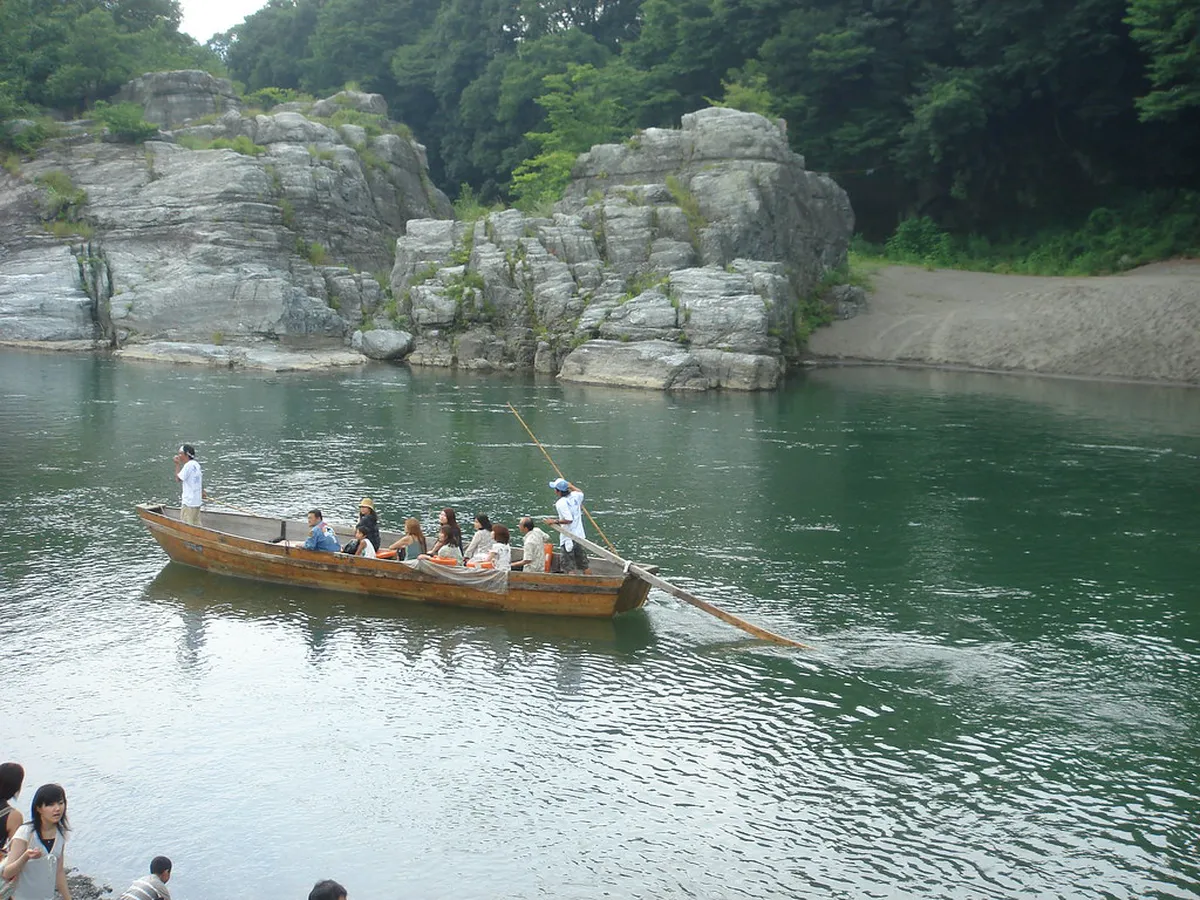
- Signature activity: traditional wooden river boat ride through Nagatoro Gorge.
- Good add-on: Mount Hodo and Hodosan Shrine when you have a full day.
Planning Your Nagatoro Gorge Day Trip from Tokyo
Nagatoro Gorge is reachable from Tokyo by train, but the best route depends on whether you value speed, comfort, or fewer transfers. The most common starting point is Ikebukuro. Always check the same-day timetable before you go, because the Chichibu Railway leg can be the limiting factor and missed connections may add a long wait.
| Route from Tokyo | Typical travel time | Best for | Notes |
|---|---|---|---|
| Ikebukuro to Seibu-Chichibu, then Ohanabatake to Nagatoro | About 1 hour 45 minutes to 2 hours plus transfer time | Comfort and an easy limited express ride | From Ikebukuro Station, you can take the Seibu Limited Express 'Laview' directly to Seibu-Chichibu Station in about 80 minutes. A reserved seat costs around ¥1,500. Once at Seibu-Chichibu Station, transfer to Ohanabatake Station (5-minute walk) for the Chichibu Railway to Nagatoro Station. This segment takes approximately 20 minutes and costs around ¥300. |
| Ikebukuro to Yorii, then Chichibu Railway to Nagatoro | About 1 hour 40 minutes to 2 hours | Budget-focused travelers | Take the Tobu Tojo Line from Ikebukuro to Yorii Station (80 minutes), then transfer to the Chichibu Railway to Nagatoro Station (20 minutes). This route is often more budget-friendly, with total fares around ¥1,200. |
| Ueno or central Tokyo to Kumagaya, then Chichibu Railway to Nagatoro | Often about 2 hours or longer | Travelers already near Ueno, Tokyo, or the JR corridor | Useful when Ikebukuro is out of the way, but compare transfers before committing. |
The overall journey could take up to 2 hours. The Chichibu Railway line typically runs two to three trains every hour. For a relaxed day, aim to reach Nagatoro Station by mid-morning. If you arrive after lunch, treat the visit as a half-day gorge walk and river cruise rather than trying to add Mount Hodo as well.
Your 1-Day Nagatoro Gorge Itinerary: Nature and Culture
A good Nagatoro day trip should keep the river as the anchor. Mount Hodo is worthwhile, but the gorge is the reason to come. The schedule below keeps the highest-priority sights close together and leaves margin for queues, lunch, photos, and train transfers.
- Morning: 9:30 AM – 12:00 PM, Ascend Mount Hodo via Ropeway.
- Lunch: Eat near Nagatoro Station or Iwadatami Dori before the main afternoon rush.
- Afternoon: 1:00 PM – 3:30 PM, Nagatoro River Cruise and Iwadatami Rocks.
- Evening: 4:00 PM – 5:30 PM, Explore Iwadatami Dori, then depart.
- Time: ~8-10 hours for a full day of exploration.
- Logistics: Purchase ropeway and river cruise tickets upon arrival. Verify last departure times.
- Optional: Visit the Saitama Museum of Natural History (open 9:00 AM – 4:30 PM, closed Mondays, ¥200 admission) near the station.
If you are traveling with children, older relatives, or anyone who dislikes rushing between transfers, skip either Mount Hodo or the museum. The gorge, boat ride, and Iwadatami rocks are the core experience.
Morning: Arrival and Mount Hodo Exploration
After arriving at Nagatoro Station, orient yourself before walking toward Mount Hodo. The station area is compact, so it is worth noting the river cruise ticket counters, the route toward Iwadatami, and the restaurants you may want to return to for lunch. If you plan to ride the ropeway, go in the morning before the day-trip crowd thickens.
The Hodosan Ropeway takes you up Mount Hodo, offering panoramic vistas of the surrounding Chichibu mountains. The ropeway operates daily from 9:40 AM to 5:20 PM (seasonal variations apply), with round-trip tickets costing around ¥850 for adults. Expect a short wait during peak seasons. At the summit, you can visit Hodosan Shrine, a Michelin-one-star rated spiritual site. The shrine grounds are free to enter and provide a peaceful setting. Allow about 1.5 to 2 hours for the ropeway ride, shrine visit, and enjoying the scenic views.
Midday: Nagatoro River Activities and Iwadatami Rock Formations
After descending Mount Hodo, make your way to the Arakawa River for Nagatoro's signature experience: a river cruise. The Nagatoro Rhine Cruise, or 'Line Kudari,' offers unique perspectives of the famous Iwadatami rock formations. These geological wonders stretch for over 600 meters along the riverbank. The boat tours typically run from early March to early December, depending on river conditions. A 30-minute cruise costs around ¥1,800. Buy tickets early on weekends, holidays, cherry blossom dates, and autumn foliage days, because the most convenient departures can fill before casual visitors arrive at the river.
Walking along the Iwadatami rocks is also a rewarding experience and should not be treated as only a photo stop. The unique striated patterns are a designated National Natural Monument, and the flat shelves give you clear views of the Arakawa River from several angles. You can access the rock formations directly from the river cruise boarding points. Wear sturdy shoes for comfortable walking on uneven surfaces, and avoid stepping close to wet edges after rain or high water.
Lunch in Nagatoro: Local Flavors and Recommendations
Nagatoro's easiest lunch zone is between Nagatoro Station, Iwadatami Dori, and the river approach. Staying in this area prevents you from losing time before the afternoon boat ride. Umedaya is a popular choice known for its traditional Japanese cuisine, including soba noodles and tempura. Expect lunch sets to range from ¥1,000 to ¥2,000. It can get busy during peak lunch hours, so arriving slightly before noon or after 1 PM is a good strategy.
Another recommended spot is Tan Ichi, which often features fresh river fish dishes. Both Umedaya and Tan Ichi provide a cozy, local atmosphere. Look for restaurants serving 'Misoyaki Don,' a local pork miso dish, for a hearty meal. Many establishments close between 3 PM and 5 PM, so plan your lunch accordingly. For a lower-effort budget plan, choose a noodle shop or snack stop on Iwadatami Dori and save your longer break for shaved ice or coffee after the gorge walk.
Afternoon: Exploring Nagatoro Town and Souvenir Shopping
After the boat ride and Iwadatami walk, use the remaining afternoon for Nagatoro town rather than adding another distant sight. Iwadatami Dori is the most convenient shopping street, connecting the station side with the river area. Many shops along Iwadatami Dori sell items like Chichibu silk products, local sake, and 'senbei' (rice crackers). Prices for souvenirs generally range from ¥500 to ¥3,000. Most shops are open until around 5 PM.
Consider trying Asamireizou shaved ice if visiting during warmer months. This famous local dessert uses natural ice and special syrups. It's a delightful way to cool down and experience a local favorite. Expect to queue for this popular spot, especially on weekends. If you are short on time, prioritize the riverfront and Iwadatami first, then shop on the way back to the station so you are not carrying purchases over the rocks.
Seasonal Highlights: Best Time to Visit Nagatoro Gorge
Nagatoro Gorge changes enough by season that the "best" month depends on what you want from the visit. Spring and autumn are the most scenic, summer is best for river energy, and winter is quietest. For 2026 planning, check event calendars and transport schedules close to your date because river conditions, blossoms, and foliage do not follow an exact calendar every year.
| Season | What to expect | Visitor tip |
|---|---|---|
| Spring, late March to April | Cherry blossoms around Nagatoro Station and along the river area. | Arrive early and expect crowded trains and restaurants on peak bloom weekends. |
| Summer, June to August | Green gorge scenery, river activities, and hot humid weather. | Bring water, sun protection, and quick-drying layers if you plan to sit near the river. |
| Autumn, October to November | Popular foliage season with warm colors around the gorge and nearby hills. | Book key activities early and leave margin for queues. |
| Winter, December to February | A quieter atmosphere and seasonal kotatsu boat experiences when operating. | Dress warmly and check river cruise operations before traveling. |
Book in Advance: Essential Nagatoro Reservations
For a smooth Nagatoro Gorge day trip, focus advance planning on the river cruise, train timing, and lunch. Same-day tickets are often available for the Nagatoro River cruises, particularly the 'Line Kudari,' but booking online or arriving early can prevent long waits during cherry blossom season, summer weekends, autumn foliage, and holiday periods. Check the official Chichibu Railway website for current booking information and schedules.
If you plan to dine at a specific popular restaurant like Umedaya, consider making a reservation, especially for groups. While not always necessary, it guarantees your preferred dining time. For special seasonal events, such as winter 'kotatsu' boat tours, booking several weeks ahead is often essential. Visitors staying overnight in the Chichibu area can be more flexible; day trippers should treat the final return train connection as a hard deadline.
Practical Tips for a Smooth Nagatoro Visit
Wear comfortable walking shoes, as you will be exploring various terrains, including rocky paths and temple grounds. Dress in layers, as temperatures can vary throughout the day, especially if you ascend Mount Hodo. Bringing a small backpack for water and snacks is also advisable. A practical 2026 day-trip packing list is simple: water, cash, IC card or train tickets, sun protection in summer, a light rain layer in unstable weather, and a small towel if you plan to do river activities.
Accessibility varies across attractions. The Hodosan Ropeway is generally accessible, but some shrine areas have stairs. The Iwadatami rock formations involve uneven surfaces, which might be challenging for strollers or wheelchairs. Check specific accessibility details on the official Nagatoro tourism website if needed. Families with strollers may find it easier to enjoy the station area, Iwadatami Dori, and river viewpoints rather than walking far across the rock shelves.
Consider renting a bicycle near Nagatoro Station for flexible exploration of the town and nearby areas. Rental costs are typically around ¥500-¥1,000 for a few hours. This offers a great way to discover nearby stops at your own pace, though it is not necessary for the core gorge visit. Many shops and restaurants in Nagatoro accept major credit cards, but having some cash on hand is always recommended for smaller vendors or rural establishments. There are ATMs available at convenience stores near the station.
Frequently Asked Questions
How long does it take to get to Nagatoro from Tokyo?
Travel time to Nagatoro from Tokyo typically ranges from 90 minutes to 2 hours 20 minutes by train. This depends on your chosen route and transfers. The Seibu Limited Express 'Laview' is the fastest option.
Is Nagatoro Gorge worth a day trip from Tokyo?
Yes, Nagatoro Gorge is definitely worth a day trip from Tokyo. It offers a refreshing escape with unique natural beauty, river activities, and cultural sites. It provides a different experience from urban sightseeing.
What are the main attractions in Nagatoro?
The main attractions in Nagatoro include the Nagatoro River boat cruise, the Iwadatami rock formations, and Mount Hodo with its ropeway and shrine. Exploring Iwadatami Dori for shopping is also popular.
Can you do Nagatoro Gorge and Chichibu in one day?
While technically possible, combining Nagatoro Gorge and central Chichibu in one day is very rushed. We recommend dedicating a full day to Nagatoro to fully enjoy its attractions. Consider staying overnight in Chichibu for a more relaxed experience.
What is the best way to travel to Nagatoro?
The best way to travel to Nagatoro is by train from Tokyo, using either the Seibu Line or the Tobu Tojo Line. Both offer convenient connections to Nagatoro Station. Check current schedules for the most efficient journey.
Nagatoro Gorge is strongest as a nature-focused day trip: ride or watch the Arakawa River boats, walk the Iwadatami rock shelves, eat near the station, and add Mount Hodo only if your schedule has enough room. For the smoothest visit in 2026, confirm river operations before leaving Tokyo, reach Nagatoro by mid-morning, keep cash available, and build your day around the gorge rather than trying to cover every Chichibu attraction at once.
For official details, visit the Nagatoro Gorge on Wikipedia and Nagatoro Gorge official site.