

Nagatoro Gorge Travel Guide
Plan nagatoro gorge with top picks, neighborhood context, timing tips, and practical booking advice for a smoother trip.
On this page
Nagatoro Gorge (長瀞) sits about 80 kilometres northwest of central Tokyo in Saitama Prefecture, carved by the Arakawa River through layers of ancient rock. It is a designated national scenic spot and natural monument — one of the few places in Japan where a geology scholar and a first-time tourist will find equal reasons to linger. The cliffs reach roughly 20 metres, the river between 20 and 50 metres wide, and the pace unhurried enough to fill a rewarding day without a car.
Most visitors arrive from Ikebukuro in around 90 minutes and spend the day cycling between Mount Hodo, the river cruise, and the Iwadatami rock platform before the shops close by 17:00. This guide covers every stop in order, with train fares, ticket prices in yen, and one practical warning that catches most first-timers off-guard before they even board the train.
Getting to Nagatoro from Tokyo
The fastest route from Ikebukuro is the Seibu Line express "Laview" to Seibu-Chichibu Station (about 80 minutes), then a short hop on the Chichibu Railway to Nagatoro Station (20 minutes). Total fare is roughly ¥2,180 one way. If you are coming from Ueno, take the JR Ueno-Tokyo Line to Kumagaya (about 60 minutes), transfer to the Chichibu Railway local, and ride 50 minutes to Nagatoro — about ¥1,950 one way. The Chichibu Railway also runs direct weekend trains from Ikebukuro departing at 07:05 and 08:05 on weekends and holidays.
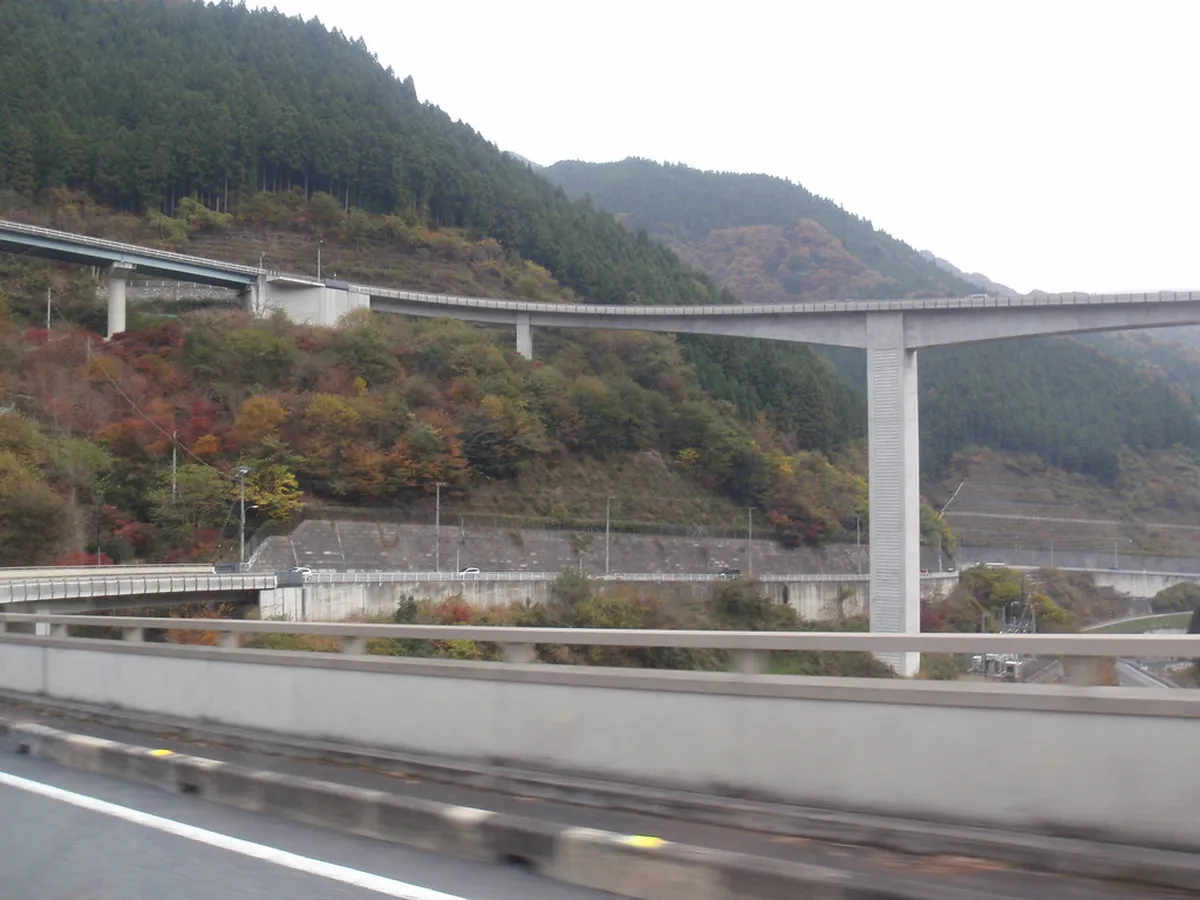
One critical point that catches many first-timers: IC cards such as Suica and Pasmo are not accepted on the Chichibu Railway. Buy a paper ticket at any Chichibu Railway station or purchase the Chichibu Free Pass before boarding. The pass covers unlimited Chichibu Railway travel plus discounts on the ropeway and river cruise — worth calculating if you plan to do several paid attractions in one day.
Aim to reach Nagatoro Station by 10:00. A free visitor information centre on the right as you exit the station hands out maps and can arrange bicycle rentals. Nagatoro Station itself is over a century old and was selected as one of the Top 100 Stations in the Kanto Region — its wooden building and original windows are worth a brief pause before you head out.
Morning: Mount Hodo, Ropeway, and Shrine
Mount Hodo (Hodosan, 497 metres) is 2 kilometres west of central Nagatoro and the logical first stop because a free shuttle bus runs from in front of the visitor centre from 10:30. The Hodosan Ropeway (¥1,200 round trip) carries you to the summit in about five minutes and holds the distinction of operating the oldest aerial lift cabins still in use in the Kanto region. Only two cabins serve the summit each hour, so queue early in peak season.
At the top, a 700-metre walk from the ropeway station reaches the observatory with wide views over the Chichibu mountain ranges. The summit also has a small zoo where deer and monkeys can be seen up close — an unexpected draw for families. The Okumiya rear shrine, a five-minute walk past the torii gate, commemorates the 1,900-year-old legend of Prince Takeru-no-Mikoto surviving a mountain fire; its guardian statues are dogs rather than the usual lions, which makes it genuinely different from most mountaintop shrines.
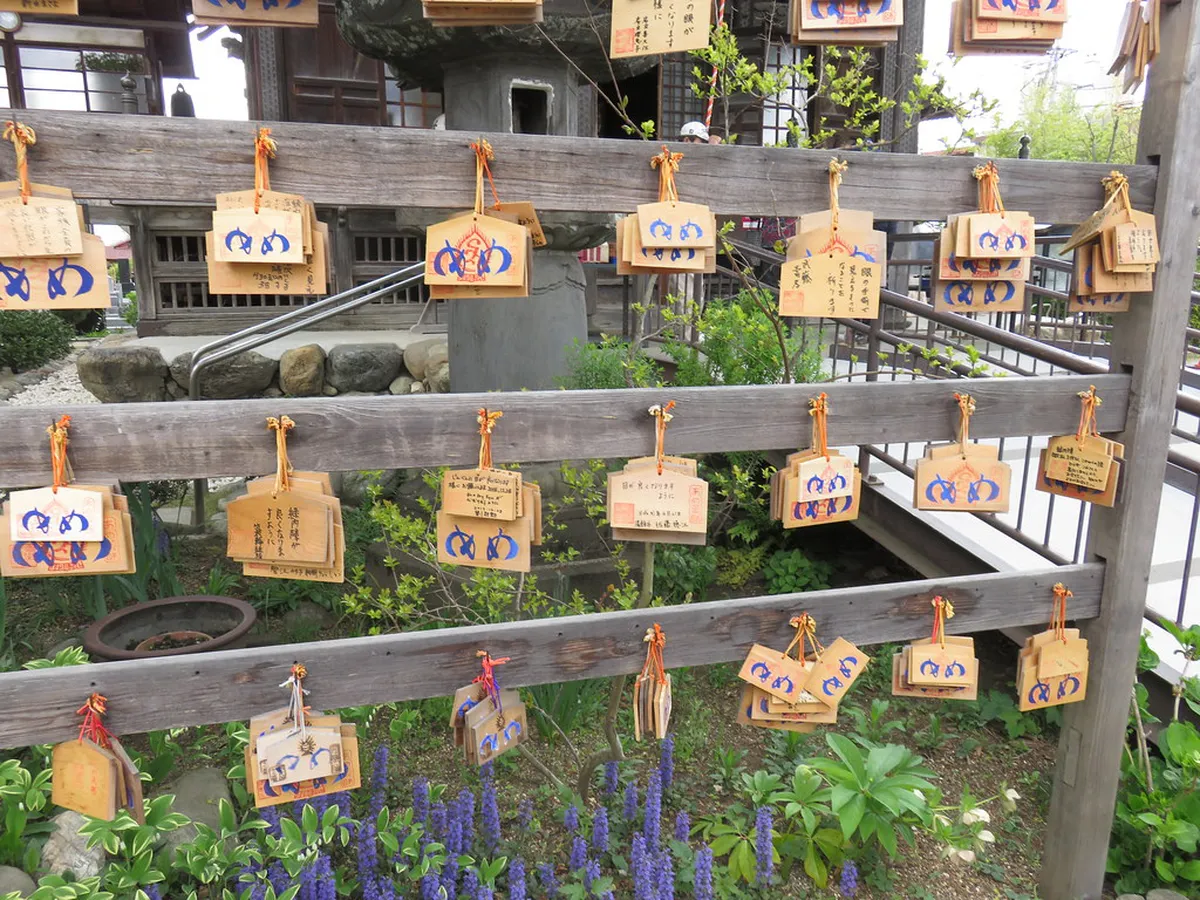
Back at the ropeway base, turn left toward the main Hodosan Shrine, listed one star in the Michelin Green Guide Japan. The shrine is one of the Chichibu Sansha (Three Famous Shrines of Chichibu) and a 10-minute walk from the ropeway station. Its elaborately carved panels and stone lanterns make it one of the most photogenic shrines in Saitama. During spring, the approach is framed by cherry blossom trees. During mid-to-late November, the grounds are illuminated at night for autumn foliage viewing.
Midday: Lunch Options Near Iwadatami
Two contrasting restaurants serve the main sightseeing stretch. Umedaya occupies a refurbished 100-year-old home near the shrine — its signature seasonal tofu lunch set (silken oboro tofu, rice, miso soup, and tofu-based side dishes) is entirely vegan and costs ¥1,350, with drinks and desserts for ¥270–¥520 more. Lunch is served until 14:00 and the restaurant is closed on Wednesdays.
Tan Ichi, at the far end of the shopping district near the Iwadatami formations, specialises in ayu sweetfish. The ayu meshi set (¥2,200) arrives as grilled ayu steamed with rice and dashi in an iron pot — a dish closely tied to this river region. Soba and shaved ice are also on the menu for ¥550–¥1,540. Tan Ichi works equally well for dinner, but reserve a table in advance for evening visits.
For quick snacks along the way, look for Fukuroya's sumanju — a large palm-sized steamed bun filled with moderately sweet anko — and the hand-baked teyaki senbei rice crackers at Marubutsu Nagatoro Raijindo. Both sell out early on busy days. The miso potato (tempura steamed potato with sweet miso sauce) is the area's signature B-class gourmet dish and is available at several stalls along Iwadatami Dori.
Afternoon: Nagatoro Rhine Cruise and Iwadatami
The river cruise is the centrepiece of a Nagatoro day. The Nagatoro Rhine Cruise (¥2,000 on regular days, ¥2,200 on peak days) divides into two 20-minute courses steered by expert boatmen on traditional wooden craft. Course A begins upstream and ends at Iwadatami; Course B begins at Iwadatami and ends downriver, with a shuttle return to the ticket shop. Each course covers roughly 3 kilometres, alternating between calm stretches and short rapids. A life vest and tarp are provided. Wear clothes you can get wet. The cruise does not run on days with heavy rain — check the official website or the operator's X account before you go.
For those who want more time on the water, the same area also supports rafting, kayaking, canoeing, and SUP. Rafting operates from early March through December; heated kotatsu boat cruises replace rafting during the winter months. Operators cluster near Nagatoro Station and accept online bookings or same-day walk-ins. Course A of the rafting includes the "Kotaki no se" torrent, a photogenic rapid that appears frequently in travel media.
After the cruise, walk directly onto Nagatoro Iwadatami — the flat rock platform five minutes on foot from the station. The formations resemble stacked tatami mats; they were created by large-scale movement of the Earth's crust and are visited by geology scholars from across Japan (the area is sometimes called "the window of the Earth"). The rock surface has no artificial barriers and contains crevices, so watch your footing. The cliff face rises about 20 metres and the platform stretches for 500 metres — enough space to spread out even on a busy weekend afternoon.
Riding the Paleo Express Steam Locomotive
The Paleo Express is the closest operational steam locomotive to the Tokyo metropolitan area and has been designated one of Japan's "100 Local Lines." It runs the Chichibu Railway between Kumagaya Station and Mitsumineguchi, passing through Nagatoro. The train only operates on weekends and holidays, so check the Chichibu Railway schedule before your trip. Large panoramic windows make the journey through the Chichibu Mountains a sightseeing experience in itself.
For the best view of the locomotive's top, sit in the non-reserved car directly behind the engine. If you are not riding, the Oyahanabashi Bridge is the prime spot for photographing the train as it crosses the river — a favourite frame for photographers during cherry blossom season when the track approach to Hodosan Shrine is lined with blossoms.
Iwadatami Dori: Shopping, Shaved Ice, and Souvenirs
The one-kilometre Iwadatami Dori shopping district runs from Nagatoro Station to the river. It is a good thirty-minute browse at a relaxed pace, with souvenir stalls, handicraft shops, and a handful of cafes. Most shops close by 17:00, so plan the shopping leg into your late afternoon rather than the evening.
Asamireizou, the shaved ice specialist at Nagatoro 781-4, uses only natural ice with house-made syrups and has a strong reputation among dedicated shaved ice fans across Japan. People travel from outside Saitama specifically to visit. Expect queues in summer. It is worth the wait if you are visiting between June and September.
For a quieter stop, Book Cafe Gallery PNB-1253 offers hot drinks in a reading-friendly environment. Nagatoro et Galet (Nagatoro 447) is a French-inspired cafe famed for galettes made with miso-preserved pork sausage — an unexpected flavour combination that works. The soba-making experiences available at a couple of operators on this strip are a good wet-weather fallback or a family activity: Nagatoro's restaurants are known for Chichibu soba, and making your own adds a half-hour of structured activity to the day.
Museums and Culture Worth Your Time
The Saitama Museum of Natural History is a four-minute walk from Kami-Nagatoro Station (one stop north of Nagatoro Station on the Chichibu Railway). It documents 300 million years of regional geology, with fossil displays, a large prehistoric forest diorama, and mineral and wildlife specimens from the Chichibu area. The exhibits directly explain the rock formations you have been walking on all day. Admission is modest; the museum is typically closed on Mondays. Allow 60–90 minutes.
The Former Arai Family Residence is eight minutes' walk from Nagatoro Station and is designated a National Important Cultural Property. The building is an Edo-period headman's residence constructed from layered chestnut boards with a shingled roof — it now operates as a museum of local sericulture (silkworm farming). It is a compact stop that takes under 30 minutes but grounds the landscape in human history that the geological museums cannot provide.
Nagatoro has a festival calendar worth planning around. The Chichibu Yomatsuri (Night Festival) is one of Japan's top three float festivals and a National Important Intangible Folk Cultural Property, held in December. The summer Funadama Festival sends roughly 1,000 paper lanterns floating down the Arakawa River opposite Iwadatami, with fireworks launched from the opposite bank — an evening spectacle that none of the main sightseeing spots replicate, and a compelling reason to time a summer visit for that specific weekend.
Seasonal Timing: Cherry Blossoms and Autumn Leaves
Nagatoro has been selected as one of Japan's Top 100 Cherry Blossom Viewing Sites. Over 3,000 cherry trees are planted around the town, with peak bloom running from late March through late April. Three distinct bloom windows occur across the season due to different tree varieties — check local forecasts for precise timing. The 2.5-kilometre Kita Sakura Dori and the Minami Sakura Dori (where the Paleo Express passes through a canopy of blossoms near Hodosan Shrine) are the standout spots.
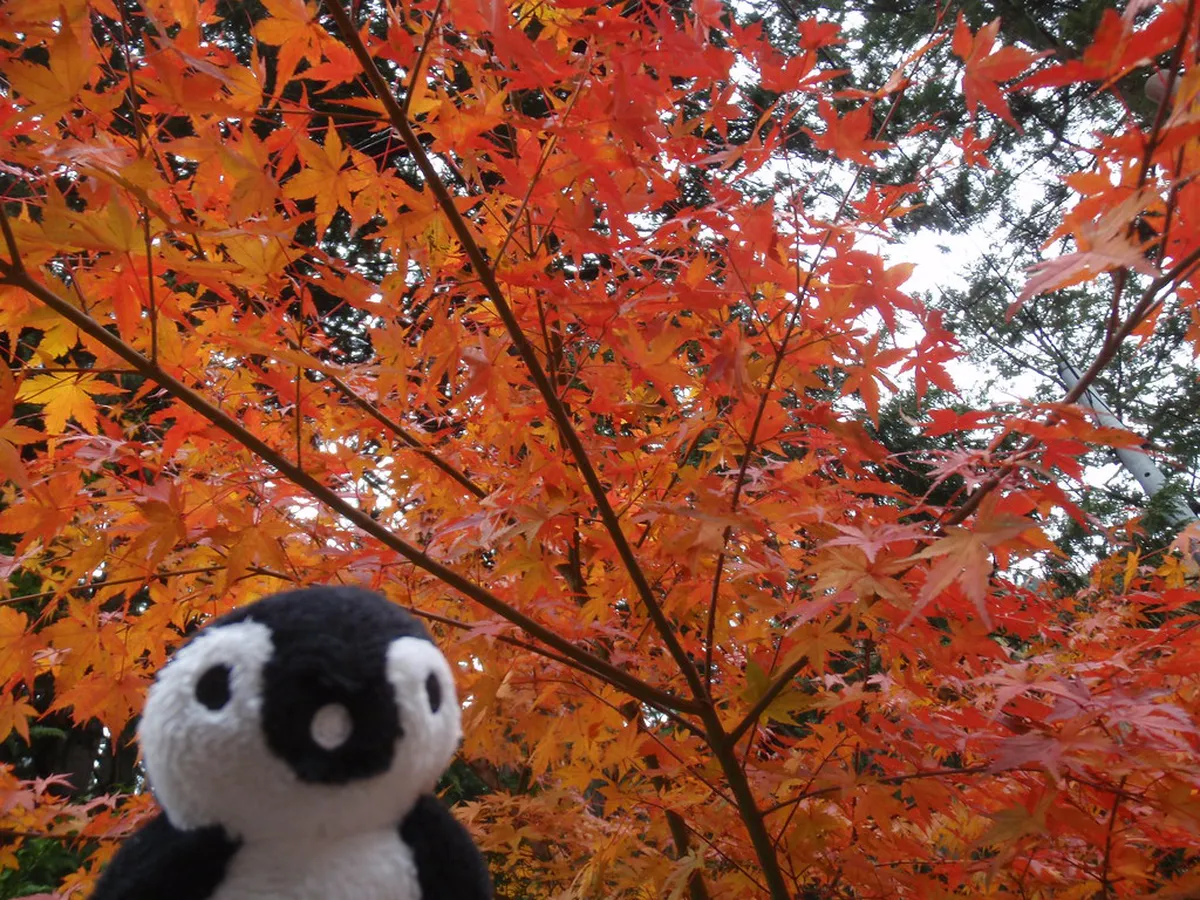
Autumn colour typically arrives from late October through early December. Momiji Park, five minutes from the station, is the most famous foliage spot and is illuminated at night during the peak season. The combination of red leaves against the pale rock of Iwadatami is one of the most-photographed views in Saitama. Book river cruises and any in-demand accommodation well in advance for both seasons — demand rises sharply, particularly on weekends.
Summer is a good time for the river activities, shaved ice at Asamireizou, and clear-sky stargazing: the low light pollution around Nagatoro gives a strong view of the Milky Way, particularly in winter. Weekday visits in any season mean noticeably smaller crowds. The Rhine Cruise and ropeway both run across all four seasons, with heated kotatsu boats in winter replacing the rafting operation.
Family-Friendly and Budget Considerations
A full Nagatoro day — ropeway (¥1,200), Rhine Cruise (¥2,000), lunch (¥1,350–¥2,200), train return from Ikebukuro (¥2,180 x2) — lands in the ¥8,000–¥10,000 range per adult. Children's fares and entry discounts reduce family totals. The Nagatoro Auto Camp sits on the Arakawa River bank, roughly 20 minutes by car from the Hanazono Interchange — it has tent sites, cabins, and distinctive train-carriage cabin accommodation, and is one of the few places in the area that makes sense as an overnight stay rather than a day trip base.
Walking the Iwadatami rock platform, visiting Hodosan Shrine (no admission fee), and browsing Iwadatami Dori are all free. The Former Arai Family Residence charges a small entry fee. For families with younger children, the mountaintop zoo at Hodosan — deer and monkeys accessible on foot from the ropeway top station — adds a hands-on element that the geological attractions alone do not provide.
Nagatoro works without a car. Free shuttle buses connect Nagatoro Station to the Hodosan Ropeway area from 10:30. The station, Iwadatami, and the shopping district are all within a 10-minute walk of each other. Bicycles can also be taken onto the Chichibu Railway on weekdays without folding — a useful option for those who want to explore the valley beyond walking distance. The visitor information centre at the station handles rental bicycles as well. See the Chichibu day trip guide for broader Saitama planning if you want to combine Nagatoro with other stops in the region.
Off the Beaten Track: Kakashi no Sato and Beyond
Near the Chichibu Railway's terminus at Mitsumineguchi Station is Kakashi no Sato ("Scarecrow Village"), a historic post town where the first scarecrow was erected about 15 years ago to protect a vegetable garden. Dozens of scarecrows now populate the village, many modelled on current or former residents. The local school closed years ago, and the scarecrows have effectively re-populated the declining community — it is a distinctly odd and quietly moving place. Allow an extra hour and a short additional train ride if you want to add this to your itinerary.
The Matsuri no Yu onsen in Chichibu, directly adjacent to Seibu-Chichibu Station, is a practical final stop before the train back to Tokyo. It operates as an onsen complex with male and female-only sodium-chloride spring baths, a food court, and a shopping section for local specialties. The second-floor hanamiyu (flower viewing baths) are worth visiting during cherry blossom season. An onsen stop here turns the return journey into something more restorative than a tired commute. This is also where you can pick up remaining souvenirs if you missed anything along Iwadatami Dori.
For broader planning in the Chichibu area, including Mitsumine Shrine and Hitsujiyama Park's shibazakura, a day in Nagatoro pairs well with a second day exploring those spots — they are accessible on the same Chichibu Railway line without backtracking to Tokyo.
Frequently Asked Questions
What is the most beautiful gorge in Japan?
Many consider Nagatoro Gorge among Japan's most beautiful gorges. Its unique Iwadatami rock formations and clear Arakawa River are stunning. Other contenders include Kurobe Gorge and Takachiho Gorge. Nagatoro offers easy access from Tokyo, making it a popular choice.
Is Nagatoro worth visiting?
Yes, Nagatoro is definitely worth visiting for its natural beauty and outdoor activities. The river cruises, hiking trails, and charming shopping district offer a full day of enjoyment. It is an excellent escape from city life. Many visitors find it a refreshing change of pace.
What country is Nagatoro from?
Nagatoro is located in Japan. Specifically, it is in Saitama Prefecture, near the city of Chichibu. This region is known for its beautiful natural landscapes. It is a popular destination for both domestic and international tourists.
Is Saitama a prefecture in Japan?
Yes, Saitama is indeed a prefecture in Japan. It is part of the Greater Tokyo Area, located northwest of Tokyo. Saitama Prefecture offers a mix of urban centers and natural attractions. Nagatoro Gorge is one of its most famous natural sites.
Nagatoro Gorge repays a full day at almost any time of year. The ropeway, river cruise, Iwadatami rock platform, and Hodosan Shrine form a core itinerary that takes six to seven hours at a comfortable pace. Layer in the Paleo Express, a soba-making session, or the Funadama Festival for a more immersive visit. Start early, carry cash for the Chichibu Railway, and plan around the 17:00 shop closing time. The combination of easy Tokyo access and genuine natural spectacle makes it one of Saitama's strongest day trip destinations in 2026.
For tickets, hours and visitor details, see our Nagatoro Gorge Day Trip Itinerary & Visitor Guide from Tokyo and Chichibu attractions hub.
Free guide: Japan's Hidden Gems
12 under-the-radar places beyond Tokyo & Kyoto — with the best season to visit each and a local tip you won't find in the guidebooks.
You might also like


Continue reading
More guides you'll find useful


