

Things To Do In Chichibu Travel Guide
Plan things to do in Chichibu with top picks, neighborhood context, timing tips, and practical booking advice for a smoother trip.
On this page
Chichibu sits about 80 kilometres west of central Tokyo in Saitama Prefecture, surrounded by mountains that have drawn pilgrims and weekend travellers since the Edo period. The city punches well above its modest size: a UNESCO-recognised winter festival, one of Japan's most dramatic spring flower displays, genuine craft whisky, and river gorges that stay cool even in August.
This guide covers must-see attractions, seasonal highlights, food, how to get there without a car, and how to structure your day whether you have five hours or two full days.
Key Takeaways
- Prioritize early morning visits for popular shrines and natural attractions.
- Utilize public transport from Tokyo for a car-free, convenient journey.
- Don't miss local specialties like Warajikatsu for an authentic culinary experience.
Must-See Chichibu Attractions
Chichibu Shrine Travel Guide anchors the town centre and is the starting point for most visits. Built in the 6th century and rebuilt in its current elaborate form in 1584, the shrine is famous for the "midnight procession" — the climax of December's Chichibu Night Festival when six floats climb the steep Dango Slope. Outside festival season the carved panels depicting hidden animals (look for the back panel facing north) reward a slow walk around the main hall. Entry to the shrine grounds is free.
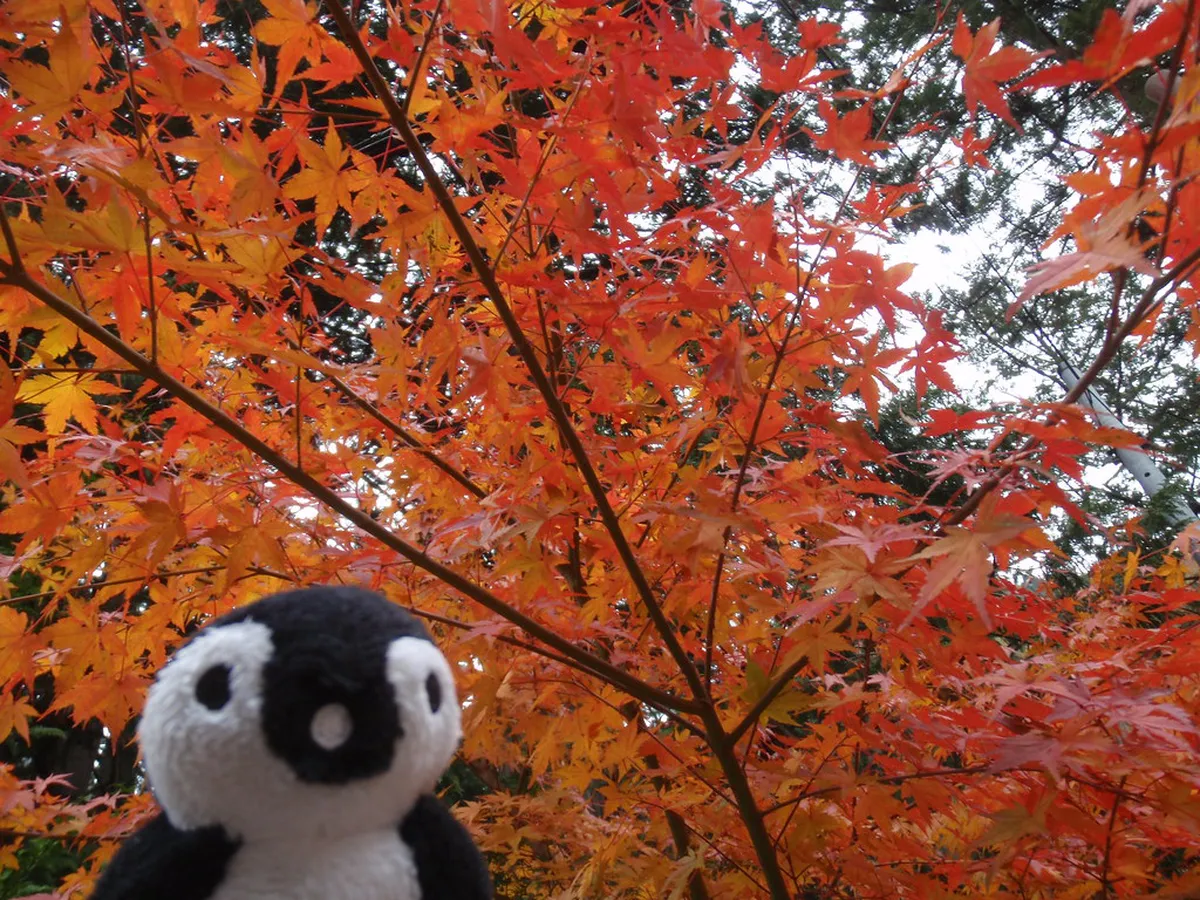
Mitsumine Shrine requires more effort: a 40-minute bus ride from Seibu-Chichibu Station followed by a steep entrance approach. At 1,100 metres above sea level the temperature is noticeably cooler, and the cedar avenues leading to the main gate are among the most atmospheric in the Kanto region. Allow three hours minimum for the round trip from central Chichibu.
Hitsujiyama Park hosts the Shibazakura Festival each April to early May. Around 400,000 plants of pink, white, and purple moss phlox cover a hillside that the tourism board accurately calls the "Pink Carpet of Japan." Entry during the festival period costs ¥300. Outside the flower season the park is free and a pleasant place for a walk.
The Chichibu Night Festival Travel Guide takes place on 2–3 December each year. It is one of Japan's top three float festivals and holds UNESCO Intangible Cultural Heritage status. Six elaborately decorated floats — two kasaboko flower parasols and four yatai — parade through lantern-lit streets before the fireworks finale. Check the official Chichibu Night Festival website for 2026 exact times and transport advisories, as train services fill quickly.
Museums, Art, and Culture in Chichibu
The Chichibu Festival Hall at 2-8 Banba-machi is the clearest entry point into the Night Festival for visitors who cannot attend in December. Full-size floats are displayed on the ground floor alongside explanations of the kasaboko construction process. A sound-and-light show recreates the festival atmosphere in a small theatre. The experience runs about 45 minutes and is one of the most efficient cultural stops in the city.
Chichibu was historically a post town — a shukuba — where pilgrims, traders, and travellers rested on long overland routes. Several smaller museums in the town centre document this era through farming tools, silk-production equipment (the region was a major silk supplier in the Meiji period), and maps of the old pilgrimage circuit that connected 34 Kannon temples across Chichibu. A circuit map from the Tourism Information Center lets you walk a shortened version of the route in half a day.
Local galleries near the station periodically show work by Saitama-based artists, with a particular concentration of ceramics and woodblock prints. These spaces have no admission fee and are worth a quick look while moving between main sights.
Parks, Gardens, and Outdoor Spots in Chichibu
Nagatoro Gorge lines a stretch of the Arakawa River between Nagatoro Station and Takasago Bridge. The Iwadatami rocks — a flat, fractured basalt shelf that genuinely resembles tatami mats — are the most photographed feature and accessible on foot from the station in under 10 minutes. Traditional pole-boats run the rapids in warmer months; the ride lasts around 20 minutes and costs approximately ¥1,600 per person.
The Chichibu Geopark covers much of western Saitama and contains geological formations spanning 500 million years. For a manageable introduction, the trail from Nagatoro Station along the river bank passes annotated rock outcrops with explanations in Japanese and English. No guide is needed for this section; more technical circuits require joining a scheduled tour through the geopark centre.
Mount Buko (1,304 metres) is the area's most accessible serious hike, taking roughly five hours round trip from Urayamaguchi Station on the Chichibu Railway. The limestone summit is also the reason Chichibu Wine, the local winery operating since 1940, cites the soil composition in its bottles. Views from the ridge extend on clear days to the Tokyo skyline.
Chichibu Distillery and Local Drinks
Ichiro's Malt whisky, produced at the Chichibu Distillery on the eastern edge of town, has won international awards and commands prices at auction that rival Scottish single malts. The distillery is small — annual production is a fraction of mainstream Japanese brands — which is both its appeal and its constraint. Distillery visits require advance reservation and are not always available to walk-in visitors. Check the official booking calendar before building your itinerary around it; spaces for English-language tours in 2026 are limited and fill weeks ahead.
If the distillery is fully booked, bottles are sold at several shops near Seibu-Chichibu Station and at some local izakayas that stock the Chichibu label alongside the more widely available Saitama beers. This is a worthwhile stop for anyone with an interest in Japanese craft spirits — no other day-trip destination within 90 minutes of Tokyo has a whisky distillery at this quality level.
Chichibu Wine, the older of the two local producers, offers guided vineyard tours and tastings of five to six wines. Advance booking is also recommended. The winery sits at the base of Mount Buko, making a combined half-day with a short hike feasible for those with energy.
What to Eat in Chichibu
Warajikatsu is the dish most closely associated with Chichibu. Two large pork cutlets — marinated in a salty-sweet tare sauce before breading, so the flavour penetrates rather than sitting on the surface — arrive on top of a bowl of rice. The cutlets are shaped roughly like waraji straw sandals worn by Edo-period travellers, which explains the name. Several restaurants within a short walk of Chichibu Shrine serve it; expect to pay around ¥900–¥1,200 for a standard portion.
Soba made with local mountain water is the other staple. Chichibu buckwheat benefits from the area's cold winters and clean water supply, and a number of dedicated soba shops in the town centre offer both hot and cold preparations. Combine with sansai (wild mountain vegetables) tempura for a meal that reflects the surrounding landscape.
Miso potato — fried potato pieces coated in sweet miso paste — is sold at stalls near major attractions and at the Seibu-Chichibu Station food court. It costs ¥200–¥300 and makes a practical snack between sites. For something more substantial, look for local sake breweries offering tasting sets alongside small food menus.
What to See in Chichibu After Sakura Season
Summer (June–August) brings the gorge into its most active period. River activities in Nagatoro — kayaking, canyoning, and longer rafting runs — are bookable through operators near the station. The mountain altitude keeps temperatures a few degrees below Tokyo, which makes afternoon hikes feasible even in July.
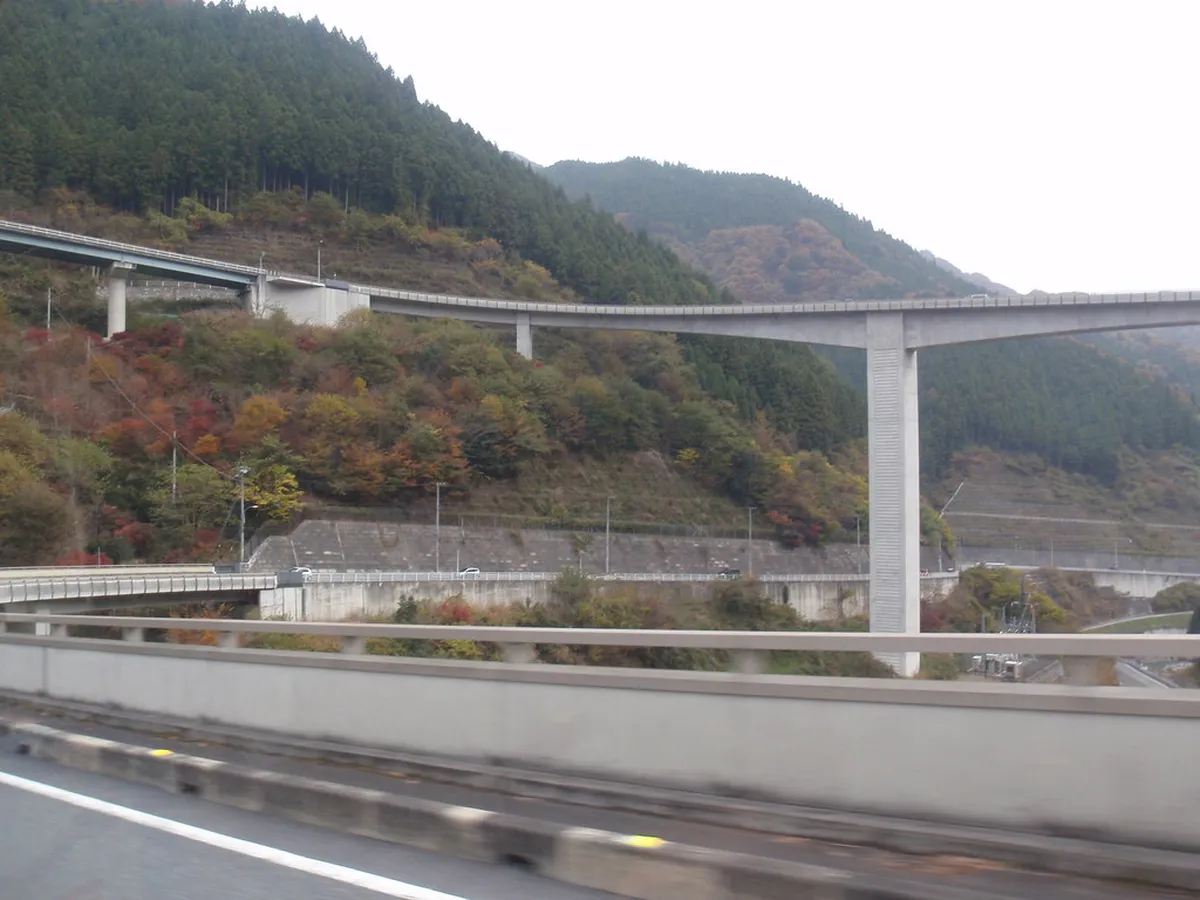
Autumn foliage typically peaks in Chichibu between late October and mid-November. Mitsumine Shrine, set among old-growth cedars and maples, is the most dramatic location; the approach avenue turns a deep red that contrasts with the white shrine buildings. The Nagatoro gorge walls also colour well, and boat operators run autumn foliage cruises with slightly adjusted commentary.
Winter centres on two spectacles. The Chichibu Night Festival on 2–3 December is the anchor event. A few weeks later, from early January through late February, the Misotsuchi Icicles form along a valley wall in Okuchichibu. The natural ice formation measures 10 metres tall and 30 metres wide; the adjacent artificial icicle wall — created by diverting spring water over the cliff face — reaches 25 metres tall and 55 metres wide. Both are illuminated with blue, white, and green lights after dark. Entry costs ¥200 for visitors aged 12 and over, ¥100 for primary school students, with proceeds going to preservation. The site is accessible by seasonal bus from Mitsumineguchi Station.
Year-round, the Matsuri no Yu hot spring complex directly beside Seibu-Chichibu Station provides a reliable wind-down after a day outdoors.
Family-Friendly and Budget-Friendly Options in Chichibu
A full day in Chichibu is achievable for under ¥3,000 per person excluding transport. Chichibu Shrine Travel Guide grounds are free. Hitsujiyama Park costs ¥300 only during the Shibazakura Festival period and is free the rest of the year. Hiking trails to Nagatoro's Iwadatami rocks and around Mitsumine require no entrance fee, though the Mitsumine bus adds cost.
The Chichibu Festival Hall charges a modest admission and is one of the best-value cultural stops in the region for families with children. The sound-and-light show is loud and engaging without requiring Japanese language ability. Combine it with a Warajikatsu lunch nearby for a morning that keeps all ages occupied.
Bicycle rental is available from the Chichibu Tourism Information Center near the station. Riding between the shrine, the festival hall, and Hitsujiyama Park takes under 20 minutes each way and suits children comfortable on a bike. The terrain is flat in the town core; avoid cycling toward Mitsumine or up mountain trails.
How to Get to Chichibu from Tokyo (No Car Needed)
The fastest and most convenient route is the Seibu Ikebukuro Line from Ikebukuro Station to Seibu-Chichibu Station. Limited express services (Laview) run the journey in approximately 80 minutes and cost around ¥780 for the limited express surcharge on top of the base fare. Standard express trains take 90–100 minutes and cost less. Trains run roughly every 30 minutes throughout the day; early departures before 08:00 give you the best chance at seats on busy weekends.
A second option is the JR lines from Tokyo or Ueno to Kumagaya, then the Chichibu Railway to Seibu-Chichibu or Mitsumineguchi stations. This route suits travellers with a JR Pass. The Chichibu Railway section adds about 70 minutes from Kumagaya; the full journey from Tokyo Station runs around two hours.
Within Chichibu, the Chichibu Railway connects the main town to Nagatoro (15 minutes, ¥330) and Mitsumineguchi for the Mitsumine bus connection. Bicycles cover the flat central area effectively. Taxis are available but rarely necessary for the standard tourist circuit. This is a reliable Tokyo day trip that works without a car at any time of year.
Walk Through the Town to Chichibu Shrine
The walk from Seibu-Chichibu Station to Chichibu Shrine takes around 20–25 minutes on flat ground and passes through the historic shukuba district. Old merchant buildings line sections of the route, some converted into cafés and craft shops. The former post-town layout is still legible if you look at the spacing of the buildings and the width of the main road.
Along the way, small shops sell miso potato, waraji footwear (the genuine straw version, sold as souvenirs), and local sake. A few covered arcades shelter the walk in rain. The path is fully accessible by wheelchair as far as the shrine's outer torii; the inner approach has some gravel sections that require care.
The shrine itself rewards a slow circuit. The three main carvings — the Owl of Wisdom on the left side of the main gate, the Sleeping Cat, and the Invisible Elephant — are easily missed by visitors who go straight to the main hall. Arrive before 10:00 to avoid the school and tourist group traffic that peaks mid-morning. Early morning light also photographs the vermilion gate panels far better than midday sun.
Extend Your Chichibu Day Trip to Nagatoro
Nagatoro is 15 minutes east of central Chichibu on the Chichibu Railway (¥330 one way). Most visitors combine it with a Chichibu morning, moving to Nagatoro after lunch. The two areas feel different enough to justify the short trip: Chichibu is cultural and shrine-focused; Nagatoro is almost entirely outdoors.
The Iwadatami rock shelf along the Arakawa River is the centrepiece. Pole-boat rides through the gorge below start near Nagatoro Station and run April through November, weather permitting. The boats carry around eight passengers, trips last 20 minutes, and the commentary (in Japanese) covers the geological history of the rock formations. Even without the boat ride, the riverside path past the Iwadatami is one of the most scenic 30-minute walks in Saitama.
The Nagatoro Hodosan Shrine sits on a ridge above the gorge and adds a short steep climb to the itinerary. It is less visited than Chichibu Shrine and correspondingly quieter. If you have energy after the gorge walk, the shrine approach through cryptomeria trees takes about 20 minutes from the valley floor. Allow at least two to three hours in Nagatoro before the return train to Tokyo.
How to Plan a Smooth Chichibu Attractions Day
A single day from Tokyo works well if you arrive before 09:00. Take the Laview limited express from Ikebukuro, walk to Chichibu Shrine before the crowds, spend an hour at the Festival Hall, eat Warajikatsu near the shrine for lunch, then take the Chichibu Railway to Nagatoro for the afternoon. Return on the Seibu Line from Seibu-Chichibu Station; last limited express departures toward Ikebukuro run around 20:00–21:00.
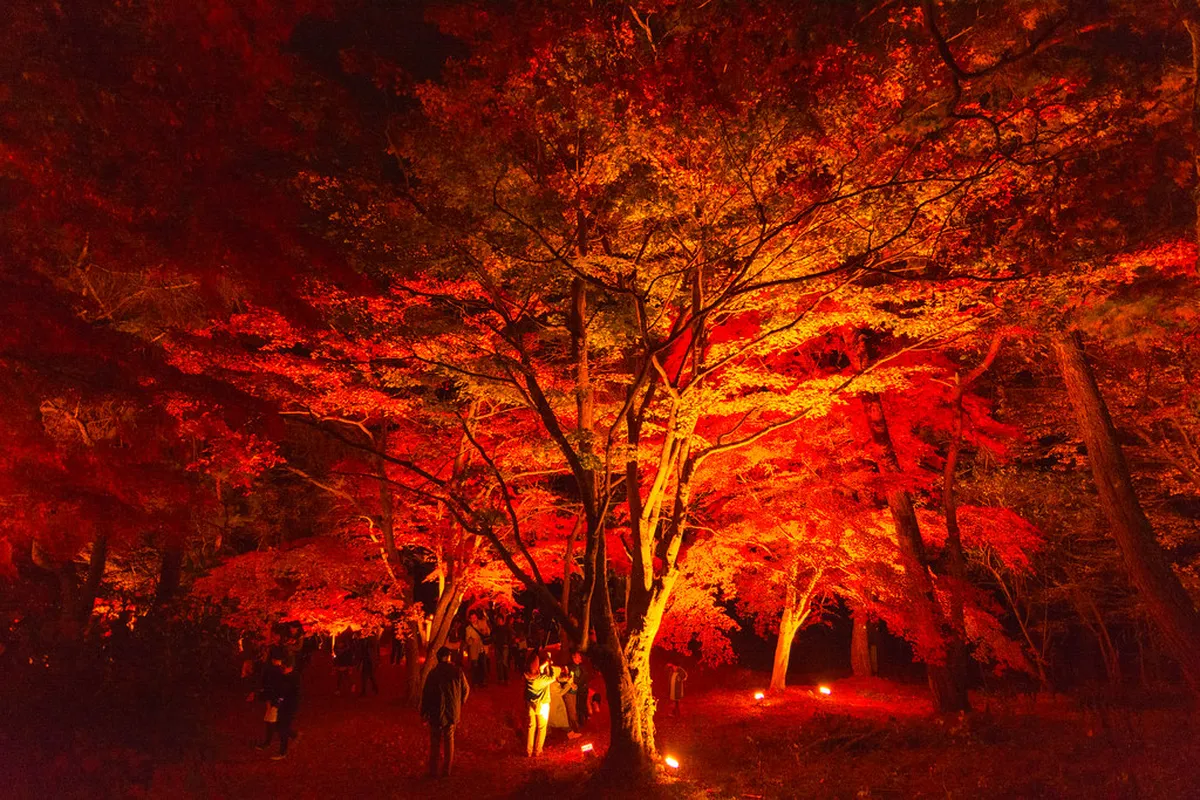
Two days opens up Mitsumine Shrine for day one and Nagatoro plus the distillery or winery on day two. Staying overnight in Chichibu also lets you experience the town at dusk and early morning, when the shrine approach and the old shukuba streets are almost empty. Several small ryokan operate near the station; booking at least two weeks ahead is advisable for weekend stays.
Seasonal timing shapes the itinerary more than most destinations. Spring prioritises Hitsujiyama Park. Summer means river activities. Autumn means Mitsumine foliage and early November is uncrowded. Winter means planning around the December festival or the January–February icicles. Each season has a clear anchor attraction. The Chichibu Day Trip From Tokyo Travel Guide guide breaks down each season in more detail.
Practical notes for 2026: check the Seibu Rail Pass options, as the Chichibu area pass covers limited express surcharges and can reduce total transport cost on a two-day trip. The Chichibu Tourism Information Center near Seibu-Chichibu Station provides current maps, bus timetables, and bicycle rental in English.
Going deeper on this theme? Our What to Eat in Chichibu guide covers it in detail, with the practical planning this page leaves out.
Frequently Asked Questions
Is Chichibu worth visiting?
Yes, Chichibu is definitely worth visiting for its blend of natural beauty, cultural sites, and seasonal festivals. It offers a refreshing escape from city life with stunning landscapes and historical shrines. Many travelers enjoy a Chichibu Day Trip From Tokyo Travel Guide.
What can you do in Chichibu?
In Chichibu, you can visit ancient sites like Chichibu Shrine and Mitsumine Shrine. Explore natural wonders such as Nagatoro Gorge and Hitsujiyama Park. Enjoy seasonal festivals, local cuisine, and relaxing hot springs like Matsuri no Yu.
What food is Chichibu famous for?
Chichibu is famous for 'Warajikatsu', a delicious breaded pork cutlet served with a sweet and savory sauce. Other local specialties include soba noodles, miso potatoes, and various sake breweries. These local foods offer a true taste of the region.
What to do near Seibu Chichibu station?
Near Seibu Chichibu Station, you can immediately access Matsuri no Yu hot spring complex for relaxation. The Chichibu Festival Hall is also a short walk away. You can also begin your stroll to Chichibu Shrine from here.
Chichibu rewards visitors who look past the headline attractions. The Night Festival and shibazakura are worth the trip alone, but the distillery, the shukuba walk, and the Misotsuchi icicles give the destination genuine depth across all four seasons.
Whether you have a single day from Tokyo or a relaxed two-day stay, Chichibu covers culture, outdoor activity, food, and craft drinks within a manageable area. Plan around one seasonal anchor and build the rest of the day around it. The transport links make last-minute adjustments easy.
Explore More Chichibu Guides
In-depth guides for planning your Chichibu trip.
Browse the Chichibu attractions hub for detailed visitor guides:
Free guide: Japan's Hidden Gems
12 under-the-radar places beyond Tokyo & Kyoto — with the best season to visit each and a local tip you won't find in the guidebooks.
You might also like


Continue reading
More guides you'll find useful


