

Chichibu Night Festival Travel Guide
Plan your Chichibu Night Festival visit with top picks, neighborhood context, timing tips, and practical booking advice for a smoother trip.
On this page
The Chichibu Night Festival, or Chichibu Yomatsuri (秩父夜祭), is one of Japan's three great float festivals and holds UNESCO Intangible Cultural Heritage status. Held every year on December 2nd and 3rd in Chichibu, Saitama Prefecture, it draws hundreds of thousands of visitors who come for the elaborately carved floats, paper lanterns, and an hours-long fireworks display over the winter sky.
The festival is about 90 minutes from central Tokyo by express train, making it a realistic day trip — though the crowds on the return journey are intense enough that staying overnight is worth considering. This guide covers the full two-day schedule, how to position yourself for the best viewing, how to reach the festival from Tokyo, and what to do in Chichibu beyond the main event.
About the Chichibu Yomatsuri
The Chichibu Yomatsuri has been held for over 300 years. It originated as a harvest festival centred on Chichibu Shrine Travel Guide, one of the most important shrines in the Kanto region. Over time it grew into the large civic spectacle it is today, with the city government, local guilds, and shrine authorities all playing formal roles in each year's procession.
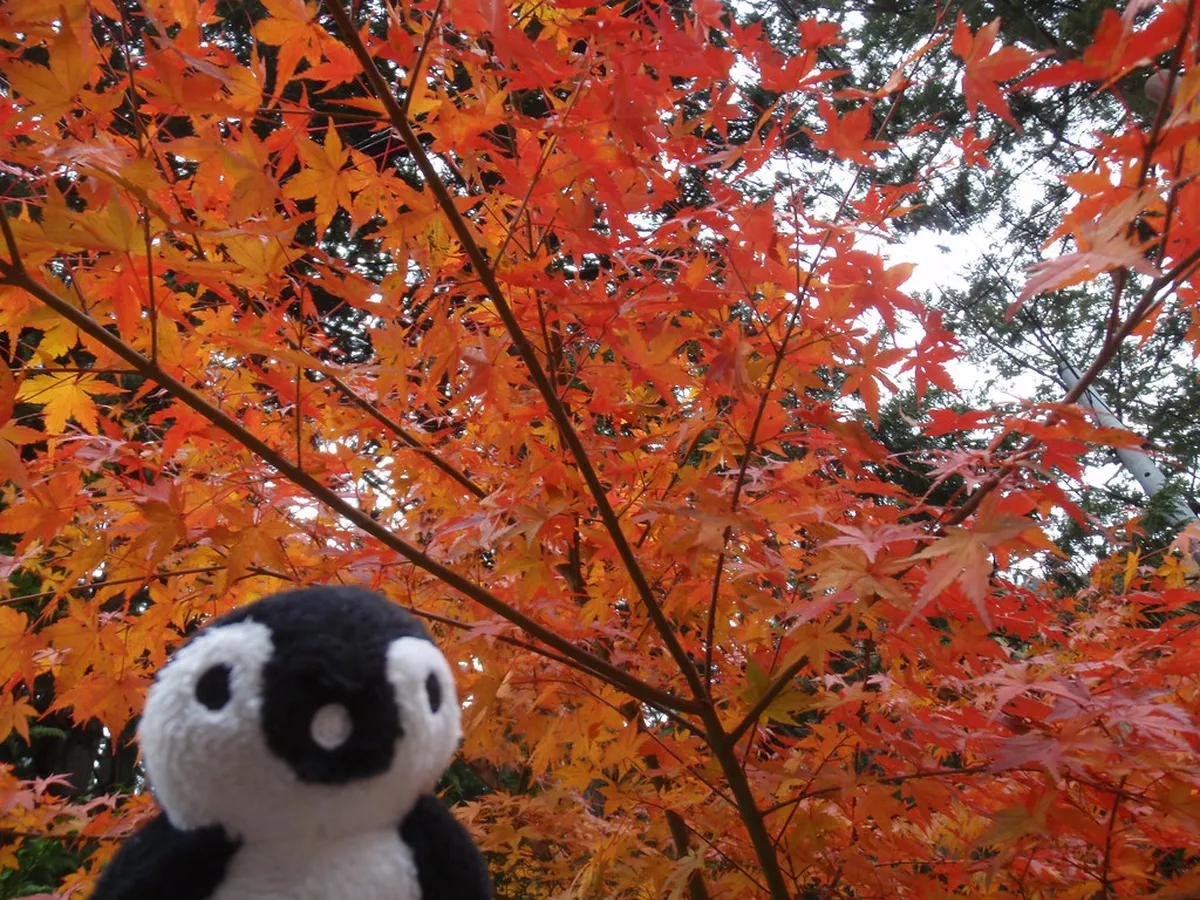
Japan's three great float festivals are often cited as the Gion Matsuri (Kyoto), Tenjin Matsuri (Osaka), and Chichibu Yomatsuri — though some lists substitute Chichibu with the Kanda Matsuri in Tokyo. What makes Chichibu's version distinct is its winter setting: thick coats, steaming yatai food stalls, and fireworks bursting over cold December air create a different atmosphere from the summer counterparts.
UNESCO added the Chichibu Yomatsuri to its Representative List of the Intangible Cultural Heritage of Humanity in 2016 as part of a larger inscription covering 33 Japanese festivals. The official festival website at chichibu-matsuri.jp publishes the annual schedule and any changes to the programme.
Two-Day Festival Schedule
Understanding the difference between December 2nd and December 3rd matters for planning. The two days have different float lineups, different fireworks windows, and very different crowd levels.
On December 2nd, four floats parade through the city streets from 10:00 to 20:00. Fireworks run from 19:00 to 20:00. A Silk Market — a handcraft market selling local Chichibu silk goods and regional produce — operates from 11:00 to 19:00. Crowds on December 2nd are noticeably lighter than on the main day, which makes it the better choice for families with young children or anyone who wants to see the floats without fighting for space.
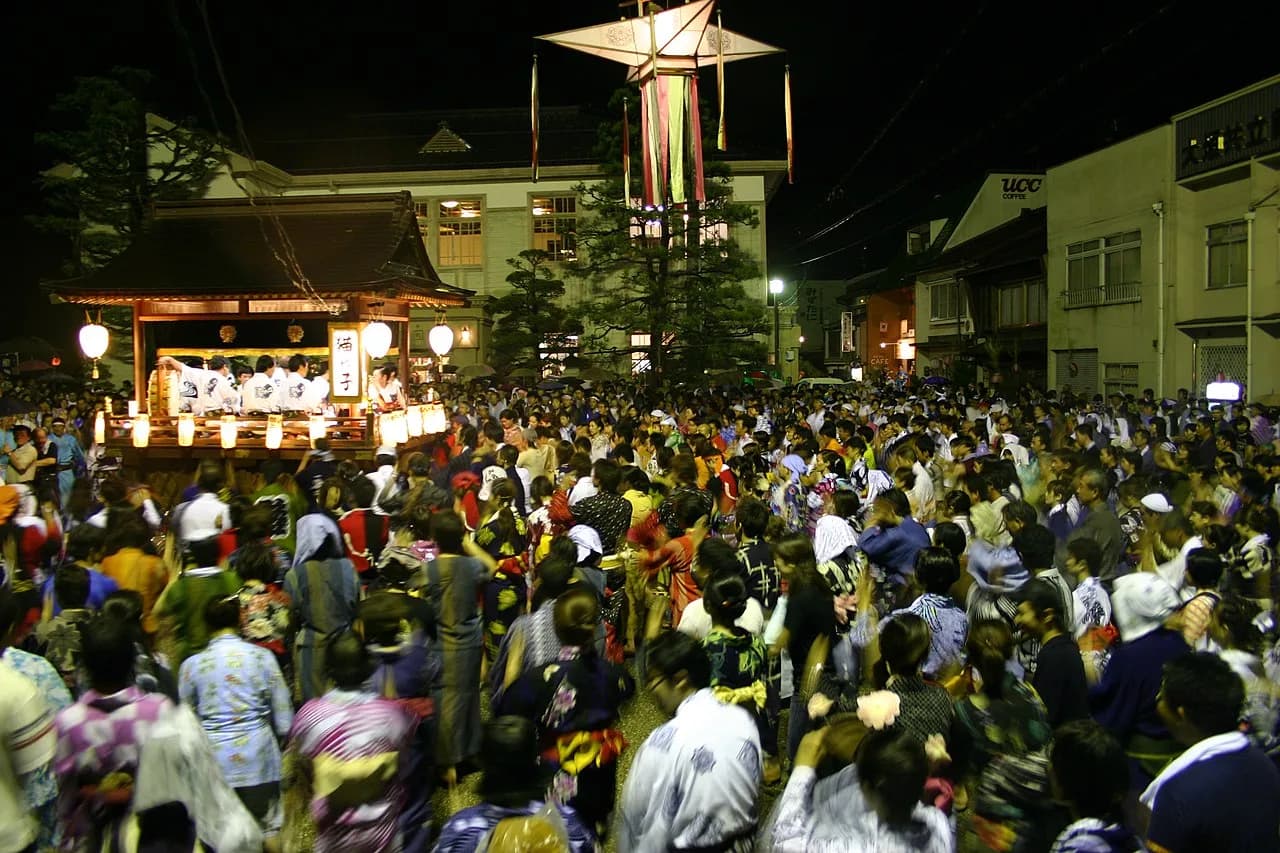
December 3rd is the main event. Six floats parade from 08:00 to 22:00, with the climax between 19:30 and 22:00. Fireworks run from 19:30 to 22:00, overlapping with the float procession. The Silk Market extends until 20:00. The defining moment of December 3rd is when the floats are hauled up the steep Dangozaka hill toward the city hall — dozens of rope-pullers drag the massive structures up the incline in near darkness, lit only by lanterns, while fireworks burst overhead. Arrive by 17:00 at the latest to claim a decent vantage point along the route before the streets fill.
Fireworks and Lanterns: What to Expect
The fireworks at Chichibu are not a brief opener or closer — on December 3rd they run continuously for roughly two and a half hours starting at 19:30. They are launched from a site near the festival grounds and are visible across a wide area of the city. The combination of low-burst fireworks against the lantern-lit floats below is what makes the visual distinctive; the scale is hard to capture in photographs but easy to feel in person.
Each of the six main floats (yatai and kasaboko) is adorned with intricate carved panels, lacquerwork, and hundreds of paper lanterns. The yatai are the large stage-floats from which traditional music and performances are conducted as the floats move. The kasaboko are tall spired floats covered in decorations. Both types are centuries-old craft objects maintained by separate neighbourhood guilds year-round.
The best viewing positions are along the main procession route between Chichibu Shrine and the Dangozaka slope. The area directly in front of the shrine is the most crowded but gives you the clearest view of floats at rest before they move. The slope itself is visible from the road above, which is where most photographers position themselves for the hill-ascent shot. If you want a clear sightline on the fireworks without the crush, streets one block back from the main route offer good sky views with far less jostling.
How to Get to the Chichibu Night Festival
Train is the strongly recommended option. Driving is technically possible but festival-period traffic jams and very limited parking make it impractical for most visitors.
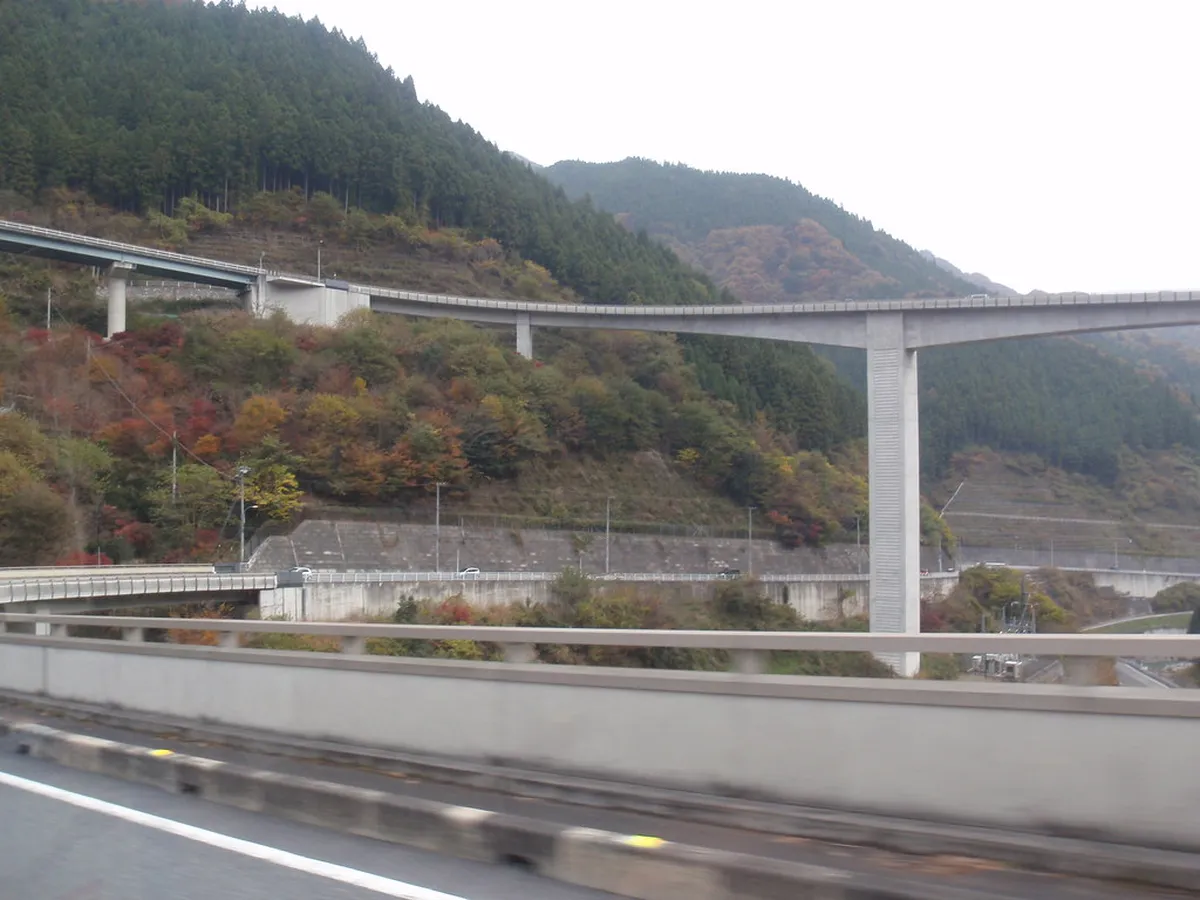
By train from Tokyo, the standard route is from Ikebukuro Station on the Seibu Ikebukuro Line to Seibu Chichibu Station. The journey takes about 1 hour 40 minutes. From Seibu Chichibu Station the festival grounds and Chichibu Shrine are a 10-minute walk. Alternatively, the JR/Chichibu Railway route brings you to Chichibu Station, which is only a 3-minute walk from the shrine — useful if you are coming from a different starting point in Tokyo or from Omiya.
If you are driving, the access route is via the Kan-etsu Expressway to Hanazono IC, then approximately 50 minutes by road. The full journey from central Tokyo by car takes around 2 hours 30 minutes in normal conditions, significantly longer during festival traffic. Parking spaces fill early and the city strongly advises public transport on December 3rd.
On the return after the fireworks end, Seibu Chichibu Station becomes extremely congested. Trains run until late but queues for the platform can take 30 to 60 minutes to clear. If you depart before 21:00 you will avoid the worst of it; if you stay until 22:00 for the close, budget extra time and bring a snack.
Accommodation and Crowd Realities
Chichibu has very limited Western-style hotel inventory. The main overnight option is an onsen ryokan — a Japanese-style inn where rooms are tatami-floored and guests share communal hot-spring baths. For December 3rd, rooms book out weeks to months in advance. If you want to stay overnight, search for accommodation the moment you know your dates for 2026 and do not assume availability in late November.
The practical case for staying overnight is strong. The return train crush on the evening of December 3rd is one of the worst aspects of the festival for day-trippers. Staying one night means you can wait for the crowds to thin before heading to the station, and you get the quieter December 2nd parade almost to yourself the following morning if you have not already seen it. The Silk Market on the morning of December 2nd is a relaxed way to buy local crafts before the afternoon crowds arrive.
If overnight accommodation is not available, consider booking in Nagatoro or along the Chichibu Railway line, then taking the local train in and out. The ride from Nagatoro to Chichibu is under 10 minutes and traffic on that segment is lighter than the main Seibu Line.
What to Do in Chichibu Beyond the Festival
Chichibu is a full destination, not just a festival venue. If you arrive on the morning of December 2nd or plan a longer trip around the festival dates, the city and its surrounding area offer enough to fill a day or more.
Chichibu Shrine itself warrants a proper visit rather than a quick walk-through before the floats. Founded over 2,000 years ago, the shrine is known for its painted carvings — look for the "Sleeping Cat" and the "see no evil, hear no evil, speak no evil" monkey relief, which predate the more famous Toshogu carvings at Nikko. The shrine grounds are calm in the morning hours before the festival crowds arrive.
The Chichibu Festival Museum (Chichibu Matsuri Kaikan), located near the shrine, displays the festival floats permanently and explains the history through exhibits and video. Entry is around 500 yen. It is especially useful for understanding the construction and symbolism of the floats before seeing them move at night. The Hitsujiyama Park area is primarily known for its Shibazakura spring bloom, but in December the park is quiet and walkable if you want open space away from the festival zone. Nagatoro Gorge, accessible by a short train ride, offers river scenery and is worth a stop if you have a morning free.
Other December Events Near Tokyo
If your travel dates fall outside December 2nd to 3rd, or you want to combine the Chichibu Night Festival with another winter event, there are several strong options within reach of Tokyo.
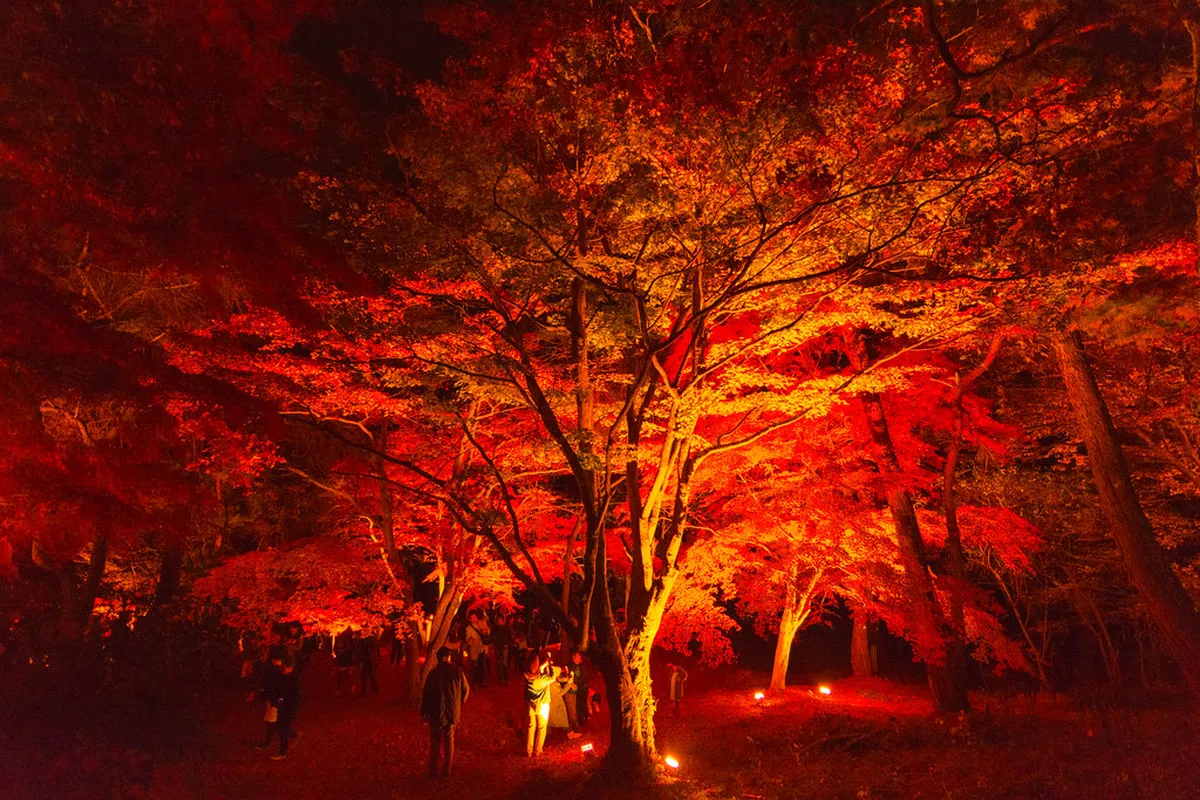
The Ashikaga Flower Park Illuminations in Tochigi Prefecture run from late October through early February. The park is famous for its wisteria in spring; in winter it recreates flowering displays using millions of LED lights, including a large lit wisteria canopy that mirrors the real trees. The event runs every evening and entry costs around 900 to 2,200 yen depending on the date.
The Bamboo Winter Lights at Wakayama Farm in Utsunomiya, Tochigi, is a quieter alternative: thousands of illuminated bamboo stalks create a forest-path experience that is deliberately low-key compared to larger light shows. It typically runs from late November through early February. Both Tochigi events are accessible from Tokyo by Shinkansen to Utsunomiya followed by local transit, making them realistic add-ons to a Chichibu trip if you extend your stay.
Frequently Asked Questions
What is the Chichibu Night Festival?
The Chichibu Night Festival, or Chichibu Yomatsuri, is an annual UNESCO-registered festival held in Chichibu, Japan. It features large, illuminated floats pulled through the streets and a spectacular fireworks display. The main events occur on December 3rd each year.
Is Chichibu Night Festival worth visiting?
Yes, the Chichibu Night Festival is definitely worth visiting for its unique cultural experience. The elaborate floats, traditional music, and extensive fireworks create a memorable spectacle. It is considered one of Japan's three great float festivals.
How do you get to the Chichibu Night Festival from Tokyo?
You can reach the Chichibu Night Festival from Tokyo by train. The journey from Ikebukuro Station to Seibu Chichibu Station takes about 1 hour 40 minutes. The festival area is a 10-minute walk from Seibu Chichibu Station.
What are the big three festivals in Japan?
The 'big three' festivals in Japan typically refer to the Gion Matsuri in Kyoto, Tenjin Matsuri in Osaka, and Kanda Matsuri in Tokyo. However, the Chichibu Night Festival is often considered one of Japan's three great float festivals due to its impressive scale and cultural significance.
What should I wear to the Chichibu Night Festival?
The Chichibu Night Festival takes place in December, so warm clothing is essential. Layering is recommended, including a warm coat, hat, gloves, and scarf. Comfortable walking shoes are also advisable for navigating the crowded streets. Temperatures can drop significantly after sunset.
The Chichibu Night Festival is one of the most atmospheric winter events in the Japan calendar. The float procession, the Dangozaka hill ascent, and the two-and-a-half-hour fireworks display combine into something that is hard to replicate anywhere else. Getting there from Tokyo is straightforward by train; getting a comfortable overnight stay requires early planning.
Whether you attend for just the December 3rd main event or spend two days taking in the full festival alongside Chichibu's shrines, gorge, and craft market, the trip rewards preparation. Check the official schedule at the Chichibu Night Festival website for 2026 dates and any updates to the programme before you book.
For tickets, hours and visitor details, see our Chichibu Shrine Visitor Guide: Plan Your Trip to Saitama's Enchanting City and Chichibu attractions hub.
Free guide: Japan's Hidden Gems
12 under-the-radar places beyond Tokyo & Kyoto — with the best season to visit each and a local tip you won't find in the guidebooks.
You might also like

Continue reading
More guides you'll find useful


