

Gujo Odori Dance Festival Travel Guide
Everything you need to plan the gujo odori dance festival: 2026 dates, Tetsuya all-night schedule, dance tips, and where to stay in Gujo Hachiman.
On this page
The Gujo Odori dance festival is one of Japan's three great Bon dances, held over roughly 31 nights in Gujo Hachiman, Gifu Prefecture. Celebrated for more than 400 years, this summer tradition draws tens of thousands of dancers into the streets each night. Unlike most Japanese festivals where visitors watch from the sidelines, the Gujo Odori invites everyone to join the circle and dance.
In this guide, we cover the 2026 festival dates, the ten traditional dances, what to wear, and how to get there. Whether you are planning for the iconic Tetsuya Odori all-night sessions or a quieter weeknight visit, you will find the practical details here.
Last updated June 2026.
What Is the Gujo Odori Festival?
The Gujo Odori began in the Edo period, started by local lord Endo Yoshitaka as a way to unite townspeople across social classes. That original vision of open, inclusive celebration has held for over four centuries. Today the festival spans roughly 31 nights, from mid-July to early September, across the old streets of Gujo Hachiman.
Japan's government has designated the Gujo Odori an Important Intangible Folk Cultural Property. In 2022, it was also inscribed under UNESCO's Furyu-odori, a group listing covering Japan's ritual dance traditions. These recognitions place Gujo Hachiman among the festivals that genuinely shape Japan's living cultural heritage.
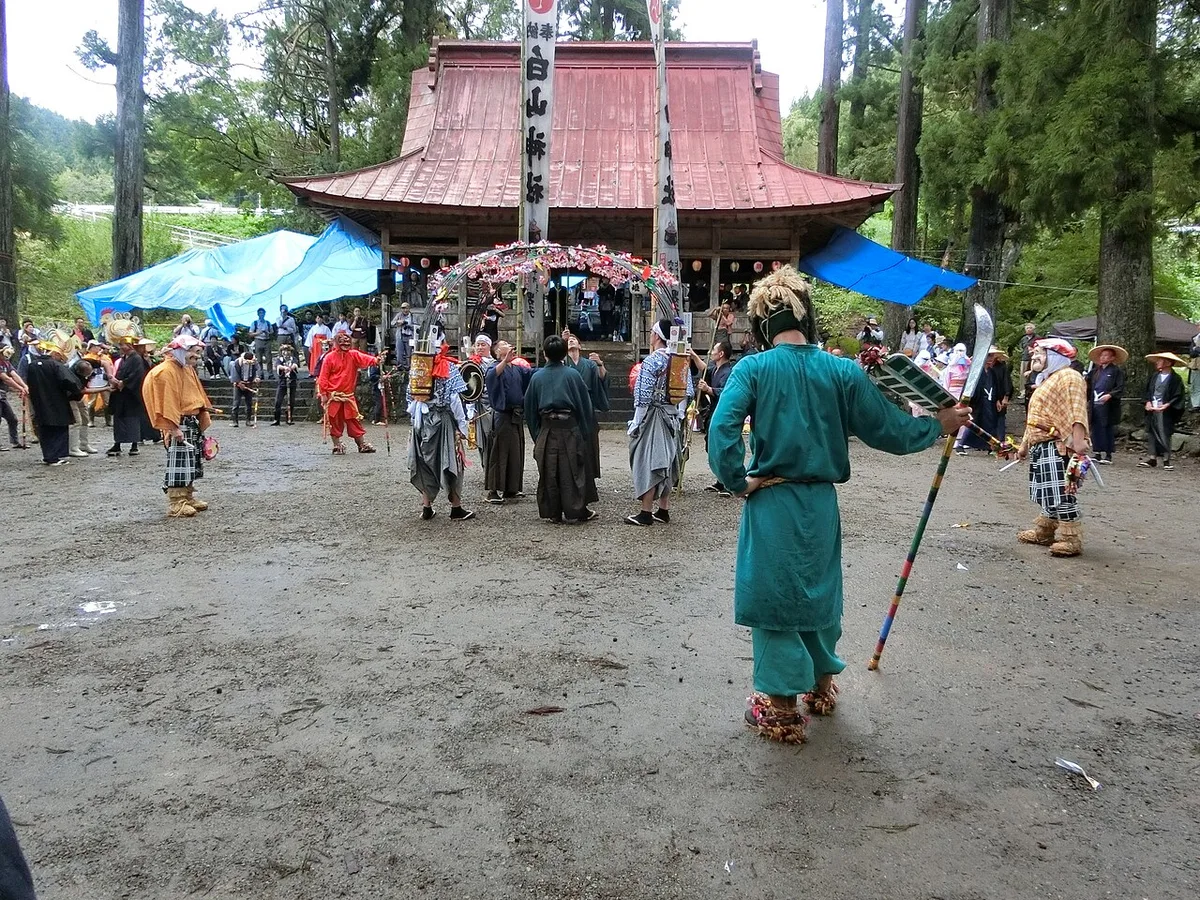
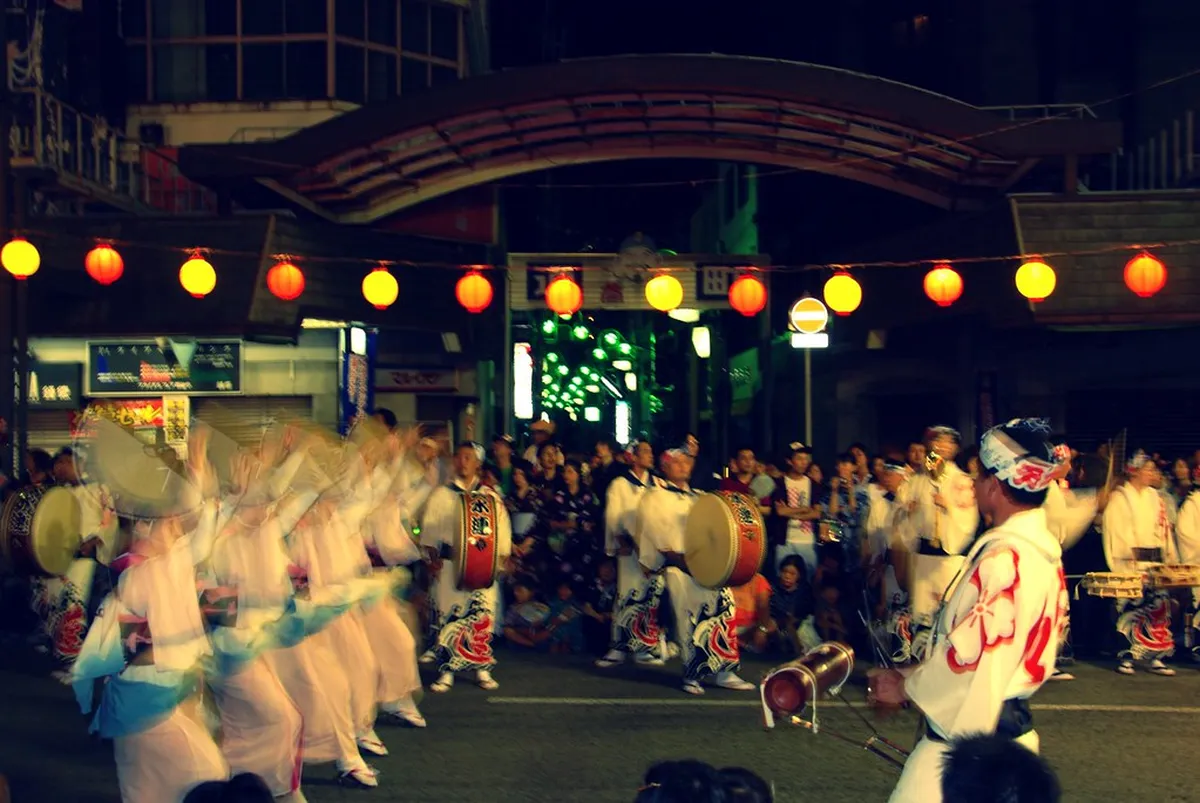
The defining feature of the festival is that participation is open to absolutely everyone, including foreign visitors. Dancers move in a circle around a wheeled yagura float where live musicians play the festival's ten traditional songs.
Gujo Odori Dates For 2026
The 2026 festival opens on 11 July with a ceremony and runs through 5 September, covering roughly 31 dancing nights in total. Checking the official 2026 schedule on the Gujo Hachiman tourism site before you book is essential, as not every night is active. Regular evenings run from 8:00 pm to 10:30 pm on most weeknights, with Saturdays often extending to 11:00 pm.
The biggest draw is the Tetsuya Odori, four consecutive all-night sessions held during the Obon holiday in mid-August. Dancing on 13 and 16 August runs 8:00 pm to 4:00 am, while 14 and 15 August continue until 5:00 am.
For visitors who cannot secure Obon-period accommodation, late August still offers nightly dancing with much smaller crowds. Our guide on Best Time to Visit Gujo Hachiman: 2026 Guide breaks down the trade-offs by month.
- Opening ceremony on 11 July 2026
- The festival begins with a special opening ceremony on a Saturday evening.
- Hours run from 8:00 pm to 11:00 pm in the town centre of Gujo Hachiman.
- Regular weeknight and weekend sessions
- Most active evenings run 8:00 pm to 10:30 pm on weekdays throughout the season.
- Saturday nights typically extend the dancing through to 11:00 pm.
- Tetsuya Odori — all-night dancing from 13 to 16 August
- On 13 and 16 August, dancing runs from 8:00 pm through to 4:00 am.
- On 14 and 15 August the sessions are the longest, finishing at 5:00 am.
- Final session on 5 September 2026
- The closing Saturday session brings the season officially to an end.
- Always confirm the exact date on the official tourism site before travelling.
The Ten Traditional Dances to Know
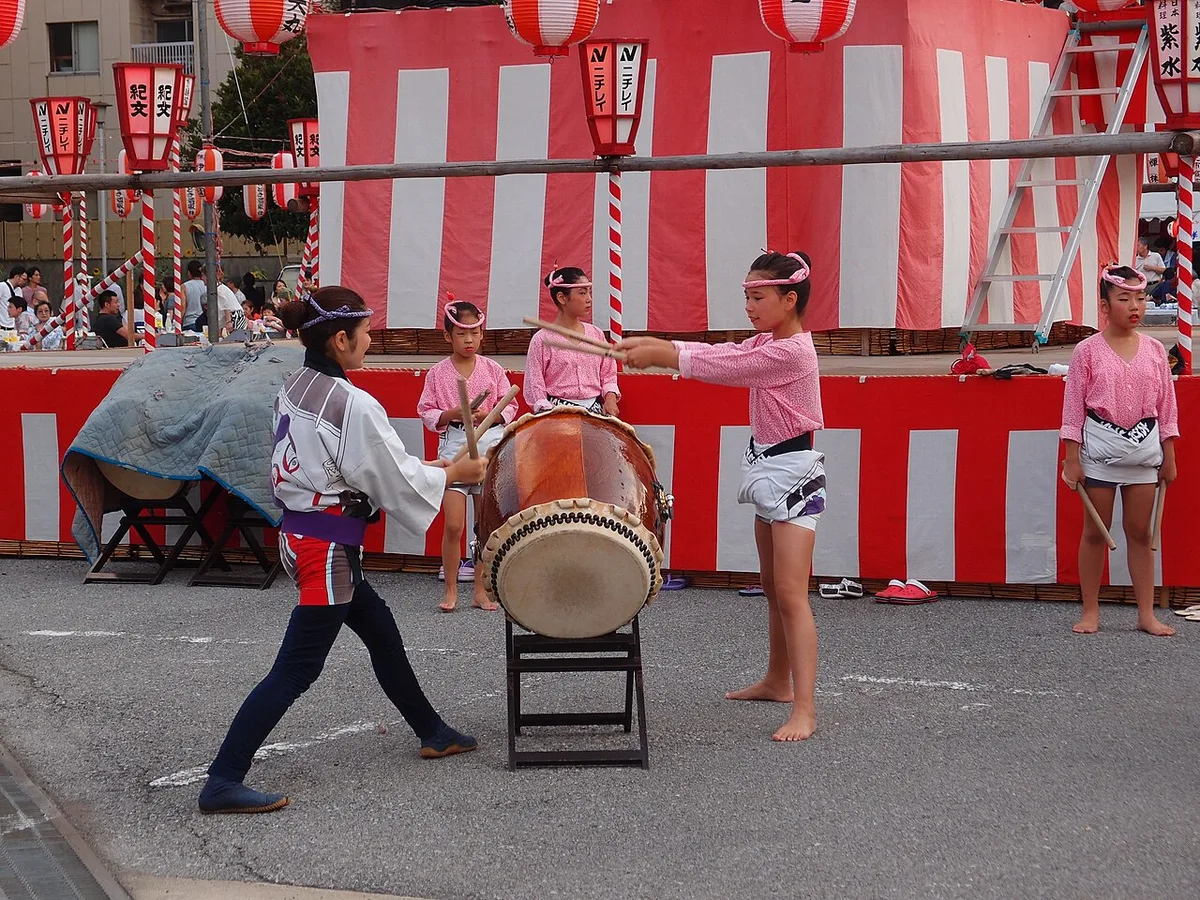
The Gujo Odori rotates through ten officially recognised dances throughout each evening, all designated as Japanese cultural assets. Each dance has a distinct rhythm and hand-and-foot pattern, ranging from slow and meditative to lively and foot-stomping.
The most popular dance is Kawasaki, a graceful piece that first-time participants can pick up within a few repetitions. A crowd favourite among visitors is Harukoma, meaning spring horse, known for its energetic clip-clop footwork. Other dances include Gengenbarako, a cheerful upbeat piece, and Neko no Ko (kitten), traditionally performed at dawn during all-night sessions.
Newcomers need no prior experience; most visitors pick up the basic steps by watching the circle for one or two rounds. Our Gujo Hachiman Itinerary: A 1-Day Water Town Plan suggests how to pace your day before the Tetsuya Odori begins in the evening.
- Kawasaki — beginner-friendly signature dance
- Considered the signature dance and the best starting point for first-timers.
- Its gentle rhythm lets newcomers join the circle without missing a beat.
- Harukoma — energetic spring horse dance
- A lively dance whose footwork mimics the canter of a horse.
- One of the most energetic pieces in the regular evening rotation.
- Gengenbarako — cheerful regional folk rhythm
- A cheerful, upbeat dance rooted in a traditional folk song from Gujo.
- Popular on regular weeknights and easier to follow than it sounds.
- Neko no Ko — the traditional dawn song
- Traditionally played at dawn during the Tetsuya Odori all-night sessions.
- Hearing this song at sunrise is one of the festival's most memorable moments.
The Neko no Ko dance is traditionally performed at dawn during the Tetsuya Odori all-night sessions, creating a memorable sunrise moment as the sun rises over the dancing circle.
What to Wear and How to Join
There is no strict dress code for the Gujo Odori, and you can dance in ordinary summer clothes without any issue. That said, wearing a yukata (a light cotton kimono) and geta (wooden clogs) puts you firmly in the spirit of the evening.
Yukata and geta sets are sold and rented at shops around Gujo Hachiman throughout the festival season. Rental prices typically start around ¥2,000 to ¥3,000 for a basic set, though costs vary by shop and yukata style. The collective sound of hundreds of geta clacking on the pavement is one of the festival's most memorable sensory details.
To join the circle, simply approach the edge of the dancing crowd and step in between two participants. Food stalls line the streets near the venues, and our guide to Gujo Hachiman Food Sample Making covers the local specialties worth trying between sets.
Arriving before 8:00 pm gives you time to settle in and watch the first dance before the crowd fills in. Before the festival, spend your afternoon exploring the top attractions in Gujo Hachiman, from the hilltop castle to the canal-side streets.
Getting to Gujo Hachiman
Gujo Hachiman sits in the mountains of Gifu Prefecture and is best reached by train or highway bus. From Nagoya, take the Meitetsu Gifu Line to Gifu Station, then transfer to the Etsumi-Nan Line toward Gujo-Hachiman Station. Our full guide on getting to Gujo Hachiman covers travel times, fares, and the highway bus option from Nagoya and Osaka.
Festival nights draw large crowds in the early evening, so arriving before 6:00 pm is advisable. The venue for dancing rotates nightly among locations around the town, but every site is within walking distance of the centre.
One advantage of arriving early is time to walk the Igawa Canal Gujo Hachiman Water Town before the evening dancing begins. The canal district and old merchant streets create the perfect afternoon backdrop before a festival night.
Where to Stay and When to Book
Accommodation in Gujo Hachiman fills months in advance for the Obon period, and the Tetsuya Odori nights are the hardest to secure. Experienced festival visitors recommend making reservations at least six months ahead if you want to stay in town during 13–16 August. Our Where To Stay In Gujo Hachiman Travel Guide guide covers ryokan and guesthouse options near the festival venues.
Most traditional ryokan provide a yukata as part of their stay, which doubles as your festival outfit for the evening. Staying in the town centre also means you do not need to arrange late-night transport home after the all-night dancing ends.
If Obon accommodation proves impossible to secure, the festival runs from mid-July to early September with far less pressure on rooms. Weeknights in late August still offer the traditional dancing atmosphere without the Obon-weekend competition for accommodation.
Festival Night Budget and Cash
The Gujo Odori itself is free, so the practical budget depends on how traditional we want the evening to feel. A simple night can stay close to ¥1,000 to ¥2,000 if we arrive in regular clothes, buy a drink or snack from stalls, and walk between the rotating town-centre venues. Renting or buying a yukata and geta changes the budget more than the festival does: rental sets commonly start around ¥2,000 to ¥3,000, while footwear or accessories add extra cost.
We would carry cash in small bills and coins, especially on Obon nights when food stalls and smaller shops get busy. For the Tetsuya Odori, plan a little more for late-night drinks, breakfast after dawn, and a backup taxi only if staying outside the centre. Regular 8:00 pm to 10:30 pm sessions are easier to pair with normal trains or buses; the 4:00 am and 5:00 am finishes require accommodation or a pre-planned return.
Frequently Asked Questions
Is the Gujo Odori dance festival free to attend?
Yes, the Gujo Odori is free to join and has been open to everyone since its founding in the Edo period. There is no entrance fee to watch or participate in the circle dancing. You may choose to spend money on food stalls or a yukata rental, but dancing itself costs nothing.
What happens during the Tetsuya Odori all-night dancing?
The Tetsuya Odori runs from 8:00 pm through to 4:00 am or 5:00 am on 13–16 August, the Obon holiday. Attendance peaks at around 30,000 people per night, and the dancing continues without stopping until dawn. The Neko no Ko dance is traditionally performed at sunrise as the session comes to a close.
Do I need to know the dances before I arrive at the festival?
No prior knowledge is necessary to join the Gujo Odori. The ten traditional dances use simple, repeating steps that most visitors pick up by watching the circle for a few minutes. You can also find video tutorials for Kawasaki and Harukoma online before travelling, which makes it easier to step in on your first night.
How far in advance should I book accommodation for the festival?
For the Obon all-night nights on 13–16 August, six months in advance is the standard recommendation, as rooms sell out to returning regulars quickly. For other festival dates outside of Obon, booking one to three months ahead is usually sufficient. Staying in the town centre is the most convenient base for every festival venue.
The Gujo Odori is one of Japan's most immersive summer festivals, blending 400 years of tradition with a genuinely open invitation to join in. Whether you dance until dawn or join a quieter weeknight session, the festival rewards anyone willing to step into the circle. Checking the official Gujo Hachiman tourism site for the 2026 schedule is the essential final step before booking.
Gujo Hachiman's compact town centre makes the whole festival easy to navigate on foot. Rent a yukata, arrive before the first dance begins, and let the rhythm of the geta lead the way.
Free guide: Japan's Hidden Gems
12 under-the-radar places beyond Tokyo & Kyoto — with the best season to visit each and a local tip you won't find in the guidebooks.
You might also like

Continue reading
More guides you'll find useful


