

15 Best Zao Onsen Things To Do & Travel Guide (2026)
Discover the best Zao Onsen things to do, from snow monsters and hot springs to hiking and local culture. Plan your perfect trip with our comprehensive guide.
On this page
Welcome to Zao Onsen, a captivating mountain resort town in Yamagata Prefecture, renowned for its therapeutic hot springs and unique natural wonders. After multiple visits, we've found Zao truly shines in both winter and summer, offering distinct experiences for every traveler. This guide, last updated in June 2026 with current prices and schedules, delves into the best Zao Onsen things to do, ensuring you make the most of your trip. Whether you're chasing the legendary Snow Monsters or seeking a serene soak, we've curated the essential activities and practical tips.
Mount Zao anchors the alpine corner of our Yamagata Prefecture guide — pair it with Yamadera and the gaslit streets of Ginzan Onsen.
Key Takeaways
- Quick Pick: Snow Monsters (Juhyo) and the the Zao cable car are essential for winter visits.
- Best for Families: the Zao ski resort offers diverse slopes; Zao Fox Village is a unique animal encounter.
- Best Rainy-Day: The Zao Kokeshi Museum provides a cultural and indoor activity.
- Best Free Pick: Enjoy the public footbaths (ashiyu) scattered throughout Zao Onsen town.
15 Best Zao Onsen Things To Do (2026)
Zao Onsen offers a diverse range of activities, making it an ideal destination year-round. From the iconic winter 'Snow Monsters' to the vibrant Okama crater lake, there's always something to discover. We've meticulously selected the top experiences, blending natural beauty with cultural immersion and adventure.
Our list covers everything from relaxing hot spring baths to exhilarating outdoor pursuits. Each entry includes essential details like typical costs, time commitments, and how to get there. This comprehensive overview helps you tailor your visit to your interests and schedule.
To simplify planning, we've organized these activities to highlight their seasonal appeal and unique draws. Consider combining nearby attractions to create an efficient and memorable day. Here are our top picks for Zao Onsen things to do, designed to inspire your next adventure.
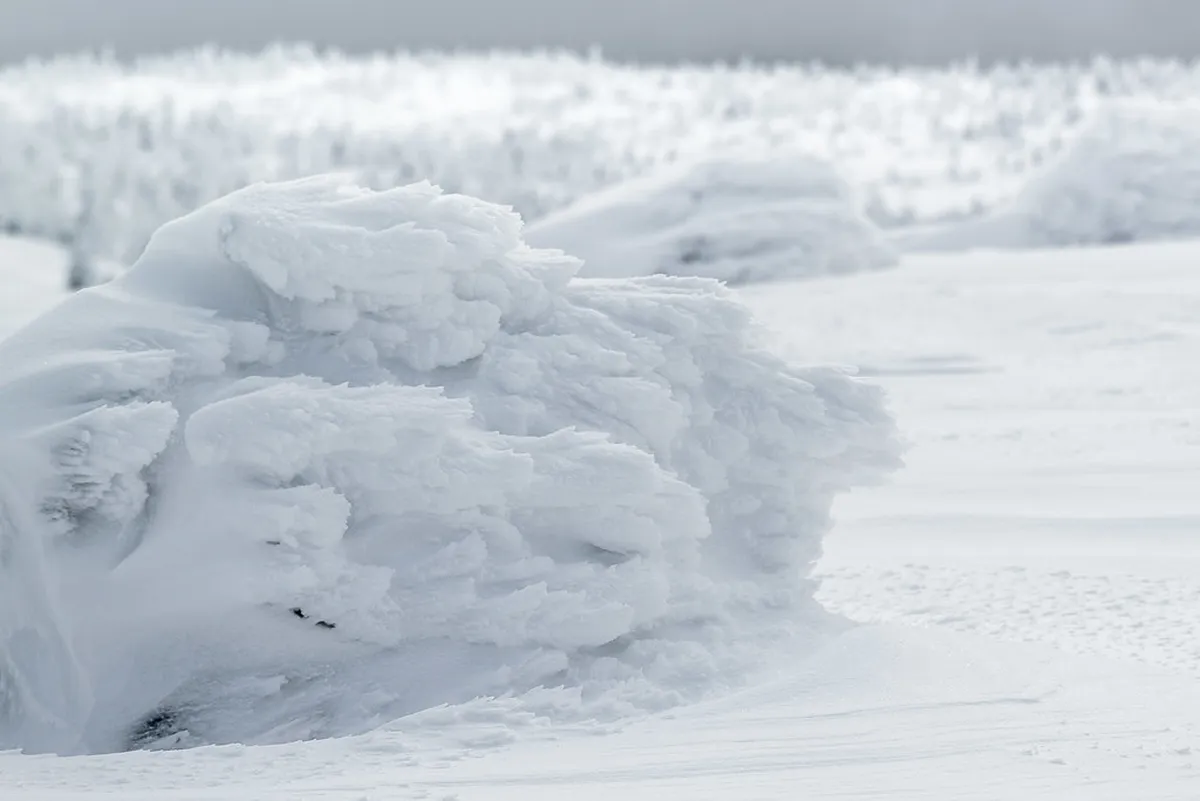
- Witness the Zao Snow Monsters (Juhyo) at Jizo Sancho
- These natural ice sculptures, or 'Juhyo', form when supercooled water droplets freeze onto Aomori fir trees, creating fantastical shapes.
- The best viewing is from late January to early March, with evening illuminations adding to the magical atmosphere.
- Access requires the Zao Ropeway to Jizo Sancho Station, costing around ¥3,800 for a round trip; allow 2-3 hours for the experience.
- Dress in layers with waterproof outer gear and sturdy boots, as temperatures at the summit can be extremely low, often below -10°C.
- Soak in Zao Onsen's Public Open-Air Bath (Dai Rotenburo)
- Experience Zao's highly acidic sulfur springs in a traditional large outdoor bath, nestled amidst nature.
- This mixed-gender bath (with separate changing areas) is open from late April to early November, offering stunning seasonal views.
- Entry costs around ¥700 per person; it's a 15-minute walk from the bus terminal or a short taxi ride, so plan for the uphill return.
- Bring your own towel, or purchase one on-site; avoid staying in the strong acidic water for too long if you have sensitive skin.
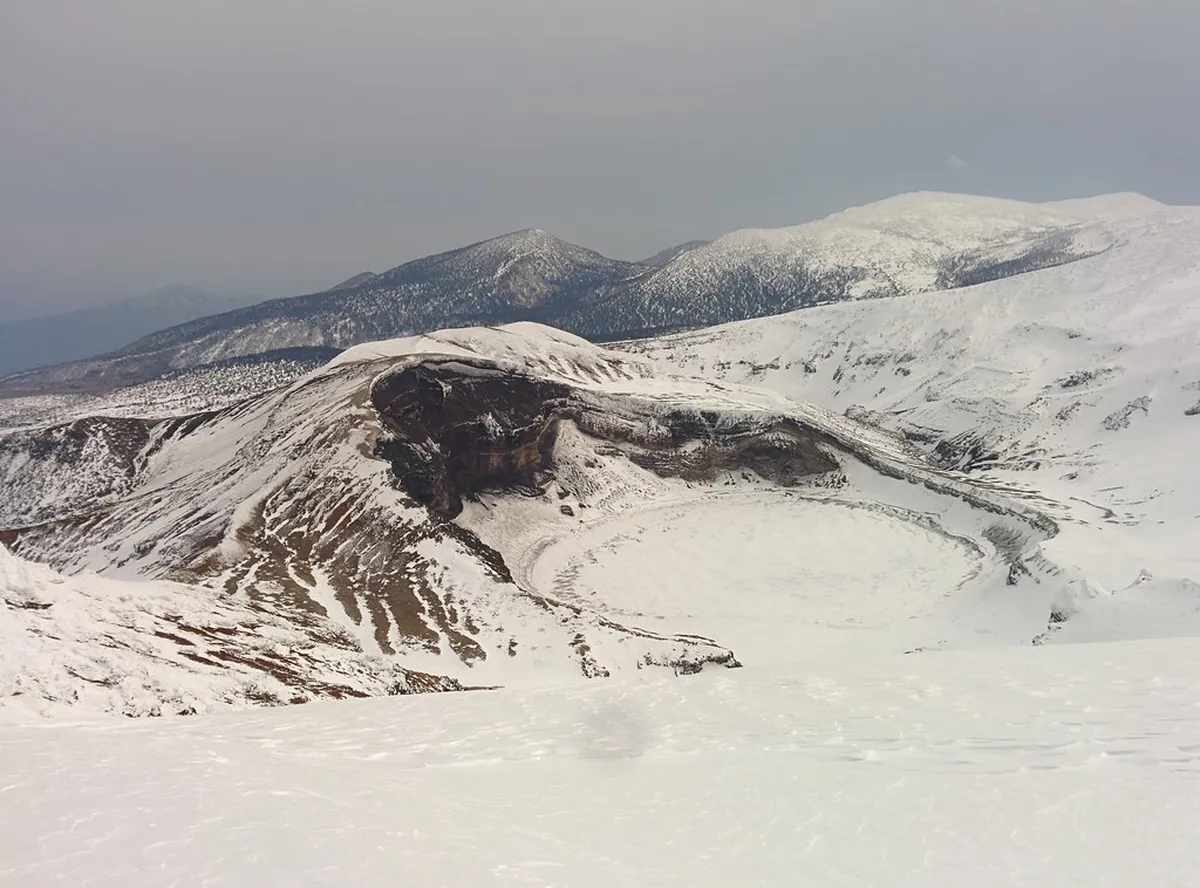
- Explore Okama Crater Lake at Mount Zao
- Discover the mesmerizing 'Five-Color Pond,' a volcanic crater lake known for its emerald green waters that change hue with the sunlight.
- Accessible from late April to early November via the Zao Echo Line, it's a spectacular sight for nature lovers.
- There's no direct entry fee for the crater itself, but toll roads apply for vehicle access; allocate 1-2 hours at the viewpoint.
- The weather at the crater can be unpredictable and windy, even in summer, so bring a light jacket.
- Ski or Snowboard at Zao Onsen Ski Resort
- Hit the slopes at one of Japan's oldest and largest ski resorts, offering diverse terrain for all skill levels.
- The resort features 14 slopes and 12 courses, with a 10km run from the summit, operating from early December to early May.
- A one-day lift pass costs around ¥6,000 per adult; rentals are available at various shops in the village.
- Consider morning runs for the best snow conditions, and check the official website for real-time lift status.
- Ride the Zao Ropeway for Panoramic Views
- Ascend Mount Zao year-round for breathtaking vistas, connecting Zao Sanroku Station to Jizo Sancho Station.
- During winter, it's the gateway to the Snow Monsters; in other seasons, it offers access to hiking trails and alpine flora.
- A round-trip ticket to Jizo Sancho is approximately ¥3,800 per adult; allow 1.5-2 hours for the ride and summit exploration.
- Visit on a clear day for the most expansive views, and check the forecast for visibility before heading up.
- Visit Zao Fox Village (Miyagi Zao Kitsune Mura)
- Interact with over a hundred free-roaming foxes in a unique sanctuary, located an hour's drive from Zao Onsen.
- This ethical park allows visitors to observe and feed various fox species in a natural, forested setting.
- Entry is ¥1,000 per adult; feeding costs an additional ¥100 for a bag of food; allow 1.5-2 hours for your visit.
- Follow all rules carefully, especially regarding not touching the foxes, as they are wild animals despite their semi-tamed nature.
- Hike the Mount Zao Trails in Summer/Autumn
- Explore a network of scenic hiking trails that crisscross Mount Zao, revealing stunning alpine landscapes and volcanic features.
- Popular routes lead to Okama Crater and various peaks, offering diverse challenges and rewarding views.
- Hiking is free, but transportation to trailheads (like the Zao Echo Line) may incur costs; allow 3-6 hours depending on the chosen route.
- Wear appropriate hiking shoes and bring water, as facilities are limited on higher trails; always check trail conditions beforehand.
- Experience a Traditional Ryokan Stay with Private Onsen
- Indulge in a quintessential Japanese experience at a ryokan, complete with traditional meals and private hot spring baths.
- Many ryokans in Zao Onsen offer rooms with private onsen or reservable family baths, providing a more intimate bathing experience.
- Prices vary widely, typically ¥15,000–¥40,000 per person per night, including dinner and breakfast; book well in advance, especially during peak season.
- Embrace the full ryokan experience by trying on the provided yukata and enjoying the multi-course kaiseki dinner.
- Try Snowshoeing or Cross-Country Skiing
- Venture into Zao's winter wonderland beyond the groomed slopes with snowshoeing or cross-country skiing.
- Guided tours are available, offering a chance to explore serene snowy forests and less-traveled paths.
- Rentals for snowshoes and cross-country skis are available at various shops, costing around ¥2,000–¥3,000 for a half-day.
- Consider a guided tour for safety and to learn about the local flora and fauna, especially if new to winter trekking.
- Visit the Zao Kokeshi Museum (Zao Kokeshi-kan)
- Discover the charming world of Kokeshi dolls, traditional wooden dolls unique to the Tohoku region.
- The museum showcases various styles and offers workshops where you can paint your own Kokeshi doll.
- Entry is around ¥300 per adult; a doll-painting workshop costs an additional ¥1,000–¥1,500; allow 1-2 hours.
- This makes for a wonderful souvenir and a creative break, especially on a rainy day.
- Enjoy the Footbaths and Public Onsen in Zao Onsen Town
- Relax your feet in one of the free public footbaths (ashiyu) scattered throughout the village, or try a smaller public bathhouse.
- These are perfect for a quick warm-up after exploring or for a casual onsen experience without full immersion.
- Footbaths are free and open year-round; public bathhouses like Shimoyu or Kamiyu cost around ¥200 per person.
- Remember to bring a small towel for the footbaths and observe local etiquette in the bathhouses.
- Discover the Zao Sky Cable for Summer Views
- Take another scenic cable car, the Zao Sky Cable, which runs from Zao Chuo Kogen Station to Toryu Station.
- This cable car offers stunning views of alpine flowers in summer and vibrant autumn foliage.
- A round-trip ticket is approximately ¥1,800 per adult; allow 1-1.5 hours for the ride and enjoying the views.
- It's a great alternative to the main ropeway for different perspectives of the Zao mountains.
- Indulge in Yamagata's Local Cuisine
- Savor regional delicacies like 'Imoni' (taro potato stew), Yamagata beef, and local soba noodles.
- Many restaurants in Zao Onsen village serve traditional dishes, often using fresh, seasonal ingredients.
- Meal prices vary, from ¥1,000 for a casual lunch to ¥5,000+ for a full dinner; explore local eateries near the bus terminal.
- Don't miss trying local sake or fruit juices, as Yamagata is also famous for its produce.
- Visit Miyagi Zao Eboshi Resort (Winter & Beyond)
- Explore this resort on the Miyagi side of Mount Zao, offering skiing in winter and various activities in warmer months.
- It's known for its family-friendly slopes, a snow park, and seasonal events like spring flower festivals.
- A one-day lift pass is around ¥4,900 per adult; check the official website for seasonal event pricing and hours.
- This resort is a great option for those looking for a slightly different atmosphere or different snow conditions than Zao Onsen.
- Take a Guided Snow Trekking Tour
- Embark on an organized snow trek to explore Zao's pristine winter landscapes, often including areas inaccessible on your own.
- These tours provide equipment like snowshoes and poles, along with an experienced guide.
- Costs typically range from ¥8,000–¥12,000 per person for a half-day tour, including gear; booking in advance is essential.
- Courses often last 5–6 hours with breaks, and beginners are generally welcome, offering a safe way to experience the deep snow.
Zao Onsen Hot Springs: A Deep Dive
Zao Onsen is synonymous with its powerful, highly acidic sulfur hot springs, a defining characteristic of the town. The water, often described as milky-white, is renowned for its skin-beautifying properties, earning it the nickname 'Bijin no Yu' or 'Beauty Hot Spring'. Locals and visitors alike flock here for its therapeutic benefits, believed to alleviate various ailments.
The water's acidity is quite strong, with a pH of around 1.5, which gives it a distinctive pungent sulfur smell. This unique mineral composition helps to exfoliate the skin and promote circulation. We always recommend a quick rinse before and after bathing to protect your skin from the strong minerals.
Visitors have several options for experiencing these baths. The Dai Rotenburo (Great Open-Air Bath) offers a rustic, communal experience amidst nature, open seasonally. Numerous ryokans also feature their own indoor and outdoor baths, some offering private reservations for a more secluded soak. Smaller public bathhouses like Shimoyu and Kamiyu provide a more intimate, local bathing experience at a nominal fee.
Witness the Zao Snow Monsters & Winter Trekking
The Zao Snow Monsters, or 'Juhyo,' are Zao Onsen's most iconic winter attraction, drawing visitors from across the globe. These surreal ice sculptures are a natural phenomenon, occurring when freezing winds and heavy snowfall coat the Aomori fir trees at the mountain's summit. The best time to witness these magnificent formations is typically from late January to late February, when they are fully matured.
To reach the primary viewing area, take the Zao Ropeway up to Jizo Sancho Station. From there, you can explore observation decks and designated walking paths around the towering figures. Evenings often feature special illuminations, transforming the snow monsters into an otherworldly spectacle. Remember to check the best time to see Zao Snow Monsters for detailed planning.
For a more immersive experience, consider a guided snow trekking tour. Companies like Visit Yamagata offer tours that provide snowshoes and poles, guiding you safely through the pristine snowfields. These courses often last 5–6 hours with breaks, and beginners are welcome. The trek typically begins at Sanroku Station, taking two gondolas up to Jizo Sancho Station on Mount Jizo, as described by JOC Japan Travel.
Okama Crater: Zao's Iconic Five-Color Pond
Mount Zao's Okama Crater Lake is a stunning natural wonder, often referred to as 'Goshiki-Numa' or the 'Five-Color Pond'. Its unique emerald-green water famously changes color throughout the day depending on the sunlight and viewing angle. This vibrant spectacle is a result of the lake's high mineral content and volcanic activity.
The crater is located on Mount Kumano, the highest peak at 1,841 meters. It is primarily accessible during the warmer months, typically from late April to early November. The Zao Echo Line, a scenic mountain road, leads directly to the viewpoint parking area. From there, it's a short walk to the observation deck overlooking the lake.
While there's no entry fee for the crater itself, the Zao Echo Line is a toll road if traveling by car. Allow at least an hour to truly appreciate the views and capture photographs. The weather at the summit can be significantly cooler and windier than in the village, so pack extra layers. For more detailed access information, consult our Zao Okama Crater guide.
Exploring the Zao Echo Line & Scenic Drives
The Zao Echo Line is a breathtaking mountain road that traverses Mount Zao, connecting Yamagata and Miyagi Prefectures. This scenic drive offers spectacular views, particularly during spring and autumn. It's a fantastic way to experience Zao's diverse landscapes beyond the onsen village.
In spring, the 'Snow Wall' walk is a highlight, where towering walls of snow line the road after its annual reopening. During summer, lush greenery dominates, with opportunities for hiking and enjoying fresh mountain air. Autumn transforms the entire route into a canvas of vibrant reds, oranges, and yellows, making it a prime spot for fall foliage viewing.
The Echo Line is typically open from late April to early November, closing during the heavy snow season. Along the route, you'll find various viewpoints, waterfalls like Sankai Falls, and access points to hiking trails. Consider combining this drive with a visit to Okama Crater for a full day of natural exploration.
Cultural Experiences: Kokeshi Dolls & Local Crafts
Beyond its natural beauty, Zao Onsen is also a hub for traditional Japanese crafts, most notably the iconic Kokeshi dolls. These charming wooden dolls, characterized by their limbless cylindrical bodies and oversized heads, are a beloved folk art of the Tohoku region. Each doll is hand-painted, often with simple, elegant designs, reflecting the artisan's unique style.
The Zao Kokeshi Museum (Zao Kokeshi-kan) is the perfect place to delve into the history and artistry of these dolls. Here, you can admire various styles of Kokeshi from different regions and learn about their cultural significance. The museum also offers hands-on workshops where visitors can try their hand at painting their own Kokeshi doll, a memorable souvenir.
Beyond Kokeshi, the Zao area also features other local crafts and produce. Exploring small shops in the onsen village can reveal unique handcrafted items and regional food products. These cultural experiences offer a wonderful contrast to the outdoor adventures and provide insight into Zao's artistic heritage.
Zao Onsen Itineraries: 1, 2, and 3-Day Plans
Planning your visit to Zao Onsen depends heavily on your interests and the time of year. Whether you have a single day or a leisurely three days, we've crafted itineraries to help you maximize your experience. These plans combine Zao's highlights with practical travel considerations.
For a 1-day trip, focus on the Zao Ropeway and Snow Monsters (winter) or Okama Crater (non-winter), followed by a relaxing onsen bath. This allows you to hit the primary attractions without feeling rushed. A quick lunch in the village rounds out a compact, memorable day.
A 2-day itinerary allows for deeper exploration. Day one could involve the Snow Monsters and a ryokan stay, while day two could include skiing or snowshoeing. In warmer months, combine Okama Crater with a hike or a visit to the Kokeshi Museum. For a comprehensive 3-day trip, integrate all major attractions, perhaps adding a visit to Zao Fox Village or a scenic drive along the Echo Line. This extended stay lets you fully embrace both the natural wonders and cultural offerings of the region.
Getting to Zao Onsen: Transportation Guide
Reaching Zao Onsen is straightforward, with good connections from major cities like Sendai and Yamagata. The most common approach involves a combination of train and bus. Understanding the various options helps you choose the most efficient and cost-effective route.
From Sendai, take the Senzan Line train to Yamagata Station, a journey of about 1 hour and 20 minutes, costing around ¥1,170. From Yamagata Station's Bus Stop No. 1, board the Yamako Bus directly to Zao Onsen Bus Terminal. This bus ride takes approximately 40 minutes and costs ¥1,000, as noted by JOC Japan Travel. The bus schedule is frequent, especially during peak seasons.
For those traveling from Tokyo, the Yamagata Shinkansen offers a direct route to Yamagata Station, taking about 2.5 to 3 hours. Alternatively, driving from Sendai takes roughly 1 hour and 20 minutes, offering flexibility if you plan to explore the Zao Echo Line. We recommend checking the latest bus and train schedules, especially if traveling during holidays or off-peak times.
Best Time to Visit Zao Onsen: Seasonal Highlights
Zao Onsen transforms with each season, offering distinct attractions and experiences year-round. Your ideal visit depends on what you wish to see and do. We've broken down the seasonal highlights to help you plan accordingly.
Winter (December to March) is undoubtedly the most popular, thanks to the Zao Snow Monsters and excellent skiing conditions. Temperatures can drop below -10°C at the summit, requiring warm, waterproof clothing. Spring (April to May) brings the opening of the Zao Echo Line, revealing towering snow walls and fresh greenery, with average temperatures around 5-15°C. It's a beautiful time for scenic drives and early hiking.
Summer (June to August) is perfect for hiking, exploring Okama Crater, and enjoying the vibrant alpine flowers, with pleasant temperatures around 20-25°C. Autumn (September to November) showcases spectacular fall foliage along the Zao Echo Line and surrounding mountains, with temperatures ranging from 10-20°C. Each season presents its own unique charm, so consider what experience you're seeking.
Zao Onsen Tattoo Policy: What You Need to Know
For many international visitors, understanding Japanese onsen tattoo policies is a key concern. Historically, tattoos were associated with yakuza, leading many public baths to ban or restrict tattooed guests. However, attitudes are gradually changing, especially in tourist-focused areas like Zao Onsen.
While some smaller public baths or traditional ryokans may still have strict policies, many are becoming more accommodating. Often, if your tattoo is small, you can cover it with a waterproof patch, which are sometimes available at bathhouse receptions. For larger tattoos, reserving a private onsen (kashikiri-buro or kazoku-buro) in a ryokan is often the best solution, allowing you to bathe freely.
Some ryokans, like Hotel Tsuruya, explicitly state they are tattoo-friendly or offer private baths. We recommend checking with your specific accommodation beforehand or looking for signage at public baths. When in doubt, politeness and discretion go a long way in ensuring a respectful and enjoyable onsen experience.
Miyagi Zao Eboshi Resort: Winter & Beyond
On the Miyagi side of Mount Zao sits Eboshi Resort, a solid alternative to the main Yamagata ski area that draws a noticeably different crowd. The slopes here lean toward beginner and intermediate terrain, and the resort runs a dedicated snow park with jumps and rails that younger riders enjoy. Lift passes run around ¥4,900 per adult per day, slightly cheaper than the Zao Onsen side, and queues are shorter even on weekends.
In spring and summer, Eboshi transforms into a wildflower destination. The Zao Highlands directly below the resort burst into color from late May through July, with fields of shibazakura (moss phlox) and alpine lilies drawing day-trippers on the same roads that are buried under three meters of snow in January. An outdoor pool and mountain biking trails open from late July, making this the most genuinely multi-season resort in the Zao area. Check the official seasonal events calendar before you visit, as opening dates shift with snowpack each year.
Family-Friendly Activities in Zao
Zao Onsen works well with children across every season. Zao Fox Village (Miyagi Zao Kitsune Mura) is the headline family stop — over a hundred free-roaming foxes of six species live in a forested enclosure about an hour's drive from Zao Onsen village. Entry is ¥1,000 per adult and ¥700 for children; a bag of fox food costs an extra ¥100. Allow a generous ninety minutes, and keep children away from the fox enclosure fences as the animals are semi-wild. The village is open year-round, which makes it one of very few Zao-area attractions that winter-only visitors can combine with the Snow Monsters in a single day.
For winter families, Sumikawa Snow Park sits on the Miyagi side of the mountain and caters specifically to small children with dedicated sled runs, snow tubing lanes, and rental snowsuits for toddlers. The slopes are gentle enough for first-timers of any age. Back in the village, the public footbaths (ashiyu) on the main street are free and entirely child-appropriate — a ten-minute warm-up after a cold morning on the snow costs nothing. The Zao Kokeshi Museum's painting workshops are also a reliable indoor option when weather turns, costing around ¥1,000–¥1,500 per doll and keeping children occupied for a solid hour.
Where to Stay in Zao Onsen
Zao Onsen village clusters its accommodation along a single main road, so location choices are less about neighborhood and more about bath quality and meal format. Ryokans with in-house onsen are the strongest option for first-timers — the sulfuric water is piped directly from the mountain source, and the difference in temperature and mineral concentration between ryokan baths and the public facilities is noticeable. Hotel Tsuruya is well-regarded among English-speaking travelers: the staff greets guests with amazake on arrival, rooms are traditional tatami-mat layouts, and guests can reserve one private onsen bath per day for a fifty-minute slot, which solves the tattoo-access problem without needing to negotiate. Dinner here runs to Yamagata local cuisine, shabu-shabu, sukiyaki, or the Zao Beef Set using beef from Zao Kogen Farm — all served in a private dining room.
Budget travelers do well staying at a minshuku (family-run guesthouse) or a pension and using the public baths instead. Kamiyu, Shimoyu, and Kawarayu are the three main public bathhouses in the village, each charging around ¥200 per entry. Bath-hopping between all three in a single evening is a long-standing local custom — the slight variation in temperature and mineral mix between each house is subtle but real, and locals consider the full circuit a proper sento meguri (bath pilgrimage). One critical planning note: the large outdoor Dai-Rotemburo closes completely in winter (it runs from late April to early November only). Arriving in January and expecting to use it is the single most common visitor mistake in Zao Onsen — book ryokan indoor baths or use the covered public houses instead.
Beyond Zao: Nearby Attractions
Zao Onsen makes a natural base for a wider Tohoku loop. Ginzan Onsen sits roughly two hours north by bus and train and delivers an entirely different aesthetic — narrow gaslit streets, preserved Taisho-era wooden inns, and a snowfall backdrop that makes it one of the most photographed onsen towns in Japan. The two hot spring villages have almost no overlap in character, so combining them in a two-night, two-onsen itinerary is a popular move for visitors flying into Sendai.
Closer to Zao, Kaminoyama Onsen is a thirty-minute bus ride from Yamagata Station and functions as a gentler warm-up if your group includes members who find Zao's acidic water too intense. Kaminoyama's water is colorless and considerably milder, and the reconstructed Kaminoyama Castle on site offers a view over the Zao mountain range worth the short detour. For history travelers, Yonezawa — about an hour south by Limited Express — holds the Matsugasaki Park castle ruins and the Uesugi Shrine, with cherry blossoms along the moats from mid to late April. Our full Yamagata Prefecture guide covers how to link these stops into a coherent multi-day circuit.
Essential Tips for Visiting Zao Onsen
A few practical points that first-timers consistently miss. Zao Onsen's sulfur water is highly acidic — pH around 1.5 — which is genuinely strong. Rinse your skin briefly before entering any bath to reduce irritation, and limit your first soak to ten or fifteen minutes rather than the thirty that enthusiastic guides sometimes suggest. Metal jewelry, including rings and watches, should be removed before bathing, as the sulfur will tarnish and can damage softer metals overnight.
Snow Monster viewing peaks in mid-February, not January. Early-season visitors in late December or early January often find the Juhyo still forming and less dramatic. The ropeway line to Jizo Sancho Station can reach ninety-minute waits on weekends during peak season; arriving at the Sanroku Station base by 08:00 puts you ahead of the crowd. Evening illumination runs on select nights in winter — check the ropeway schedule before your trip rather than assuming it runs nightly. Finally, the Zao Echo Line and Zao High Line close each November and reopen in late April; planning a crater drive between those dates will end in a closed gate at the trailhead.
Going deeper on this theme? Our What to Eat in Zao Onsen guide covers it in detail, with the practical planning this page leaves out.
Frequently Asked Questions
How many days do you need for Zao Onsen things to do?
We recommend 2-3 days to fully experience Zao Onsen. This allows enough time for winter activities like snow monster viewing and skiing, or summer hiking and visiting Okama Crater, plus relaxing in the hot springs.
Is Zao Onsen worth visiting in summer?
Yes, Zao Onsen is absolutely worth visiting in summer. The season offers excellent hiking, the vibrant Okama Crater, and lush green landscapes, providing a completely different but equally rewarding experience compared to winter.
What should travelers avoid when planning Zao Onsen things to do?
Travelers should avoid visiting Okama Crater between early November and late April, as the Zao Echo Line closes due to snow. Also, do not expect to see Snow Monsters outside of late January to early March; they won't be fully formed.
Which Must-See Zao Attractions options fit first-time visitors?
First-time visitors should prioritize the Zao Ropeway for Snow Monsters (winter) or panoramic views (summer), a soak in one of the public or ryokan onsen, and a visit to Okama Crater if in season. These offer the most iconic Zao experiences.
Zao Onsen truly stands out as a unique destination in Japan, offering a remarkable blend of natural wonders, therapeutic hot springs, and cultural experiences. From the ethereal Snow Monsters of winter to the mesmerizing Okama Crater in warmer months, there's a distinct charm to discover in every season. We hope this guide to Zao Onsen things to do inspires your journey and helps you craft an unforgettable itinerary.
Whether you seek adventure on the slopes, relaxation in a sulfur bath, or a glimpse into Japanese folklore with Kokeshi dolls, Zao delivers. Remember to plan ahead, especially for popular winter activities, and embrace the local customs for a truly immersive experience. Zao Onsen promises memories that will last long after the mountain mist clears.
For visitor details — hours, prices and map pins — browse our Zao attractions directory.
Free guide: Japan's Hidden Gems
12 under-the-radar places beyond Tokyo & Kyoto — with the best season to visit each and a local tip you won't find in the guidebooks.
You might also like


Continue reading
More guides you'll find useful


