

Zao Okama Crater Lake Travel Guide
Plan zao okama crater lake with top picks, neighborhood context, timing tips, and practical booking advice for a smoother trip.
On this page
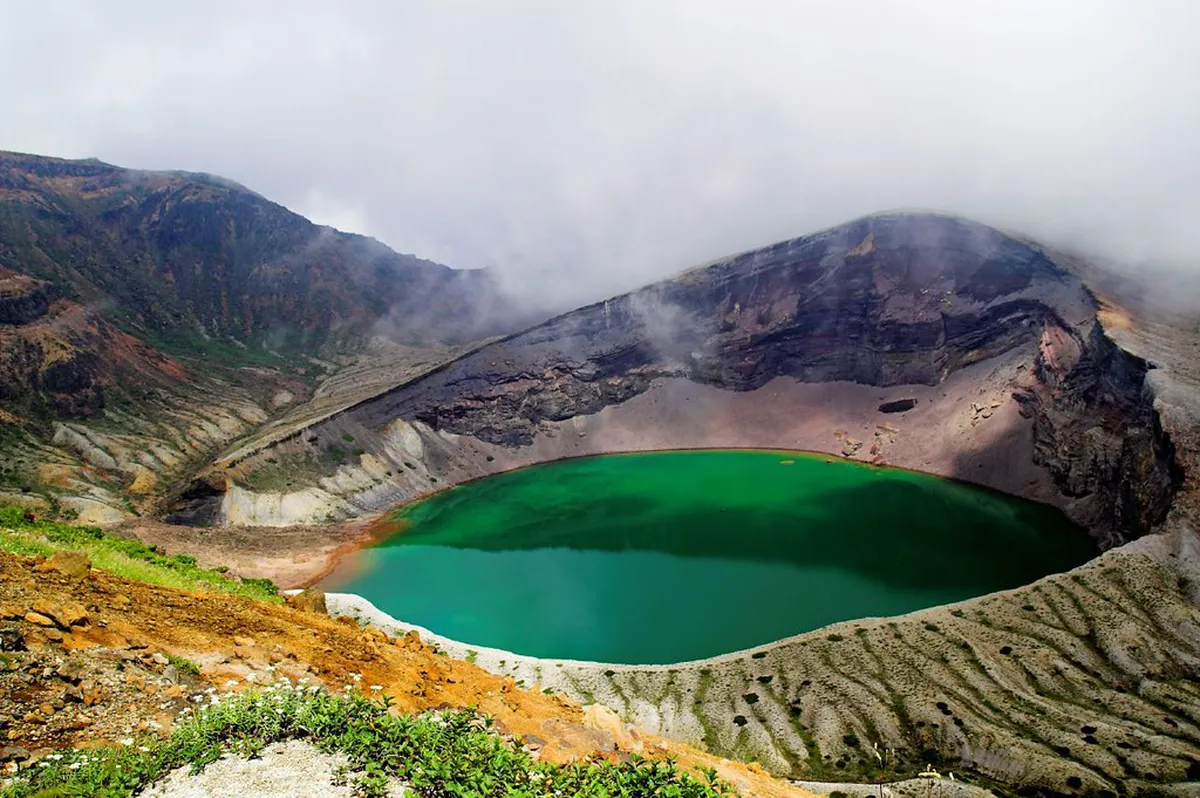
Zao Okama crater lake is a breathtaking natural wonder located on Mount Zao in Japan. This vibrant emerald lake sits at the heart of the Zao mountain range, straddling the border of Yamagata and Miyagi prefectures. Its colour shifts from emerald green to aquamarine depending on the light and temperature — earning it the nickname Goshikinuma, meaning Five-Coloured Pond.
Mount Zao reaches 1,841 metres at its highest peak, Kumanodake, making it one of Tohoku's tallest volcanoes. Okama itself is surrounded by three peaks — Kattadake, Kumanodake, and Goshikidake — and is accessible only from late April to early November before winter snows close the mountain roads. This guide covers how to get there, what to expect at each season, hiking options, winter snowshoe tours, and the one practical check most visitors forget to make before they go.
What Is Zao Okama Crater Lake?
Okama — Japanese for "cooking pot" or "cauldron" — is a volcanic crater lake formed by an eruption in 1720. The name suits it perfectly: the lake is roughly circular, measuring about 1,000 metres in circumference, and sits in a steep-walled basin that gives it the look of a giant pot. The water is highly acidic, which is why it supports almost no aquatic life despite its striking colour.
The lake's depth has changed dramatically over the centuries. A hundred years ago, the deepest point measured about 63 metres. As the crater walls have gradually eroded and collapsed inward, that figure has shrunk to roughly 27 metres today. The acidic sulphur content of the water is also what drives the famous colour changes: on overcast days the lake appears a deep grey-green; on bright sunny days it shifts toward vivid aquamarine. The five distinct hues it can display are what gave rise to the Goshikinuma name.
Geologically, Zao is a complex stratovolcano. "Mount Zao" refers to the entire mountain range spanning both prefectures, not a single peak. Kumanodake at 1,841m is the main summit; Okama sits just below it, reached via the Echo Line road or hiking trails from the ropeway.
Seasonal Highlights: Best Time to Visit
The Zao Echo Line and Zao High Line roads open in late April and close in early November due to snow accumulation. Outside these months, the only way to see Okama is on a guided winter snowshoe tour — a completely different experience covered below. Within the open season, each month offers something distinct.
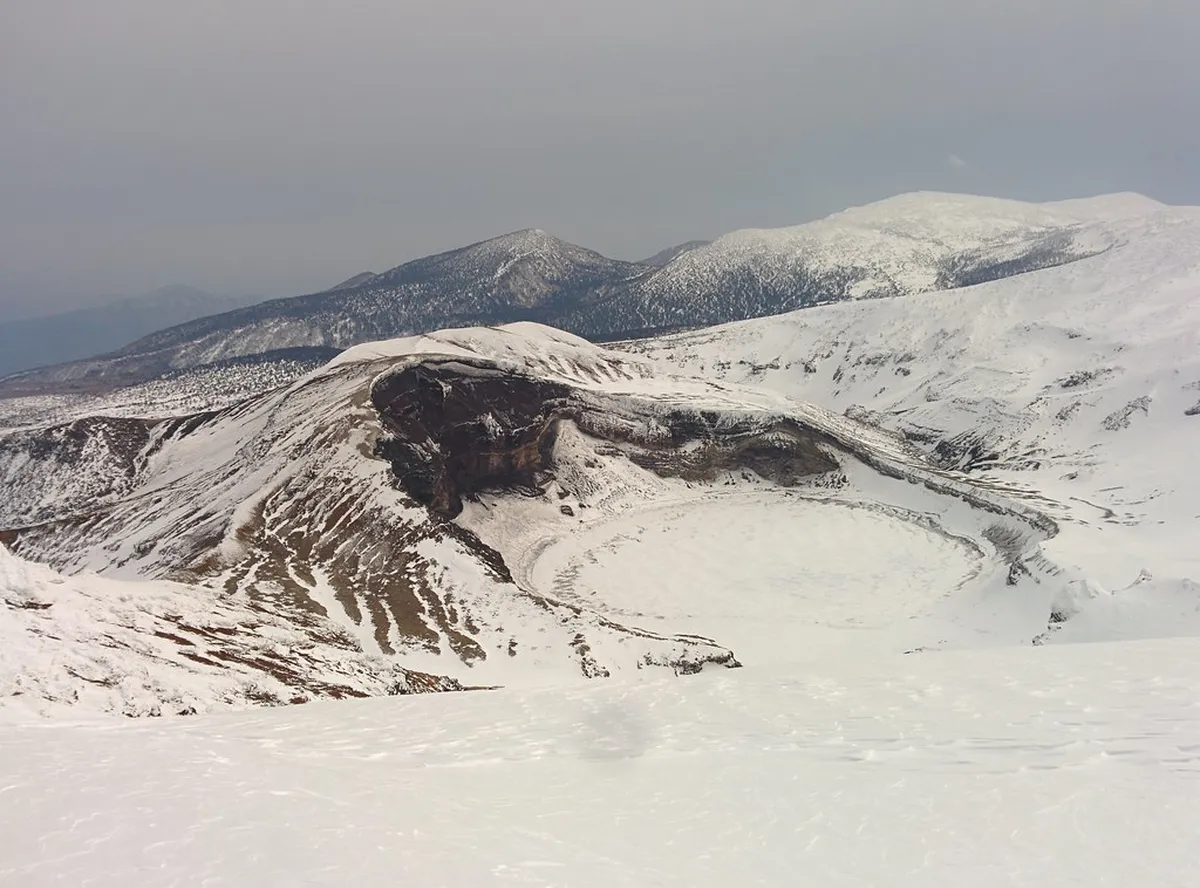
Late April and May offer the most dramatic contrast: snow still covers the upper slopes while the lower mountain is greening, and the lake is often partially ice-capped with aquamarine patches breaking through. June and July are the clearest months for colour and also the best time to see Dicentra peregrina — known as the "Queen of Alpine Plants" — blooming near the Kumanodake summit, with peak bloom around July. August brings heavier tourist traffic but reliably vivid lake colour.
September and October are prized for autumn foliage, with amber and red slopes contrasting the lake's deep green — peak photography season. Aim to arrive before 10:00 to beat tour bus crowds. Cloud rolls in fast on this mountain, so mornings consistently deliver clearer views regardless of month.
How to Enjoy Zao Okama
Most visitors access Okama by car or bus along the Zao Echo Line, which is a toll road with a fee of 540 yen. From the Zao Sancho Rest House parking area, a five-minute walk along a well-maintained path brings you to the crater rim observation point. The walk itself is easy and paved, so regular walking shoes are sufficient for this approach. The panoramic view of all three surrounding peaks opens up from the rim.
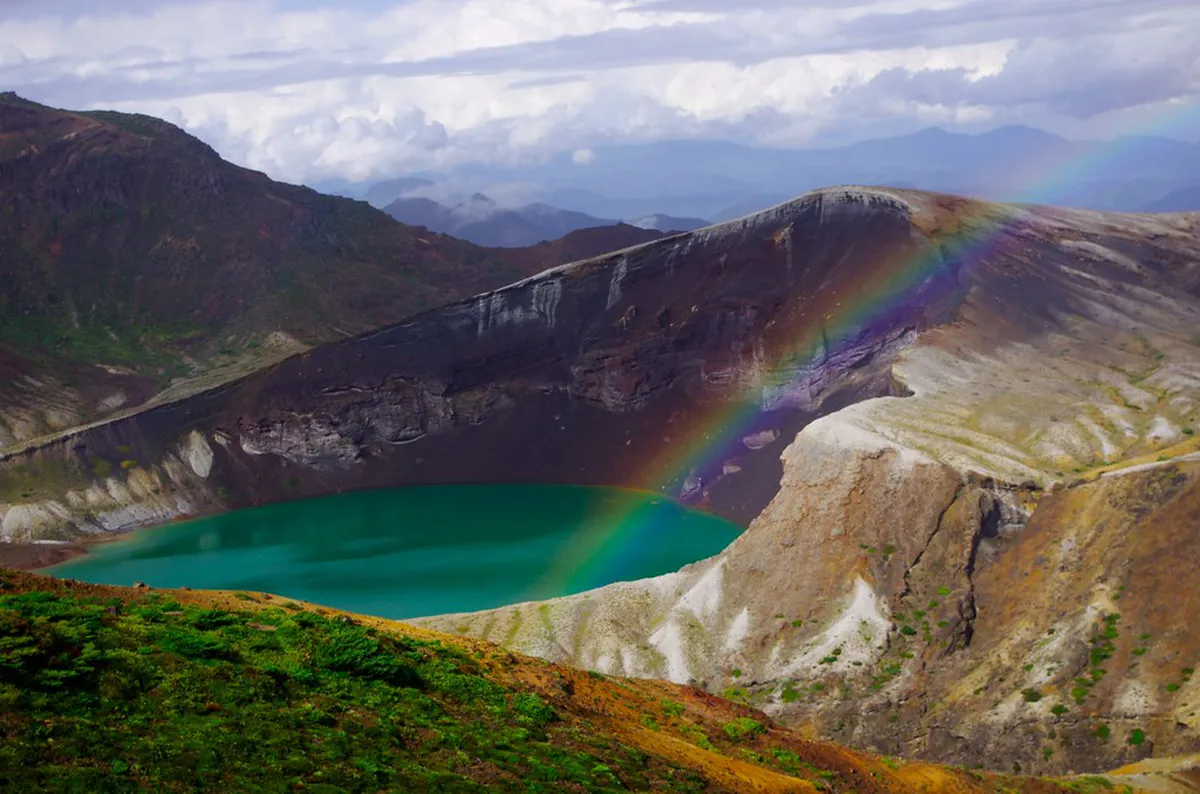
For hikers, the Mount Katta Hiking Course is a beginner-friendly option that reaches the crater rim in about 20 minutes one way from the summit parking area. A more rewarding route starts from Jizo Sancho Station at the top of the Zao Ropeway: from there it is roughly one hour on foot to reach Okama, passing the Zao Jizoson statue at 1,660m — a sitting Jizo statue built in 1775 that has watched over climbers for over 200 years. The route from Jizo Sancho to Kumanodake summit takes 40 to 50 minutes, with Okama visible from just below the summit.
The the Zao cable car provides the most scenic non-driving approach to the upper mountain. It connects Zao Sanroku Station in Zao Onsen to Jizo Sancho Station in two stages, taking roughly 17 minutes total and offering aerial views of the snow monster forests in winter and the alpine zone year-round. For a full day, combine the ropeway ride with the Kumanodake hike and a descent to Okama before returning via the Echo Line rest house. Check out our the Zao Ropeway guide for timetables and fares.
Volcanic Alert Level: The Check Most Visitors Skip
Zao is an active volcano, and the Japan Meteorological Agency (JMA) issues eruption alert levels that can restrict or close access to Okama with very little warning. Alert Level 1 (the norm) means the mountain is open to visitors. Level 2 restricts entry near the crater. Level 3 prohibits approach to the volcano entirely and will close both the Echo Line and the ropeway hiking routes. Okama was closed for a period in 2015 following elevated volcanic activity — a fact that caught many visitors off guard.
Before your trip, check the JMA volcanic activity page or the Visit Yamagata official tourism site for the current alert level. This takes under two minutes and can save an expensive wasted journey. Tour operators running the winter snowshoe itineraries (see below) monitor conditions daily and will cancel or reroute if the level rises, but independent drivers have no such safety net. The ropeway operator also posts closures on their website when wind conditions make operation unsafe — high winds are common above 1,600m even on clear days.
How to Get to Okama Crater
From Tokyo, take the JR Yamagata Shinkansen to Yamagata Station — a journey of approximately 160 minutes. From Yamagata Station two public transport routes reach the crater during the open season. Route I involves a 40-minute bus ride to Zao Onsen Bus Terminal, then the Sanko Bus to Jizo Sancho Summit via the ropeway (20 minutes, 1,500 yen one way); from Jizo Sancho Station, Okama is one hour on foot. Route II is the direct Sanko Bus from Yamagata Station to Zao Katta Summit, running once daily during the season and taking 95 minutes at 2,050 yen one way; from the summit stop it is a five-minute walk to the crater.
By car, both Yamagata City and Sendai City are about 90 minutes from Okama via the tourist roads. From Zao Onsen, the drive to Zao Sancho Rest House takes about 40 minutes along the Echo Line, with the 540-yen toll covering the final approach road. Parking is available at the rest house. From Sendai, the route is similar in distance — take the Zao toll road north and follow signage for the Echo Line. Consider checking getting to Zao for more detailed transport options including seasonal bus schedules.
Bus frequency is low outside summer peak. Verify current timetables directly with Miyako Kotsu bus company before your trip, as schedules change each season and some services run only on weekends in shoulder months. If you miss the last bus from Katta Summit, there is no alternative transport down — do not underestimate the timetable.
Explore Zao's Winter Wonders and Unique Tours
Zao truly transforms into a winter wonderland, offering unique experiences beyond what the open season delivers. The famous Snow Monsters (Juhyo) are the headline attraction: rime-covered fir trees sculpted by freezing winds into otherworldly shapes that can reach several metres tall. The phenomenon is visible from December to March, with mid-February being the peak. The Zao Ropeway runs through the juhyo forest zone and provides the most accessible views without hiking.
For those who want to reach Okama in winter — when the Echo Line is closed and the lake is frozen and snow-covered — a guided snowshoe tour is the only viable option. Omotenashi Yamagata operates one of the established programmes: participants meet their mountain instructor at Zao Ropeway Sanroku Station, ride the ropeway to Jizo Sancho (1,661m), then trek on snowshoes via Jizodake to Kumanodake and Okama. The round trip from the ropeway station takes a full day. Tour fees for 2026 run from 32,000 yen for a solo participant to 39,000 yen for two people, and include round-trip ropeway tickets, snowshoe rental, instructor fee, and insurance. The programme runs from 20 March to 6 May 2026, subject to snow conditions, and requires participants to be at least 18 years old with prior mountain experience.
An alternative early-spring itinerary visits the ice-clad crater and the frost-covered Kumano Shrine, accessible once the snowpack firms in March. Winter trekking requires proper layering, snow-proof boots, gaiters, goggles, and deep-snow trekking poles — ski poles are not a substitute as their rings are too small for fresh powder. Snowshoes are provided on guided tours. Book early: instructor-led programmes fill up in January for the March–May window.
Practical Info for Travelers to Zao
Accommodation in Zao Onsen ranges from traditional ryokans with private hot spring baths to smaller guesthouses. Staying in the onsen village puts you closest to the ropeway and the late-evening outdoor baths — a strong draw after a day on the mountain. Book well ahead for the February juhyo peak and for autumn foliage weekends in October, when rooms sell out weeks in advance. Consider a stay that includes access to a large open-air bath, especially after a cold-season hike.
There are no shops or vending machines at the Okama crater rim, so carry water and snacks. The rest house near the Echo Line toll gate has a basic café, but it does not operate year-round and its hours are limited. In winter, remember that rice-based foods like onigiri freeze solid in a pack at high altitude — sandwiches and hot drinks in a vacuum flask are better choices. There are no toilet facilities on the hiking trail between Jizo Sancho and Okama, so plan accordingly before leaving the station.
Useful Japanese phrases reduce friction at bus counters and rest houses: "Okama e no basu wa doko desu ka?" (Where is the bus to Okama?) and "Kippu wo kudasai" (One ticket, please) will cover most situations. A translation app handles everything else. For more detailed travel information, consult resources like Japan-Guide. You can also explore more the Mount Zao guide for the broader mountain area.
Nearby Recommended Spots from Zao
The Zao area makes a practical base for Miyagi and Yamagata day trips. Sendai is about 90 minutes by car — worth a stop for Matsushima Bay, one of Japan's three canonical scenic views. Check out our guide on Zao's snow-monster season if you are planning a winter itinerary combining multiple Tohoku stops.
For food, Miyagi is known for Sasa Kamaboko (bamboo-leaf fish cake) sold at Sendai markets. Yamagata itself is strong on soba and local sake. The mountain's volcanic soil also yields Yamagata cherries (sakuranbo) in season from June to August — available fresh at roadside stalls along the Echo Line approach, a quick and cheap stop worth making. You can also explore more the Mount Zao guide for the broader mountain area.
The Zao Onsen Ski Resort is one of Tohoku's largest ski areas, operating from November through early May. Combining a ski stay with the juhyo tour and a spring snowshoe trek to Okama makes an efficient three-day itinerary covering Zao's most distinctive experiences in one trip.
Frequently Asked Questions About Zao Okama
Frequently Asked Questions
How do I visit Zao Okama Crater Lake?
You can visit Zao Okama Crater Lake by car via the Zao Echo Line or by bus from Yamagata Station. The Zao Echo Line is open from late April to early November. From the bus terminal, a short walk leads to the crater. Always check road conditions before your trip.
How tall is Mount Zao where the crater is located?
Mount Zao stands at 1,841 meters (approximately 6,039 feet) above sea level. This makes it one of the tallest mountains in the Tohoku region of Japan. The altitude contributes to its stunning views and diverse ecosystems.
How do I get to Okama Crater from Sendai?
From Sendai, you can reach Okama Crater by driving on tourist roads for about 90 minutes. Public transportation options involve taking a train to Yamagata Station first. Then, transfer to a bus heading towards Zao Onsen and the crater area. Always verify bus schedules and road closures.
What mountain did Crater Lake used to be?
The Zao Okama Crater Lake is part of Mount Zao, which is a complex volcano. It did not form from a single collapsed mountain like some other crater lakes. Instead, it is a caldera formed by volcanic activity within the Zao mountain range.
Zao Okama Crater Lake offers an incredible experience for nature lovers and adventurers. Its mesmerizing colour-shifting waters, the surrounding hiking terrain, and the winter snowshoe access make it one of Tohoku's most rewarding destinations across all seasons. Plan your visit carefully to enjoy all that this unique volcanic landscape has to offer.
From the spring wildflower bloom near Kumanodake summit to the autumn foliage framing the crater, Zao delivers something different at every visit. Check the volcanic alert level, confirm bus timetables, and book accommodation early for peak months — and the rest of the trip takes care of itself.
Remember to check seasonal access and transport options before your trip. Enjoy the journey to Zao Okama Crater Lake and create unforgettable memories. This destination truly captivates with its ever-changing beauty.
Free guide: Japan's Hidden Gems
12 under-the-radar places beyond Tokyo & Kyoto — with the best season to visit each and a local tip you won't find in the guidebooks.
You might also like


Continue reading
More guides you'll find useful


