

Zao Ropeway Guide: Tickets, Seasons & How to Visit
Plan your trip to Zao Ropeway with our comprehensive guide. Find details on tickets, best seasons, transportation, and nearby attractions for an unforgettable experience.
On this page
The the Zao cable car offers breathtaking views and access to unique natural wonders in Yamagata, Japan. This iconic attraction connects the base of Mount Zao with its summit. Visitors can experience dramatic landscapes throughout the year.
It provides a gateway to the famous 'Snow Monsters' (Juhyo) in winter. The ropeway also serves as a vital link for skiers and hikers. Planning your visit ensures a smooth and memorable adventure.
This comprehensive guide covers everything from tickets and operating hours to transportation and seasonal packing tips. Discover how to make the most of your Zao Ropeway journey. Prepare for an unforgettable experience high above the Japanese mountains.
Getting to Zao Ropeway: Transportation Options and Tips
Reaching the Zao Ropeway is straightforward, especially from Yamagata Station. Public buses offer a convenient and affordable option. The journey takes approximately 40 minutes and costs about ¥1,000 one way. You can find the bus stop at the Central Building Bus Stop near Yamagata Station. Check the latest bus schedules to plan your departure.
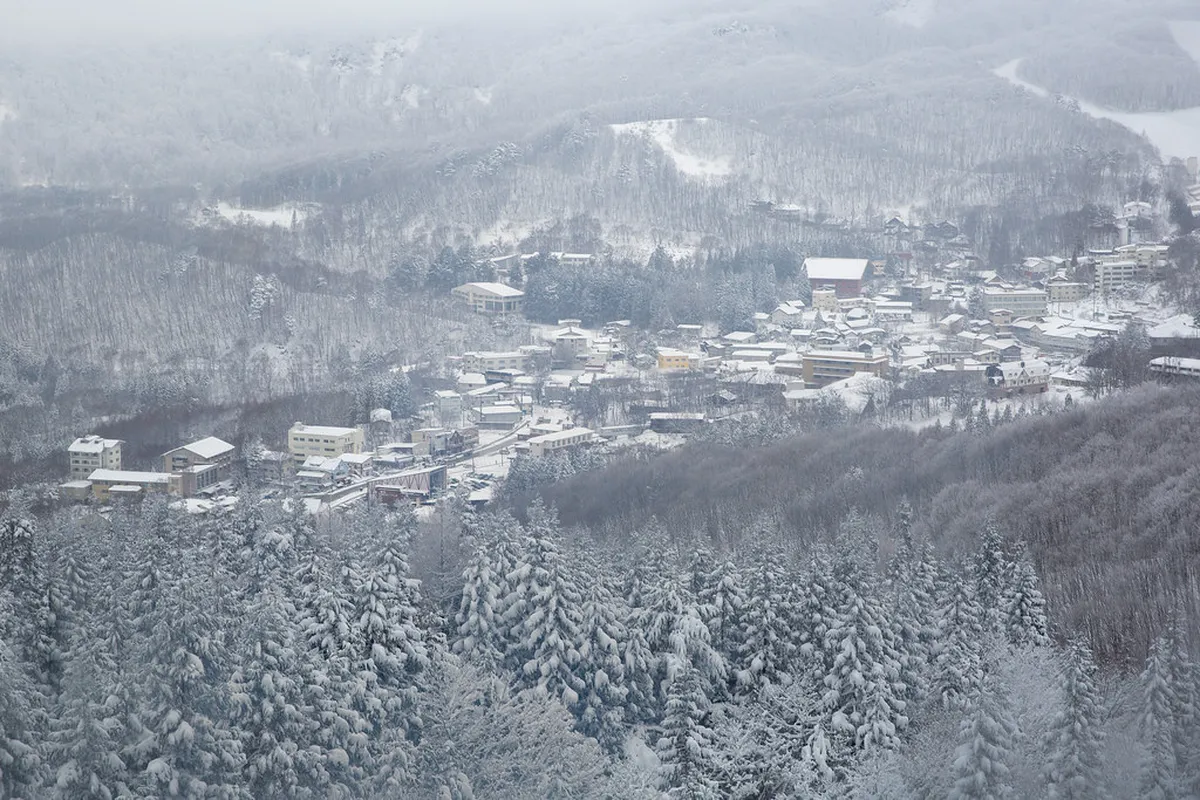
Once you arrive at the Zao Onsen bus terminal, the Zao Ropeway Sanroku Station is a short walk away. This pleasant stroll typically takes around 10 minutes. Follow the signs leading to the ropeway entrance. The address for the base station is 229-3 Zaoonsen, Yamagata, 990-2301, Japan.
For those traveling from further afield, consider your overall route to Yamagata. Shinkansen bullet trains connect major cities like Tokyo to Yamagata Station efficiently, with the Yamagata Shinkansen Tsubasa departing from Ueno Station — the journey takes around two and a half hours. All seats on the Tsubasa require reserved tickets, so book at the station ticket office before you board. From Yamagata Station, the bus connection to Zao Onsen is simple.
Driving is another option, with parking available near the base station. Always check for road conditions, especially during winter months when heavy snowfall is common. During ski season, the Zao Ski Resort Snow Shuttle Bus also connects the resort area, which is useful if you are combining a ski day with the ropeway. Reviewing the Official Zao Ropeway Sanroku Station website for current bus times before you travel is always a good idea.
What is the Zao Ropeway? An Overview of the Journey
The Zao Ropeway is an essential part of the Zao Onsen experience, offering stunning aerial views. It consists of two distinct ropeway segments. Each segment provides unique perspectives of the surrounding landscape.
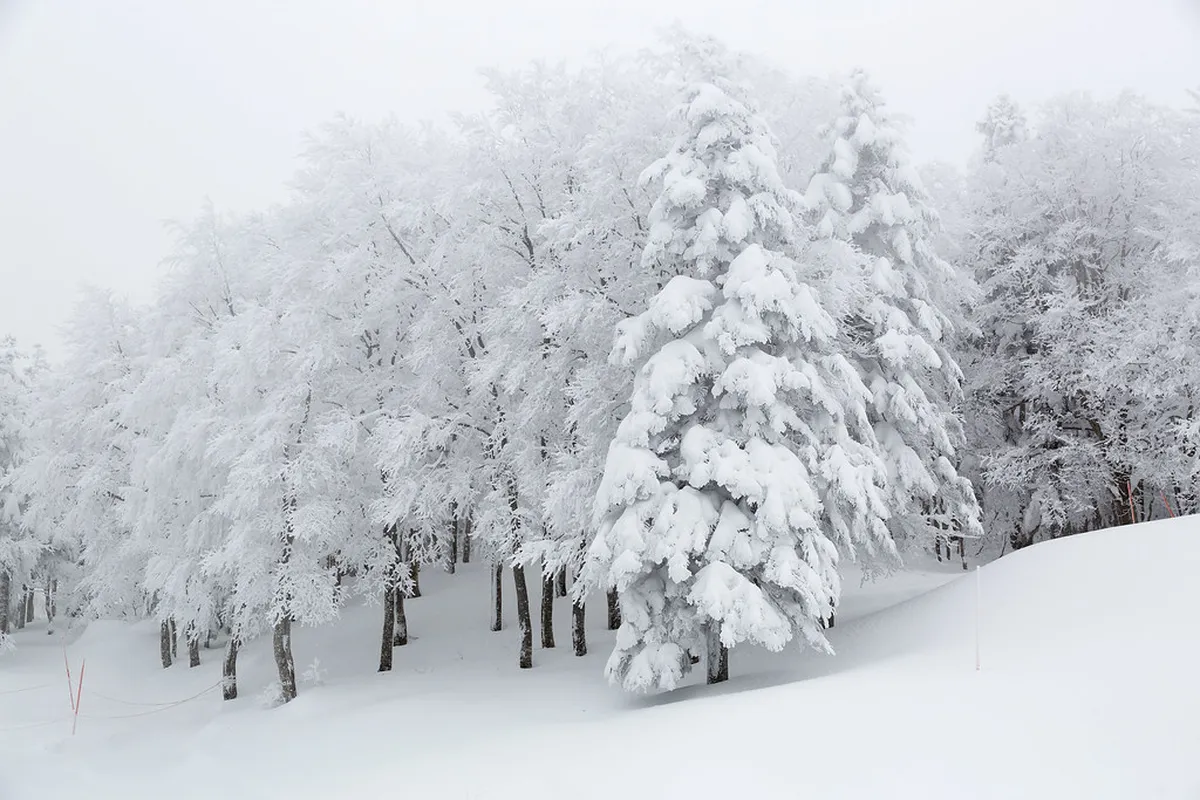
The first section runs from Zao Sanroku Station (altitude 855 m) to Juhyo Kogen Station (altitude 1,331 m). This initial ride takes approximately 7 minutes. Passengers enjoy scenic vistas as they ascend the mountain.
From Juhyo Kogen Station, you transfer to the second cable car for the final ascent. This segment travels to Jizo Sancho Station, located at 1,661 m above sea level. This ride takes about 10 minutes, bringing you closer to the summit. At the top you will find an observatory deck and a mountaintop restaurant — a useful refuge for warming up before you head back down, especially in winter when temperatures at the summit can be −4°C or colder even on mild days.
The entire journey offers incredible panoramic views, changing dramatically with each season. In winter, you will witness the famed Juhyo Snow Monsters up close from the cable car windows — the same trees look entirely different in summer green. Discover more about the Mount Zao guide to pair with your ropeway visit.
Zao Ropeway Tickets and Fares: What You Need to Know
Purchasing tickets for the Zao Ropeway is straightforward at the Sanroku Station. You can buy individual tickets for each segment or a combined round-trip fare. The combined ticket offers the best value for a full mountain experience.
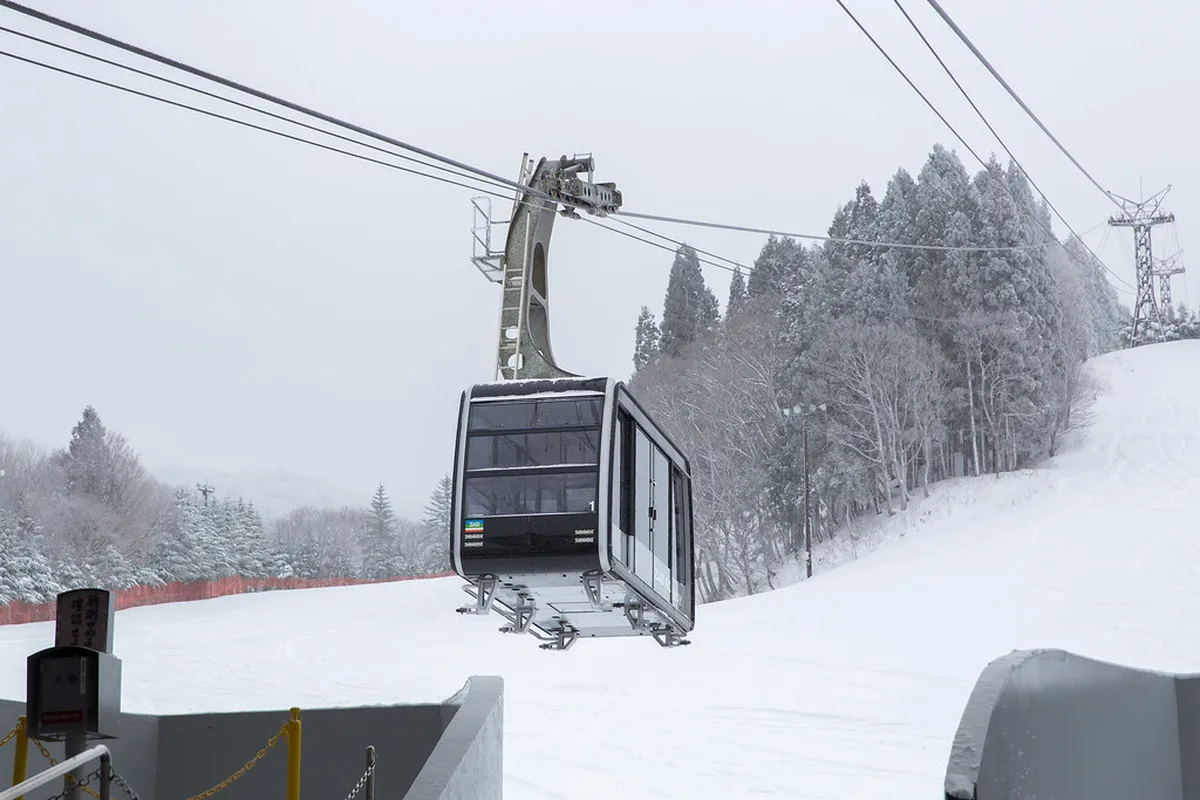
A round-trip fare covering both the ropeway and cable car to Jizo Sancho Station typically costs around ¥3,800 per adult. Always verify current prices on the Official Zao Ropeway Sanroku Station website before your visit, as rates are adjusted seasonally.
During the peak winter Snow Monster season (roughly 18 December to 28 February), a 1-day combined Lift and Ropeway ticket for the Zao Onsen Ski Resort is available at approximately ¥5,500 for adults, ¥2,800 for children, and ¥4,800 for seniors and high school students. From 1 March to 31 March, child fares drop to around ¥2,000. These combined passes cover both the ropeway and the ski resort lifts, making them excellent value if you plan to ski or snowboard on the same day.
Online priority tickets are worth checking on the official site during peak winter weekends, when queues at Sanroku Station can stretch to 30–40 minutes. Buying in advance lets you skip the main ticket queue and go straight to boarding. Child and senior discounts may also apply to the standard ropeway-only fare — confirm these at the counter or on the VISIT YAMAGATA official tourism site. If you plan to ski, look for combined the Zao ski resort Lift & Ropeway passes on the Zao Onsen Ski Resort official site.
Zao Ropeway Operating Hours and Seasonal Schedule
Operating hours at the Zao Ropeway change significantly between winter and the green-season months, so checking ahead is essential. During the standard green season (roughly May to late November), the ropeway typically opens at 08:30 and runs until 17:00. Last upward departures are usually 30 minutes before closing, so plan your final ride accordingly.
In winter (December through April), operations shift to accommodate the ski crowd and the Snow Monster illumination events. Morning opening is often around 08:00 on weekdays and can start slightly earlier on weekends during peak snow-monster season. The ropeway may close temporarily for strong-wind inspections — wind speeds above a certain threshold trigger an automatic suspension. If you are visiting in a winter storm, build buffer time into your itinerary.
The ropeway also undergoes an annual maintenance closure, typically in late April or early May before the green season launches. Exact dates are announced on the official website each year. Always confirm the current schedule on the official Zao Ropeway page before you book transport, especially if you are traveling mid-week in shoulder season when reduced timetables apply.
Best Time to Visit Zao Ropeway: Seasonal Highlights and Weather
The Zao Ropeway offers a unique experience in every season, but winter is particularly famous. From late December to early March, the iconic Snow Monsters (Juhyo) emerge. These natural ice sculptures — trees glazed in layers of snow and ice by intense winter storms — are a must-see phenomenon. Learn more about the best time to see Zao Snow Monsters.
Winter temperatures on Mount Zao can drop significantly, often reaching −10°C or colder at the summit. Expect heavy snowfall and strong winds at the top. Dress in multiple warm layers, including waterproof outer shells, hats, gloves, neck gaiter, and sturdy winter boots with grip. Inner thermal layers and hand warmers are a practical addition that most first-timers forget until they step off the cable car.
Spring brings melting snow and the awakening of alpine flora, usually from April to June. The weather becomes milder, ideal for hiking and enjoying clear mountain air. You will find fewer crowds during this shoulder season, and the ropeway often runs on a reduced but still accessible schedule.
Summer, from July to August, offers lush green landscapes and comfortable temperatures for exploring. It is a great time for hiking to the Okama crater lake or enjoying the cooler air at altitude. Pack light layers and rain gear for sudden changes.
Autumn, spanning September to November, showcases stunning fall foliage across the mountains. The vibrant reds, oranges, and yellows create a picturesque backdrop for your ropeway journey. Temperatures are crisp and pleasant, perfect for scenic walks and photography.
Snow Monster Night Illumination: A Winter Event Worth Planning Around
During peak winter — roughly late January and February — the Zao Ropeway runs evening illumination sessions where the Juhyo Snow Monsters are lit up in coloured light after dark. This is a distinct experience from the daytime ropeway ride: the same ice-coated trees take on an otherworldly glow, and the viewing area at Juhyo Kogen Station becomes far less crowded than it is at midday.
The illumination sessions typically run on weekend evenings and during national holiday periods, with the ropeway operating past its usual daytime closing time. Specific dates and departure times are published on the official Zao Ropeway website each winter season. Tickets for evening rides are priced separately from the standard daytime fare, so check the schedule if your travel dates coincide with this window.
Practical note: evening temperatures on Mount Zao drop sharply after sunset, often several degrees colder than the daytime summit reading. Wear an extra insulating layer you can add when you step off the cable car. The illumination window is usually only two to three hours, which is enough time for photos and a warm drink at the station before the last car down.
Exploring Beyond the Ropeway: Nearby Attractions in Zao Onsen
Zao Onsen is much more than just the ropeway; it is a vibrant hot spring town with many activities. After your mountain adventure, relax in one of the many traditional onsen baths. Public bathhouses offer an authentic Japanese experience at a fraction of the cost of a ryokan soak.
The town also features various shops selling local crafts and souvenirs. You can find unique gifts and taste regional delicacies at the Yamagata Zao Market stalls near the main street. Explore the charming streets and discover lesser-known highlights before catching your return bus.
For nature lovers, the stunning Okama Crater is a popular summer and autumn destination. This vibrant emerald-green volcanic lake is accessible via a scenic drive or hike. It offers incredible photo opportunities and is typically open from late April to late November, weather permitting.
During winter, the Zao Onsen Ski Resort provides excellent slopes for skiing and snowboarding. The ropeway is part of the extensive lift system for skiers. Consider combining your ropeway trip with a day on the pistes. Consider how to get to Zao and explore the entire region with ease.
Planning Your Zao Ropeway Itinerary: Sample Routes and Tips
Crafting a well-planned itinerary ensures you maximise your Zao Ropeway experience. Consider how much time you have and your primary interests. A half-day trip might focus solely on the ropeway and summit views.
For a half-day winter visit focused on the Snow Monsters, aim to arrive at Sanroku Station before 09:30. The first cars of the day are the least crowded, and morning light on the Juhyo is ideal for photos. Allow 2–3 hours for the full round trip, including time at the summit observatory and a warm-up in the mountaintop restaurant.
A full-day itinerary offers more flexibility to explore additional attractions. After the ropeway, descend and enjoy a traditional lunch in Zao Onsen town, then visit one of the public onsen bathhouses in the afternoon. Checking out the Yamagata Zao Market on your way back to the bus stop adds a useful 30-minute detour.
During summer and autumn, a full day allows for a trip to the Okama Crater. Combine this with the ropeway for a comprehensive mountain experience. Always factor in travel time between locations, especially if using public transport. For more travel ideas, check out Japan Activity's blog.
Essential Tips for Visiting Zao Ropeway: Reviews and Practical Advice
Visiting the Zao Ropeway requires some preparation to ensure a smooth trip. Always check the official website for operating hours and any temporary closures. Weather conditions — particularly high winds — can sometimes halt ropeway operations with little advance notice, so a flexible schedule helps.
Dress appropriately for the season and altitude, especially in winter. Temperatures at the summit are significantly colder than at the base, and the wind chill amplifies this further. Layers are always recommended, even on milder days. A small backpack for extra layers, snacks, and a thermos of hot drink makes a real difference at 1,661 m.
Weekends and national holidays in winter can be particularly busy, leading to queue times of 30–45 minutes for the ropeway. Consider visiting on a weekday if your schedule allows for a more relaxed experience. Arriving at Sanroku Station before 09:00 on weekend mornings can help you beat the first rush. If online priority tickets are available for your visit date, book them — they are consistently faster than queuing at the counter.
Bring cash for smaller purchases in Zao Onsen town, as not all shops and bathhouses accept credit cards. Keep an eye on the last ropeway departure times displayed at the station entrance to avoid being stranded on the mountain. A Google Maps link for Zao Ropeway Sanroku Station can help with navigation from the bus terminal.
Frequently Asked Questions
How long does the Zao ropeway take?
The Zao Ropeway journey involves two segments. The first part from Sanroku Station to Juhyo Kogen Station takes about 7 minutes. The second segment from Juhyo Kogen Station to Jizo Sancho Station takes approximately 10 minutes. The total one-way journey is around 17 minutes.
What is Zao Ropeway?
The Zao Ropeway is an aerial lift system in Zao Onsen, Yamagata, Japan. It transports visitors from the base of Mount Zao to its summit. It provides access to scenic views, hiking trails, and the famous 'Snow Monsters' in winter.
How do I get to Zao snow Monster from Tokyo?
To reach the Zao Snow Monsters from Tokyo, take the Shinkansen (bullet train) to Yamagata Station. From Yamagata Station, take a local bus to Zao Onsen bus terminal. The Zao Ropeway Sanroku Station is a short walk from the bus terminal, offering direct access to the Snow Monster viewing areas.
How cold does it get on Mount Zao?
Mount Zao experiences very cold temperatures, especially during winter. At the summit, temperatures can drop well below freezing, often reaching -10°C (14°F) or colder. Strong winds can make it feel even colder. Proper winter clothing is essential.
What are the Zao Ropeway ticket prices?
A round-trip ticket covering both ropeway segments to Jizo Sancho Station typically costs around ¥3,800 for adults. During peak winter, a 1-day adult ticket might be about ¥5,500. Child and senior discounts may apply. Always check the official Zao Ropeway website for current pricing before your visit.
The Zao Ropeway offers a genuinely memorable journey through Japan's stunning mountain landscapes. It provides access to unique seasonal wonders and panoramic views. Planning your visit carefully ensures a rewarding experience.
From the iconic Snow Monsters of winter to the lush greenery of summer, each season brings its own charm. Use this guide to prepare for your adventure. Enjoy all that Zao Onsen and the ropeway have to offer.
Whether you seek adventure, relaxation, or natural beauty, the Zao Ropeway delivers. Start planning your trip to this incredible destination today. Create lasting memories at the centre of Yamagata.
Free guide: Japan's Hidden Gems
12 under-the-radar places beyond Tokyo & Kyoto — with the best season to visit each and a local tip you won't find in the guidebooks.
You might also like


Continue reading
More guides you'll find useful

