

Zao Snow Monsters: Best Time to Visit & Essential Travel Guide
Discover the best time to see Zao Snow Monsters in Japan, with seasonal insights, travel tips, and how to plan your unforgettable winter trip.
On this page
Last updated June 2026. Visiting the Zao Snow Monsters, known as 'Juhyo,' offers a truly unique winter experience in Japan. The best time for most travelers to witness these natural wonders is from late January to late February. This period sees the monsters at their most impressive size and coincides with popular light-up events. For those seeking fewer crowds, consider the shoulder months of early January or early March.
These majestic formations are created by specific weather conditions in the Tohoku region. Understanding the seasonal nuances is key to planning your perfect trip. This guide provides detailed insights into when to go and what to expect.
We cover everything from weather patterns and crowd levels to essential packing advice. You will find practical tips to make your visit to Zao Onsen unforgettable. Plan your trip to see these incredible snow giants at their peak.
When is the Best Time to See Zao Snow Monsters? (Seasonal Breakdown)
The prime season for viewing Zao's Snow Monsters spans from December through March. Each month offers a distinct experience, from early formations to their grandest display. Understanding these differences helps tailor your visit to your preferences.
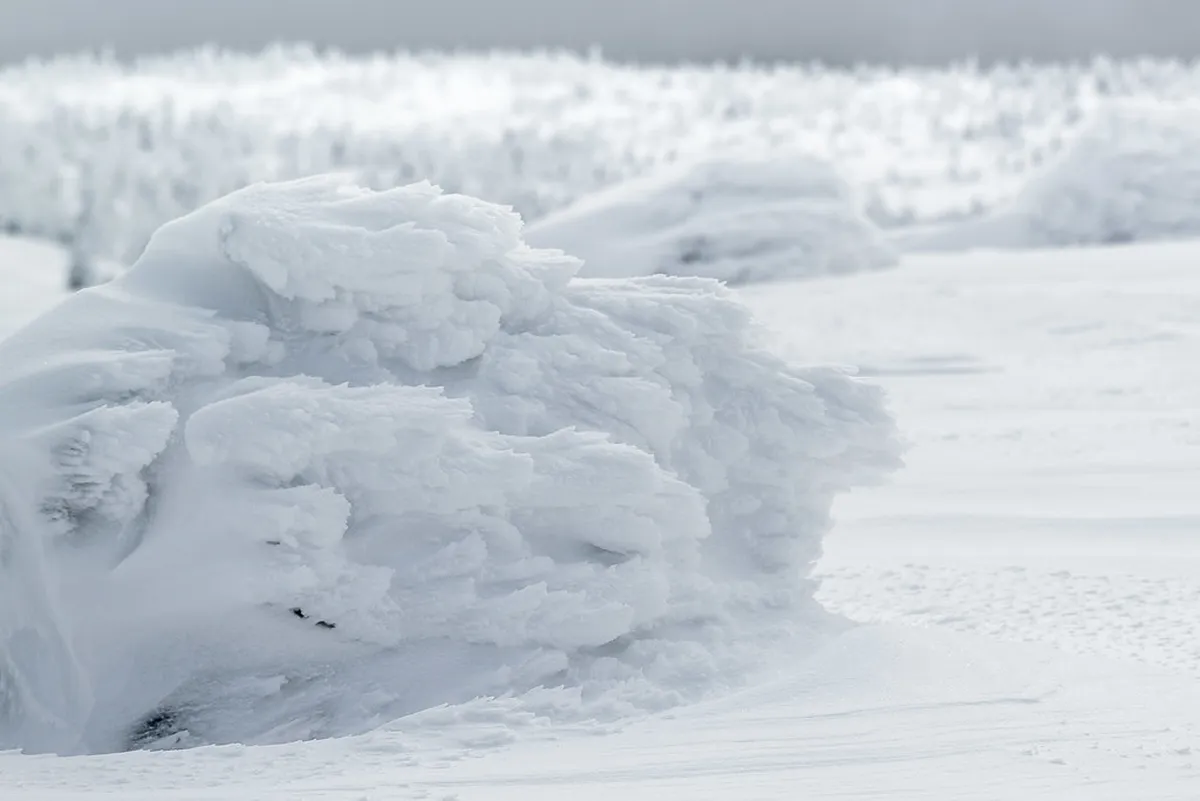
Early December brings the first signs of juhyo formation. The trees begin to accumulate ice, creating smaller, more delicate shapes. Crowds are typically lighter during this initial phase, offering a more serene viewing.
By January, the monsters start to grow significantly. Temperatures drop to their coldest, ranging from -15 to -8°C / 5 to 18°F on the mountain. This month is excellent for seeing developing forms before the peak crowds arrive.
Late January to late February marks the peak season for Zao Snow Monsters. The juhyo reach their largest and most imposing sizes, typically between mid-February and mid-March at the highest elevations. This period also features popular night light-up events, attracting the highest number of visitors.
Early to mid-March sees the beginning of the monsters' decline. Warmer temperatures cause the ice and snow to melt, gradually shrinking the formations. While still impressive, the shapes become less defined, and crowds thin out considerably.
What are the Zao Snow Monsters (Juhyo)?
Zao's Snow Monsters, or 'Juhyo,' are a unique natural phenomenon found only in a few specific regions of Japan. They are not simply snow-covered trees but intricate sculptures formed by a combination of weather conditions. These conditions must align perfectly to create the iconic shapes.
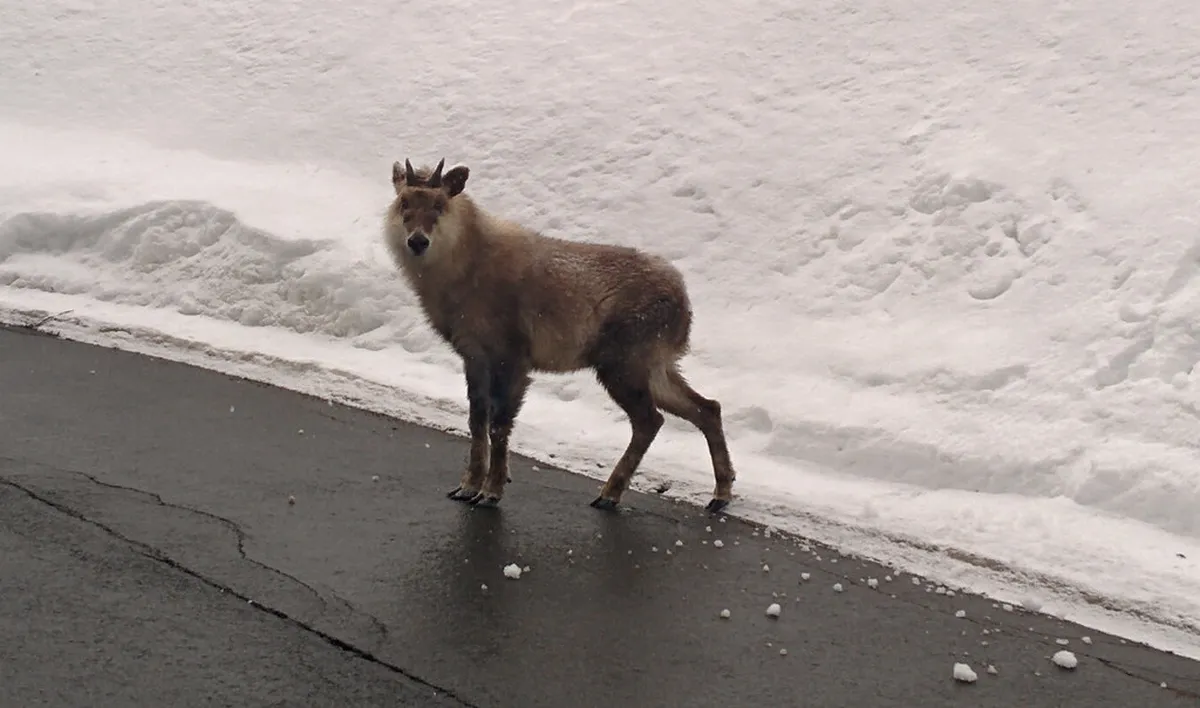
The process begins with the Aomori fir trees, which grow at high altitudes on Mount Zao. These hardy trees act as a base for the ice and snow. Without these specific tree species, the juhyo would not form.
Strong Siberian winds carry supercooled water droplets across the Sea of Japan. When these droplets hit the fir trees, they instantly freeze upon impact. This continuous freezing layer by layer is called 'rime ice'.
Heavy snowfall then covers these rime ice formations. The combination of ice and snow, sculpted by relentless winds, gradually transforms the trees into monstrous figures. At Jizo Sancho Station (1,736 m above sea level), the altitude keeps these formations solid and visible throughout the entire winter season. The resulting juhyo are truly a sight to behold, resembling fantastical creatures frozen mid-gesture across the entire ridgeline.
How to Get to Zao Snow Monsters: From Tokyo, Sendai & Yamagata
The main access hub is Yamagata Station, from where local buses run directly to Zao Onsen. Once at Zao Onsen, it is roughly a 10–15 minute walk to Zao Ropeway Sanroku Station, the starting point for the ropeway up to the monsters. Plan bus connections carefully in winter — the Z90 bus departs from Bus Stop 1 outside Yamagata Station's East Exit and runs approximately every hour during the peak season.
From Tokyo: Take the Yamagata Shinkansen from Tokyo Station directly to Yamagata Station. Journey time is approximately 2.5 to 3 hours. From Yamagata Station, board the Yamako Bus (Z90 or C2 line) toward Zao Onsen Bus Terminal, which takes around 40–45 minutes. This is the fastest and most comfortable door-to-door route for most visitors coming from the Kanto region.
From Sendai: Ride the JR Senzan Line from Sendai Station to Yamagata Station, a journey of around 1 hour 10 minutes. Then connect to the same Zao Onsen bus from Yamagata Station. The total travel time from Sendai to Zao Onsen is approximately 2 hours, making it a manageable day trip — though an overnight stay lets you catch the evening light-up events more easily.
By car: Driving is possible but not recommended in deep winter due to icy mountain roads. If you drive, Zao Onsen is about 30 minutes from the Yamagata-Zao IC exit on the Yamagata Expressway. Tyre chains or dedicated snow tyres are legally required in these conditions. Most visitors without winter driving experience are better served by the bus.
How to Enjoy Zao Snow Monsters: Activities & Viewing Spots
The snow monsters are the headline attraction, but there is more than one way to experience them. Your approach depends on budget, fitness level, and whether you want to ski, walk, or simply ride to the top. Most visitors combine at least two of the options below for a full day on the mountain.
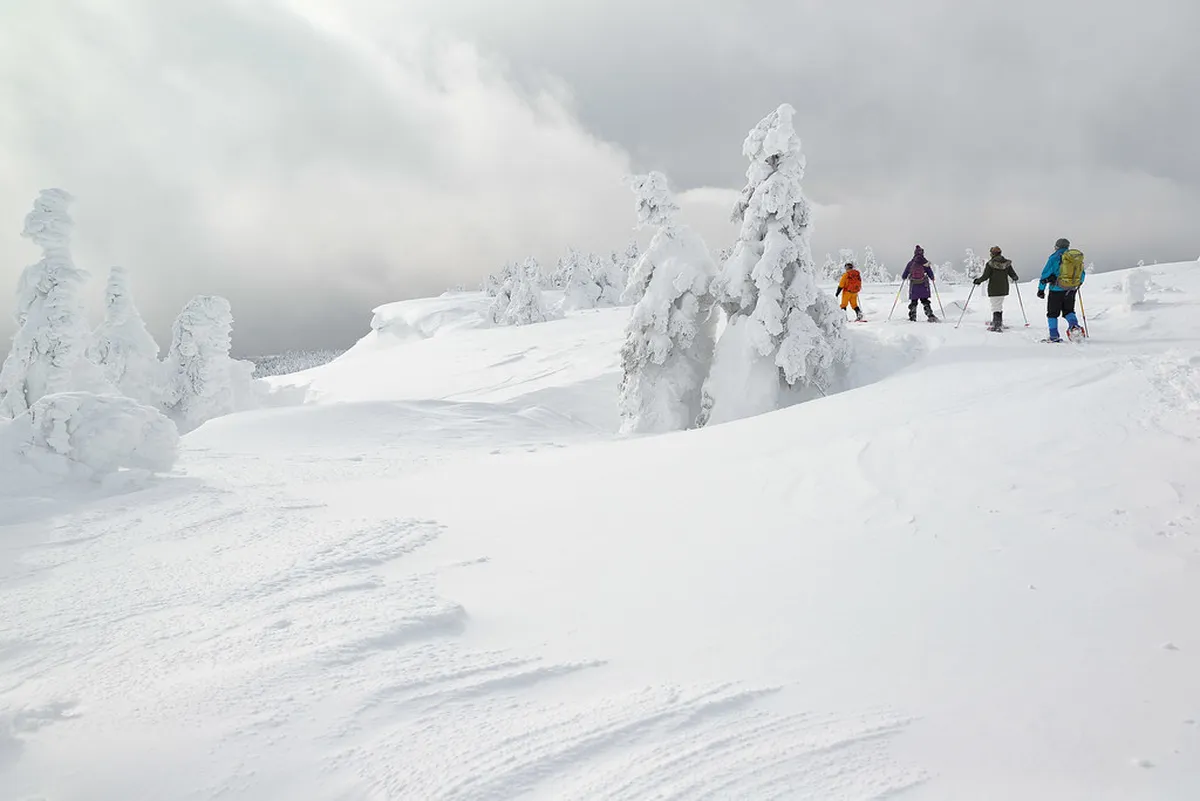
- Ride the ropeway to Jizo Sancho Station. This is the essential experience. Take the Sanroku Line from Zao Sanroku Station to Juhyo Kogen Station (7 minutes), then switch to the Sancho Line up to Jizo Sancho Station (10 minutes). You pass through increasing densities of monsters as you climb. The total ropeway journey is about 20 minutes each way and gives panoramic views of thousands of juhyo covering the ridgelines in every direction.
- Ski or snowboard among the juhyo. Zao Onsen Ski Resort has runs that pass directly through the snow monster fields. This is the most immersive way to see them — the monsters loom up on both sides as you descend. Rental gear is available at the resort base.
- Take a snowcat tour. Guided snowcat vehicles, each seating up to 30 passengers, drive up the mountain slopes over approximately 50 minutes. They make stops so passengers can step out and photograph the formations. This is a heated, crowd-comfortable alternative if the ropeway queues are long.
- Attend the Zao Juhyo Festival illuminations. Held from late December through late February, the Juhyo Festival includes evening light-up events where the monster-covered slopes are bathed in coloured illuminations between 17:00 and 21:00. The last upward ropeway departure from Zao Sanroku Station on light-up nights is at 19:50. Fireworks and ski performances are part of the weekend programme.
- Dine at Restaurant Sancho. Located at Jizo Sancho Station at the top of the ropeway, this restaurant serves local Yamagata dishes with a direct terrace view of the snow monster fields. It is one of the few places in Japan where you can eat lunch while surrounded by juhyo.
One practical tip that most travel guides overlook: buy your ropeway tickets in advance online rather than at the ticket machines on the day. During peak season, visitors arriving on the first morning bus from Yamagata still face a 60-minute queue just to purchase tickets, followed by another 60-minute wait to board the gondola. Pre-purchased tickets let you join the ropeway queue directly, saving up to an hour in the cold. The Zao Ropeway website sells tickets online and the official page has an English-language option. Arriving early (first or second morning bus from Yamagata) combined with advance tickets is the single most effective strategy for beating the crowds.
Photography Tips for Capturing the Zao Snow Monsters
The Zao Snow Monsters reward photographers who plan around light rather than luck. The ridgeline formations sit at 1,736 m and are shot from three main vantage points: the observation deck at Jizo Sancho Station, the short walking trail toward the summit's stone Jizo statue, and the ropeway gondola itself as it climbs through the densest clusters. Each gives a different scale — wide shots of the full ridgeline from the deck, and closer, sculptural detail along the trail.
- Shoot early or late. The first ropeway departures of the morning catch low sun raking across the ice formations before the observation deck fills with tour groups; the last uphill departure on light-up nights (19:50) catches the illuminated slopes against a dark sky.
- Bring a wide-angle and a mid telephoto. A wide lens captures the full ridgeline of juhyo, while a 70-200mm equivalent isolates individual monster-like shapes against the sky, which reads better than a flat snowfield.
- Protect batteries from the cold. At -15 to -8°C, battery life drops fast. Carry spares in an inner jacket pocket and swap them out rather than trying to warm a dead one back to life.
- Wipe the lens frequently. Wind-blown snow settles on the front element within minutes; keep a microfiber cloth in a warm pocket, not a bag, so it doesn't fog the glass when you use it.
- Overexpose slightly. Cameras read the bright snow as middle grey by default; dial in +0.7 to +1 EV to keep the ice formations true white instead of muddy grey.
A round-trip ropeway ticket for the full Sanroku–Jizo Sancho course costs around ¥3,000 for adults. Buying it online in advance also protects your shooting window — arriving at the top with an hour less queue time means more usable light before midday haze sets in over the ridgeline.
Zao Onsen: Hot Springs and Ski Resort
Zao Onsen is not just a base for viewing the snow monsters — it is one of Japan's most celebrated hot spring towns and its largest ski resort. The combination of world-class powder skiing, ancient communal baths, and the juhyo phenomenon on the same mountain makes it unique among Japanese winter destinations. Most visitors who spend the night find that one day is not enough to cover everything.
The ski resort has runs suited to all levels, from gentle beginner slopes to steep technical courses. Intermediate skiers can access the snow monster zone directly on skis, which is something Niseko and Hakuba do not offer. The resort's night skiing typically runs until 21:00 on designated slopes, allowing for a full evening session after daytime monster viewing.
The onsen side of Zao is equally compelling. Three historic communal bathhouses — Kamiyu, Shimoyu, and Kawarayu — sit within a short walk of each other in the village and charge around 200 JPY per entry. The water here is strongly acidic (pH around 1.7 to 1.9), giving it a distinctive milky greenish tint and skin-softening properties unlike the clear neutral waters found in most other Japanese onsen towns. Soaking after a day on the mountain is genuinely restorative, not just a tourist checkbox. Numerous ryokan also operate private onsen baths for guests.
Beyond skiing and bathing, the village itself rewards a slow wander. The the Okama crater lake on the Miyagi-Yamagata border is a summer and autumn destination (closed in winter), while nearby Ginzan Onsen — a beautifully preserved Meiji-era hot spring town — is accessible as a half-day excursion from Zao in any season. For anyone coming to Yamagata for the snow monsters, combining one night at Zao Onsen with a visit to Ginzan adds significant depth to the trip without extra transport complexity.
Where to Stay in Zao Onsen: Ryokan, Hotels, and Budget Options
Zao Onsen village is compact enough that almost every accommodation option sits within a 5–15 minute walk of both the Zao Ropeway Sanroku Station and the three historic communal bathhouses. Staying overnight, rather than day-tripping from Yamagata or Sendai, is what makes the light-up events and an early first ropeway departure realistic on the same trip.
- Ryokan with private or indoor onsen baths run roughly ¥15,000–25,000 per person per night and typically include a kaiseki-style dinner and breakfast, a convenient option since much of the village's food scene is built around ryokan evening dining rather than standalone restaurants after dark.
- Slopeside hotels near the ski resort base cost around ¥12,000–20,000 per night and suit visitors prioritizing early ropeway access or night skiing over the traditional onsen experience.
- Budget guesthouses and minshuku start from about ¥6,000–9,000 per person, often sharing access to one of the public bathhouses rather than offering a private bath.
Book at least two to three months ahead for February weekends, when the Juhyo Festival light-up events overlap with peak snow monster season and rooms in the village sell out first. Early January and early March offer the same lodging at lower rates and with far more last-minute availability, matching the shoulder-season crowd pattern described earlier in this guide. Whichever option you choose, confirm whether dinner is included — several ryokan require a same-day cutoff for adding an evening meal, which matters if you plan to stay up on the mountain for the illuminations until 21:00.
Zao Snow Monsters: Season Comparison
Choosing the ideal time to visit Zao depends on your priorities. This comparison table offers a quick overview of what to expect each month. Consider weather, crowd levels, and specific events when planning.
Temperatures on the mountain can be extremely cold, especially during peak season. Always be prepared for strong winds and heavy snowfall. The the Zao cable car provides access to the viewing areas.
Crowds are heaviest when the monsters are largest and during holiday periods. Booking accommodations and ropeway tickets in advance is recommended for these times. Off-peak months offer a quieter experience.
| Season/Month Range | Weather (Mountain) | Crowds | Prices | Events | Best for |
|---|---|---|---|---|---|
| Early Winter (Early to Mid-December) | Cold, first snow, light monster formation. -10 to -5°C / 14 to 23°F. | Low to Moderate | Lower | Early ski season openings, start of Juhyo Festival | Avoiding crowds, seeing early formations |
| Mid-Winter (Late December to Early January) | Very cold, monsters growing. -15 to -8°C / 5 to 18°F. | Moderate, increases around New Year | Moderate to High | Holiday ski activities, light-up events begin | Developing monsters, winter sports |
| Peak Season (Late January to Late February) | Extremely cold, heavy snow, largest monsters. -18 to -10°C / 0 to 14°F. | High, very busy | Highest | Zao Snow Monster Festival, Night Light-Ups (17:00–21:00) | Seeing largest monsters, light-ups |
| Late Season (Early to Mid-March) | Cold, monsters begin to shrink. -10 to -3°C / 14 to 27°F. | Moderate to Low | Moderate | End-of-season skiing | Fewer crowds, still impressive views |
Which Season Is Right for You to See Zao Snow Monsters?
Deciding the best time to visit Zao's Snow Monsters depends on your travel priorities. Do you prioritize monster size, fewer crowds, or specific activities? This section helps you choose the perfect window for your trip.
Consider the trade-offs between peak monster viewing and crowd levels. Visiting during the busiest times means longer waits for the ropeway. However, it also guarantees the most impressive juhyo displays and vibrant atmosphere.
- Pick late January to late February if you want
- Largest snow monsters
- Night light-up events
- Lively atmosphere
- Pick early December or early March if you want
- Fewer crowds
- Lower accommodation prices
- Unique early/late season monster shapes
- Pick early to mid-January if you want
- Growing monsters
- Good skiing conditions
- Balance of crowds and monster size
- Pick a weekday if you want
- Shorter ropeway queues
- More tranquil experience
- Easier photo opportunities
What to Pack for Zao Snow Monsters
Visiting the Zao Snow Monsters means braving extremely cold and often windy conditions. Proper clothing is not just about comfort; it's essential for safety. Layering is the most effective strategy to stay warm.
Temperatures on the mountain can easily drop below -10°C / 14°F, even during the day. Wind chill factors can make it feel much colder. Being unprepared can quickly ruin your experience.
One item many first-time visitors forget is removable shoe cleats or snow spikes. The 10–15 minute walk from Zao Onsen Bus Terminal to Sanroku Station involves icy pavement, and the area around the summit is packed snow. Clip-on rubber cleats — widely sold in Japan at ¥500–1,500 at convenience stores and outdoor shops near ski resorts — make a significant difference in safety and comfort. Many travelers report watching others struggle on the same patches of ice while cleats make the walk entirely manageable.
- Outerwear (Waterproof and Windproof)
- Heavy insulated jacket
- Snow pants or waterproof ski pants
- Waterproof gloves or mittens
- Mid-Layers (Insulating)
- Fleece jacket or down vest
- Wool or synthetic sweaters
- Thermal base layers (top and bottom)
- Accessories
- Warm hat that covers ears
- Neck gaiter or scarf
- Thick wool or thermal socks
- Waterproof, insulated winter boots
- Removable shoe cleats or snow spikes
- Other Essentials
- Goggles or sunglasses (for glare)
- Hand warmers
- Portable charger (cold drains batteries)
- Small backpack for essentials
Basic Information for Visiting Zao Snow Monsters
Planning your visit to the Zao Snow Monsters requires understanding key logistical details. The Zao Ropeway is your primary access to the viewing areas. Knowing ticket prices and operating hours is crucial.
A round-trip ticket for the Zao Ropeway typically costs around 4,200 JPY for adults. This covers both the Sanroku Line (Sanroku Station to Juhyo Kogen Station) and the Sancho Line (Juhyo Kogen Station to Jizo Sancho Station). Consider combo tickets if you plan to ski or stay longer.
The ropeway operates from approximately 8:30 to 16:30 for daytime viewing. During the light-up events, typically from late January to late February, the last upward departure is at 19:50. Check the official Zao Ropeway website for the most current schedule, especially for 2026 dates and any weather-related closures.
Wait times for the ropeway can be significant during peak season, sometimes exceeding an hour just for tickets and a further hour for the gondola itself. Arriving early in the morning or purchasing tickets online in advance are the two most effective ways to minimize waiting. Weekdays are generally less crowded than weekends and Japanese public holidays. If visibility is poor due to blizzard conditions, the ropeway may suspend operations — always check conditions on the day via the official Zao Ropeway website or live camera before departing from Yamagata.
Frequently Asked Questions about Zao Snow Monsters
Frequently Asked Questions
Does Zao Onsen have night ski?
Yes, Zao Onsen offers night skiing on specific slopes, typically from mid-December through March. The night skiing hours usually extend until 9:00 PM. Check the the Zao ski resort website for current schedules and lift operations.
What makes Zao's snow Monsters unique?
Zao's Snow Monsters are unique due to the specific combination of Aomori fir trees, persistent Siberian winds, and supercooled water droplets. This precise environmental alignment creates the iconic, elaborate ice and snow formations. These conditions are rare globally.
What is the snowiest month in Japan?
February is generally considered the snowiest month across many of Japan's major ski and snow monster regions. Heavy snowfall continues throughout January and February. This contributes to the largest snow monster formations.
Is Zao Onsen good for skiing?
Zao Onsen is an excellent ski resort, boasting a wide range of slopes for all skill levels. It is one of Japan's oldest and largest resorts. Skiers can even enjoy skiing among the snow monsters.
Visiting the Zao Snow Monsters is an unforgettable winter adventure. The optimal time for most travelers is from late January to late February, when the juhyo are at their most magnificent. However, each month offers a distinct experience for different preferences.
Careful planning, especially regarding weather and packing, ensures a comfortable trip. Whether you seek peak monster viewing or fewer crowds, Zao offers a magical spectacle. Prepare well and immerse yourself in this unique natural wonder.
Free guide: Japan's Hidden Gems
12 under-the-radar places beyond Tokyo & Kyoto — with the best season to visit each and a local tip you won't find in the guidebooks.
You might also like


Continue reading
More guides you'll find useful

