2 Week Japan Itinerary: The Ultimate First-Timer's Guide
Plan your perfect 2-week Japan itinerary with our detailed day-by-day guide. Discover Tokyo, Kyoto, Osaka, and more with practical tips and unique experiences.
On this page
Two weeks is the right amount of time for a first visit to Japan. You can cover the country's iconic highlights — Tokyo's neon neighborhoods, Kyoto's ancient temples, Osaka's street-food scene — without feeling like you're sprinting between bullet trains. This 14-day Japan itinerary has been refined across multiple trips to move at a human pace, with genuine breathing room built into each city. Expect moments of wonder alongside unhurried exploration.
The route below runs Tokyo → Hakone → Kanazawa → Takayama → Kyoto → Nara → Hiroshima → Osaka. It blends world-famous sights with smaller cities that most first-timers overlook. Practical logistics, honest time estimates, and specific costs are included throughout. Use it as a framework, then bend it to your own interests.
Itinerary Summary: Your 14-Day Japan Adventure At a Glance
This 2 week Japan itinerary covers eight destinations across two main islands, moving efficiently westward before looping south to Osaka for departure. Each leg uses the Shinkansen bullet train or limited express train, so you spend more time exploring than waiting. The pacing allows for four full days in Tokyo, a genuine overnight in the mountains, and three days in Kyoto without feeling rushed.
- Days 1–4: Tokyo (Shibuya, Harajuku, Shinjuku, central Tokyo, Akihabara)
- Day 5: Hakone (Mount Fuji views, onsen, ryokan overnight)
- Day 6: Optional Jigokudani Snow Monkey Park, then Kanazawa
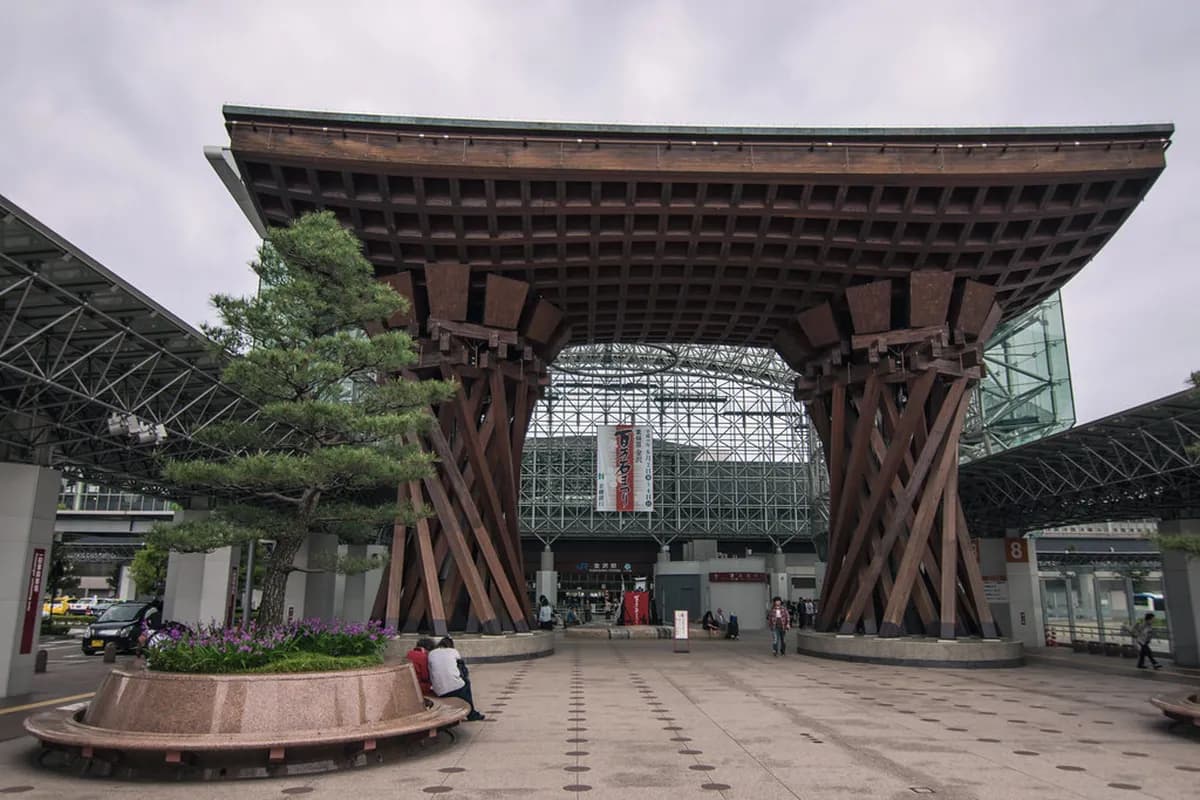
- Days 7–8: Kanazawa (Kenrokuen, Nagamachi, Higashi Chaya)
- Day 9: Takayama (Sanmachi Suji, Hida Folk Village)
- Days 10–12: Kyoto (northern temples, Nara day trip, Fushimi Inari)
- Day 13: Hiroshima and Miyajima Island
- Day 14: Osaka, then fly home from KIX
This sequence minimizes backtracking. You travel from Tokyo westward, picking up Kanazawa and Takayama — often skipped by first-timers — before landing in the Kansai corridor where Kyoto, Nara, Hiroshima, and Osaka all sit within close range of one another.
| Days | City | Highlights | Nights |
|---|---|---|---|
| 1–4 | Tokyo | Shibuya Crossing, Harajuku, Shinjuku Gyoen, Akihabara | 4 |
| 5 | Hakone | Mount Fuji views, onsen, ryokan overnight | 1 |
| 6 | Kanazawa or Yudanaka | Jigokudani Snow Monkeys (optional) or direct to Kanazawa | 1 |
| 7–8 | Kanazawa | Kenrokuen Garden, Nagamachi Samurai District, Higashi Chaya | 2 |
| 9 | Takayama | Sanmachi Suji, Hida Folk Village, Hida beef | 1 |
| 10–12 | Kyoto | Kinkaku-ji, Ryoan-ji, Arashiyama Bamboo, Fushimi Inari | 3 |
| 11 (day trip) | Nara | Todai-ji Temple, free deer in Nara Park, Kasuga Taisha | — |
| 13 | Hiroshima & Miyajima | Peace Memorial Museum, floating torii gate | 1 |
| 14 | Osaka | Osaka Castle, Dotonbori street food, depart KIX | — |
Why Visit Japan? Unforgettable Experiences Await
Japan is genuinely unlike anywhere else. The contrast between a centuries-old Shinto shrine and a glass-and-steel skyscraper two blocks away is not a quirk — it is the character of the country. What makes Japan stand out for most first-time visitors is less the individual attractions and more the cumulative effect: the precision, the cleanliness, the quiet attentiveness of service everywhere you go.
Food alone justifies the trip. Japan has more Michelin-starred restaurants than any other country. But the ramen shop tucked under the railway tracks or the convenience store onigiri eaten on a platform bench competes seriously with anything upscale. Every region on this itinerary has its own dishes — Kanazawa's fresh seafood, Takayama's Hida beef, Kyoto's kaiseki, Osaka's street food — so two weeks of eating rarely feels repetitive.
The natural landscape adds another dimension. Cherry blossoms in spring, fiery maple leaves in autumn, snow-dusted mountains in winter — Japan has four visually distinct seasons, and each one genuinely changes the travel experience. There is no wrong time to visit, only different reasons to go.
Quick Tips for Your Japan Trip
Most nationalities (including the US, UK, EU, and Australia) receive a 90-day tourist visa on arrival — no pre-application needed. The currency is Japanese yen. Cash remains important at smaller restaurants, temple admission booths, and rural shops, so carry ¥10,000–¥20,000 daily. Credit cards are widely accepted in cities but less reliable in the countryside. Tipping is not practiced in Japan and can cause confusion; good service is simply the standard.
Before you embark on your 2 week Japan itinerary, sort out connectivity. A portable Wi-Fi device or eSIM for Japan is essential for navigation and communication. Estimate your two-week Japan data allowance before deciding between individual eSIMs, a shared router or a hybrid. Luggage forwarding (takuhaibin) is one of the most underused tools for multi-city trips: for around ¥1,500–¥2,500 per bag, services like Yamato Transport deliver your suitcase to the next hotel by the following morning, leaving you free to explore on busy travel days.
The Japan Rail Pass (JR Pass) is NOT always cost-effective — calculate your specific route's individual Shinkansen fares first. On this itinerary, a 14-day ordinary JR Pass (¥80,000) costs more than the estimated individual fares (about ¥65,000–¥72,000). Skip it if you're only doing the Tokyo–Kyoto–Osaka triangle, where point-to-point fares total around ¥34,000.
Build a two-week Japan cost estimate for your travelers, accommodation, meals and extras. Then use the JR Pass Calculator to compare the long-distance legs and the luggage forwarding calculator to price the bags you send ahead.
Key Japanese Phrases to Know
You do not need Japanese to travel in Japan — English signage is excellent in stations and tourist areas. But knowing a handful of phrases earns immediate goodwill. Pronunciation is consistent: vowels are always short (a=ah, i=ee, u=oo, e=eh, o=oh).
- Sumimasen — excuse me / sorry (the single most useful word)
- Arigatou gozaimasu — thank you (formal)
- Eigo no menyu wa arimasu ka? — Do you have an English menu?
- Kore wo hitotsu kudasai — One of this, please (point at menu item)
- Toire wa doko desu ka? — Where is the toilet?
- Ikura desu ka? — How much does it cost?
- Kanpai — Cheers
Google Translate's camera mode handles menus and signage in real time. Download the Japanese language pack offline before you leave — signal on mountain trails and in rural areas is not guaranteed.
When is the Best Time to Visit Japan?
Spring (late March to early May) is the most popular time, driven by cherry blossom season. The payoff is real — parks and temple grounds become genuinely spectacular — but hotels book out months ahead, Shinkansen reserved seats fill quickly, and crowds at sites like Arashiyama and Fushimi Inari reach their annual peak. If you travel during sakura season in 2026, lock in accommodation by December 2025.
Autumn (mid-October to late November) is arguably the better choice for first-timers. Temperatures are comfortable (10–22°C), foliage turns spectacular shades of red and gold, and crowds are slightly thinner than spring. Kyoto in November is stunning. Summer is hot and humid, with rainy season in June; winter is cold but quiet, and seeing the snow monkeys at Jigokudani from January to March — when macaques sit in steaming pools surrounded by fresh snow — is one of Japan's most memorable sights.
Getting Around Japan: Transport & Passes
Japan's public transport system is world-class. The single most practical tool for daily travel is an IC card — Suica or Pasmo. Pick one up at the airport on arrival, load it with ¥5,000–¥10,000, and tap in and out at every gate. It covers all urban subways, local JR lines, and buses, and doubles as payment at convenience stores and vending machines. Google Maps gives accurate transit directions including platform numbers and transfer times.
For long-distance travel, the Japan Rail Pass can be cost-effective — but only if your specific route needs it. As of 2026, the 14-day ordinary pass costs ¥80,000. The full route in this itinerary (Tokyo → Hakone → Kanazawa → Takayama → Kyoto → Nara → Hiroshima → Osaka exit at KIX) totals roughly ¥65,000–¥72,000 in individual Shinkansen and limited express fares, so point-to-point tickets are likely cheaper. The pass saves even less if you skip Kanazawa and Takayama and stay in the Tokyo–Kyoto–Osaka triangle, where point-to-point fares total around ¥34,000. Calculate your specific legs before buying.
Within cities, the IC card handles everything. In Kyoto, the city bus one-day pass (¥800) is only worth buying if you plan more than three bus rides in a single day. Reserve Shinkansen seats at the JR ticket window on arrival; the online system requires a Japanese credit card.
What to Eat in Japan: A Culinary Journey
Every city on this itinerary has its own food identity. In Tokyo, prioritize ramen (a basement counter-only shop beats any tourist-facing restaurant), conveyor belt sushi, and yakitori near Shinjuku Station. Kanazawa is considered the best city in Japan for fresh seafood outside Tokyo — the Omicho Market serves sea urchin, snow crab, and yellowtail at prices well below what you'd pay in the capital. In Takayama, order Hida beef (regional wagyu) at least once: ¥2,500–¥4,000 for a small plate but genuinely exceptional quality.
Kyoto's specialty is kaiseki — multi-course haute cuisine built around seasonal ingredients. A mid-range kaiseki dinner starts around ¥12,000 per person and is worth budgeting for at least once. Osaka is the street-food capital: takoyaki (octopus balls, ¥600–¥800 for eight), okonomiyaki (savory pancake), and kushikatsu (breaded skewers) are best eaten standing at a Dotonbori counter. Vegetarian and vegan options have expanded significantly across Japan by 2026. Buddhist temple restaurants (shojin ryori) in Kyoto are entirely plant-based. In regular restaurants, show a printed dietary card in Japanese specifying "niku nashi, sakana nashi, dashi nashi" to cover meat, fish, and fish stock.
What to Wear in Japan: Packing Essentials
Packing for a 2 week Japan itinerary requires thinking about two things above all: footwear and volume. You will walk 15,000–25,000 steps daily. Bring broken-in, cushioned walking shoes — do not debut new footwear on this trip. Pack slip-on shoes or shoes with easy-to-remove laces, since you take them off at every temple, many restaurants, and all traditional guesthouses.
Layer according to season. Spring and autumn call for light jackets and a cardigan. Summer means moisture-wicking fabrics and a compact umbrella for both rain and shade. Winter needs a warm coat, thermal layers, and waterproof shoes — particularly for the Hakone and Takayama legs. A compact backpack for daily essentials, a portable power bank (10,000 mAh minimum), and a small day bag for souvenirs round out the essentials. Your main luggage can travel ahead by courier on longer transit days, so resist the urge to over-pack.
Use an IC card (Suica or Pasmo) for all urban transit within cities — pick one up at the airport on arrival and load it with ¥5,000–¥10,000. It covers all subways, local JR lines, and buses, and doubles as payment at convenience stores and vending machines. For Shinkansen reservations, use the JR ticket window at the airport or station (the online system requires a Japanese credit card).
Day 1: Arrive in Tokyo & Get Your Bearings
Arrive at Narita (NRT) or Haneda (HND). Haneda is 20–30 minutes closer to central Tokyo and the better option if you have a choice. From Narita, the Narita Express (N'EX) reaches Shinjuku in about 90 minutes for ¥3,070; from Haneda, the Keikyu Line reaches central Tokyo in 35–45 minutes for ¥570. Real-time platform numbers and transfers are available via Google Maps and IC card payment systems. Activate your eSIM or pick up rental pocket Wi-Fi in the arrivals hall. Base yourself in Shinjuku or Shibuya for the Tokyo leg — both put you within walking distance of major sights. In the evening, head to Shibuya Crossing: at peak hour (around 17:30–18:30), up to 3,000 people cross simultaneously. It is the best possible introduction to Tokyo's energy.
Day 2: Explore Harajuku & Shinjuku on Foot
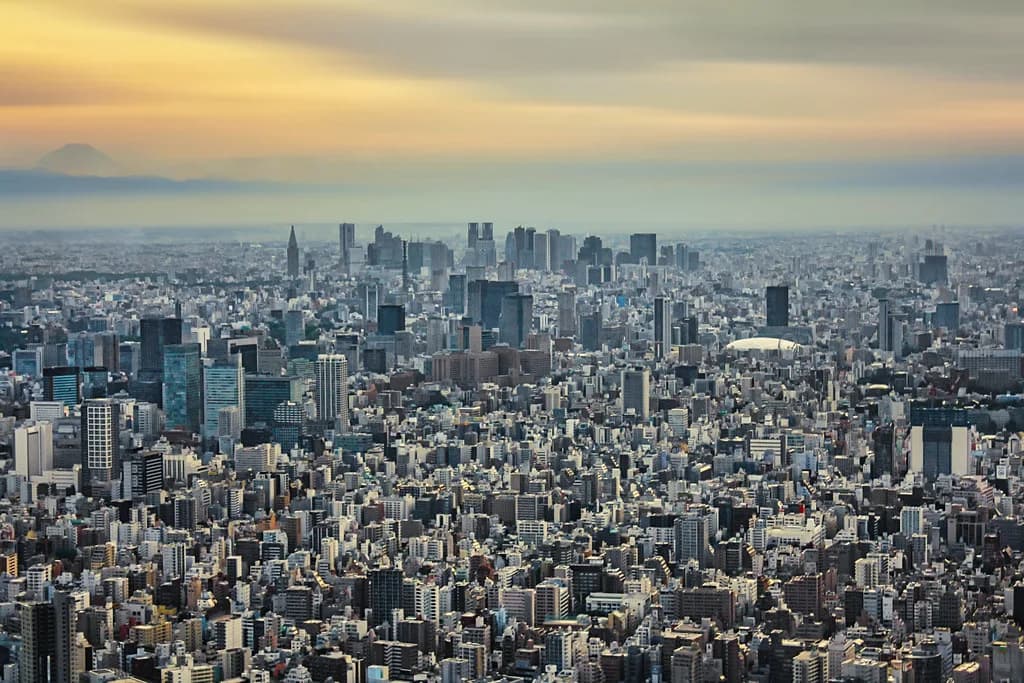
Start at Takeshita Street in Harajuku (open from around 10:00) for the fashion, crepe stands, and street spectacle. Walk five minutes north to Meiji Jingu Shrine — a forested Shinto shrine that feels entirely removed from the city; the cedar-lined approach is free and takes about 10 minutes. Spend the afternoon at Shinjuku Gyoen National Garden (¥500 entry, open 09:00–18:00, closed Mondays). In the evening, the Tokyo Metropolitan Government Building observation decks are free and open until 22:30 — panoramic views over the entire city. Dinner in Shinjuku's Golden Gai: six alleyways packed with tiny bars seating 6–10 people each, the most sociable drinking district in Japan.
Day 3: Head Over to Central Tokyo
The Imperial Palace East Garden (free, open 09:00–16:45, closed Mondays and Fridays) provides good historical context for the city — the former inner citadel of Edo Castle, surrounded by moats and stone walls. Allow 60–90 minutes. Spend the afternoon in Ginza, Tokyo's most expensive shopping district. The Itoya stationery store (10 floors) is a genuine Tokyo highlight regardless of whether you buy anything. The basement food halls (depachika) of the Mitsukoshi and Matsuya department stores are free to browse and excellent for Japanese sweets and ready-to-eat dishes. For dinner, Ginza has sushi at every price point — from ¥1,500 lunch sets at a basement counter to full omakase.
Day 4: Get Your Geek On in Akihabara
Akihabara is Tokyo's electronics and anime district — multi-story buildings stacked with components, figurines, retro games, and maid cafes. Even if neither interests you, it is worth an hour for the visual spectacle. Pick one or two shops to explore properly: Yodobashi Camera for electronics, Mandarake Complex for vintage anime goods. Take the JR Yamanote Line one stop north to Ueno in the afternoon. Ueno Park contains the Tokyo National Museum (¥1,000, open 09:30–17:00, closed Mondays) — the best introduction to Japanese art history in the country. End the evening at Ameyoko Market, a covered street market below elevated tracks where you can eat well for under ¥1,000.
Day 5: Check Out Mount Fuji from Hakone
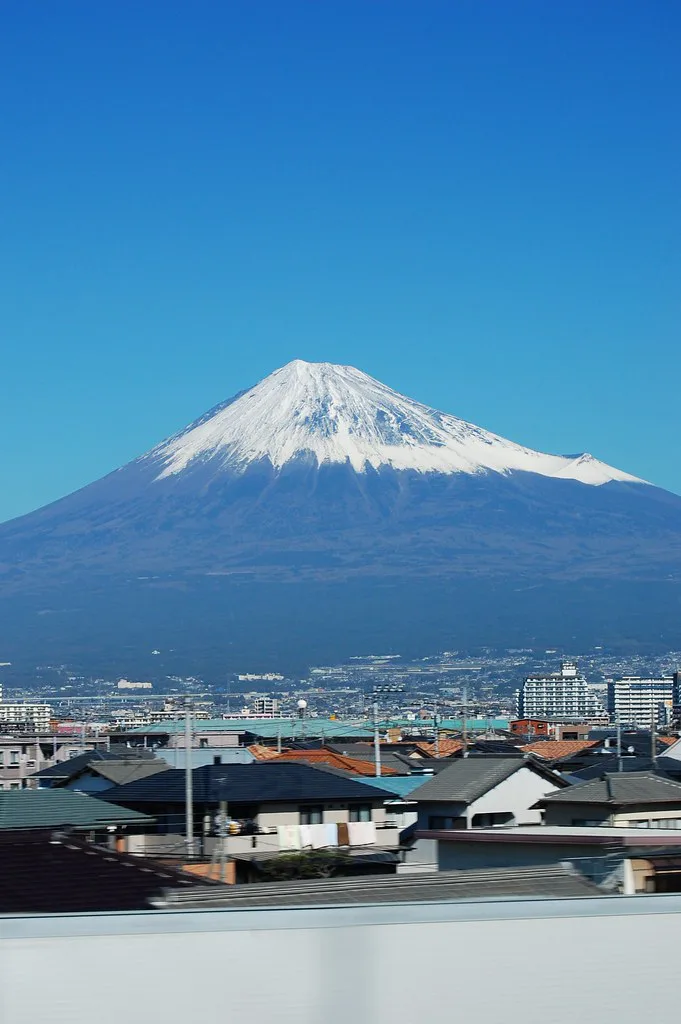
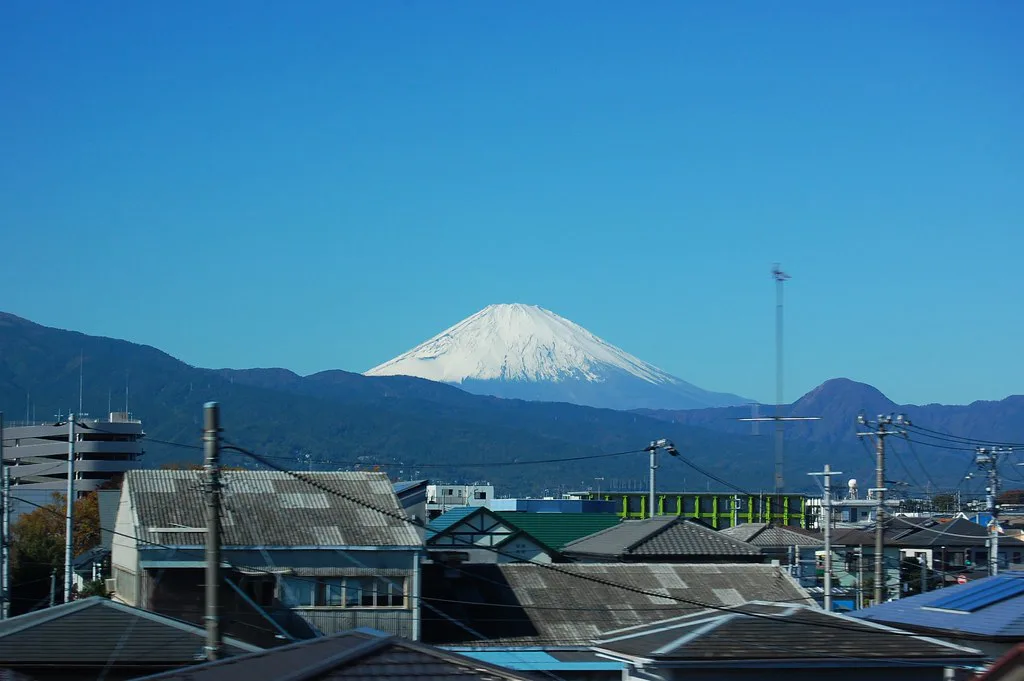
Travel from Shinjuku to Hakone on the Odakyu Romancecar (approximately 90 minutes, ¥2,600–¥3,000). The Hakone Free Pass (¥6,100 from Shinjuku) covers this train, the Hakone Ropeway, the Lake Ashi pirate ship cruise, and local buses for two days — buy it if you plan to use more than two or three services. Check Fuji's visibility the evening before at fujisan.ne.jp. If Fuji is hidden, the Hakone Open-Air Museum (¥1,600, open 09:00–17:00) is worth visiting regardless — a sculpture park with an onsen foot bath and a Picasso pavilion set into the hillside. Stay overnight at a traditional ryokan with private onsen: expect ¥25,000–¥45,000 per person at mid-range properties. Book three to four weeks ahead for weeknights, two to three months for weekends.
Day 6: See the Snow Monkeys in Yudanaka (Optional)
This optional day adds significant transit time but delivers a genuinely unusual experience: Japanese macaques sitting in outdoor hot spring pools at Jigokudani Monkey Park near Yudanaka in Nagano Prefecture. The best months are November through March, when fresh snow surrounds the steaming pools. From Hakone, return to Odawara, take the Shinkansen to Nagano (approximately 90 minutes, ¥7,260), then limited express to Yudanaka (40 minutes, ¥1,170), then a bus and 30-minute forest walk to the park (¥800 entry, open 08:30–17:00). If you skip this leg, travel directly from Hakone to Kanazawa by Shinkansen via Nagoya (approximately 3.5 hours, ¥14,000), arriving in time to explore Omicho Market.
Day 7: Sushi, Architecture, and Gardens in Kanazawa
Kanazawa receives far less tourist traffic than Kyoto despite comparable cultural depth. Start at Kenrokuen Garden (¥320, open 07:00–18:00), one of Japan's three designated great gardens — large enough to walk for 90 minutes without retracing steps. The adjacent Kanazawa Castle Park is free and worth 30 minutes. In the afternoon, walk through the Nagamachi Samurai District — preserved earthen walls, narrow lanes, and traditional townhouses that give a concrete sense of Edo-period urban life. The Nomura House interior (¥550, open 08:30–17:30) has one of the best small private gardens in Japan. Dinner near Omicho Market: fresh sea urchin (uni) on rice or snow crab at ¥2,000–¥4,000, significantly cheaper than the same quality in Tokyo.
Day 8: Go District-Exploring in Kanazawa
Arrive at Higashi Chaya District by 09:00 before tour groups appear. The preserved streets of 19th-century teahouses are Kanazawa's most photogenic corner, and several shops offer gold leaf workshops for ¥1,500–¥3,000 — Kanazawa produces over 99% of Japan's gold leaf. In the afternoon, visit the 21st Century Museum of Contemporary Art (¥1,200, open 10:00–18:00, closed Mondays). The circular glass architecture flush with the ground is as interesting as the collection inside, which includes James Turrell's swimming pool installation. The D.T. Suzuki Museum (¥310, closed Mondays) nearby offers a quiet architectural experience worth 45 minutes if your energy holds.
Day 9: Step Back in Time in Takayama
Travel from Kanazawa to Takayama by limited express (approximately 75 minutes, ¥2,310). Takayama sits in the Japanese Alps and feels remote despite easy rail access. Walk directly to Sanmachi Suji — preserved Edo-era merchant streets of dark-timbered sake breweries and craft shops. The morning markets (Jinya-mae and Miyagawa) run until noon and are the best place to buy pickles, local produce, and crafts at fair prices. Spend the afternoon at Hida Folk Village (¥700, open 08:30–17:00), an open-air museum of traditional gassho-zukuri farmhouses with A-frame thatched roofs built to handle alpine snowfall — architecturally distinct from anything else on this itinerary. For dinner, Hida beef (local wagyu) is the mandatory order: street stall skewers at ¥1,000–¥2,500, or a proper restaurant set at ¥4,000–¥8,000.
Day 10: Check Out the Highlights of Northern Kyoto
Travel from Takayama to Kyoto via limited express Hida to Nagoya, then Shinkansen to Kyoto (approximately 3–3.5 hours total, ¥8,000–¥10,000). After check-in, go directly to Kinkaku-ji (Golden Pavilion, ¥500, open 09:00–17:00) — visit early afternoon to avoid morning tour buses. Then take the city bus to Ryoan-ji (¥500, open 08:00–17:00) for the most famous rock garden in Japan, and continue west to Arashiyama Bamboo Grove before dusk. In the evening, walk Gion's Hanamikoji Street around 17:30–19:00 — the best chance to see geiko or maiko passing between appointments. Dinner in Pontocho Alley, the narrow lane parallel to the Kamogawa River, runs ¥2,500–¥8,000 depending on the establishment.
Day 11: A Day Trip to Deer-Filled Nara
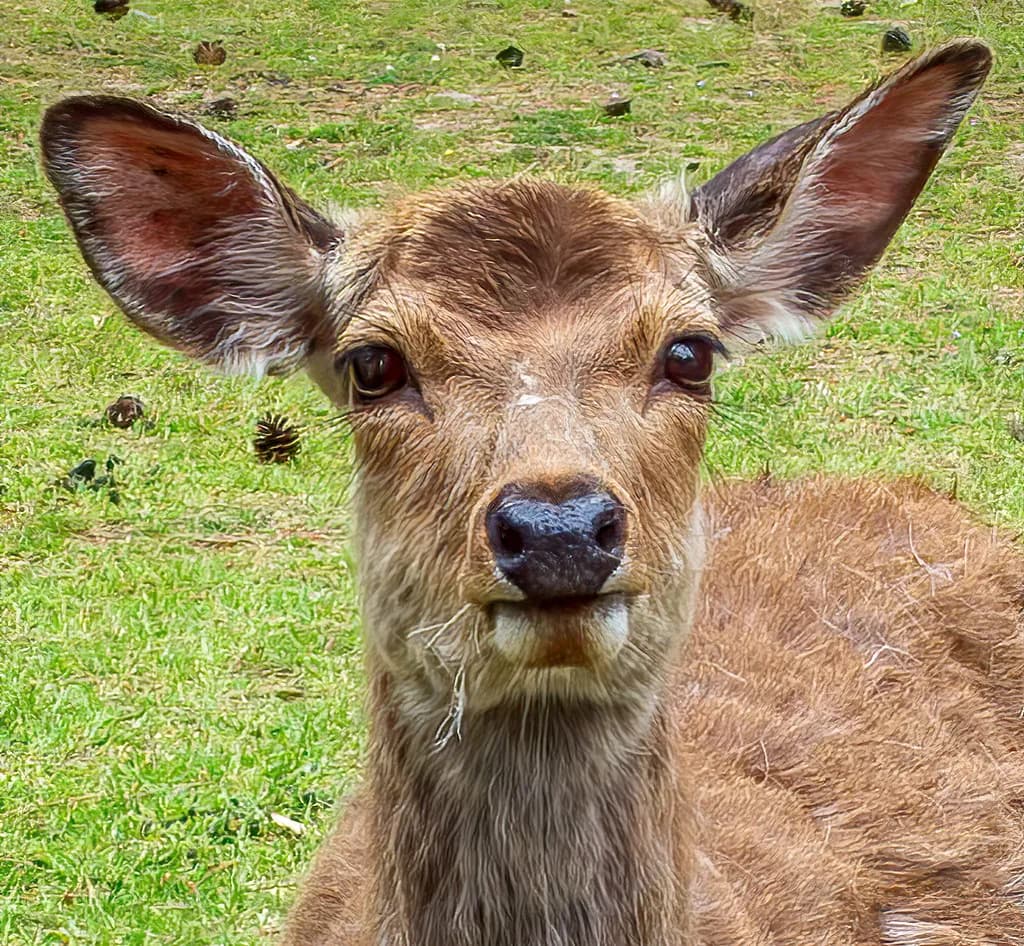
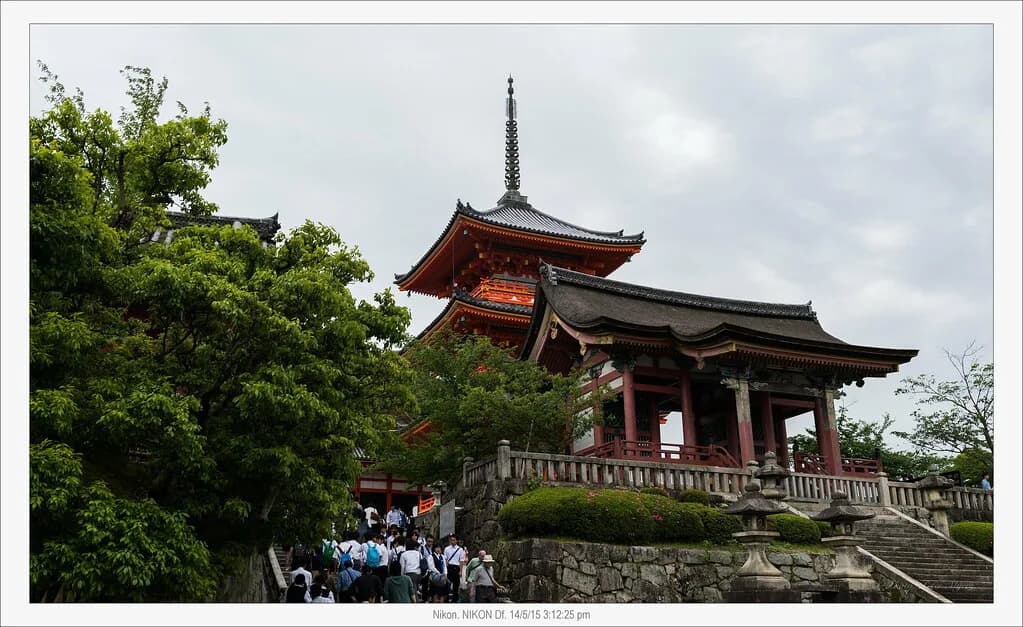
Take the JR Nara Line from Kyoto Station to Nara (45 minutes, ¥720). Most sights are within 20 minutes on foot from the station. The 1,300 free-roaming sika deer in Nara Park bow for shika senbei (deer crackers, ¥200 from vendors) and wander through temple grounds without any barriers. Todai-ji Temple (¥600, open 07:30–17:30) houses the world's largest bronze Buddha — 15 meters tall, cast in 752 CE. Kasuga Taisha Shrine, 15 minutes east through the deer park, is atmospheric for its thousands of bronze and stone lanterns. Allow four to five hours total and return to Kyoto by early evening.
Day 12: Geishas and Shrines in Kyoto
Fushimi Inari Shrine is free and open 24 hours — arrive before 08:00 to walk the lower torii tunnels before crowds arrive. The full hike to the summit takes about two hours return; even the first 30 minutes to Yotsutsuji intersection rewards with views over Kyoto and dramatically fewer visitors than the entrance. After Fushimi Inari, walk to Nishiki Market — a 400-year-old covered market five blocks long selling pickled vegetables, fresh tofu, and grilled skewers. Budget ¥1,000–¥2,000 eating as you walk. In the evening, consider a sake tasting at a craft sake bar in the Higashiyama neighborhood, or a 60-minute tea ceremony in Gion (¥3,000–¥5,000 at several operators in the area).
Day 13: Hiroshima and Miyajima Island
Take the Shinkansen from Kyoto to Hiroshima (approximately 90 minutes, ¥10,580 unreserved). Visit the Peace Memorial Park and Museum first (¥200, open 08:30–18:00) — one of the most thoughtfully designed memorial museums in the world; allow at least 90 minutes. The Atomic Bomb Dome directly across the river is a UNESCO World Heritage Site. From Hiroshima, take the JR San'yo Line to Miyajimaguchi, then a 10-minute ferry (¥200 one way) to Miyajima Island. Itsukushima Shrine's floating torii gate is best seen at high tide — check kanko.miyajima.or.jp before you go. Return to Osaka by Shinkansen (45 minutes, ¥3,340) and check in for your final night. Dinner in Dotonbori: takoyaki and kushikatsu at a riverside counter.
Day 14: Start Eating Everything in Osaka
Osaka Castle (¥600, open 09:00–17:00) is best early when the grounds are quiet. From the castle, subway south to Shitennoji (¥500) — one of Japan's oldest temples, founded 593 CE, calmer than most Kyoto sights. The afternoon belongs to Dotonbori: takoyaki (¥600–¥800), okonomiyaki at a griddle counter (¥900–¥1,500), and kushikatsu skewers (¥100–¥200 each). Depart for Kansai International Airport (KIX) via the Nankai Rapid Express from Namba Station (35–45 minutes, ¥1,110) or the JR Haruka from Tennoji (45–60 minutes, ¥2,850). Allow at least two and a half hours before international departure.
Book in Advance: Essential Reservations for Japan
Securing certain bookings in advance is crucial for a smooth 2 week Japan itinerary. Popular attractions often have timed entry or limited availability. Planning ahead helps avoid disappointment and saves valuable travel time. I always recommend booking key elements as soon as your dates are firm.
The Ghibli Museum in Tokyo requires tickets purchased months in advance — tickets release on the 10th of each month for the following month. For popular ryokans with private onsens in Hakone or Takayama, book several weeks ahead on weeknights, two to three months ahead on weekends. If traveling during cherry blossom or autumn peak, reserving your Shinkansen bullet train seats early is essential. The TeamLab digital art installations in Tokyo and Osaka also require advance tickets; same-day purchases are rarely possible on weekends.
Consider guided tours for specific experiences such as a Kyoto food tour or a Gion evening walk. These often have limited spots and fill quickly. Always check the official websites for the most current booking windows and policies. Early planning ensures you don't miss out on desired activities.
And That's How to Spend Two Weeks in Japan!
This 2 week Japan itinerary covers the country's essential arc — from Tokyo's organized chaos to Kyoto's quiet temples, with the mountains of Kanazawa and Takayama providing contrast most first-timers don't know to add. The route works precisely because it is not just a Tokyo–Kyoto–Osaka train ticket with day trips bolted on. It moves through genuinely different regions, landscapes, and food cultures.
Two easy extensions are worth considering if you have flexibility. Stay an extra two days in Kyoto to walk Philosopher's Path during autumn foliage or explore the Fushimi sake district. Alternatively, swap the Snow Monkeys leg on Day 6 for a slower Hakone morning and direct Kanazawa travel — the monkeys are spectacular but the logistics are demanding and the payoff is highest in winter.
Japan is an unusually forgiving destination for first-time visitors. Infrastructure works, people are helpful even when the language barrier is real, and the country rewards curiosity over checklists. Use this itinerary as a structure, then let Japan fill in the gaps. You will almost certainly find the best experiences are the ones that weren't on the plan.
Frequently Asked Questions
How much does a 2 week Japan itinerary cost?
A 2-week trip to Japan can range from $2,500 to $5,000+ per person, excluding international flights. This estimate covers accommodation, transportation, food, and activities. Budget travelers might spend less, while luxury trips can exceed this range.
Is 2 weeks enough time for Japan?
Two weeks is an excellent duration for a first-time visit to Japan, allowing you to cover major highlights like Tokyo, Kyoto, and Osaka. This timeframe provides a good balance between sightseeing and experiencing local culture. It offers a comprehensive overview without feeling rushed.
What cities should I visit on a 2 week Japan itinerary?
For a 2-week Japan itinerary, focus on Tokyo, Kyoto, and Osaka as your main hubs. Add day trips to Nara, Hakone (for Mount Fuji views), and Hiroshima/Miyajima. Consider Kanazawa and Takayama for unique cultural experiences, as included in this itinerary.
Do I need a Japan Rail Pass for 2 weeks?
Whether you need a Japan Rail Pass for 2 weeks depends on your specific itinerary. For this comprehensive route covering Tokyo, Hakone, Kanazawa, Takayama, Kyoto, Nara, Hiroshima, and Osaka, a 14-day JR Pass is often cost-effective. Always calculate individual train fares to confirm savings.
Embarking on a 2 week Japan itinerary promises an adventure filled with discovery and wonder. From the bustling energy of Tokyo to the serene beauty of Kyoto, every moment is a new experience. This guide provides a comprehensive framework to help you plan your perfect trip. Remember to savor every unique aspect of this incredible country.
Japan offers a harmonious blend of tradition and innovation that truly captivates visitors. Whether you're exploring ancient temples or enjoying modern cuisine, you'll create lasting memories. Use these tips and the detailed itinerary to build your dream Japanese journey. Your unforgettable two-week grand tour awaits.
Two weeks leaves room for Japan's standout regional destinations: Hakodate, Sendai, Himeji, Okayama, Kurashiki, Koyasan and Shirakawa-go.
Free: The Tokyo Essentials guide
Top things to do, where to stay, a perfect day plan, getting around, and the best time to go — a Tokyo mini-guide you can take offline.
You might also like
Continue reading
More guides you'll find useful